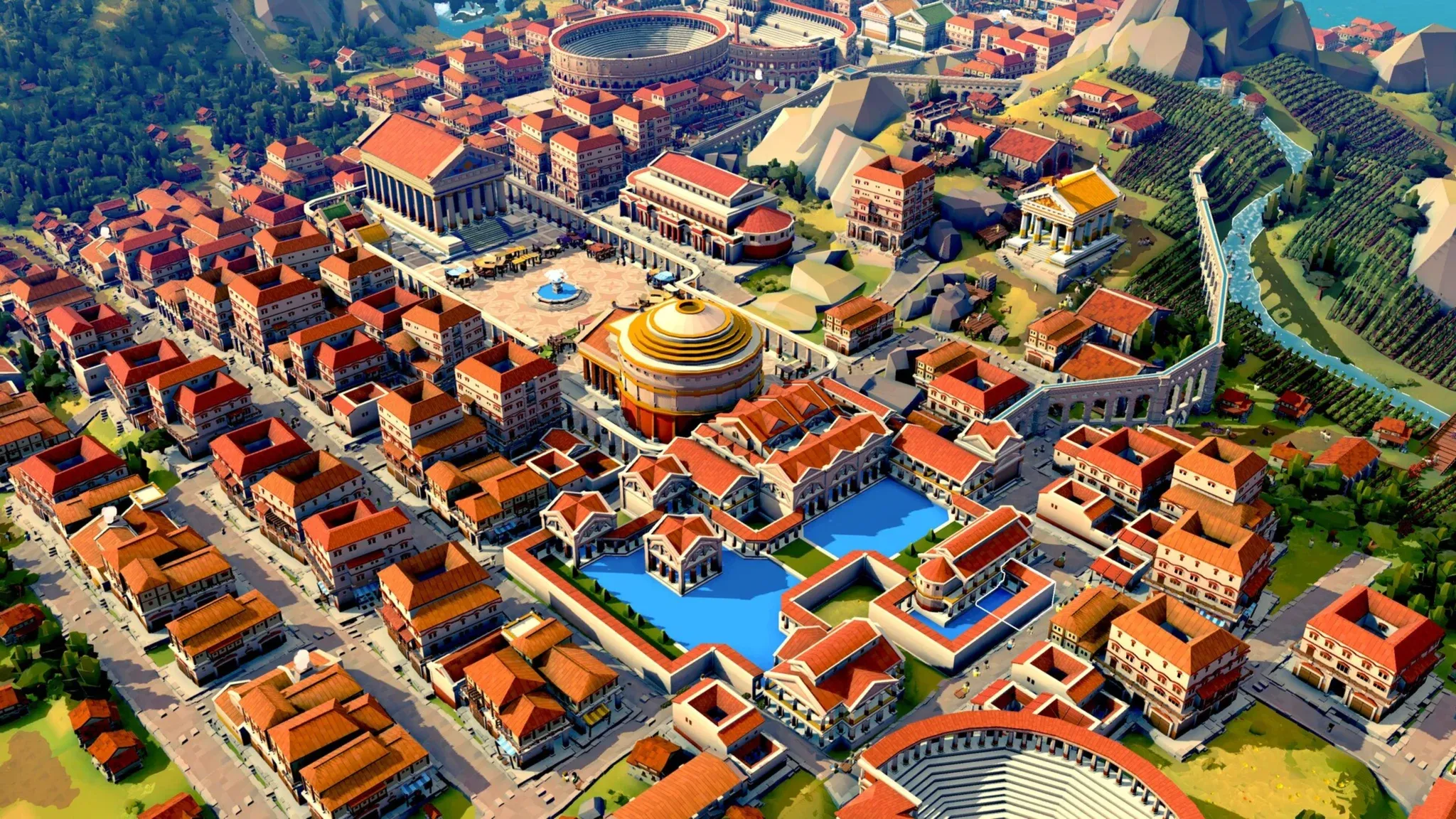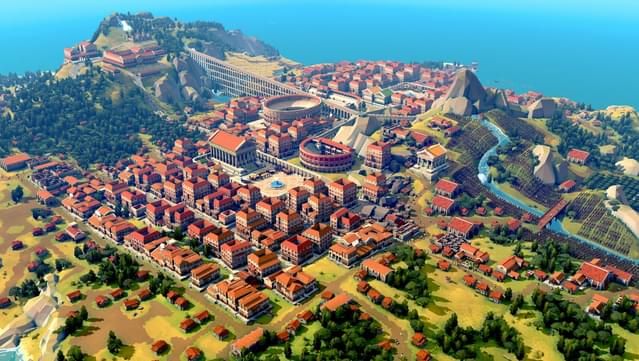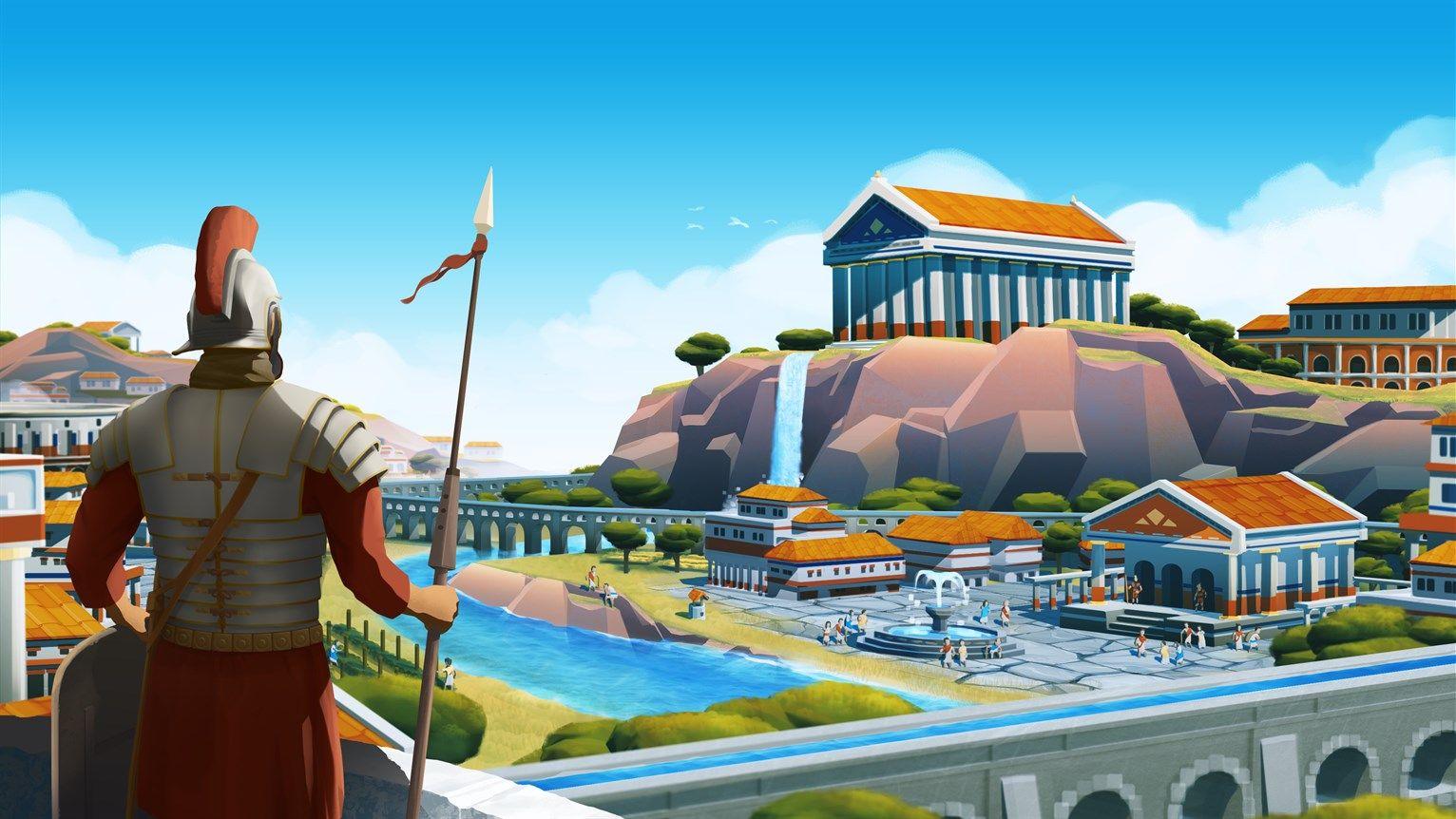

Nova Roma does not ease you in. Lion Shield and Hooded Horse's ancient Roman city builder, released on Steam Early Access on March 26, 2026, will happily let you flood your industrial quarter, starve your citizens, and get struck by lightning from an annoyed Jupiter, all within your first hour. The good news: every disaster in this game has a mechanical cause you can learn, predict, and prevent. Here's what you need to know before placing your first stone.
How does the citizen system work in Nova Roma?
Your population is the engine of everything, and it needs constant fuel. Citizens require housing, food, water, and warmth. Winter is the biggest early-game killer because residents burn through wood and charcoal at a pace that catches new governors completely off guard.
Raw wood is an inefficient heating source. Build a Charcoal Maker as one of your first structures. It stretches your fuel supply dramatically and stops you from clear-cutting every tree on the map before your second winter arrives.
Buildings also degrade over time. Ignore structural maintenance and your workshops will literally collapse on the workers inside. Place Masonries near your densest construction zones so repairs happen automatically without pulling workers off their primary jobs.

How do taxes and gold actually work?
Gold comes from one place: a Tax Office. Each office collects within an 11-tile radius, and the tax rate runs from 0% to 60%. Cranking it to maximum will make your citizens miserable, kill immigration, and eventually trigger a population exodus.
The smarter approach is tiered taxation. A basic Hovel at 10% produces almost nothing. A Villa Rustica at the same rate generates significantly more gold. Build your Tax Offices surrounded by upgraded housing and keep the rate lower in poorer neighborhoods. You get more revenue without triggering a revolt.
Mastering water: the mechanic that breaks most new players
Water is where Nova Roma separates players who understand simulation mechanics from those who don't. The game uses a genuine physics model: water only flows downhill, and it follows the path of least resistance without exception.
To supply your city, you need a Water Intake positioned below the waterline of a river or reservoir. Here's the part that trips everyone up: the intake must sit at a higher elevation than the city it supplies. Gravity pulls water down through your aqueducts. If your city sits on a hill taller than your intake point, the aqueducts run dry no matter how well you've built them.
The game's production chains number over 15, and water touches almost all of them, from farming irrigation to industrial cooling. Getting this wrong doesn't just hurt your water supply; it cascades through your entire economy. The Nova Roma Wiki tracks these dependencies in detail if you need specific chain breakdowns.
Dam planning and slope grading
Spend time in Dam Planning Mode before committing to any reservoir. This simulation tool shows you exactly how water will behave against your structure. Watch your spillways carefully: during heavy rain, an undersized spillway causes overflow, and a flooded forge district takes a long time to drain.
When laying aqueducts, the game displays the slope angle in real time. Too steep and the water velocity exceeds the safe threshold, which blocks construction entirely. You'll need to snake the aqueduct along a longer, gentler path to step the water down safely. It feels tedious the first time. After your third flooded city, you'll appreciate the constraint.
What do the gods actually do in Nova Roma?
Religion is not decoration. The five gods of Nova Roma are active mechanical forces that either boost your city's output or actively destroy it depending on your Honor level. Temples dedicated to each deity generate Divine Tasks, and completing those tasks earns Favor, which is the only way to unlock new technologies, advanced crops, and higher-tier industry.
Keep your God Honor above the "Expected" threshold or the curses listed below will trigger automatically.
| God | Blessing | Curse |
|---|---|---|
| Jupiter | Happiness boost in 5-tile radius | Lightning strikes, causing fires |
| Ceres | +Output for 3 nearest farms/orchards | Devastating crop failures |
| Mars | +25% damage for 3 nearest defense towers | Crushes military morale |
| Neptune | Increased fish yield for 5 nearest fishing buildings | Floods and dangerous seas |
| Vulcan | +Output for 5 nearest fire-based industry | Burns your industrial sector |
Festivals burn through your luxury food stockpile, but the resulting surge in Favor and city-wide happiness makes them worth scheduling regularly. Rush a Large Temple early so you have the vault capacity and festival infrastructure in place before your Honor starts slipping.
How do you stop plagues and fires from destroying your city?
Disasters in Nova Roma are not random. They're the end result of neglected systems, and understanding the cause-and-effect chain is what separates a stable empire from a death spiral.
Disease and sanitation
Plagues trigger when citizen Hygiene drops below a critical threshold. Dense housing generates Filth passively, and that Filth must be actively cleared by your infrastructure. Every residential block needs coverage from both a Fountain (clean drinking water) and a Bathhouse (washing). Once houses upgrade beyond basic tents, their hygiene demands increase sharply.
Build Medicus clinics in every major neighborhood before anyone gets sick. A doctor dispatched to an isolated case can quarantine and treat the patient before it spreads. Waiting until bodies appear in the streets is too late.
If a plague does break out, unburied corpses accelerate it dramatically. Graveyards and Pyres on the city outskirts, with clear road access for Undertakers, are non-negotiable infrastructure.
Fire prevention and the Vigiles
Wooden structures, slums, and high-heat industrial buildings like Smelters, Blacksmiths, and Potteries carry a high combustion risk. The Vigiles are your fire department, and they need two things to function: patrol coverage and immediate water access.
Use the heat-map overlay (hotkey: H) to confirm every building sits within a Vigiles patrol radius. More importantly, ensure Fountains or river access sit within close walking distance of every fire station. Vigiles physically carry buckets to fires. If the nearest water source is three blocks away, the building burns down before they return.
Leave one-tile stone gaps or road segments between dense wooden neighborhoods. Fire spreads between adjacent wooden roofs but cannot cross stone. As your economy grows, transition housing and monuments from wood to Brick and Stone to reduce ignition risk across the board.
Military defense: when raiders come knocking
Raiders will eventually target your economy. Without defenses, they'll sack buildings and walk off with your stockpiles.
Your first option is the Outpost, which recruits basic militia drawn from your pool of idle workers. If your entire population is employed in quarries and farms, you'll have no one available to fight. Plan for a small idle labor reserve before the first raid warning appears.
Once Iron and Armament production come online, you can train Infantry and Cavalry, professional soldiers who require wages. This means your tax economy needs to be stable before committing to a standing army. Terrain matters in combat: fighting from high ground gives your troops a measurable advantage, so position defensive lines on elevated terrain wherever possible.
Guard Towers provide cost-effective localized defense but require constant gold upkeep. Don't scatter them randomly. Build wooden palisades or stone walls to funnel attackers into deliberate chokepoints, then place towers at those bottlenecks to maximize their coverage.
After a raid ends, disband your militia immediately. Keeping them active drains your economy. Sending them back to civilian life also triggers a city-wide happiness bonus as residents celebrate the victory.
Key logistics mistakes that sink new cities
A few patterns show up repeatedly in failed settlements:
- Expanding housing without a food surplus. New immigrants flood in, eat your reserves in days, then complain about starvation. Always secure a large buffer before zoning new homes.
- Leaving crops exposed in winter. Food stored in the open rots when temperatures drop. Use Granaries to lock supplies away properly.
- Manual hauling at scale. A single citizen carrying stone across the map is a waste. Once your city grows, set up transport cart routes and river shipping lanes so animals and boats handle bulk logistics.
- Ignoring treasury reserves. If your gold hits zero, city maintenance stops. Buildings begin crumbling within a few in-game months. Keep a cash buffer at all times.
For more city-building strategies and gaming guides, browse more guides on GAMES.GG to find tips across a wide range of simulation and strategy titles.