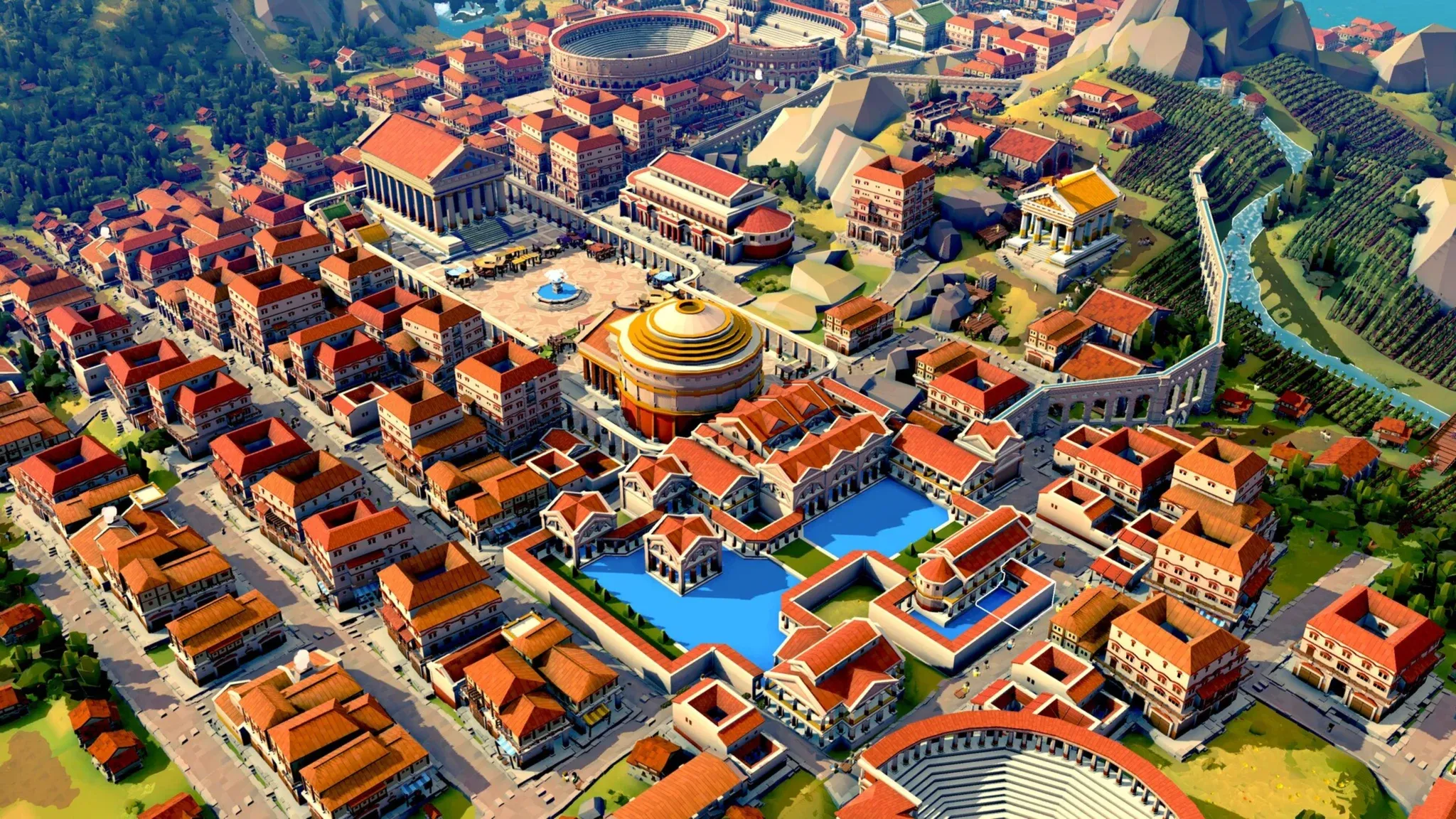
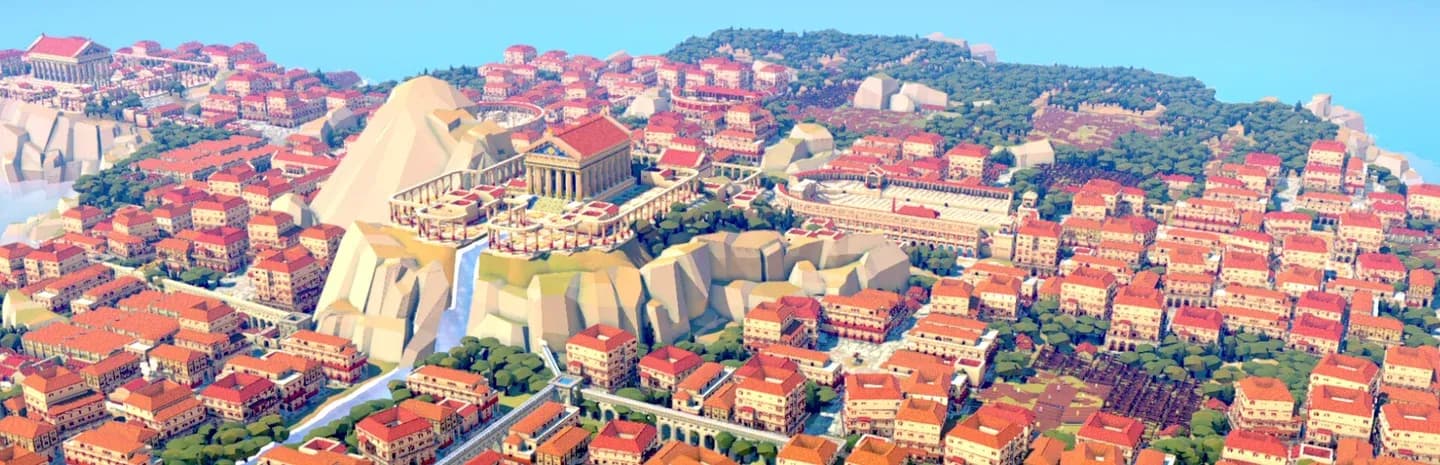
Nova Roma drops you on a foreign shore with a handful of citizens, some wood, and absolutely no patience for mistakes. Lion Shield's city builder runs a tight simulation where a single bad harvest, a misplaced aqueduct, or a neglected temple can unravel years of progress in a matter of in-game days. The good news: the systems are learnable. After spending considerable time watching settlements flood, starve, and burn, the patterns become clear. Here's everything you need to know to stop restarting from scratch.
How to get started in Nova Roma
The very first structure you place matters more than most players realize. Build your Outpost in a central, accessible location with flat ground around it, because every road you lay later needs to connect back to it. Roads aren't decorative; they're the literal path your citizens walk to reach jobs, markets, and homes. Place the Outpost poorly and you'll spend the rest of the session fighting your own city layout.
Once the Outpost is down, use the Clear Land tool on the bottom bar to direct idle citizens toward trees and small stone deposits. This gets your first wood and stone flowing without spending resources on dedicated buildings. As soon as you have enough materials, build a Forester in a wooded area and a Stone Quarry adjacent to a stone deposit. Both operate automatically and replenish their resources over time, which is far more sustainable than manually clearing land forever.

Feeding your citizens without triggering a famine
Food is where most new governors fail. Wheat farms get you started, but citizens eating nothing but grain will sit at a permanently suppressed happiness level. The game's happiness algorithm checks the inventory of the Market closest to each house. When a residential building has access to three or more distinct food types, it receives a +20 base happiness buff that acts as a buffer against tax penalties and temporary shortages.
To hit that threshold reliably, you need:
- Wheat farms on high-fertility land near riverbeds (the game shows fertility levels when placing crops)
- Fishing Huts placed at designated Fishing Spots along the coast
- Pig Farms or Cattle Ranches for meat production
Rotate your farmland. Growing the same crop on the same tile repeatedly causes fertility to drop temporarily. When that happens, demolish the farm, wait a few years for the land to recover, and replant. Ignoring this turns productive fields into dead soil.
Store everything in Granaries. Crops left exposed perish when winter arrives. The Outpost can hold a small buffer, but once your population climbs past the early game, you need dedicated storage scattered across the city so workers aren't hauling resources across the entire map.
Granary food storage screen
Mastering water physics: the mechanic that breaks new players
Water in Nova Roma obeys gravity, and the game is unforgiving about it. Your Water Intake building must sit below the waterline of your water source, but it also needs to be at a higher elevation than your city. Gravity then pulls water down through your aqueduct network toward your population. If your city sits on a hill taller than your intake point, your aqueducts run dry regardless of how many you build.
When laying aqueducts, the game displays the slope angle of each segment. Too steep and the water flows too fast; the game blocks construction entirely. The solution is to find a gentler grade or route the aqueduct along a longer path that steps the water down gradually.
Before committing to a dam, use Dam Planning Mode to simulate how water reacts to your structure. Adjust your spillway gate heights carefully. Heavy rain events can cause overflow, and a flooded industrial sector creates a cleanup nightmare that cascades into production shutdowns.
Once your aqueduct network is functional, check each Water Tower's inflow versus outflow indicator. Inflow must exceed outflow, or downstream buildings like Fountains, Baths, and Large Insulae stop working. Fountains provide a happiness bonus in their area of effect and cover a larger radius than basic wells, so prioritizing them in residential zones pays off quickly.

Aqueduct slope and water flow
What do the gods actually do, and why do they matter?
Religion in Nova Roma is a hard mechanical system, not background flavor. Every temple you build must be dedicated to a specific deity. That deity then issues Divine Tasks, and completing those tasks earns Favor. Favor is the only currency for unlocking new technologies, crop types, and advanced buildings through the research tree. Ignore the gods and your city stagnates.
Each god also provides a passive blessing when you make a Favor offering at a Small Temple, and curses your city if their God Honor level drops below "Expected."
| God | Blessing | Curse if Neglected |
|---|---|---|
| Jupiter | +3 happiness in a 5-tile radius | Lightning strikes, causing fires |
| Ceres | +1 output to the 3 nearest farms, vineyards, orchards | Devastating crop failures |
| Mars | +25% damage to the 3 nearest defense towers | Crushed military morale |
| Neptune | +1 fish yield to the 5 nearest fishing buildings | Floods and hostile seas |
| Vulcan | +1 output to the 5 nearest fire-based industry buildings | Burns down your industry |
Position temples strategically. A Ceres temple near your farm district does more than a Jupiter temple there. A Vulcan temple next to your Smelters and Charcoal Makers multiplies their output. Think of temple placement as a production multiplier, not just a religious obligation.
Unlock the Large Temple as early as you can. It satisfies God Honor at a greater rate than Small Temples and lets you throw Festivals, which burn through luxury food but generate a significant Favor and happiness surge. According to the official Nova Roma guide published by developer Lion Shield, Festivals are boosted further by adjacent Forum Tiles, so building a Forum around your Large Temple amplifies the effect.

Temple deity dedication menu
How does the tax system work without triggering riots?
Gold flows through a Tax Office, which collects from every building within an 11-tile radius. Tax rates run from zero to 60 percent. Crank them to maximum and citizens become miserable fast. The happiness system updates dynamically every few in-game hours, so the consequences aren't delayed. Workers go on strike, immigration stops, and existing residents start leaving.
The smarter approach is tiered taxation. A Hovel at 10 percent generates almost nothing. A Villa Rustica at the same rate produces significantly more. Surround your Tax Offices with upgraded housing and you collect meaningful revenue without punishing your poorest citizens into rebellion. This is covered in detail in the Nova Roma beginner's guide from NeonLightsMedia, which is worth reading alongside this one for additional context on the economy.
If a riot is already in progress, the fastest fix is dropping tax rates to the minimum immediately. You'll bleed Denarii, but citizens receive a relief buff that halts emigration and starts pulling happiness back toward neutral. Pair that with a Festival if you have the food reserves, and you can stabilize a collapsing city relatively quickly.
Every three years you also elect a new City Governor, each with positive and negative traits affecting city performance during their term. Pay attention to these traits before confirming an election. A governor with bonuses to food production during a famine is worth far more than one with military buffs when your biggest problem is an empty granary.
Defending against raids without bankrupting yourself
Raiders arrive once your city becomes prosperous enough to be worth attacking. Your Outpost lets you recruit a basic militia drawn from idle workers. The catch: if everyone is employed, you have no one to arm. Keep a small pool of idle workers available or your militia roster stays empty when you need it most.
Once you unlock Iron and Armament production, you can train proper Infantry and Cavalry from dedicated military buildings. These units cost Armaments, wages, and population slots. A standing army is expensive, so your tax economy needs to be stable before you commit to one.
For static defense, Guard Towers fire arrows at enemies within their radius but carry a gold upkeep cost. Don't scatter them randomly. Build wooden palisades or stone walls to funnel raiders into chokepoints, then position Guard Towers there. Concentrated fire from a chokepoint beats spread-out towers every time.
After repelling an attack, disband your militia immediately. Active militia don't count toward your population cap, but the moment you disband them they become citizens again and need housing. Plan for this before a raid so you're not scrambling for beds afterward. Disbanding also triggers a city-wide happiness bonus as citizens celebrate the victory.
Key city management habits that separate good governors from great ones
A few systems that don't get enough attention in early guides:
- Building integrity: Structures degrade over time and can collapse on workers. Build Masonries early and let them automate repairs across your city.
- Sanitation and pollution: Heavy industry buildings like Clay Pits, Smelters, and Charcoal Burners emit noise and smoke that hammer residential happiness. Keep industrial zones separated from housing and connect them with paved roads rather than dirt paths. Dirt roads slow down market vendors and delivery workers, which breaks food buff chains.
- Winter fuel: Citizens consume wood or charcoal to stay warm during winter. Raw wood is inefficient and strips forests fast. Build a Charcoal Maker early to convert wood into a denser fuel source.
- Logistics scaling: Once your city grows beyond the early game, individual citizens hauling single resources across town becomes a bottleneck. Set up transport cart and ship routes through the logistics tab of your storage buildings to move bulk resources efficiently.
- Creative Mode: If you want to experiment with layouts or test water routing without consequences, the official game includes a Creative Mode sandbox. It lets you spawn resources and citizens freely, though it disables achievements.
You can check the Steam Community page for Nova Roma for player discussions, community guides, and update notes that reflect the current Early Access state of the game, since mechanics may shift before final release.
For more city-builder guides and strategy content, browse the latest guides on GAMES.GG to keep your strategy sharp across genres.