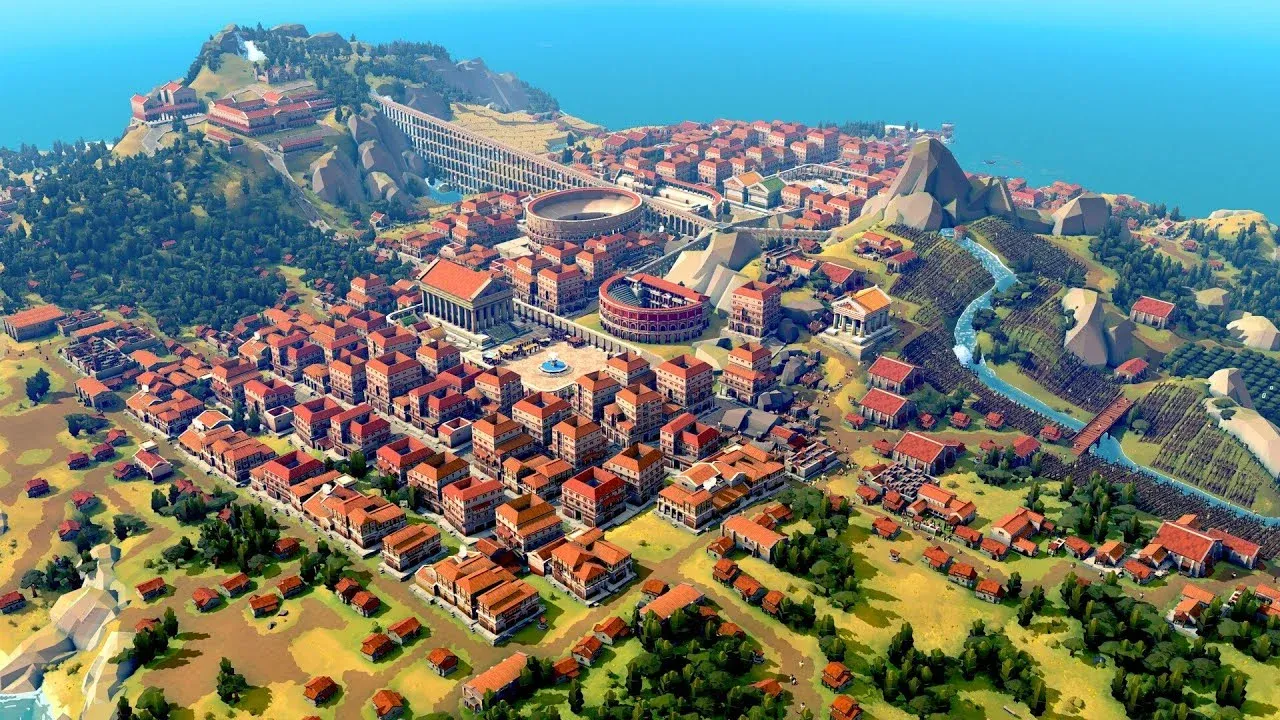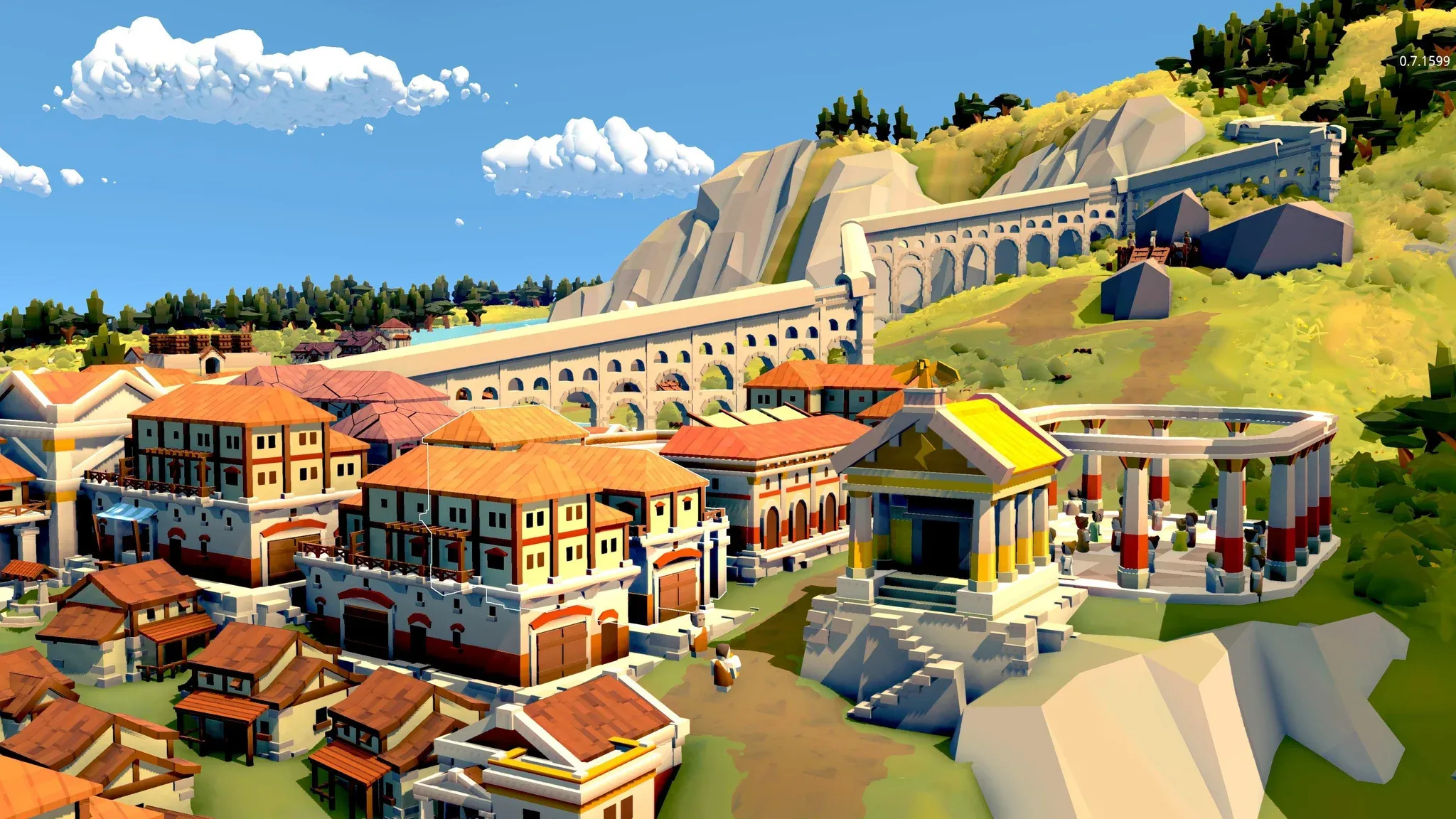

Nova Roma does not play nice with careless builders. One contaminated aqueduct reservoir, one Vigiles station without water access, one poorly placed Granary on a floodplain — and the cascading failures begin. What starts as a minor flood can wipe out 60% of your population within two in-game days if the underlying systems are misunderstood. This guide breaks down exactly how disease, fire, and flooding work in Lion Shield's simulation, and what you need to build before disaster strikes.
Why do disasters spiral so fast in Nova Roma?
The short answer: every system in Nova Roma feeds into every other system. This is not a game where a plague spawns randomly as a difficulty spike. Plagues are the mathematical result of Hygiene scores dropping below a threshold. Fires spread because wooden structures are packed too close together. Floods contaminate water supplies, which then trigger disease outbreaks.
After testing the disaster mechanics across multiple city layouts, the clearest pattern is this: players who treat each disaster type as isolated always lose. The builder who understands that a broken dam can cause a plague three days later is the one whose empire survives.


How to prevent plagues with water and sanitation
Hygiene in Nova Roma is a live simulation, not a passive stat. The game physically tracks water flow direction, which means your city layout determines whether clean water stays clean.
The upstream rule
Your Aqueduct source reservoir must sit far upstream of any industrial zone. Place it at the highest elevation point available, with no production buildings between the source and the intake valves. One Slaughterhouse upstream is enough to poison the entire network.
Bathhouse and Fountain coverage
Basic tents can survive on rudimentary wells, but once housing upgrades to solid structures, Hygiene demands increase sharply. Every residential block needs to fall within the green service radius of both a Fountain (drinking water) and a Bathhouse (washing). Do not assume one building covers a large neighborhood — check the overlay regularly.
Medicus clinics and the quarantine chain
Build a Medicus clinic in every major district before anyone gets sick. When a citizen catches an early-stage illness, a doctor dispatches to their home, quarantines them, and treats the infection before it reaches neighboring houses. Waiting until bodies appear in the streets means the outbreak is already ahead of you.
Managing the dead
Unburied bodies generate localized Filth, which accelerates any active plague into a death spiral. Graveyards and Pyres need to sit on the city outskirts with clear road access to every neighborhood. If your Undertakers cannot reach a body, that body becomes a disease multiplier.
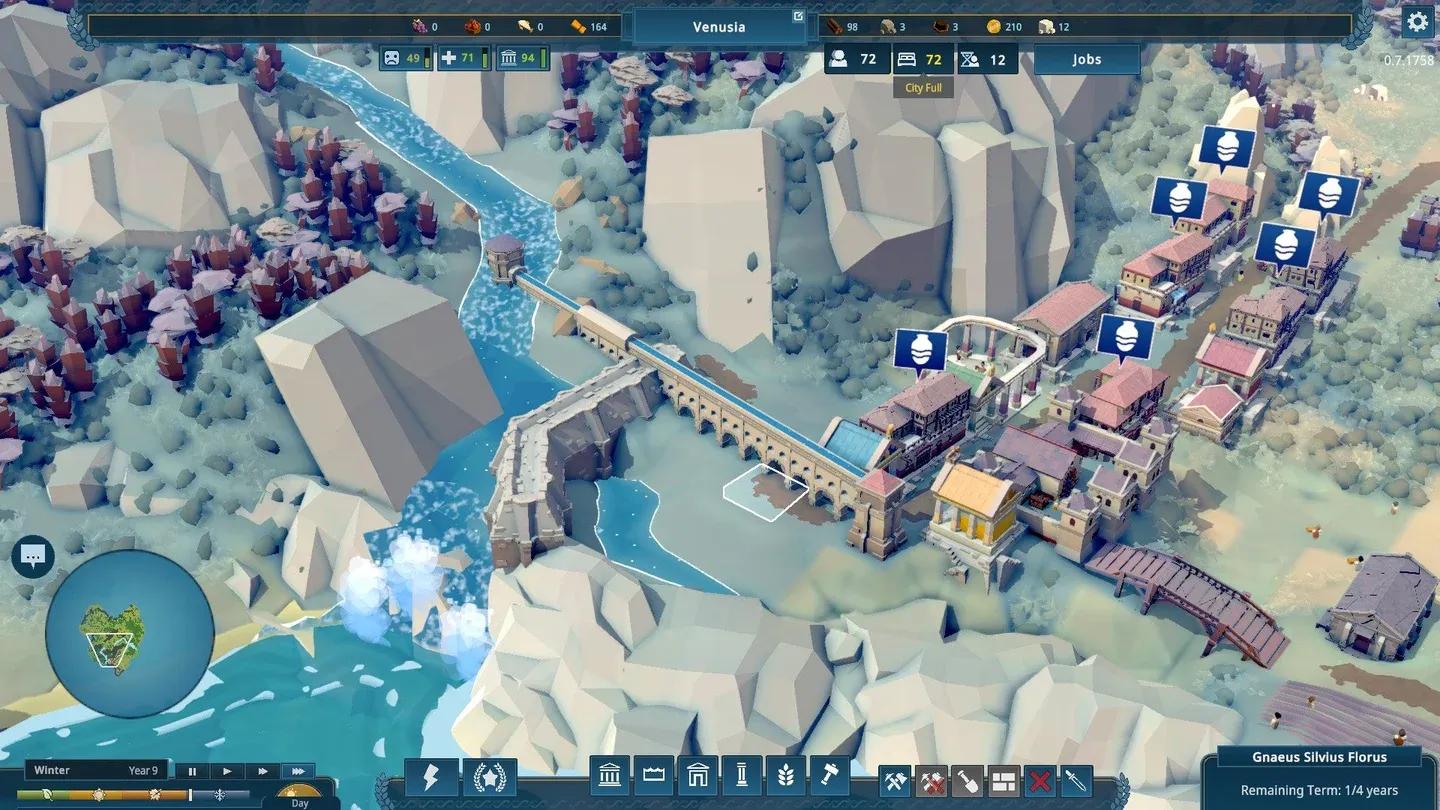
Medicus clinic coverage zones
| Sanitation Building | Primary Function | Coverage Requirement |
|---|---|---|
| Aqueduct | Delivers clean water to the network | Upstream source, no industrial pollution |
| Fountain | Provides drinking water to residents | Within green radius of each housing block |
| Bathhouse | Raises Hygiene for upgraded housing | Adjacent to mid-to-high density districts |
| Medicus Clinic | Quarantines sick citizens | One per major neighborhood |
| Graveyard / Pyre | Removes Filth from unburied bodies | Outskirts with road access to all zones |
How to stop fires before they spread
Fires are the fastest-moving threat in the early game. Smelters, Blacksmiths, and Potteries carry high combustion risk by default, and wooden slums packed tightly together turn a single spark into a district-wide inferno.
Vigiles placement and water access
The Vigiles (your Roman fire department) are completely useless without immediate water access. They carry buckets physically, which means they need a Fountain, well, or river access within a short walking distance of any high-risk building. If a Vigiles unit has to cross three blocks to refill, the structure burns before they return.
Use the heat-map overlay (press H) to confirm every building sits inside a Vigiles patrol radius. Gaps in coverage are fires waiting to happen.
Upgrade materials as fast as possible
Transitioning from wood to Brick and Stone is the single biggest long-term investment against fire risk. Stone structures have a significantly lower ignition chance and burn far slower, giving Vigiles enough response time to reach and suppress sparks before they escalate.
How to survive floods and dynamic weather
Unlike older static city builders, Nova Roma runs a dynamic water physics simulation. Rivers physically swell during heavy rain, and low-lying coastal areas face real storm surge risk.
Read the terrain before you build
Watch the first rainstorm on any new map before placing your city center. Low-elevation bowls and muddy riverbanks flood regularly. Granaries placed in flood zones will lose their entire food supply when water levels rise, which creates a famine on top of whatever else the storm caused.
Levees, embankments, and controlled dams
Stone embankments along the curve of a flood-prone river force water past your city rather than into it. If you are building large Aqueduct reservoirs, functional spillways are not optional. A dam that fails under water over-pressurization during a monsoon produces a tidal wave that destroys everything in its path instantly.
How to prevent building collapses
New players rarely think about structural maintenance until a monument crumbles. Buildings in Nova Roma deteriorate over time, and the consequences of ignoring this are expensive.
Architect Guilds work the same way Vigiles do for fires: place them near your most valuable monuments and high-density housing, and they will dispatch repair crews automatically. The second risk is financial. If your treasury hits zero Denarii, city maintenance stops immediately. Buildings start crumbling within a few in-game months. Keep a cash reserve at all times, because rebuilding a collapsed monument costs far more than the maintenance would have.
For a deeper look at the full range of city systems, the Nova Roma ultimate guide at XMODhub covers additional tips and walkthrough strategies worth reading alongside this one.
Does Nova Roma have a cheat console?
No. The public release of Nova Roma runs on a modern Unity Engine build and has no native developer console. There is no hotkey like ~ that opens a command line, and commands like stop_plague or heal_all do not exist in the game.
The save files are also not editable by hand. Nova Roma compiles simulation data into encrypted binary files stored in your AppData/LocalLow folder. Attempting to manually edit citizen health values with a text editor will corrupt the file permanently.
If you want to alter the simulation in real time, a verified memory injector is the only route. Players who have already lost a city to a cascading disaster and want to recover it without starting over may find the Nova Roma crash fix and troubleshooting guide useful for diagnosing related technical issues before attempting any external tools.
Disaster prevention checklist: what to build and when
Early game (first 10 in-game years):
- Place Aqueduct source reservoir upstream of all industrial zones
- Build Fountains within radius of every residential block
- Establish at least one Medicus clinic per district
- Position Vigiles outposts near Smelters and Blacksmiths with water access confirmed
- Zone Graveyards and Pyres on the city outskirts with road connections
Mid game (city expansion phase):
- Add Bathhouses as housing upgrades to solid structures
- Transition wood buildings to Brick and Stone
- Build stone embankments along flood-prone riverbanks
- Place Architect Guilds near monuments and high-density zones
- Audit the H heat-map overlay for Vigiles coverage gaps
Before monsoon season:
- Confirm dam spillways are functional
- Move Granaries away from low-elevation flood zones
- Check Medicus clinic coverage across all expanded districts
For more city-builder guides and strategy breakdowns, browse the latest guides on GAMES.GG to find coverage across the simulation genre and beyond.