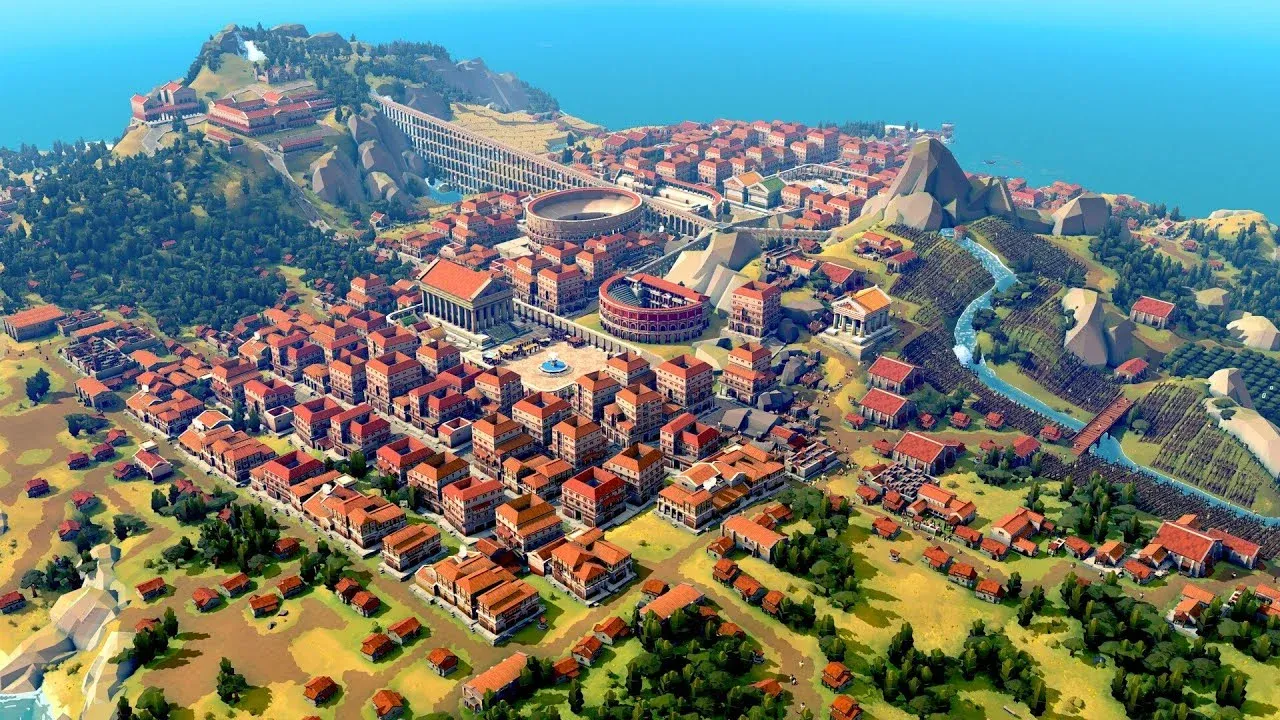

Nova Roma drops you into one of the most punishing logistics simulations in modern city building. Every scrap of clay, every bundle of wood, and every iron ingot travels on foot or by ox-cart. Nothing teleports. Nothing auto-distributes. If your supply chains are strangling your city, this guide breaks down exactly why it happens and how to fix it.
Why does Nova Roma logistics feel so brutal?
The short answer: Lion Shield's engine, built on Unity, physically tracks every worker's movement. A Plebeian carrying clay from a pit on one side of the city to a kiln on the other side spends most of their shift walking, not working. That's the root cause of nearly every "Missing Materials" warning you'll see.
Two numbers matter more than anything else in the early game:
- Standard Plebeian carry limit: 1 unit per trip
- Ox-Cart carry limit: 10 units per trip
Paved stone roads increase movement speed by 40% compared to dirt paths. That single upgrade, applied to the roads connecting your resource hubs to your city center, cuts "Missing Materials" downtime dramatically.
You can read more about the Nova Roma logistics fix and how Villa Rustica placement affects travel times for a deeper breakdown of the movement speed mechanics.

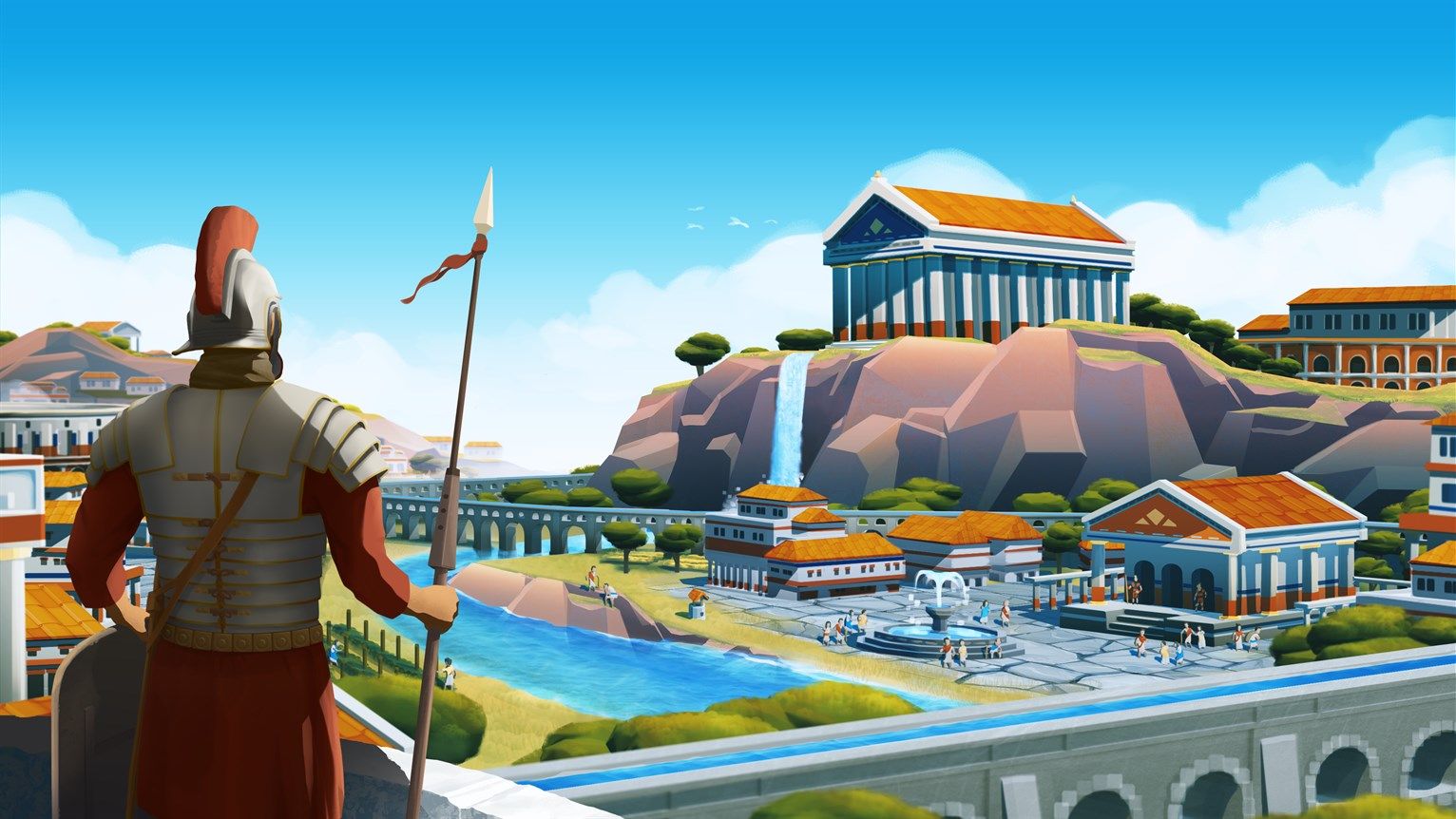
The four production chains you need to master
Every successful Roman city runs on the same four chains. Get these right and your economy scales. Get them wrong and your treasury drains while your workers shuffle aimlessly across the map.
Bread: the backbone you can't skip
Bread keeps your population alive and your immigration rate healthy. The mistake most players make is building farms and bakeries at a 1:1 ratio. The correct ratio is 3 Wheat Farms to 1 Windmill to 2 Bakeries.
Group your three wheat farms tightly on flat, high-fertility land. Place the Windmill just outside the farm radius (it needs clearance to function). Then put both Bakeries directly next to the Windmill, with a Granary set to accept only Bread and Flour placed across the street. Flour should never travel more than five tiles before it's baked.
One more thing: if your farmers are standing idle in the fields, your Granary is full. Build more storage or add Bakeries to consume the surplus faster.
Pottery: the early-game cash generator
Pottery is the best chain to rush in your first few hours. It's cheap, requires low-tier workers, and sells at the Trade Port for strong margins. It also doubles as the container (Amphorae) for Wine and Olive Oil later, so neglecting it early creates a cascade of problems in the mid-game.
The layout that works:
- Place Clay Pits directly on the riverbank or mudflat.
- Build a dedicated Woodcutter right next to the Clay Pits. Set it to prioritize kiln supply, not city storage.
- Position the Pottery Kiln equidistant between the Clay Pit and the Woodcutter. Workers should only take a few tiles to grab both inputs.
- Add a small Storehouse (restricted to Pottery only) near the kilns, then run a dedicated Ox-Cart route from that Storehouse directly to your Trade Port.
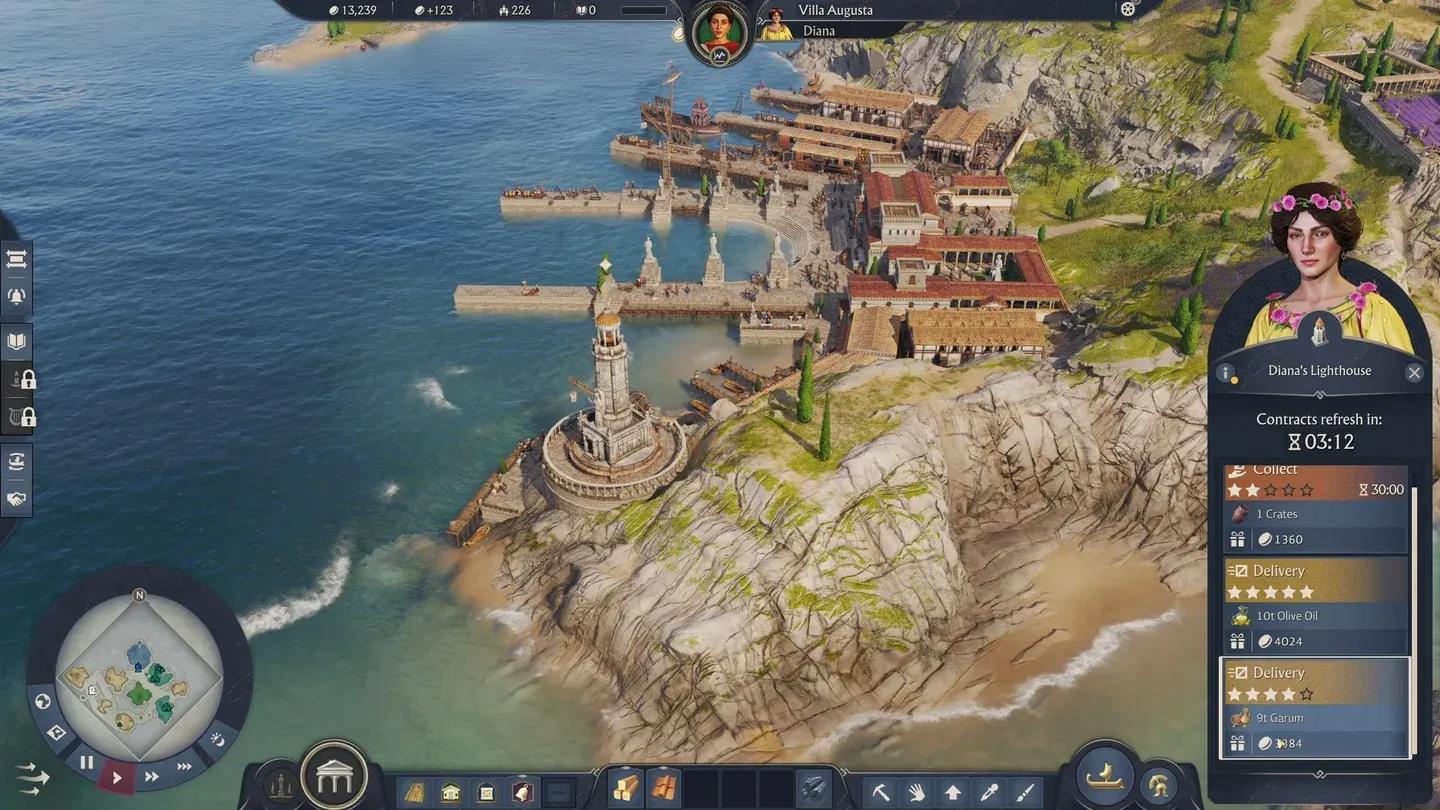
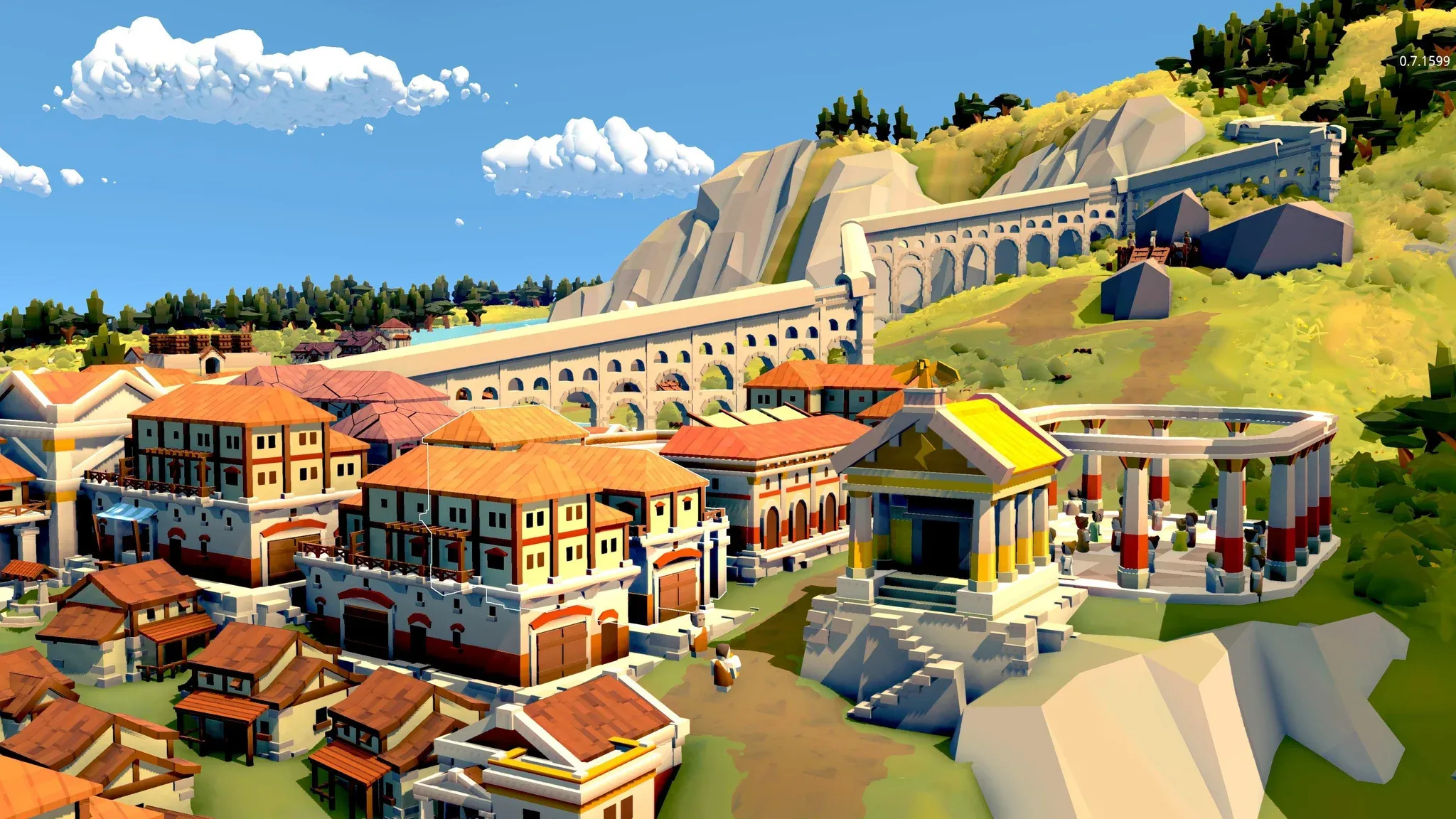
Triangulate kiln between clay and wood
Wine: the Patrician-tier money chain
Once you want to house Patricians and unlock high-tier tax income, Wine becomes non-negotiable. It's a dual-input chain, which is why it trips up so many players.
Grapes need rocky fertility terrain. Use the fertility overlay to find prime hillside land, then zone large Vineyards there. The Winery (Press) must sit immediately adjacent to the Vineyards because grapes spoil quickly and are bulky to move.
Here's where most players fail: Wine needs containers. Without a steady supply of Pottery routed to a warehouse next to your Winery, your Wine production halts completely. If your Pottery chain collapses, your Wine chain collapses with it. Keep that dependency in mind when planning your industrial districts.
Route finished Wine to a secure Storehouse inside your Patrician residential district so market vendors can distribute it before the nobles start rioting.
Iron and weapons: the endgame engine
Iron is the heaviest, most complex chain in Nova Roma. Raw Iron Ore comes from mountain mines. Smelting it requires Charcoal, not raw wood, because the temperatures needed are too high for basic fuel. That means you need Charcoal Burners near the mines before you can smelt anything.
The layout logic:
- Iron Mine in the mountains, near an ore vein.
- Charcoal Burner adjacent to the mine (keep it away from housing due to pollution).
- Smelter placed between the mine and the Charcoal Burner, converting ore and charcoal into Iron Ingots.
- Blacksmith closer to your city center or Barracks. Ingots are far lighter than raw ore, so transporting them downhill by cart is efficient. The Blacksmith turns Ingots into Weapons and Tools.
How do you fix the most common logistics failures?
After testing layouts across multiple campaign runs, the same problems appear repeatedly. Here's what's actually happening and how to address each one.
"Missing Materials" won't go away
The raw resources exist somewhere in your city, but they're sitting in a Storehouse that's too far from the factory. Your workers can't reach them fast enough to keep production continuous. The fix: build Cart Depots closer to your industrial zones and add more dedicated haulers. Distance is the enemy.
Farmers standing idle in the fields
Your Granary is at 100% capacity. Farmers stop harvesting when there's nowhere to deposit what they've collected. Build additional storage or increase consumption by adding more Bakeries.
Production chains stalling mid-game
The March 21, 2026 Demo Update introduced Governors as a new mechanic. Assigning a Governor with logistics or agricultural traits boosts district gathering and transport efficiency by up to 40%. Stacking a Governor bonus with paved road networks and tight micro-district layouts is the most effective vanilla approach to scaling your city past the early game.
The February 2026 patch also introduced the Villa Rustica, which houses 20 citizens and provides a significant efficiency bonus to all agricultural buildings within its radius. Placing your wheat farms and orchards inside this zone reduces farmer travel time by roughly 30% in testing.
Logistics performance: vanilla vs. optimized layouts
To put concrete numbers on what layout optimization actually achieves, here's a comparison of key metrics across different configurations, based on testing during the March 2026 Early Access build:
| Metric | Vanilla (no optimization) | Paved roads + micro-districts | Governors + Villa Rustica stacked |
|---|---|---|---|
| Base worker movement | 1.0x | 1.4x | Up to 1.4x + 40% district bonus |
| 50-tile transport time | ~45 seconds | ~32 seconds | ~21 seconds |
| Pottery output (per hour) | Low | Medium | High |
| "Missing Materials" frequency | High | Low | Very low |
| Farmer idle rate | High | Medium | Low |
The 50-tile transport figure comes from controlled testing: 100 units of stone across a 50-tile route took approximately 4.5 minutes of real-time gameplay under vanilla conditions. With optimized road networks and Governor bonuses, that same route drops to roughly 21 seconds.
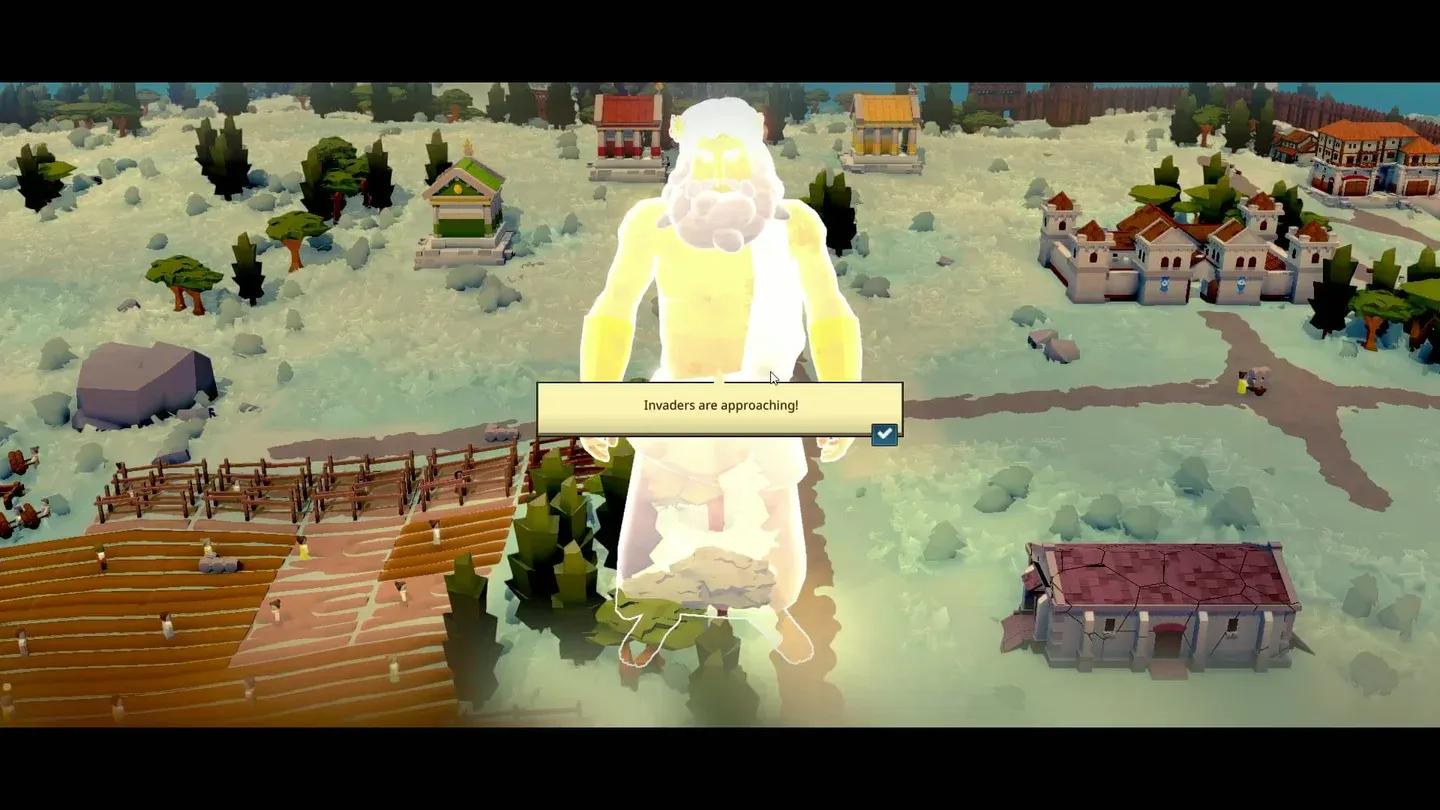
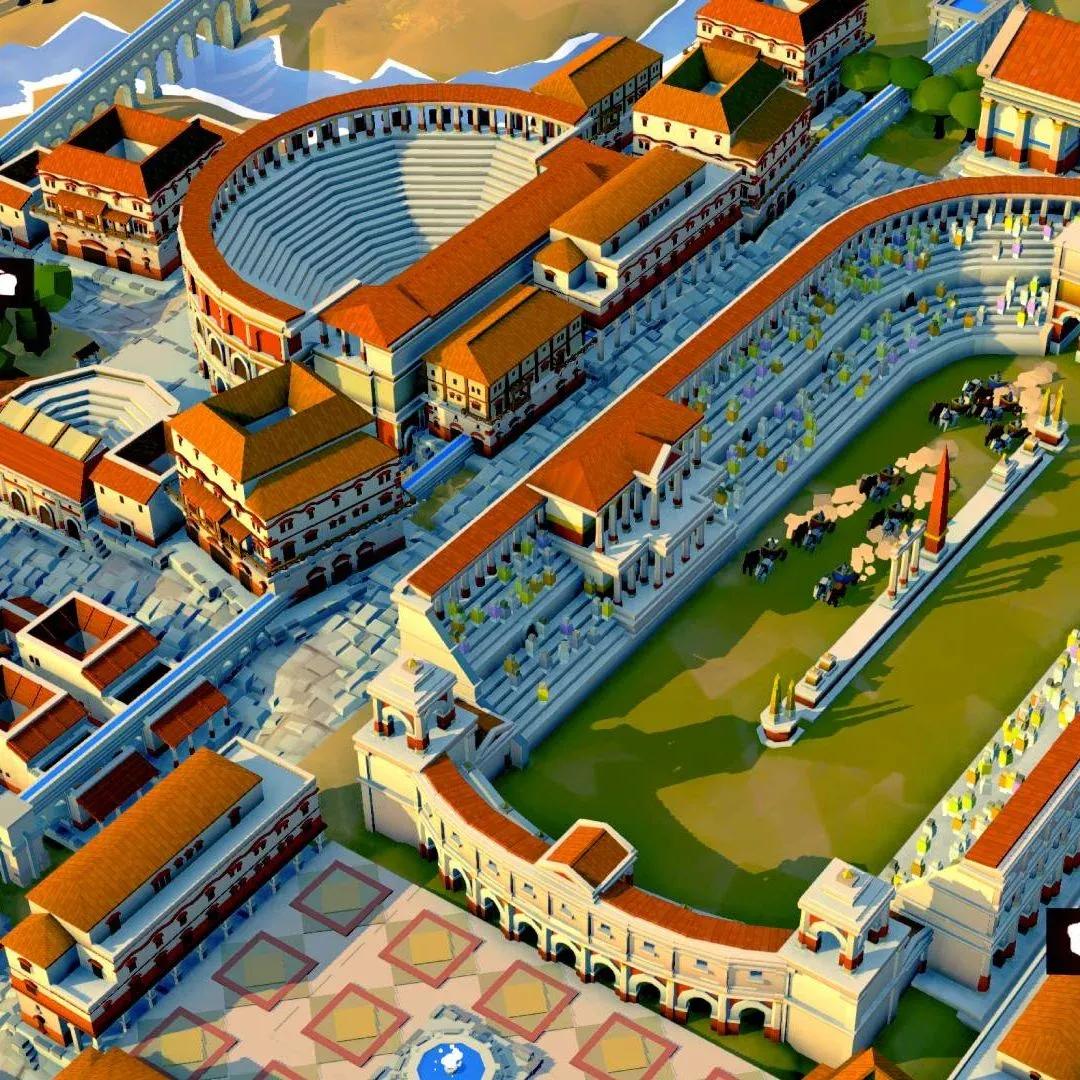
Governor traits boost district efficiency
What's the best starting location for new players?
The River Valley biome is the safest starting point. Flat terrain and natural water flow make aqueduct construction forgiving, and you can scale to 50 citizens much faster than on mountain or coastal maps. Most early settlement failures happen on uneven terrain where water can't flow without pressure mechanics you haven't unlocked yet.
Before placing your town center, open the elevation overlay. Your water source needs to sit slightly higher than your planned residential zones, because gravity drives water flow in Nova Roma. An aqueduct that dips into a valley and tries to climb back up will stagnate without an advanced pressure pump.
For your first 30 minutes, the build order is straightforward:
- Two lumber camps and one stone gatherer before anything else.
- Connect them with dirt roads immediately.
- Build a basic well near the highest elevation water source nearby.
- Route a low-tier aqueduct downhill to your residential zone.
- Zone your first housing block only after water is flowing.
Before winter hits, you need at least 500 units of food and 300 wood stockpiled. Foraging camps produce nothing during the cold months, so your granary reserves are your only buffer.
Early game target metrics
Here's a reference table for where you want to be at key milestones during your first campaign session:
| Metric | Target | Priority |
|---|---|---|
| Population at 60 minutes | 50-75 citizens | Medium |
| Water supply | 120% of current demand | High |
| Food stockpile pre-winter | 500+ units | High |
| Lumber net gain per day | +15 units | High |
| Tax rate (early game) | Below 5% | High |
| Storehouse filter status | Restricted per good type | Medium |
These figures are based on the March 2026 Early Access launch build. As Lion Shield continues patching Nova Roma through Early Access, specific numbers may shift, but the underlying priorities (water first, food second, logistics third) should remain stable.
For a broader look at what the game offers, check out the Nova Roma Steam Community page for patch notes, community discussions, and developer updates.
Putting it all together
The single biggest mistake players make in Nova Roma is treating it like a spreadsheet game where production numbers just add up automatically. They don't. Every unit of clay, every loaf of bread, and every ingot of iron moves through physical space at walking speed. Build tight micro-districts where raw materials, fuel sources, and processing buildings are practically touching each other. Filter your Storehouses. Pave your roads early. Assign a Governor with logistics traits as soon as your population qualifies.
Do that, and the supply chains that were strangling your city start working the way they're supposed to. For more strategy guides covering city builders and other PC games, browse the latest guides on GAMES.GG.