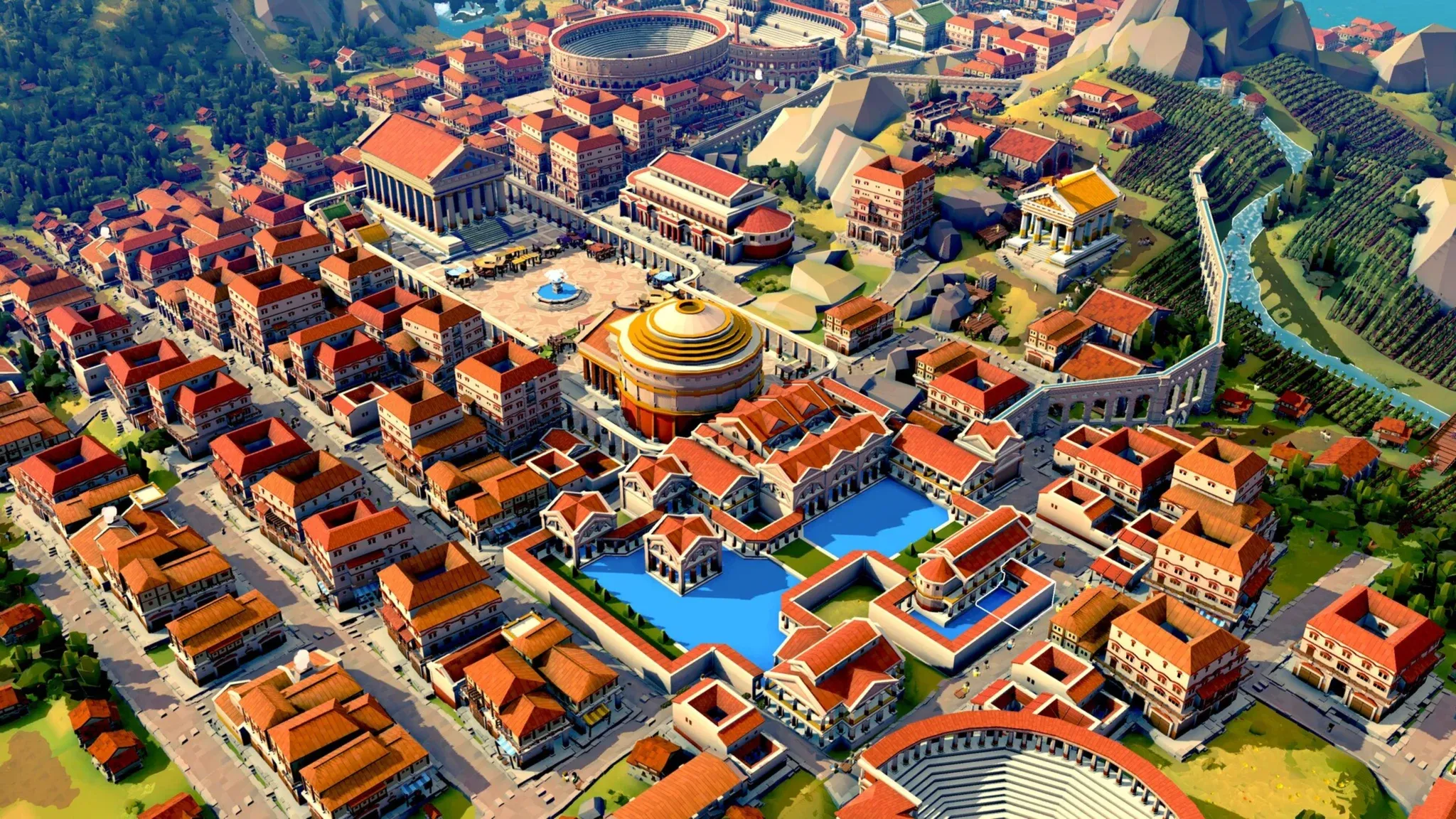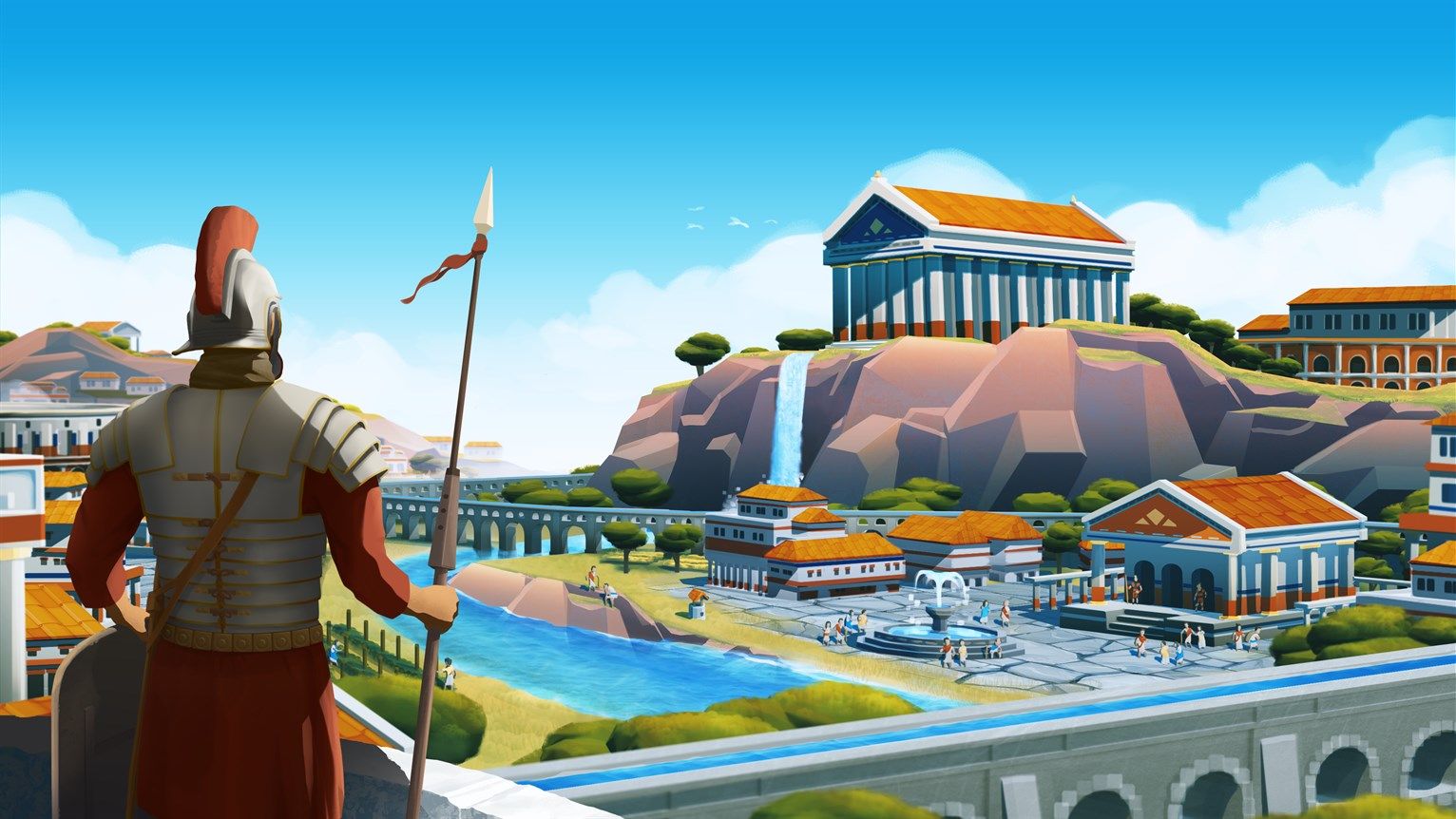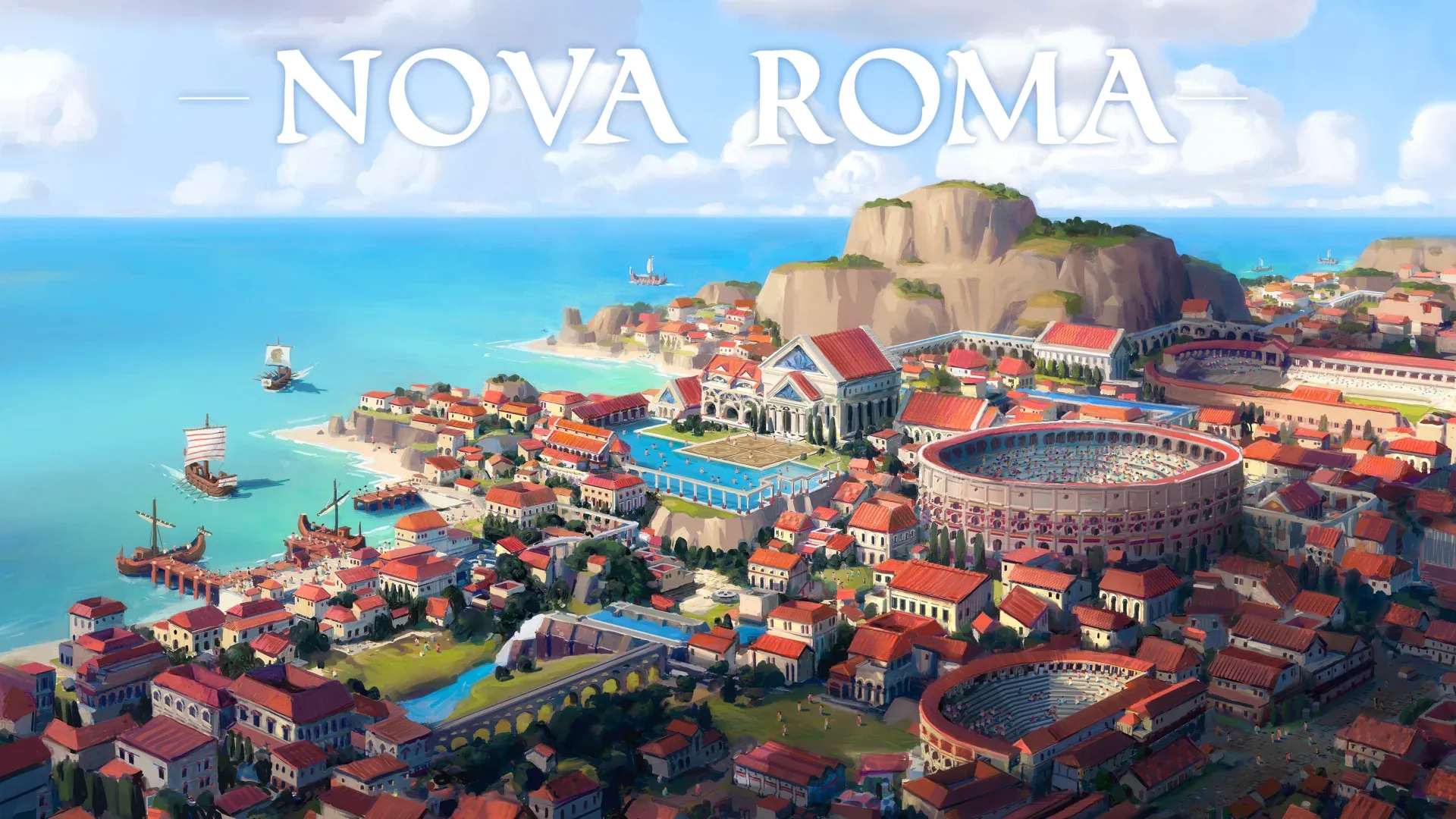

Nova Roma's first major update landed with a focused set of changes: Creative Mode now lets you unlock the full tech tree freely, and several nagging bugs got patched out. If you've been holding off on the sandbox experience waiting for it to feel less restricted, this is the update that makes it worth jumping into. Developer Lion Shield (the team behind Kingdoms and Castles) clearly listened to early feedback, and the result is a more flexible building experience across both modes.
What did Update 1 actually change?
The headline addition is the Creative Mode tech tree unlock. Before this patch, even sandbox players had to grind through research progression to access higher-tier buildings and infrastructure. That friction ran counter to what Creative Mode is supposed to offer: freedom to build the Roman city you want without survival-mode gatekeeping. Now, all tech tree nodes are available from the start when playing in Creative Mode, so you can place advanced structures immediately without waiting on research points.
The update also addressed a collection of bug fixes that were affecting normal gameplay stability. The SteamDeckHQ review noted frame drops and occasional crashes in the launch build, so these patches are a direct response to those early performance concerns.
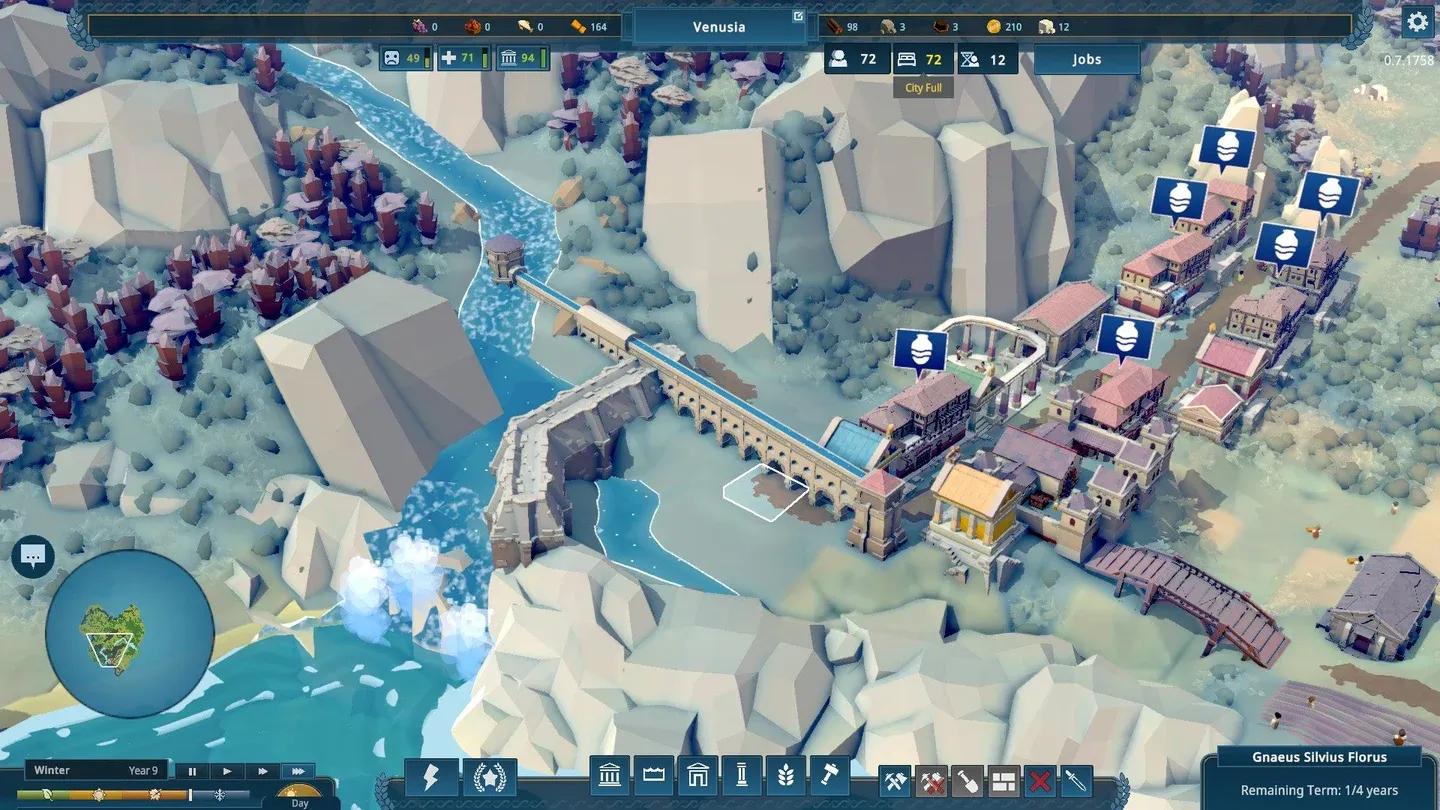
Creative Mode tech tree unlocked

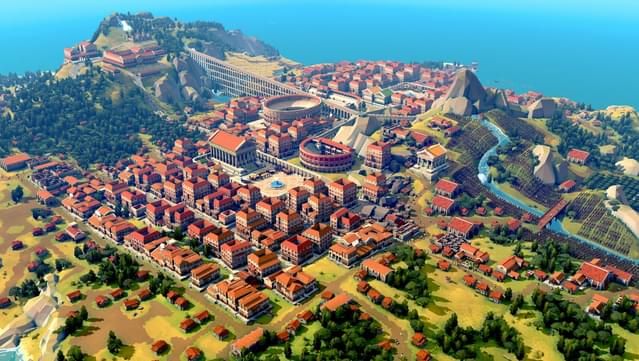
How does Creative Mode work in Nova Roma?
Creative Mode sits alongside the standard sandbox and story modes as Nova Roma's no-pressure building option. With Update 1, it now includes:
- Full tech tree access from session start
- The ability to spawn citizens and resources on demand
- Free build toggled on by default
- Adjustable modifiers to tune the experience
This makes Creative Mode genuinely useful as a planning tool, not just a stress-free alternative. You can prototype city layouts, test how water physics interact with specific building placements, and experiment with the five available deity temples before committing to a god in your main save.
Understanding the tech tree and research system
Outside of Creative Mode, research progression works through research points earned during normal city development. The tech tree gates access to advanced buildings, and managing that progression alongside deity appeasement and resource logistics is where Nova Roma's real depth lives.
The logistics system in particular has a significant impact on how fast your city grows. Villager movement speed and supply chain efficiency determine whether your economy scales smoothly or stalls. For a detailed breakdown of how to optimize villager pathing and logistics, the Nova Roma logistics fix guide covers the specific mechanics that most players miss in the early game.
| Mode | Tech Tree Access | Resources | Citizens | Deity Quests |
|---|---|---|---|---|
| Story Mode | Locked behind research | Earned | Earned | Active, punishing |
| Sandbox Mode | Locked behind research | Earned | Earned | Active, adjustable |
| Creative Mode (post-Update 1) | Fully unlocked | Spawnable | Spawnable | Optional |
What's the current state of Nova Roma's performance?
The SteamDeckHQ review of the launch build flagged consistent frame drops on PC despite modest system requirements, along with occasional crashes. Update 1's bug fixes target some of these stability issues, though optimization is an ongoing process for any Early Access title.
On Steam Deck specifically, the game carries a Playable rating from Valve and a Platinum rating on ProtonDB. In practice, hitting a stable 50 FPS requires capping the refresh rate at 50Hz on the OLED model, with all graphical settings at their defaults. Power draw sits between 14 and 17 watts under normal conditions, spiking to around 20 watts in demanding city views, which translates to roughly 3 hours of battery life.
For PC players, the recommended approach right now is to let the game run at its default settings and wait for further optimization patches rather than chasing higher frame rates through manual tweaking.
Is Nova Roma worth playing right now?
The core loop is solid. Building a Roman city from scratch, managing food, water, and housing while keeping five temperamental gods satisfied gives the game a distinct identity compared to contemporaries like Farthest Frontier or Timberborn. The water physics system alone sets it apart: rivers dynamically shift, floods cause real damage, and building your infrastructure around waterways is a genuine strategic consideration rather than a cosmetic one.
Update 1 makes the Creative Mode experience meaningfully better by removing the research barrier, which was the most obvious friction point for players who just wanted to build freely. The fixes also suggest Lion Shield is actively iterating on the launch build, which matters for an Early Access title priced at $23.99.
The game is available on Steam, and you can check the Nova Roma Steam Community page for the latest patch notes, community builds, and developer updates as the Early Access period continues.
For more city-builder guides and strategy breakdowns across other games, browse the full guides library at GAMES.GG to find what you need next.