Overview
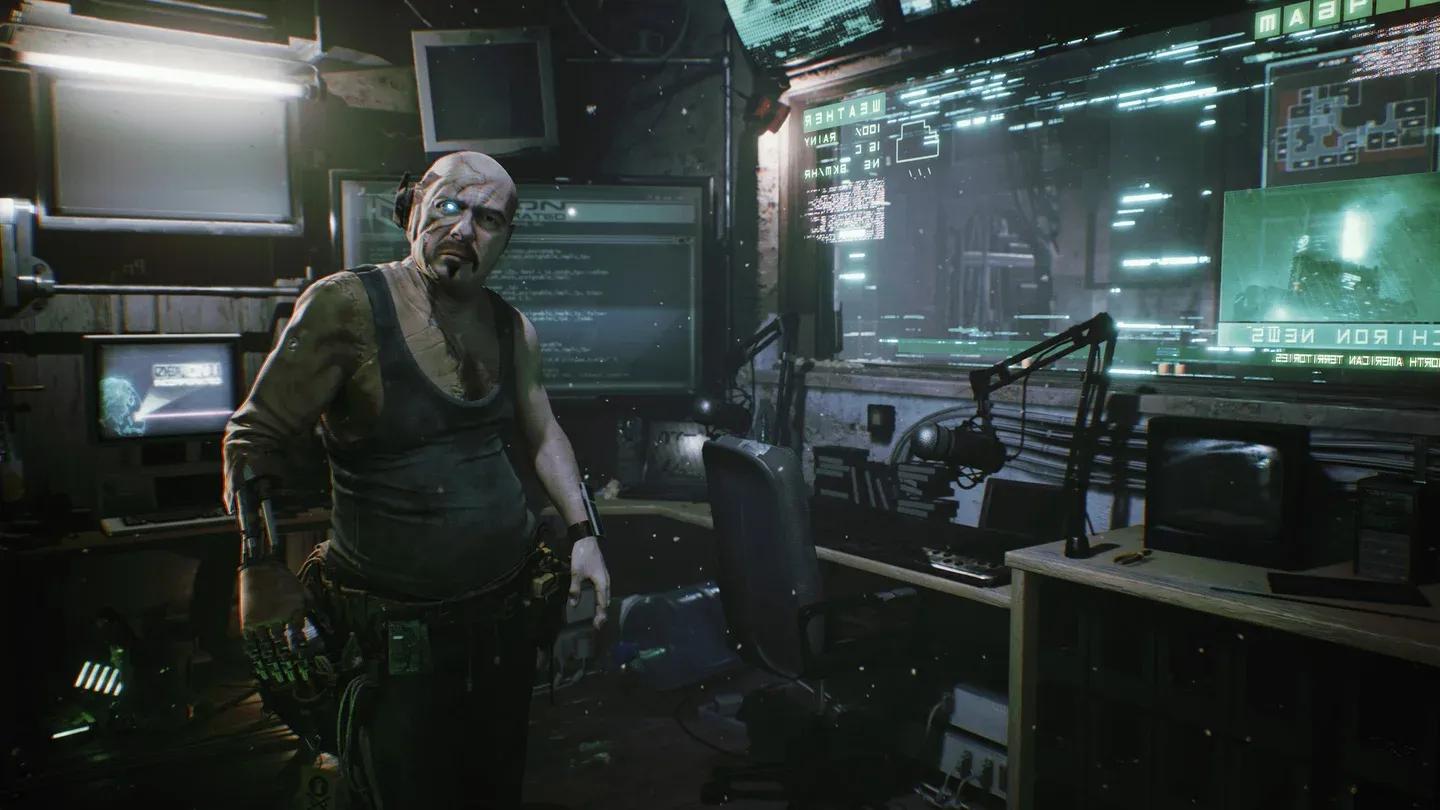
Set in 2084 Poland, Observer: System Redux casts players as Daniel Lazarski, an Observer with the authority to hack directly into the dying minds of suspects and victims. The late Rutger Hauer voices Lazarski, lending the role a weathered, melancholic weight that the writing alone couldn't fully carry. The world outside those skulls is just as grim: a crumbling apartment block in Class C society, where the Nanophage plague and corporate wars have ground human life down to almost nothing.
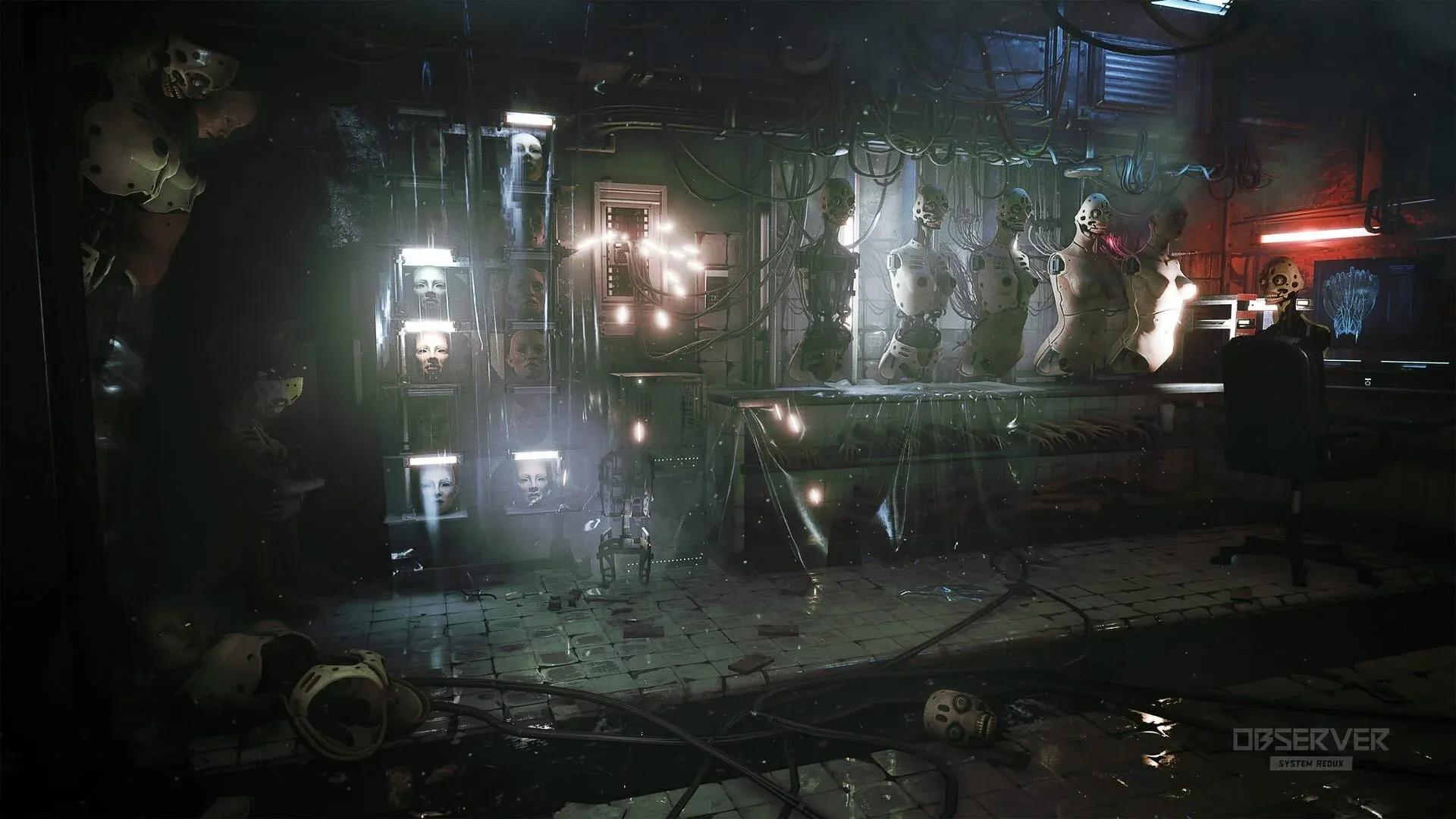
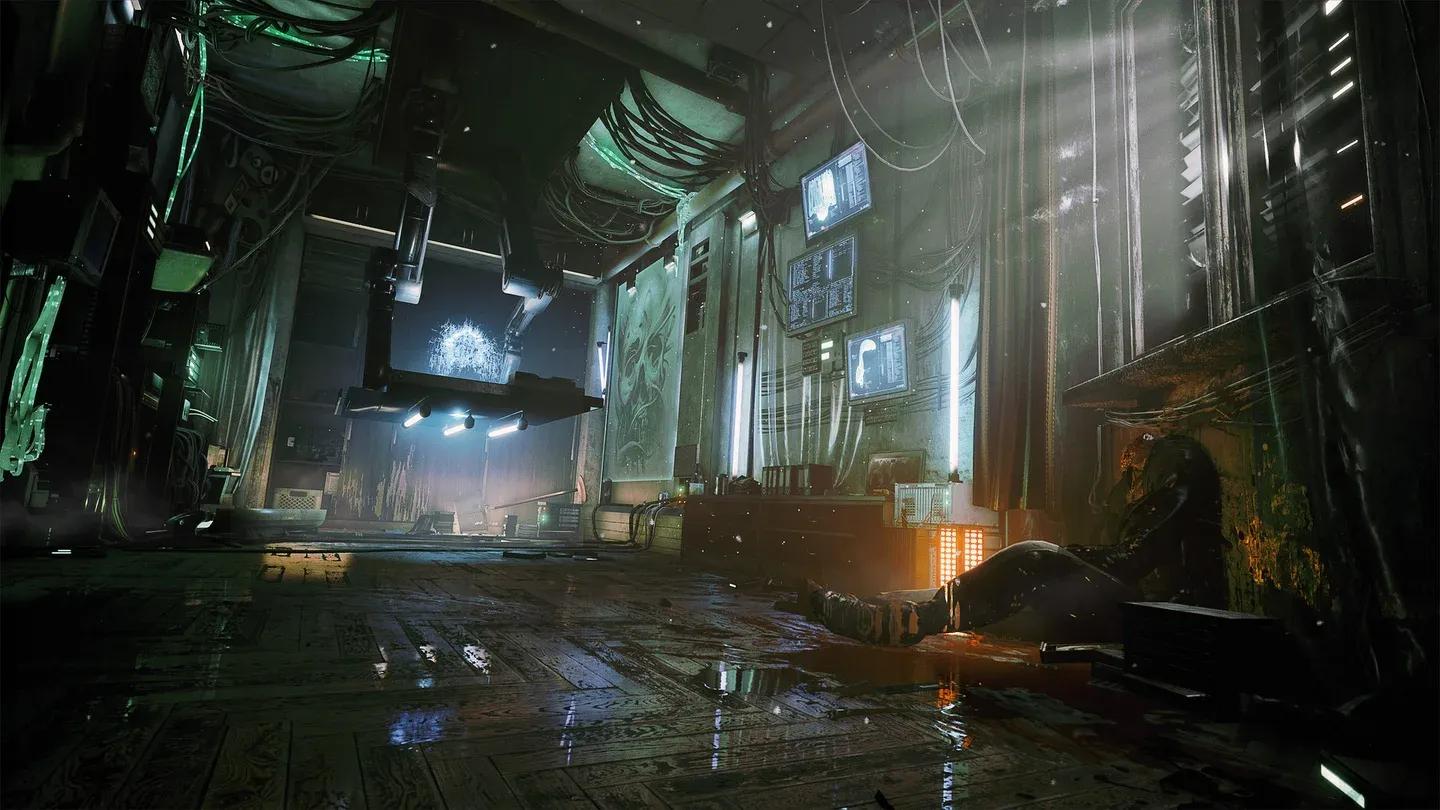
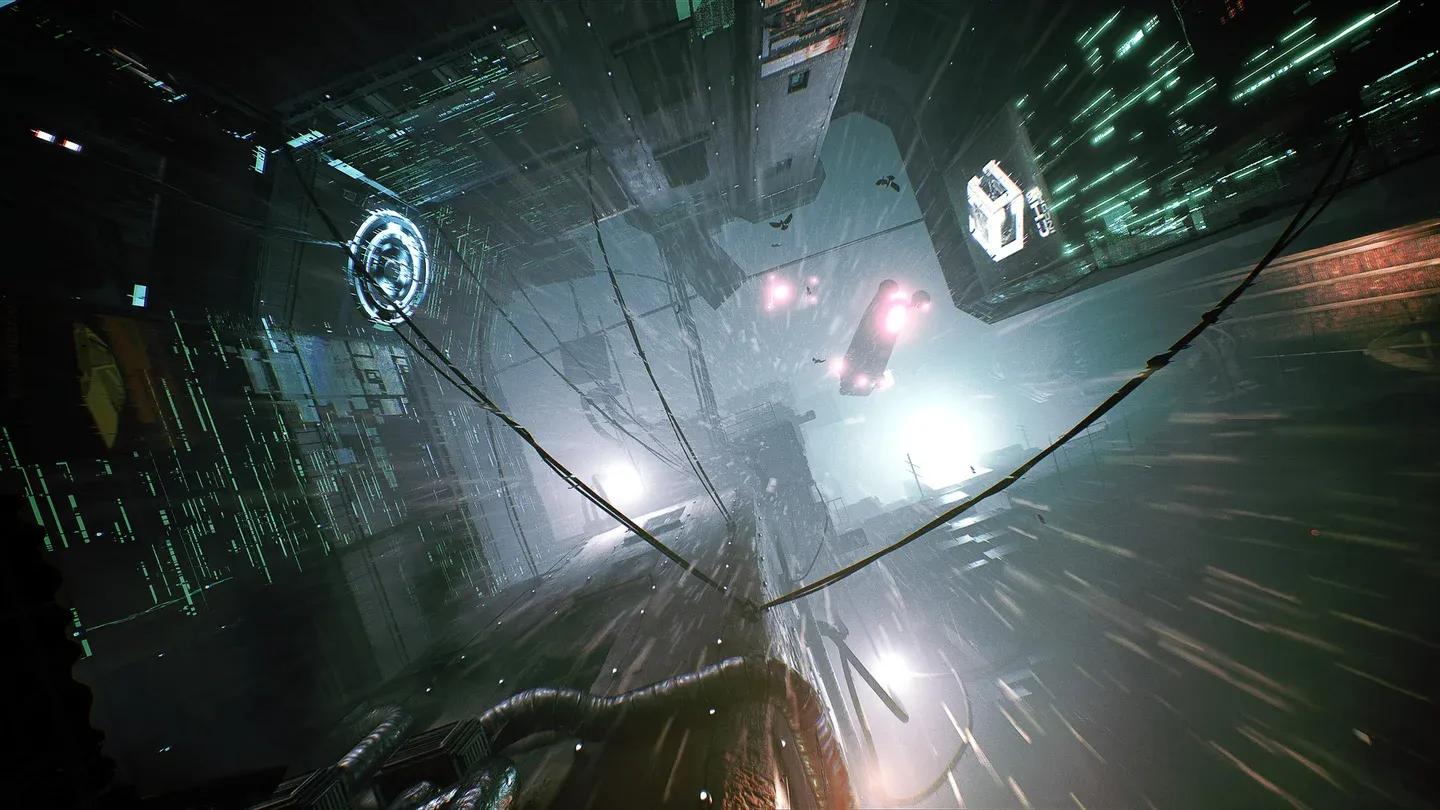
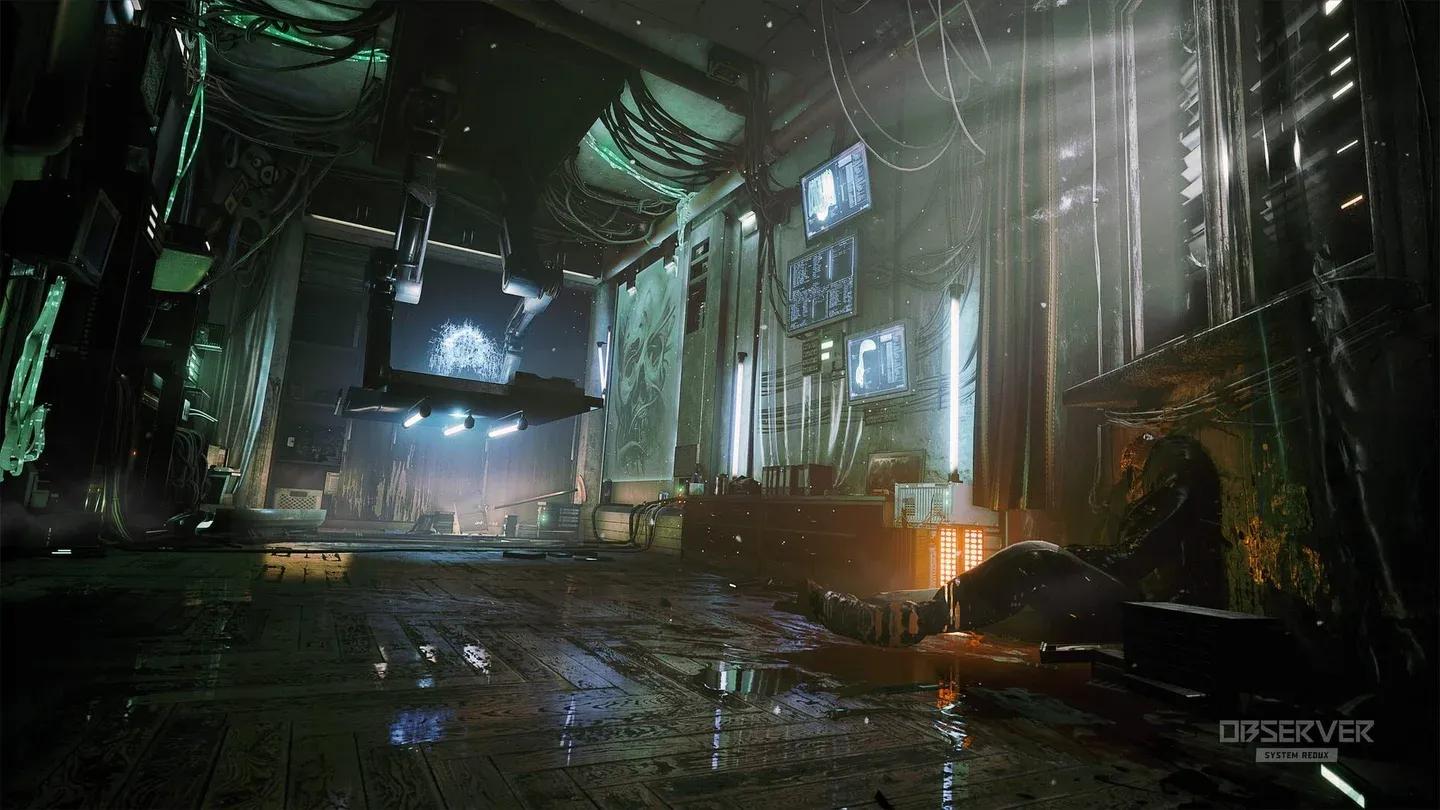
System Redux is not a simple remaster. Bloober Team rebuilt the game with new geometry, lighting, and texture work, then added three entirely new side cases that expand Lazarski's investigation beyond the original story. On PS5 and Xbox Series X/S, the game runs at 4K with ray-traced lighting and reflections, making the neon-drenched corridors look genuinely oppressive in a way the 2017 original couldn't achieve.
Gameplay and mechanics
The core loop alternates between two modes. Outside the minds, Lazarski walks the apartment hallways, scanning objects with a bio scanner and an electromagnetic scanner to gather context. These scans surface details the environment hides at first glance, building a picture of how each resident actually lived.
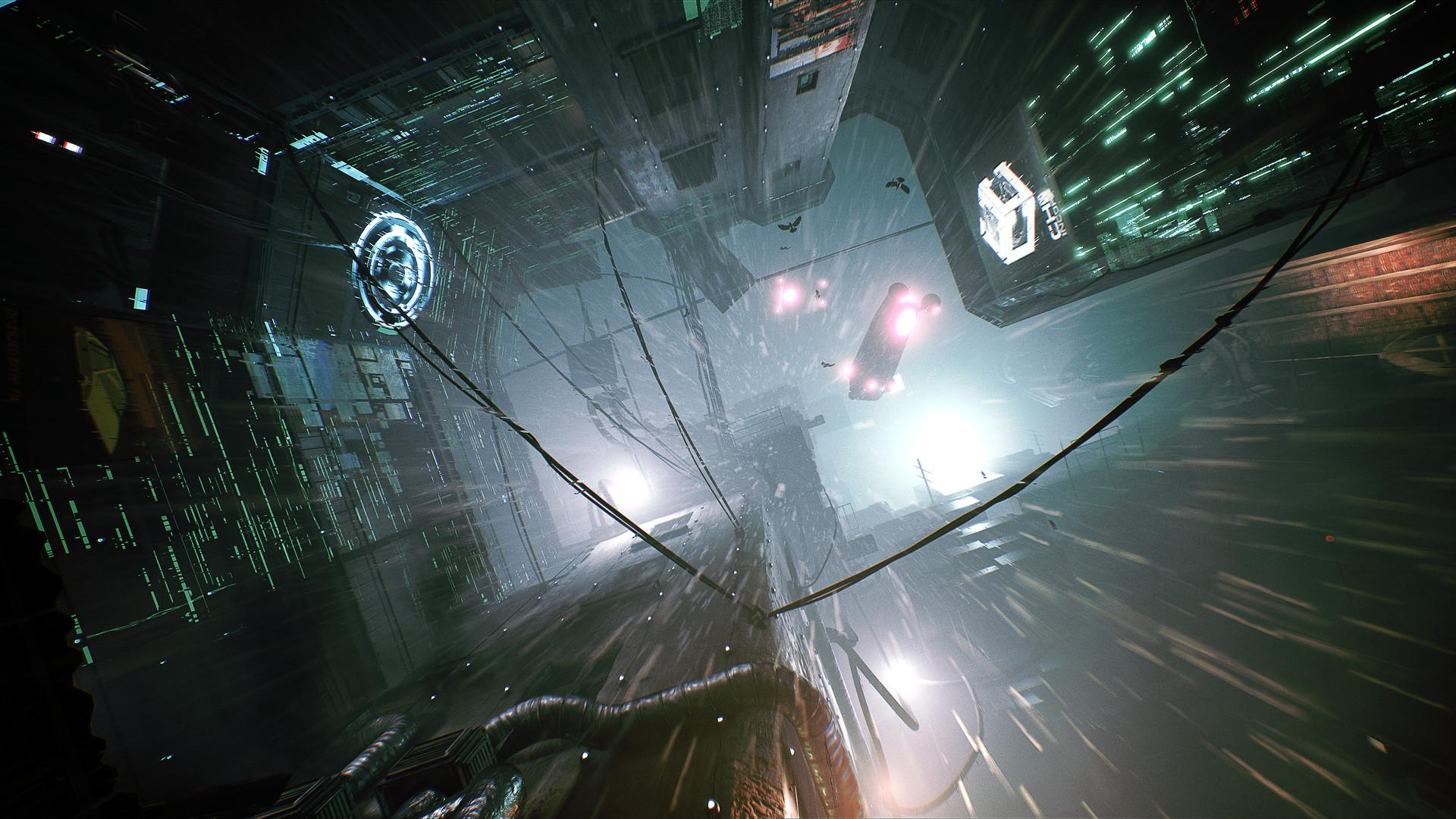
Key mechanics include:
- Dream Eater mind-hacking sequences
- Bio and EM environment scanning
- Evidence reconstruction puzzles
- Psychological horror sequences
- New side cases with unique mind layouts
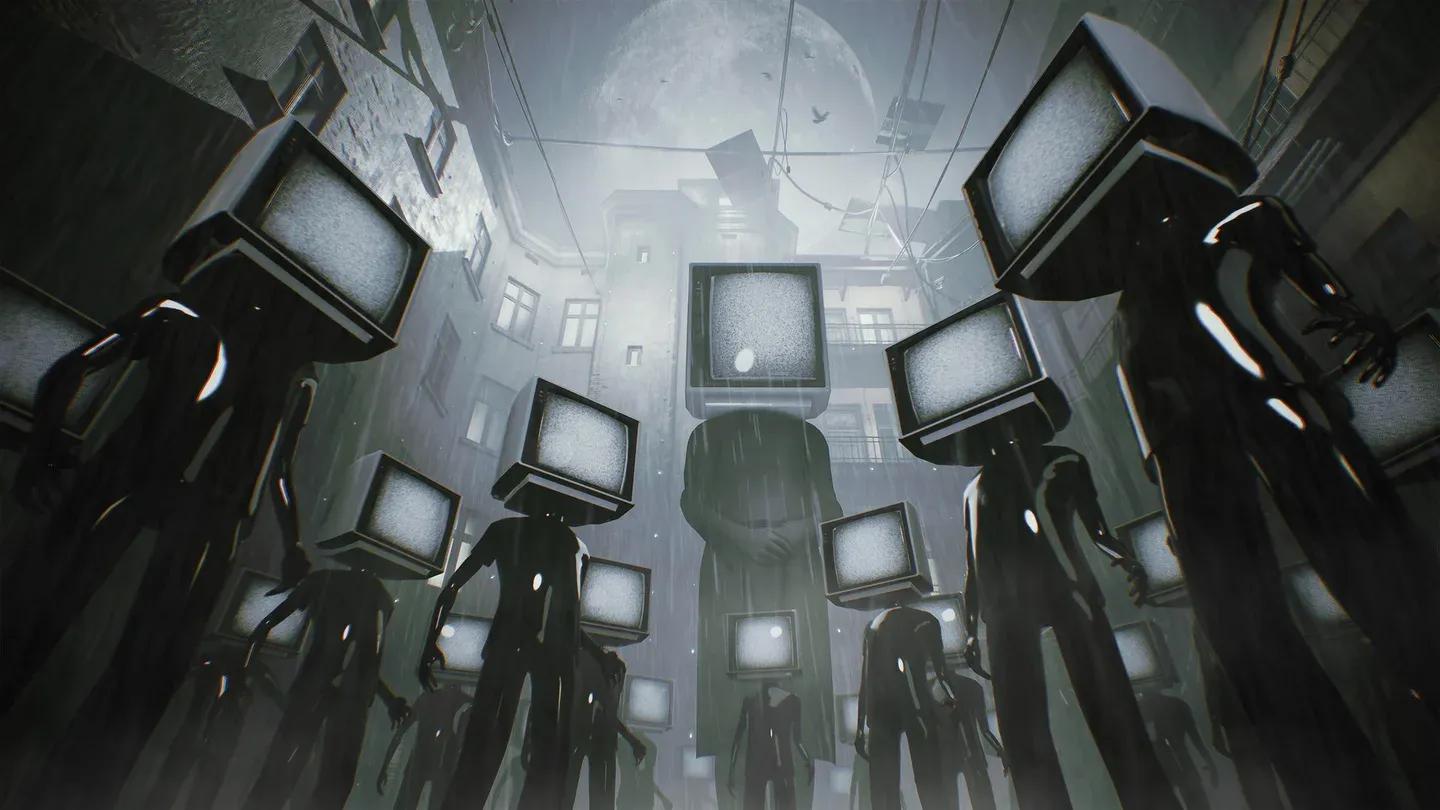
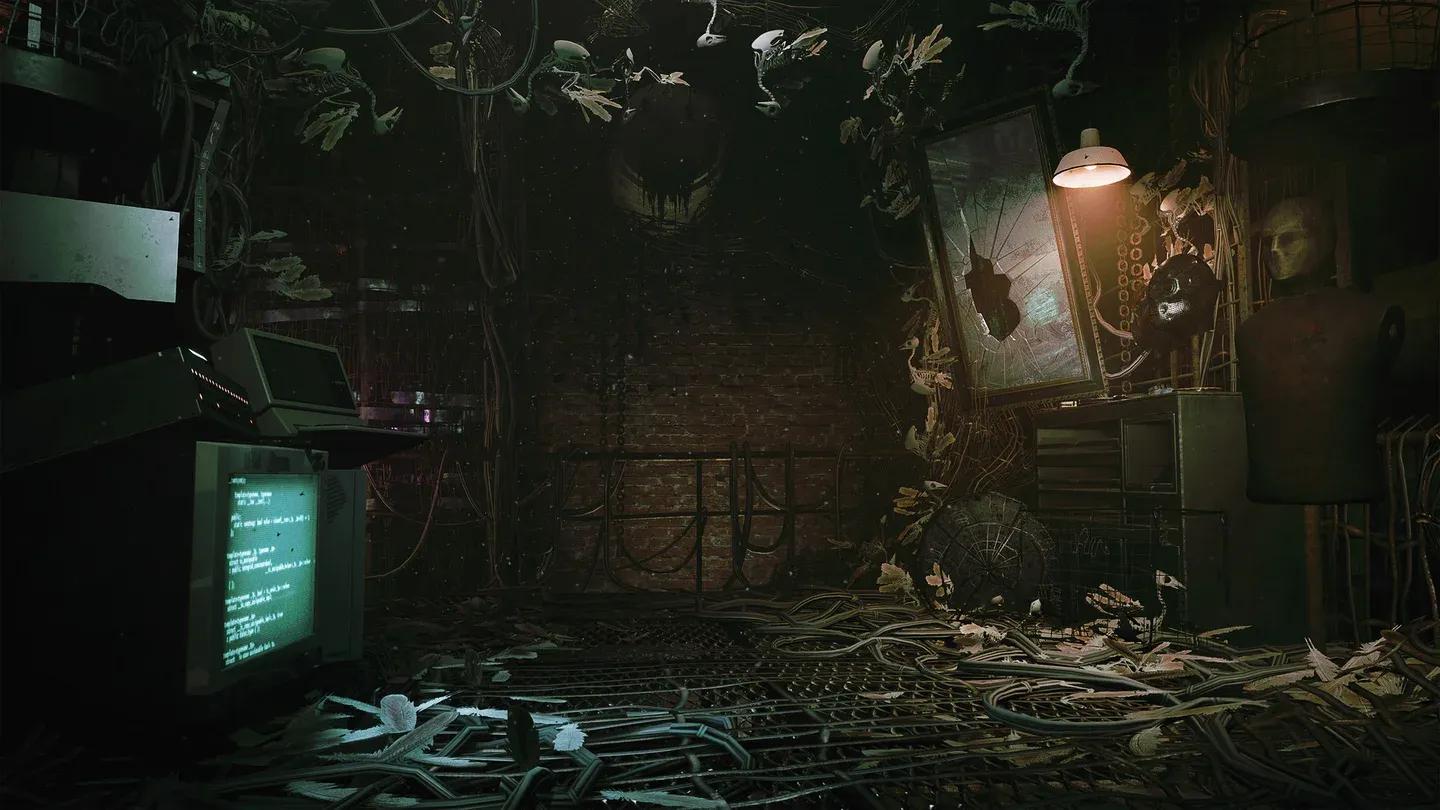
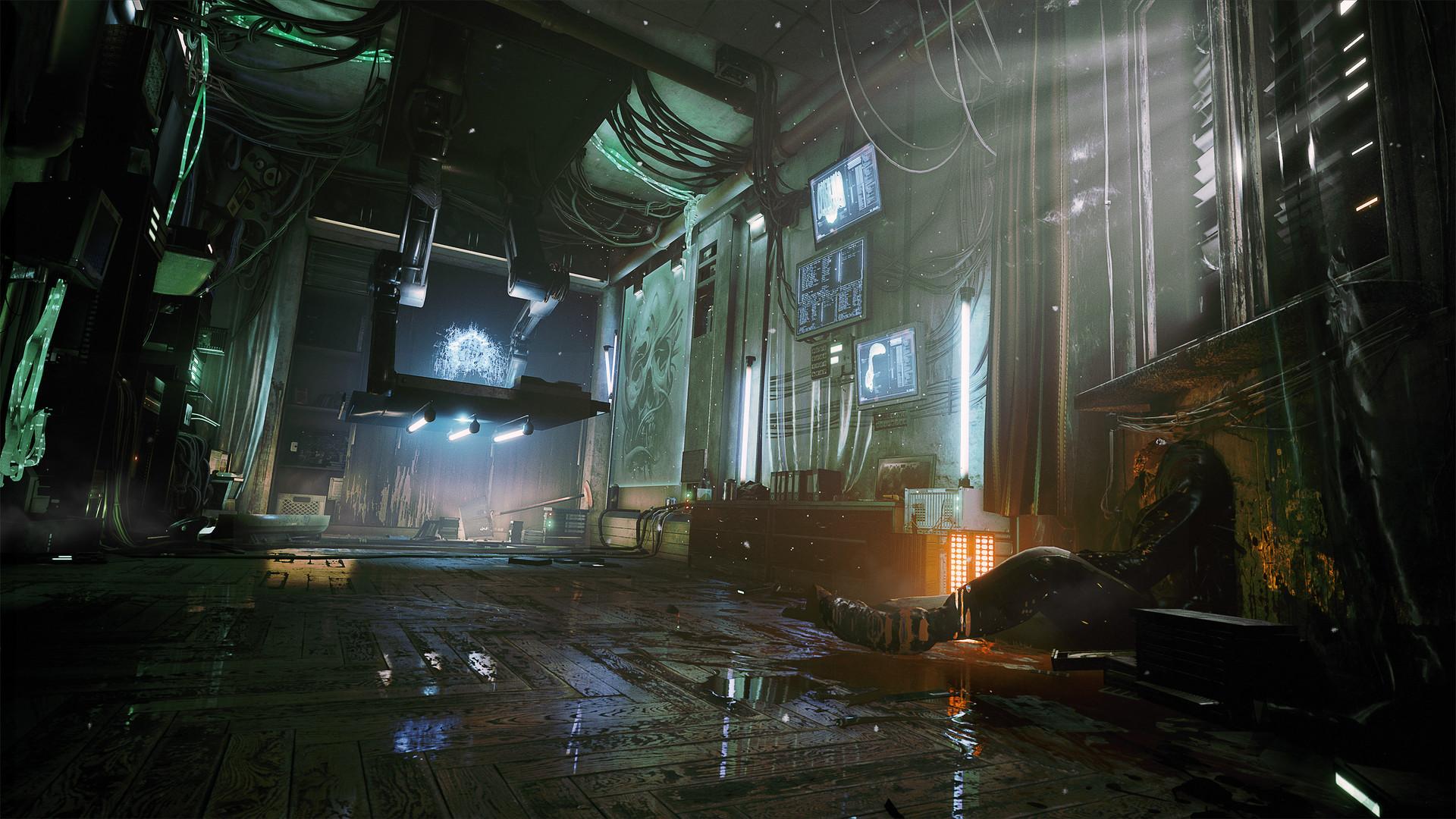
Inside the minds, the game shifts into something far stranger. Each mental space is a fractured, logic-defying environment built from the victim's fears and memories. These sequences range from quiet exploration to outright psychological horror, with geometry that loops, shifts, and collapses. The Dream Eater sequences are where Observer earns its reputation as more than a walking simulator.
World and setting
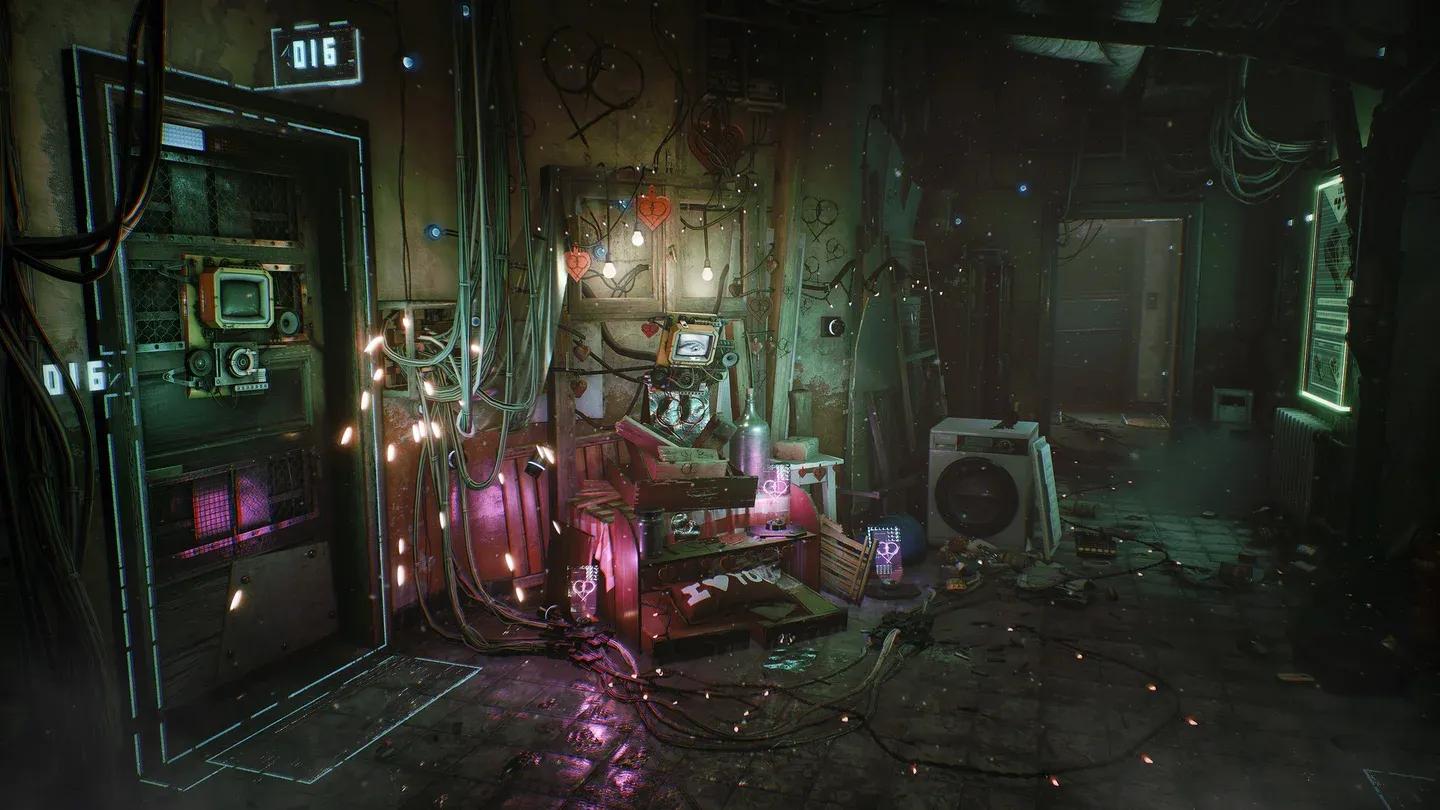
The Amara Corporation controls what remains of functional society in this version of Poland. Class C citizens live in sealed tenement blocks, cut off from the upper tiers by both law and poverty. The apartment building Lazarski investigates in Observer functions almost like a character itself: each door hides a different story, and the environmental storytelling rewards players who scan everything rather than rushing toward the next objective.
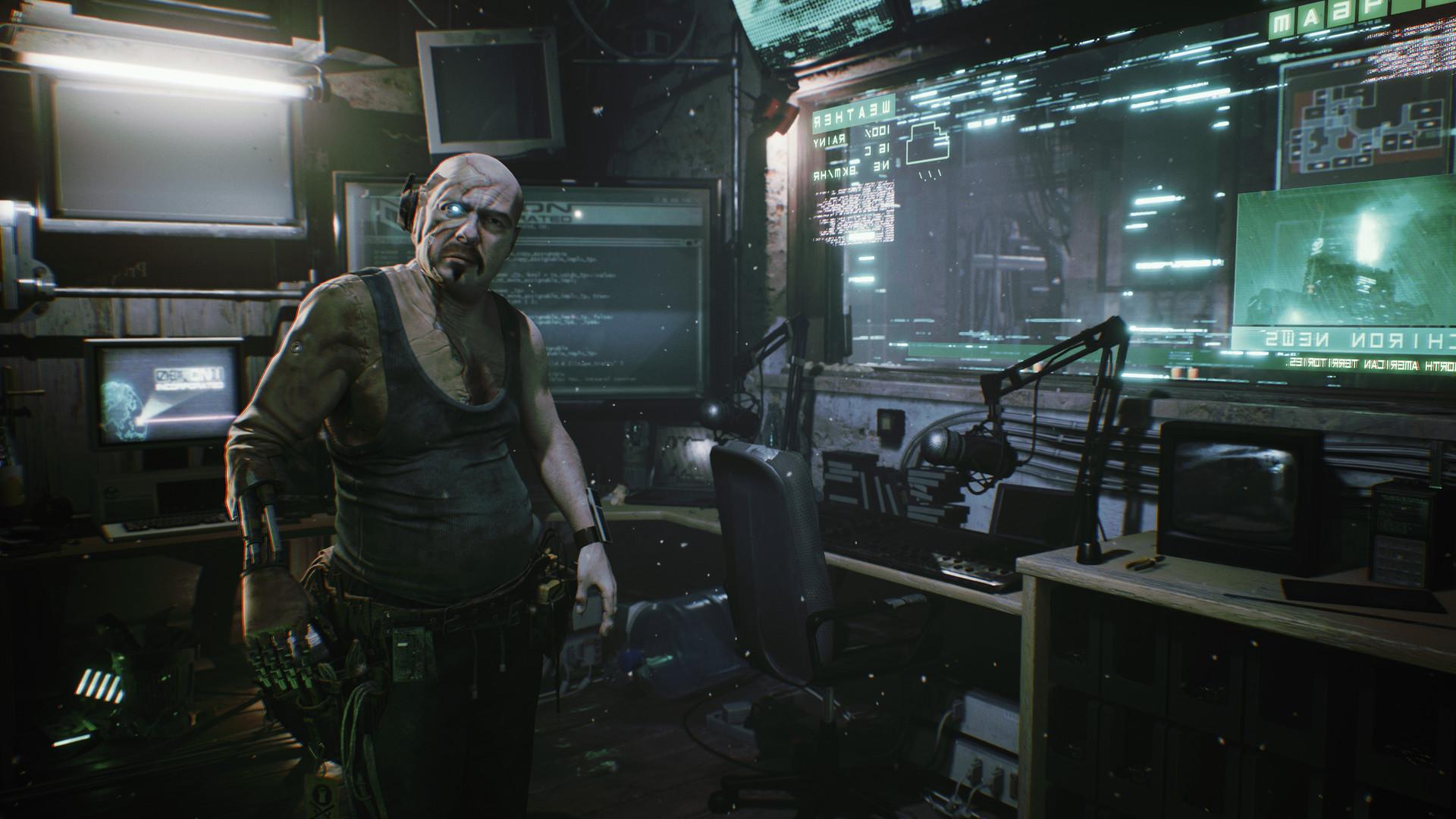
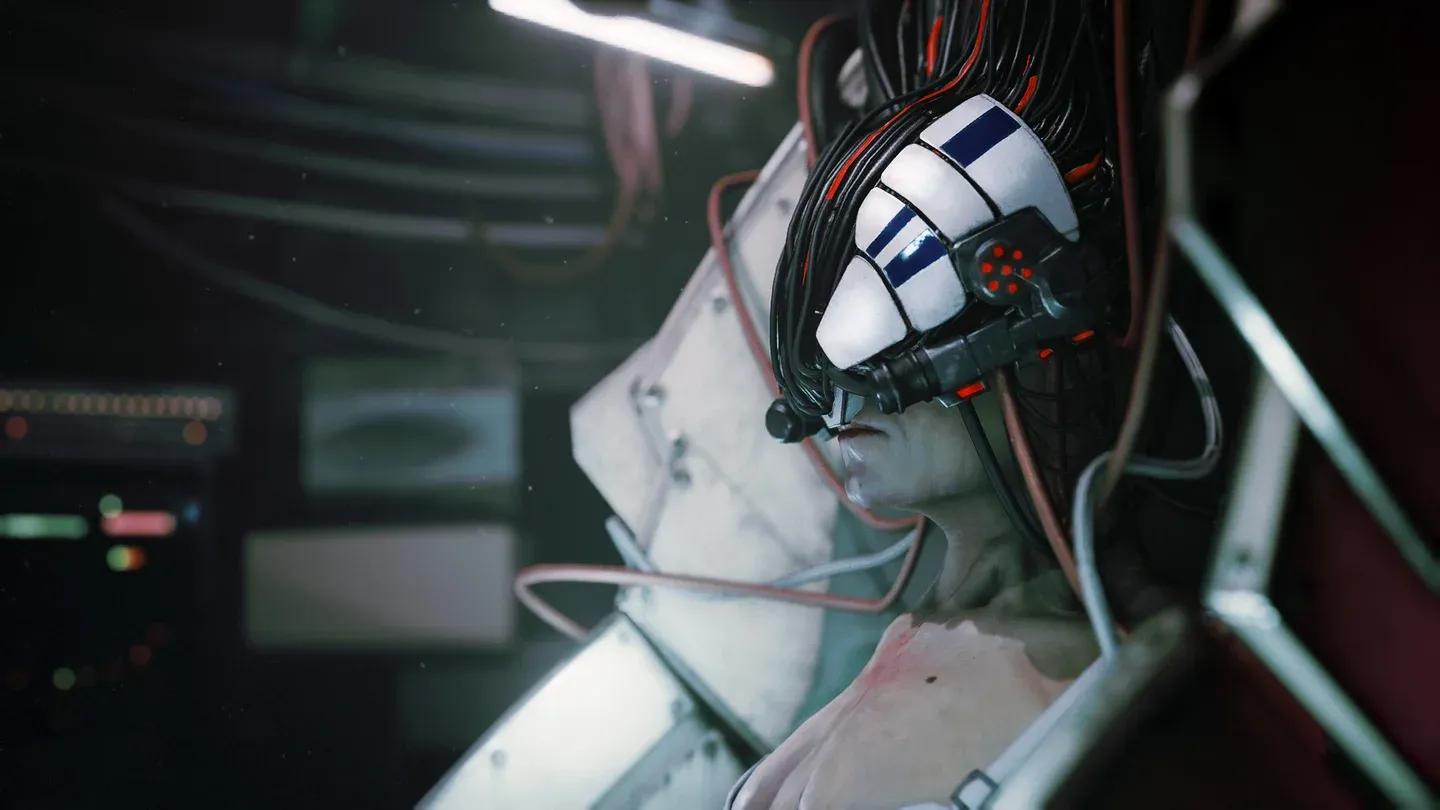
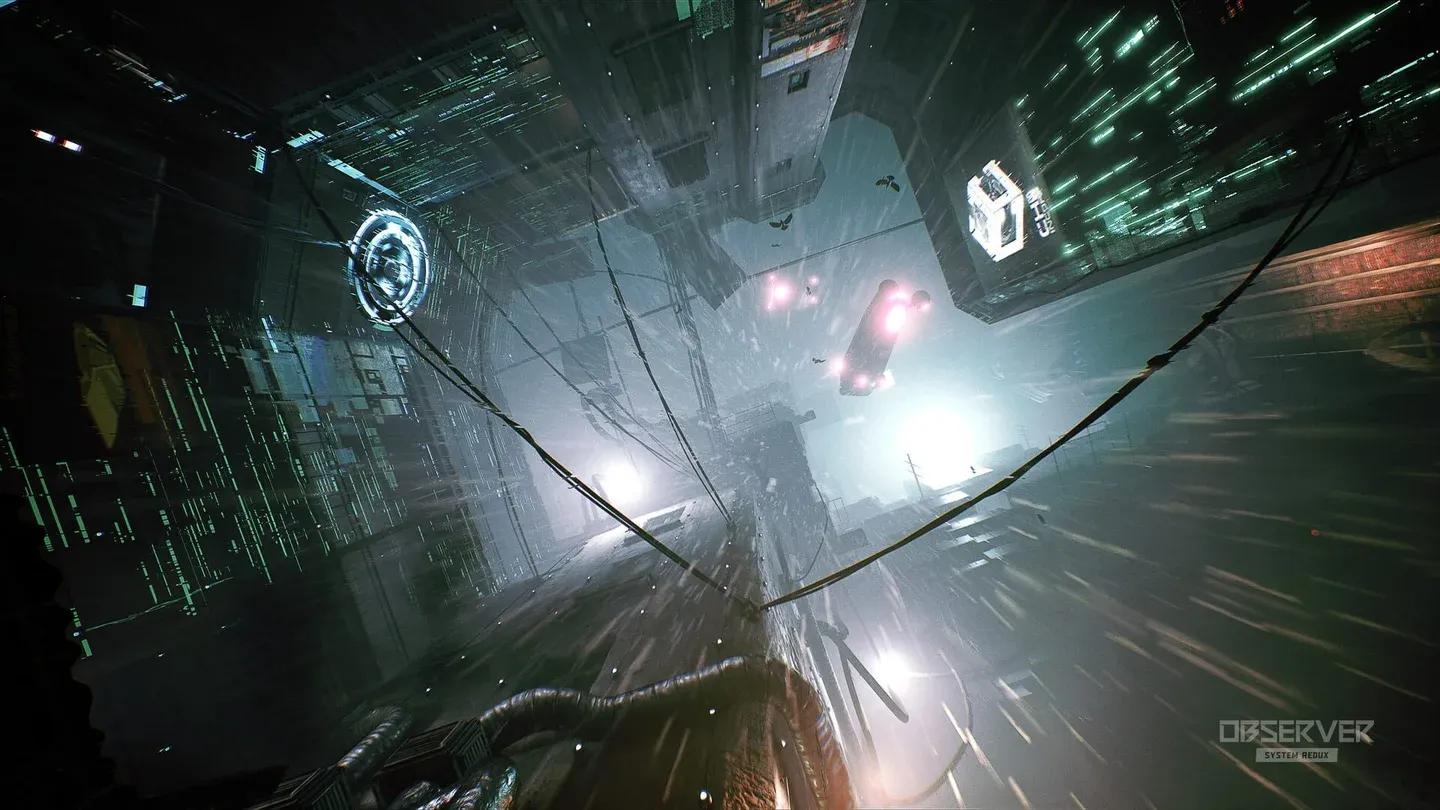
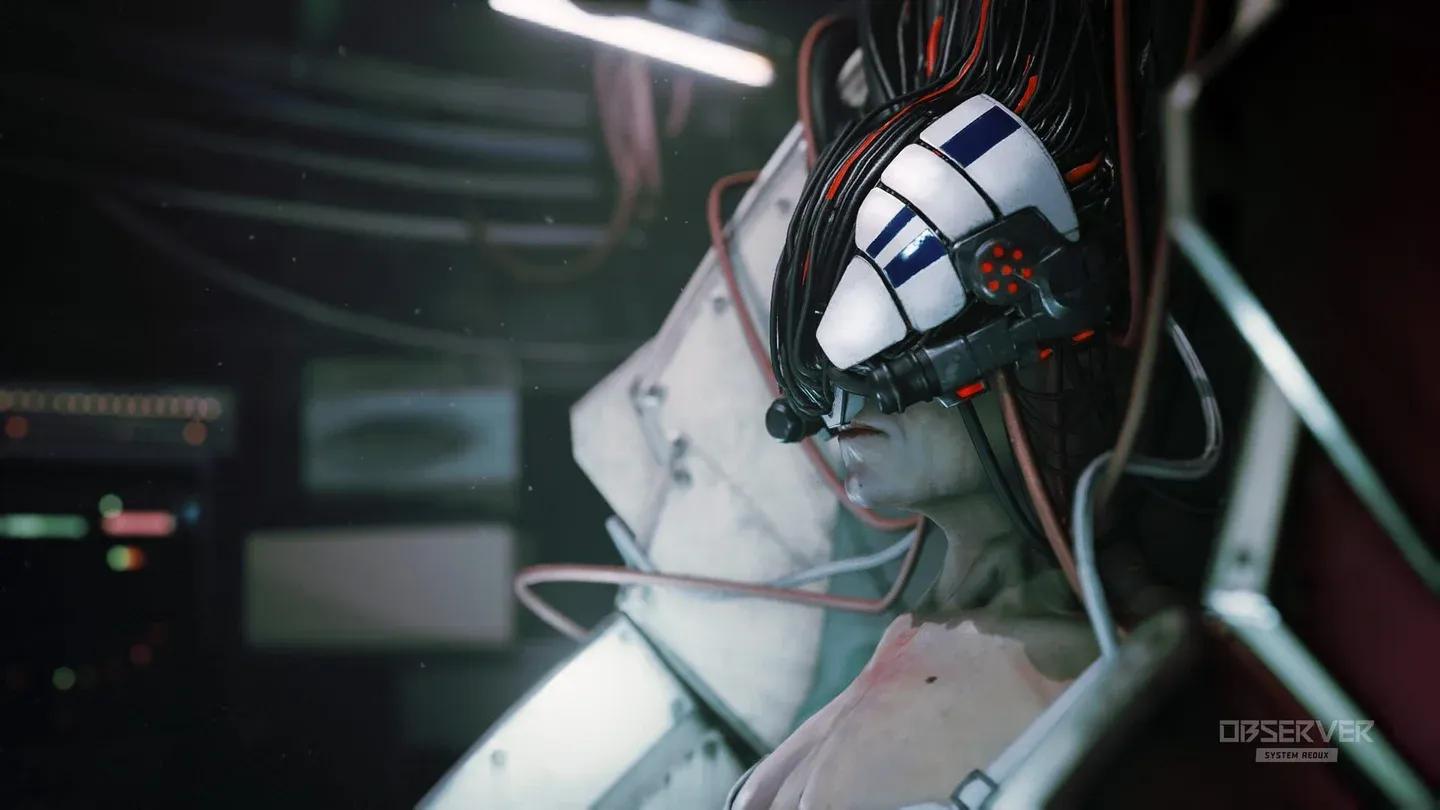
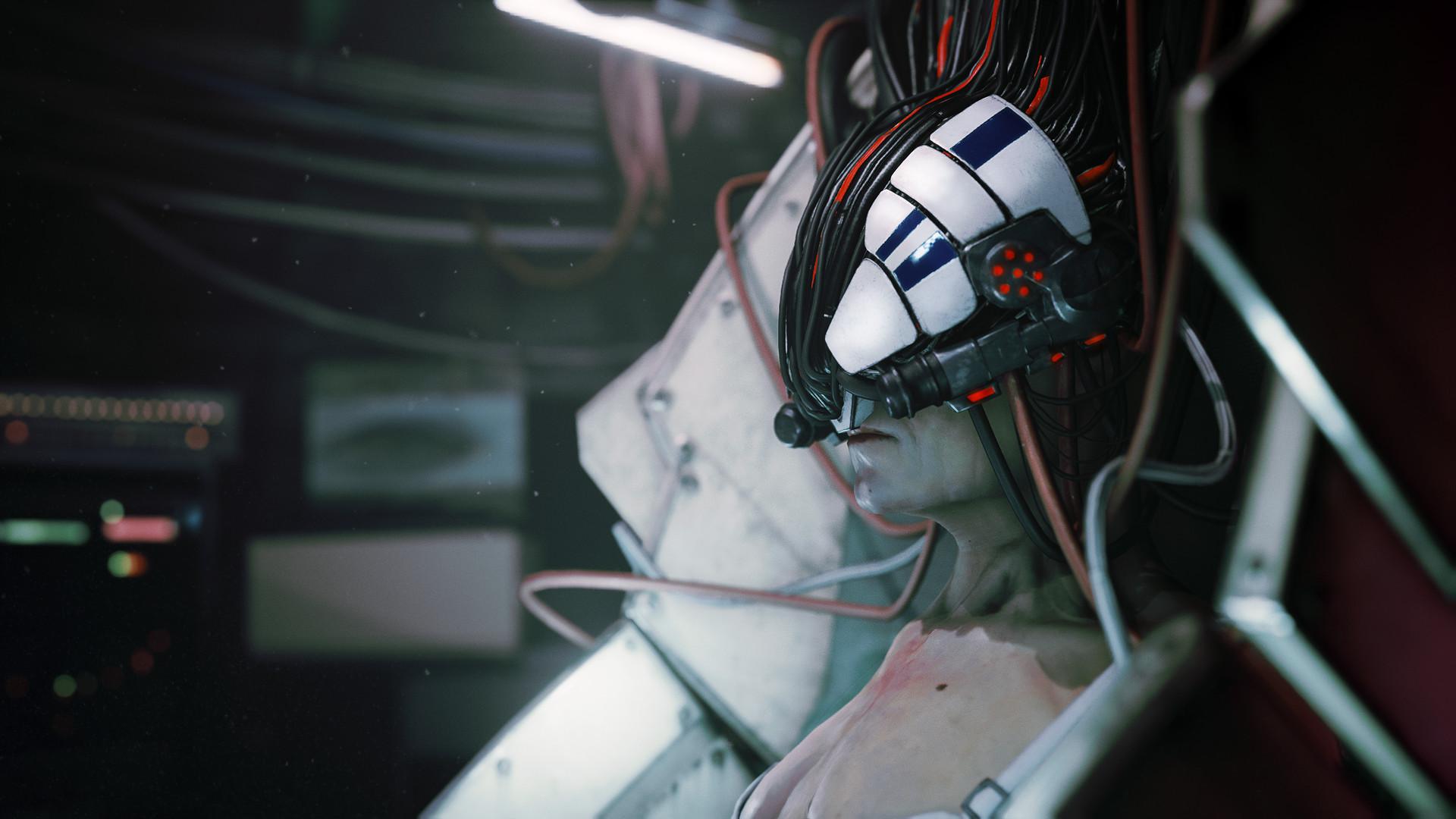
The cyberpunk aesthetic leans heavily on body horror and corporate dread rather than the sleek chrome of most genre entries. Neural implants are common enough that hacking a corpse's mind is routine police work. That normalization of the grotesque is what makes the world feel genuinely alien.
Visual and audio design
System Redux's next-gen upgrade is most visible in the lighting. Ray-traced reflections pool across wet floors and neon signage in ways that make the original's pre-baked lighting look flat by comparison. Character models received significant rework, and Hauer's likeness as Lazarski is noticeably sharper.
The audio design matches the visual register. Arkadiusz Reikowski's score sits low in the mix, ambient and unsettling, surfacing only when the horror inside a victim's mind escalates. Hauer's performance as Lazarski carries the emotional load between cases, delivering expository dialogue with enough fatigue in his voice to make the character feel like someone who has seen too many minds to still be surprised by what's inside them.
System Requirements
| Requirement | Minimum | Recommended |
|---|---|---|
| OS | - | Windows 10 - 64 bitowy |
| Processor | Intel Core i5-3470 / AMD Ryzen 3 1200 | Intel Core i7-3770 / AMD Ryzen 5 1600 |
| Memory | 8 GB RAM | 16 GB RAM |
| Graphics | @1280x720: GeForce GTX 1050 3 GB / Radeon RX 560 4 GB | @60 FPS (1920x1080): GeForce GTX 1060 6 GB/ Radeon RX 590 |
| DirectX | Version 11 | Version 12 |
| Storage | 16 GB available space | 16 GB available space |
Is Observer: System Redux worth playing in 2026?
For anyone who missed the 2017 original, System Redux is the version to play. The three new cases add genuine story content rather than padding, and the next-gen visual upgrade makes the already atmospheric environment significantly more effective. The game runs between 6 and 8 hours for a focused playthrough, with the new cases pushing that closer to 9 or 10 for thorough players. At $29.99 on PlayStation Store, it sits at a fair price for a first-person cyberpunk mystery this carefully constructed. The mind-hacking mechanic still feels like something few other games have attempted with this level of commitment.