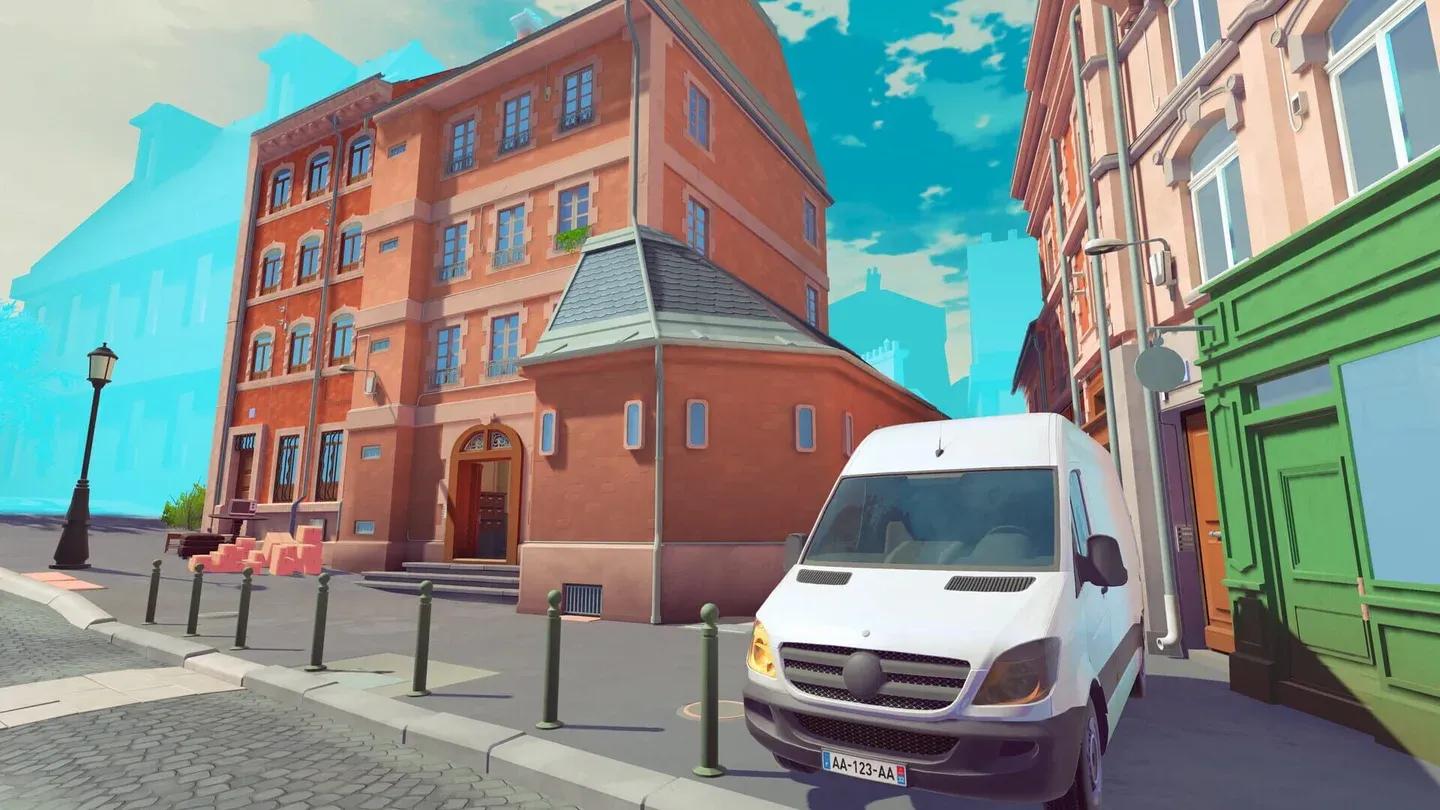
Overview
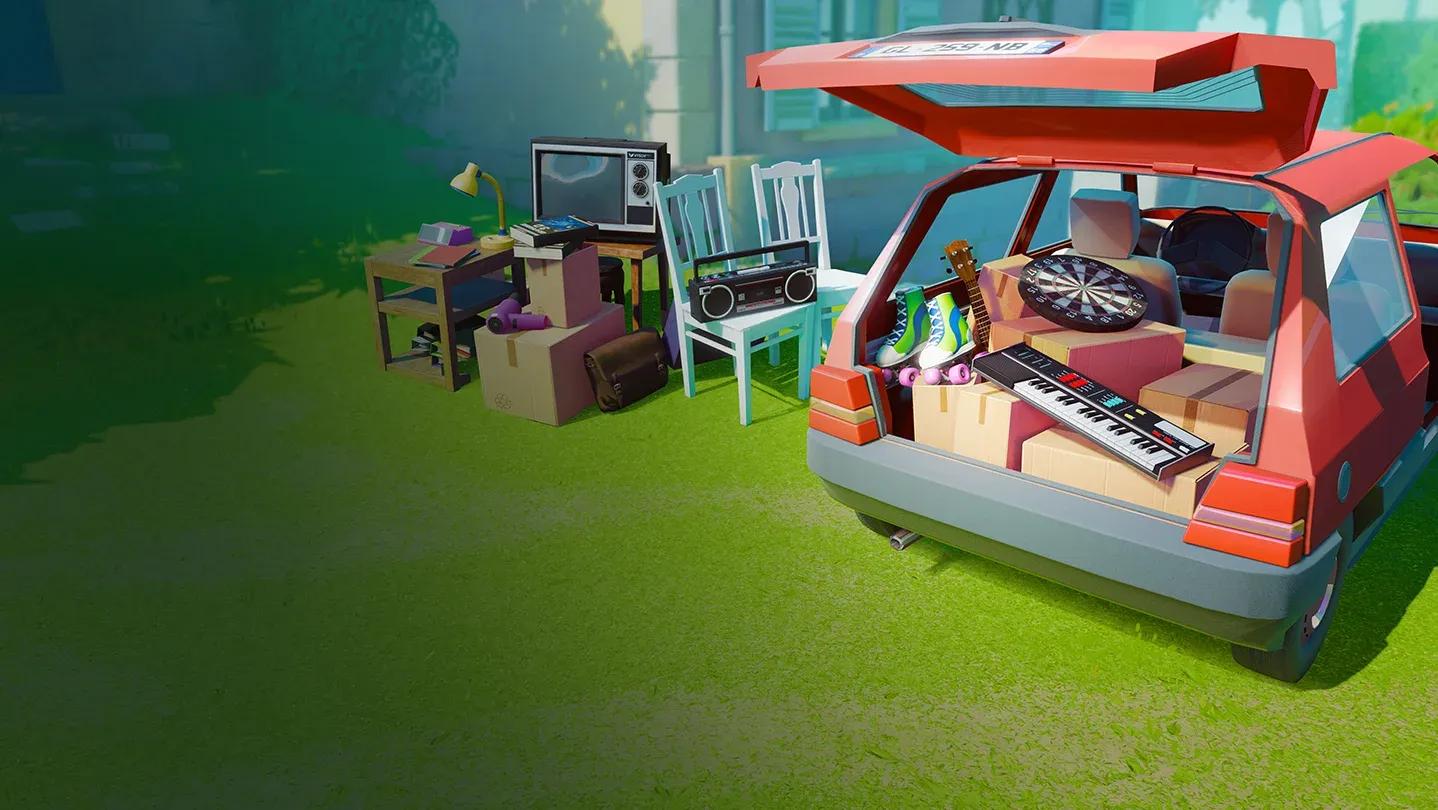
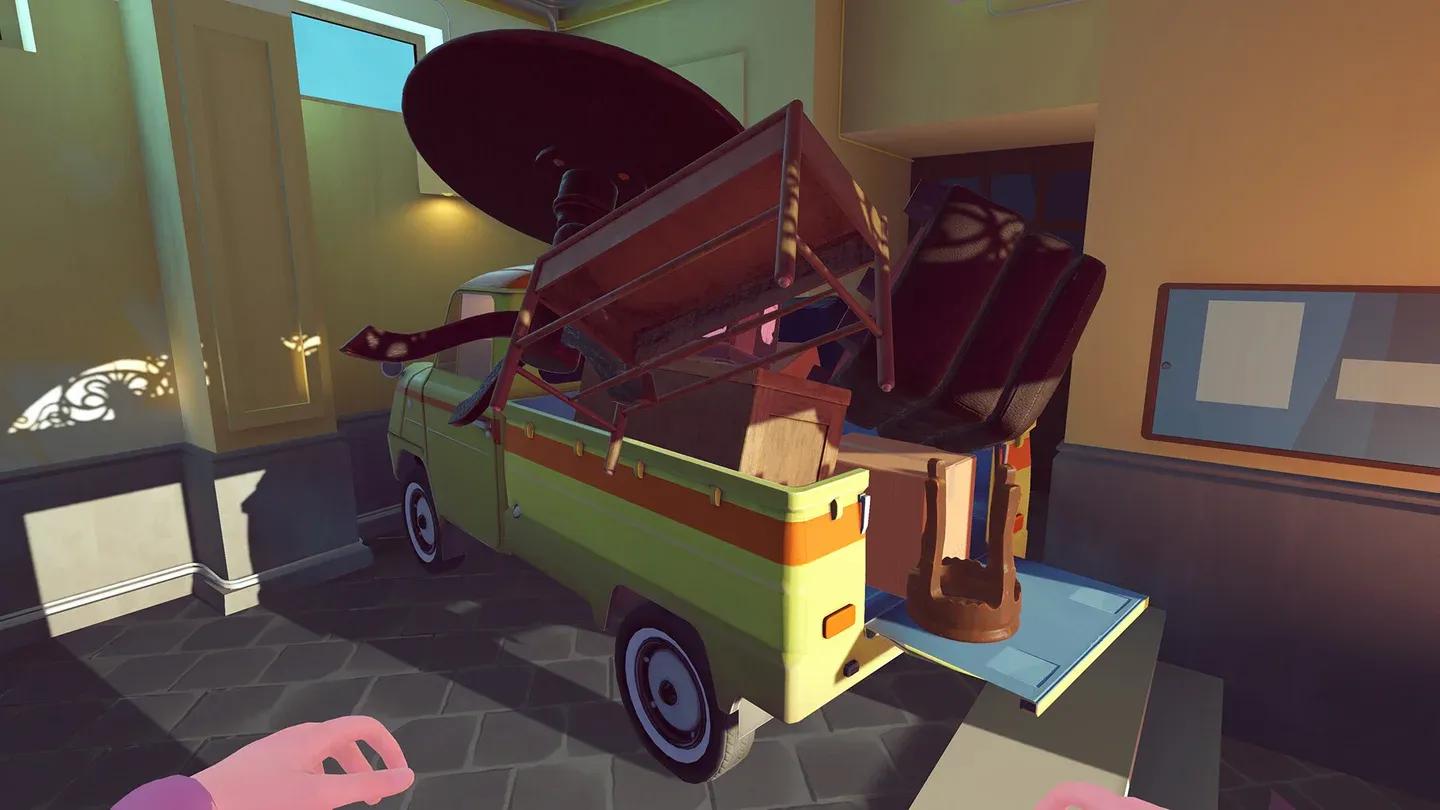
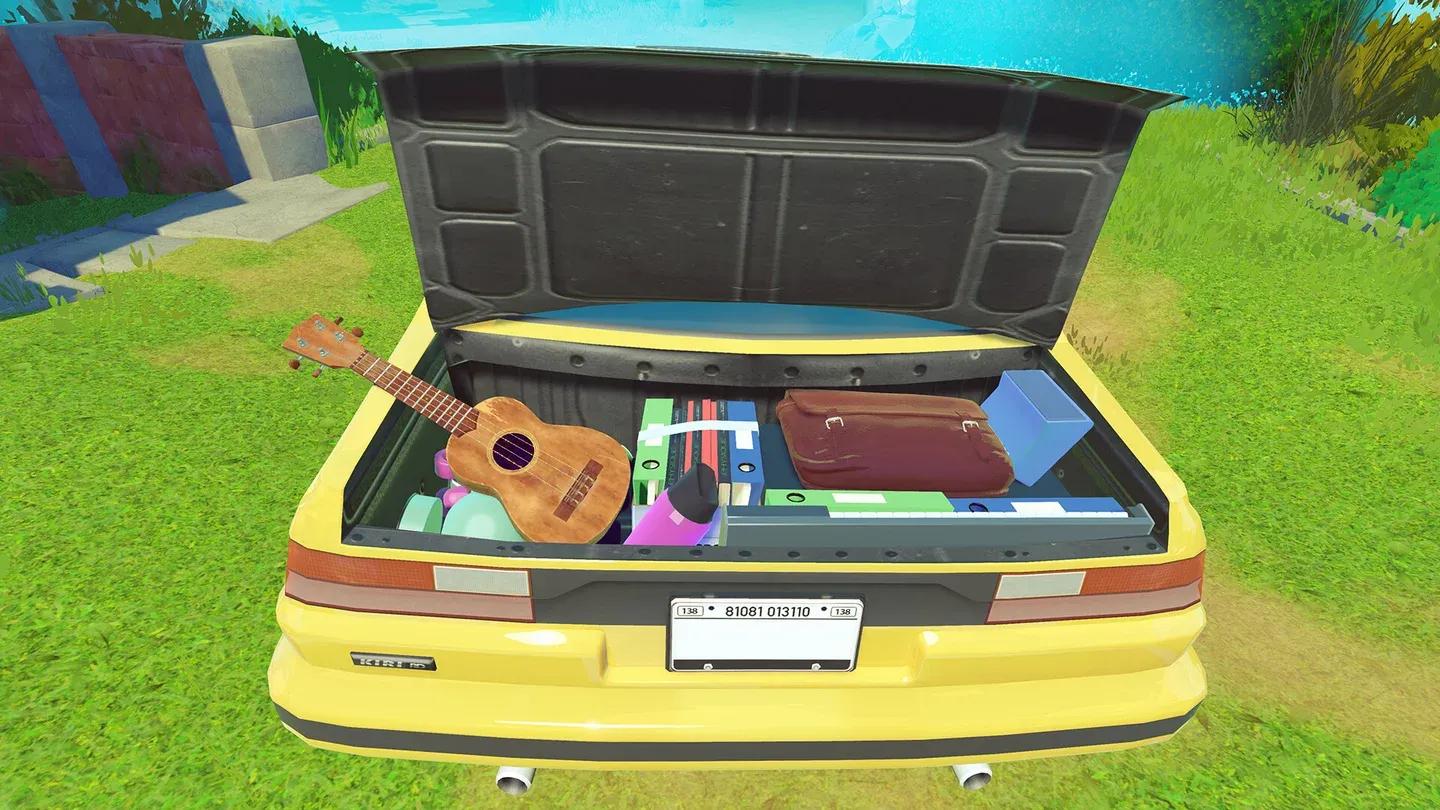
One Move Away is a first-person puzzle game built around a deceptively simple premise: you are packing up someone's life, and every object tells a story. Developed by Ramage Games and published by Playstack, the game released on May 28, 2026, across PC via Steam, PS5, Xbox, and Nintendo Switch. At its core, it sits at the crossroads of cozy puzzle game and narrative adventure, asking players to sort, pack, and reflect rather than fight, run, or build.
The game spans three separate characters, each facing a move of their own. As you handle their belongings, the storytelling happens through what gets boxed up and what gets left on the floor. There are no cutscenes delivering exposition. The objects themselves carry the weight, and that restraint is what gives One Move Away its distinctive feel among narrative puzzle games released in 2026.
Gameplay and mechanics
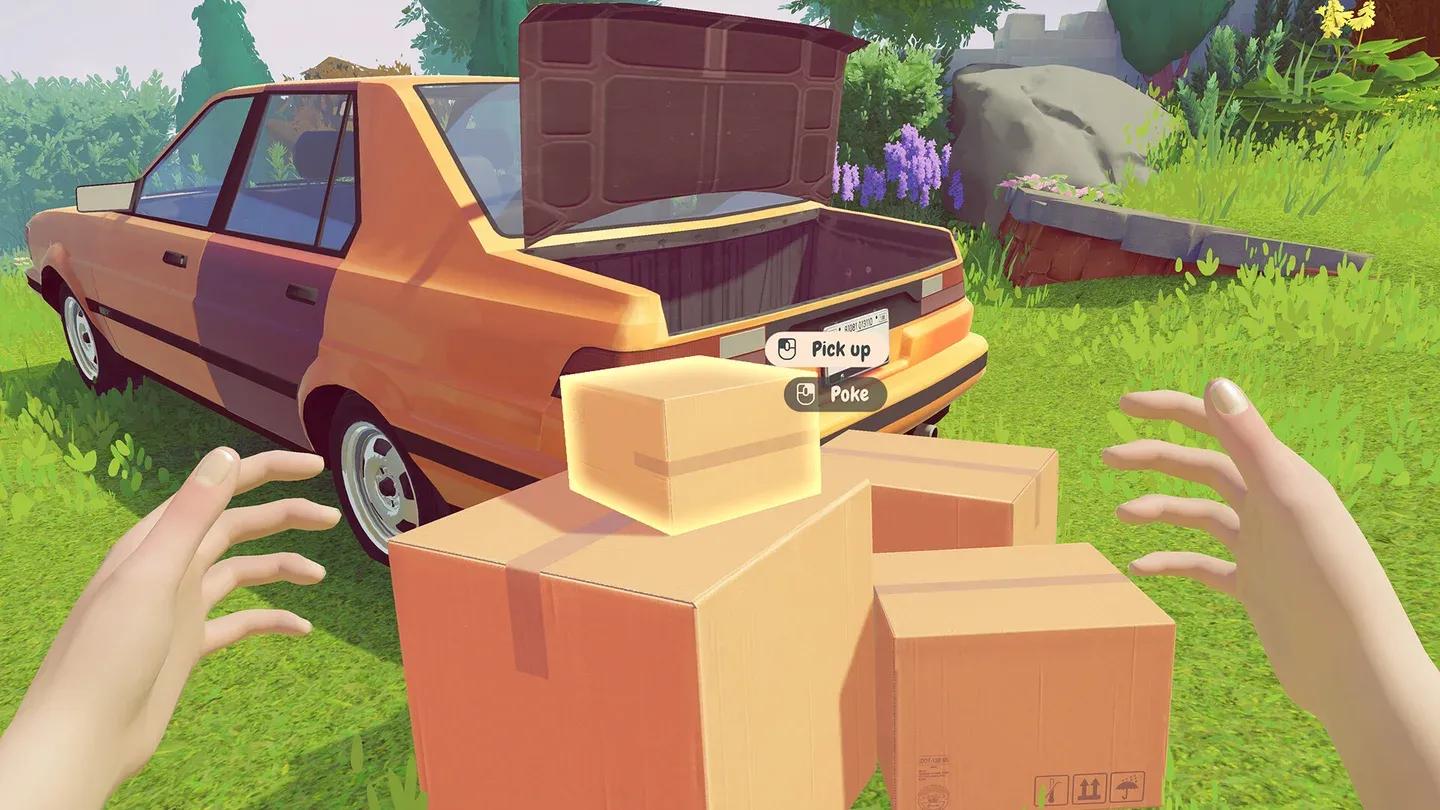
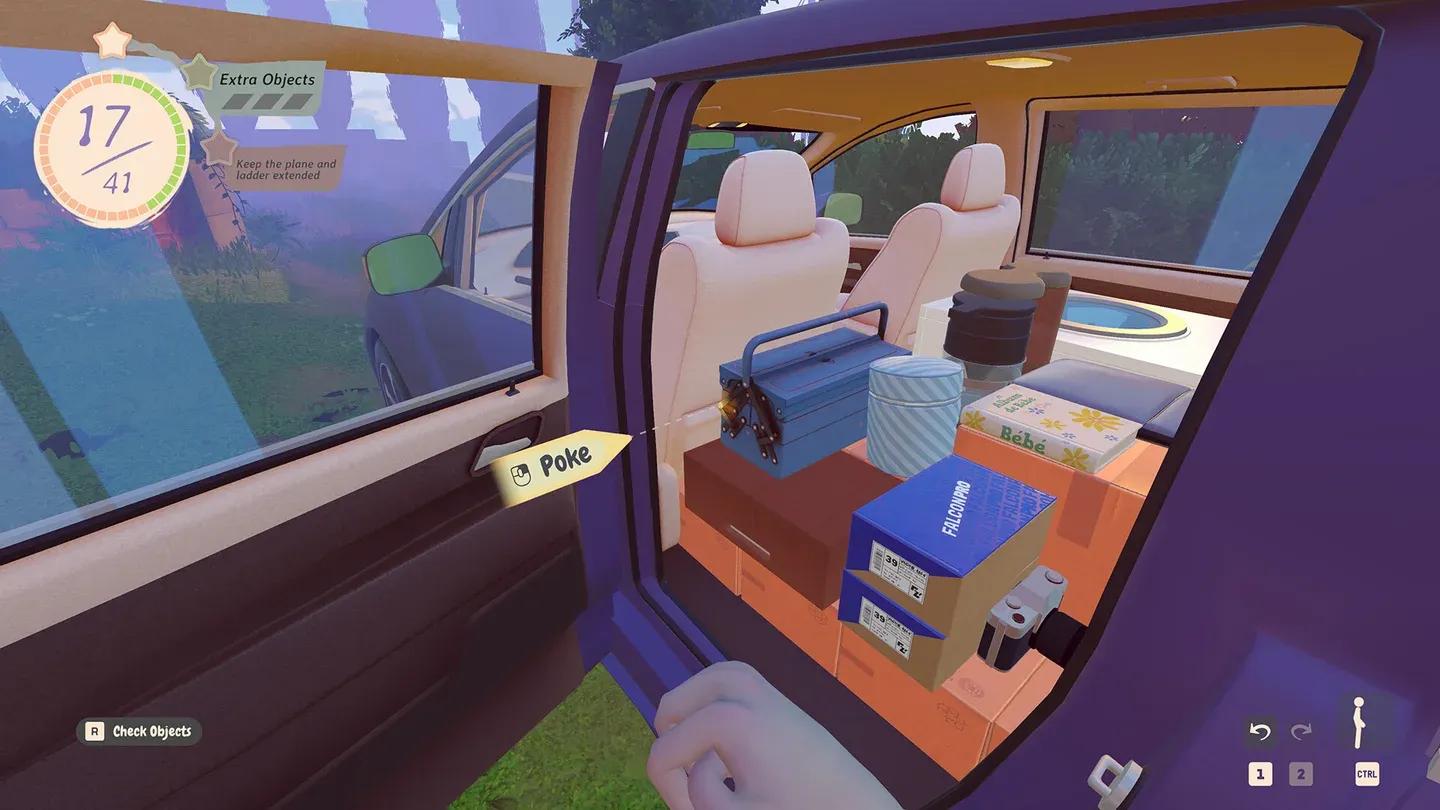
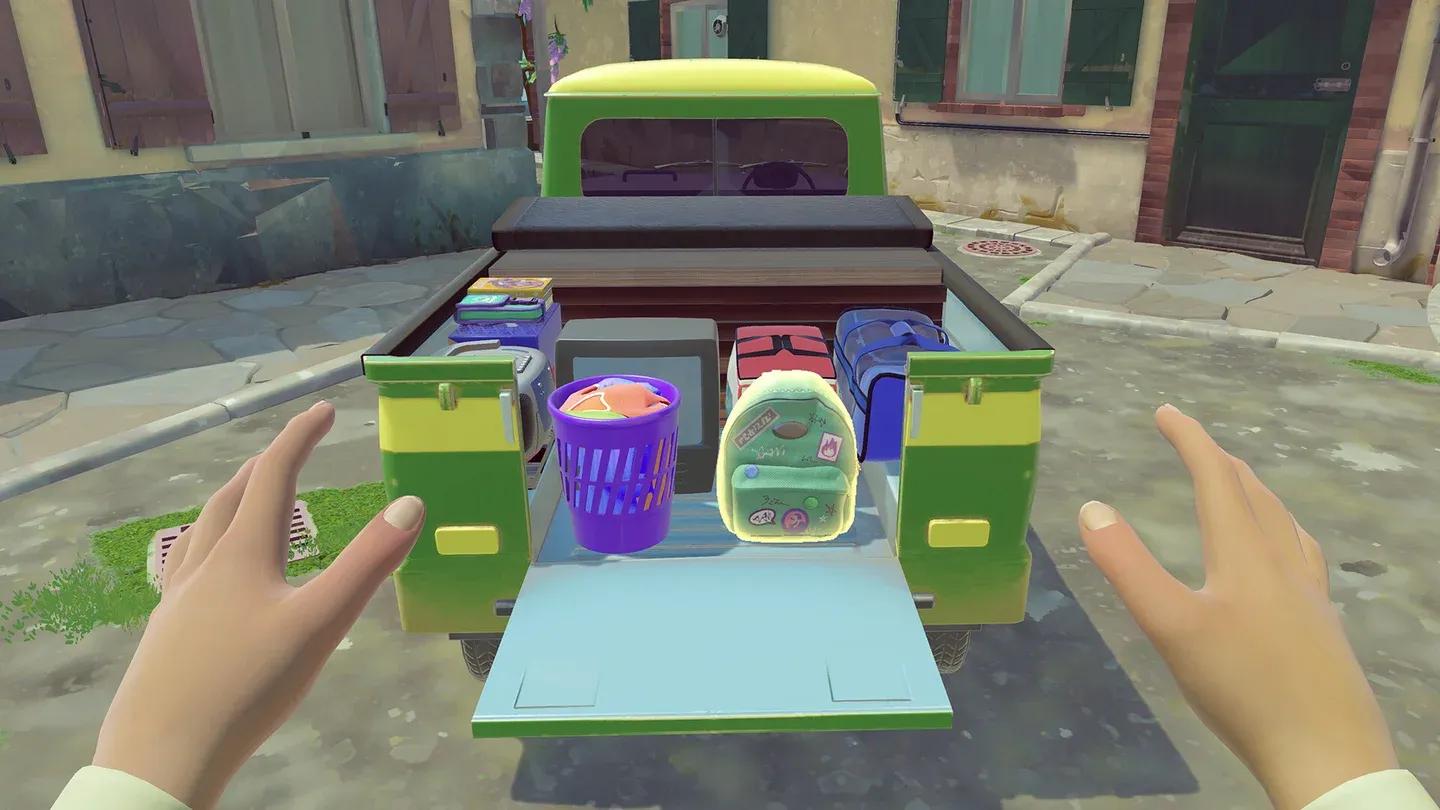
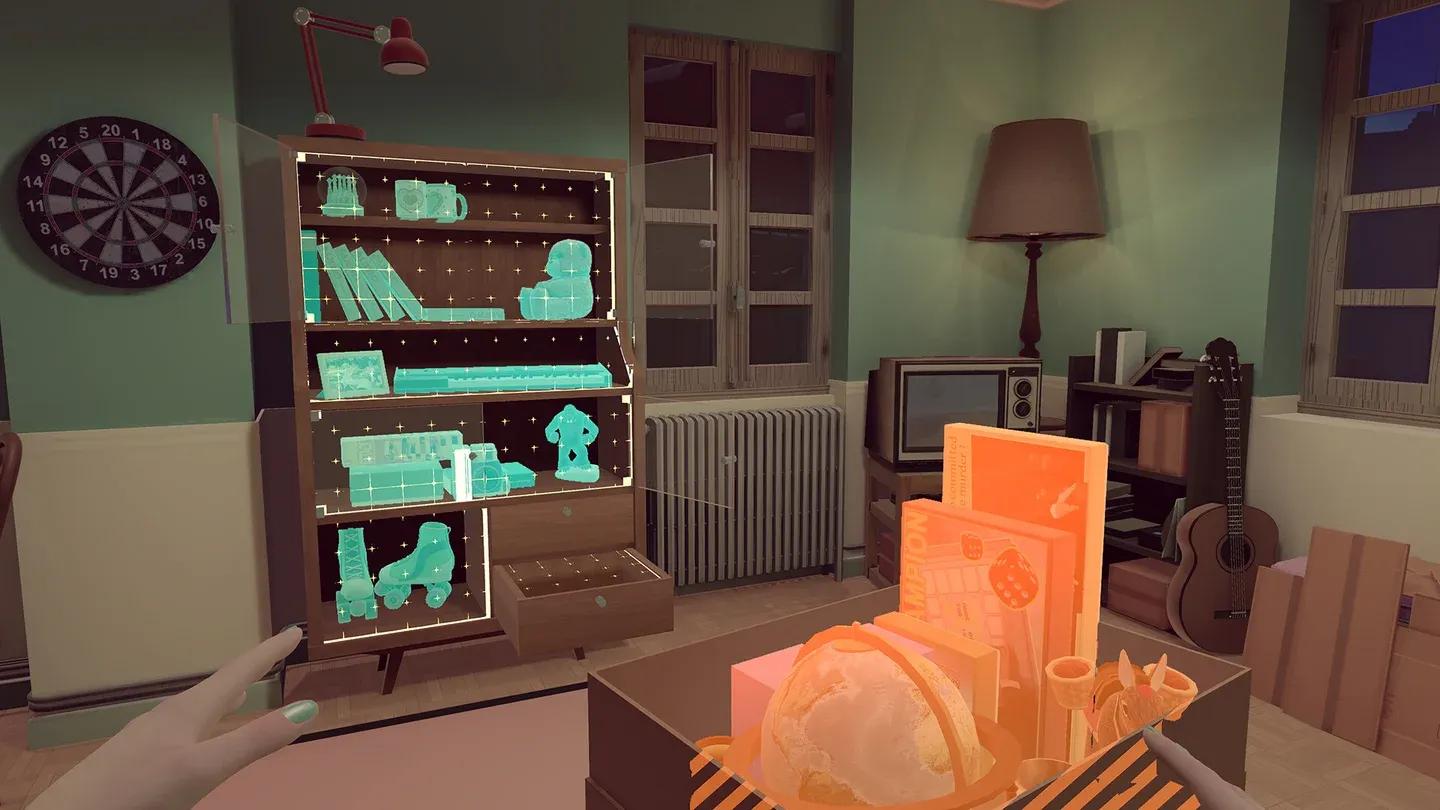
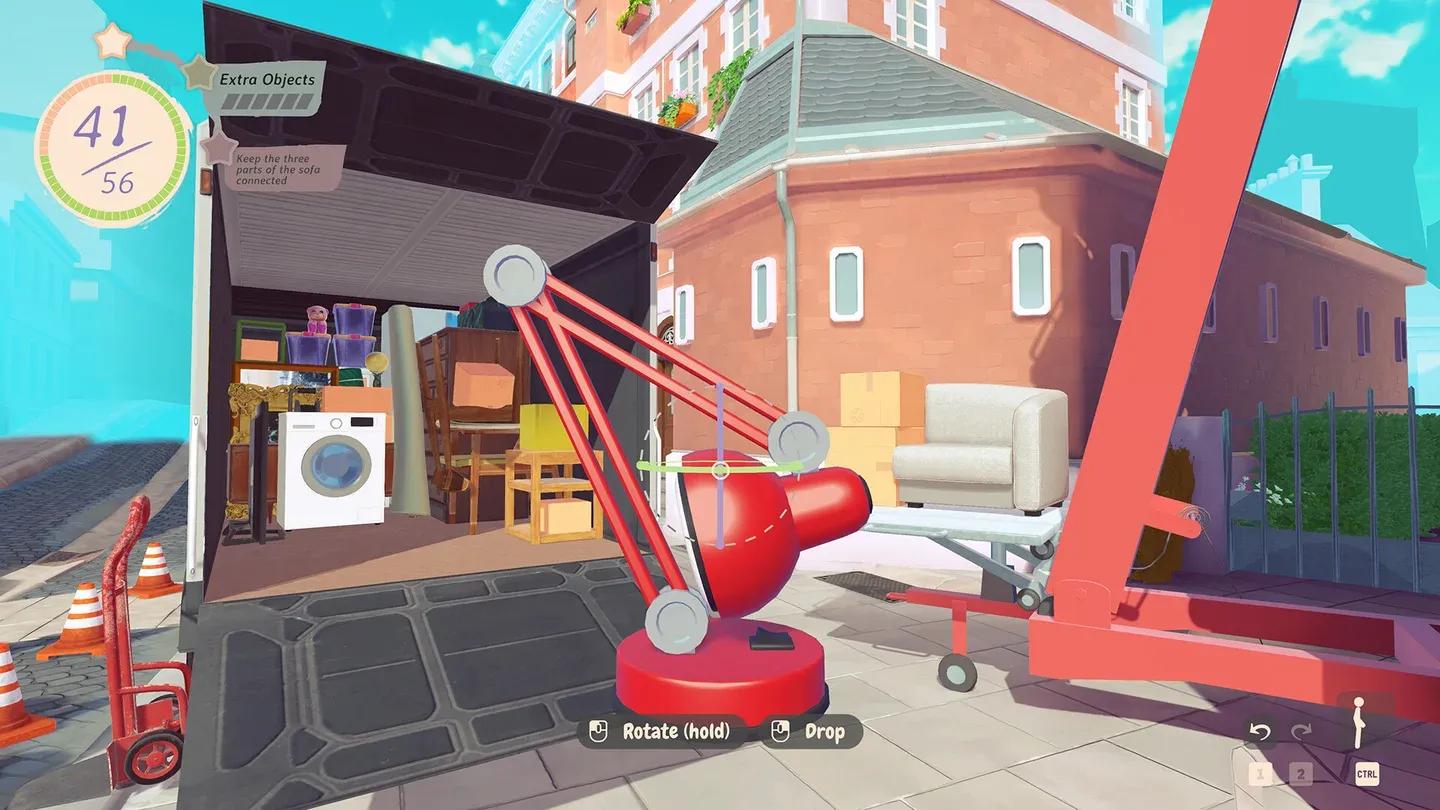
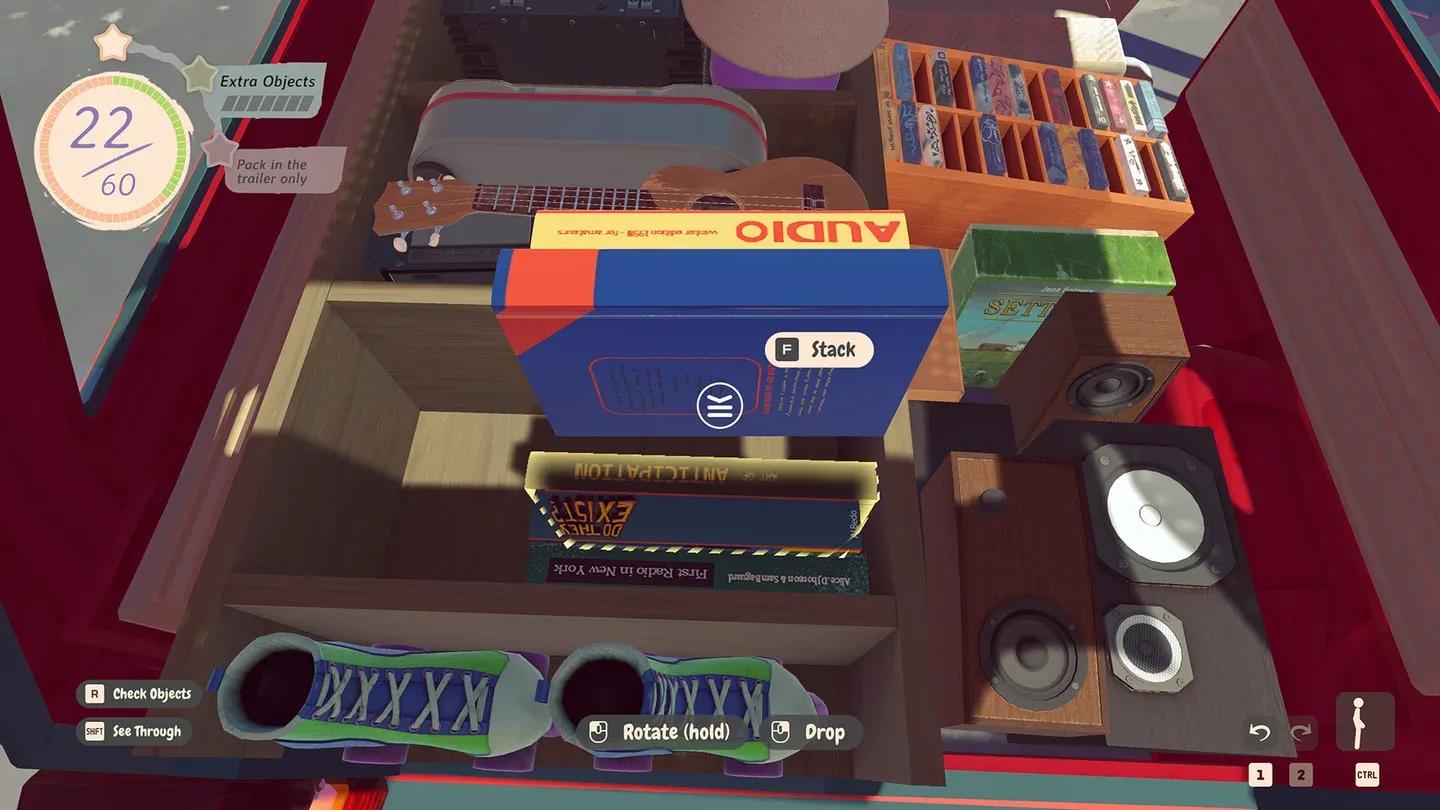
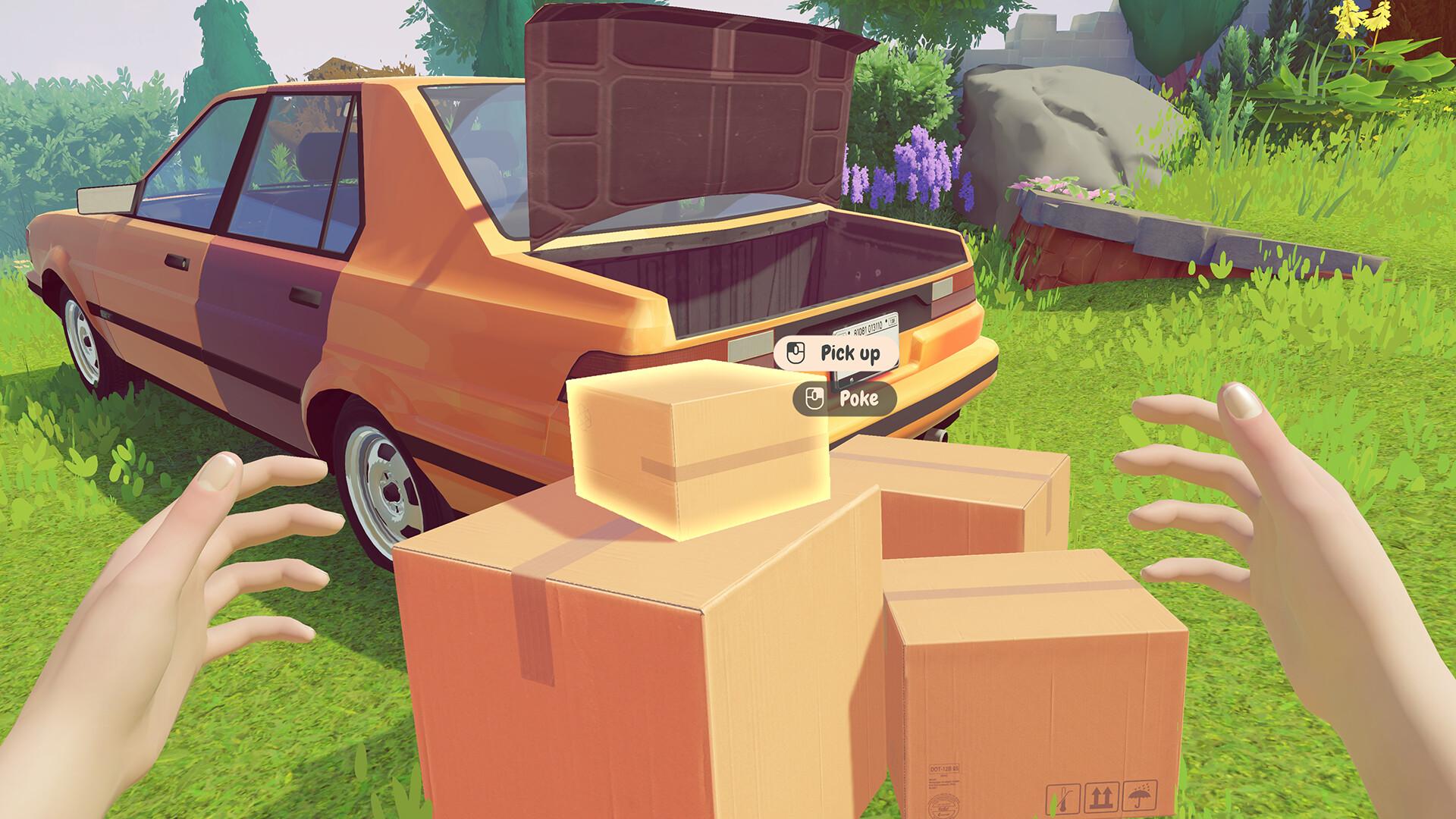
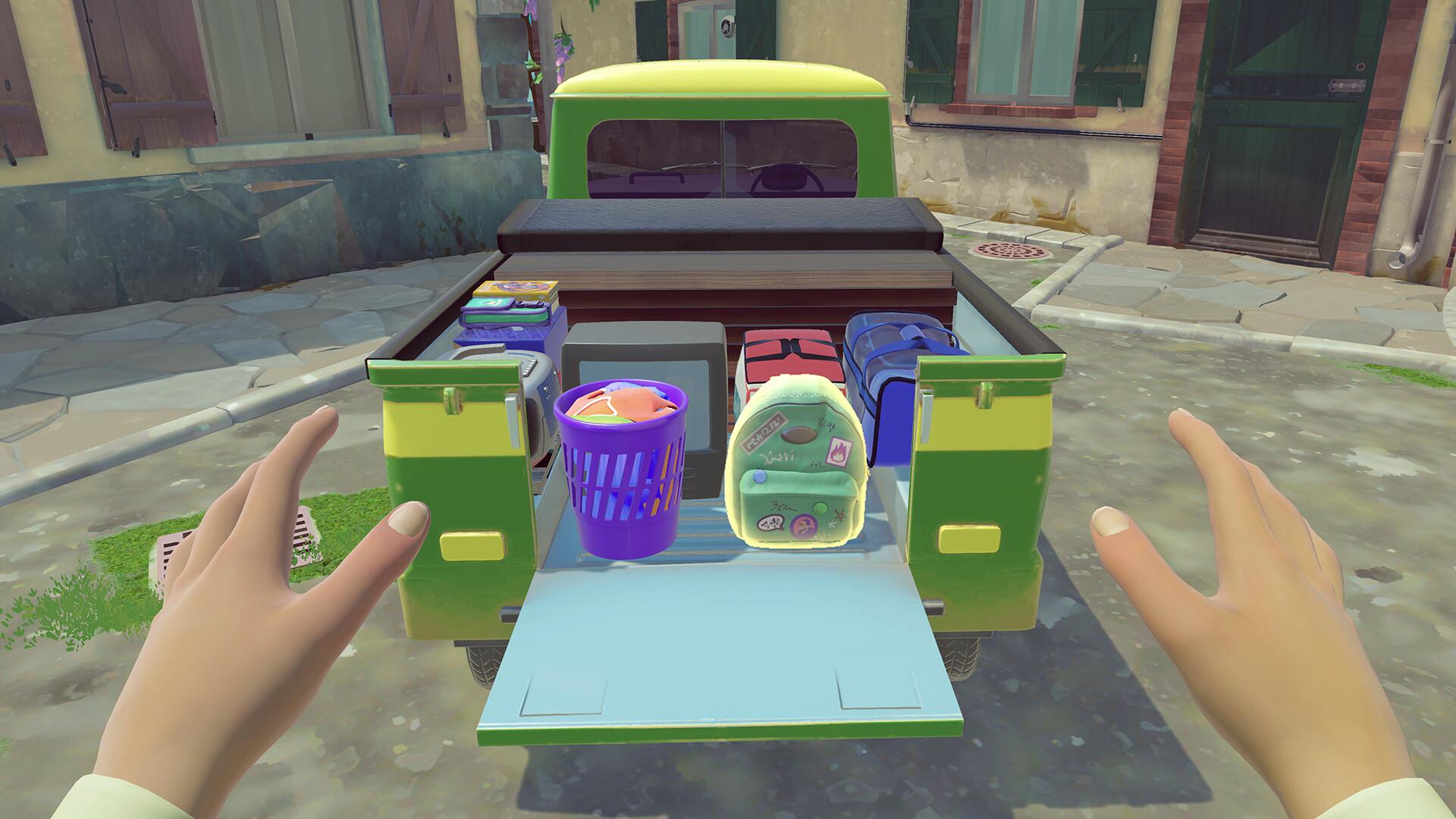
The core loop in One Move Away centers on packing decisions within a first-person perspective. Each character's home is filled with items that need sorting, and the act of handling them surfaces fragments of their lives. The mechanics are accessible by design, earning an ESRB Everyone rating and supporting single-player offline play on all platforms.
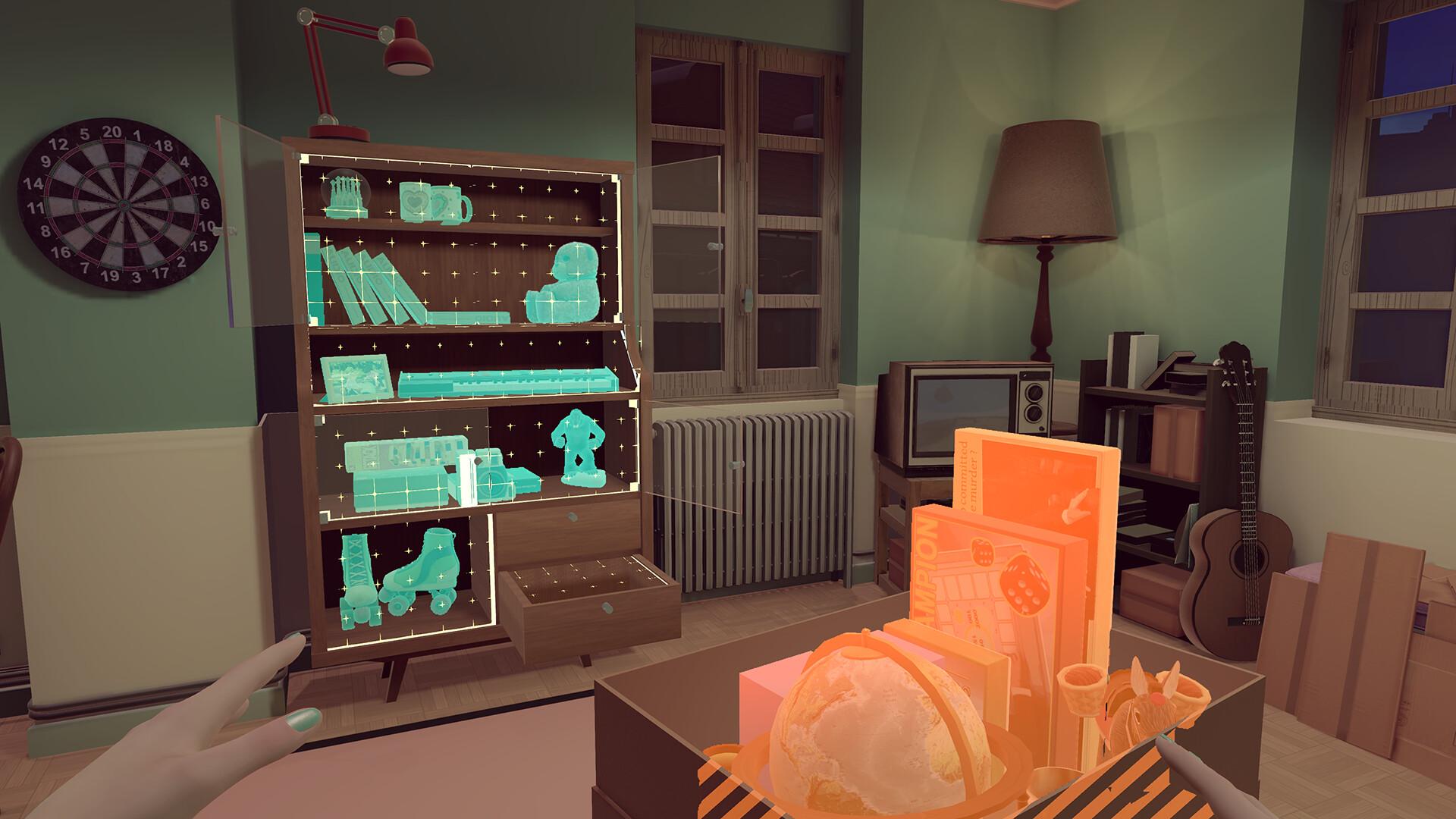
Key gameplay elements include:
- First-person object interaction
- Story discovery through item handling
- Three distinct character scenarios
- Cozy, low-pressure puzzle structure
- PS5 DualSense haptic and trigger support
The DualSense integration on PS5 adds a tactile layer to the experience, with vibration and trigger effects that respond to different objects. It's a small touch, but it reinforces the game's focus on physicality and presence within each space.
What stories does One Move Away tell?
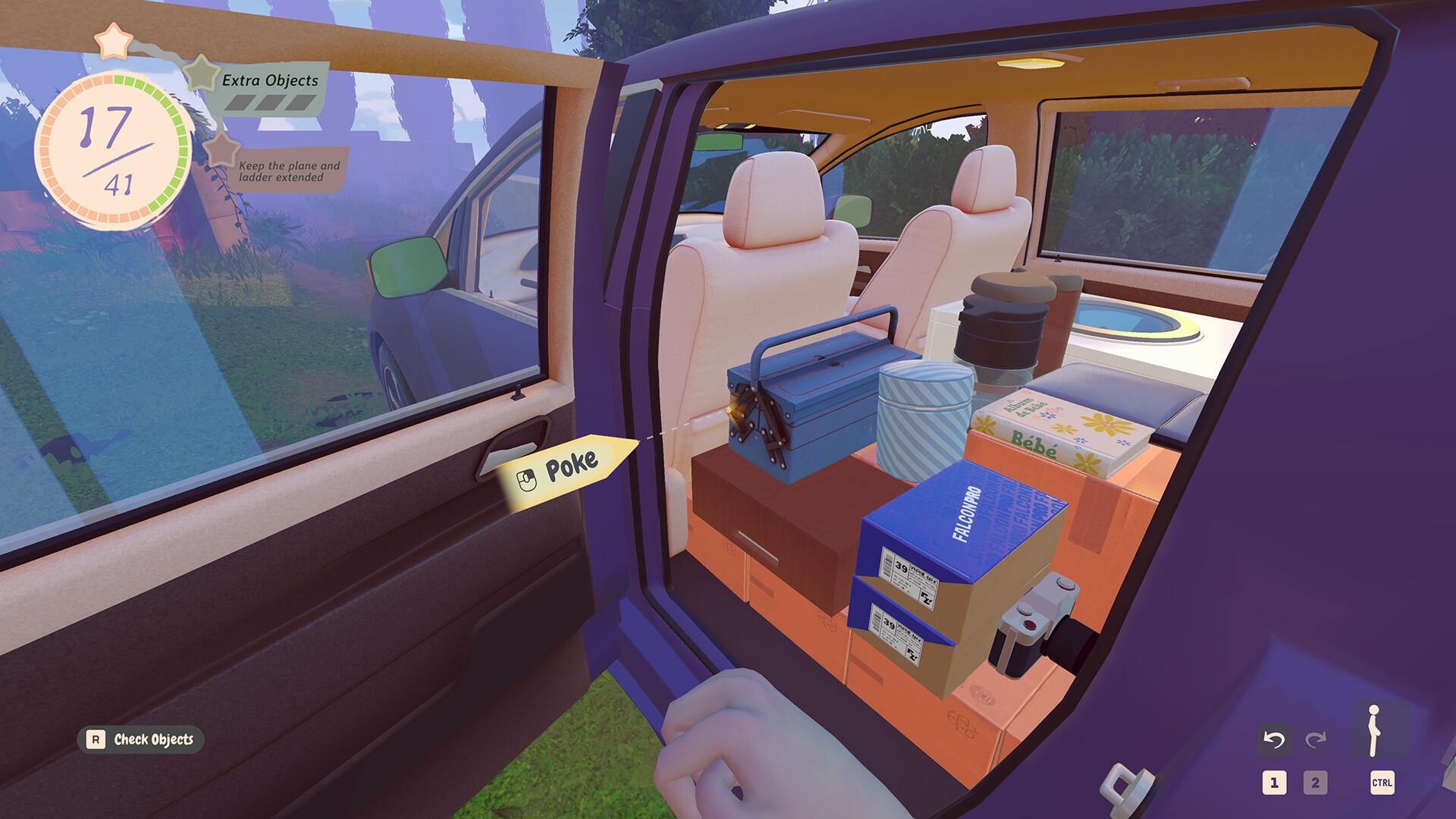
One Move Away follows three unique characters, each at a different point in their lives, each preparing to leave somewhere behind. The game never spells out exactly who these people are at the start. Instead, their personalities and circumstances emerge gradually through the items they own: worn books, photographs, keepsakes, and the things they clearly cannot bring themselves to throw away.
The narrative design prioritizes inference over instruction. Players piece together emotional context from physical evidence, which makes each discovery feel personal rather than scripted. This approach puts One Move Away in the same conversation as games that treat environmental storytelling as the primary mechanic rather than an afterthought.
Visual and audio design
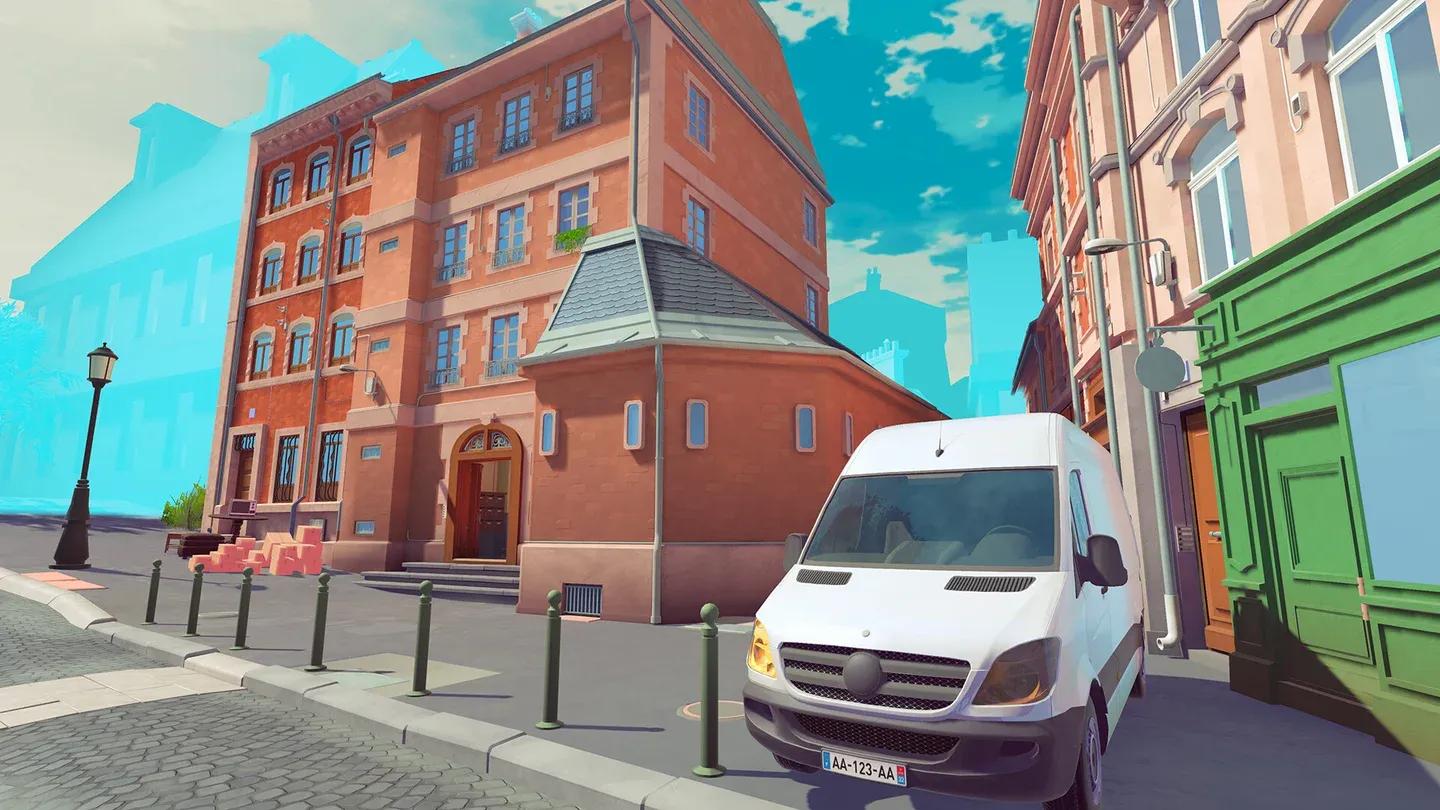
The first-person perspective keeps the visual focus tight and domestic. Rooms feel lived-in rather than staged, with the kind of clutter and personal detail that reads as authentic rather than decorative. The art direction leans into the cozy aesthetic without becoming saccharine, letting quieter moments carry genuine emotional texture.
The game's atmosphere is built for sustained, unhurried play. There is no timer pushing decisions, no score penalizing hesitation. That pacing is a deliberate design choice, and it shapes how the audio and visual elements land. Sounds of handling objects, ambient room noise, and the general stillness of an empty home in transition do more tonal work here than a conventional soundtrack might.
Content and replayability
At $14.99 on PlayStation Store, One Move Away positions itself as a focused narrative experience rather than a sprawling sandbox. The three-character structure gives the game a natural arc with clear beginning and end points for each scenario. For players drawn to cozy puzzle games with strong storytelling, the value sits in the quality of those moments rather than raw playtime.
The cross-platform release means the experience carries across Steam, PS5, Xbox, and Nintendo Switch without compromise. For Switch players especially, the portable format suits a game designed around quiet, contemplative sessions rather than extended marathon play.
| Requirement | Minimum | Recommended |
|---|---|---|
| Processor | 1.8 GHz or faster processor | 2.8 GHz or faster processor |
| Memory | 4 GB RAM | 8 GB RAM |
| Graphics | Direct X 11.0 compatible video card | Direct X 11.0 compatible video card |
| Storage | 10 GB available space | 10 GB available space |