

Overview
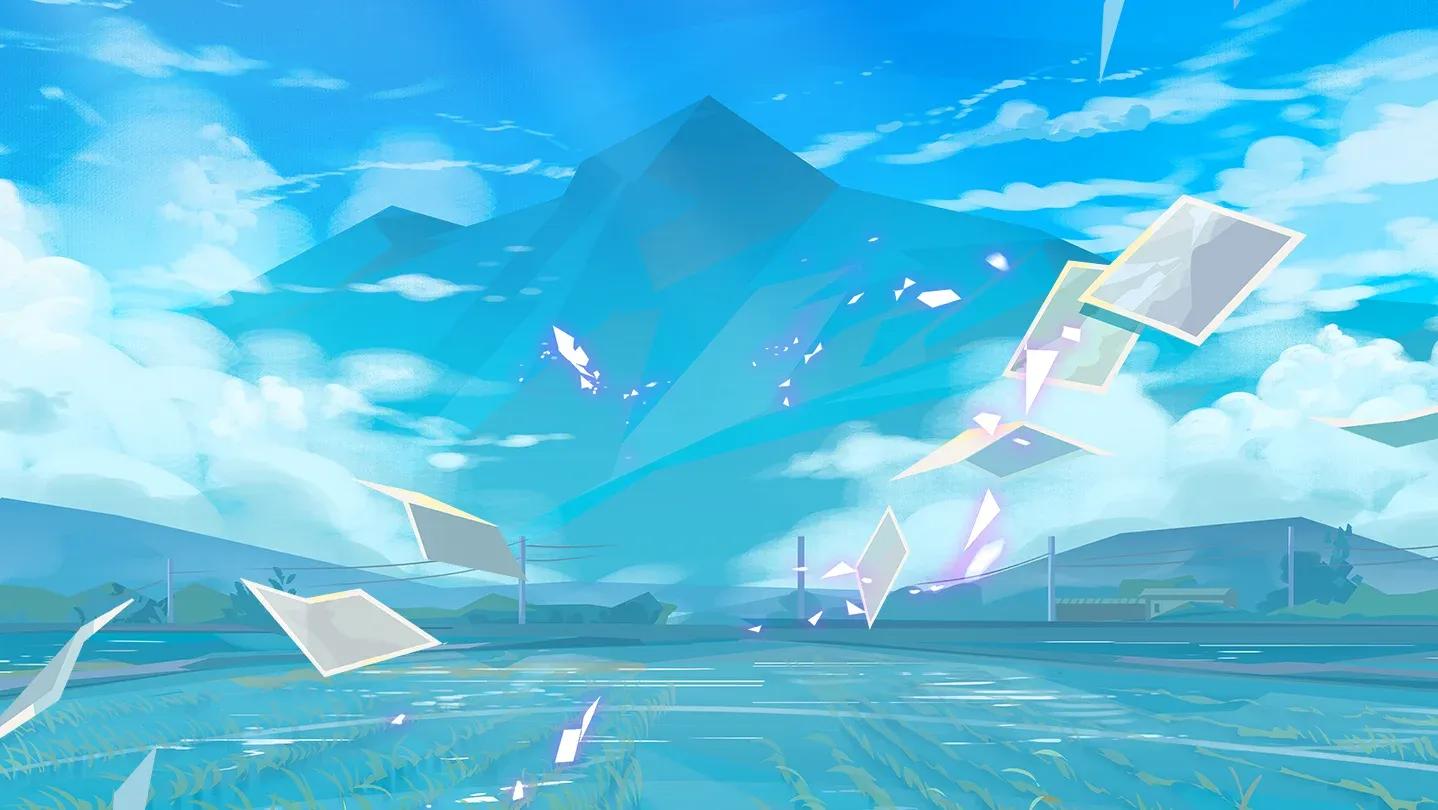
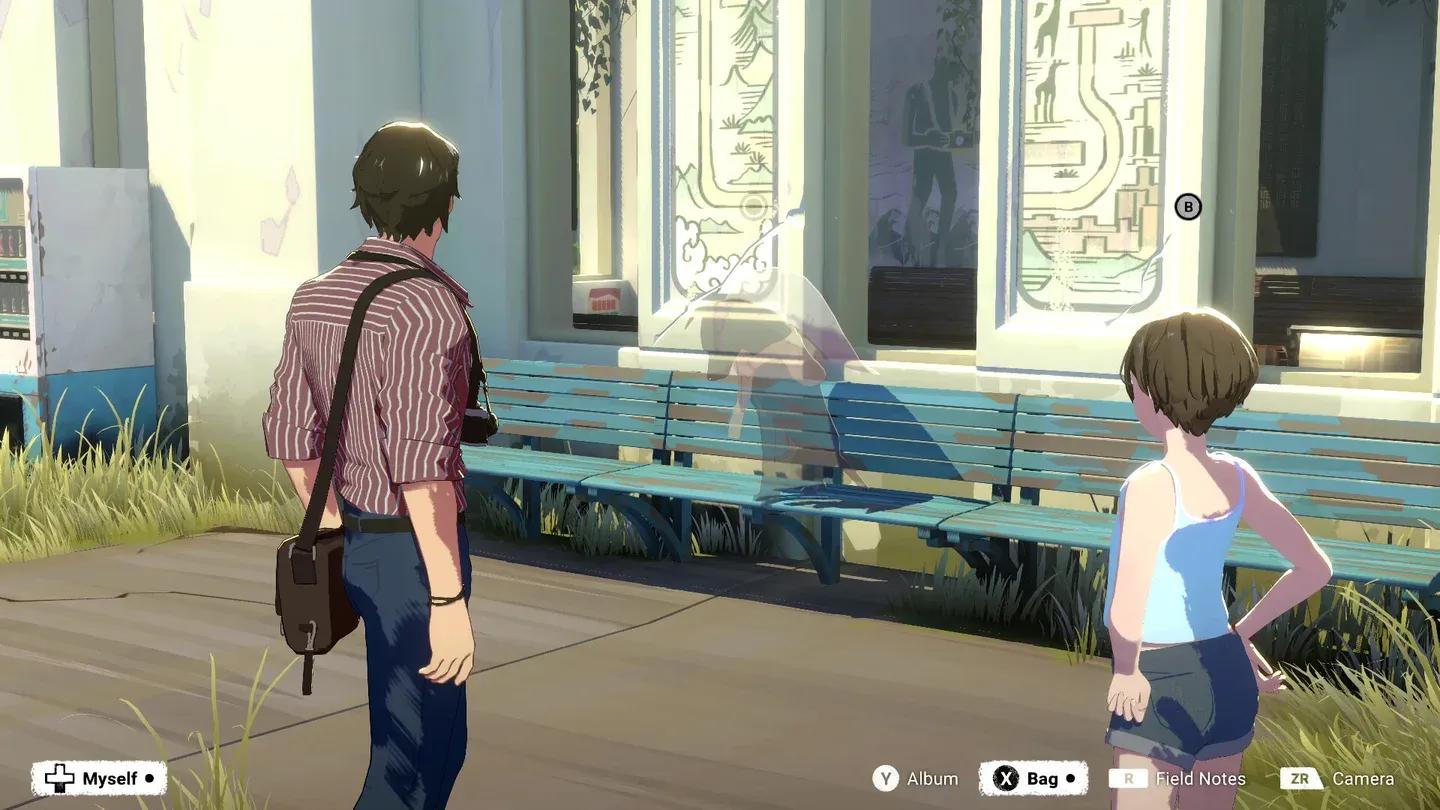
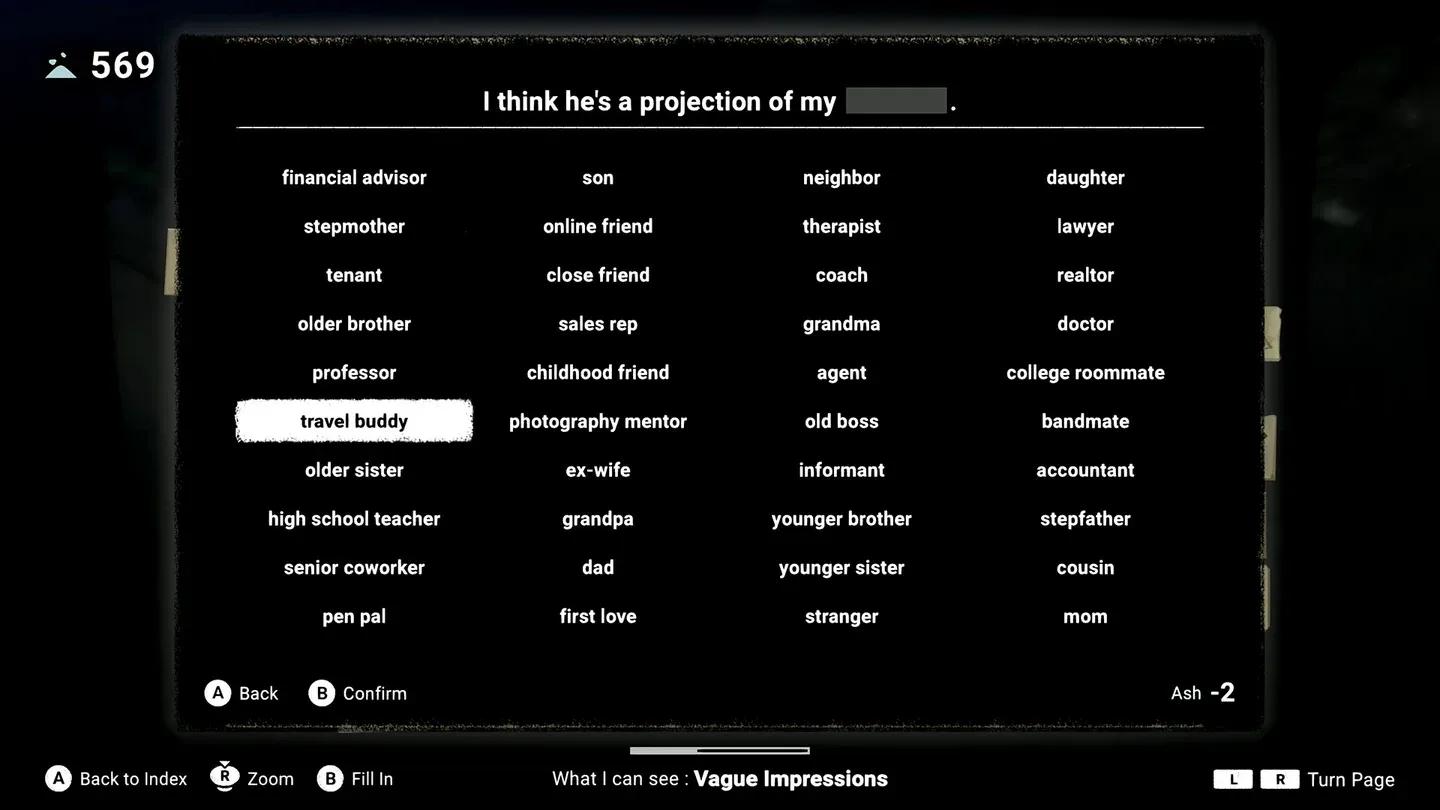
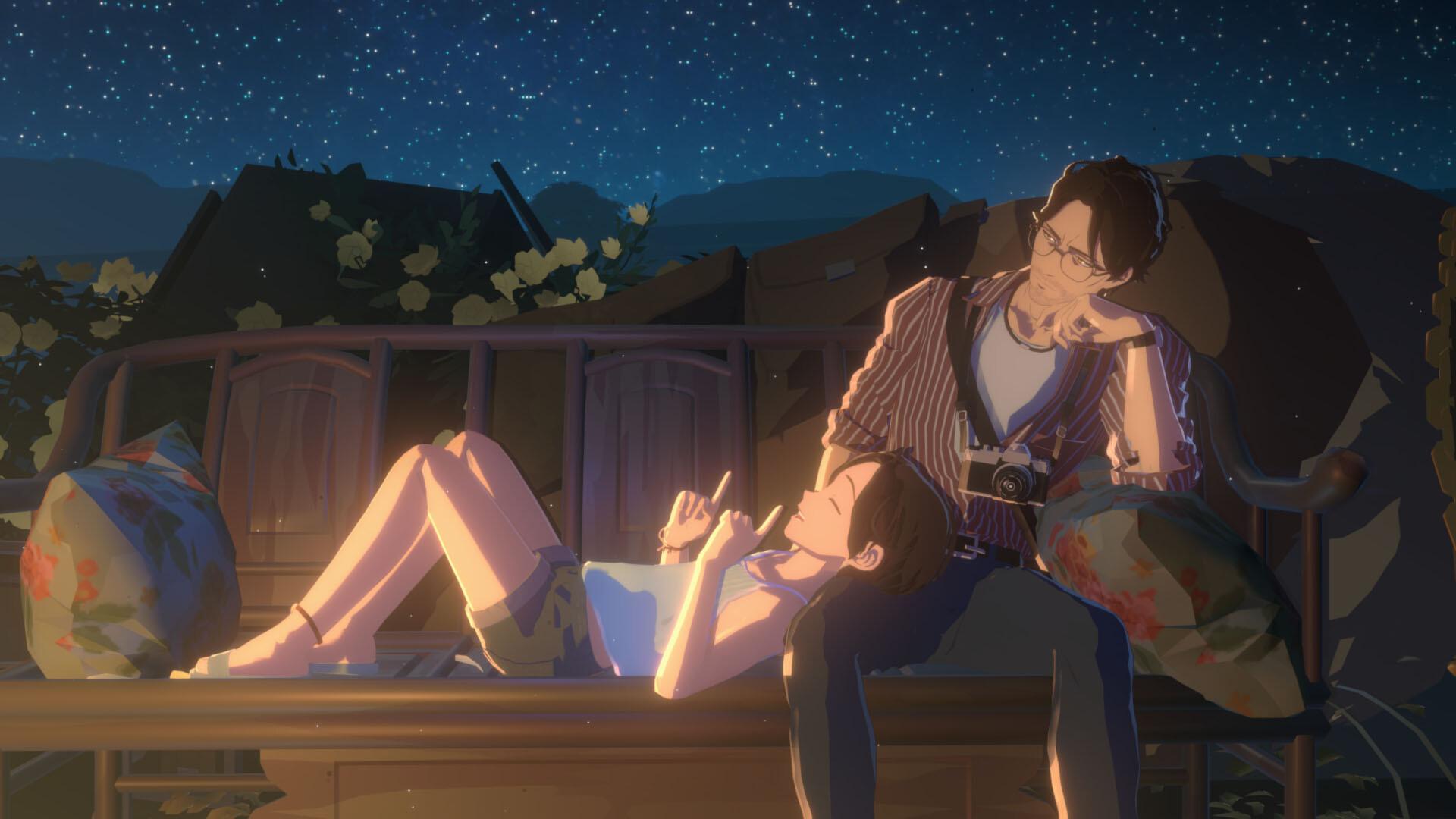
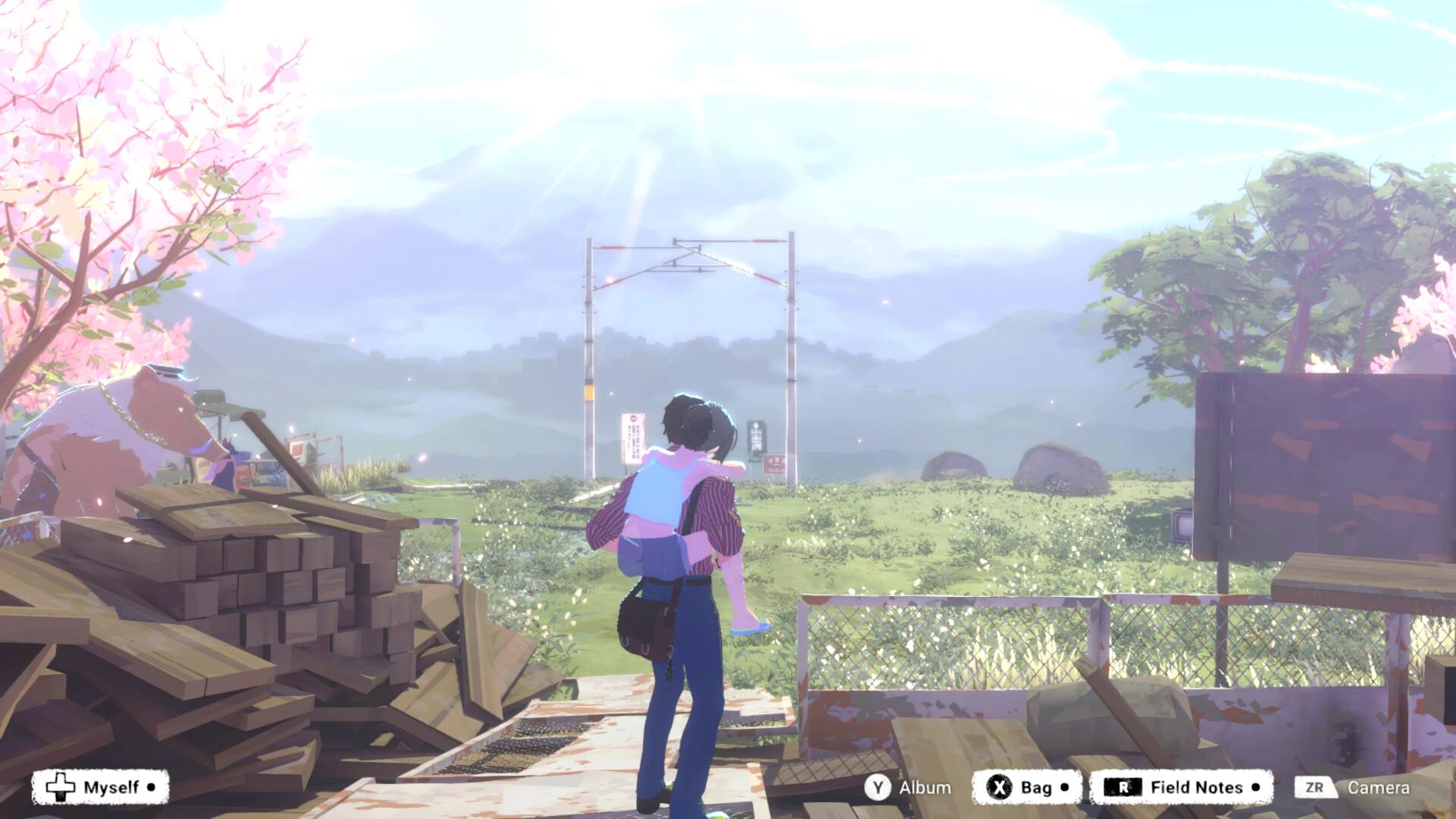
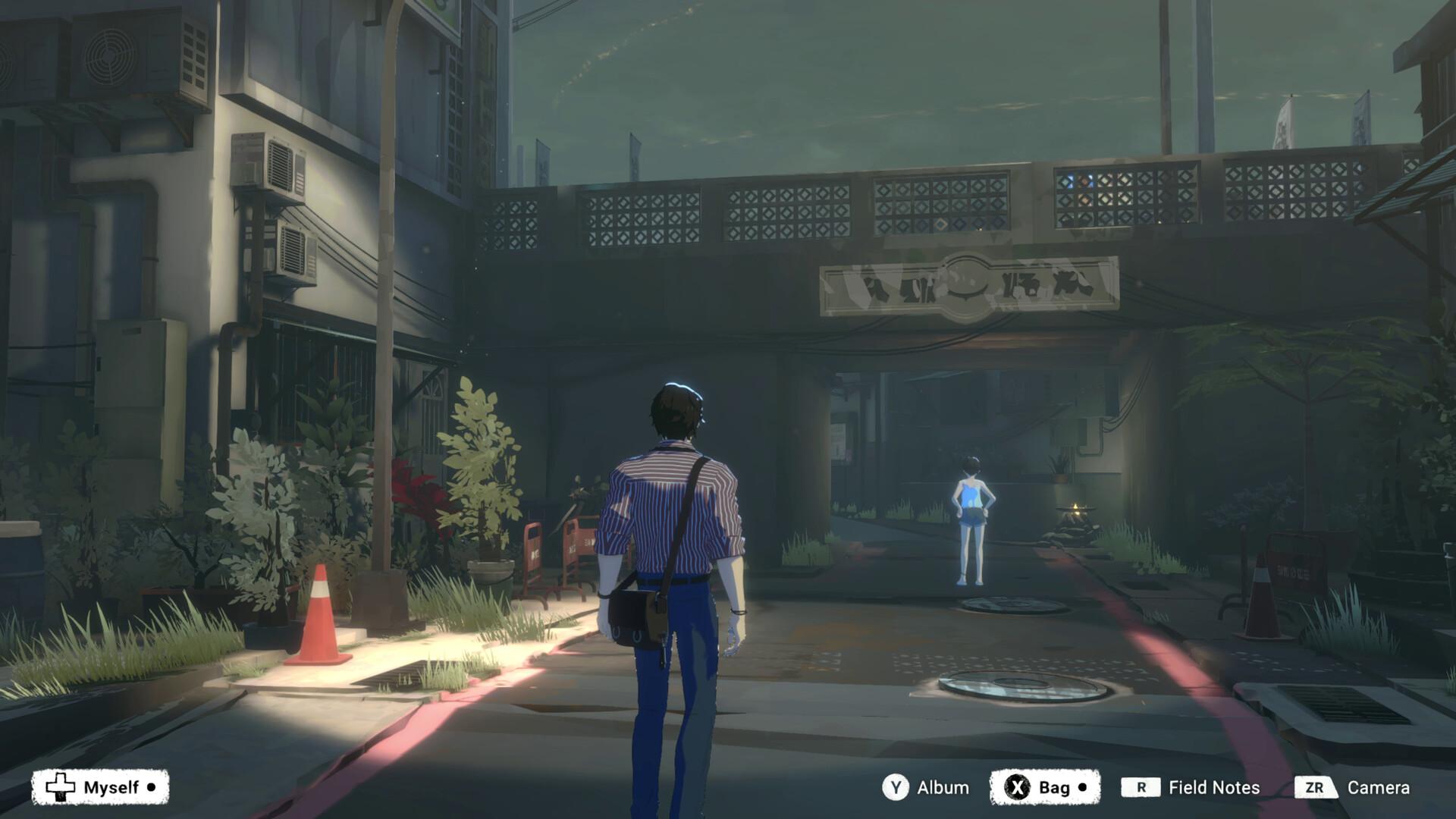
OPUS: Prism Peak is a narrative adventure from SIGONO INC., released April 15, 2026 on Windows, macOS, and Nintendo Switch. You play as a weary photographer who finds themselves stranded in the Dusklands, a world that mirrors our own but holds no trace of human life. The only other person around is a girl with no memory, drawn toward a distant landmark called Dusk Mountain. Getting her there, and getting yourself home, means learning to read a world that communicates entirely through imagery, atmosphere, and the spirits that inhabit it.
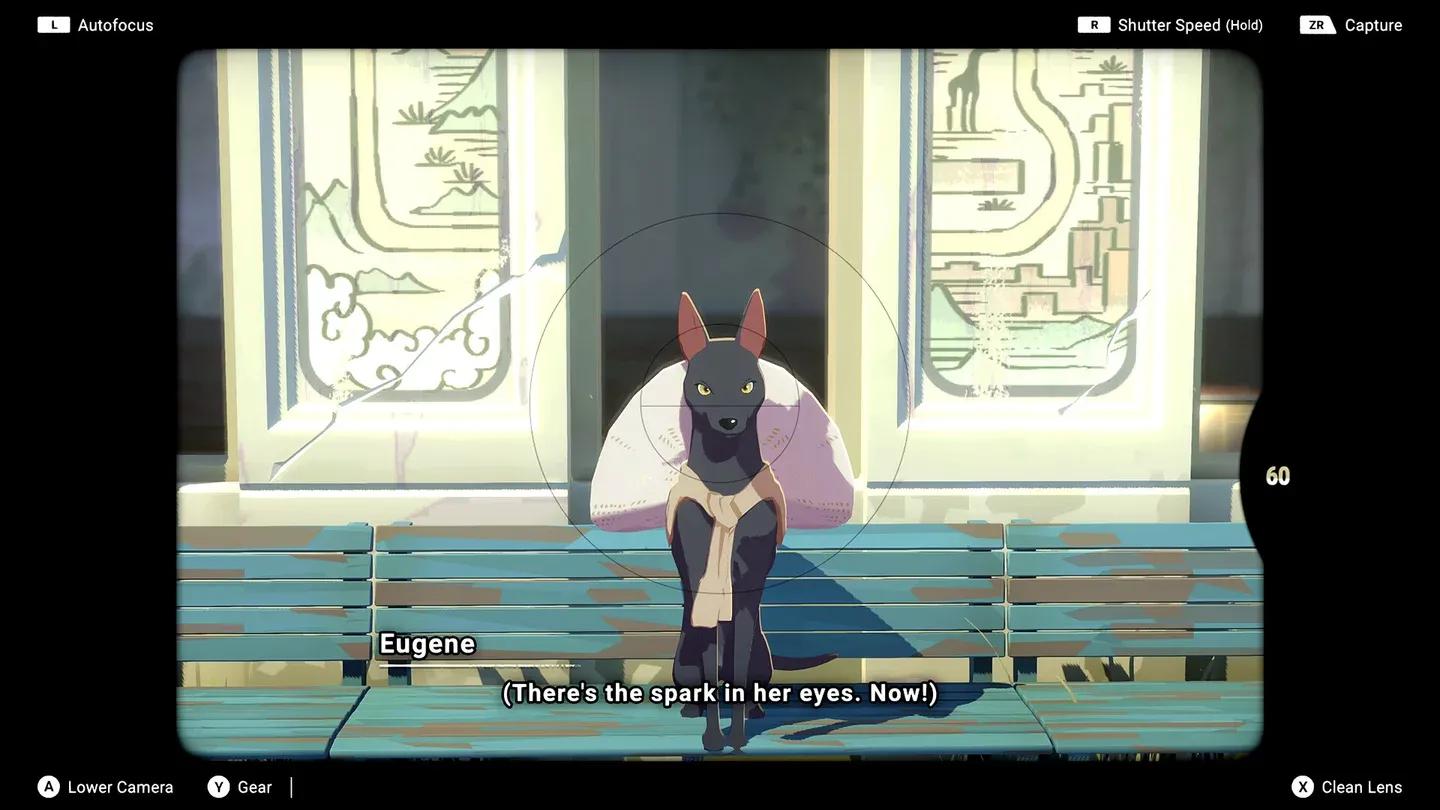
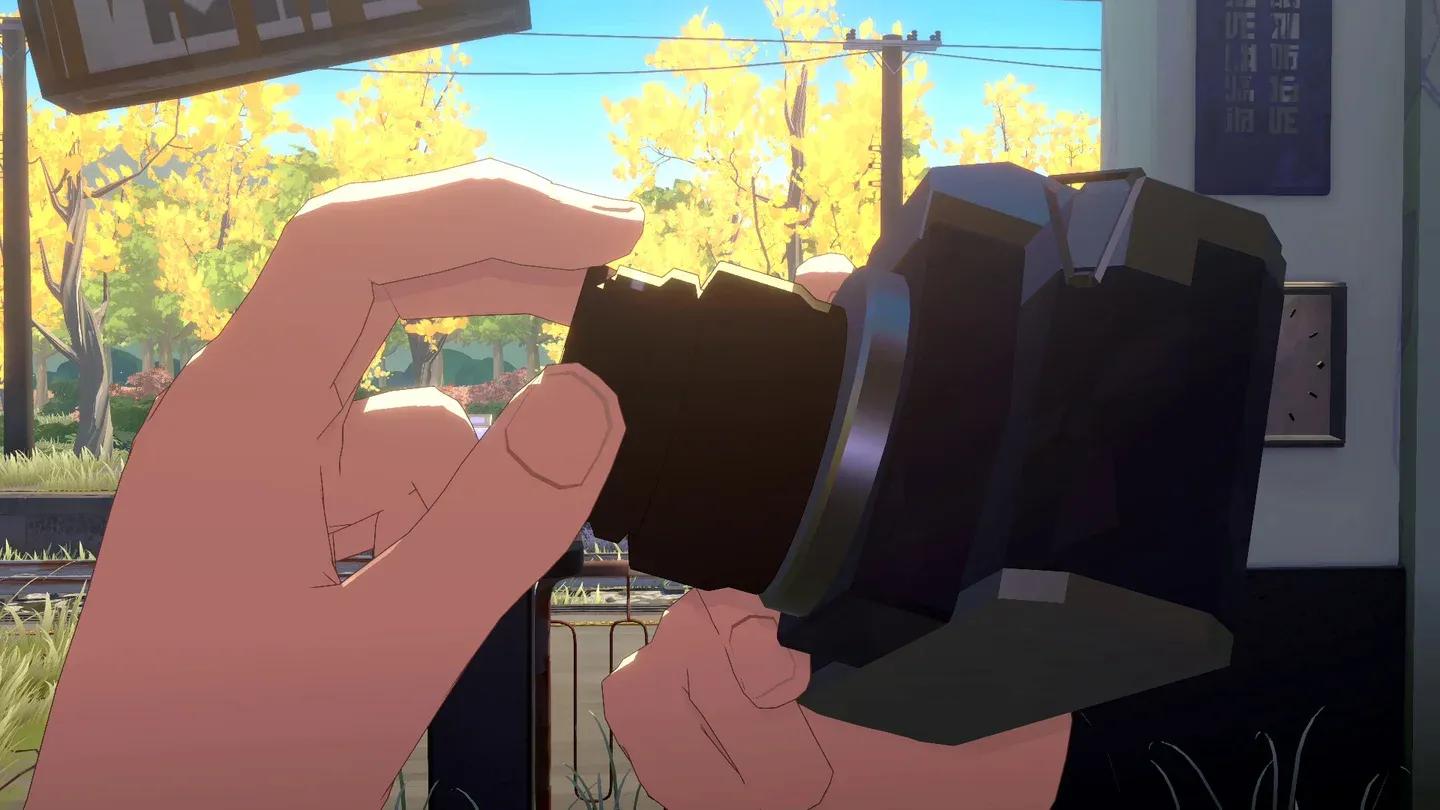
The game sits in a specific corner of the indie adventure genre: slow, observational, and built around a mechanic that actually asks something of you. This isn't a walking simulator with a camera prop. Every photograph you take involves framing, timing, exposure, focus, and filter selection. The camera is the primary tool for understanding the Dusklands, and using it well is the difference between skimming the surface of the story and actually grasping it.
How does photography work as a core mechanic?
Photography in OPUS: Prism Peak functions as both exploration and puzzle-solving. The game asks you to observe each spirit carefully, understand what they want to see, then compose a shot that meets those conditions. Nail it, and you advance the story, fill out your journal, or unlock camera upgrades. Miss the mark, and you're pushed to look harder at your surroundings.
Key mechanics built around the camera system include:
- Framing, timing, exposure, focus, and filter controls
- Spirit-specific photo requests that require close observation
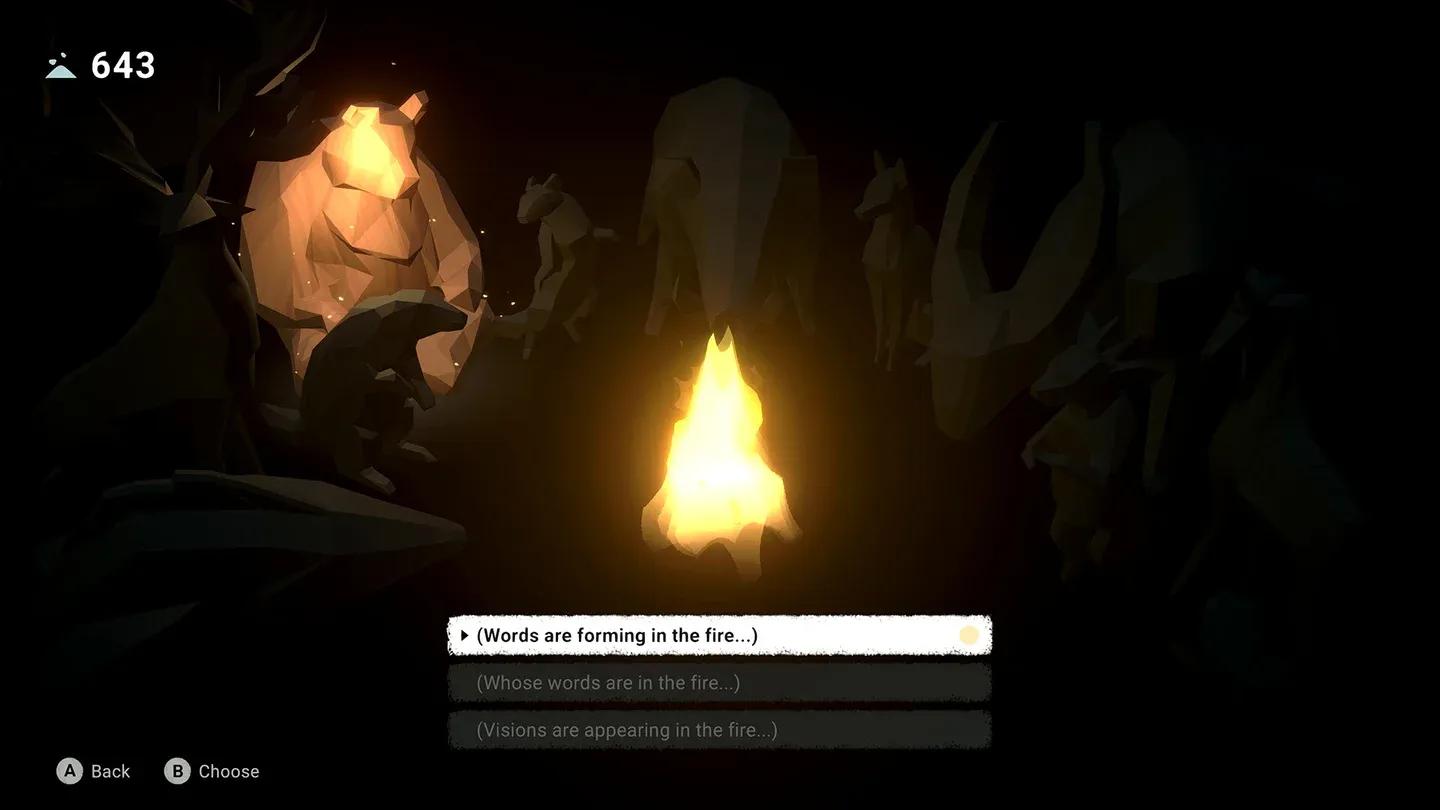
- Sacred Firebowl shrines that accept photos as offerings for upgrades
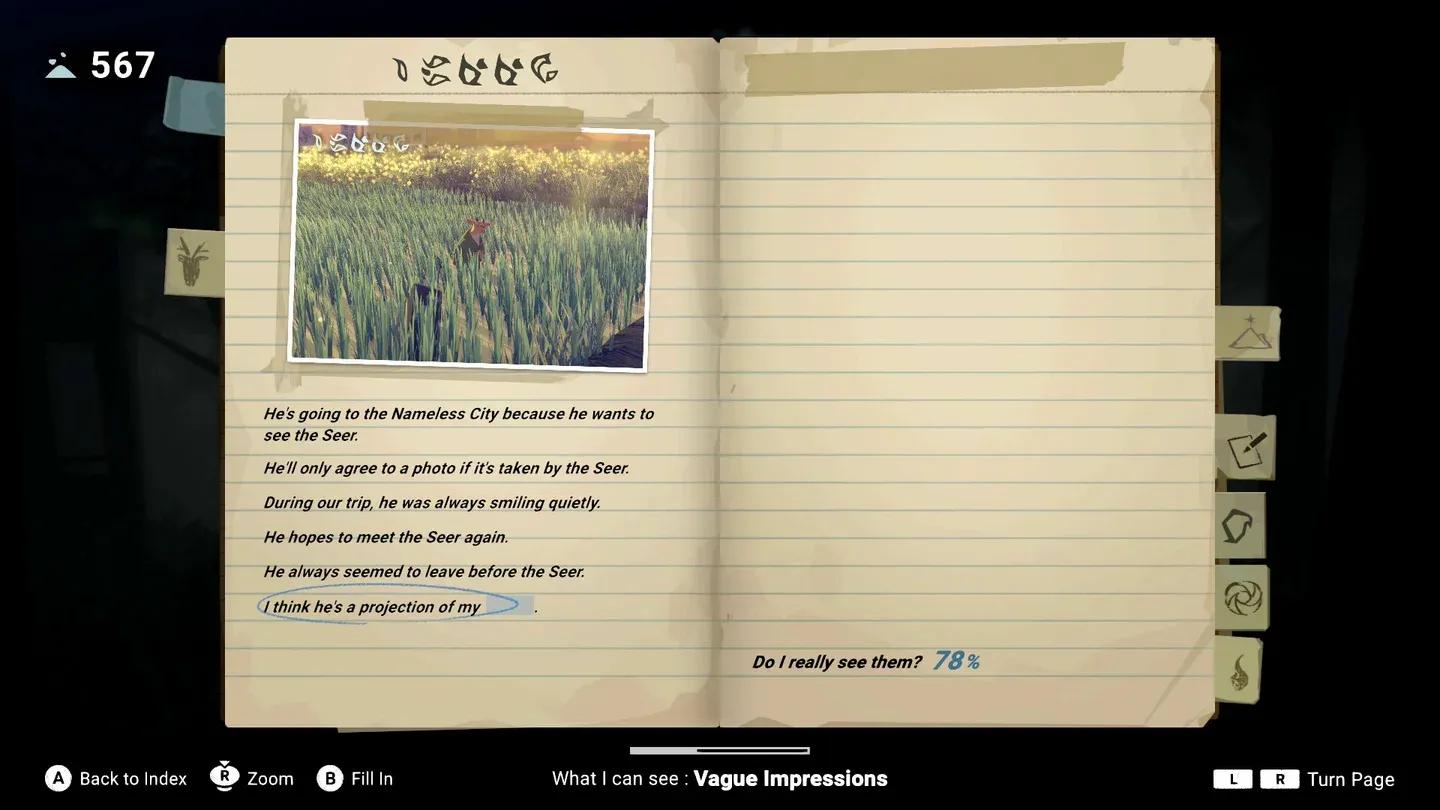
- A field journal that fills as you photograph clues, runes, and spirits
- Divergent endings shaped by the bonds you build along the way
The Sacred Firebowls are where this becomes genuinely interesting. These aperture-marked shrines act as puzzle nodes scattered through the Dusklands, each demanding a specific photo to unlock items or camera improvements. Figuring out what each fire wants forces you to pay attention to the environment in ways most games never require.
World and setting: a world without people
The Dusklands is built around a specific kind of unease. It mirrors the physical world closely enough to feel familiar, but humans are entirely absent. Only spirits, manifested as animals, call it home. The game frames this as a mystery worth solving: why did humans disappear, and what is this place actually for?
That question sits at the center of the Dusklands Field Notes, a journal that predates your arrival and fills in as you photograph clues throughout the journey. Decoding ancient runes, identifying spirits, and piecing together myths all feed into a larger picture that rewards patience. The magical realism here isn't decorative. It carries the narrative weight.
Content and replayability
OPUS: Prism Peak features divergent endings shaped by the spiritual bonds you form throughout the journey. The spirits you encounter respond to your choices, and those relationships quietly influence what waits at Dusk Mountain. A second playthrough with different priorities will land somewhere different.
Conclusion
OPUS: Prism Peak is a narrative adventure game that takes its central mechanic seriously. The analog photography system isn't a gimmick layered over a visual novel. It's the lens through which every piece of story, every spirit encounter, and every world-building detail is filtered. For players who like their indie adventures to ask something of them beyond clicking through dialogue, SIGONO INC. has built something worth sitting with.