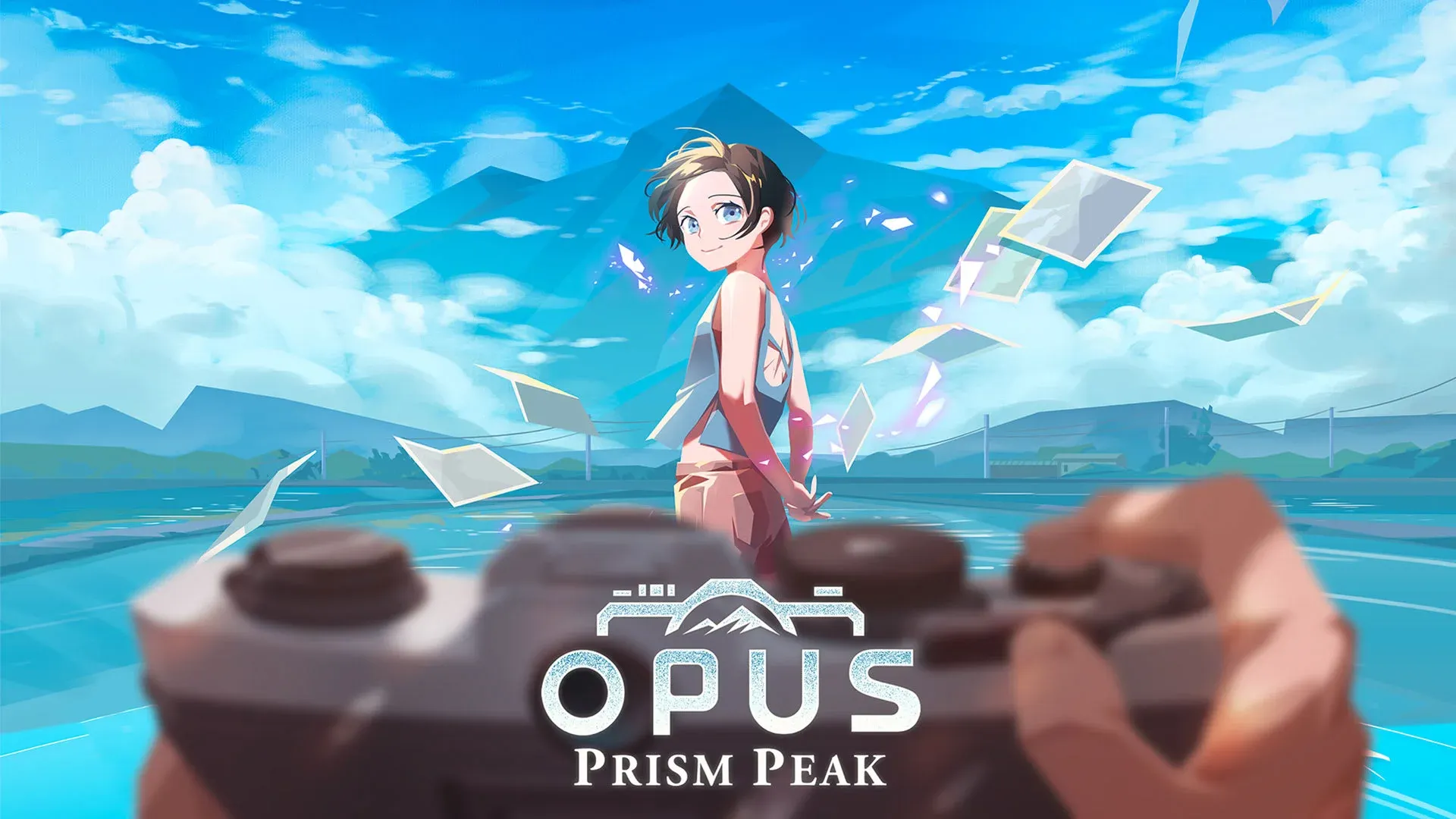


OPUS: Prism Peak drops you into the Dusklands with an analog camera, a mysterious girl, and very little explanation. That's intentional. Developer SIGONO INC., published by SHUEISHA GAMES, built this narrative adventure around observation and patience rather than hand-holding. The systems here, photography, Seeds, Sacred Firebowls, Spirits, and the Dusklands Field Notes journal, all feed into each other. Once you see how they connect, the game opens up considerably.
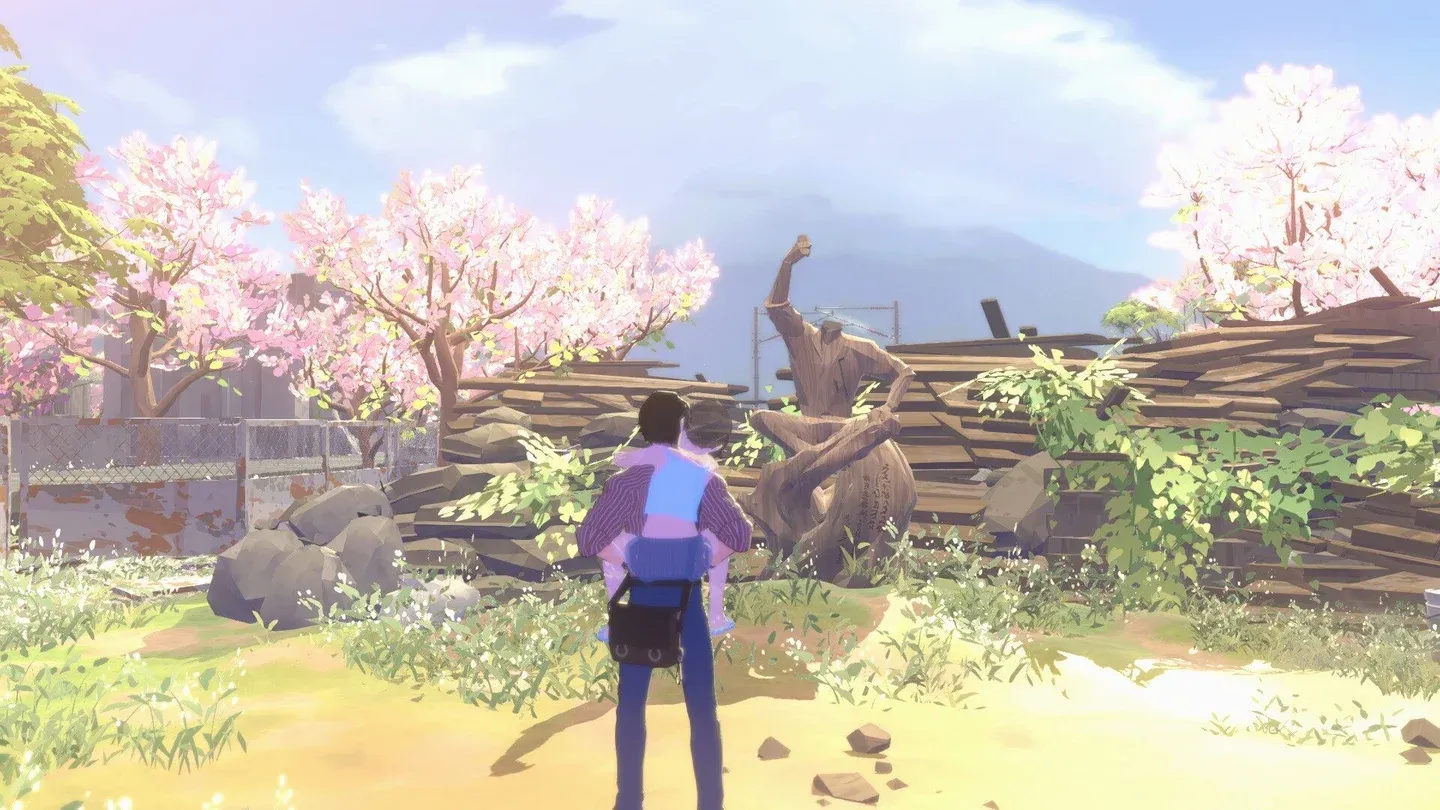
Eugene's camera drives progression
Who are Eugene and the mysterious girl?
Eugene is a former photojournalist who walked away from his old life before the game begins. That backstory matters because the camera he picks up in the Dusklands carries emotional weight beyond its mechanical function. It represents what he abandoned and what he still has to work through.
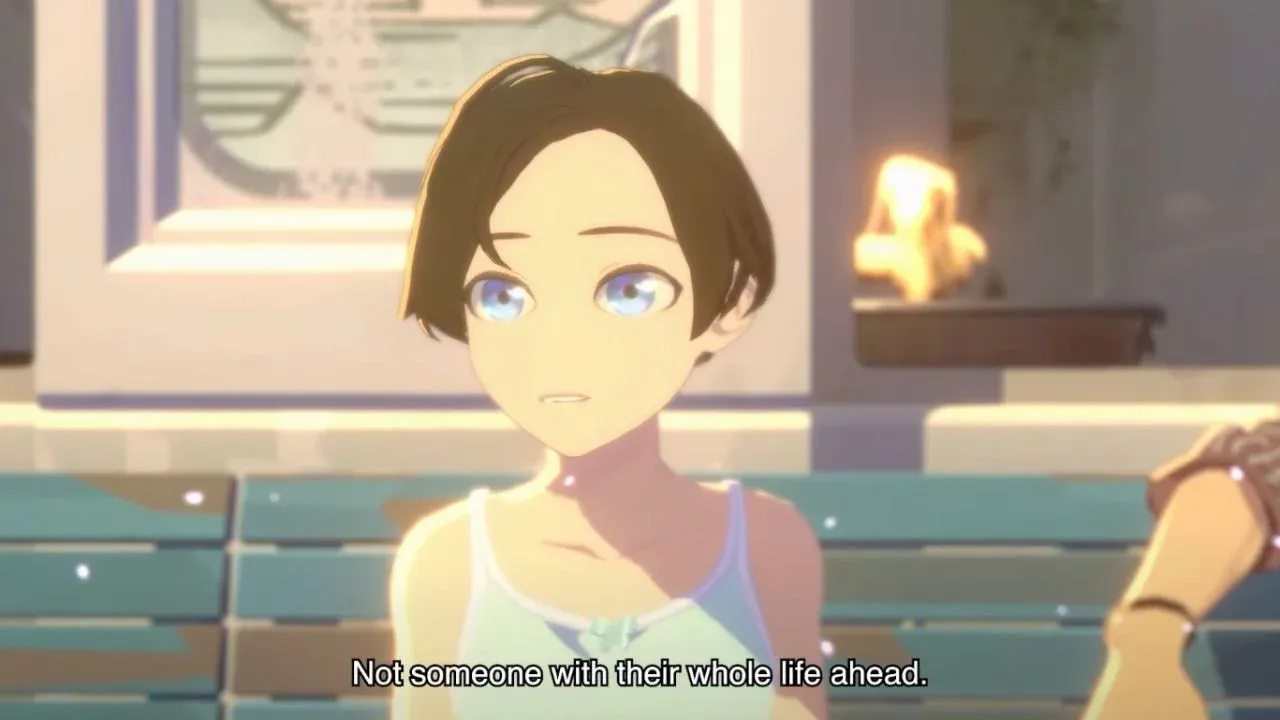
The girl he meets has no memory of who she is. Her only certainty is a pull toward Dusk Mountain. That gives the journey a clear destination from the start, even if the reasons behind it stay murky for a long time. The game's narrative centers on memory, self-discovery, and finding meaning in small moments. The quiet scenes tend to carry more weight than they first appear to.
The Dusklands itself looks like a version of the real world with all the people removed. Animal-shaped Spirits wander through spaces that feel both recognizable and fractured. Calm on the surface, unsettling underneath.
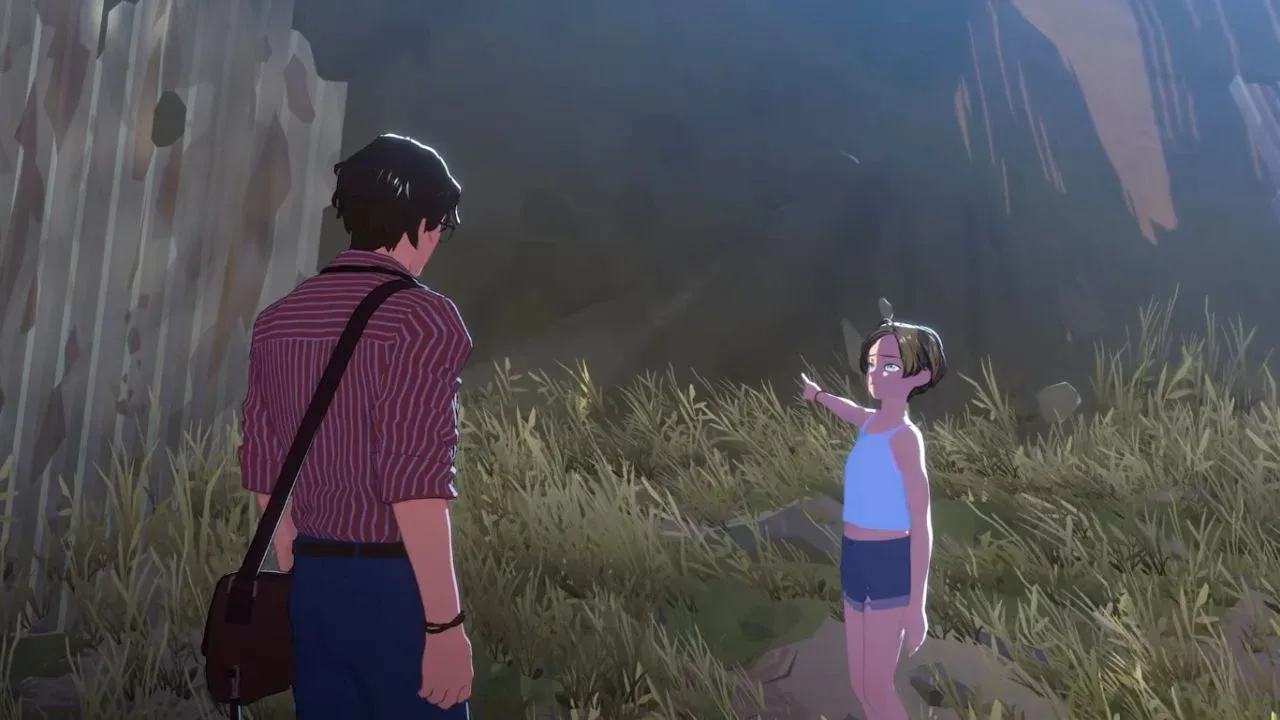
Spirits hold key story clues
How does the camera actually work?
The analog camera is your primary tool for making progress, not just a visual gimmick. A good photograph captures what a Spirit wants remembered, what a location is trying to communicate, or which clue matters right now. If a scene looks off or unusual, try shooting it from multiple angles before moving on.
Photos sort automatically into three categories in your album:
- Key Shots are used to solve puzzles, answer Spirit requests, and interact with Sacred Firebowls.
- Rune Stones help you decode the lyric fragments and written clues in your journal.
- Extra Shots are photos that don't serve an immediate purpose but don't hurt anything by existing.
You can delete Extra Shots if you run low on album space, but feeding Seeds to the fire will eventually unlock additional pages. There is no real penalty for taking too many pictures. The album handles the sorting for you.
Murals on walls deserve special attention. Your journal has a dedicated section for mural photos, and you need to match each image to the correct page entry manually. When the placement is right, the remaining text on that page unlocks. You cannot return to previously explored areas during your first session, so photograph every mural as soon as you see one.
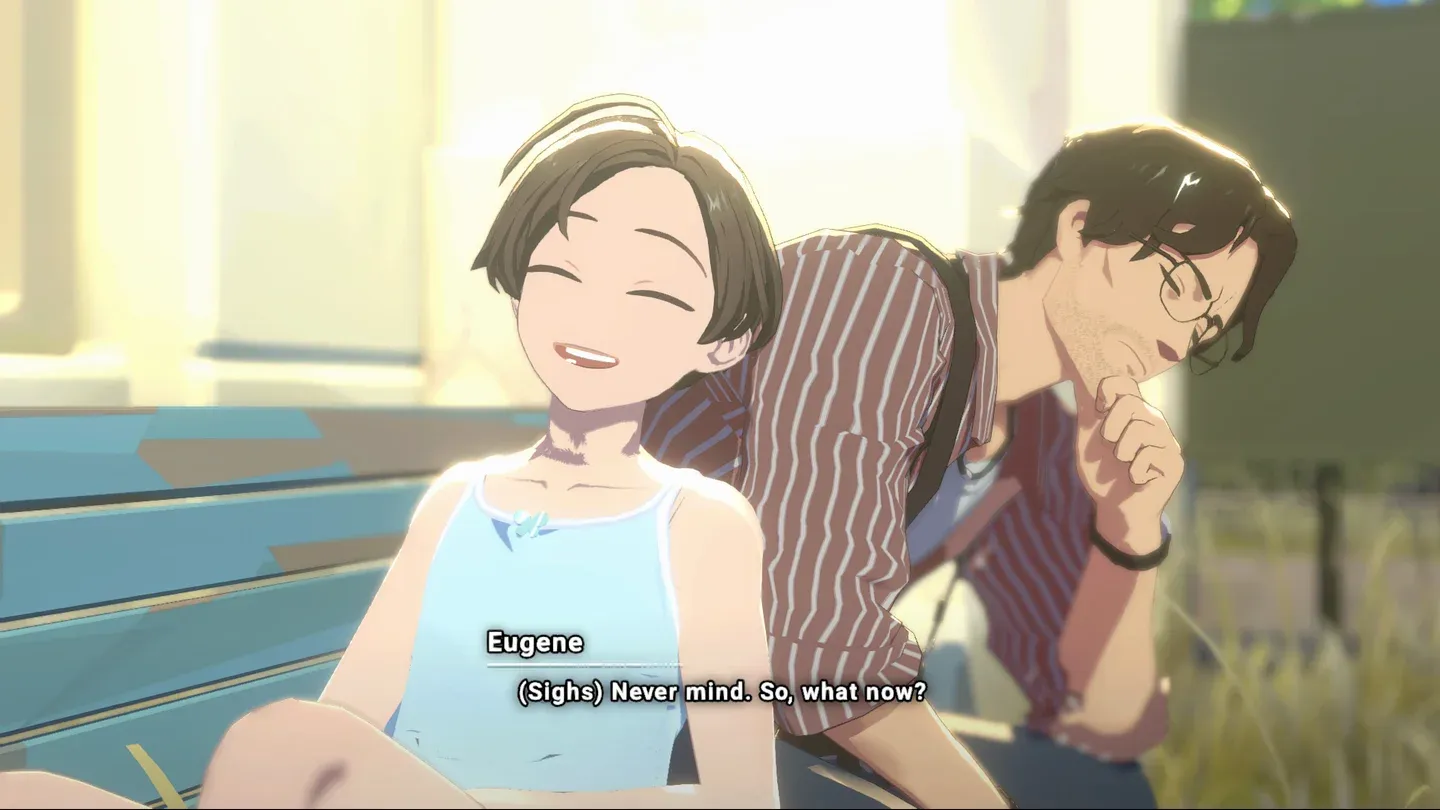
Match murals to journal pages
What are Seeds and Sacred Firebowls?
Every time you interact with a new object in the Dusklands for the first time, you earn a Seed. A counter on the right side of the screen tracks your total. If the counter doesn't move, you've already found that object before.
Interactable items also tend to make good photo subjects. That statue you just touched, the poster on the floor, the mural on the wall: photograph them. You'll usually get additional story context and the image will file itself into the appropriate album category.
Sacred Firebowls are where Seeds get spent. They're connected to camera upgrades, useful items, and leveling progression. They are not optional flavor. If you reach a Firebowl and don't have the right photo to satisfy its requirement, note what it needs and come back once you've gathered more information. Guessing wastes Seeds and time.
How should you treat Spirits?
Think of each Spirit as a puzzle hint rather than a side quest character. Their moods, requests, and fragmented memories are all clues. The game signals early on that Spirits are losing themselves over time, so what they say in your first conversation with them carries more significance than it might seem. Paying close attention to Spirit interactions affects how later scenes play out.
Treat every Spirit encounter as a source of information first. Their emotional state, what they're asking for, and what they remember all feed back into the photography system and the journal. The details they share often point directly at which photos you need to take or which Firebowl puzzles you're meant to solve next.
Firebowls unlock camera upgrades
What about the Dusklands Field Notes journal?
The journal is easy to ignore in the first hour and that's a mistake. Dusklands Field Notes organizes your photographs, story fragments, rune translations, and Spirit clues into one place. When you feel stuck, opening the journal usually reveals which thread you haven't followed yet. Reading it regularly keeps the puzzle logic from feeling disconnected.
The journal also contains the mural pages mentioned above. Matching mural photos to their correct entries is one of the more satisfying puzzles in the game, but only if you've actually taken the photos in the first place.
Can you go back and fix missed content?
On a first playthrough, the short answer is no. Once you move to a new area, the previous one is generally locked off. The game will sometimes present a choice that functions as a warning about a bad ending. Other times, protagonist Ren will question why you're backtracking and you'll trigger an unintended ending.
After completing the game with a full ending at least once, chapter select becomes available. This lets you return to earlier points to chase specific achievements or try different choices. Some achievements require a completely fresh run, so keep that in mind before overwriting saves aggressively. Future playthroughs also allow you to skip scenes you've already seen, which shortens subsequent runs noticeably.
Quick-start checklist for your first session
- Touch every interactable object you find to collect Seeds
- Photograph murals immediately, before moving to the next area
- Check your journal regularly, especially when progress feels slow
- Treat Spirit conversations as puzzle clues, not optional dialogue
- Return to Sacred Firebowls once you have the right Key Shot, not before
- Listen to Eugene's comments about his gear for hints about what you need
- Be deliberate about save overrides if you're chasing achievements
OPUS: Prism Peak is a short game by modern adventure standards, but it rewards attention. The more carefully you observe the world, the more clearly it responds. For more guides covering everything from photography mechanics to choices and endings, browse more guides on GAMES.GG.