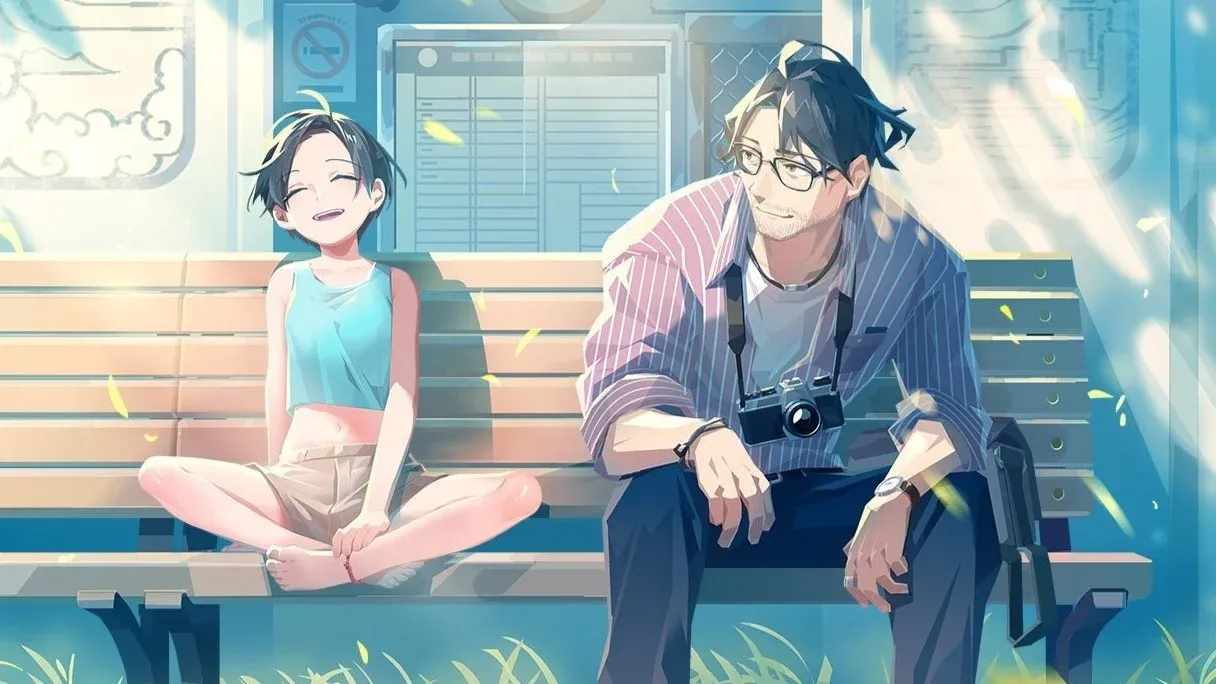


What makes photography the core mechanic in OPUS: Prism Peak?
Most games treat a camera as a side activity. OPUS: Prism Peak, developed by SIGONO INC. and published by SHUEISHA GAMES, builds its entire loop around it. Every photo you take feeds back into the story, spirit interactions, and environmental puzzles. A better shot isn't just something to be proud of. It unlocks hints, satisfies spirit requests, and moves the journey forward. Once you understand that the camera is a storytelling tool as much as a gameplay one, reading each scene becomes much more natural.
How does framing actually work?
Framing is the first thing most players get wrong. The instinct is to fill the screen with as much detail as possible, but that's not what makes a shot land. According to the NoobFeed guide by Ornstein (April 19, 2026), a good frame puts the main subject in a position that makes the scene feel deliberate. That might mean centering a spirit, pulling back to show the scale of a location, or shifting your angle so the emotional weight of the moment is obvious.
Think of it less as pointing and shooting and more as deciding what the scene is about. Before pressing the shutter, ask yourself what the single most important element in the frame is, then build the composition around that.
Practical framing tips
- Place spirits or key subjects near the center or along natural sight lines rather than cramming the edges
- Step back when scale matters; a spirit dwarfed by the environment tells a different story than a close-up portrait
- Change your angle before assuming the timing is the problem; sometimes the composition is the real issue
- Treat each scene as a question: what is this moment trying to say?
Why does timing matter so much?
OPUS: Prism Peak treats timing as an active form of observation rather than just reflexes. Fire the shutter too early and you miss the movement, expression, or spirit reaction that gives the photo meaning. Wait too long and the moment closes. The game rewards patience and attention.
The NoobFeed source notes that the best window is usually after a scene has settled, when the subject communicates the most without any obvious action happening. That quiet beat between motion and stillness is where the most meaningful shots live.
What do focus, exposure, and filters actually do?
These three settings are not optional polish. According to the NoobFeed photography guide, OPUS: Prism Peak uses them to direct your eye toward what the game wants you to notice.
The rule of thumb from the source material: if a scene looks almost right but not quite, one of these three settings is the culprit. Start with focus, since a misidentified subject is the most common reason a shot falls flat. Then check exposure. Filters are usually the last adjustment, not the first.
How do spirit requests and Sacred Firebowls change what you shoot?
Not every photo is a free-form creative exercise. Spirits have specific expectations about how they want to be seen, and Sacred Firebowls may require a particular subject or framing to register as valid. The NoobFeed source is clear on this: the best photos are the ones that meet a need rather than just look good in isolation.
Before taking any photo that's tied to a request or environmental cue, read the situation carefully. The scene itself usually signals what it wants. A spirit's posture, the direction it's facing, or the way the environment frames it are all clues about the shot the game is looking for.
What should you do when a shot isn't working?
This is where a lot of players stall. A frustrating photo sequence doesn't always mean you're doing something mechanically wrong. The NoobFeed guide makes a point that's easy to overlook: some scenes only make sense after you've gathered more information from elsewhere in the game.
If a shot refuses to come together, the best move is to leave it and come back. New story context, a better understanding of a spirit's personality, or sharper observation skills after more time with the game can all turn a confusing scene into an obvious one.
Signs you should step away and return later
- You've adjusted framing, timing, focus, and exposure and nothing registers as correct
- The spirit or subject isn't reacting the way you'd expect
- The environmental clues don't connect to anything you've encountered yet
- The request language is vague in a way that suggests missing context
Photography settings at a glance
Here's a quick reference for the three core camera controls and what each one is solving for:
After testing these settings across multiple scene types, the clearest pattern is that players who struggle with photo quality are almost always fighting a focus problem they've misread as a timing problem. Get the subject sharp first, then everything else falls into place faster.
For more guides covering OPUS: Prism Peak's spirits, story, and the Dusklands, browse more guides on GAMES.GG to keep building your knowledge of the game's systems.