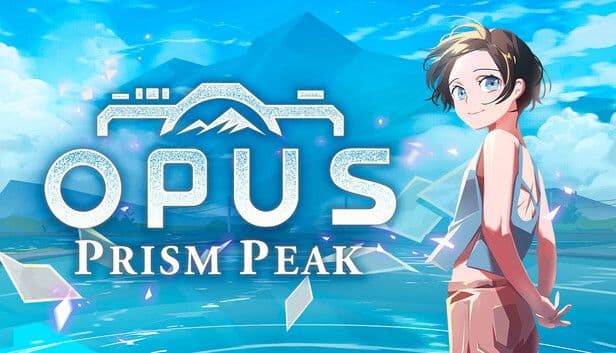


OPUS: Prism Peak opens quietly. Eugene gets lost on his way home and stumbles into a dreamlike world called the Dusklands, where he finds a camera he thought he'd left behind for good and meets a girl who can't remember who she is. That setup sounds simple, but the game builds something genuinely affecting out of those two details. Developer SIGONO INC. and publisher SHUEISHA GAMES released the game in 2026 on Steam and Nintendo Switch, and the emotional weight of the story is the main reason people are talking about it.
Who is Eugene?
Eugene is a tired photographer or photojournalist who has stepped away from that life. That background matters more than it first appears. The camera he picks up at the start of the game isn't just a gameplay tool — it represents everything he walked away from: his fears, his regrets, and the parts of himself he hasn't fully dealt with yet.
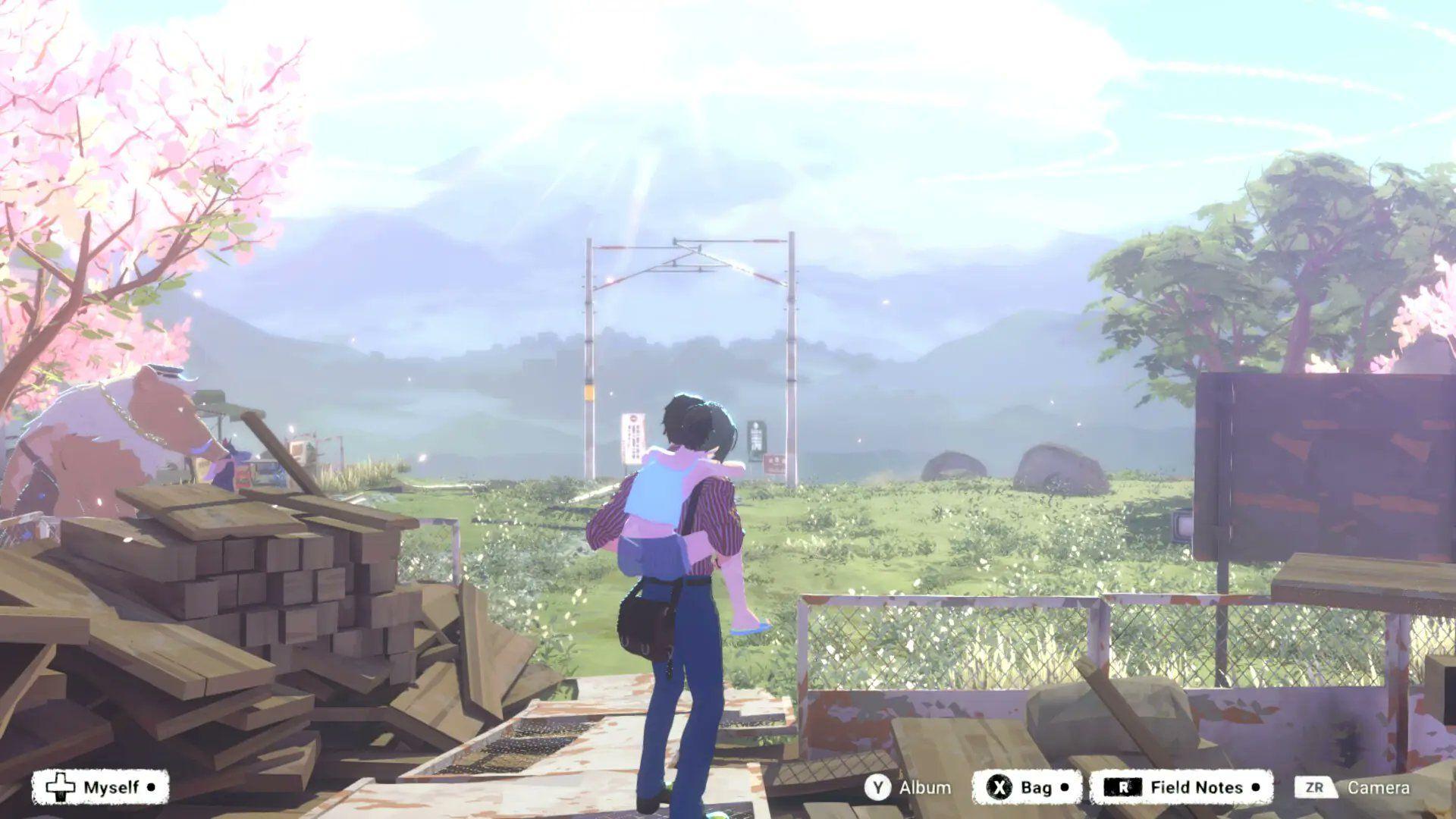
His exhaustion is worn into every quiet moment of the early game. He's not an action hero or a chosen one. He's someone who got lost, literally and figuratively, and the Dusklands forces him to confront what that means.
Who is the mysterious girl?
The girl Eugene meets in the Dusklands has no memory of who she is. What she does have is a vague but insistent feeling that she needs to reach Dusk Mountain. That gives the journey a clear destination from the very beginning, even if neither character understands why they're going there.
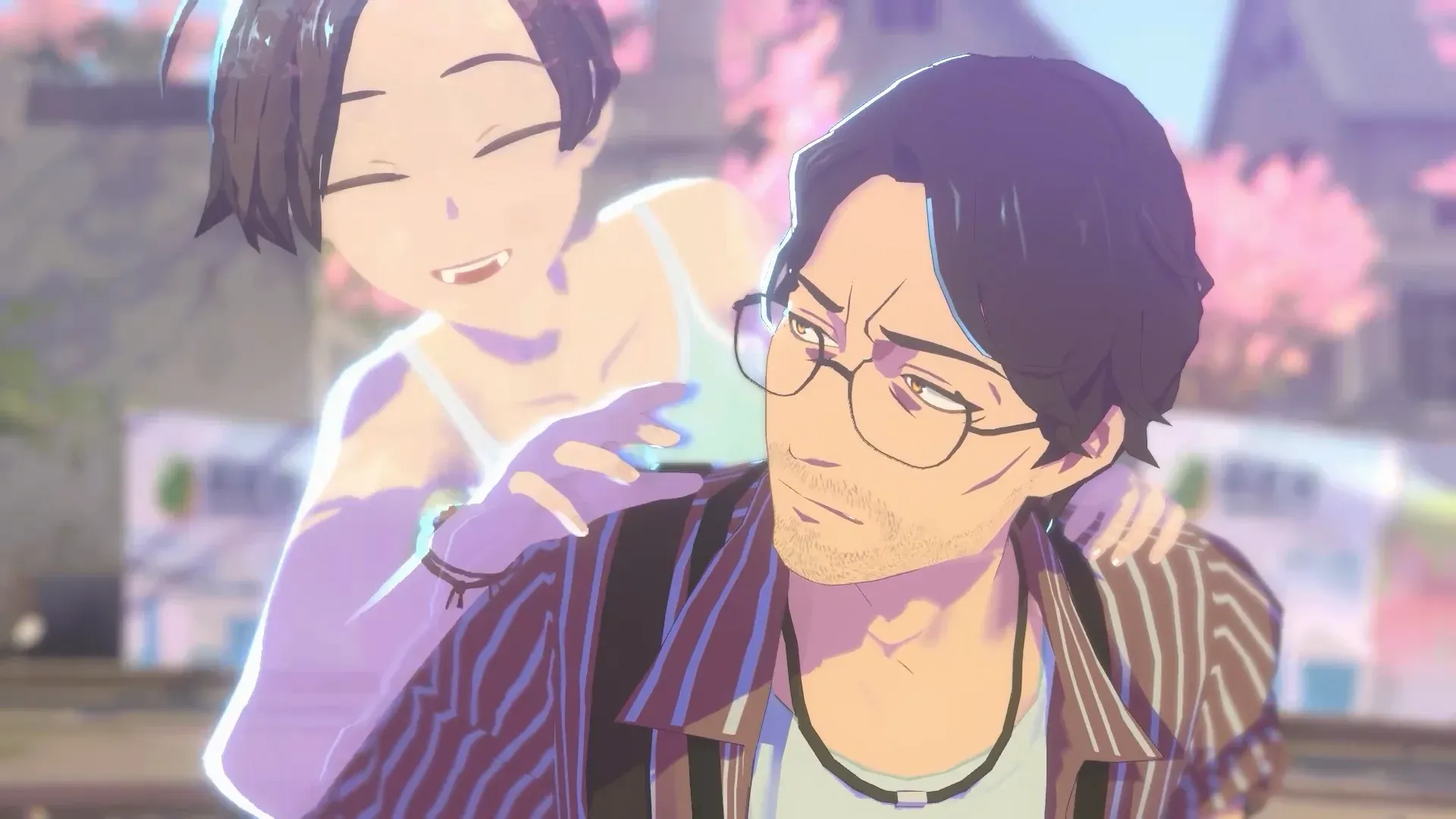
The dynamic between Eugene and the girl works because of what both of them are missing. He carries too much past. She has almost none. The emotional pull of the story comes directly from watching those two gaps slowly fill in as the trip continues.
What makes the Dusklands so unsettling?
The Dusklands looks like the real world, but almost all human presence has been stripped out. Animal-shaped spirits wander through spaces that feel both recognizable and quietly wrong. The setting is designed to feel simultaneously calm and unsettling — pretty on the surface, but with a persistent question lurking behind everything you see.
That tension is what keeps the world from feeling like a standard fantasy backdrop. You're never quite sure whether the beauty in front of you is safe or whether something is off about it. The absence of people is more unnerving than any monster would be.
How does the camera drive the story forward?
Photography in OPUS: Prism Peak is the primary way the narrative moves. Eugene uses the camera to find clues, restore memories belonging to the spirits he encounters, and gradually piece together what the Dusklands actually means. It transforms what could have been a straightforward walk through a fantasy setting into something more personal.
Every photo taken is a small act of engagement with a world that Eugene initially seems to want nothing to do with. That's the arc in miniature: a man who gave up on seeing things clearly, forced to look again.
What is OPUS: Prism Peak really about?
The surface story is a journey to Dusk Mountain with a girl who can't remember who she is. The actual subject matter is memory, self-discovery, and finding meaning in ordinary things. That's why even the quieter stretches of the game tend to carry more weight than they initially seem to.
The game doesn't announce its themes loudly. The regret in Eugene's relationship with the camera, the girl's need to reach a place she can't explain, the spirits that have lost their own stories — all of it points at the same questions without ever forcing an answer on you.
For a game about a photographer in a dreamlike world, OPUS: Prism Peak is surprisingly grounded in the kind of emotional honesty that most narrative games spend a lot of words trying to fake. After spending time with the early hours, the restraint feels like the right call.
Key characters at a glance
- Eugene: A former photographer carrying unresolved regret, reluctantly picking up his camera again in the Dusklands.
- The girl: An amnesiac with a single fixed purpose — reaching Dusk Mountain — whose identity slowly comes into focus.
- Animal spirits: Beings that have lost their memories and can have them partially restored through Eugene's photography.
For more guides covering photography mechanics, spirit interactions, choices, and endings, browse more guides on GAMES.GG.