



Mostafa Salem
Head of Gaming Research
Outbound launched on May 11, 2026 with over 1.5 million Steam wishlists and the kind of pre-release buzz that most indie games never see. The cozy van-life survival game from Square Glade Games, the studio behind Above Snakes, promised a chill open-world experience built around customizing your camper and exploring a colorful wilderness. The reality is more complicated than that pitch suggests.
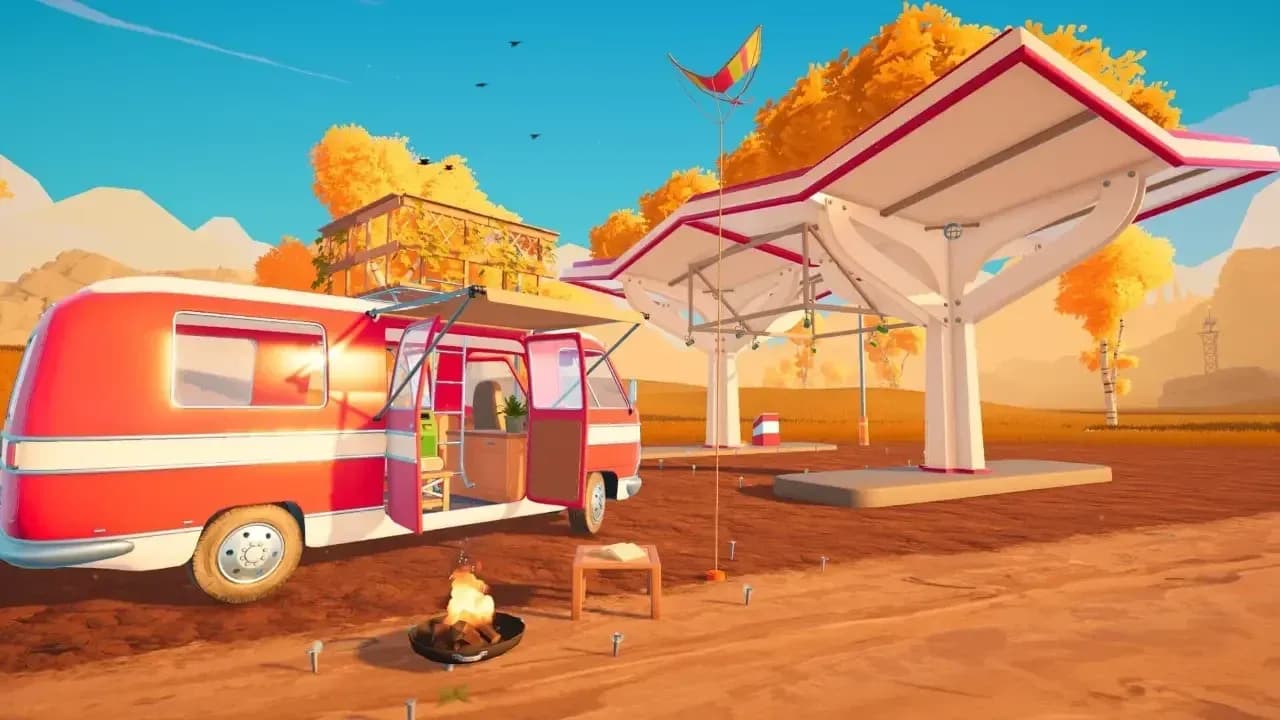
Van interior upgrade screen
Gameplay
Here's the thing about Outbound: the first two hours are genuinely delightful. You start with an empty van, a small patch of wilderness to explore, and a simple task list that eases you into the game's systems without overwhelming you. Gathering wood, stone, and fibers to craft basic tools, then downloading blueprints from radio towers to unlock new van upgrades, forms a loop that feels fresh and purposeful at the start.
The blueprint system is the game's best idea. Scattered radio towers act as progression gates, and reaching each one rewards you with new crafting options, from solar panels and wind power to furniture, planting beds, and storage upgrades. The map opens up gradually, and that sense of "just one more tower" keeps the early hours moving.
The problem is that the resource-gathering side of the loop barely evolves. You cannot chop down trees. Resources respawn at fixed locations. Scavenging the same spots on rotation is the primary activity for most of your playtime, and by hour five or six that repetition is hard to ignore. One Steam reviewer with 15 hours logged described it bluntly: "Collect resources, rest, collect resources, rest." That is not an exaggeration.
The van upgrades themselves are a genuine highlight. Each new addition feels meaningful, and the difference between an early-game bare-bones camper and a late-game mobile base with wind power, a garden, and custom furniture is satisfying to see. The upgrade path is clear and accessible without being trivial. For players who love the "building and decorating" side of crafting games, this is where Outbound earns its keep.
Co-op for up to four players changes the experience significantly. The resource grind becomes more manageable when split between players, and exploring together adds social energy that solo play lacks. Multiplayer unlocks quickly, after a short three-minute introductory sequence, which is a smart design choice. If you have friends to play with, the game's weaknesses shrink considerably.
For new players wondering where to start, our Outbound ultimate beginner's guide covers the first hour in detail, including which van upgrades to prioritize and how to work the Signal Tower system efficiently.
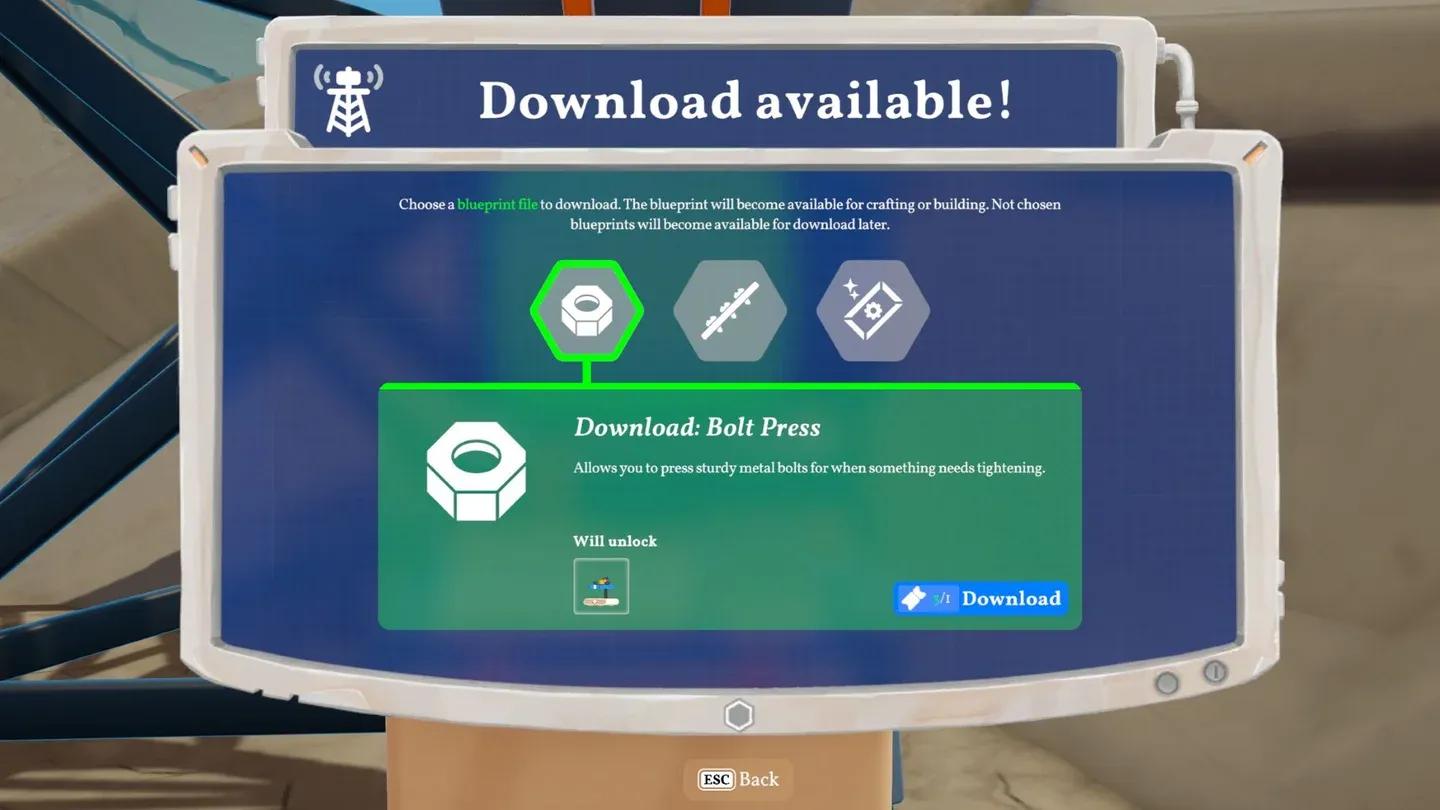
Blueprint unlock at radio tower
Graphics and audio
Visually, Outbound is charming in a low-poly, stylized way. The environments, forests, rocky highlands, open meadows, read as genuinely inviting. Driving through a sunlit tree line or parking by a river at dusk captures exactly the atmosphere the game is going for. The PC version holds up well at high settings, though some users on lower-end hardware have reported blurry textures.
Character models are a weak spot. They look noticeably rougher than the environments around them, and the gap is wide enough to be distracting in cutscenes or close-up interactions. It does not ruin the experience, but it is the kind of thing you notice once and cannot unsee.
The audio design is where Outbound really earns points. The soundtrack is mellow and well-matched to the pacing, with ambient nature sounds filling the gaps between tracks. Several Steam reviewers specifically called out the music as a highlight, and that praise is warranted. It does a lot of heavy lifting in keeping the atmosphere relaxing rather than boring.
The review controversy
No review of Outbound at launch can ignore what happened in the days after release. Square Glade Games responded to some negative Steam reviews by offering refunds and asking players to delete or update their criticism. Screenshots of the exchanges spread quickly on Reddit, triggering a secondary wave of negative reviews specifically about the developer's conduct.
The studio apologized publicly, acknowledged the approach was wrong, and committed to not repeating it. Whether that apology lands as sincere depends on who you ask. Some players accepted it; others called it insufficient. The incident does not change the game itself, but it is context worth having if you are deciding whether to support the studio right now.
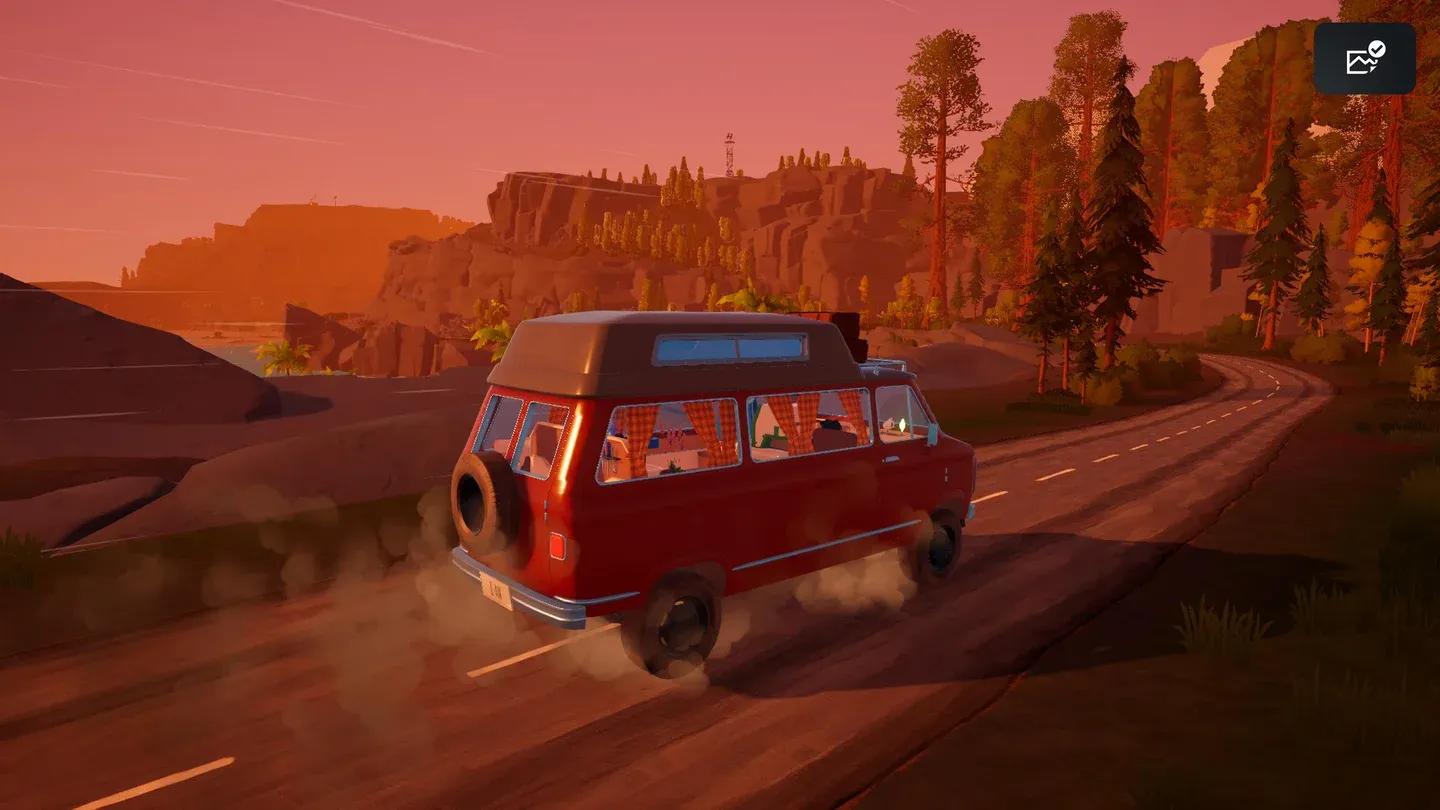
Exploring the open wilderness
Verdict
Outbound is a well-made game for a specific audience, and that audience is smaller than 1.5 million wishlists implied. If you want a relaxing, low-stakes experience to wind down with, especially in co-op, it delivers that consistently. The van customization is genuinely fun, the atmosphere holds up, and the blueprint progression system gives the early hours real momentum.
But the content runs thin faster than the price suggests it should, and solo players will feel that more acutely. The resource loop needs more variety, the world needs more things to discover, and the character work needs attention. These are fixable problems, and Square Glade Games has a track record of supporting their games post-launch.
For now, Outbound sits at the lower end of the cozy simulation games genre's quality range, not because it fails at what it tries to do, but because what it tries to do is not quite enough yet. Check our full Outbound guides collection as the game expands, including details on optional content like how to get a dog companion, which adds a small but welcome layer of personality to your van-life adventure.
Outbound Review
5.5/10
Outbound is a game that knows exactly what it wants to be, and mostly succeeds at being that thing. The problem is that what it wants to be runs out of steam faster than its $25 price tag suggests it should. For players who genuinely love the cozy crafting genre and want something to play with friends over a few relaxed evenings, there is real value here. The atmosphere is convincing, the van upgrades feel earned, and co-op smooths over a lot of the rough edges. Solo players, though, will hit the repetition wall sooner and feel it harder. Square Glade Games has shown they are actively working on the game, and the launch-week review controversy aside, their track record from Above Snakes suggests they will keep updating it. If the content expands and the resource variety improves, Outbound could grow into something worth a full recommendation. Right now, it sits firmly in the "wait for a sale or play with friends" category.
5.5
Pros
Genuinely relaxing atmosphere that nails the van-life fantasy
Van customization and upgrades feel meaningful and rewarding
Co-op for up to four players adds real replay value
Exploration-driven blueprint unlocks keep early hours engaging
Collectibles like gnomes and gacha pods add a satisfying side loop
Cons
Core resource loop becomes repetitive within a few hours
No tree-chopping or destructible gathering limits variety
World feels sparse, especially solo, with limited NPC interaction
$24.99 price tag is steep for the amount of content at launch
Character models are noticeably low quality compared to environments