Overview
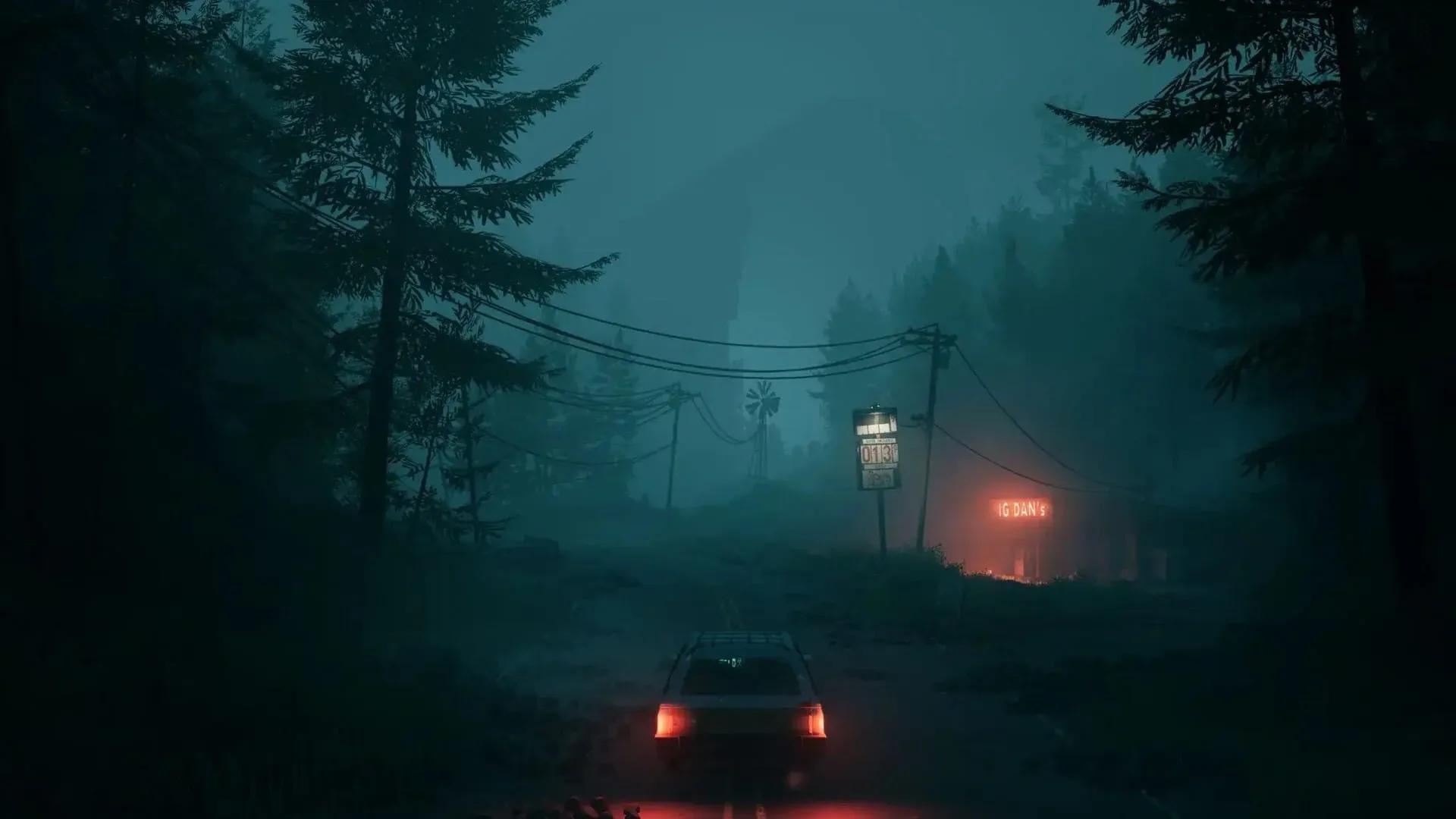
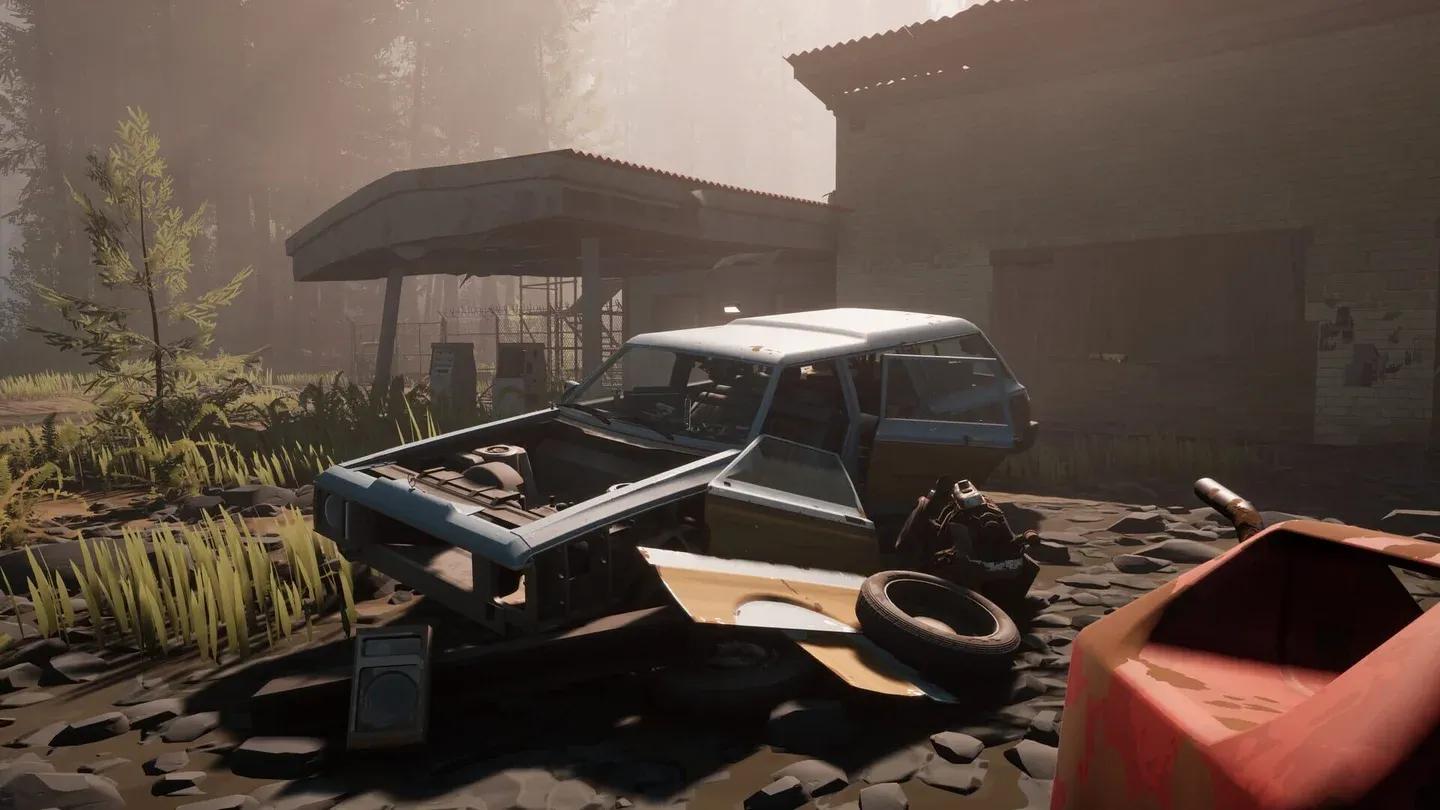
Pacific Drive is a first-person driving survival game developed by Ironwood Studios and published by Kepler Interactive, released on February 22, 2024. The premise is deceptively simple: you find an old station wagon in the woods, stumble upon an abandoned garage, and slowly piece together what happened inside the Olympic Exclusion Zone. The catch is that every run into the Zone is procedurally shaped, meaning no two excursions play out the same way. The garage serves as your persistent home base between runs, where you repair damage, craft upgrades, and plan your next move.
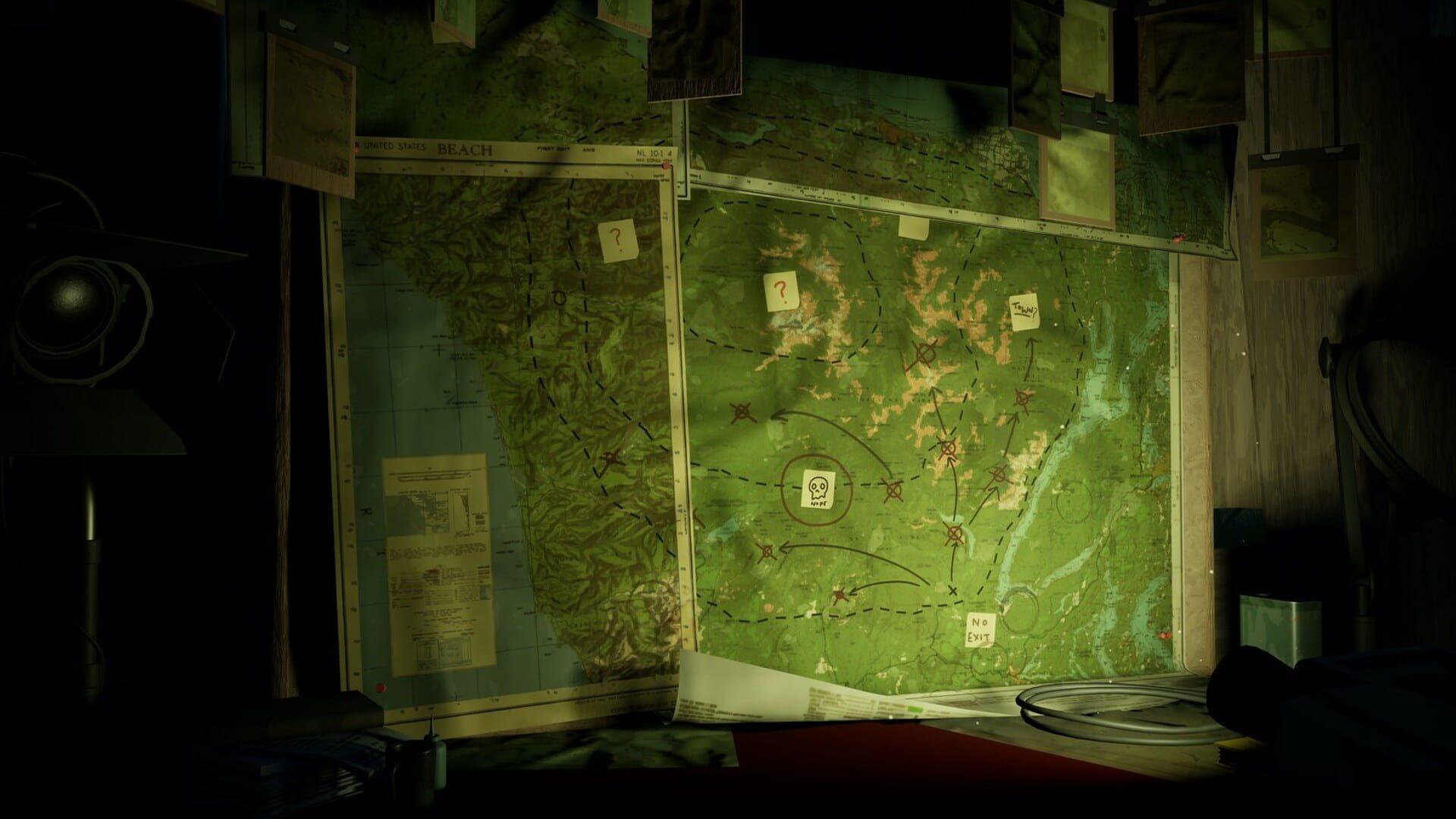
The backstory adds genuine weight to the survival loop. In 1955, the U.S. government seized the Olympic Peninsula under eminent domain, using it as a testing ground for experimental technologies. What followed was radiation, environmental collapse, and something far stranger. The government walled everything off and never explained what happened inside. Decades later, you stumble in by accident, and getting out means going deeper.
Gameplay and mechanics: what does the run-based structure actually mean?
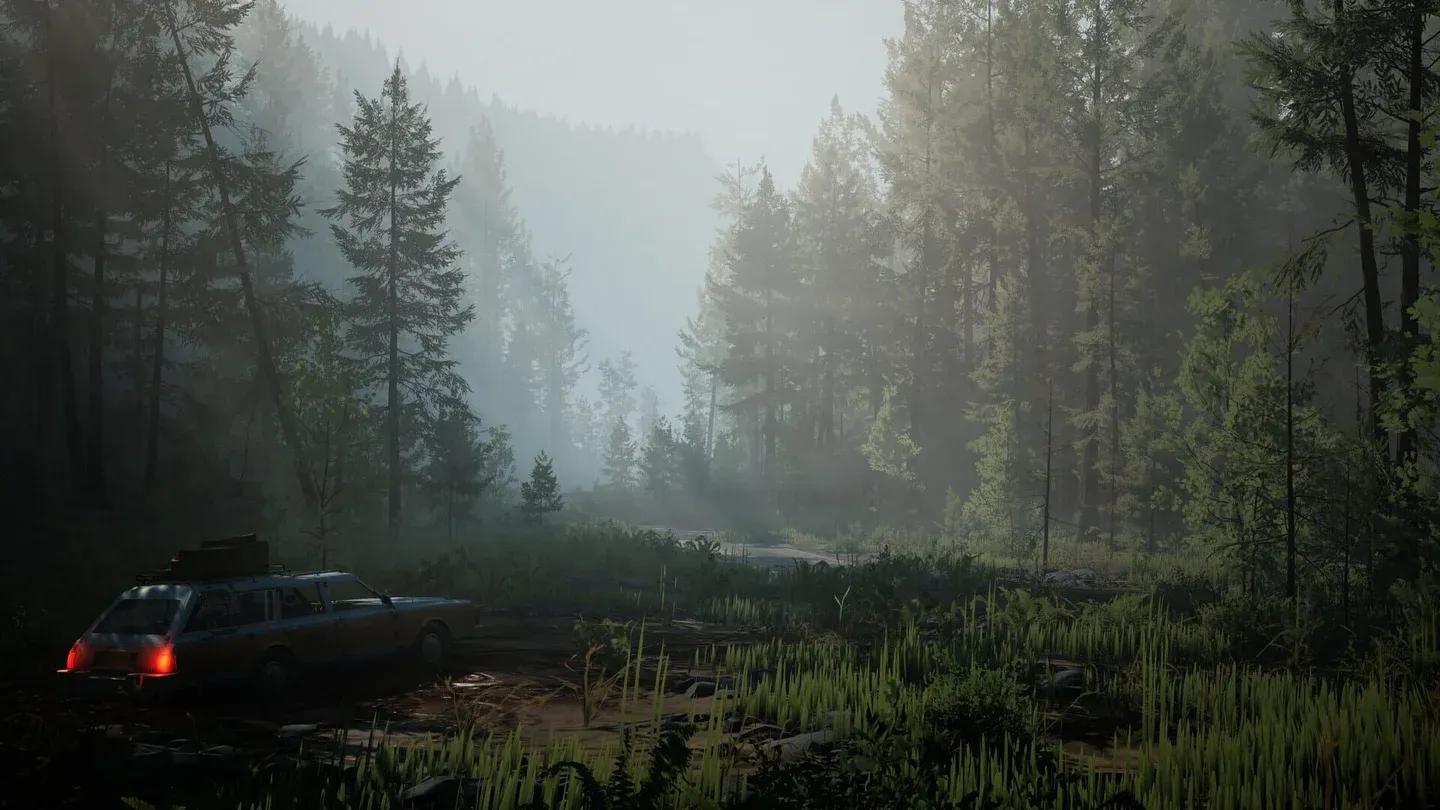
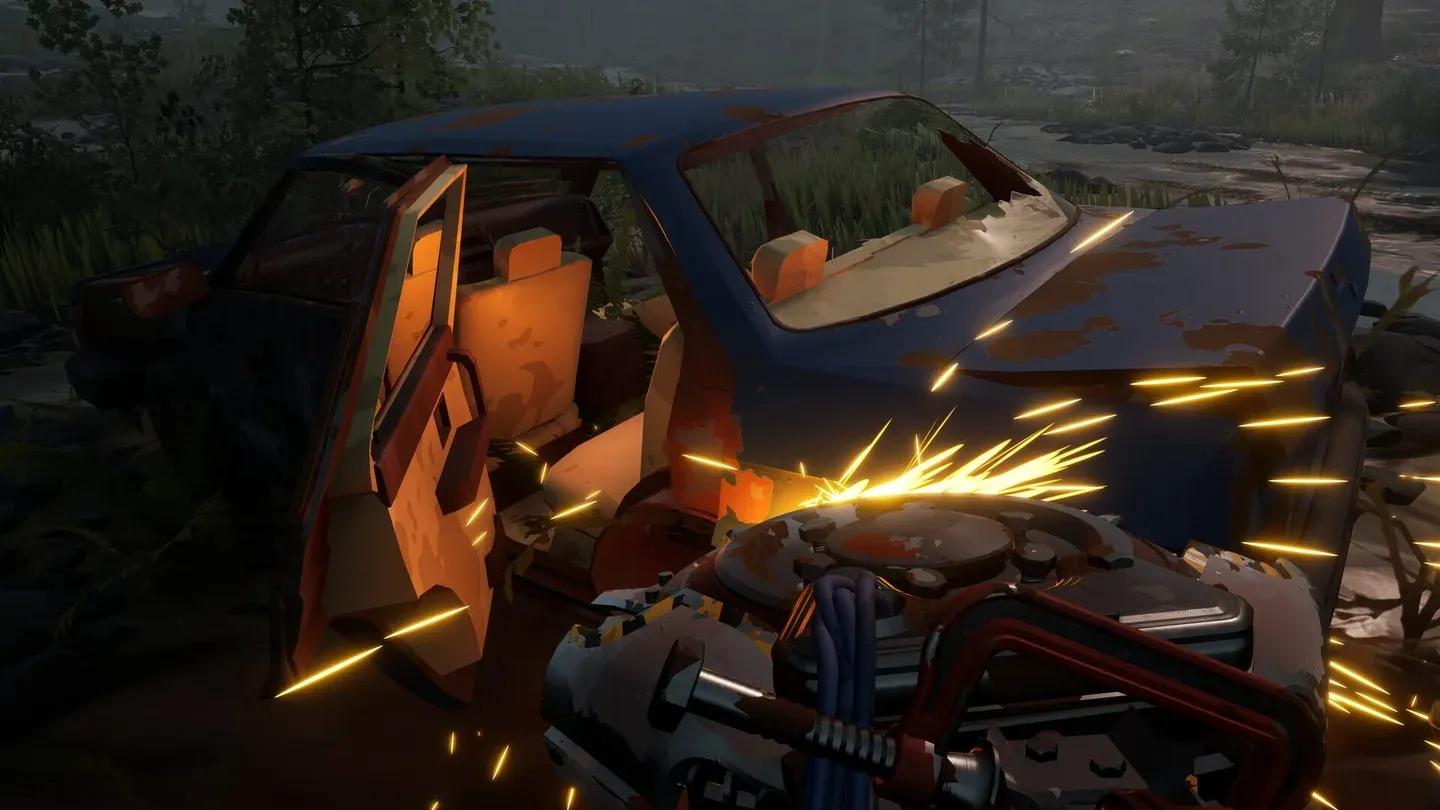
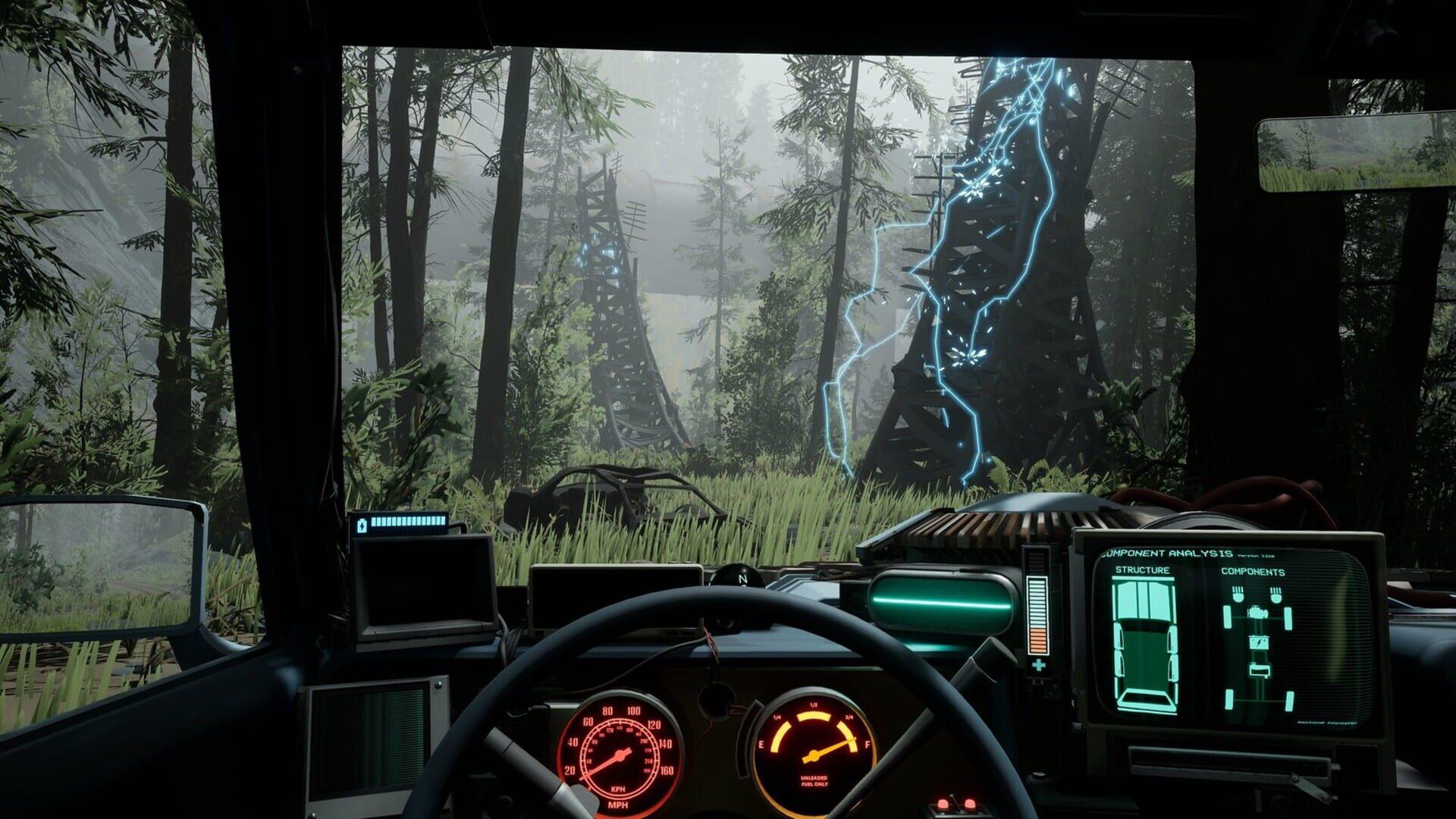
Pacific Drive is structured as a "road-like," which is the developer's term for a roguelite-style experience built around driving rather than dungeon-crawling. Each excursion takes you into a procedurally generated slice of the Zone, where you scavenge for materials, investigate anomalies, and try to make it back to the garage in one piece. The car itself functions as a survival resource: tires blow out, doors fall off, the engine takes damage, and every component can fail at the worst possible moment.
Key mechanics that define the experience:
- Car repair and part crafting between runs
- Procedurally generated Zone excursions
- Anomaly investigation and resource scavenging
- Garage upgrades that persist across runs
- Dynamic weather and supernatural environmental hazards
The balance between going further for better resources and getting back before something goes wrong sits at the center of every decision. Push too deep and you risk losing everything you collected. Play it safe and your garage upgrades stall.
World and setting: the Olympic Exclusion Zone
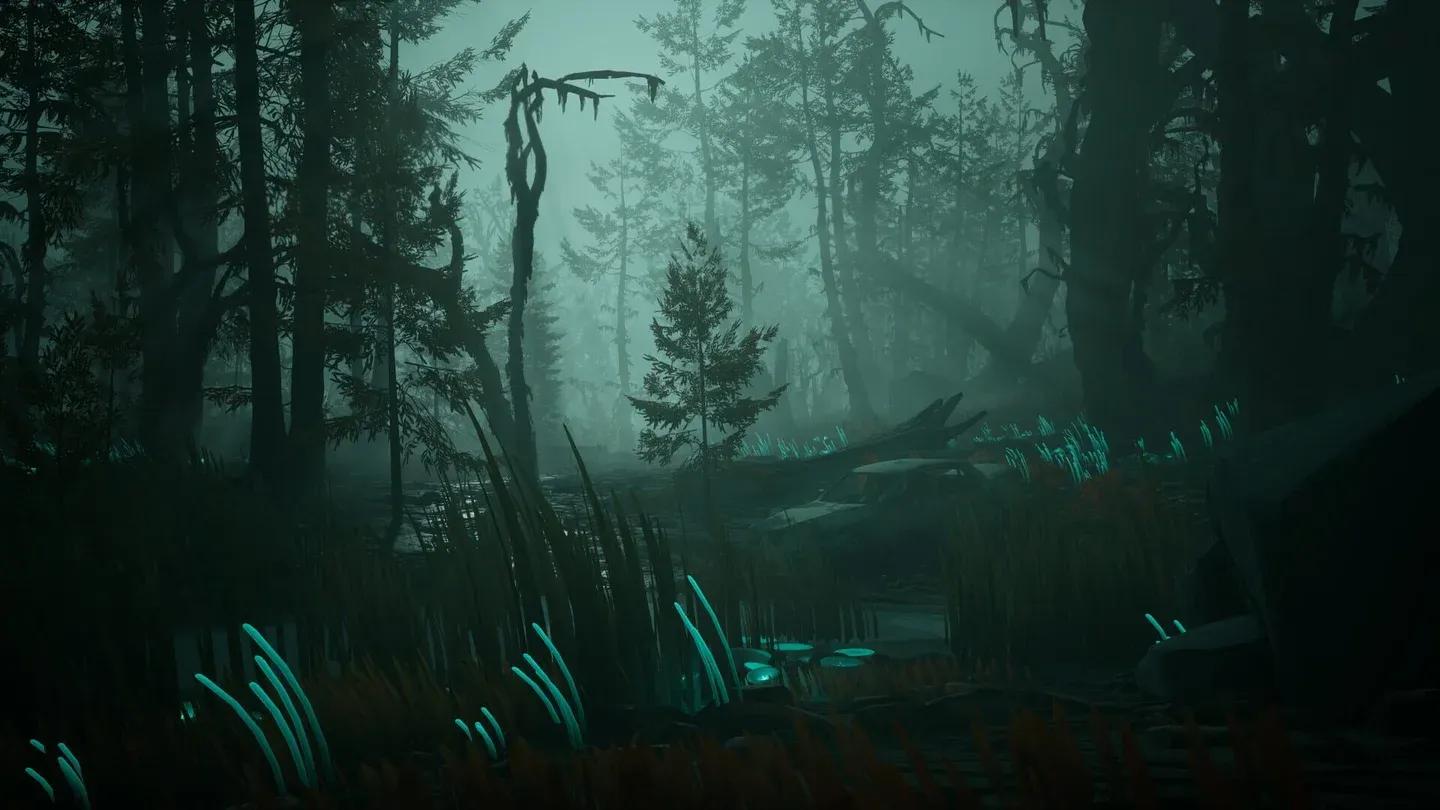
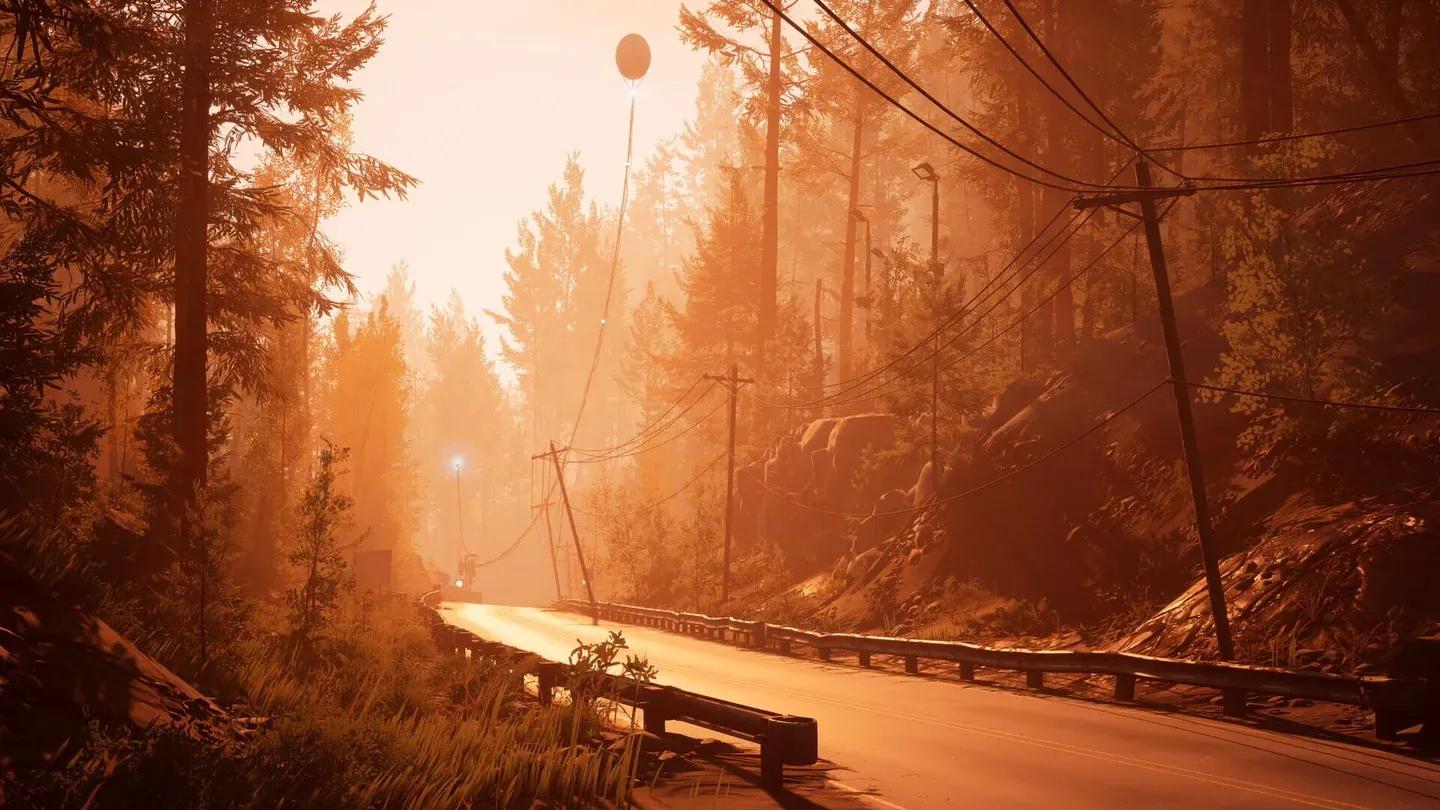
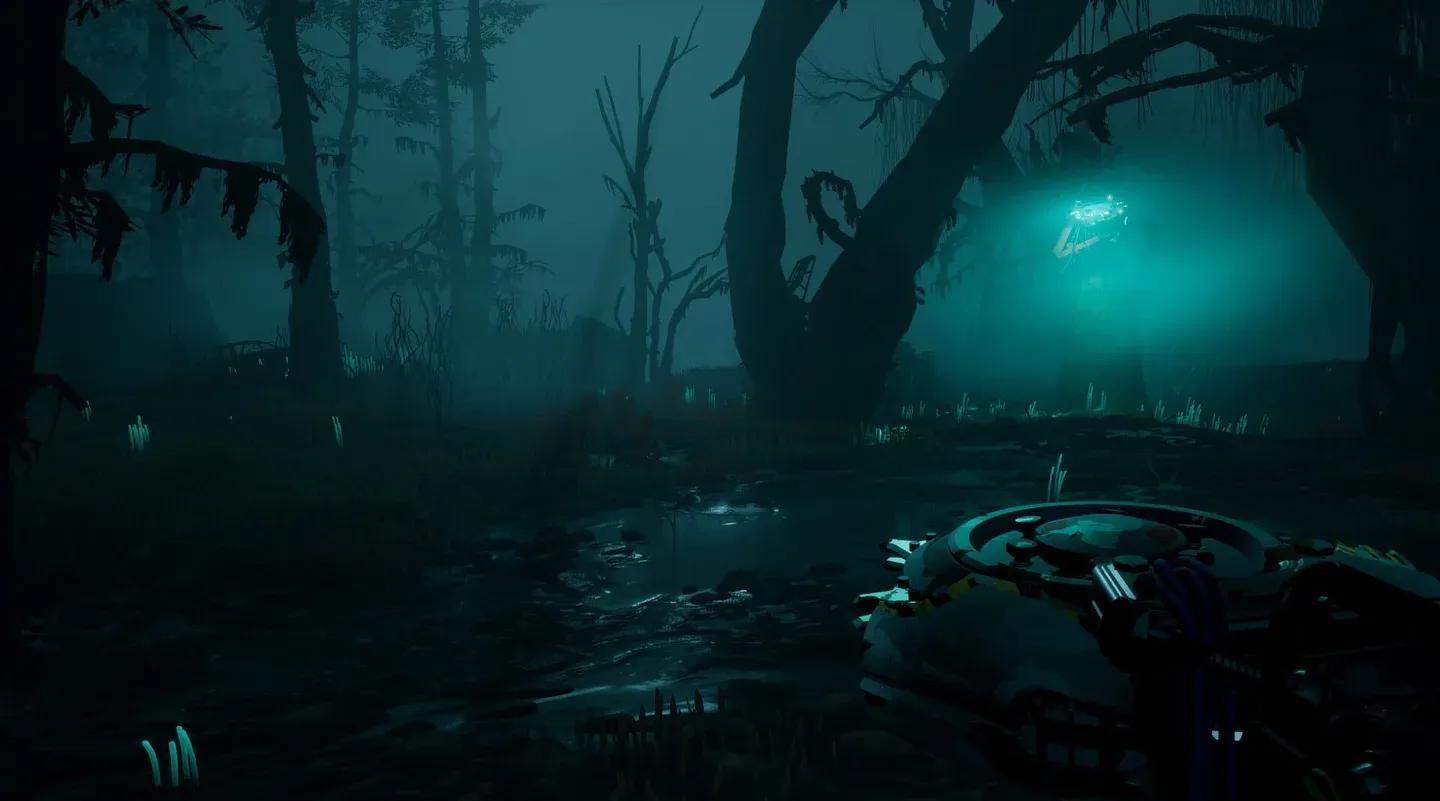
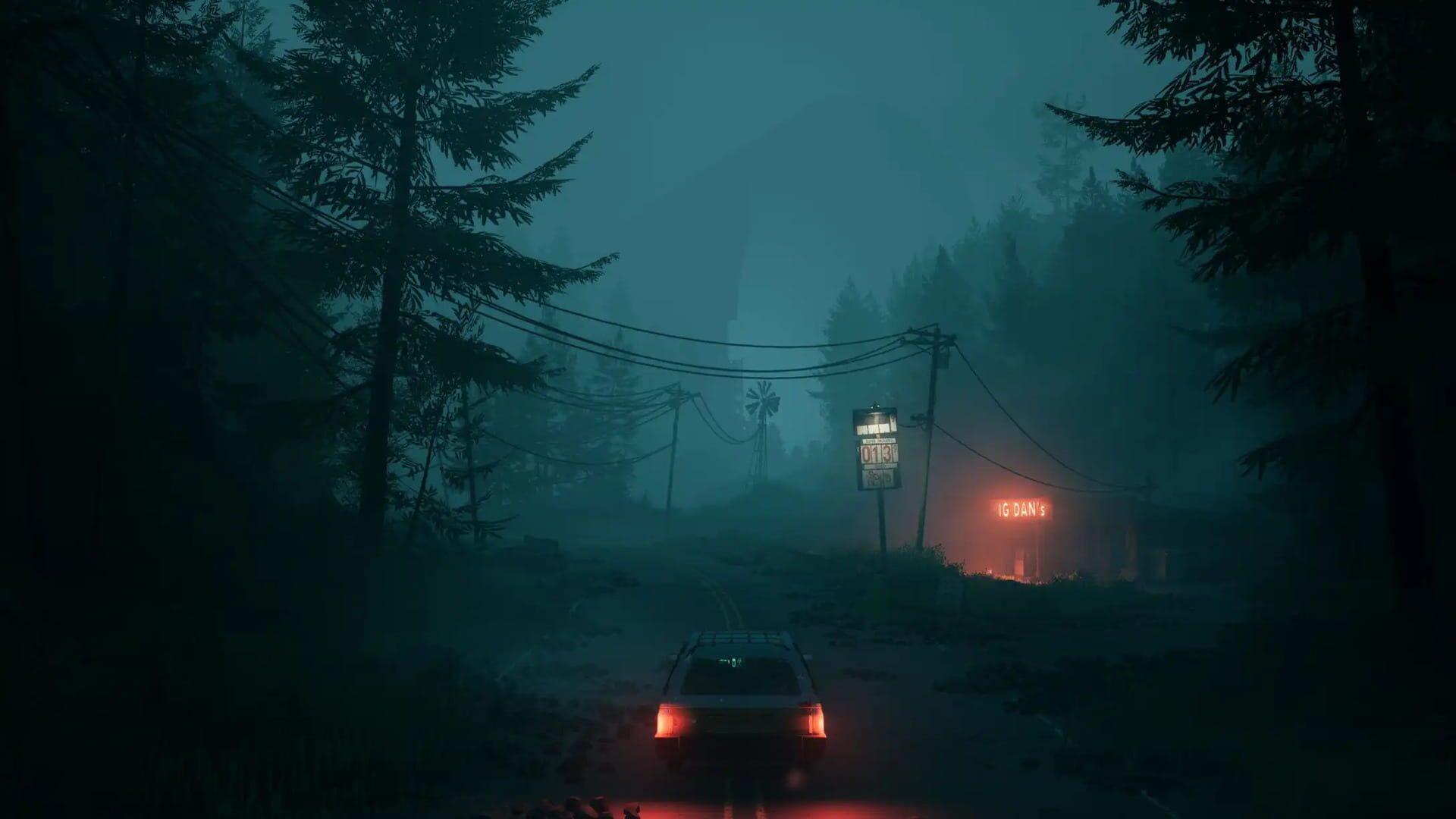
The Zone is Pacific Drive's strongest asset. The Pacific Northwest setting gives Ironwood Studios a canvas of dense forests, fog-covered roads, and decaying infrastructure, all twisted by decades of unexplained experiments. Abandoned research stations, strange monuments, and environmental anomalies that defy physics populate the world. The atmosphere leans heavily into analog horror aesthetics, with cassette tapes, handwritten notes, and corroded equipment doing most of the narrative heavy lifting.
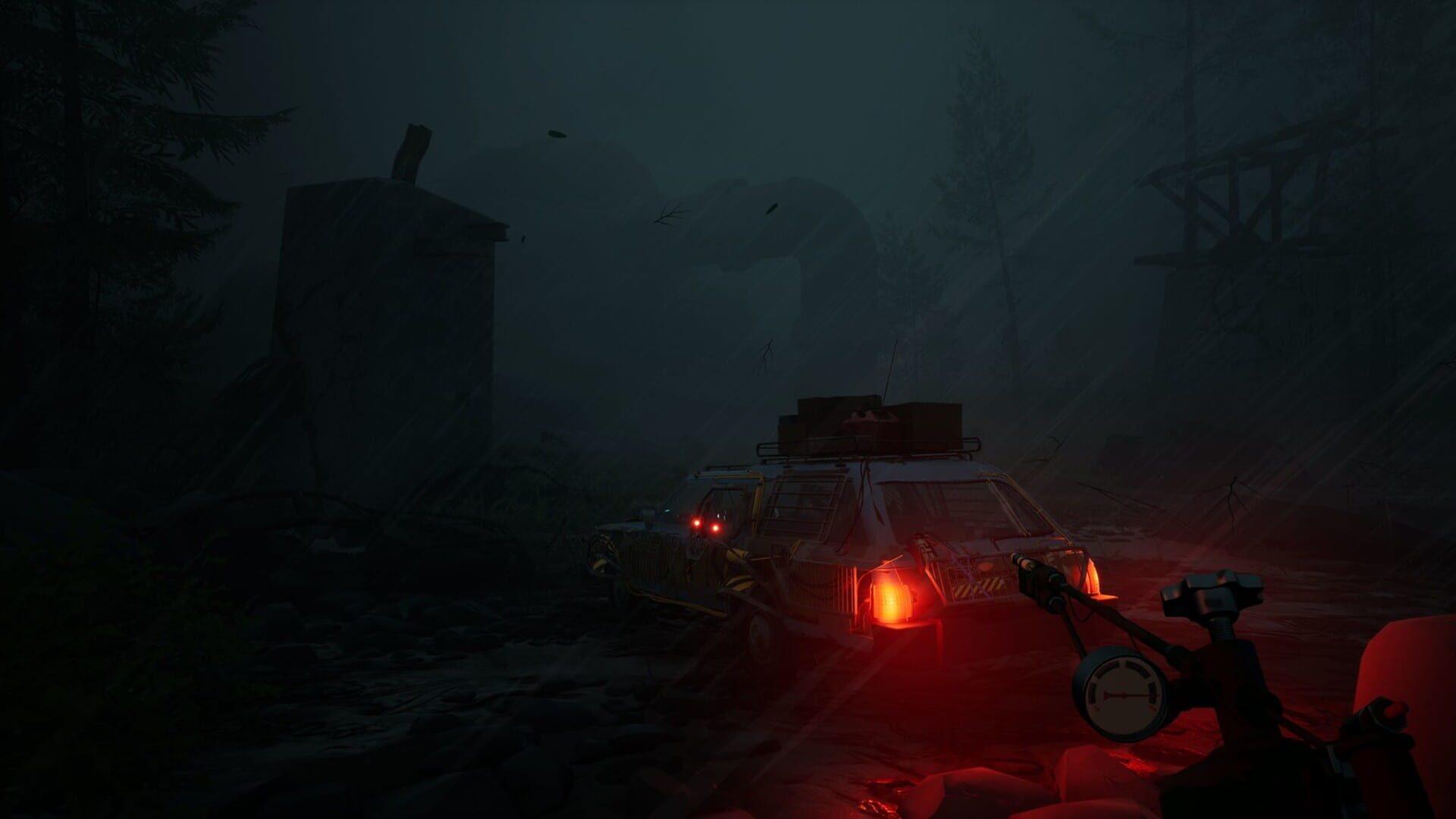
The supernatural elements are not window dressing. Anomalies actively threaten your car and your route, forcing detours and snap decisions. The Zone feels hostile in a way that most survival games struggle to achieve.
Content and replayability
Because the Zone's layout shifts between runs, Pacific Drive has a strong foundation for replayability. The garage progression gives long-term goals that carry forward regardless of individual run outcomes, so a failed excursion still contributes to your overall build. The mystery layer, pieced together through documents, audio logs, and environmental storytelling, rewards players who pay attention across multiple sessions.
The game is available on PlayStation, Xbox, and Windows PC, making it accessible across the current major platforms.
Conclusion
Pacific Drive carves out a specific niche in the survival game genre: it is a driving survival roguelite with genuine atmosphere and a progression system that makes every run feel like it matters. The car-as-companion design, the unsettling Zone setting, and the road-like structure combine into something that does not play like anything else currently available. For players who want their survival games to come with a side of paranormal dread and a station wagon that refuses to cooperate, Pacific Drive delivers.