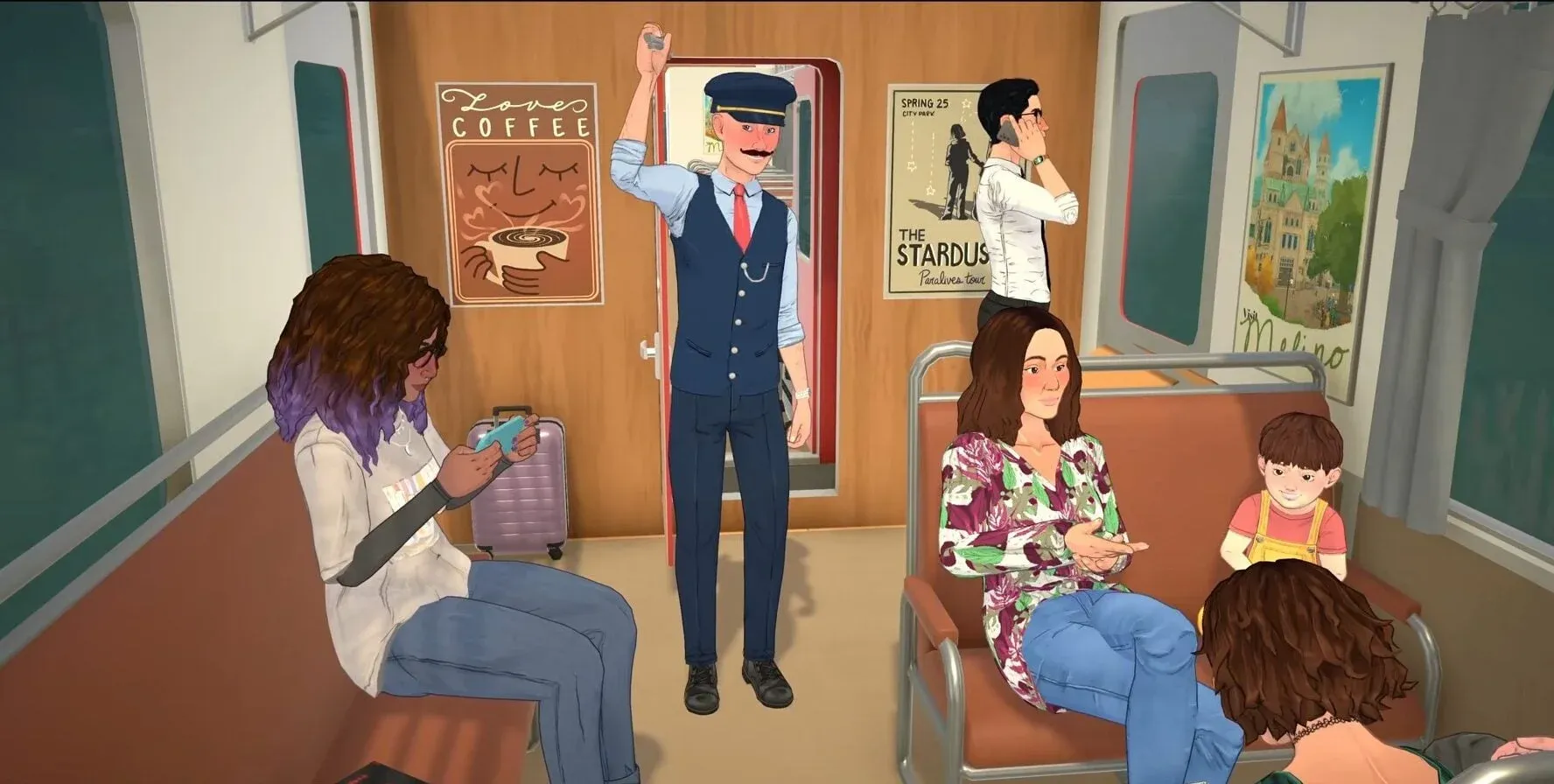


Paralives launched into early access on PC, and the performance situation is rough right now. Stutters are common, crashes happen during loading screens, and even hardware sitting comfortably above the recommended specs isn't immune. The good news is that a specific combination of settings keeps things stable enough to actually enjoy the game while the developers work through optimization patches.
What are the best Paralives graphics settings right now?
Testing on an AMD Ryzen 7 5700X with an AMD Radeon 9060XT and 32 GB of DDR4 RAM still produced stutters and crashes at higher settings. The configuration below is what keeps the game running without interruption.
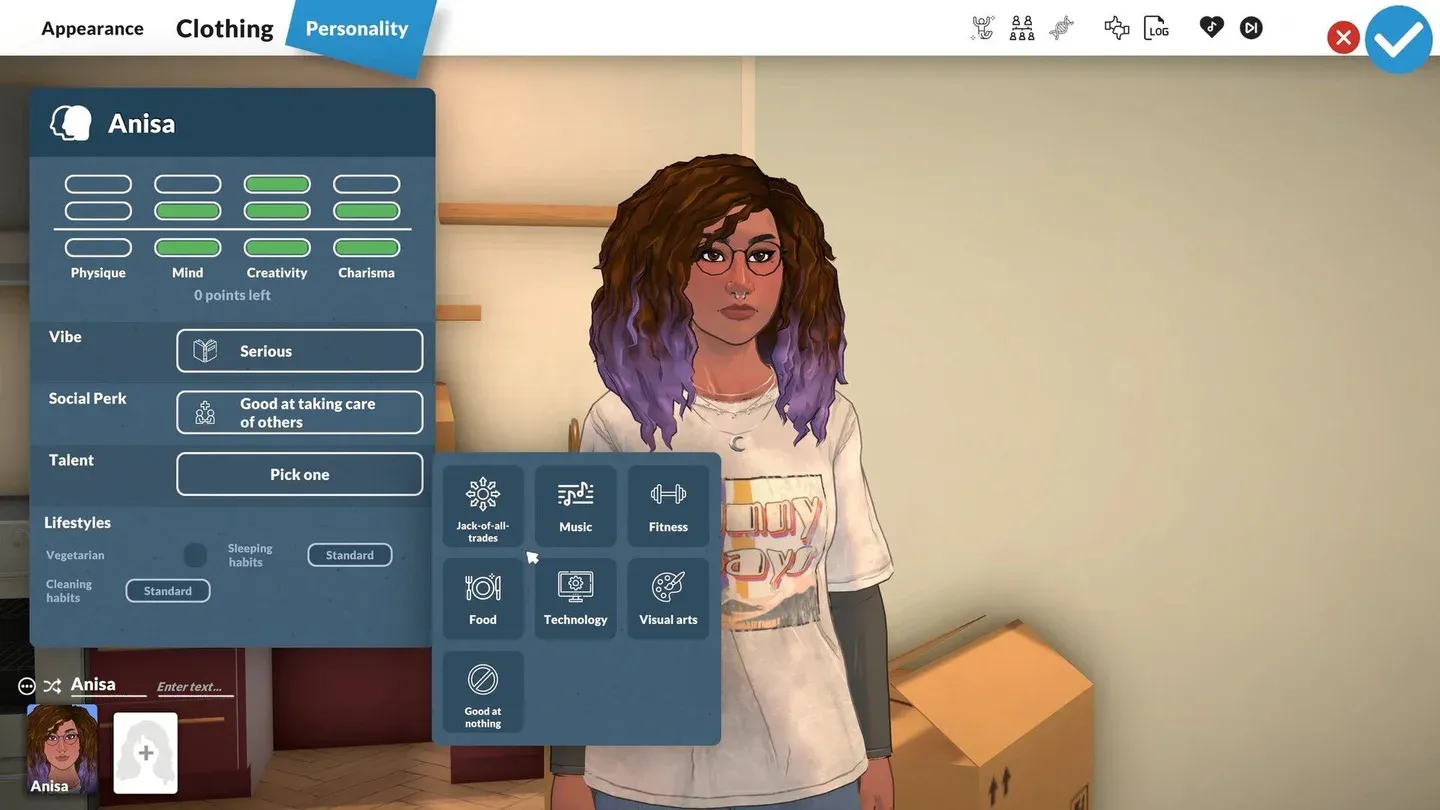
Resolution and display settings
Why Medium texture quality instead of High or Ultra?
Environment Texture Quality at Medium is the setting that makes the biggest difference for stability. Pushing it to High or Ultra introduces noticeable lag in the current build. This isn't a hardware limitation so much as an optimization problem with the early access version. Medium keeps frame delivery consistent without a visible hit to the overall look of the game.
Once the developers ship a few more optimization patches, this is the first setting worth revisiting.

Texture quality at Medium
Why cap frames at 60 Hz?
The Frame Rate Cap at 60 Hz might feel like a step backward if your monitor supports 144 Hz or higher, but targeting higher frame rates in the current state produces stutters that make the game feel worse than a locked 60. Consistency beats raw numbers here. A stable 60 FPS session is far more playable than one that swings between 90 and 40.
This cap can be raised once patches improve the underlying performance. For now, 60 Hz is the practical ceiling.
What does Vertical Sync actually do here?
Vertical Sync synchronizes the frame output to your monitor's refresh rate, which smooths out the transitions between frames. Yes, it can artificially limit your FPS ceiling, but in an early access game with inconsistent frame delivery, that trade-off is worth it. Keep it on until the optimization improves.
Should you run Paralives in Fullscreen mode?
Yes. Fullscreen mode gives the game direct control over display output, which reduces input overhead and generally produces more stable frame times compared to windowed or borderless windowed modes. Combined with Vertical Sync, it's the most stable display configuration available right now.
Rendering distance: High or Medium?
Both Object Rendering Distance and Grass Rendering Distance are set to High in the recommended configuration, and they hold up well on mid-to-high-end hardware. The catch is that these two sliders are among the most resource-intensive options in the settings menu. If your system is older or you're still experiencing frame drops after applying everything else, pulling both down to Medium is the right move.
For players building out their Paras' homes and exploring the town, rendering distance at High makes a real visual difference. Just know the fallback option is there if you need it.
Paralives has plenty going for it beyond the performance issues. If you want to get the most out of the game while things stabilize, the Paralives guides collection covers everything from community center donation bundles to money cheats for quick Paradime boosts. The build mode beginner guide is especially useful once you have a stable session running.