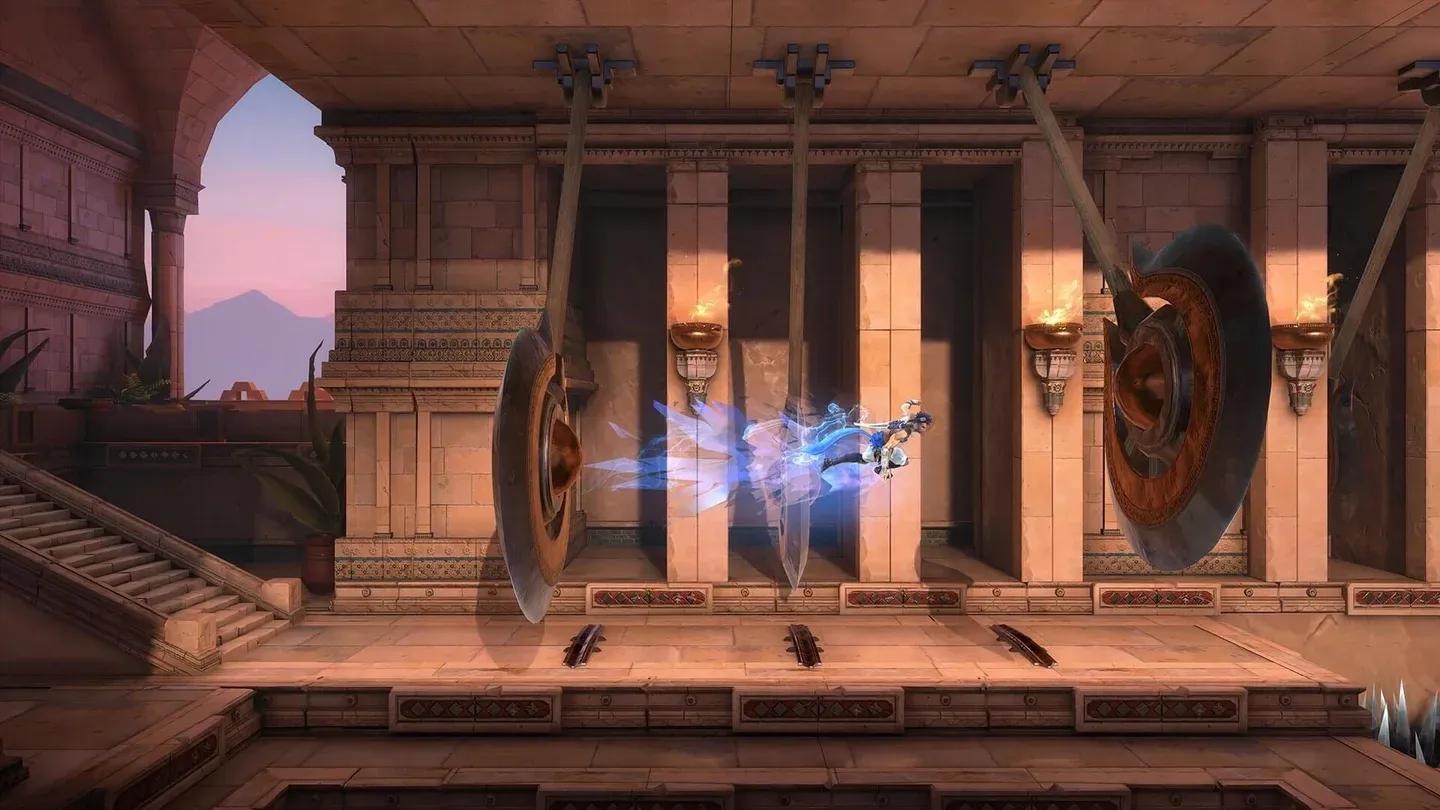
Overview
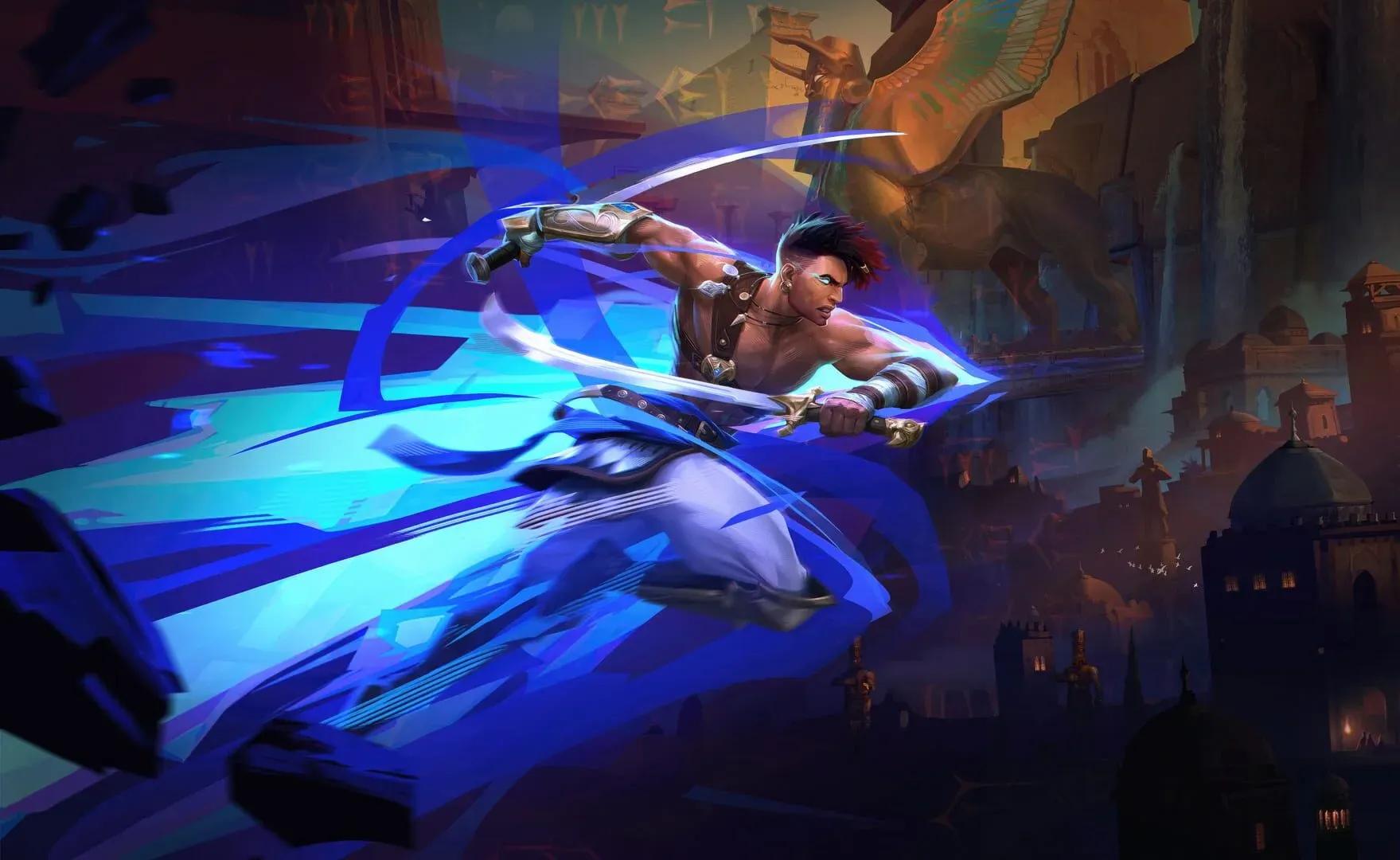
Prince of Persia: The Lost Crown, developed by Ubisoft Montpellier and released on January 18, 2024, takes the classic franchise in a direction few expected: a side-scrolling Metroidvania with a new protagonist, a mythological Persian setting, and time powers that go well beyond simple rewinds. The result is one of the most accomplished entries in the genre in years, earning scores in the 88-90 range from multiple outlets and landing on several Game of the Year shortlists.
You play as Sargon, the youngest member of an elite warrior group called the Immortals. The mission starts simple enough, rescuing a kidnapped prince, but Mount Qaf has other ideas. The mountain exists outside normal time, and the deeper Sargon goes, the stranger and more dangerous things become. The story leans into Persian mythology with confidence, pulling from figures and creatures that rarely appear in mainstream games.
Gameplay and mechanics
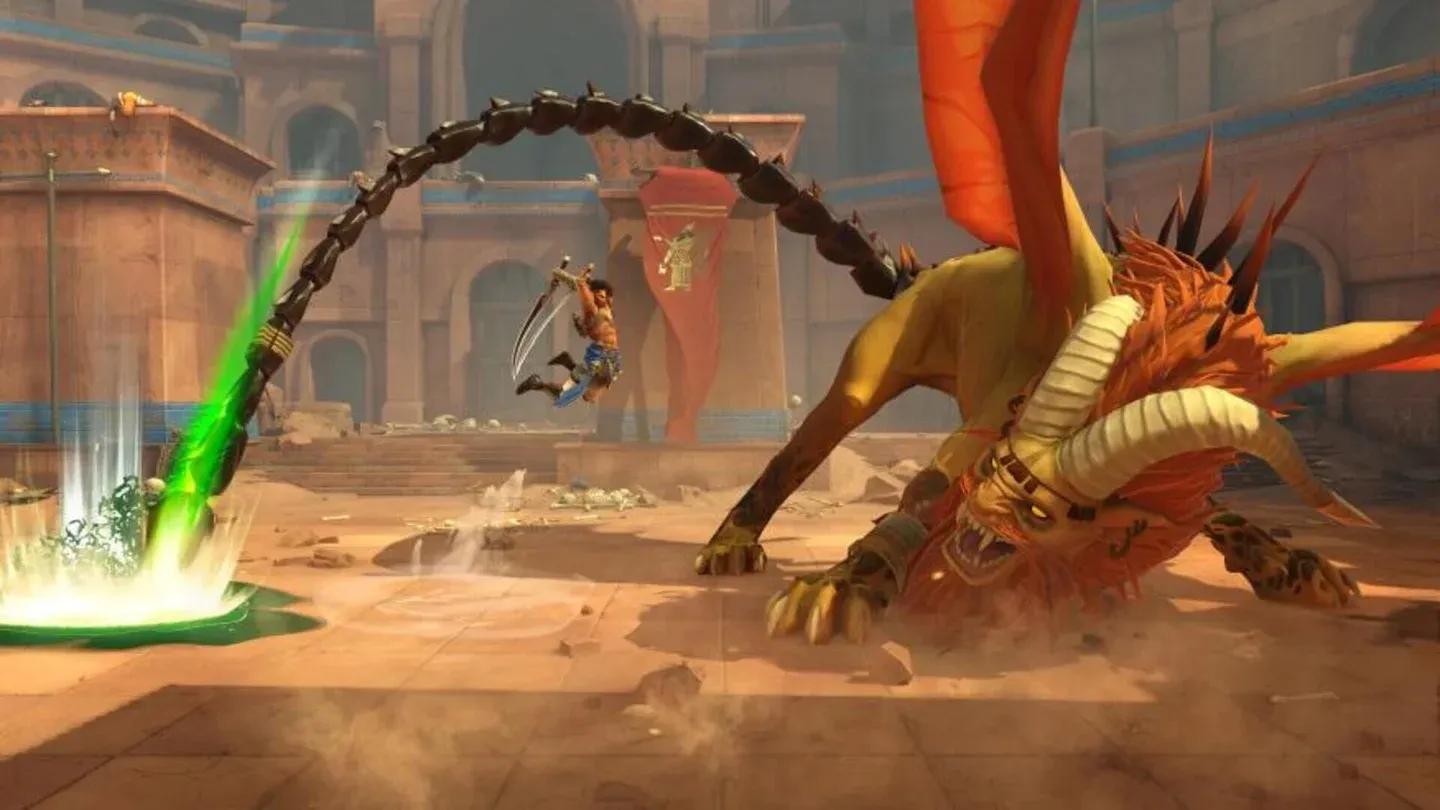
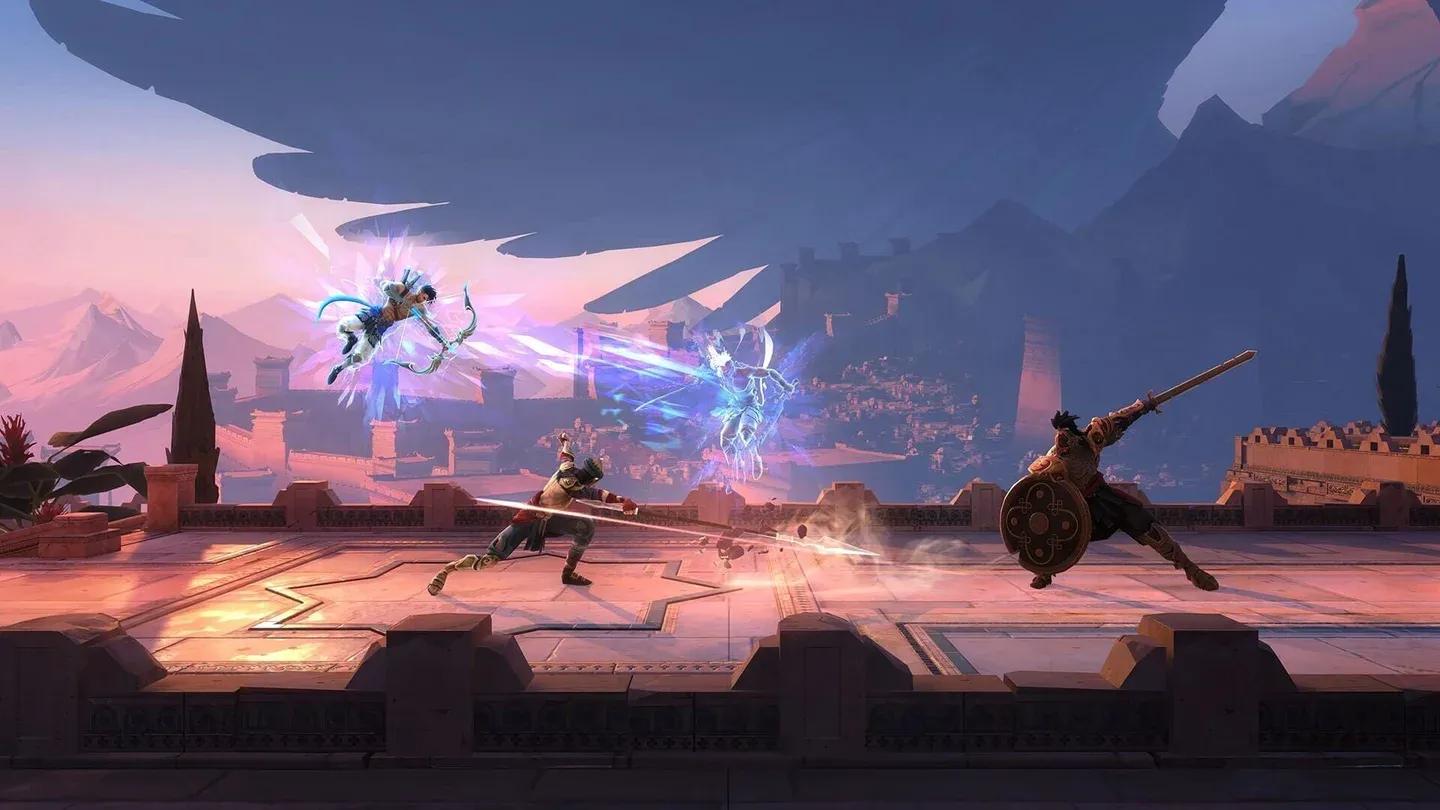
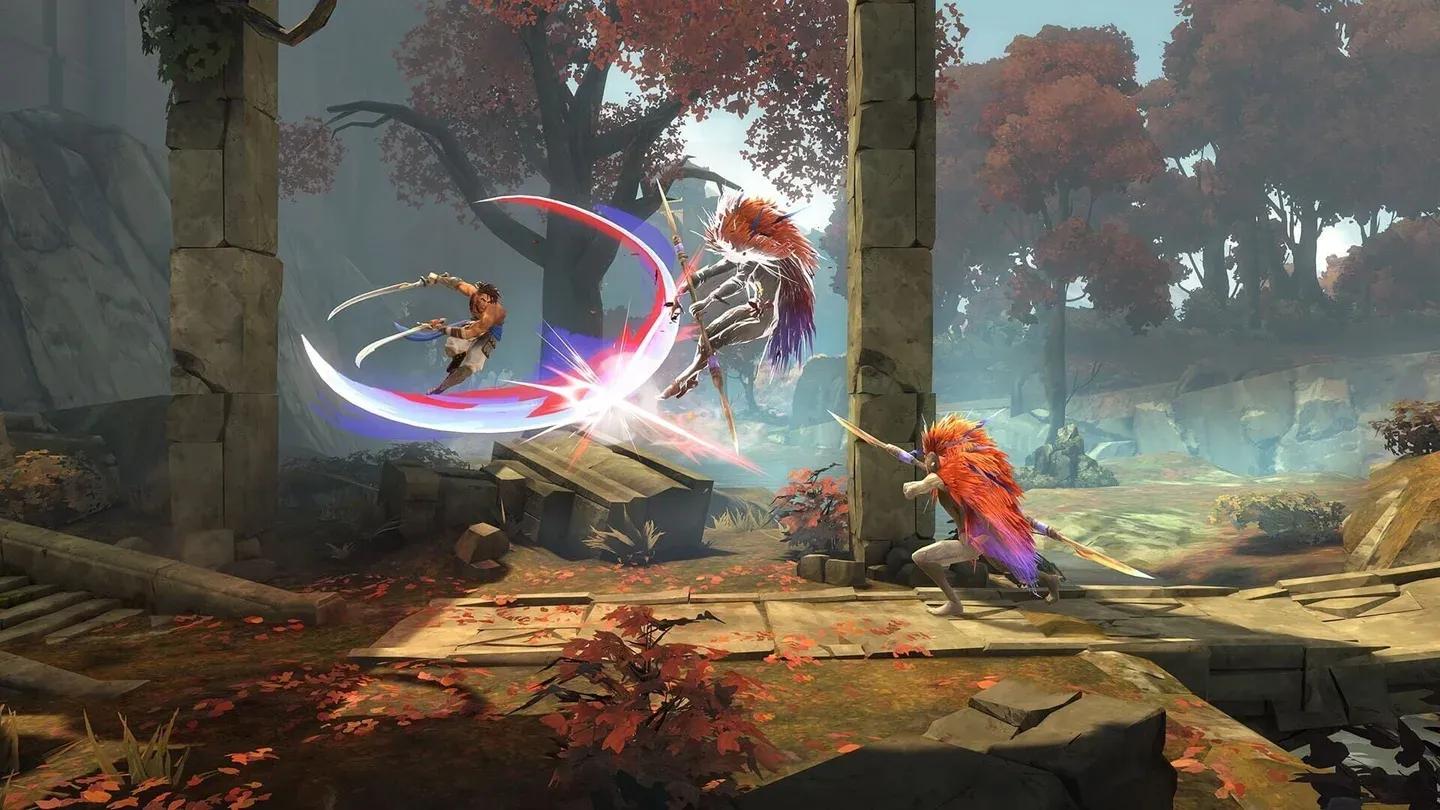
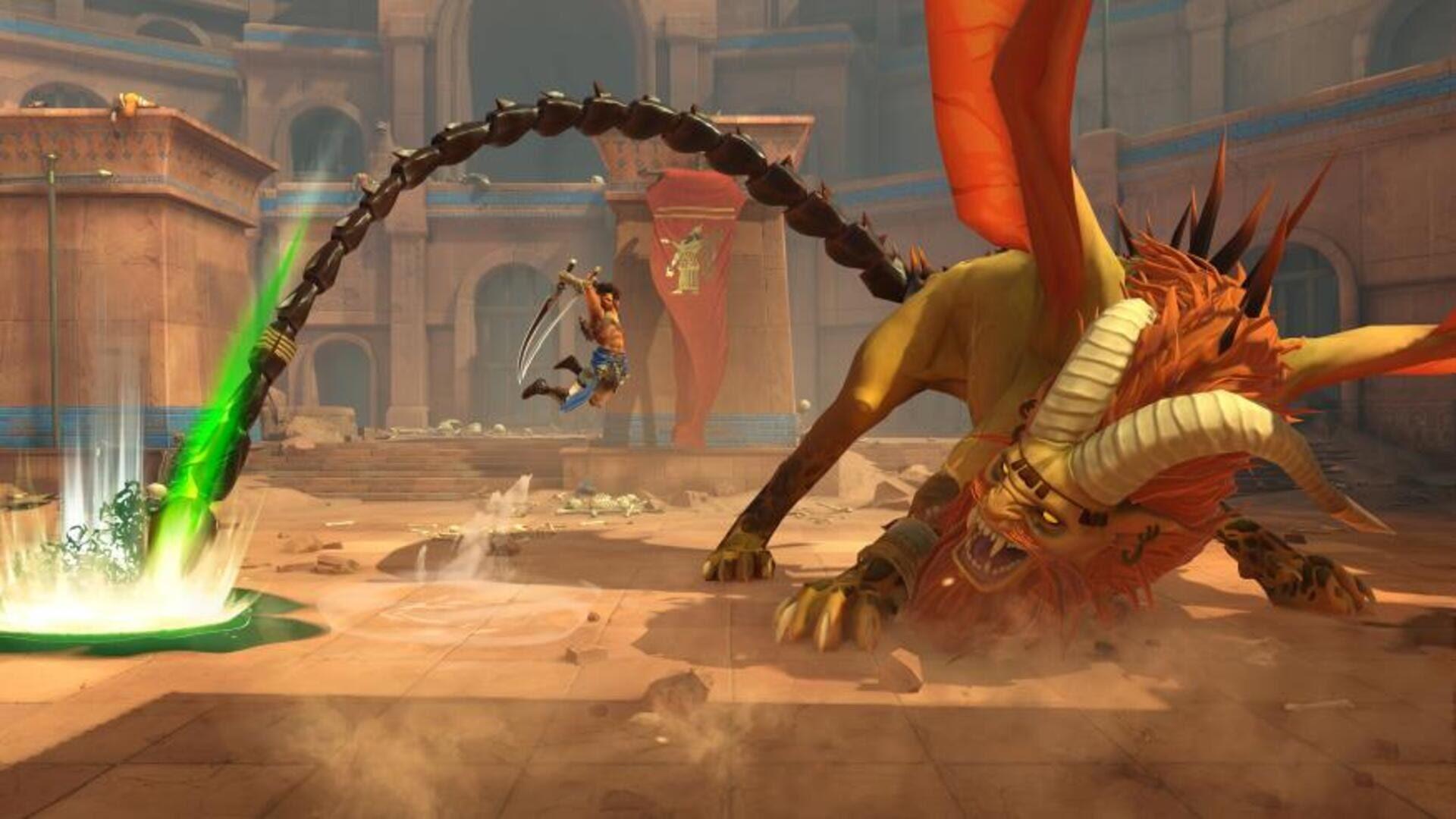
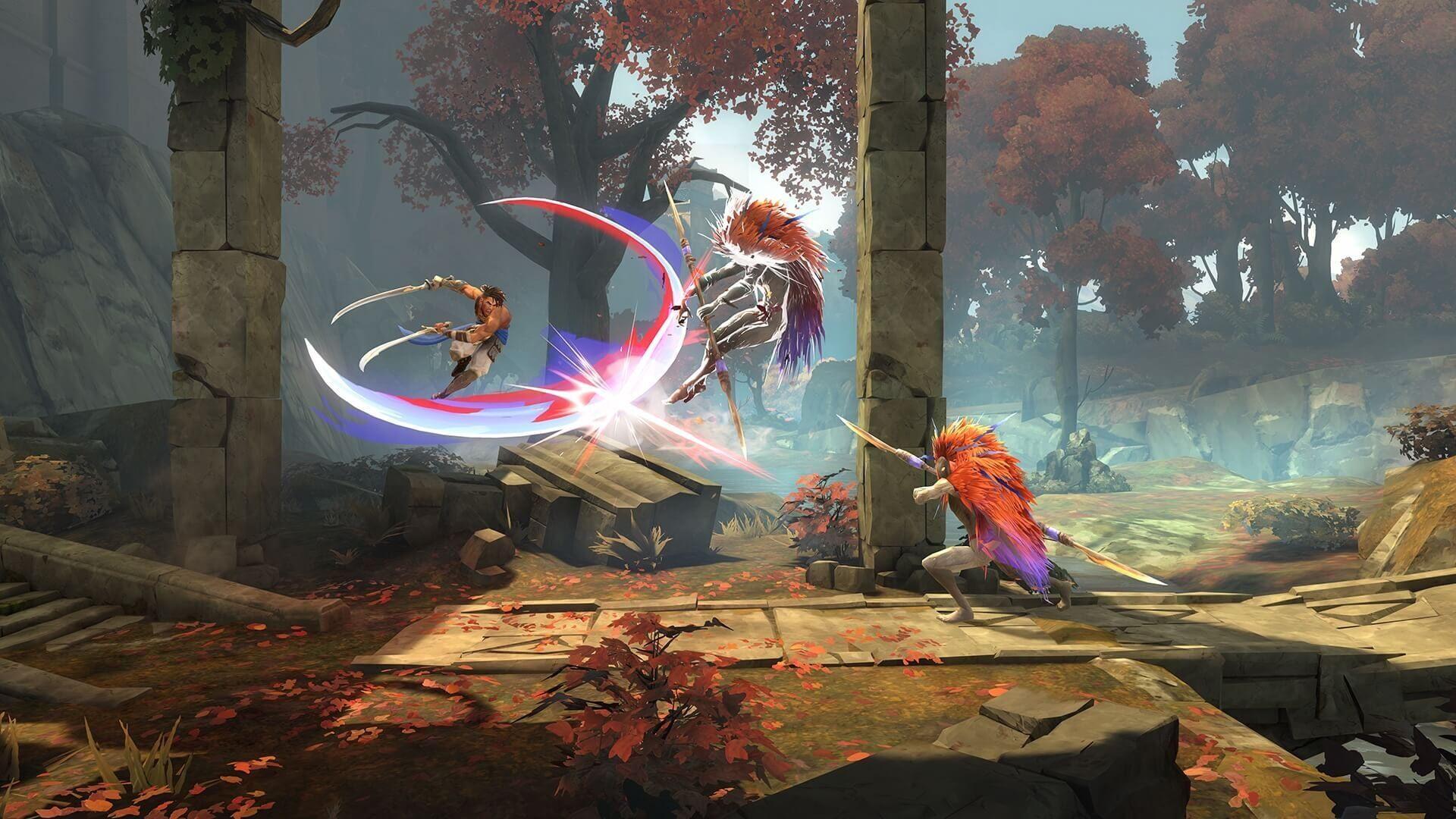
The combat in The Lost Crown is fast, readable, and genuinely demanding at higher difficulty settings. Sargon fights with twin blades and a bow, but the real depth comes from the Time Powers unlocked throughout the game:
- Chakram throw that freezes in mid-air
- Shadow double for repositioning mid-fight
- Rush of the Simurgh for aerial dashes
- Dimensional Claw to pull objects and enemies
- Clairvoyance for environmental puzzle-solving
Each power changes how you move through the world and how you approach fights. Boss encounters are designed specifically around these abilities, so learning when to use each one feels like a genuine skill rather than a checklist.
What makes Mount Qaf worth exploring?
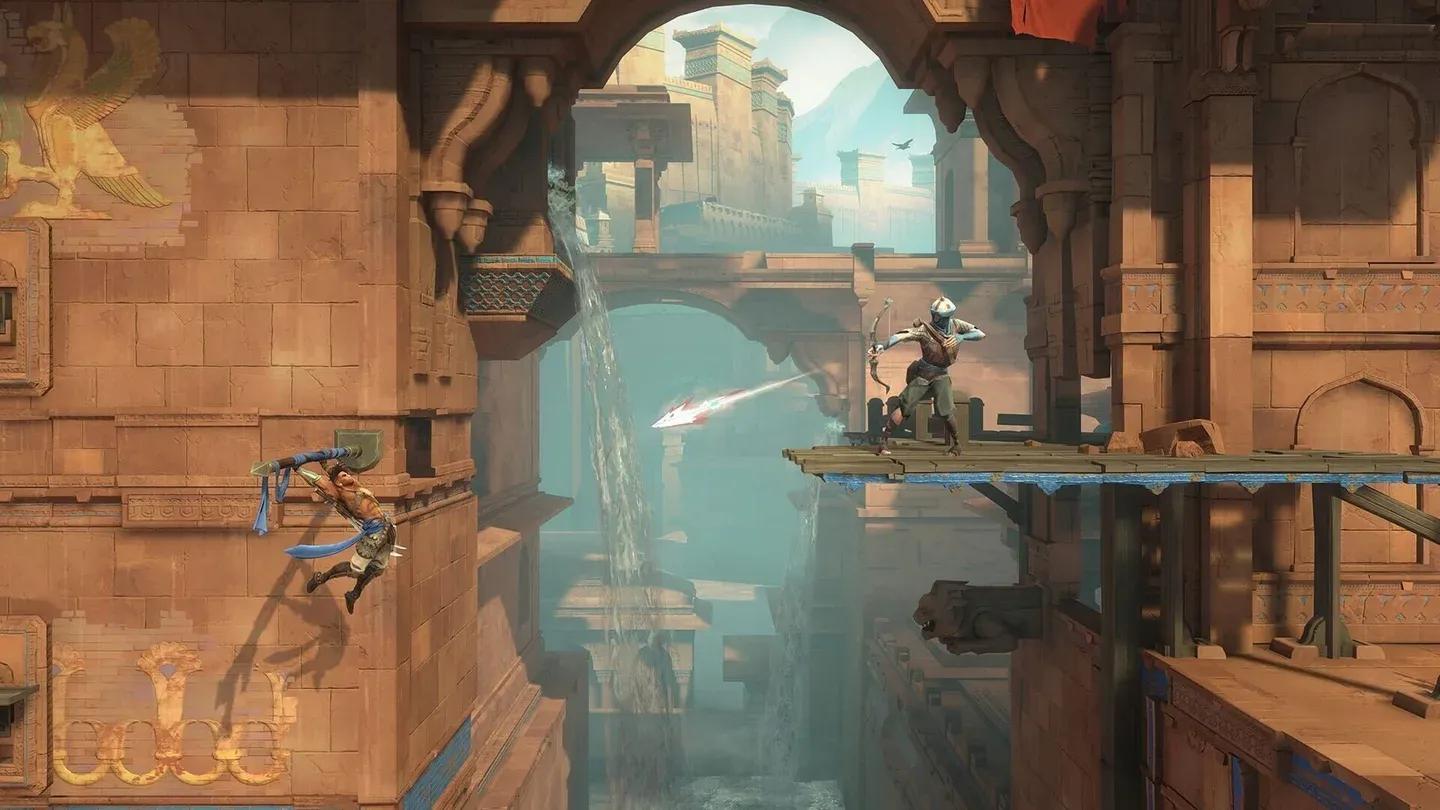
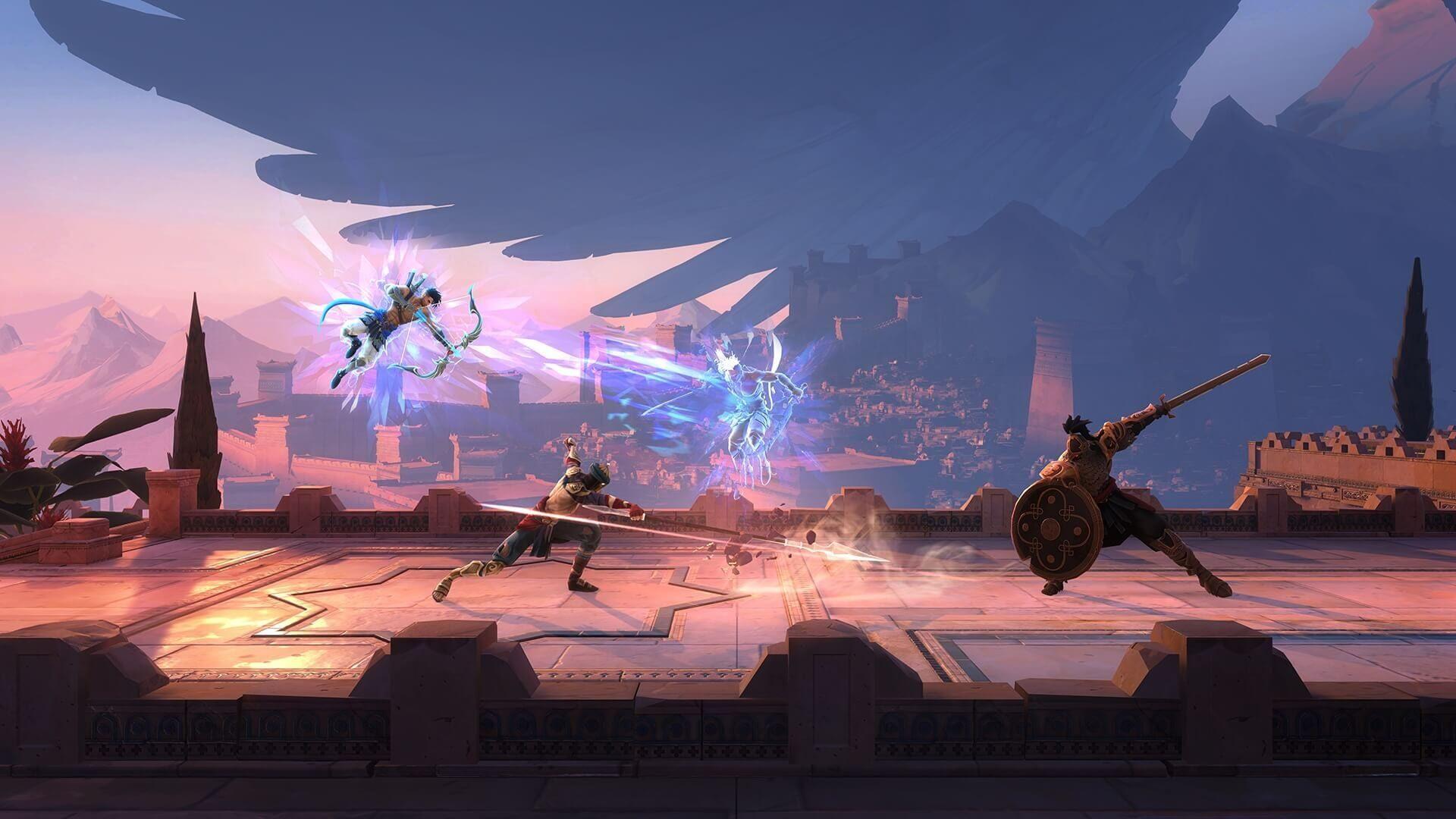
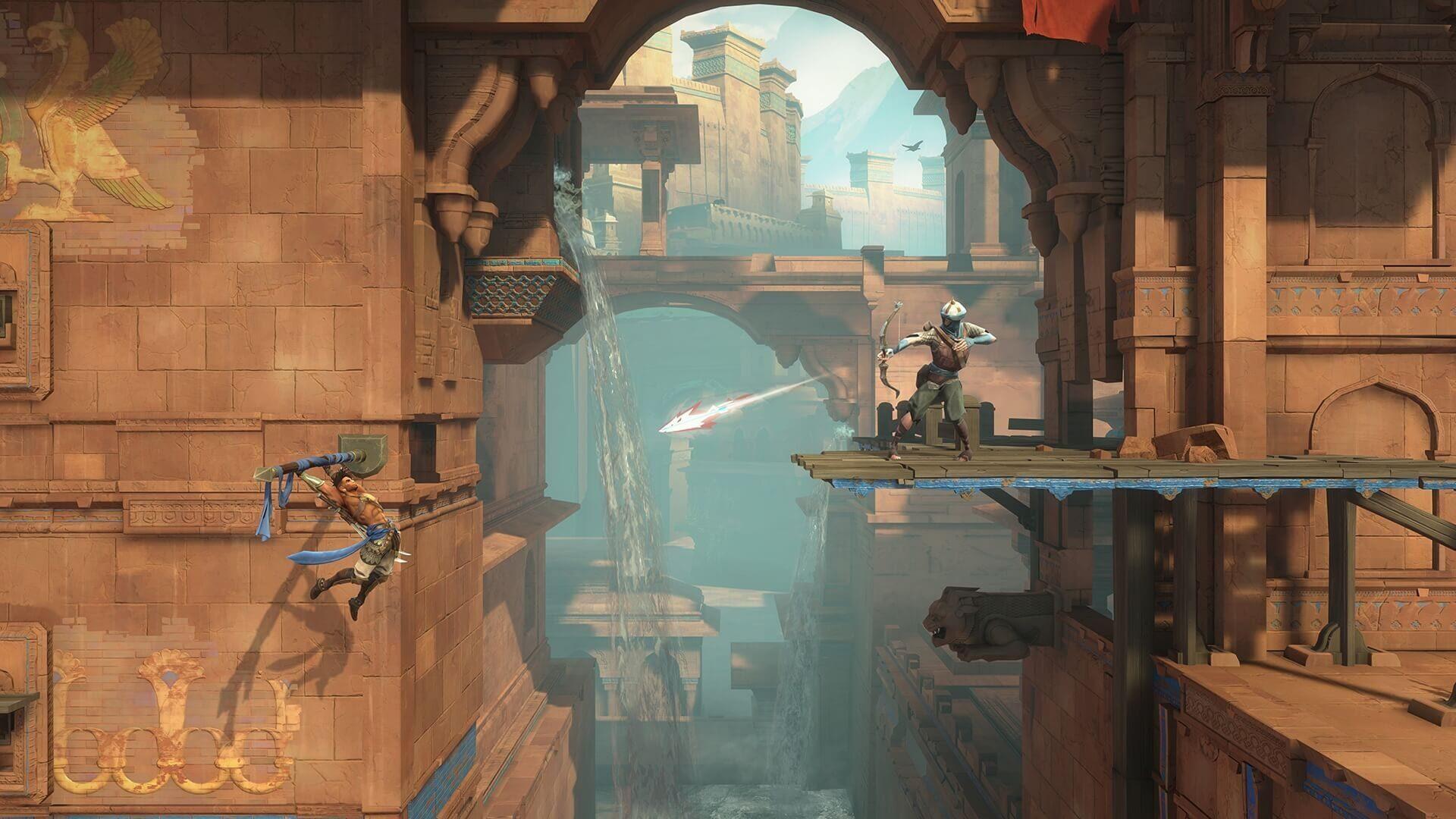
Mount Qaf is a biome-driven world with real variety. You move through dense forests, sunlit palaces, dark dungeons, and fractured time-warped zones that bend the geometry of the map itself. Each area has its own visual identity and its own set of environmental hazards, and the interconnected design rewards players who pay attention to dead ends they cannot reach yet.
Ubisoft Montpellier added a memory shard mechanic that lets you pin a screenshot to any spot on the map, marking locations you want to return to. It sounds minor, but in a game this dense with hidden paths and locked doors, it makes a real difference to how comfortable exploration feels.
Visual and audio design
The art direction takes clear inspiration from Persian miniature painting, with bold colors, expressive character designs, and animations that give every move a distinct weight. The game runs well across all platforms, including Nintendo Switch, without major compromises to the visual style.
The soundtrack, composed by Gareth Coker and Mentrix, blends traditional Persian instrumentation with modern production. Tracks shift in intensity during boss fights without ever feeling generic, and the ambient music in quieter zones adds to the sense that Mount Qaf is a place with its own history and rhythm.
Content and replayability
The base game runs roughly 20-25 hours for a thorough first playthrough. Post-launch, the Mask of Darkness story DLC expanded the narrative and added new areas and challenges. The Complete Edition bundles the base game, this DLC, 4 alternate outfits for Sargon, the Prosperity Bird Amulet, and a digital adventure guide. Multiple difficulty options and a large number of collectibles, amulet builds, and optional boss encounters give the game strong replay value for Metroidvania fans who want to push deeper into the systems on a second run.