Overview
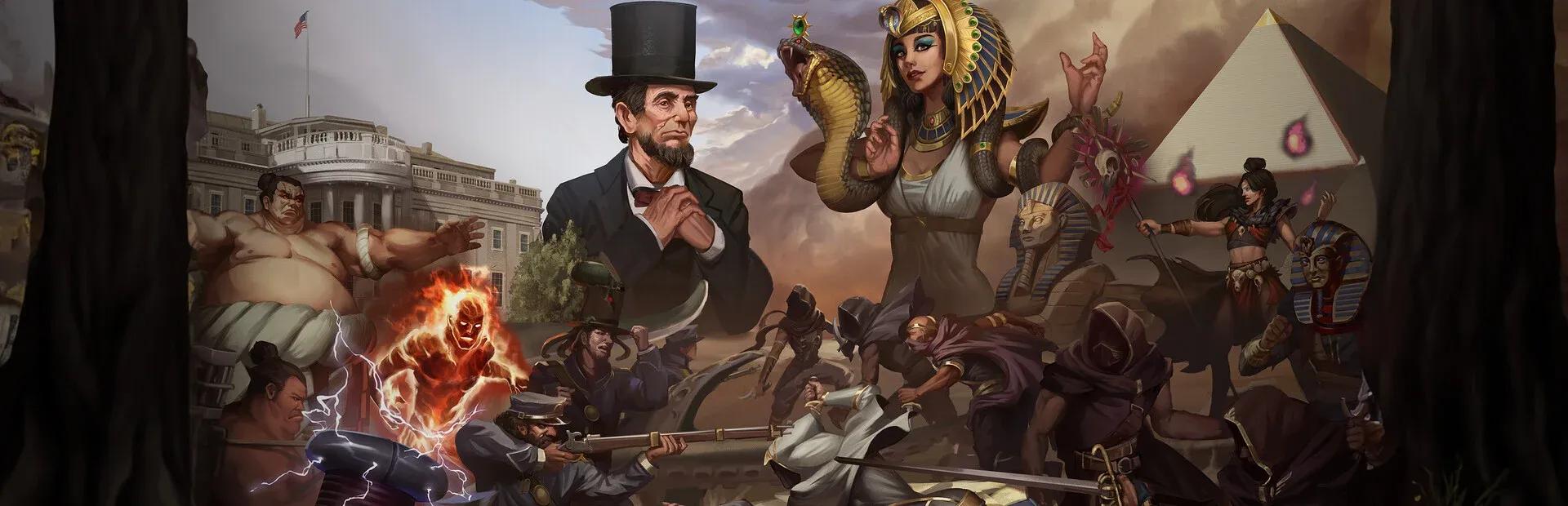
Relic Arena is a free-to-play autobattler developed and published by Double Edge Games, released on May 7, 2026. Built by Dota 2 personalities SUNSfan and Jenkins, the game pits 8 players against each other in a format where hero composition and relic selection matter more than reflexes. The historical theme runs deep, with commanders like Cleopatra leading your forces and relics drawn from across human history providing the upgrade backbone of every run.
The free-to-play model makes the barrier to entry nonexistent, which is exactly the right call for a genre that lives or dies by its player count. Autobattlers need opponents, and Relic Arena's approach to matchmaking and round structure keeps lobbies moving at a pace that respects your time without stripping out the decision-making that makes the genre satisfying.
Gameplay and mechanics
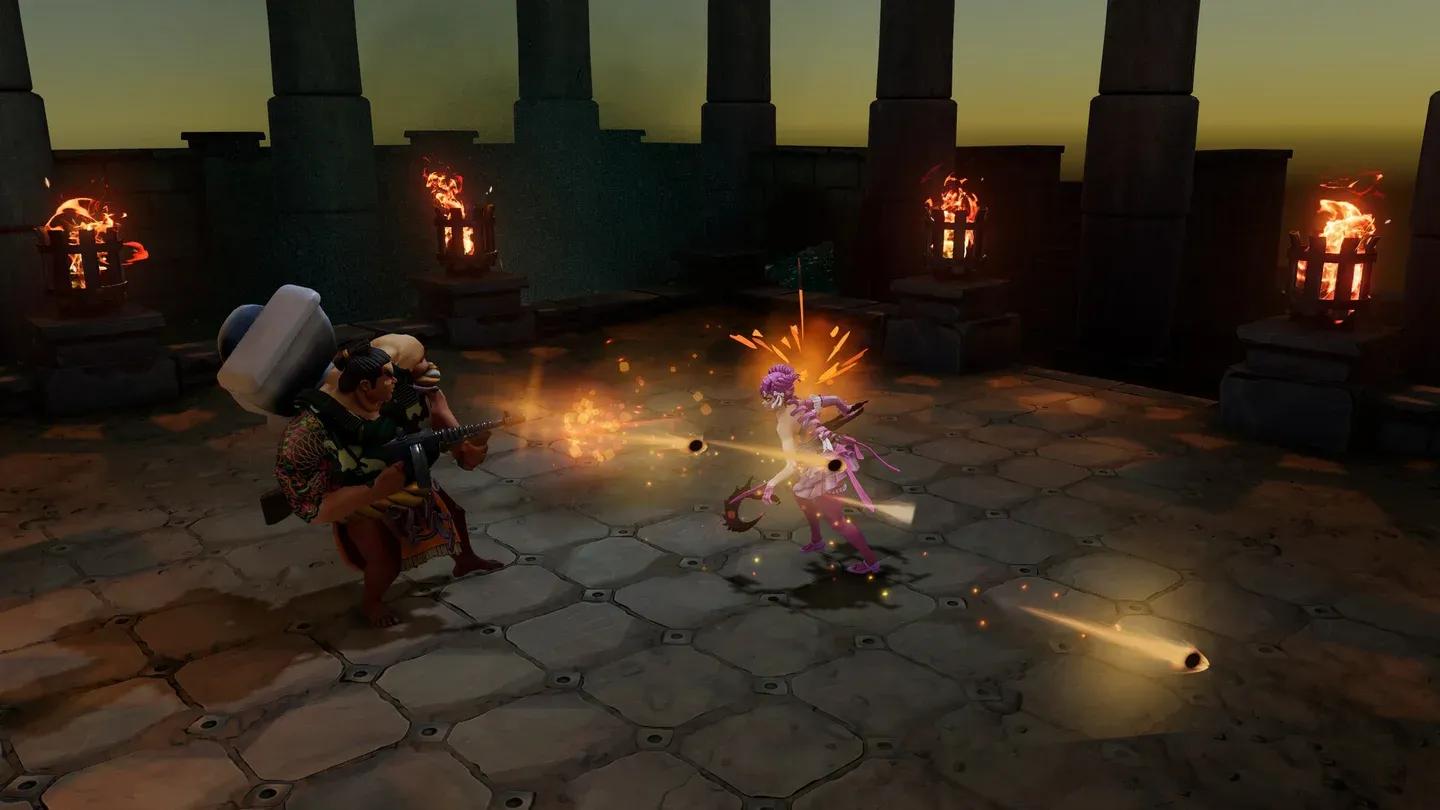
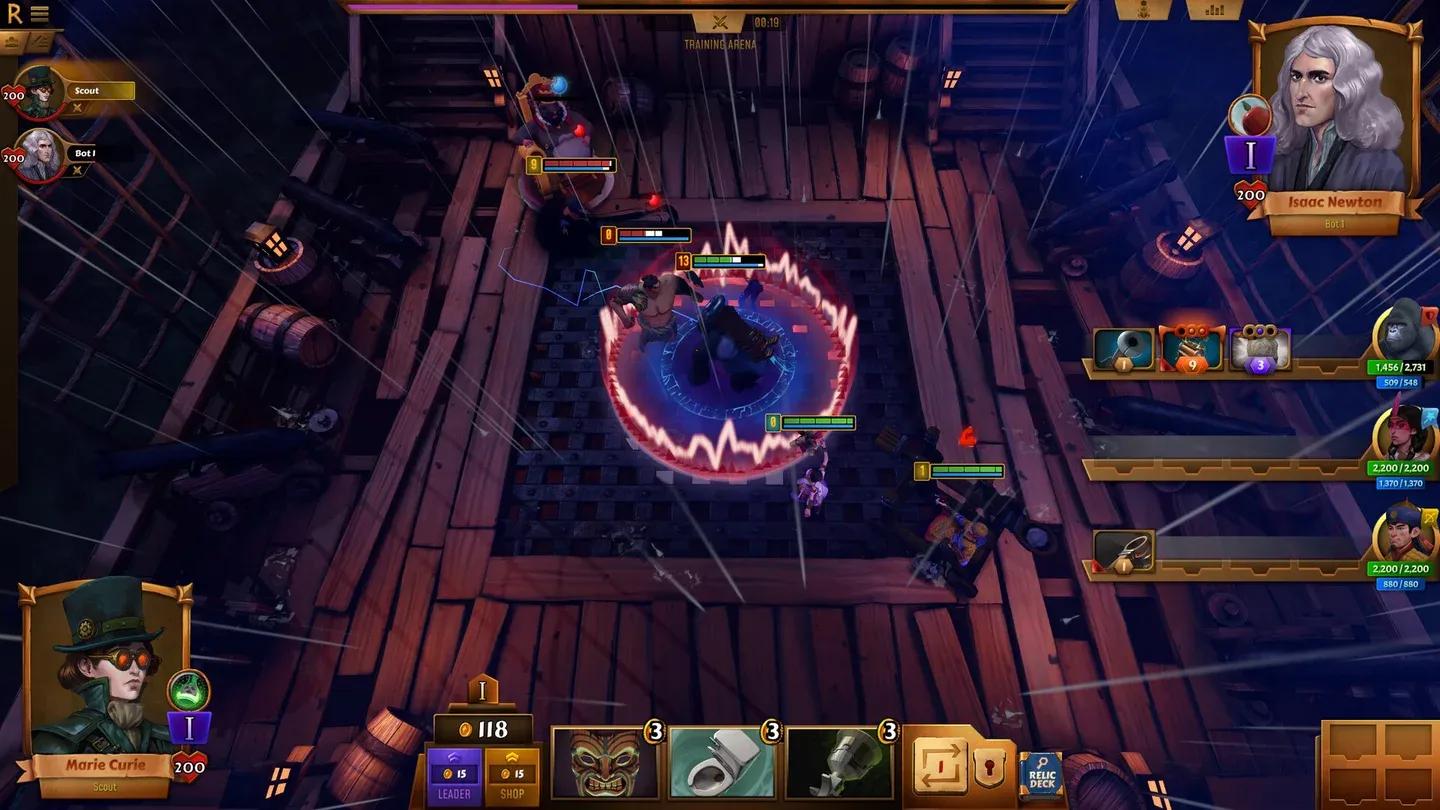
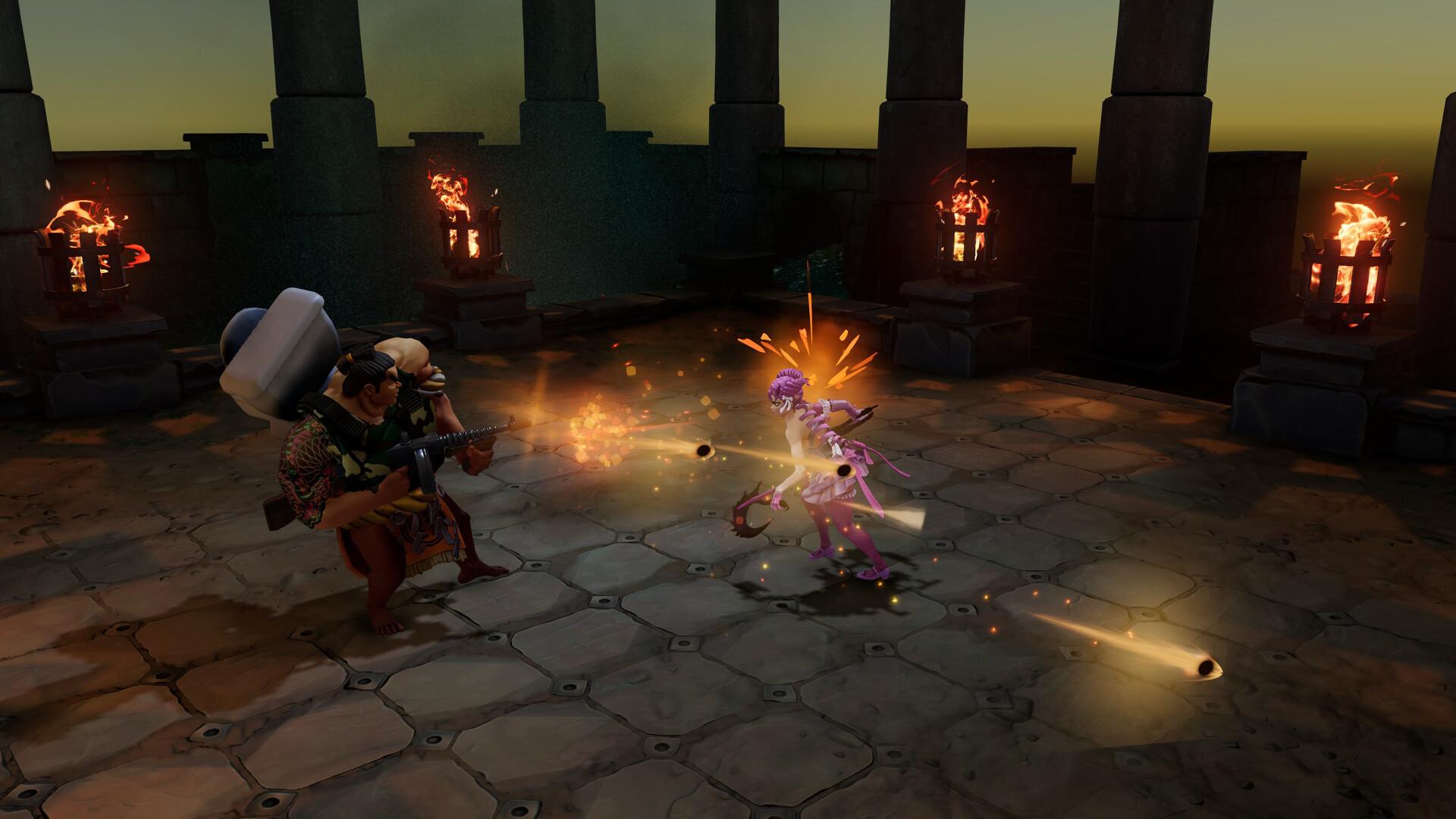
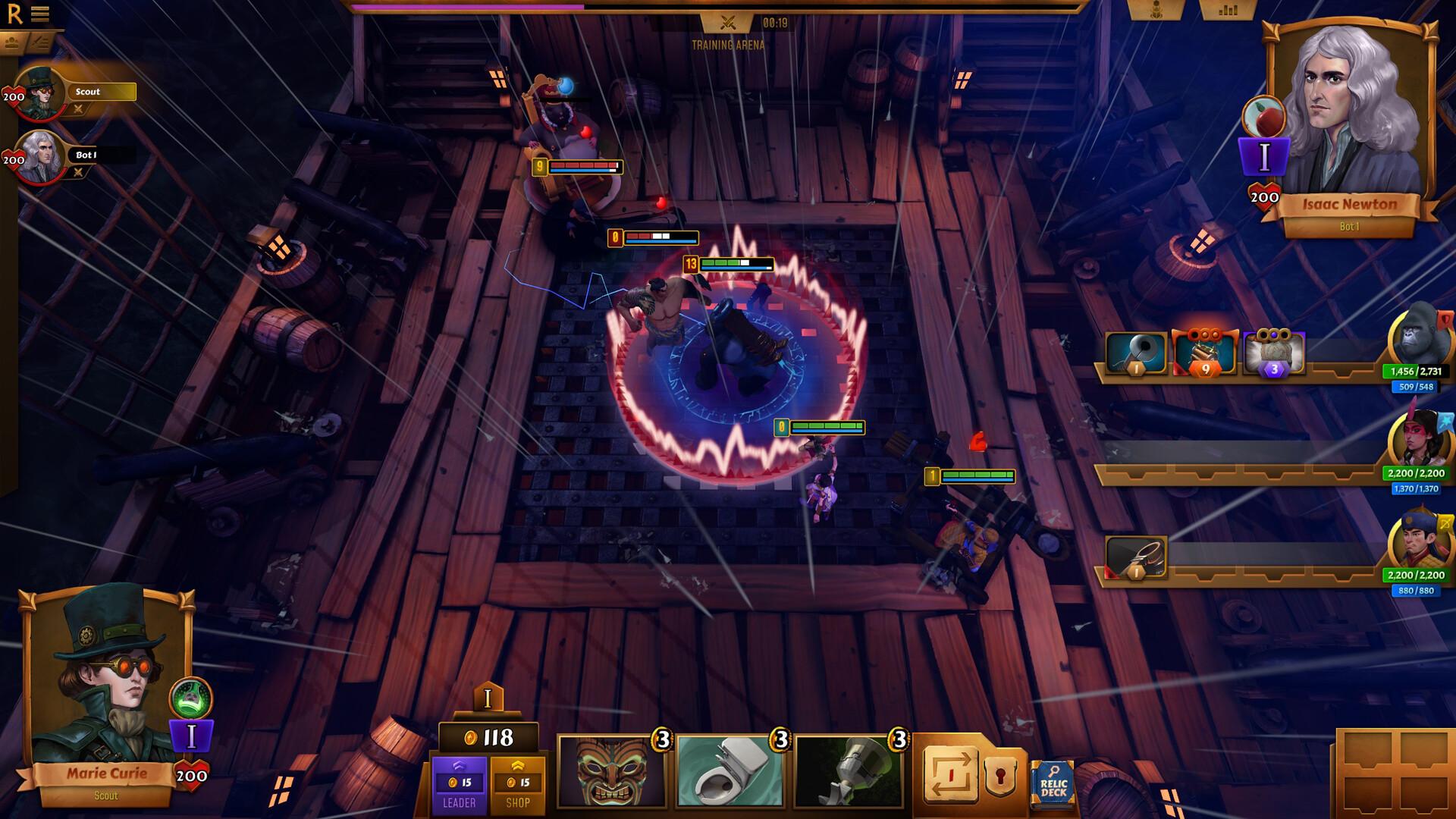
The core loop in Relic Arena follows the autobattler template: draft heroes, equip them with relics, and watch the battles play out automatically. What separates the game from genre standards is the relic system itself:
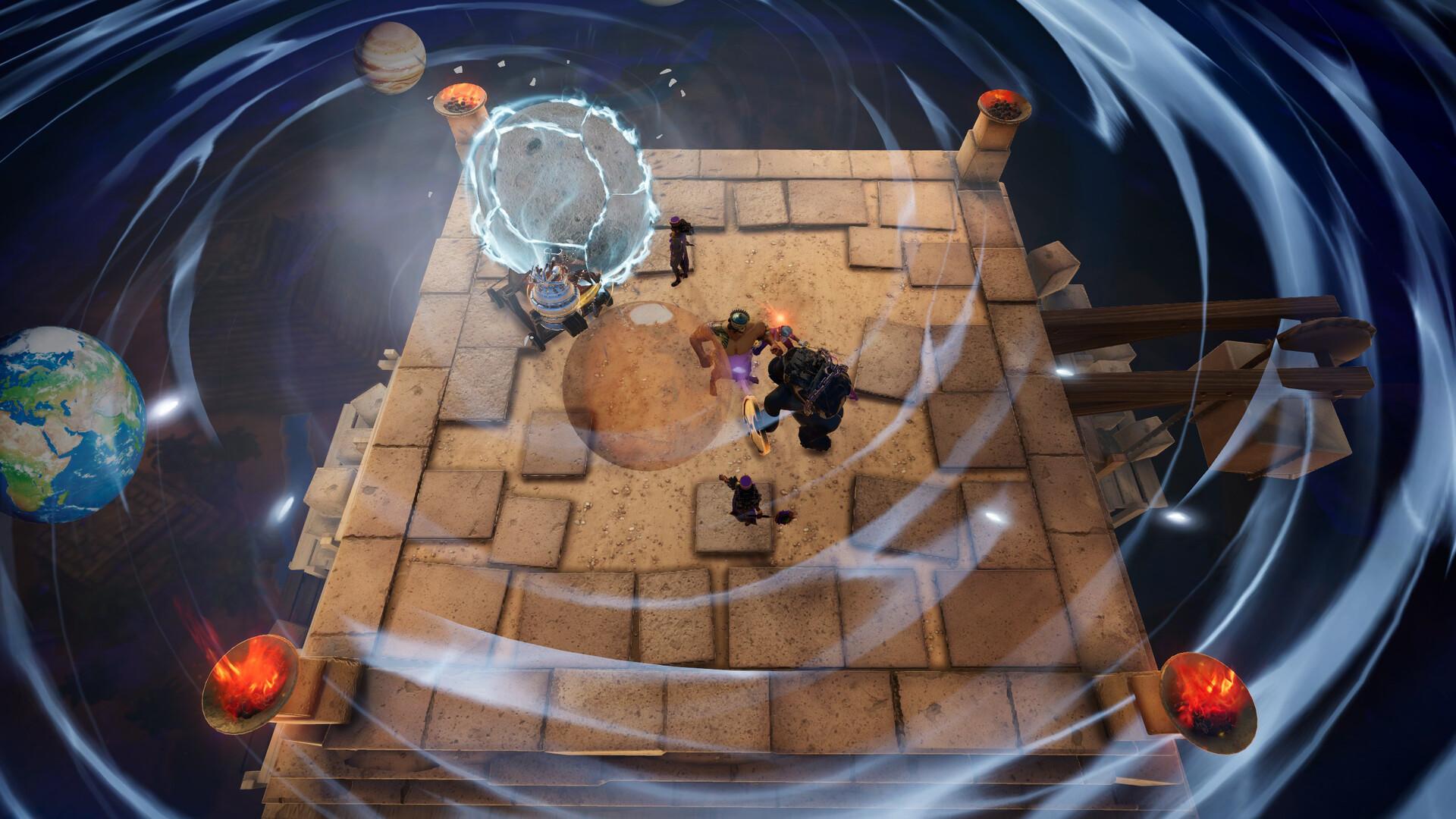
- Relics grant unique abilities tied to historical artifacts
- Upgrades branch based on which relics you combine
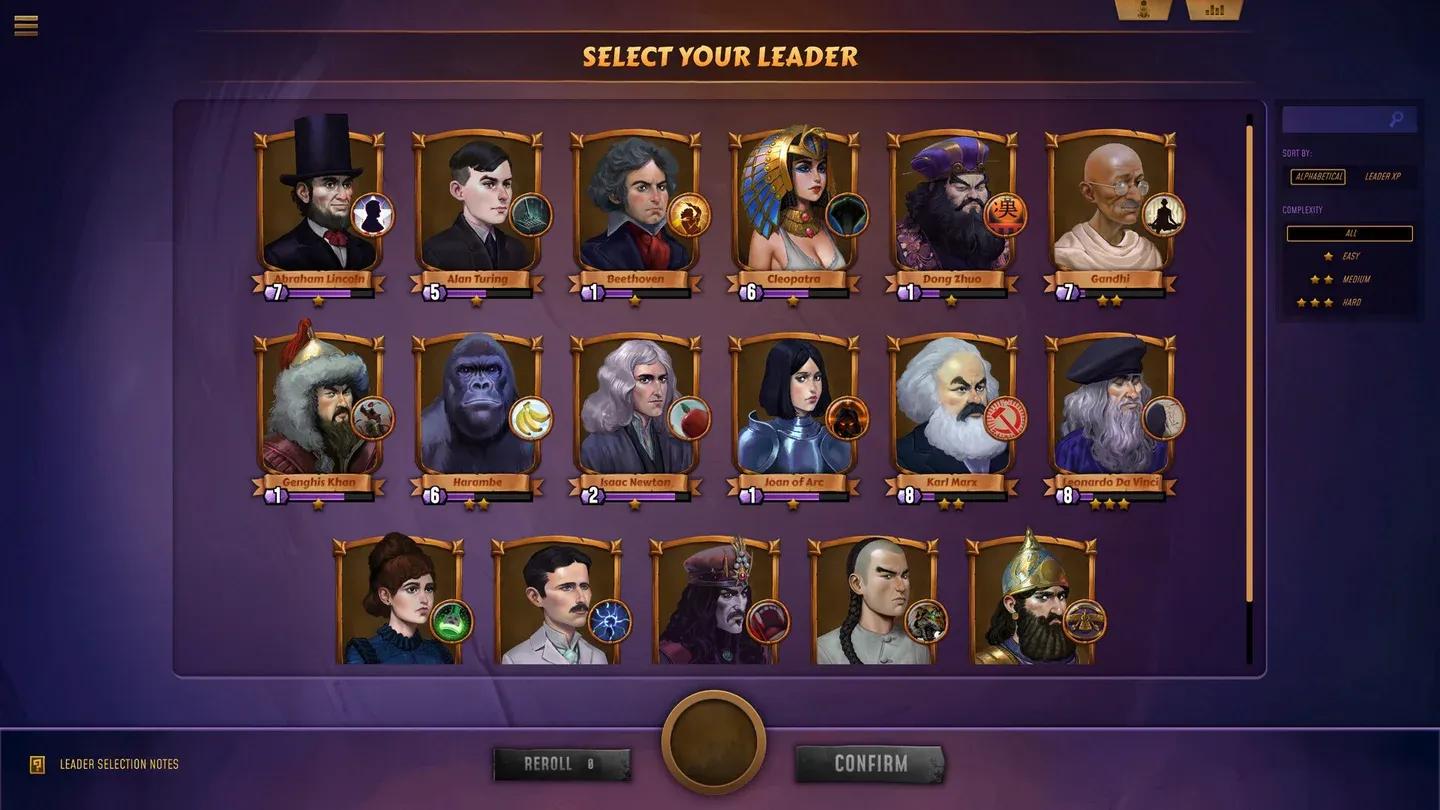
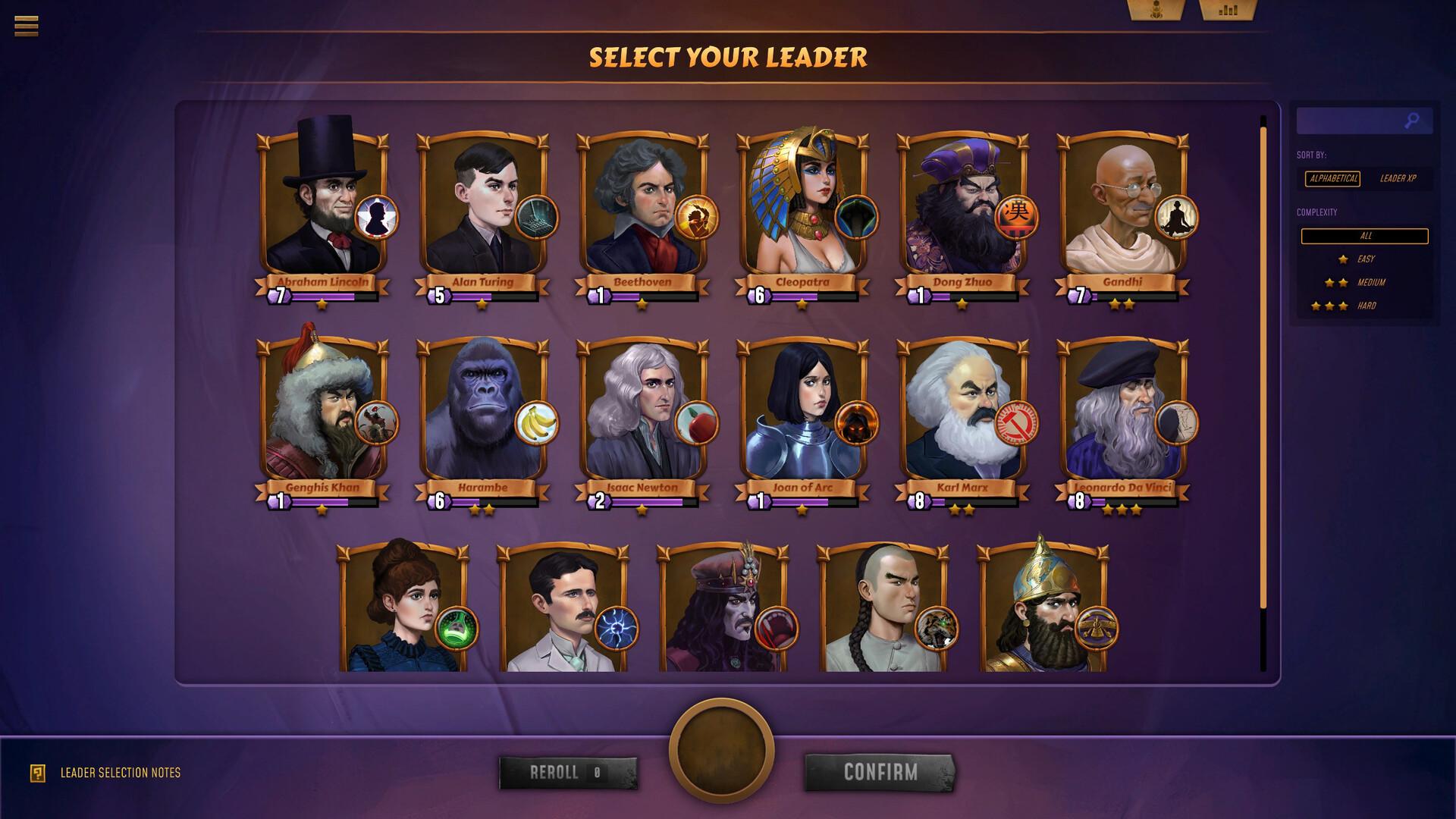
- Legendary commanders like Cleopatra and Harambe modify your entire team's behavior
- Each 8-player lobby produces a different meta based on what opponents draft
- Positioning and relic synergies determine outcomes more than raw stats
The commander layer adds a strategic identity to each run. Choosing Cleopatra versus another legendary figure isn't cosmetic; it changes which relics become worth prioritizing and how your board interacts with opponents' compositions.
What makes Relic Arena different from other autobattlers?
Most autobattlers lean on fantasy archetypes or sci-fi units. Relic Arena goes sideways by anchoring its entire upgrade system to historical artifacts and figures, including deliberately absurd choices like Harambe sitting alongside Cleopatra as a legendary commander. That tonal decision is a feature, not a bug. It signals that the game doesn't take itself too seriously, which lowers the intimidation factor for players who bounced off the mechanical density of something like Teamfight Tactics or Dota Underlords.
The Dota 2 DNA from SUNSfan and Jenkins is visible in how the game handles complexity: systems that look simple on the surface but reward players who understand the math behind relic interactions. That combination of accessible presentation and genuine strategic depth is where Relic Arena carves out its own space in the autobattler genre.
Multiplayer and replayability
With 8-player lobbies as the standard format, every match is a live experiment in draft theory. No two games play out the same way because the relic pool available to you shifts based on what your seven opponents are taking. That variance is the engine of replayability here, not artificial randomness.
The free-to-play structure supports the kind of casual drop-in sessions the game is built for, while the commander and relic depth gives dedicated players something to optimize across dozens of hours. Running the same commander twice with different relic paths produces genuinely different results, which is the benchmark any autobattler needs to clear to hold a player base long-term. Relic Arena clears it.
System Requirements
| Requirement | Minimum | Recommended |
|---|---|---|
| OS | Windows 10+ (64 bit) | - |
| Processor | Intel i5, 2.4 Ghz or better | - |
| Memory | 8 GB RAM | 16 GB RAM |
| Graphics | Integrated HD Graphics 520 w/128MB or better | - |
| Network | Broadband Internet connection | Broadband Internet connection |