Overview
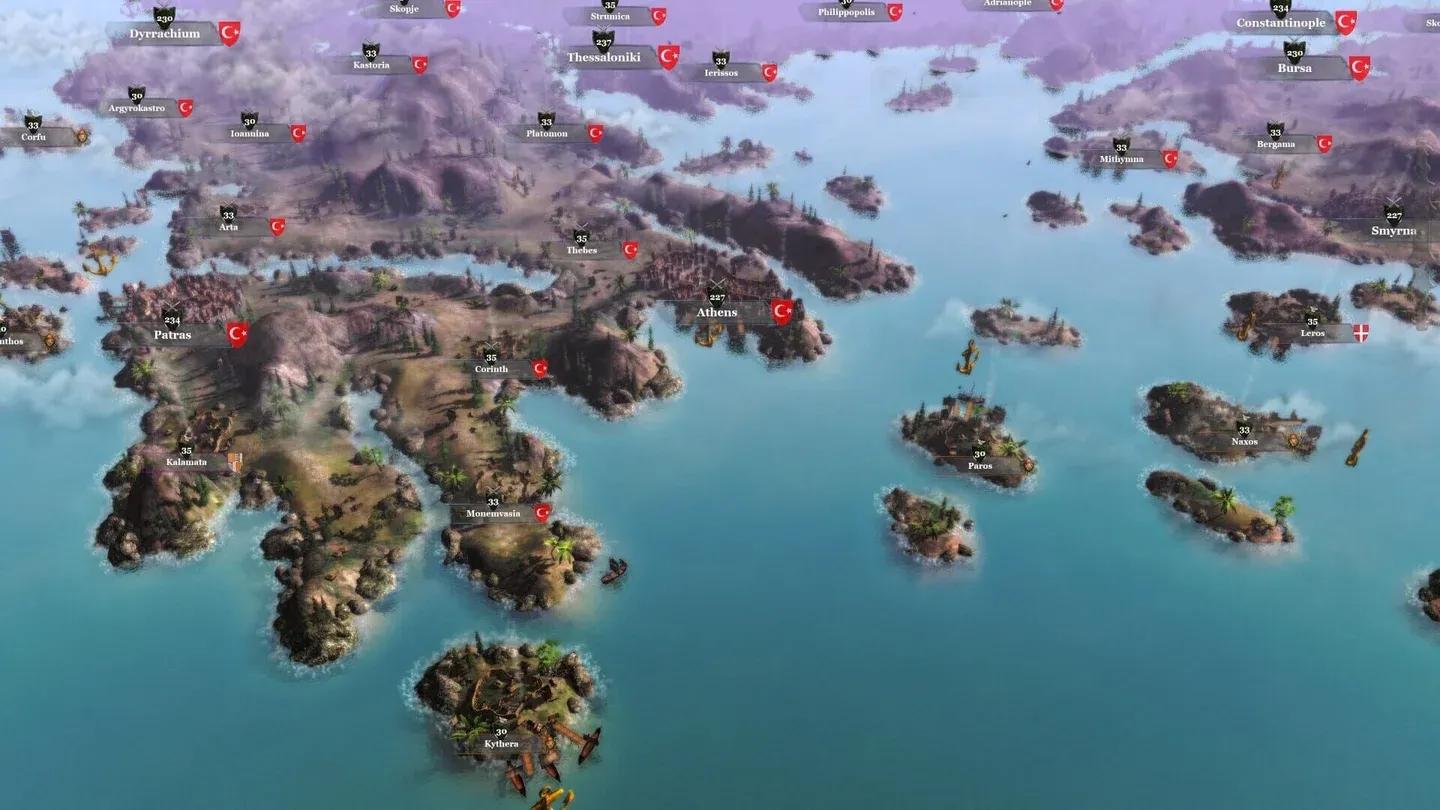
Renaissance Kingdom Wars is a grand strategy and real-time strategy hybrid developed by Reverie World Studios and published by indie.io. Released on November 26, 2024, it places players at the height of the Renaissance, a period defined as much by gunpowder and mercenary armies as it was by art and philosophy. The game spans a massive world map covering Europe, North Africa, and the Middle East, with over 500 provinces, cities, and hamlets to capture, manage, and defend.
[VIDEO]
The scope here is genuinely ambitious. You begin as a nameless mercenary captain, fighting under the banner of one of dozens of kingdoms, and the game's central progression is the slow, violent accumulation of power. Win enough battles, prove your worth, and you might be granted a city of your own. From there, the game shifts gears entirely, from field commander to city lord to, eventually, king and emperor. Each transition changes what you're actually doing, not just the numbers attached to it.
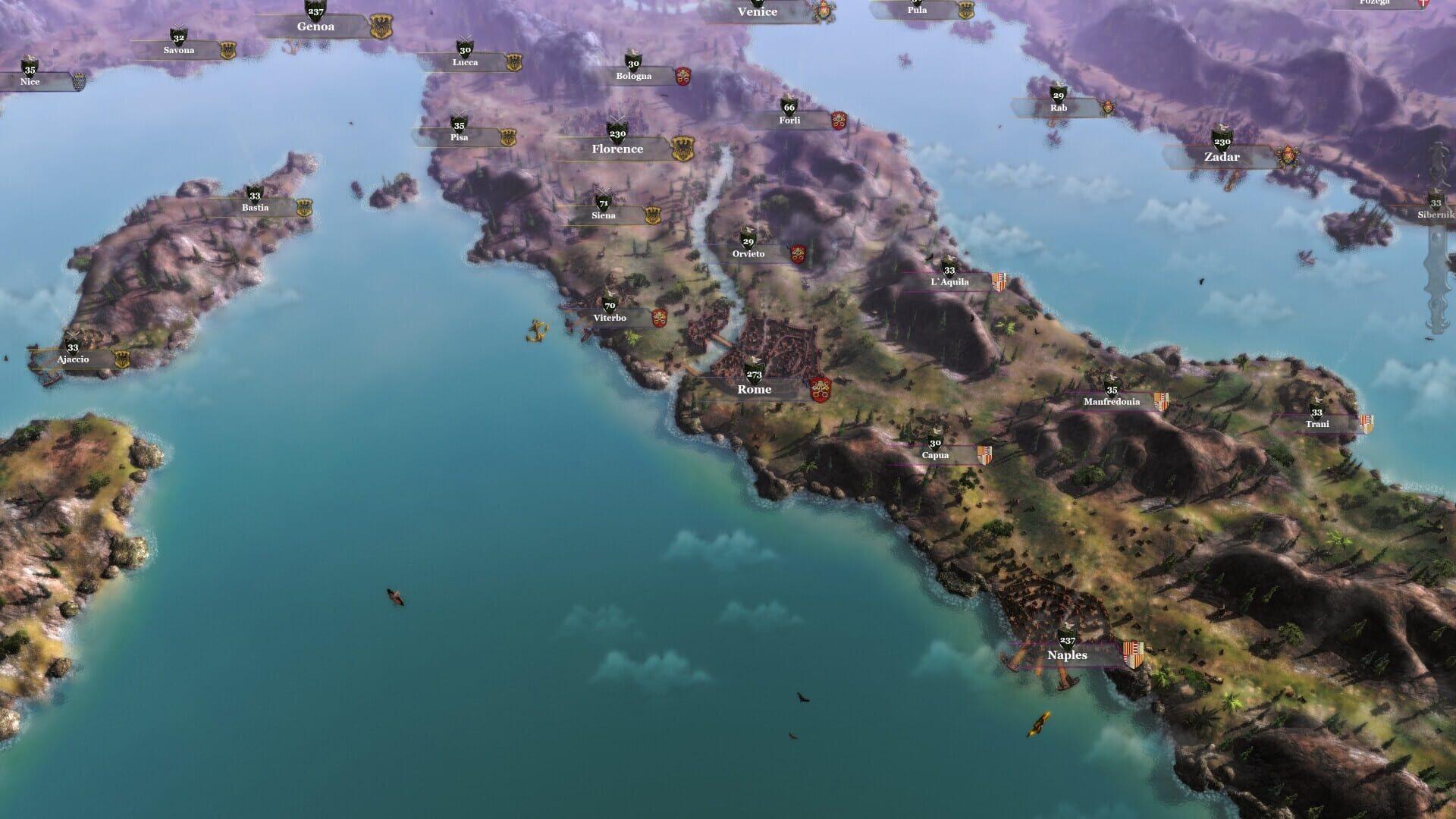
There are 36 historical kingdoms available to play from the start if you'd rather skip the mercenary grind and begin as a ruler. That option is worth noting because it signals what kind of game this is: one that lets you define your own entry point into its systems.
Gameplay and mechanics: how does the progression actually work?
Renaissance Kingdom Wars answers this directly through its layered structure. The game operates across three distinct phases, each with its own priorities:
- Mercenary phase: fight contract battles, recruit followers, build your camp
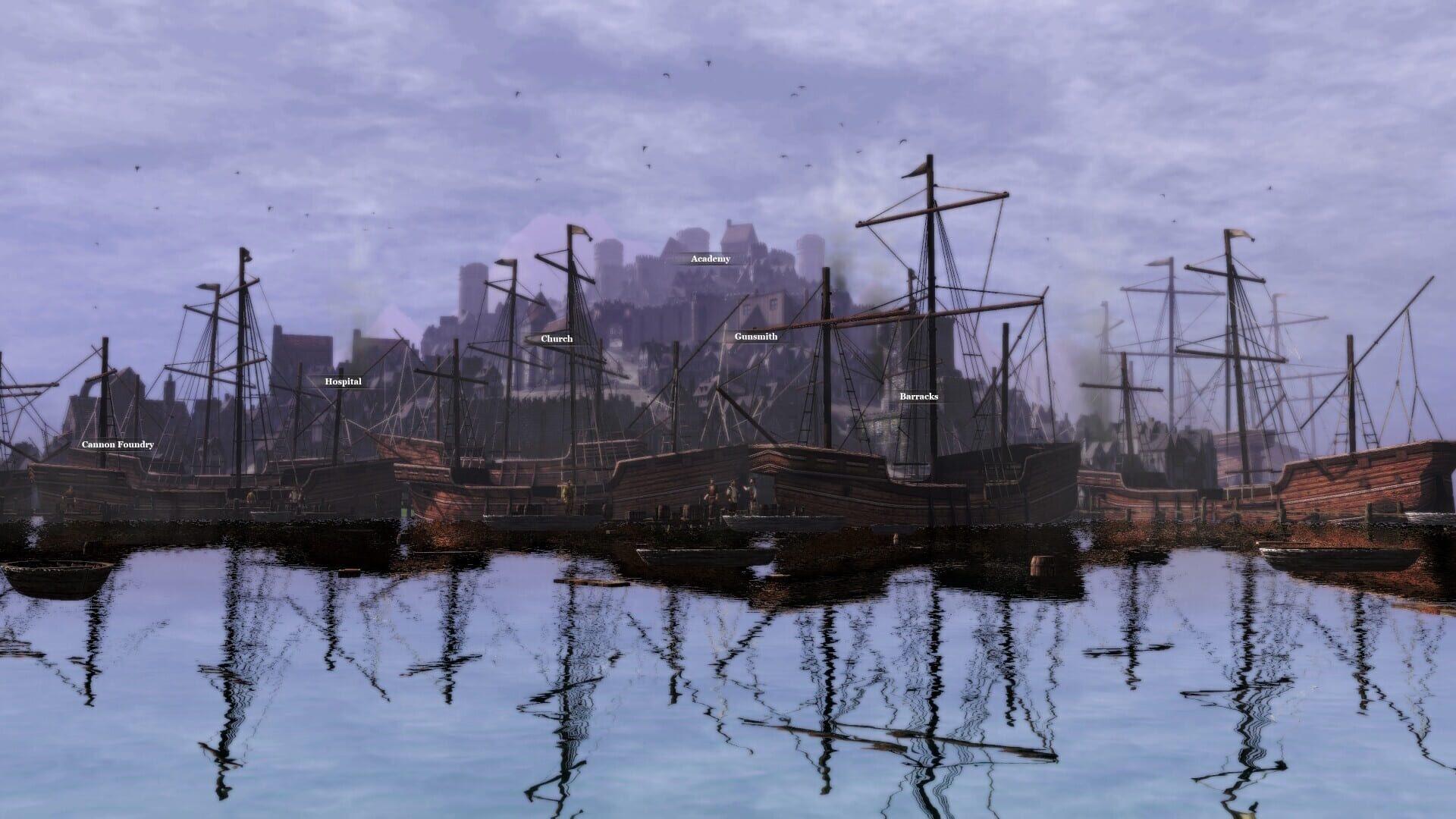
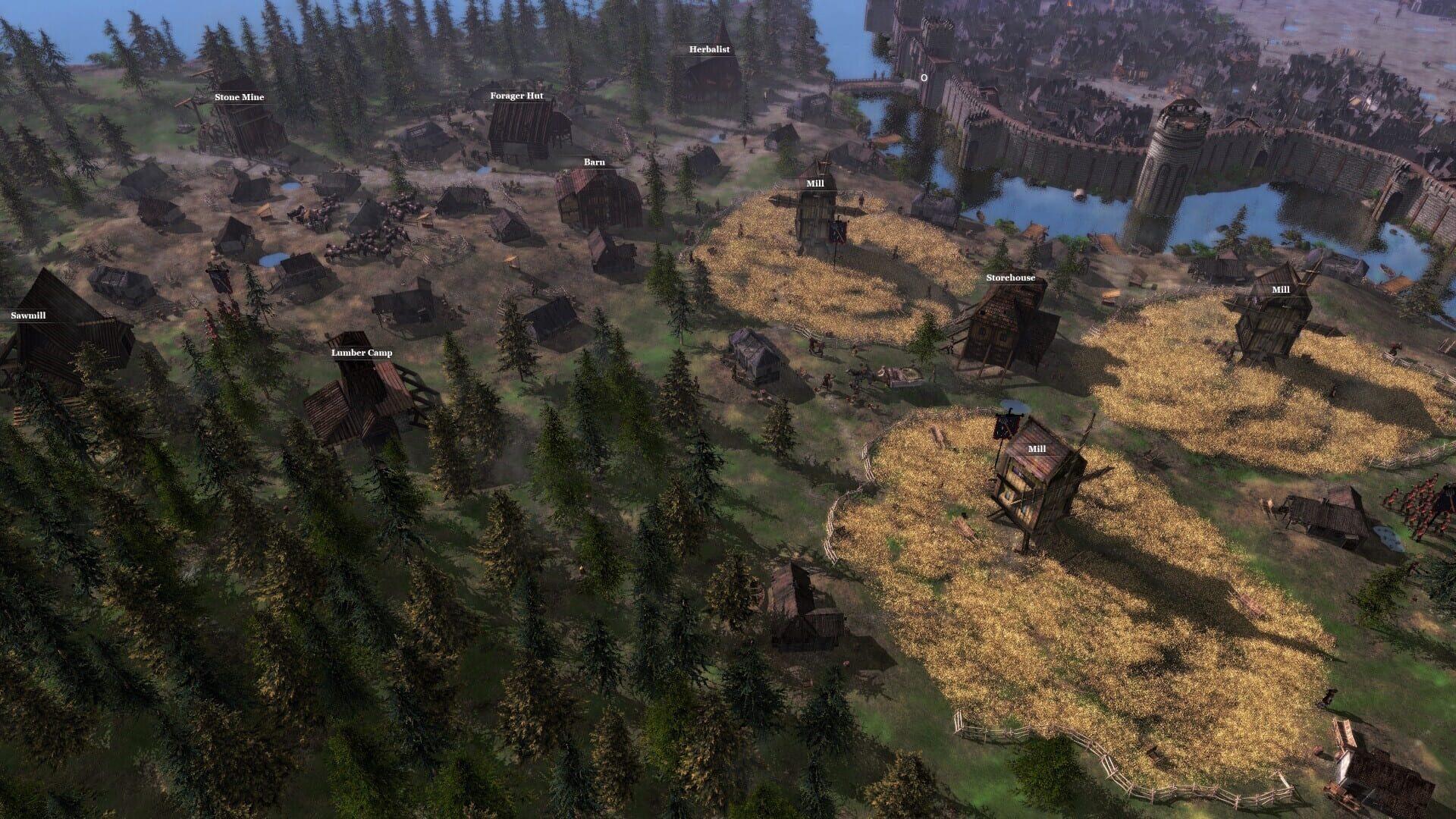
- Lordship phase: manage city economy, diplomacy, and real-time construction
- Kingdom phase: run a full realm, wage wars of conquest, and pursue empire
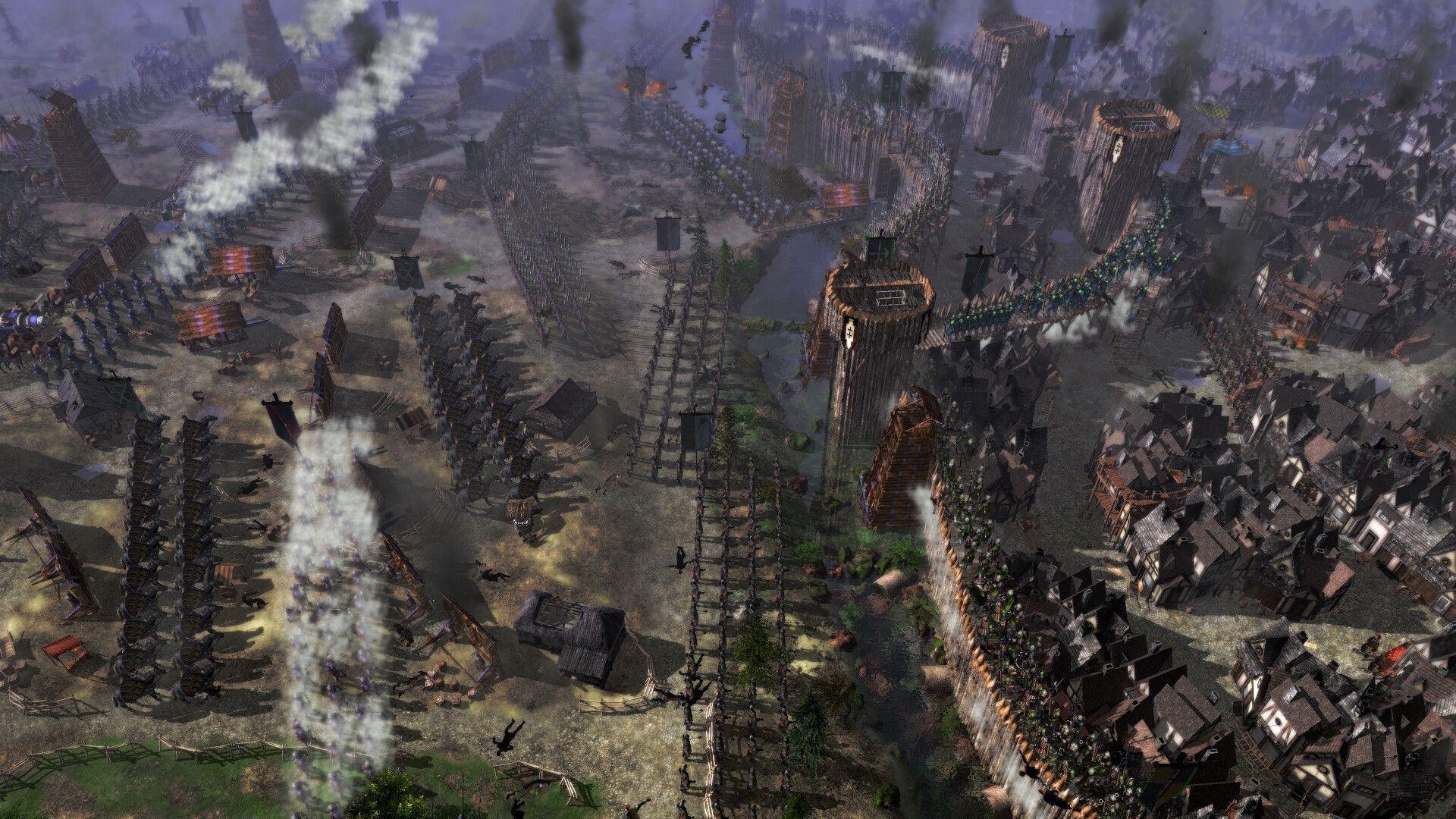
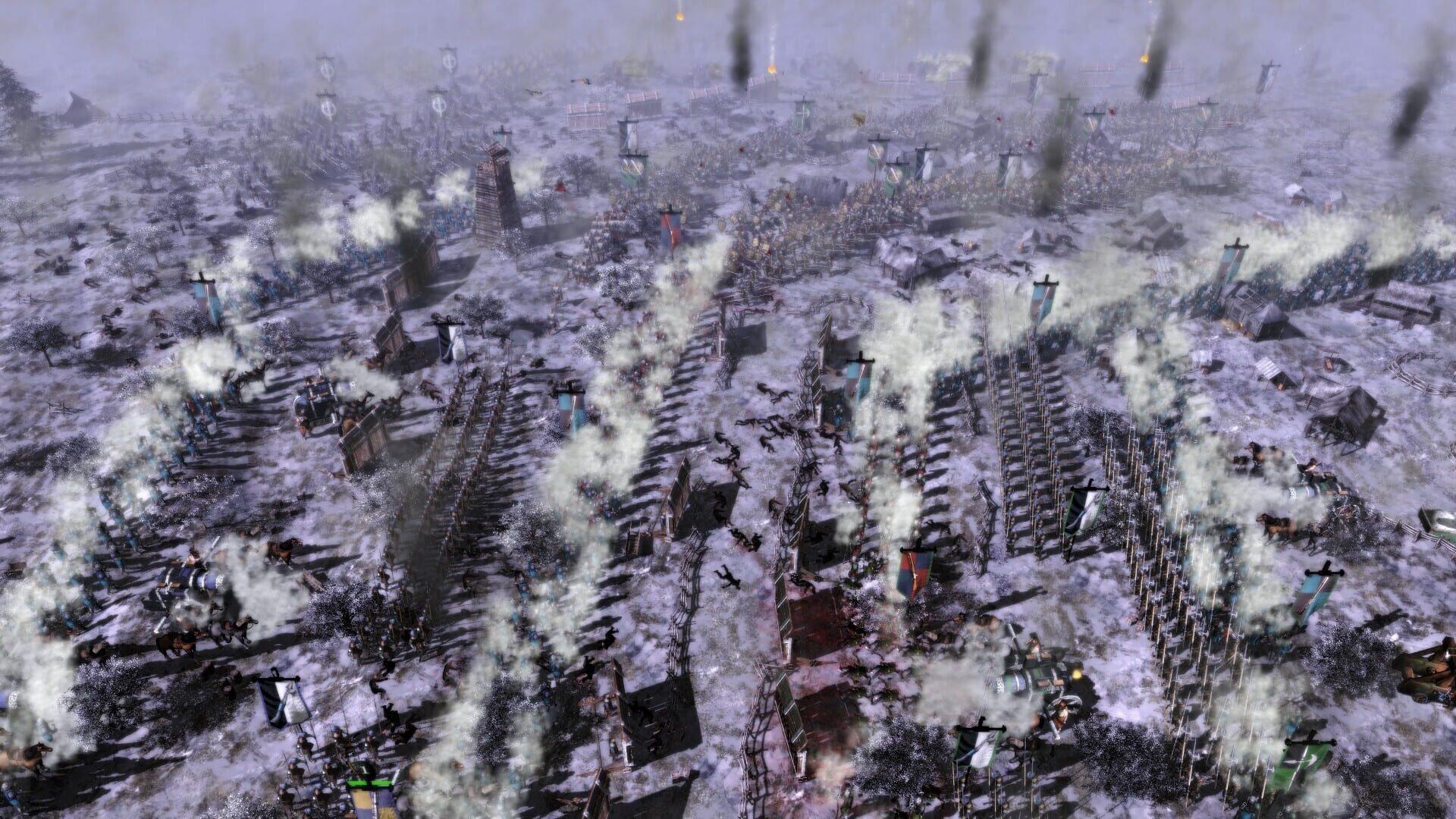
Battles are fought in real time and range from open-field engagements involving thousands of infantry, cavalry, and siege equipment to naval clashes and brutal city sieges. The world map handles the strategic layer, where you move armies, negotiate with neighboring lords, and watch the political situation shift around you. You can zoom into the action directly or manage everything from the map view, depending on how hands-on you want to be.
Technology evolves as the game progresses. Spears give way to pikes, trebuchets are replaced by cannons, and the arrival of gunpowder changes how battles play out at a mechanical level. It's a functional representation of the actual military revolution of the 16th century, not just a cosmetic skin swap.
World and setting: the Renaissance as a war machine
The 1510 setting gives Renaissance Kingdom Wars a historical foundation that most strategy games in this genre either skip or handle superficially. The map includes the remnants of Byzantium, the Golden Horde on the Russian steppes, the sultanates of North Africa, the fractious Holy Roman Empire, and the kingdoms of Western Europe. Each region carries its own political dynamics.
The game doesn't romanticize the period. The tone in the writing leans into the mercenary reality of Renaissance warfare: contracts, betrayal, and the constant tension between loyalty and ambition. Rebellion against your own monarch is a built-in mechanic, not an edge case.
Content and replayability
With 36 playable kingdoms, over 500 provinces, and three distinct progression phases, Renaissance Kingdom Wars has enough structural variety to support multiple playthroughs with meaningfully different experiences. Starting as a Scandinavian mercenary captain plays out very differently from beginning as a North African sultan or a Holy Roman lord.
The late-game empire management introduces a different set of challenges from the early mercenary grind, keeping the pressure consistent even as the scale expands dramatically.
Conclusion
Renaissance Kingdom Wars carves out a specific niche in the grand strategy and RTS genre by committing fully to its escalating power structure. The journey from mercenary captain to emperor is not just a narrative framing; it's a mechanical reality that changes how the game plays at each stage. For players who want a strategy game with genuine historical texture, real-time combat, and a progression arc that actually means something, this is worth the attention.