Overview
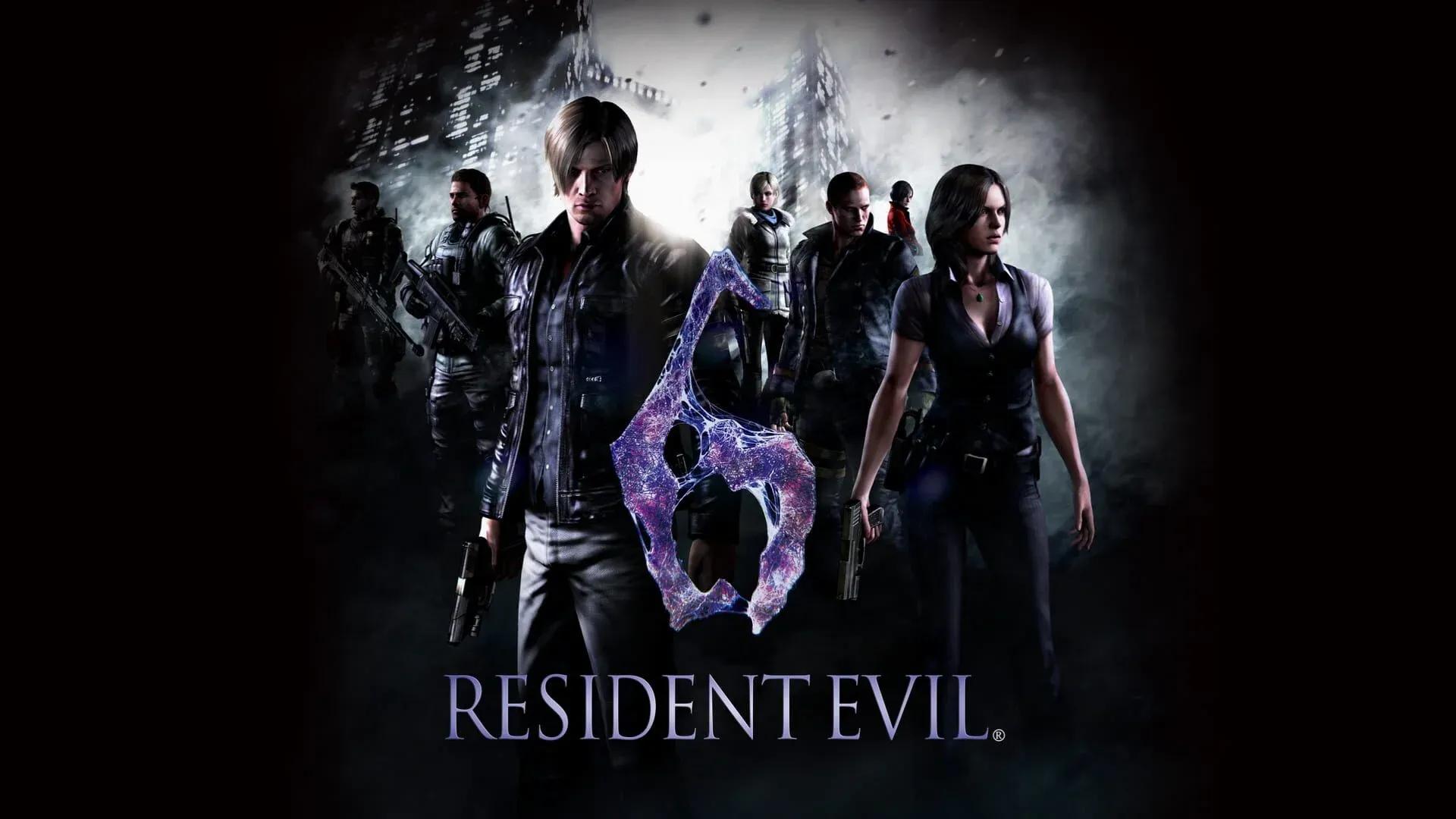
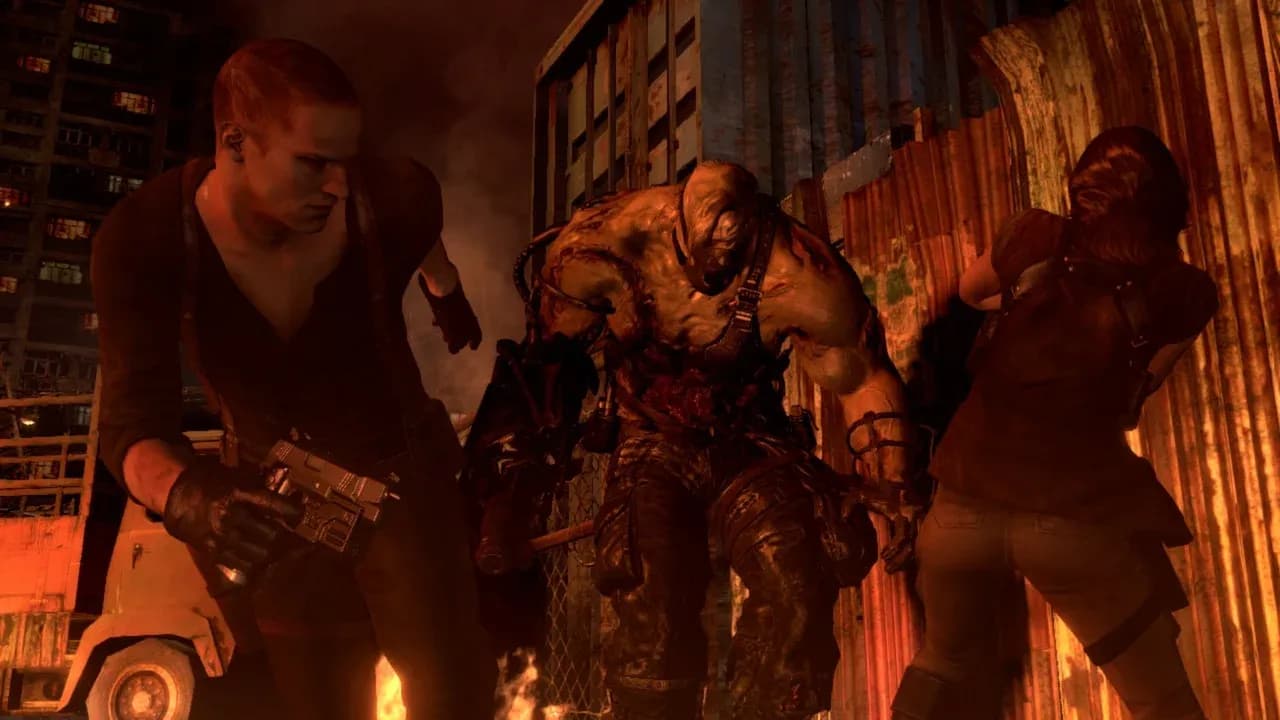
Released in March 2013, Resident Evil 6 is the ninth mainline entry in Capcom's long-running survival horror franchise. The C-virus has gone global, and the game's story spans North America, the Eastern European state of Edonia, and the Chinese city of Lanshiang. Four campaigns run parallel to each other, each following a different pair of protagonists, with storylines that intersect at specific points. It's the most structurally ambitious Resident Evil game Capcom has shipped.
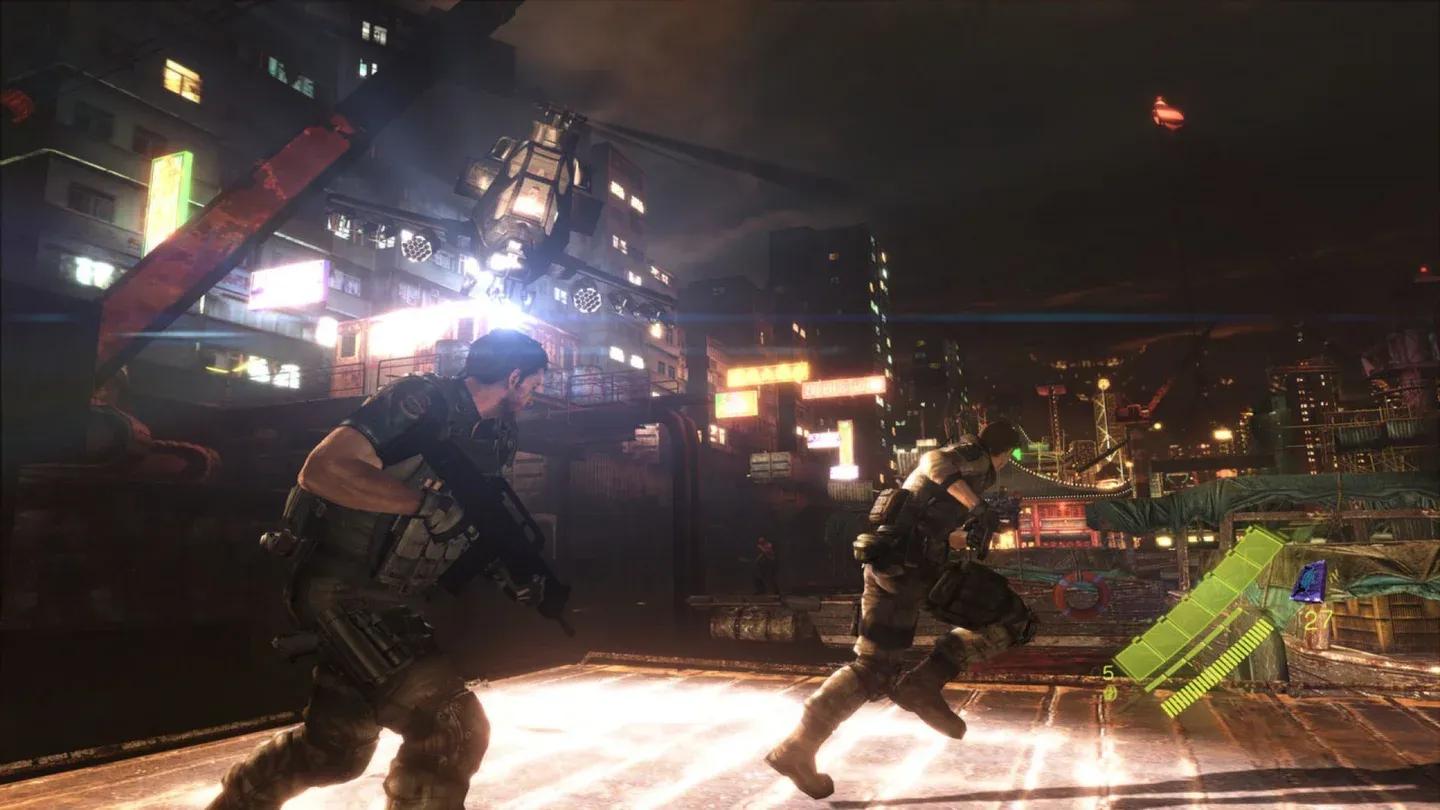
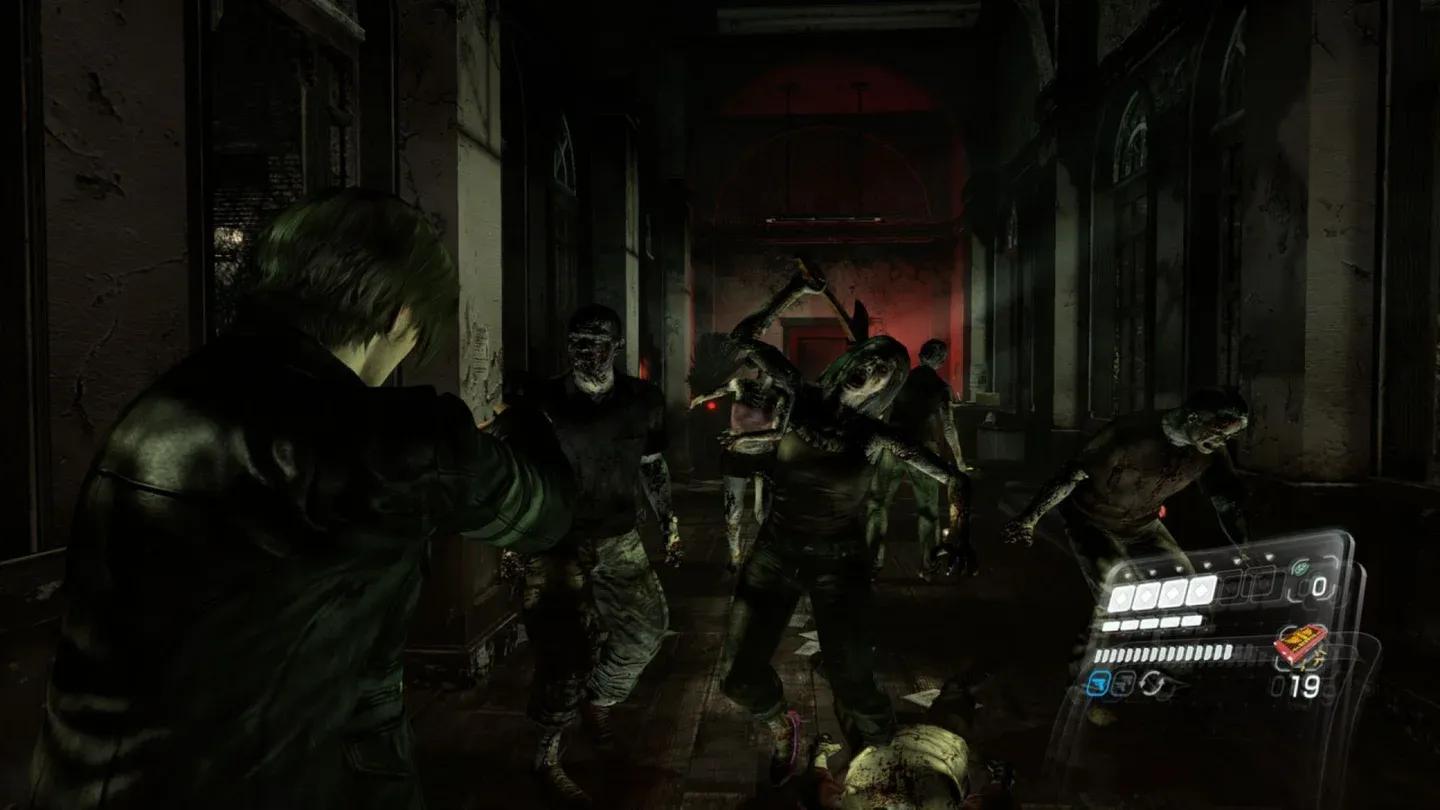
The over-the-shoulder camera from Resident Evil 4 and 5 returns, but the controls have been significantly reworked. Players can now shoot while moving, roll in any direction, slide into cover, and chain together melee attacks. This shifts the moment-to-moment feel closer to a third-person shooter than the tense, deliberate pacing of earlier entries. Leon's campaign leans hardest into classic horror atmospherics, while Chris's plays like a straight military action game. Jake's sits somewhere between the two, and Ada's solo campaign functions as the narrative thread that ties everything together.
Campaigns and co-op: what does each story offer?
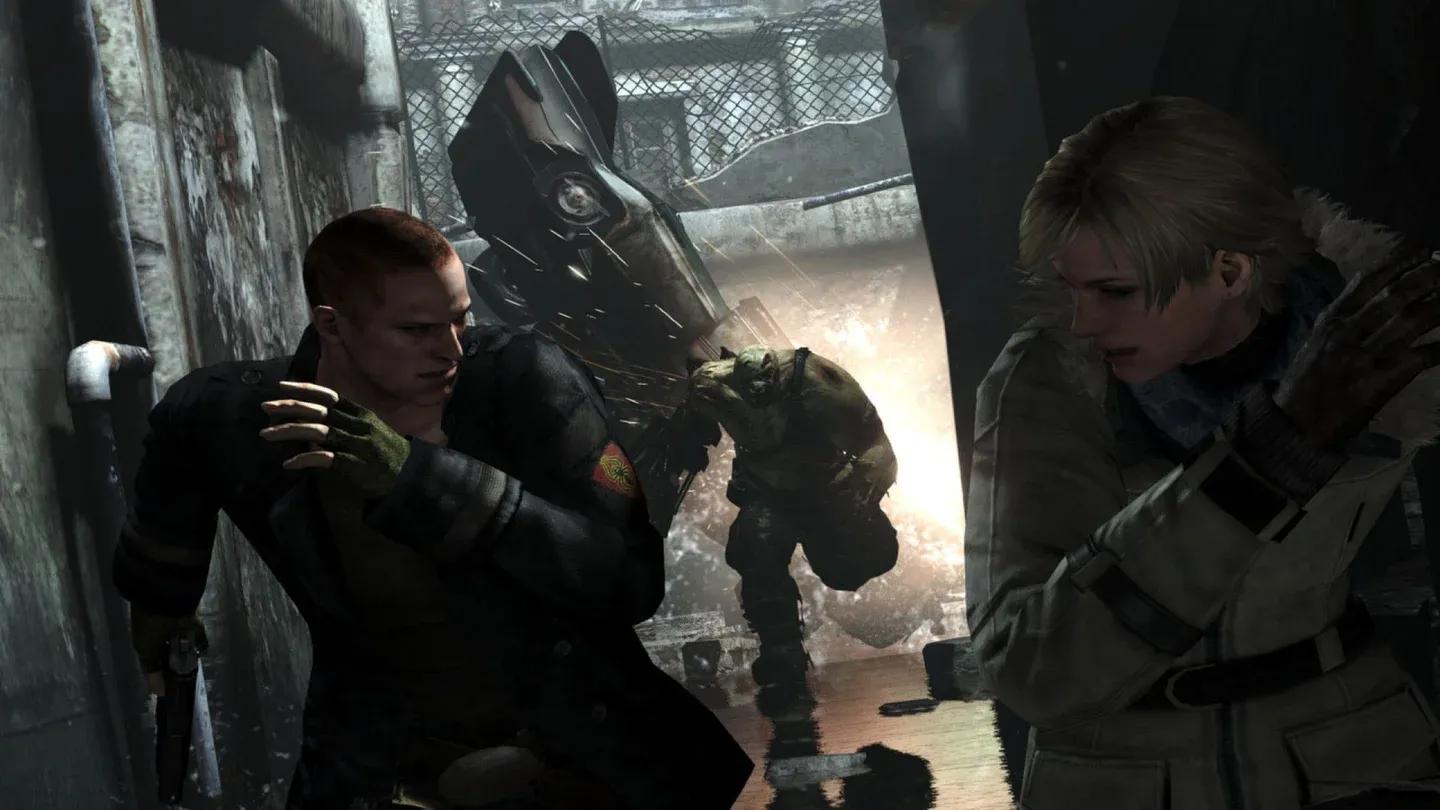
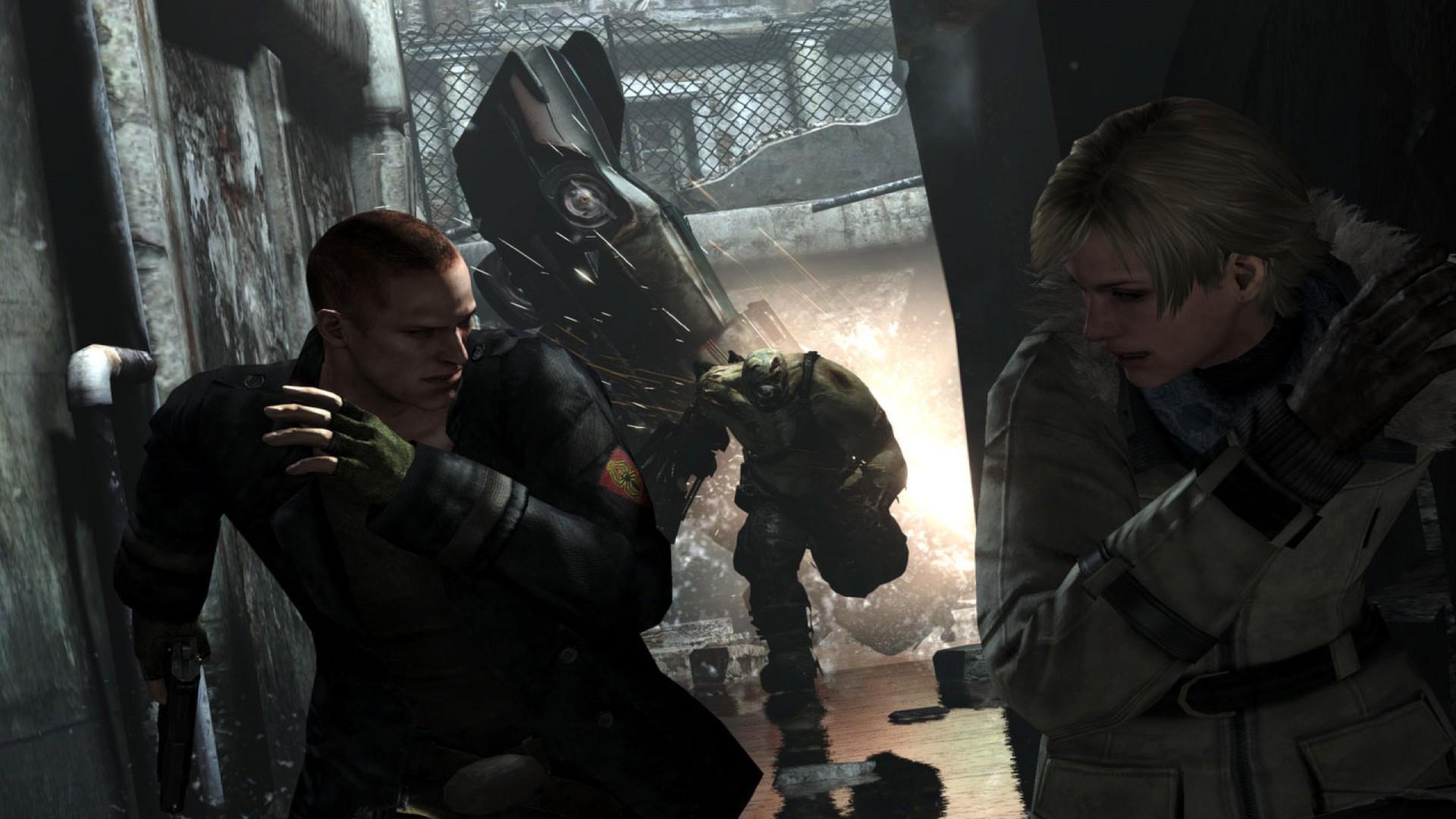
Each campaign pairs two characters and runs roughly four to five hours, giving the full game somewhere between 15 and 25 hours of content depending on difficulty and how thoroughly you explore. Three campaigns support two-player co-op, both offline and online. Ada's campaign is the exception, locked to single-player only.
Key features across all campaigns:
- Crossover mechanic letting up to 4 players connect at narrative intersections
- Character Skill system with upgradeable reload speed, firepower, and health
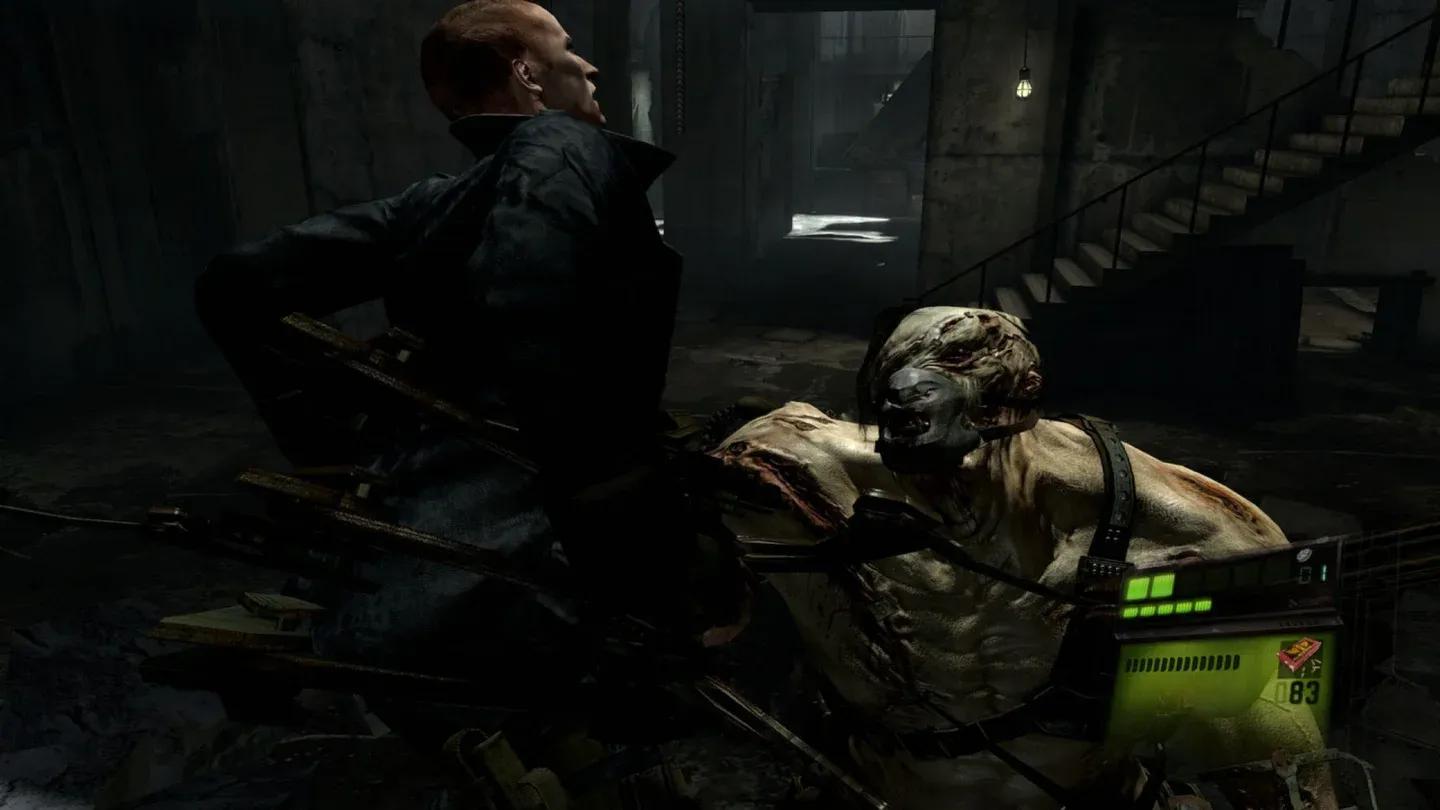
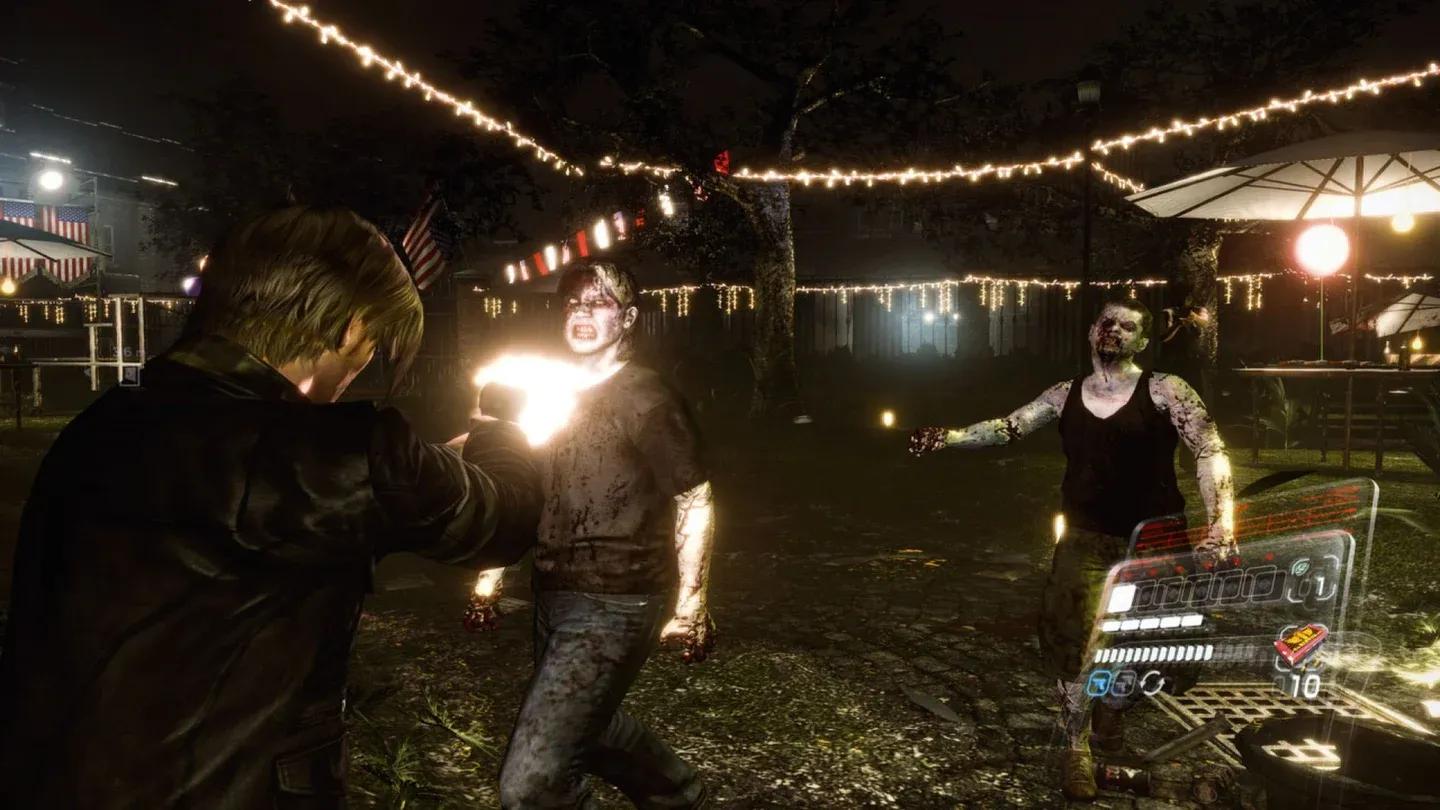
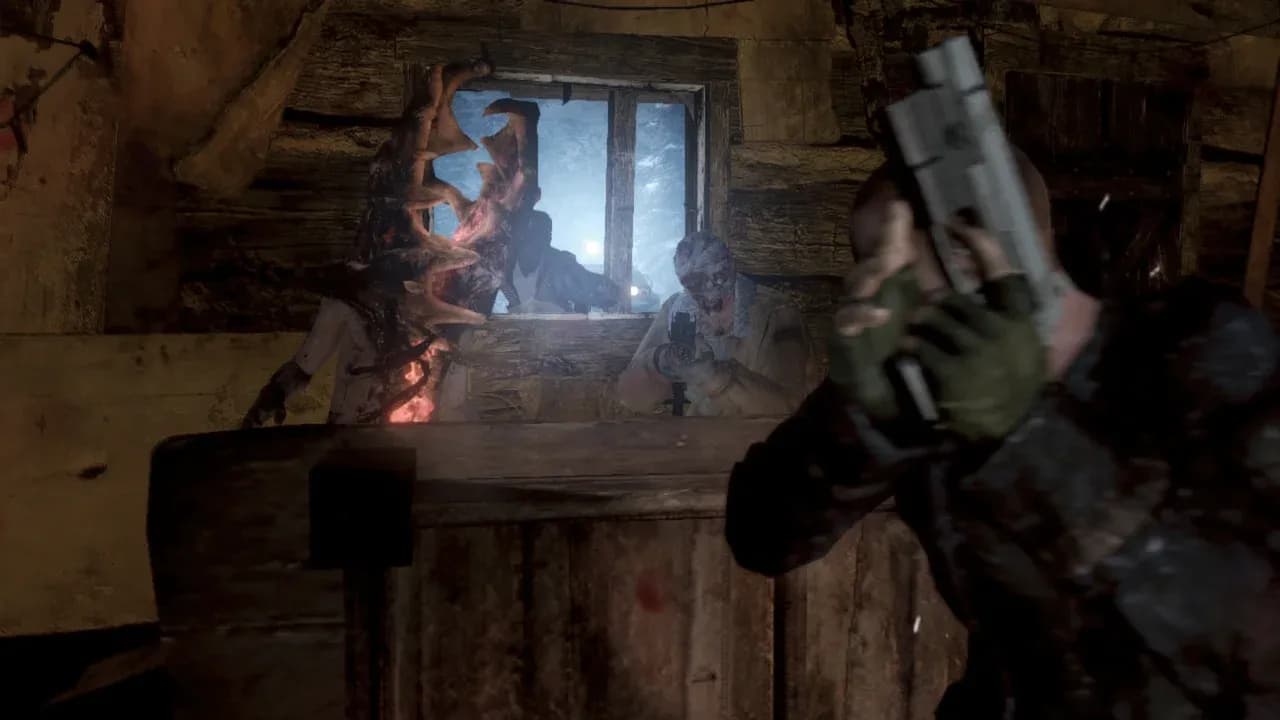
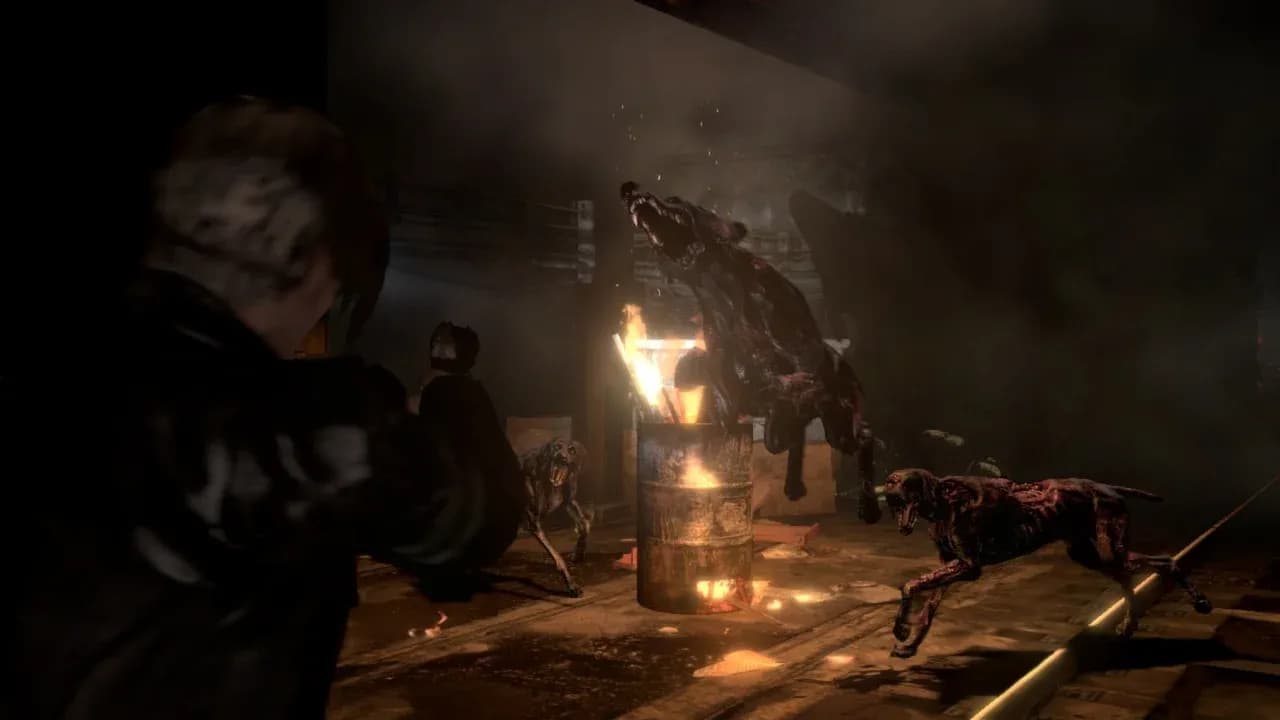
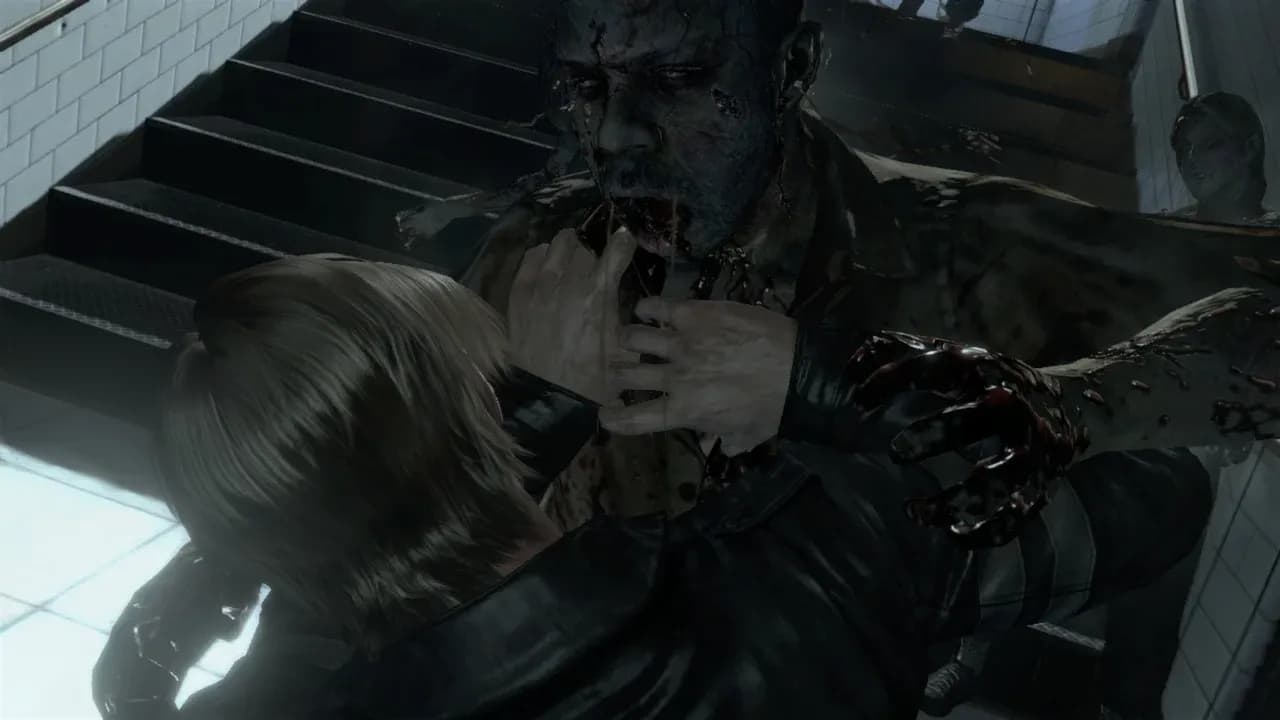
- Distinct enemy types including zombies, J'avo, and Chrysalids
- Agent Hunt mode, where players invade other sessions as C-virus enemies
- Mercenaries mode returning with a PC-exclusive No Mercy variant
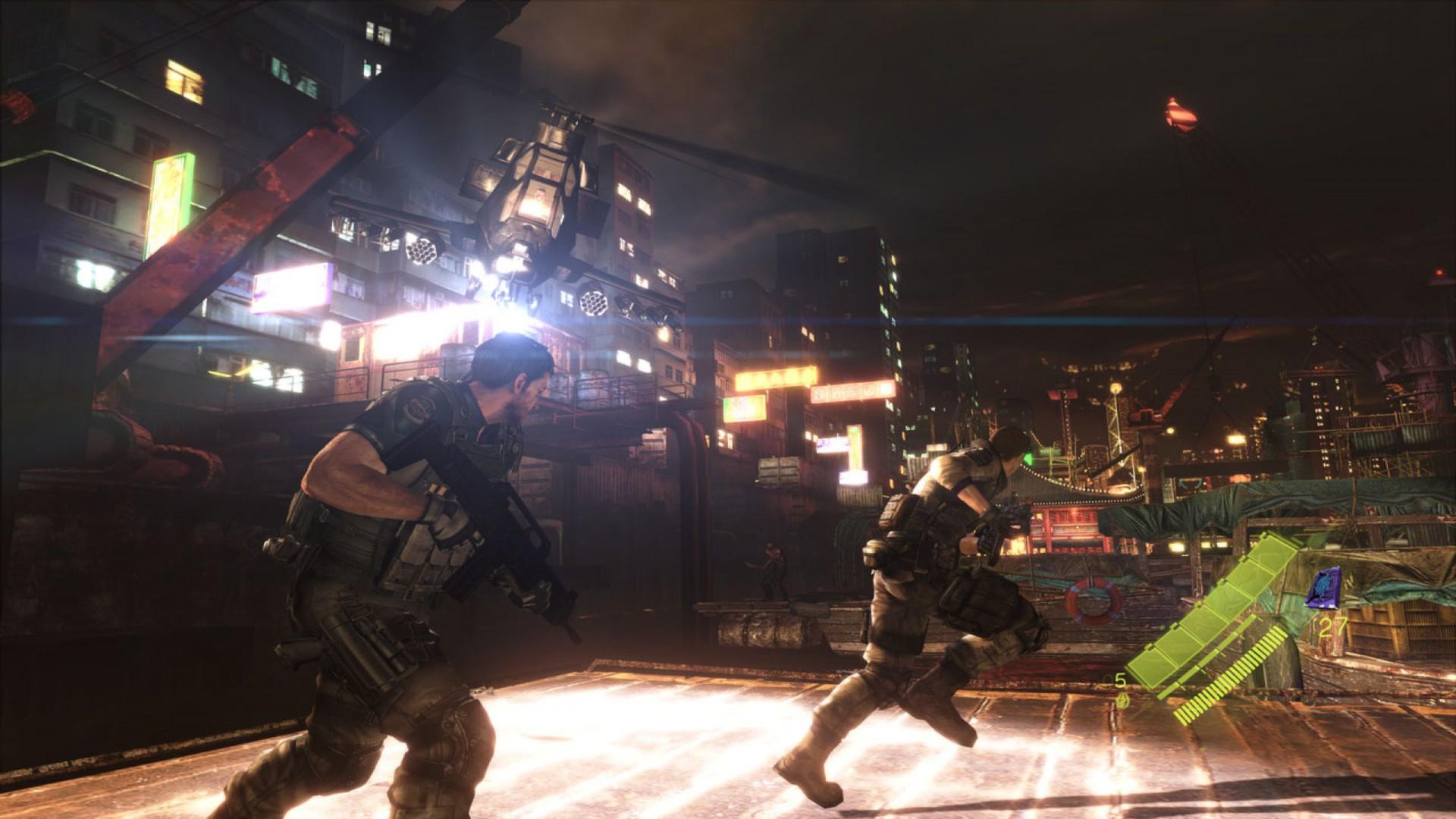
The Crossover mechanic is worth highlighting specifically. At set moments in the story, campaigns collide and players from different sessions can join the same encounter, creating four-player online sequences that feel genuinely different from the standard two-player co-op. It doesn't happen constantly, but when it does, it changes the dynamic in ways that solo play simply can't replicate.
Enemies and threat variety
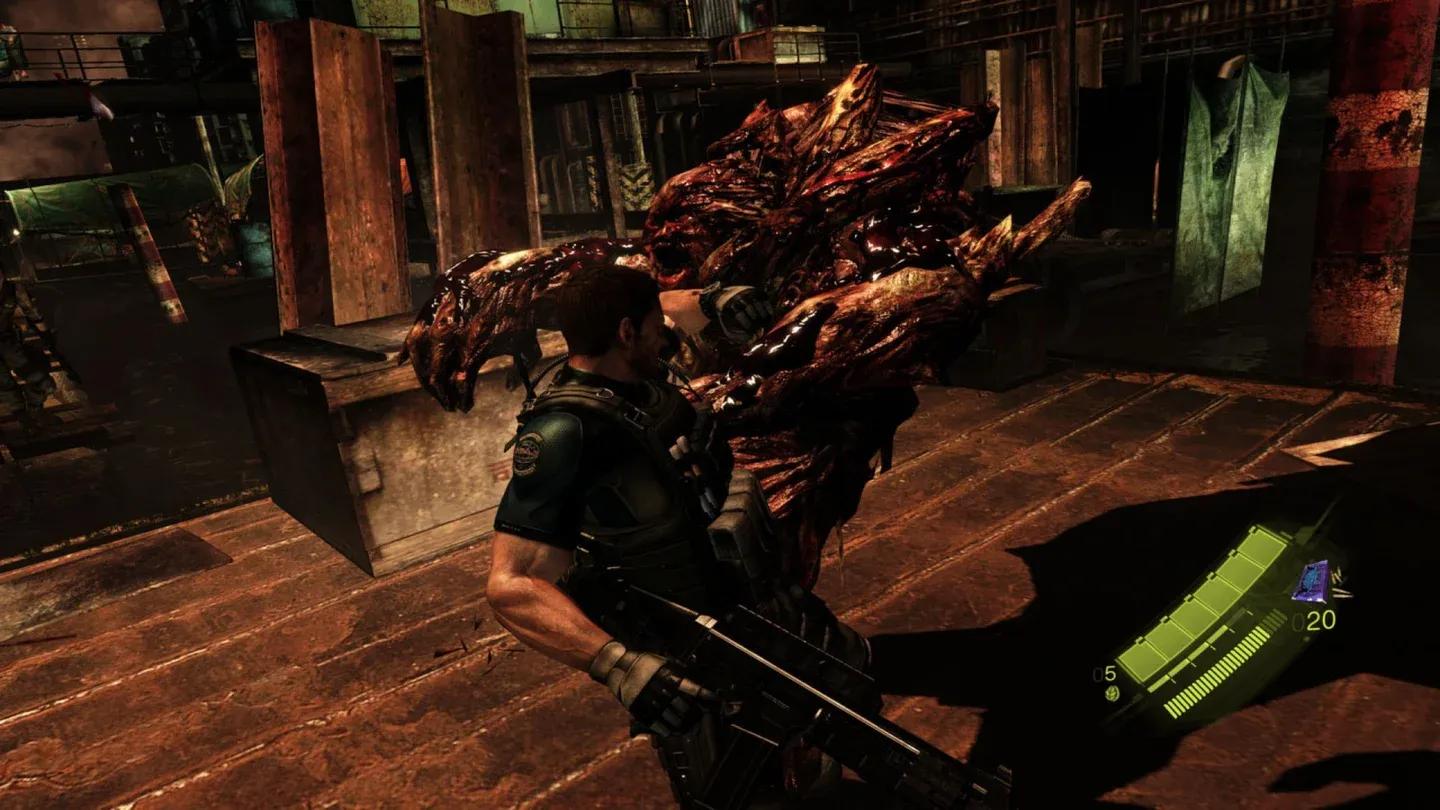
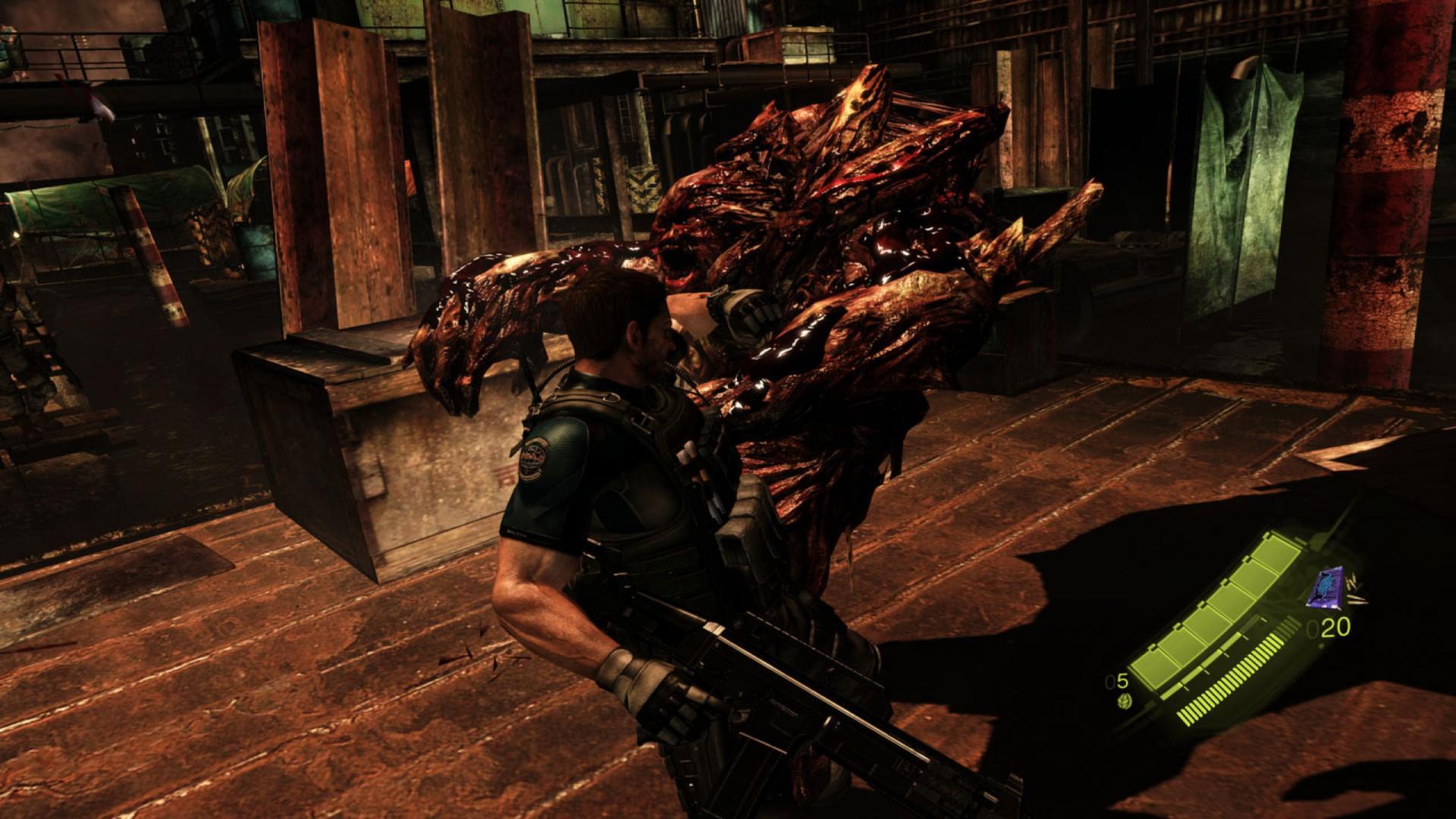
The C-virus produces a wider range of enemy types than the T-virus or Las Plagas did in earlier games. Standard zombies are back, but J'avo are the more common threat: humanoid enemies that mutate mid-fight when shot, growing new limbs or transforming into more dangerous forms depending on where they take damage. Chrysalids appear when J'avo cocoon themselves, and what emerges from those cocoons varies. The enemy roster keeps fights from feeling repetitive across all four campaigns.
Content and replayability
The PC version ships with 7 additional stages for the extra content modes that were sold as paid DLC on consoles, unlocked through achievements. Mercenaries No Mercy doubles the enemy count compared to the standard Mercenaries mode and is exclusive to PC. A Left 4 Dead 2 crossover patch adds those characters and infected enemies to No Mercy, which remains one of the more unusual crossovers in either series' history.
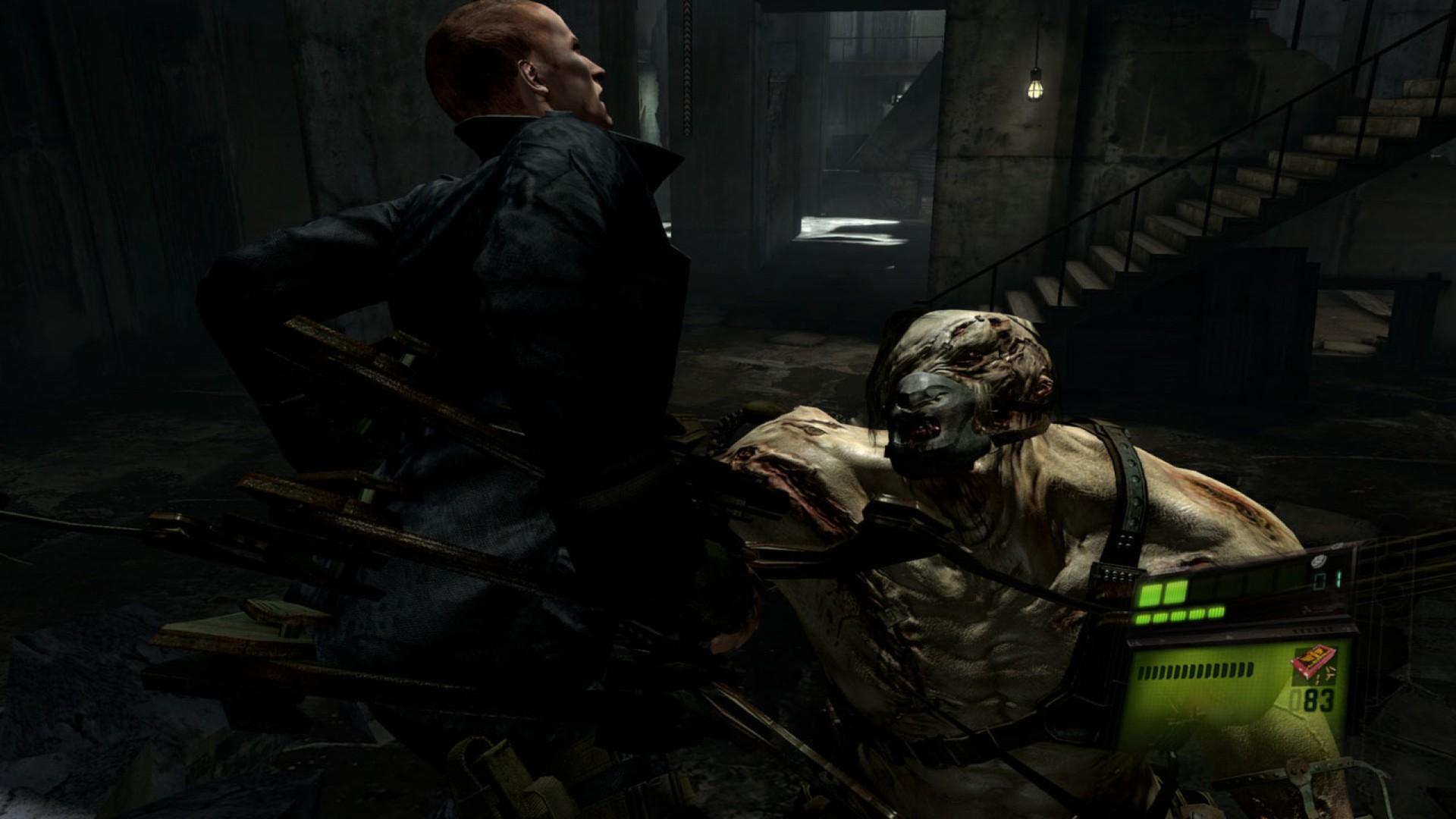
Agent Hunt mode flips the formula entirely. Instead of fighting through a campaign, you join an active session as a C-virus creature and try to eliminate the human players. It's an asymmetric online mode that predates similar mechanics in games like Dying Light and Deathloop by several years, and it holds up as a genuinely different way to engage with the game's systems.