Overview
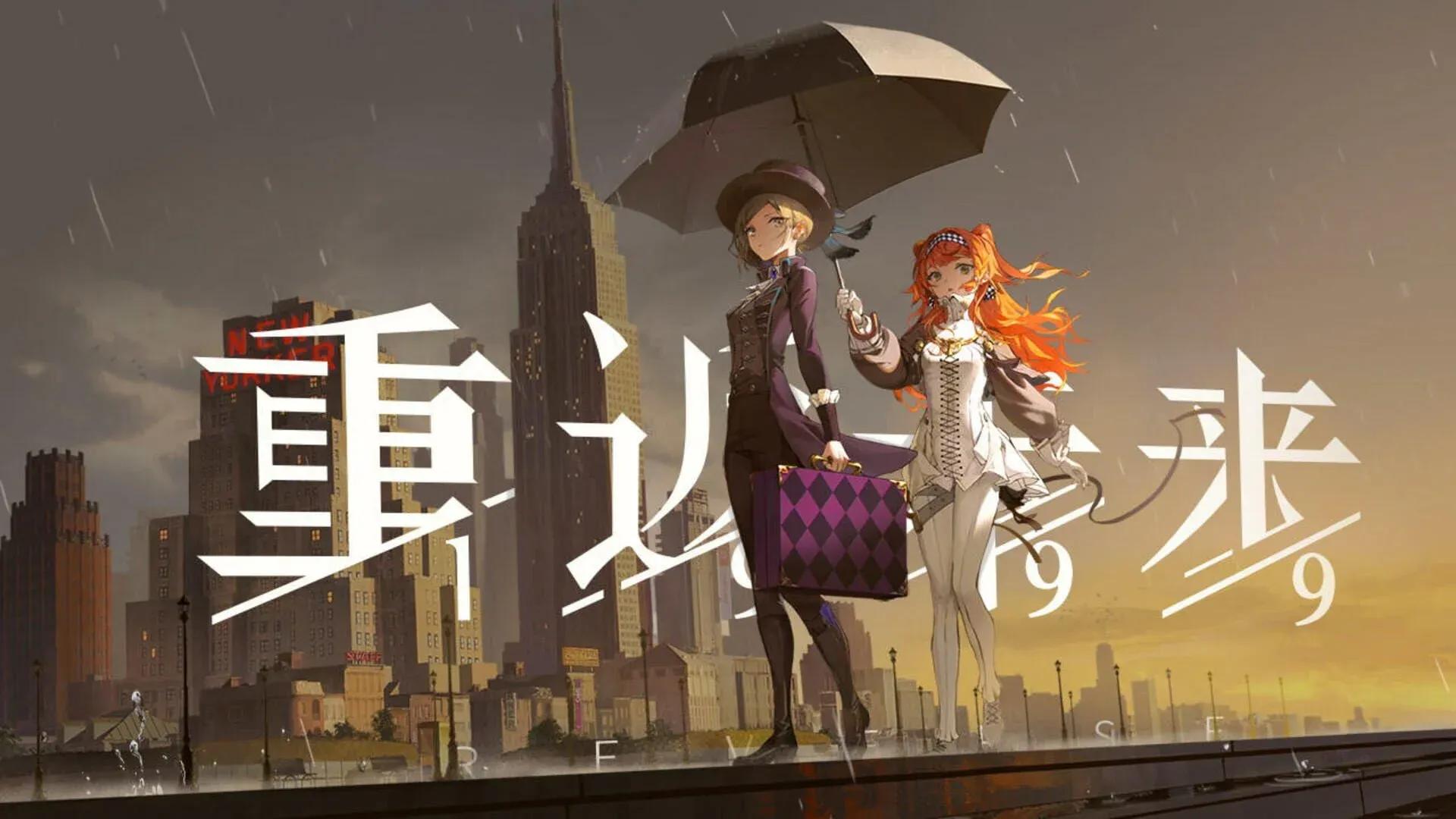
Reverse: 1999 is a turn-based strategy RPG built around a time-travel premise that actually informs its gameplay rather than just dressing it up. Bluepoch sets the story in motion on December 31, 1999, when a phenomenon called the Storm reverses the flow of time and pulls the world back into the 1920s. Players take the role of the Timekeeper, a figure capable of moving through eras in the Storm's wake, tasked with locating Arcanists before they get erased from the timeline entirely.
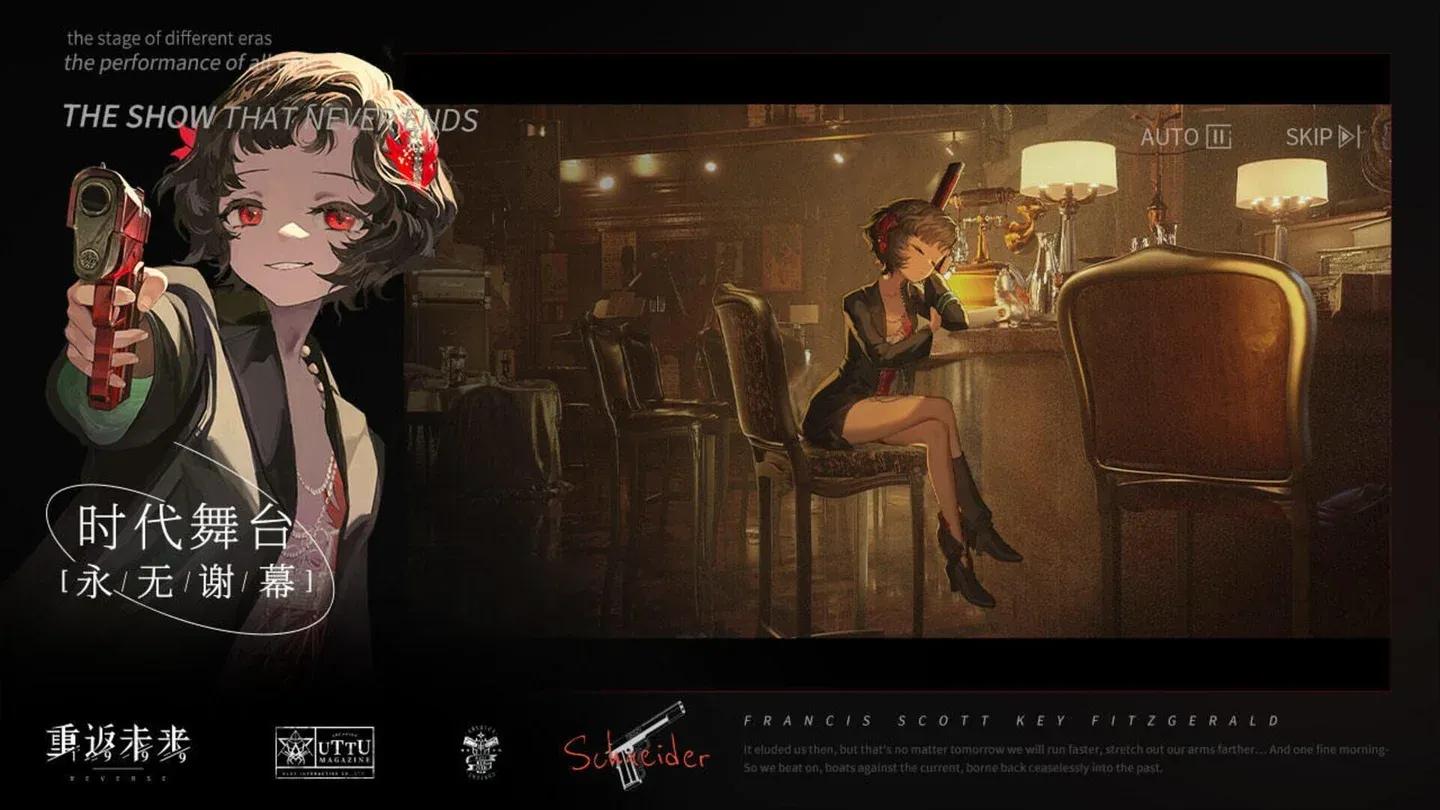
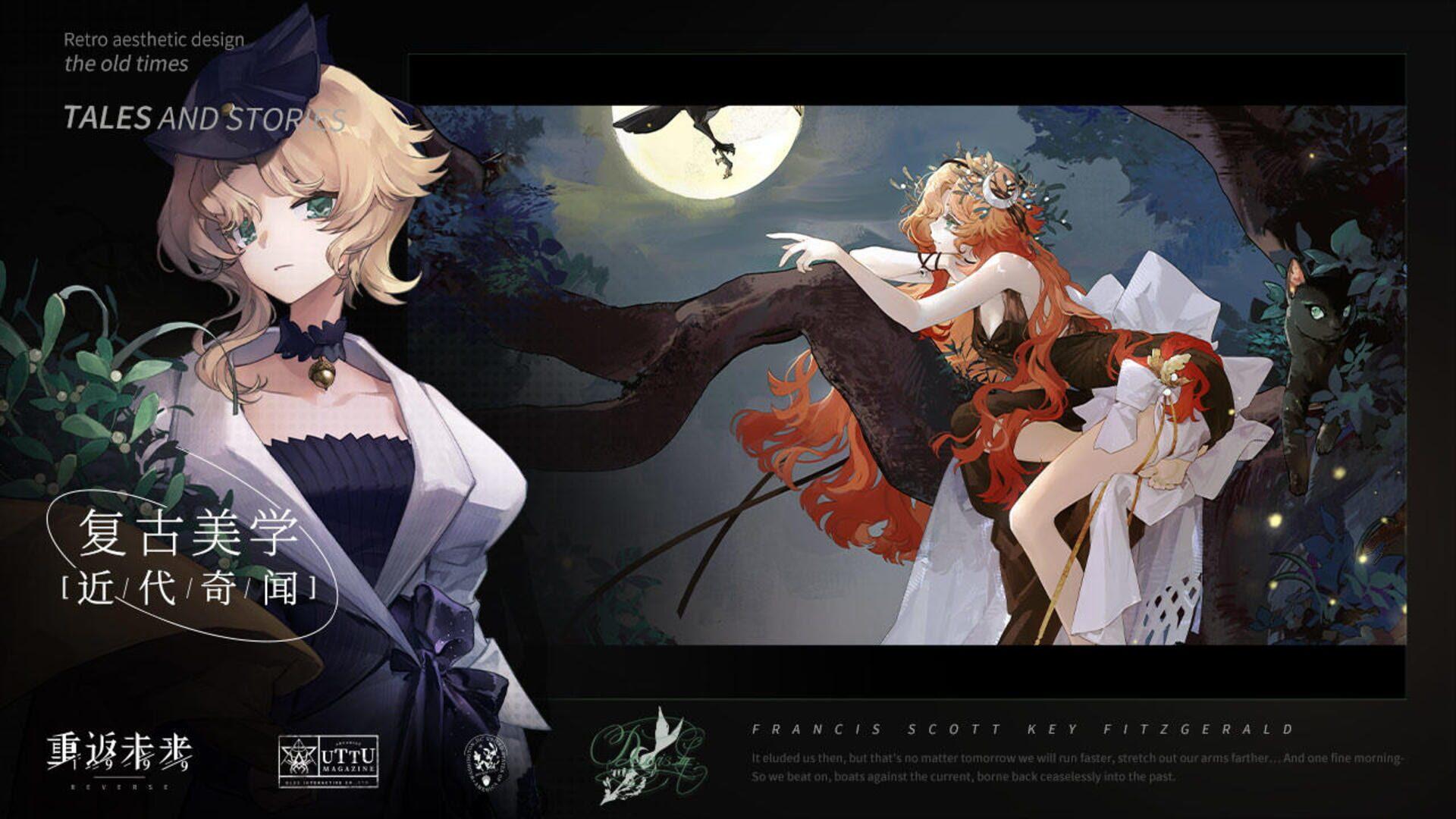
The game's visual identity leans hard into mid-century Western aesthetics: art deco architecture, period-appropriate fashion, and a color palette that feels like a hand-painted postcard from a century ago. That commitment to retro style gives Reverse: 1999 an atmosphere that's immediately recognizable, and it makes the supernatural elements land harder by contrast. When something strange happens in a world that already looks like a dream, the strangeness feels earned.
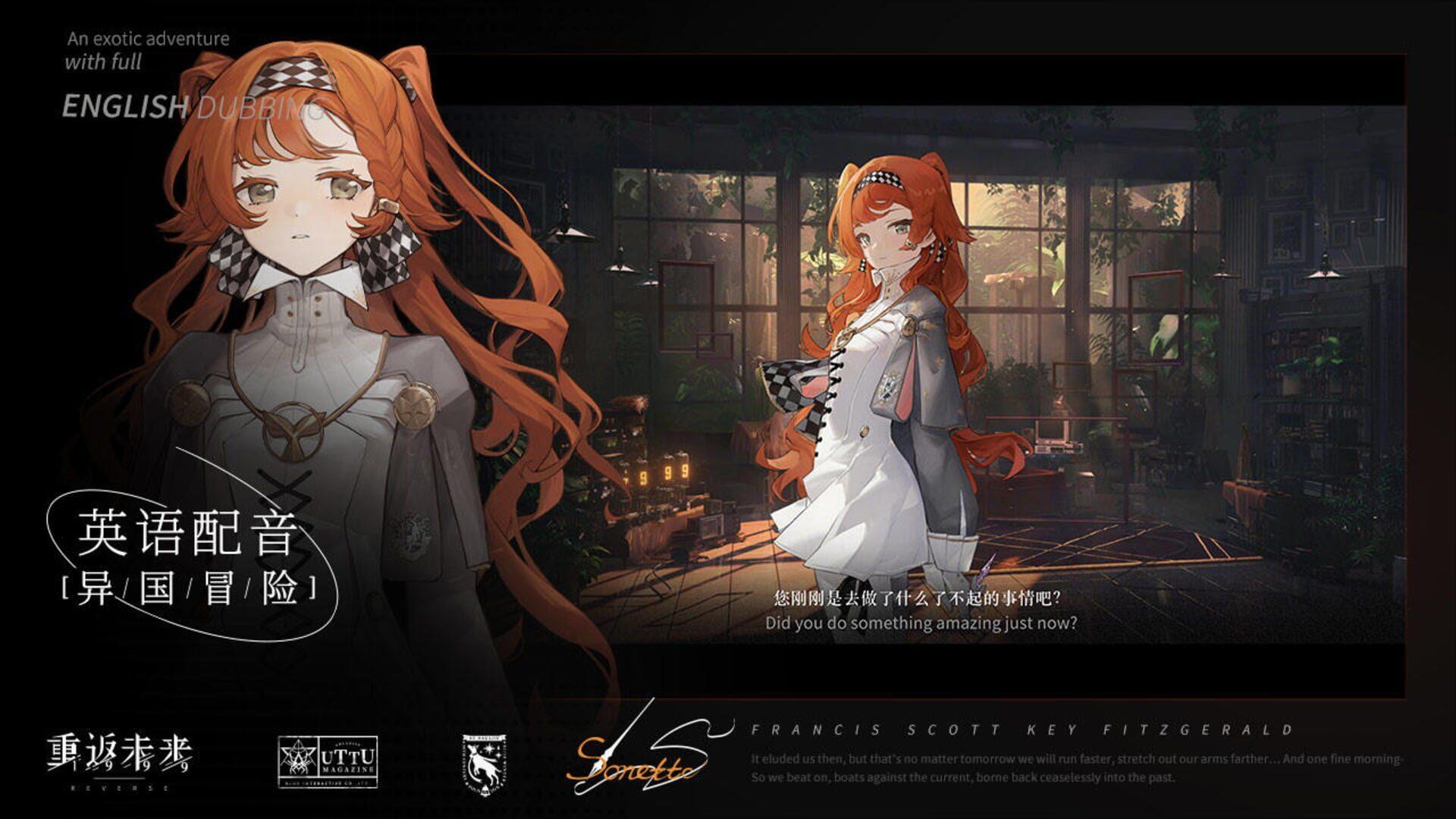
Sonetto, the Foundation's Arcanist ally assigned to the Timekeeper, serves as both a combat partner and a narrative anchor. The Foundation itself functions as the organization trying to understand and respond to the Storm, giving the story a structured backdrop without reducing the mystery of what the Storm actually is.
How does the card-based combat work?
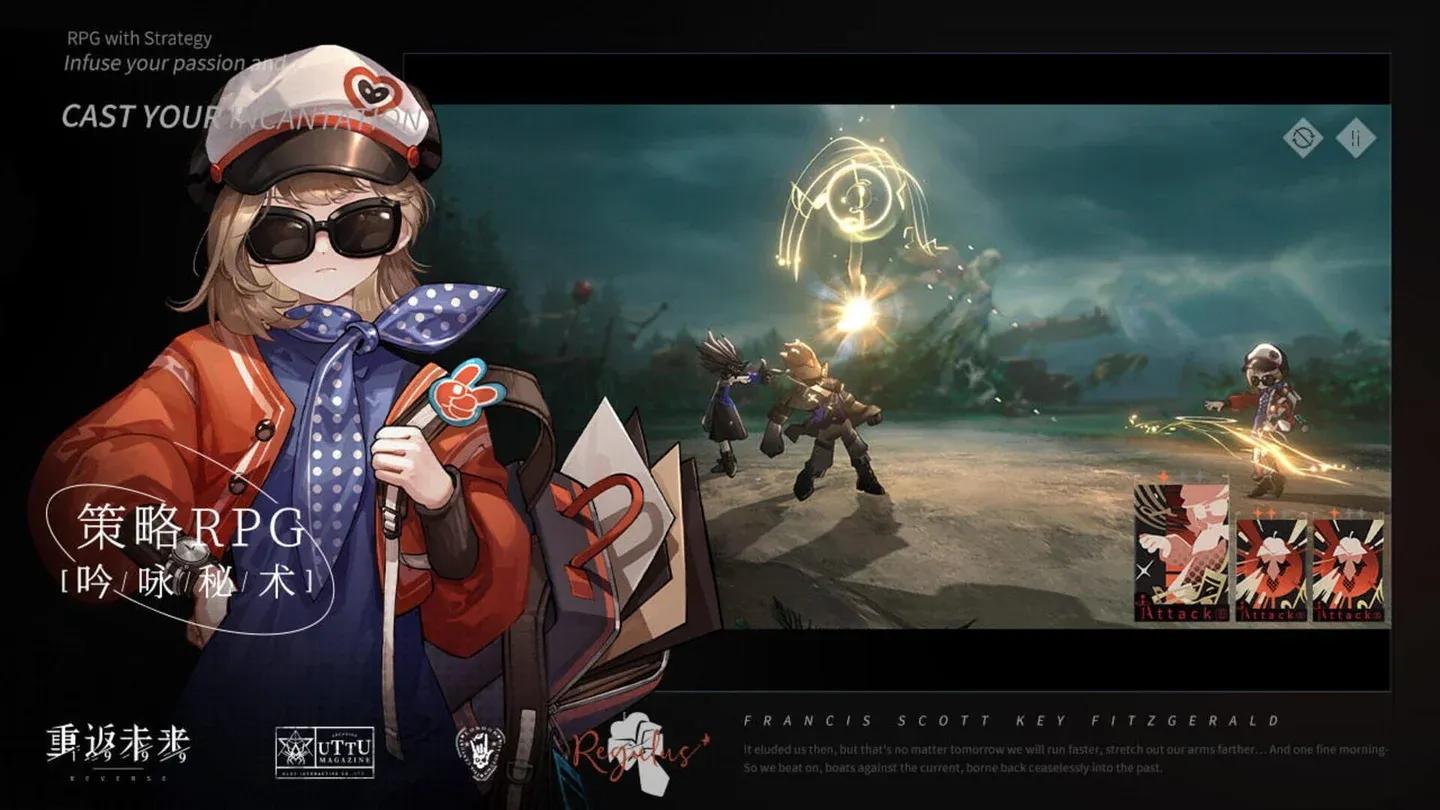
Reverse: 1999's combat is turn-based and built on a card system where each Arcanist brings their own set of skills into battle. Players select and combine cards each turn to deal damage, apply status effects, or protect the party. The key mechanic is resonance: playing multiple cards from the same character in a single turn upgrades the effect, encouraging players to think about card sequencing rather than just cycling through abilities as fast as possible.
Key mechanics that define the combat system:
- Card resonance for upgraded skill effects
- Turn-based party management with up to three Arcanists
- Status effect stacking and debuff strategies
- Star-ranked ability tiers unlocked through resonance
- Boss encounters tied to the story's era progression
The result is a combat loop that rewards planning over reaction. Knowing when to hold a card for a resonance combo versus playing it immediately for tempo is the kind of decision that separates a clean run from a messy one.
World and setting: the Storm and the Arcanists
The world Bluepoch has built around the Storm is one of the more interesting setups in the mobile RPG space. Each era the Timekeeper visits has its own cast of Arcanists, its own social context, and its own version of how the Storm's arrival disrupts things. The 1920s backdrop means jazz-age cities, colonial tensions, and the early anxieties of modernity, all filtered through a supernatural lens.
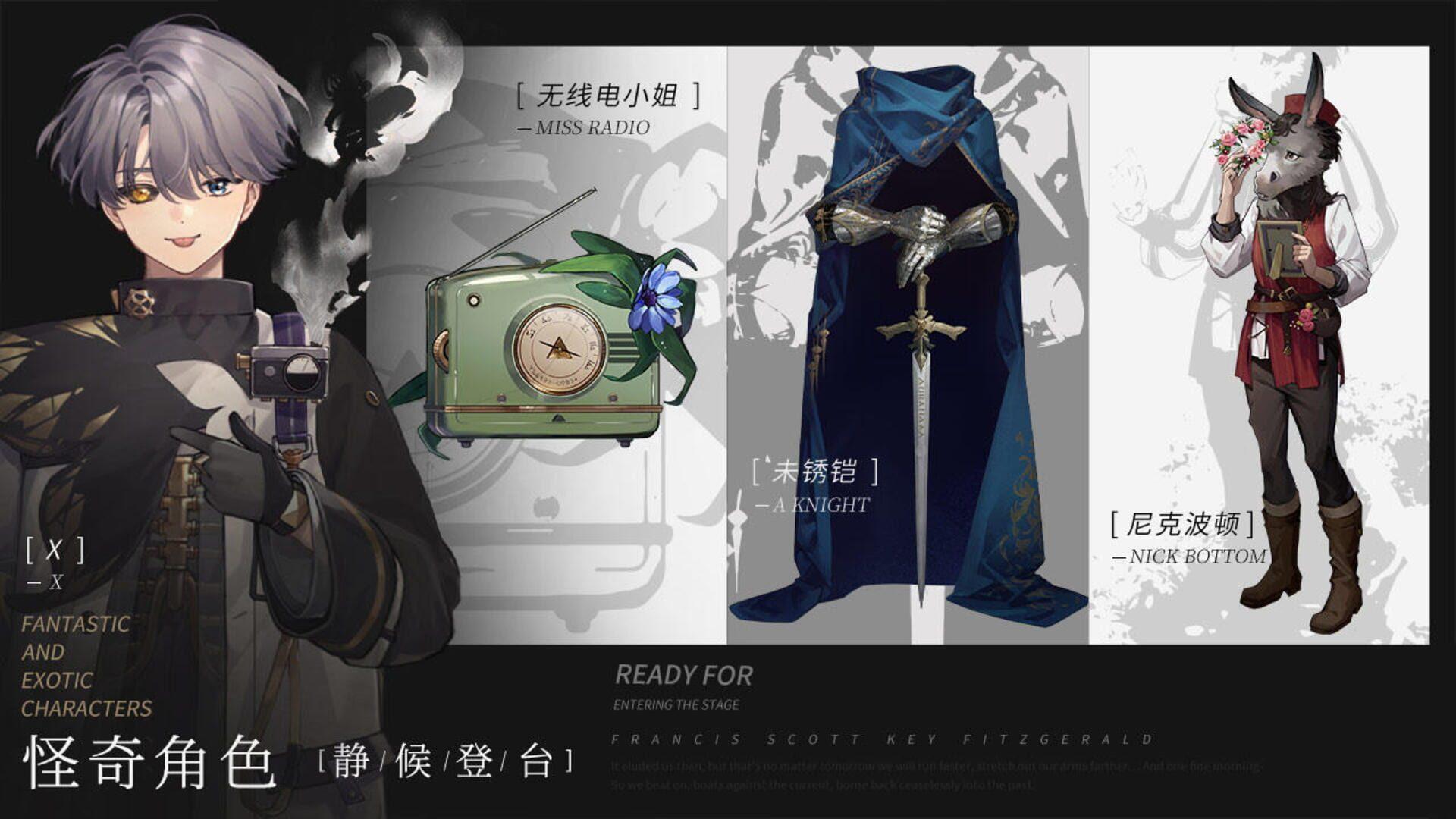
Arcanists aren't generic fantasy mages. They're defined by their era, their personality, and the specific nature of their Arcanum ability. The roster Bluepoch has built treats each character as a product of their time, which gives recruitment a narrative weight that pure gacha mechanics usually skip over.
Visual and audio design
The art direction in Reverse: 1999 is doing real work. Character designs draw from the 1920s through mid-century periods with enough specificity that they feel researched rather than vaguely vintage. Skill animations lean into the surreal, using abstract imagery that fits the game's tone without overwhelming the screen.
The audio follows the same logic: period-influenced music grounds each era while the more unsettling moments in the story get a score that doesn't overexplain the mood. It's a game that trusts its aesthetic to communicate before the dialogue does.
Conclusion
Reverse: 1999 carves out a distinct space in the turn-based RPG genre by pairing a genuinely strange time-travel premise with card-based combat that has real mechanical depth. The retro Western setting, strong character writing, and resonance-driven strategy system give it an identity that goes beyond surface-level style. Available on Android, iOS, and Windows, it's a strategic RPG worth the attention of anyone who's burned out on the genre's more generic offerings.