
Bluepoch's time-bending gacha RPG has a roster deep enough to make team-building genuinely confusing. With version 3.4 now live and Enigma added to the mix, the meta has shifted enough to warrant a full re-evaluation. This guide ranks every character from the absolute best down to the ones you can safely ignore, with notes on why each placement makes sense rather than just a list of names.
Reverse 1999 tier rankings
How does the Reverse: 1999 tier list work?
Rankings here reflect PvE effectiveness across all content, team synergy strength, damage or support output, and late-game viability. Afflatus type (the game's elemental system covering Intellect, Spirit, Star, Beast, Mineral, and Plant) influences damage interactions and factors into these placements.
Rarity spans 2-star to 6-star. The 6-star units dominate the top tiers, though several 5-stars perform well above their rarity. The tier structure runs SS through D, with SS reserved for meta-defining characters.

Full Reverse: 1999 tier list for version 3.4
| Tier | Characters |
|---|---|
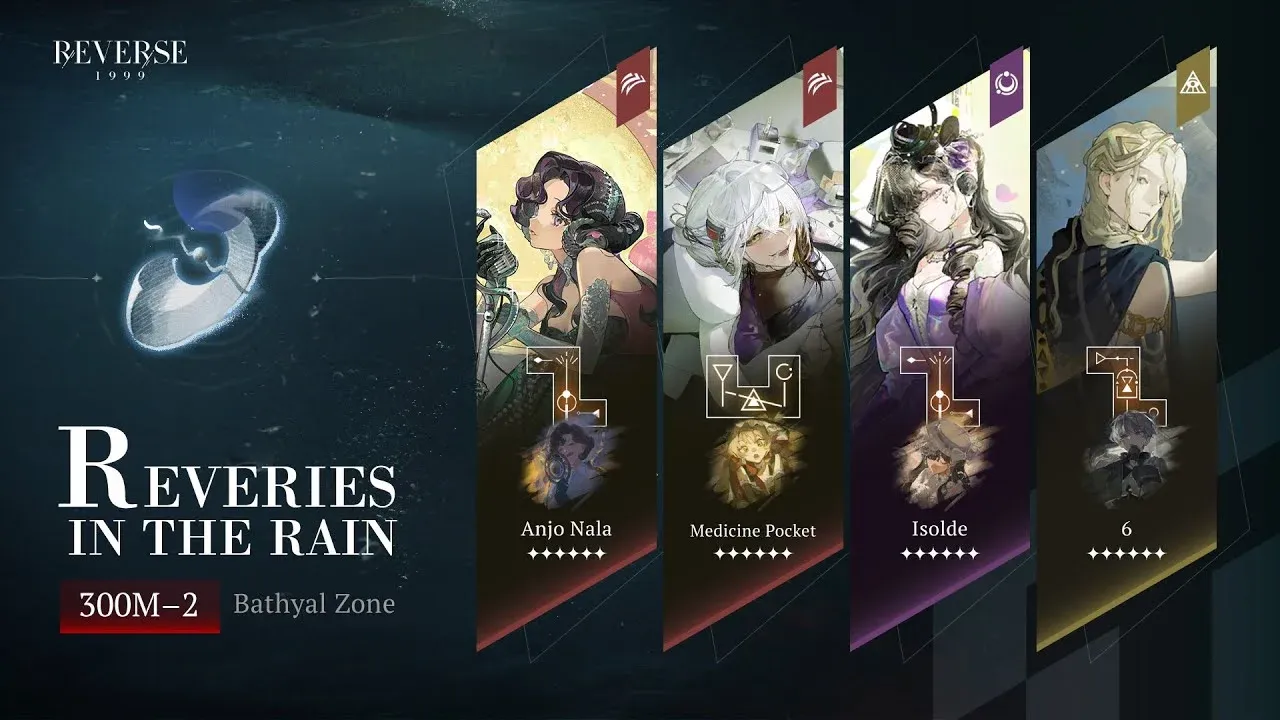
| SS | Beryl, Brume, Anjo Nala, Isolde, Ulrich, Charon, Kiperina, Flutterpage, Lorentz Butterfly, Enigma |
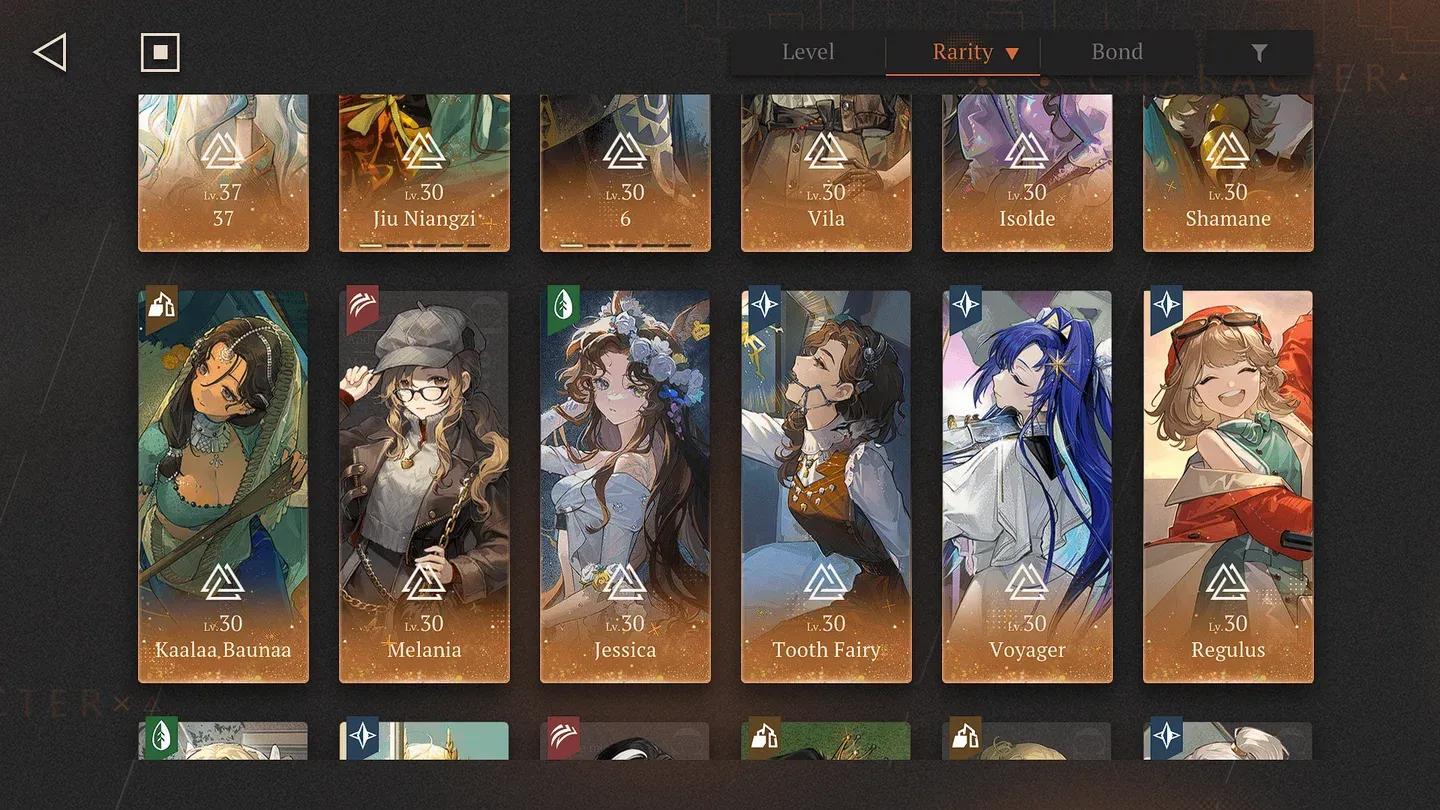
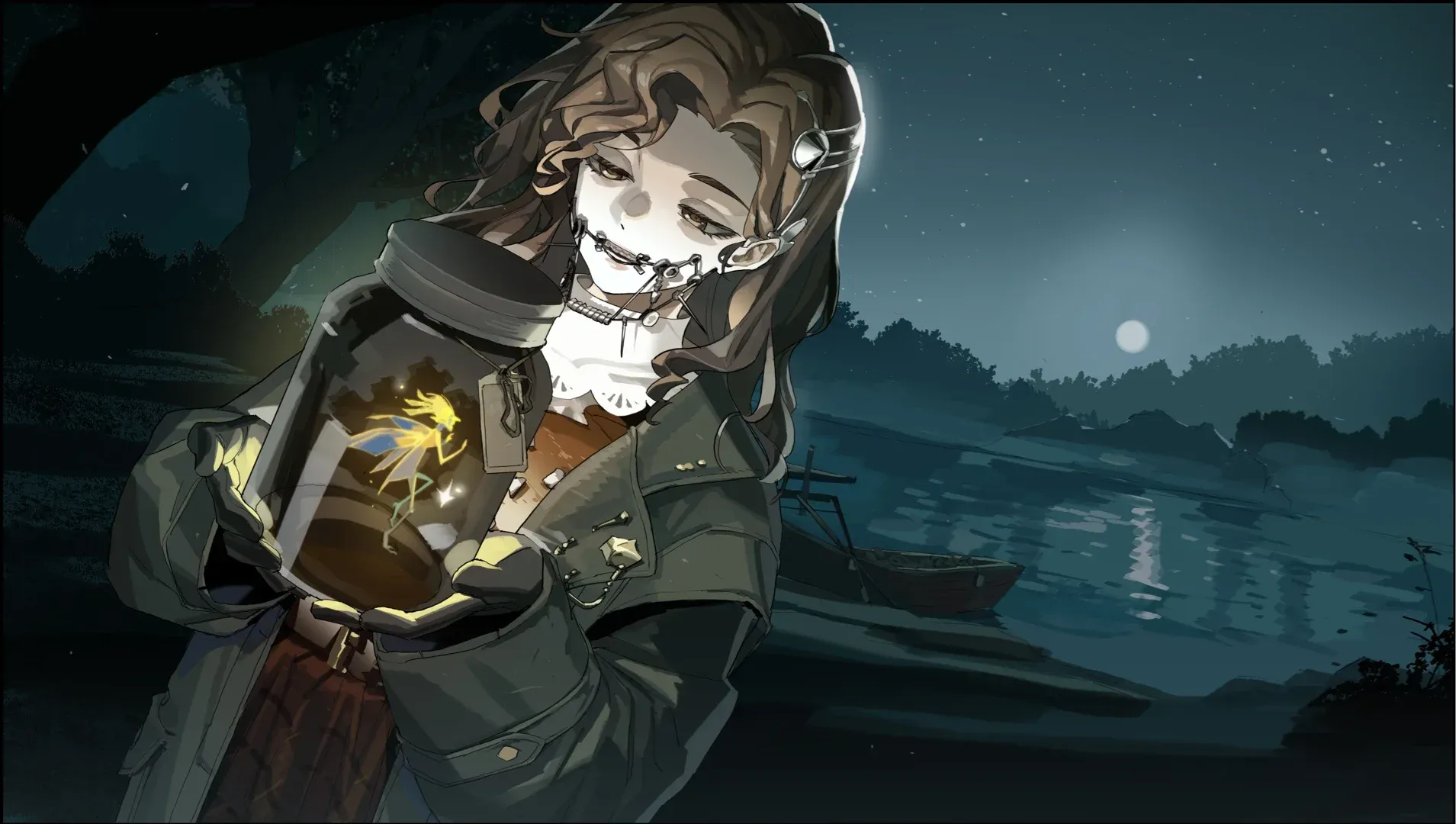
| S | An-An Lee, Bkornblume, Eternity, Lilya, Medicine Pocket, Regulus, Voyager, Tooth Fairy, Kaalaa Baunaa, Jiu Niangzi, Jessica, Spathodea, Lucy, Windsong, Lopera, Fatutu, Recoleta, Nautika, Sentinel, Rubuska, Marsha, Cheng Heguang, Liang Yue, Melania, Paper Heron |
| A | A Knight, Baby Blue, Balloon Party, Diggers, Dikke, Druvis III, Horropedia, Necrologist, Shamane, Sonetto, Sotheby, X, Centurion, Black Dwarf, Changeling, Charlie, 6, Marcus, Vila, Semmelweis, Kakania, Mercuria, J, Argus, Tuesday, Mr. Duncan, Willow, Noire, Aleph, Hissabeth, Moldir, Corvus, Igor, Pickles |
| B | Blonney, Click, Eagle, Erick, Kanjira, Ms New Babel, Oliver Fog, Pavia, Tennant, Ezra Theodore, 37, Desert Flannel, Getian, Lorelei, Avgust, Barbara, Barcarola, Loggerhead, Buddy Fairchild, Matilda, Name Day |
| C | Зима, APPLe, Bette, Door, La Source, Leilani, Mondlicht, Nick Bottom, Rabies, Satsuki, Sweetheart, Yenisei, Pioneer, White Rum, Brimley, Reed |
| D | aliEn T, Bunny Bunny, Darley Clatter, John Titor, Mesmer Jr, Ms Moissan, Ms Radio, ONiON, Poltergeist, Sputnik, TTT, Twins Sleep, Ulu, The Fool, Cristallo |
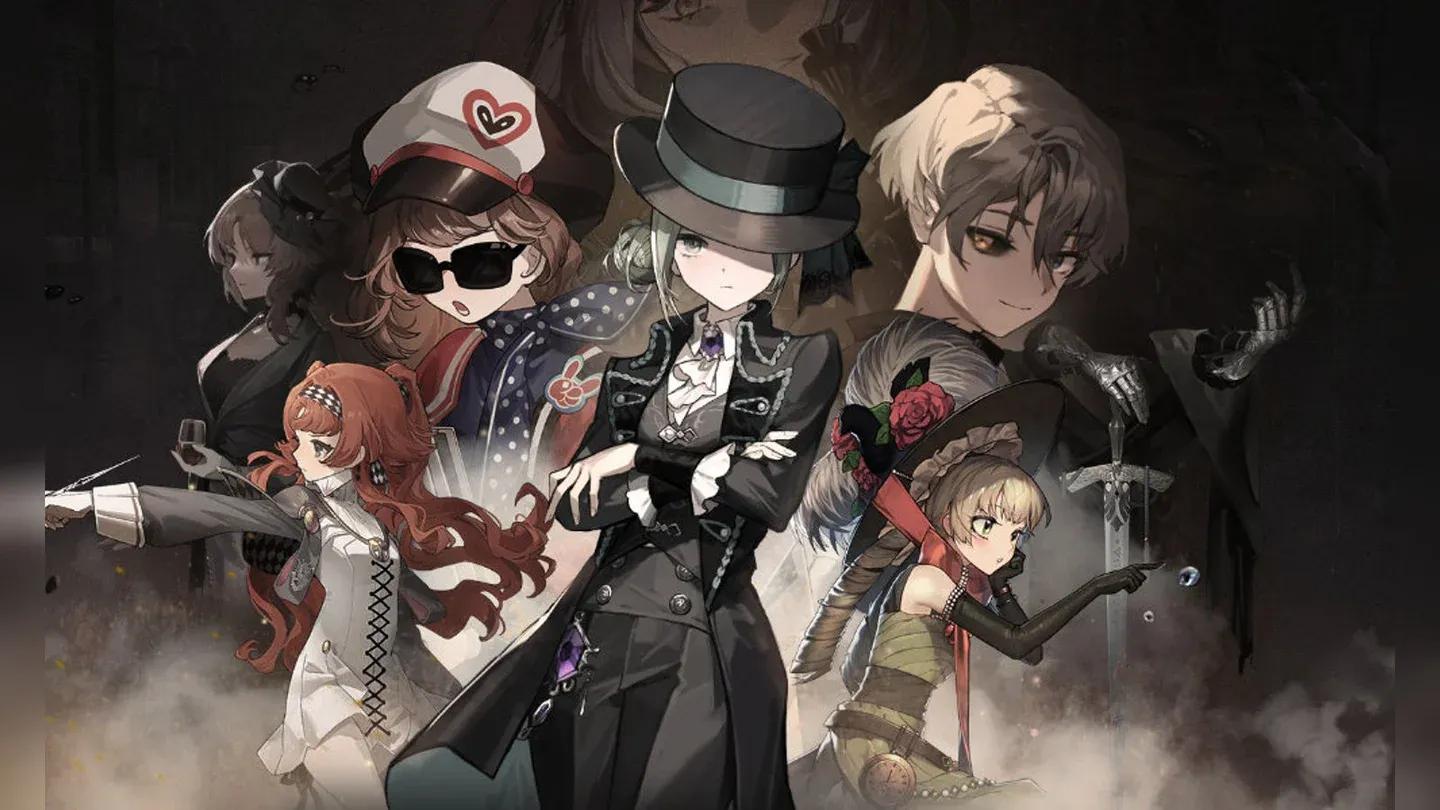
Beryl leads the SS tier
Who are the best SS-tier characters in Reverse: 1999?
These characters define team compositions. Each one delivers exceptional damage, irreplaceable utility, or both simultaneously.
Beryl
Beryl is a 6-star Intellect afflatus Damage-type character. Her kit centers on the Halo status, which stacks Genesis DMG on enemies while crippling their healing through Mental DMG strikes. She spreads Halo across groups or concentrates it based on enemy health thresholds, and refining her Vision accelerates her most punishing finishers. Few characters control fights the way Beryl does.
Isolde
Isolde is a 6-star Spirit afflatus Sub-DPS. She builds Burn stacks to trigger her signature Intermezzo follow-up attacks, which scale directly with active stack count. Cycling through her Interlude and Finale phases shreds enemy Reality and Critical defenses while buffing ally morale. She's also one of the game's strongest debuffers, dropping opponent defense for two turns.
Charon
Charon is a 6-star Spirit afflatus Support. She generates a resource called Shock Wave by alternating between inflicting Fear of Death on enemies and granting Peaceful Soul to allies, which dramatically boosts their critical hit potential. Her ultimate, New Blooms of Life, channels that accumulated power into sustained Mental DMG. Stack management is the skill expression here, but once you understand her rhythm she's one of the most consistent supports in the roster.
Enigma
Enigma is the newest SS-tier addition, introduced in version 3.4. This 6-star Intellect afflatus Support deploys a Bastion via Meshing Minds that negates incoming damage and grants control immunity to the team. Her Cipher Machine ability dispels team-wide afflictions and converts decoded Ciphertext into damage boosts. She's a defensive support who also contributes meaningfully to offense, a combination that's hard to find.
What makes S-tier characters worth using?
S-tier is where most players will spend their resources, and for good reason. Characters here perform reliably across the full game, including late-game content.
Liang Yue (6-star, Star afflatus, Damage) deserves specific attention. She enters the Qiangliang Complete state to optimize the allied Spelldock, enhancing incantation ranks and durations. Her Banish Evil skill deals heavy Reality DMG, and her Guardian's Blessing triggers automatic counterattacks. The stacking Guardian's Resolve mechanic makes her unusually durable for a damage dealer.
Regulus and Sonetto are worth addressing directly since their placements are frequently debated. Both appear prominently in the early story and remain accessible and sustainable into late-game, which is why they sit in S tier here. Regulus's late-game performance compared to characters who fall off sharply justifies the higher placement.
An-An Lee is the standout buffer at this tier, letting your party deal more damage while taking less for two rounds. Pickles also buffs well by increasing pen rate and adding an extra damage percentage, though Pickles sits at the lower end of A tier in most assessments.
A-tier characters: strong picks that get the job done
A-tier is not a consolation prize. Igor (6-star, Beast afflatus, Damage) is a prime example. She cycles through specialized Bullets to shred defenses, marks targets with Lock On to layer Shrapnel, and detonates everything during her ultimate Galloping Across the Underworld. Her War Simulation passive concentrates damage into a single dodge-ignoring strike. Igor rivals S-tier units in the right team compositions.
Aleph (6-star, Intellect afflatus, Support) takes a different approach. Through Reflections of Omniscience, she mirrors her team's actions to trigger multi-instance Impromptu Incantations that exploit enemy Interpretation vulnerabilities. Balancing her Disciplinary Power for extra actions while stacking Clarification on allies makes her a precision support with high skill ceiling.
For healers specifically, Kakania, Argus, Sotheby, Hissabeth, and Willow are the best options in the game. Ezra Theodore and Yenisei handle shielding, with Yenisei also providing minor healing.
Igor's Lock On targeting
How do B-tier and lower characters fit into teams?
B-tier characters are serviceable but won't carry. Matilda (5-star, Star afflatus, Sub-DPS) is a solid early-game addition who exposes enemy weaknesses with Work of Genius and inflicts Confusion to strip critical defenses. Her ultimate Instant of Prediction delivers a high-crit execution. She's likely one of your first roster additions, and she gets the job done without impressing.
Name Day (5-star, Mineral afflatus, Support) has a genuinely useful niche with Etched in Snow, which grants the Enname status allowing teammates to use ultimates without spending action points. That's a meaningful effect, but the overall kit doesn't scale well enough to compete with higher-tier supports.
C-tier characters like Rabies, Satsuki, and Sweetheart focus on narrow status effects (Poison, Petrify, and Daze respectively). They have niche uses but hurt team optimization if you're running them as primary picks.
At the very bottom, ONiON stands alone in several community lists. The character has theoretical potential for up to a 90% damage boost, but this requires enemies to already be near death, making the ability largely redundant when it matters most.
How do you reroll in Reverse: 1999?
If you're starting fresh and want to aim for SS-tier characters from the beginning, rerolling is an option, though a frustrating one. Guest accounts take 15 days to delete through in-game support, and clearing your device cache does not remove guest accounts.
The practical method on mobile is the "salt" method: adding a symbol or number to your email address to create a functionally new account. Once you pull something worth keeping, bind the account to Google or Facebook to lock it in.
What's the best support team composition?
The game's rock-paper-scissors approach to damage and buffs means team composition is more focused than in many gacha games. A reliable general-purpose setup pairs one primary damage dealer with a dedicated buffer and a healer or shielder.
- Damage core: Beryl, Isolde, or Liang Yue
- Buffer: An-An Lee (damage up, damage taken down for two rounds)
- Debuffer: Isolde or Shamane (both reduce enemy defense for two turns; Shamane adds bonus damage taken, Isolde adds Burn)
- Healer: Kakania or Tooth Fairy
- Shielder: Ezra Theodore or Yenisei
Afflatus matchups matter here. Running characters whose Afflatus counters the enemy type you're facing gives a meaningful efficiency boost, so check enemy compositions before locking in your team.
For more gacha guides and rankings across the games you're playing, browse more guides at GAMES.GG.