
Reverse: 1999 hides more story in its margins than most games put in their main scripts. The Storm, the Arcanists, the Daily Records, the cryptic voicelines — there's a whole layer of meaning sitting underneath the surface that most players walk right past. This guide pulls together the biggest lore secrets, character design Easter eggs, and story foreshadowing details through Version 3.4 "Spring Unending," so you can actually understand what the game has been building toward.
What is the Storm, and why does it matter?
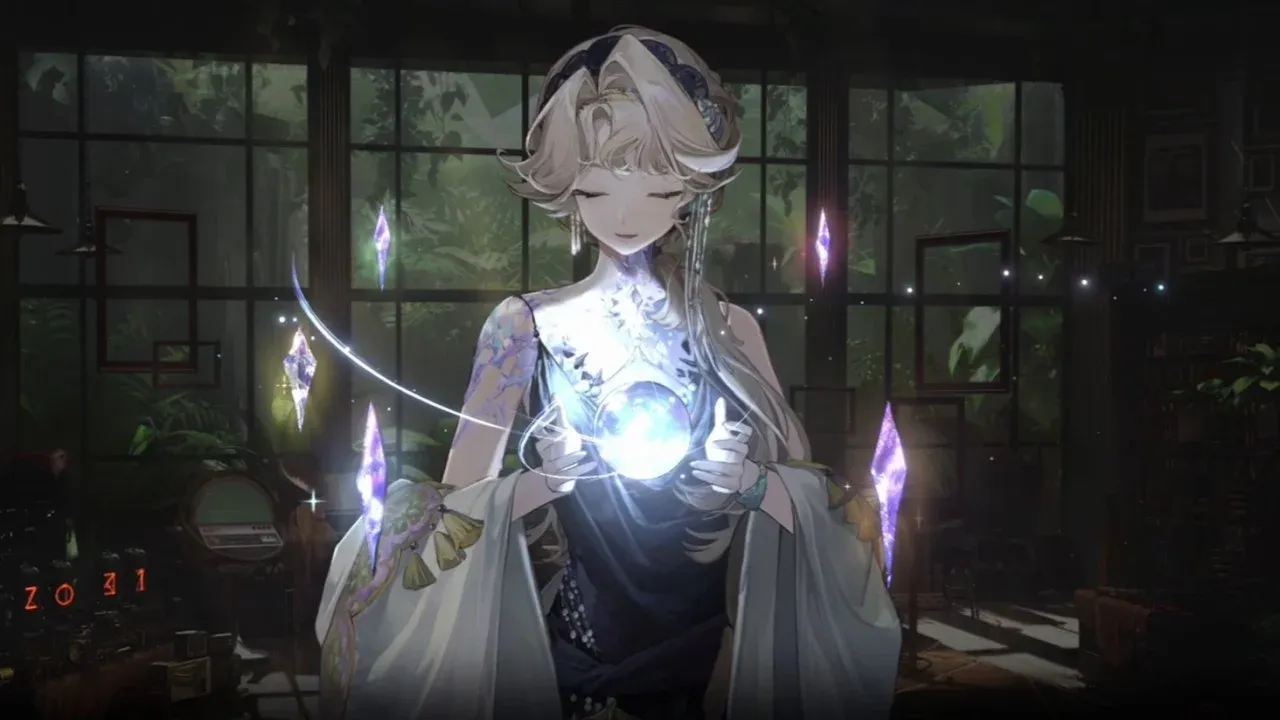
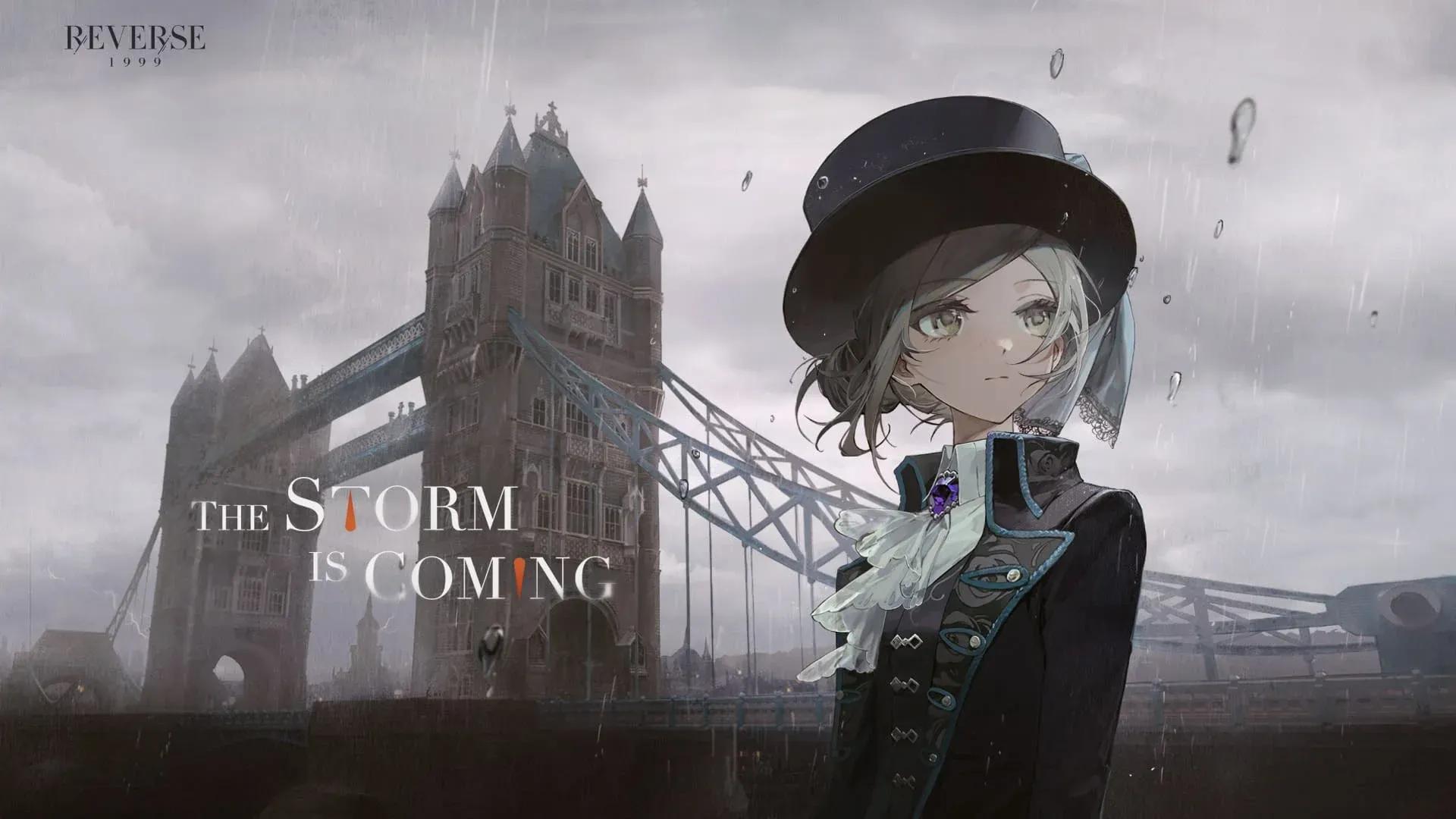
The Storm is the engine of everything in Reverse: 1999. It doesn't destroy time so much as rewind it, forcing entire eras to collapse backward while erasing the people caught inside. Vertin, the Timekeeper, is the only character with full immunity to the Storm, which is why she travels through time in her magical Suitcase to rescue Arcanists — magic users who survive or generate anomalies when the Storm hits.
Here's what most players miss about how the Storm actually works, based on patterns visible through Version 3.4:
- "Pure-blood" Arcanists tend to handle the Storm better than mixed-blood individuals. Schneider, for example, suffers from "Storm Syndrome" due to mixed heritage.
- The Suitcase protects Arcanists but has hard limits. In early chapters, Schneider was still reversed even while inside it.
- Chapters 6 and 7 introduce the Hofmann Knot and the Equilibrium Umbrella as devices offering partial immunity or protection, but both carry severe risks. The Equilibrium Umbrella's fatal side effect rate is documented at 0.49% of cases.
- Reversed raindrops and other environmental anomalies appear as early foreshadowing in the first chapters, long before the game explains what they mean.
The Storm ties to cycles of prosperity and decline — a recurring theme across multiple story arcs. Widespread fear or specific historical traumas may trigger or intensify Storm events. Version 3.4 "Spring Unending" leans directly into this with its exploration of longevity, immortality, and the cost of defying natural cycles.
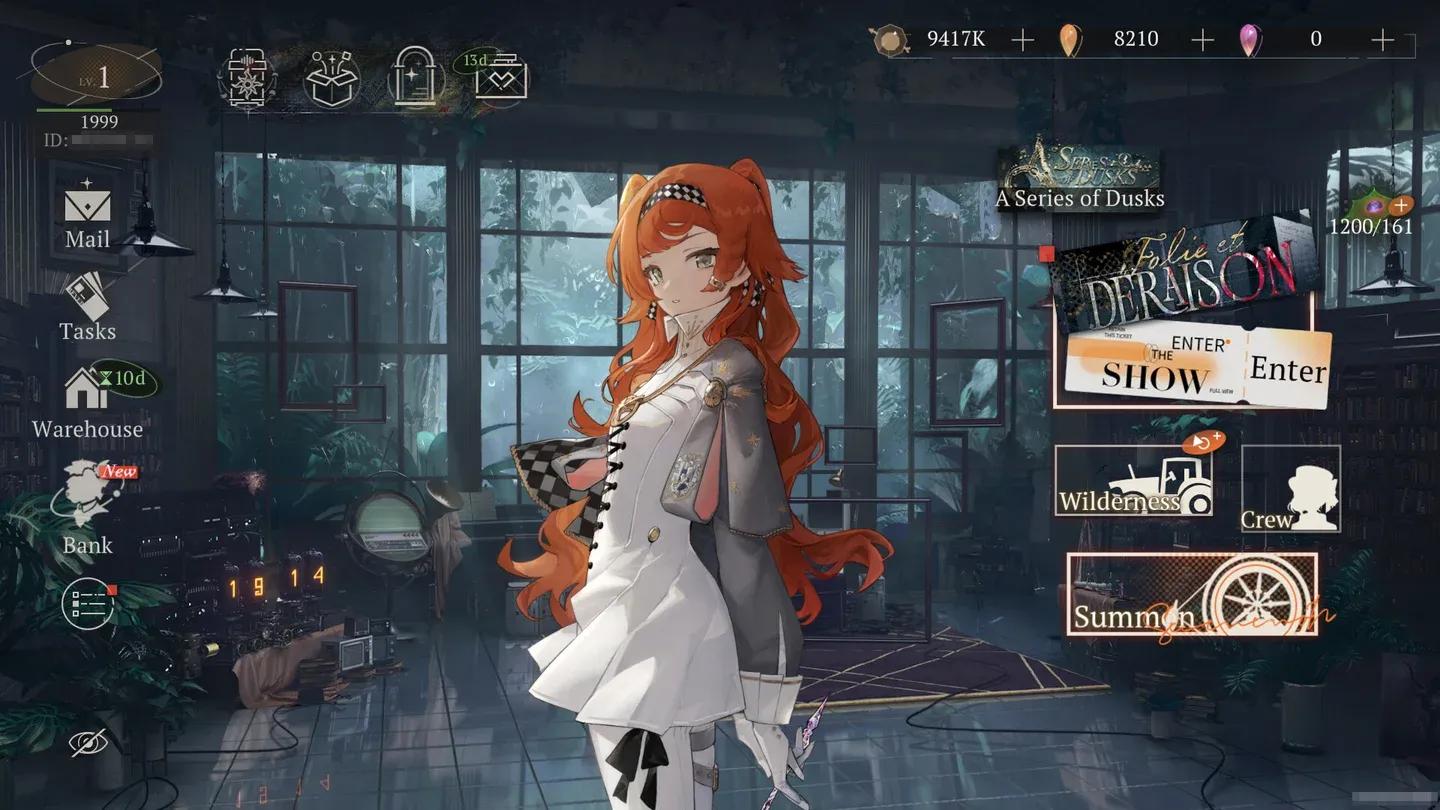
Storm anomalies appear early

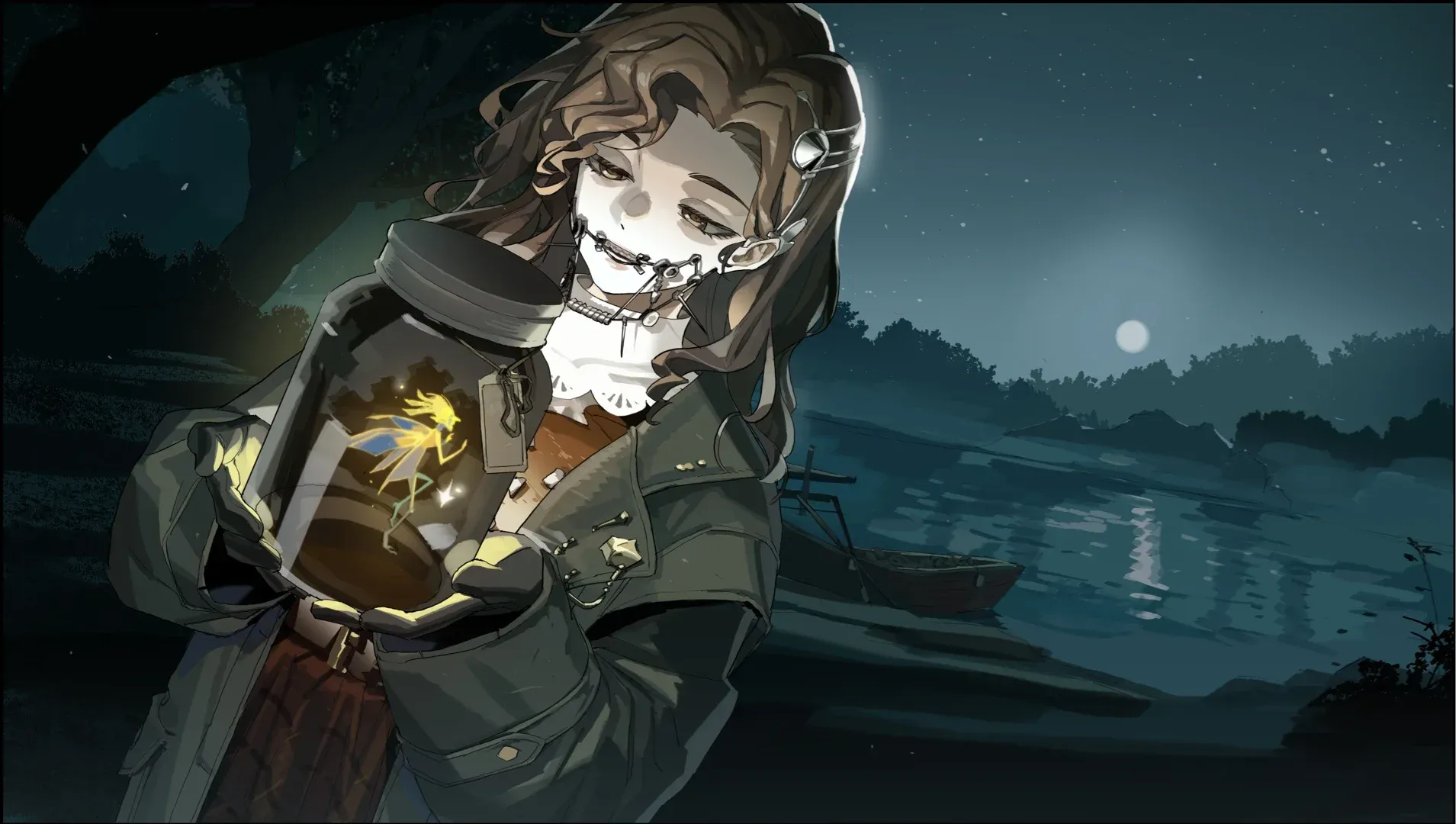
What hidden Easter eggs are packed into character designs?
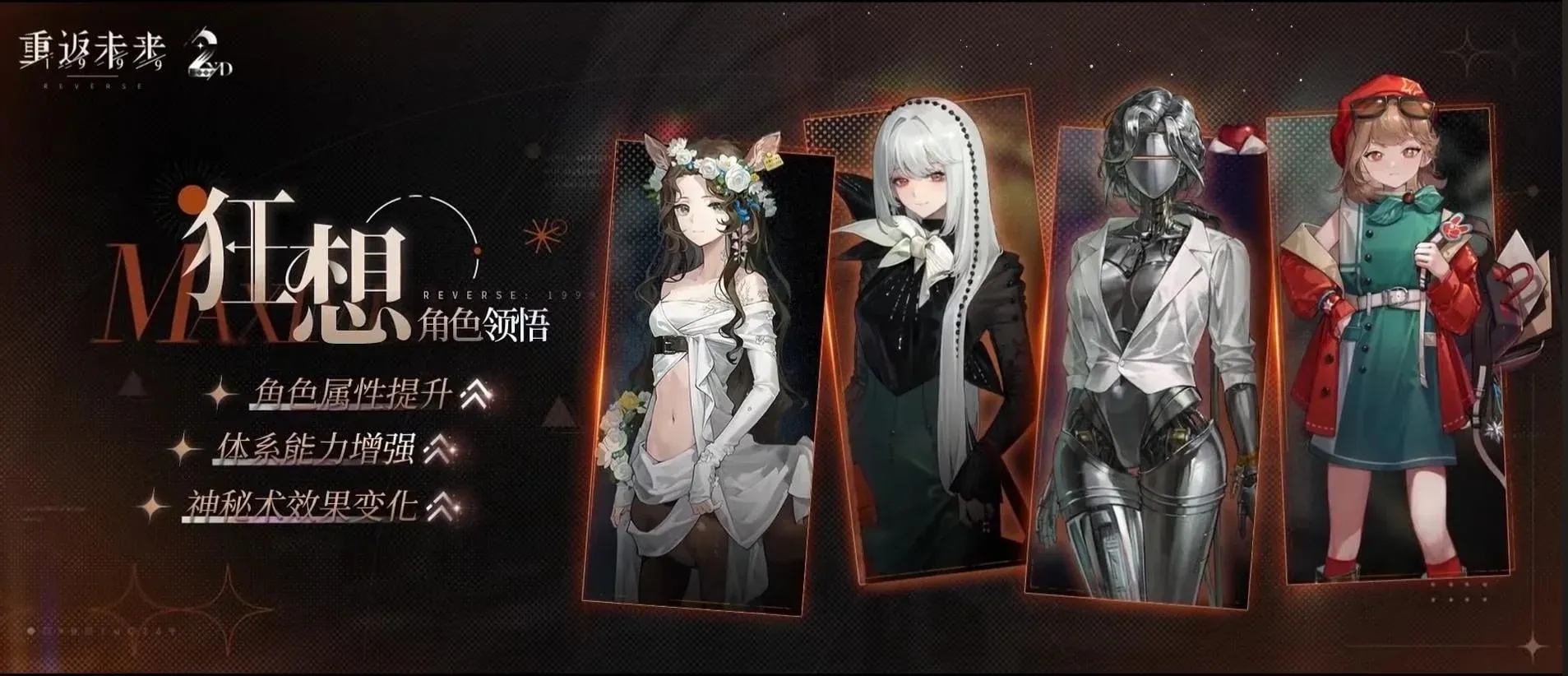
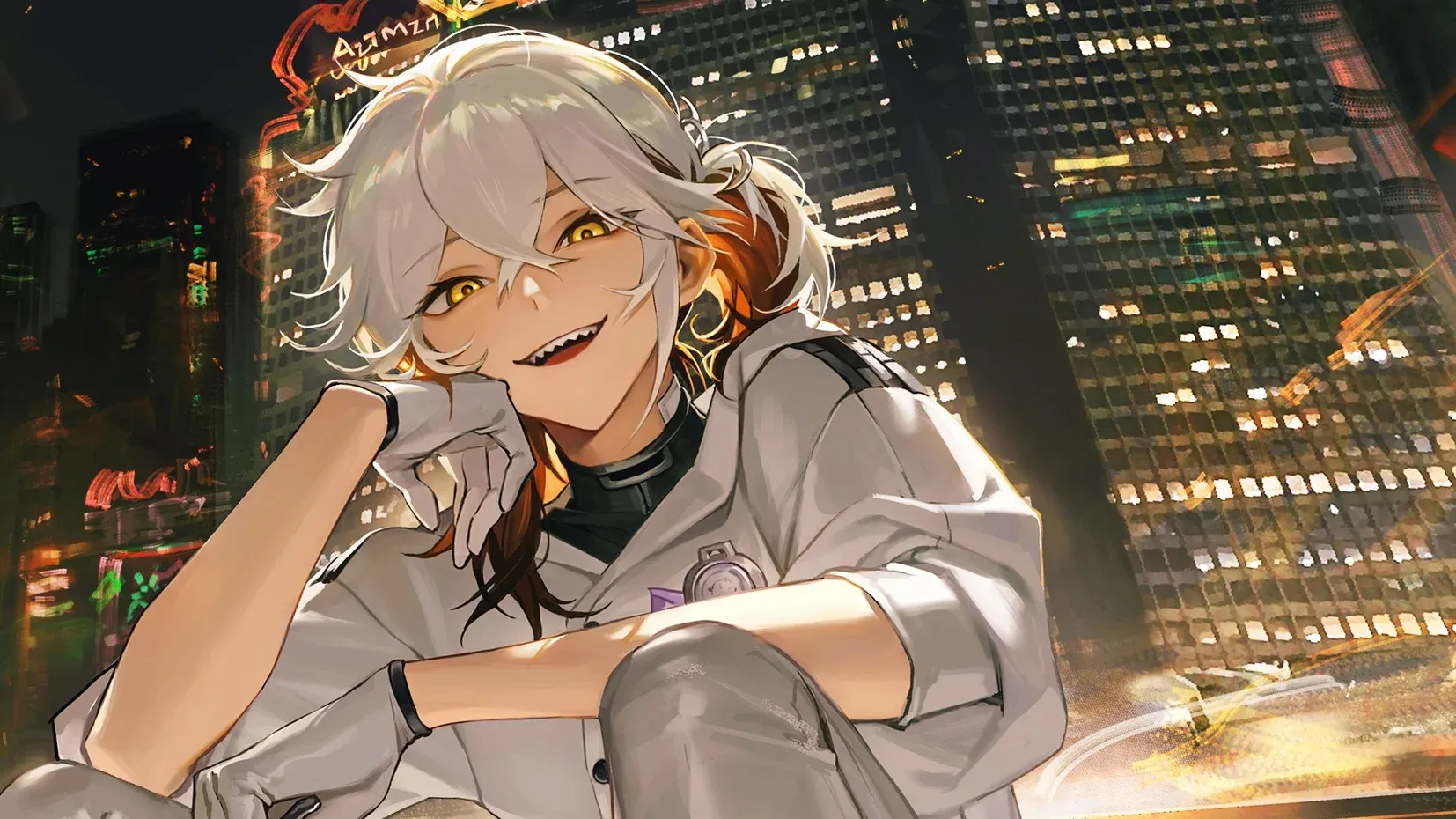
Every Arcanist's design is a reference puzzle. The developers intentionally mirror characters to specific historical eras, cultural movements, and real-world figures. Here are the most notable ones:
| Character | Design Reference | Era/Theme |
|---|---|---|
| Regulus | Oliver Goldsmith sunglasses; broadcasting equipment | 1960s–70s British pop culture |
| Sotheby | Apothecary and potion-making imagery | Historical pharmacy and occult traditions |
| Druvis III | Forest mysticism and theatrical motifs | Nature folklore |
| 37 / Bkornblume | Prime number and irregular math themes | Espionage and hidden knowledge |
| An-an Lee | Chinese folklore references | Cultural mythology |
| Centurion | Roman military imagery | Classical antiquity |
| Tooth Fairy | Dental horror folklore | Modern horror tradition |
| Horropedia | Horror media tropes | 20th-century genre fiction |
These aren't surface-level flavor. Regulus's sunglasses brand, Oliver Goldsmith, is a real British designer associated with 1960s celebrity culture, which ties directly into her pirate radio and pop broadcasting aesthetic. 37's mathematical theming runs deep enough that her codenames and abilities reference prime number properties, while Bkornblume's job connects to espionage and concealed information motifs.
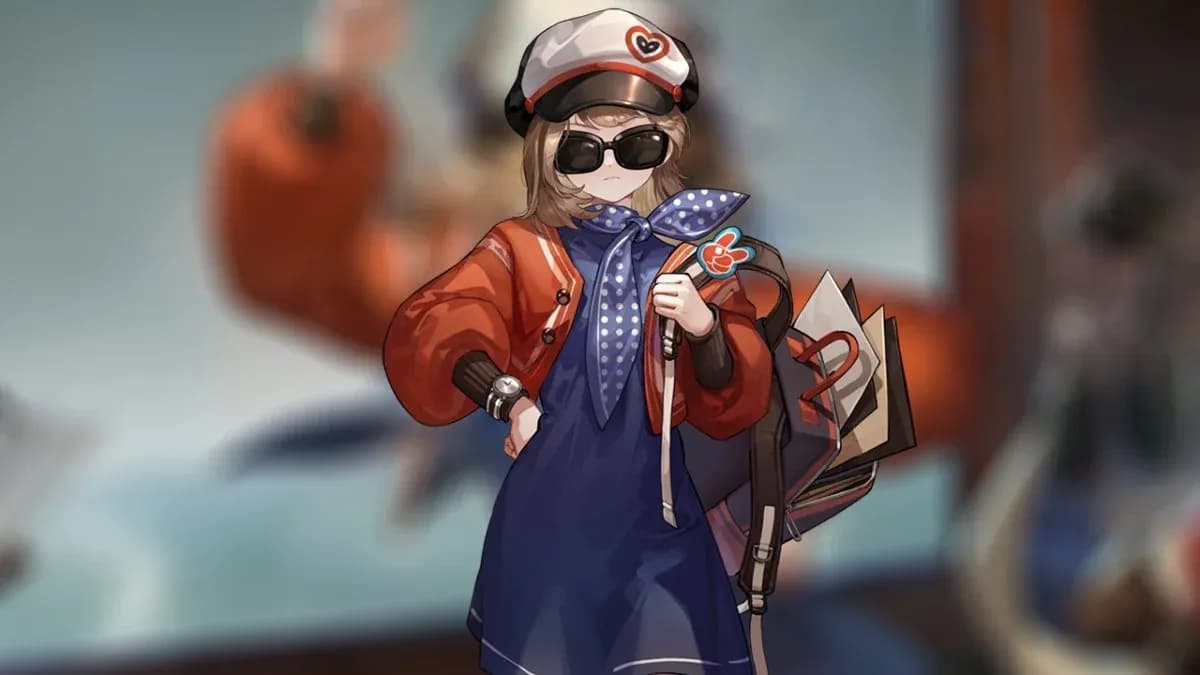
Regulus design references 1960s pop culture
How do Daily Records hide world-building clues?
The Daily Records feature looks like random flavor text. It isn't. These short entries contain some of the densest lore in the game:
- Entries reference Manus Vindictae's black substance being used for arcane artifacts, connecting the faction's experiments to broader conspiracy threads.
- Rumors mention secret underground entrances, missing uniforms, and mysterious fires caused by Critters.
- Kaalaa Baunaa uses a Daily Record entry to explain Foucault's pendulum, which connects to broader themes of cycles and natural order in the story.
- Hints at larger conspiracies involving the Foundation, the SPDM, and UTTU appear across multiple entries that seem unrelated at first.
The pattern is consistent: entries that look like throwaway jokes or world flavor almost always connect to a story thread that pays off chapters later. Keeping notes on recurring names and locations in Daily Records is worth the effort.
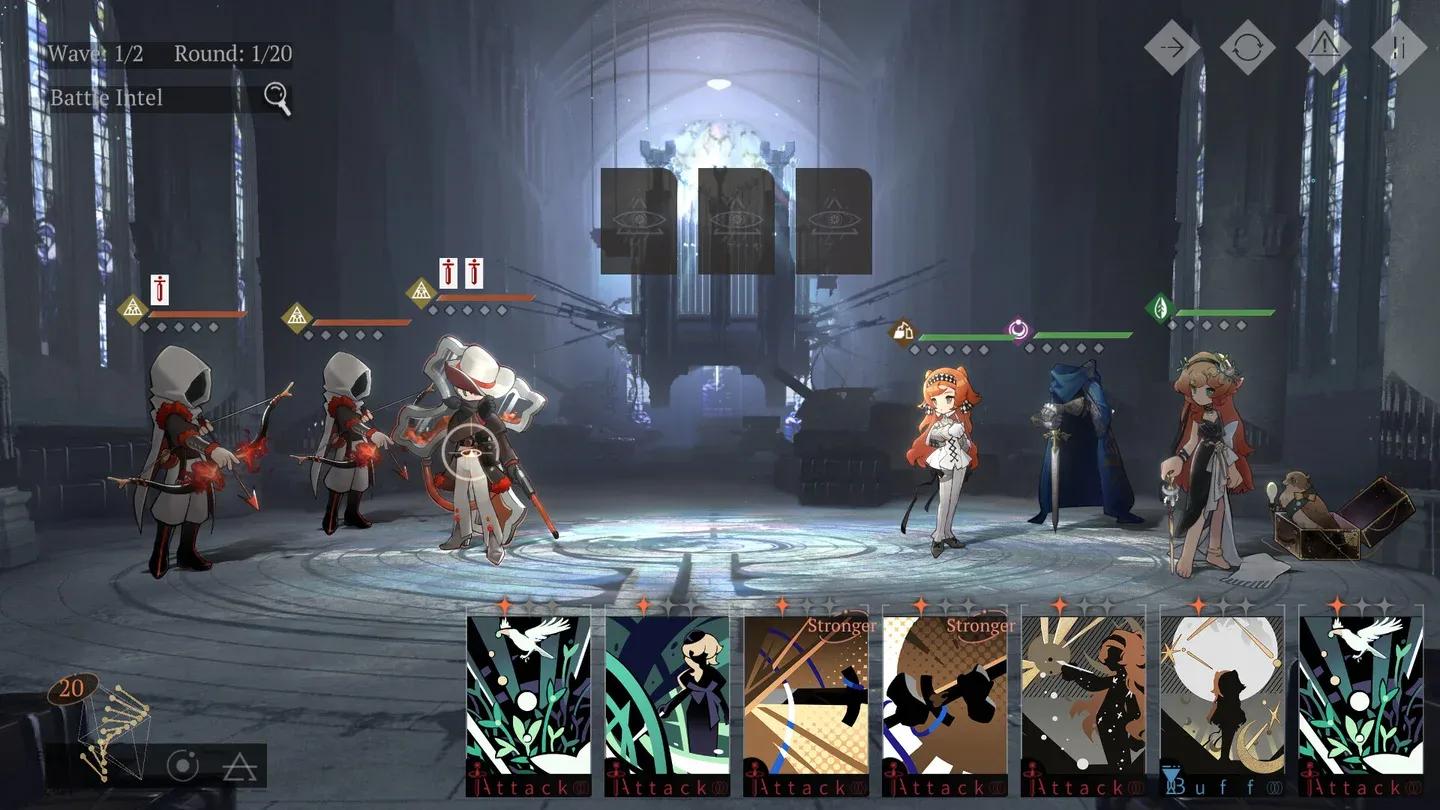
Daily Records hide key story clues
What story foreshadowing do most players miss?
Chapters 1 and 2 plant seeds that only make sense much later. The dialogue clues about Vertin's immunity, the Foundation's role, and Schneider's secret identity as someone "pretending" to be an Arcanist are all present from the start.
Event stories carry their own hidden layers:
- "A Nightmare at Green Lake" contains hidden messages and movie inspirations tied to immortality themes.
- The Spathodea and Ezra events connect to longevity and the price of eternal life.
- Version 3.4 "Spring Unending" introduces an immortal figure, a grand temple fair, and rhymes hinting at calamity and reincarnation, all circling back to the prosperity/decline cycle theory.
Puzzles embedded in chapters also hide lore. Their answers frequently reference riddles, folklore, or historical facts that connect directly to the world's internal logic rather than existing as standalone brain teasers.
The 5TH-01 story chapter is a good example of how the game embeds lore in seemingly chaotic scenes. The sinking ship sequence, with Regulus, Lilya, Sonetto, and Vertin scrambling as the Rockin' APPLe II goes down, isn't just comic relief. The signal jamming that blocks the Teleport soft disk, the mysterious Ms. Radio broadcasting travel notes from 1999, and Vertin's decision to dial the Suitcase to 1913 all carry implications for the broader Storm mythology.
5TH-01 hides Storm lore in chaos
What ongoing mysteries and community theories are worth tracking?
Even through Version 3.4, the Storm's full origin remains unresolved. The most active debates focus on:
- Whether certain characters are "reversed" versions of their original selves, with altered memories or identities.
- The exact nature of the immortality methods referenced in "Spring Unending" and whether they connect to the Equilibrium Umbrella's side effects.
- The relationship between the Uluru Games events and broader Storm lore.
- Manus Vindictae and the Foundation's ideological conflict, which runs parallel to the Storm mystery rather than being caused by it.
- Critters varying in danger and variety by era, with older time periods producing significantly more dangerous specimens.
The game's lore is genuinely designed to reward re-reading. Chapters that seemed clear on first pass frequently reveal new details after later story revelations recontextualize earlier dialogue.
For players who want to go even deeper, fan-compiled character story pages and spreadsheets cross-reference historical and cultural references for each Arcanist. Video lore breakdowns handle the visual design references that are harder to catch from text alone.
For more guides covering Reverse: 1999 and other games worth your time, browse more guides on GAMES.GG.