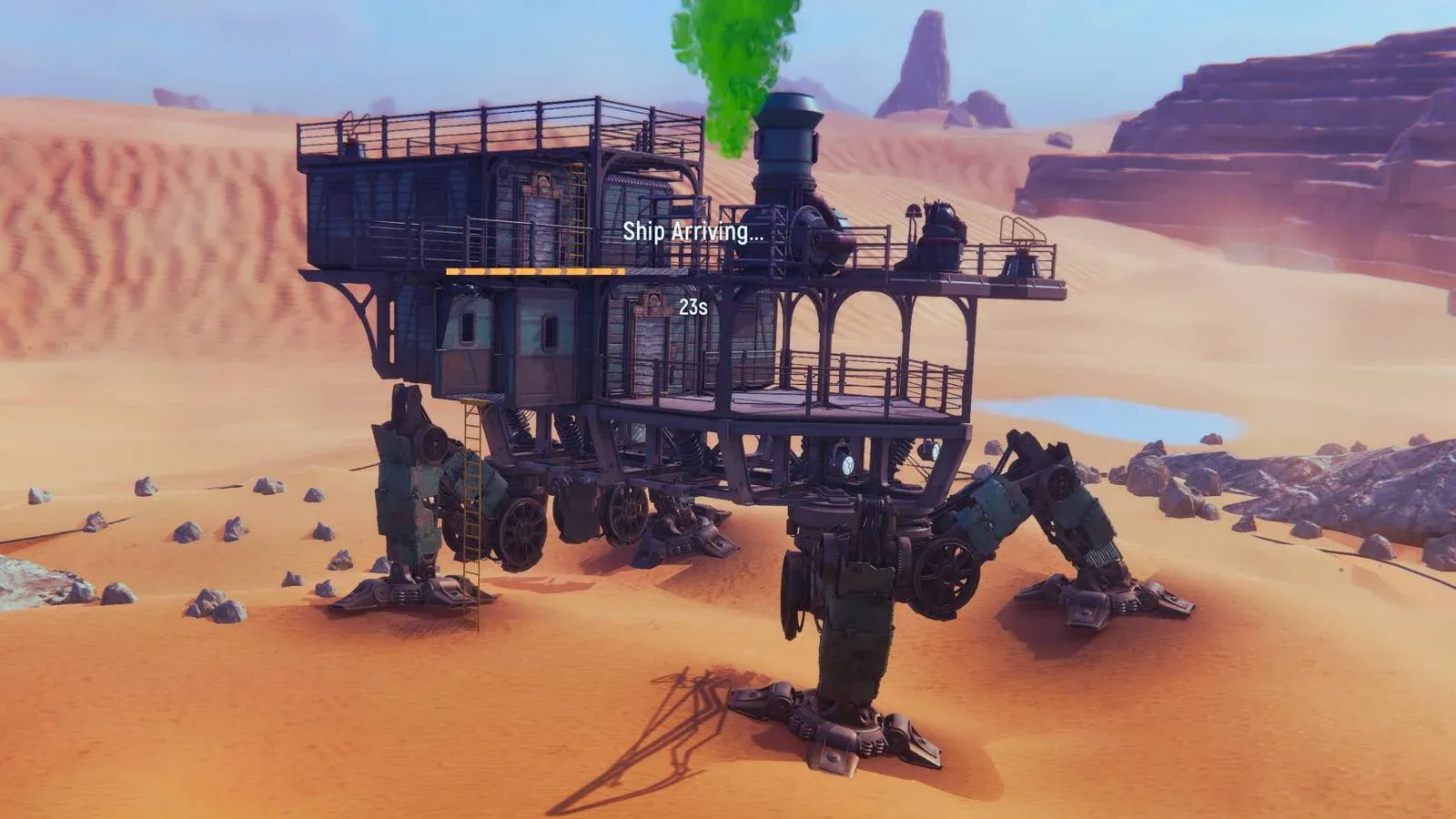
Crashed ships in SAND: Raiders of Sophie are not automatic jackpots. Most wrecks hand you food and basic supplies, and you move on. But the right boats, hit in the right order with the right tools, can flip an average run into a strong one. The difference comes down to knowing which wrecks to prioritize, what to bring, and when to leave.
Crashed ship tier list: every boat type ranked
Before breaking down each type, here is the full ranking at a glance.
| Tier | Boat Type | Risk Level | Best Loot | Worth Stopping? |
|---|---|---|---|---|
| S | Military Boats | Medium | Cannon ammo, Tier 2 cannon, locked boxes | Always |
| A | Medium Boats | Medium | Mixed crates, weapons, food, meds | Yes, if area is clear |
| A | Sand Pile / Buried Treasure Areas | Low-Medium | Safes, Tier 2 shield, weapons, grenades | Bring a shovel |
| B | Small Boats | Low | Food, meds, basic supplies | Quick stops only |
| C | Explosive Barrel Boats | Unclear | Possible hidden access | Situational |
The priority order for an efficient run: Military Boats first, then locked boxes, then sand piles, then Medium Boats, then Small Boats. Explosive Barrel Boats sit at the bottom unless you are specifically testing blocked areas.

Military boat loot priority


S tier: why military boats are the best stop on any route
Military Boats sit at the top because the loot pool is simply stronger than every other wreck type. They can appear as small boats with no enemies or medium-sized wrecks with zombies nearby. Either version is worth checking.
The headline items are cannon ammo crates, a chance at Tier 2 cannons, locked boxes, and weapon crates. Cannon ammo feeds directly into TRAMPLER combat, and a Tier 2 cannon is a meaningful firepower upgrade if your crew is running underpowered. After testing multiple boat routes, pulling two Tier 2 80 mm cannons from military wrecks in a single run is a real outcome, not a fluke, though it will not happen every time.
If you are building toward PvP, military boats are your first stop every single run. Clear any zombies before looting, scout for enemy players before committing, then grab high-value items and move.
A tier: medium boats and the case for sand piles
Medium boats
Medium Boats are consistent resupply points. They spawn more crates than small boats and carry a real chance at rare crates alongside the standard mix of food, weapons, and medical supplies. Zombie spawns are common, so bring a weapon.
These wrecks are best when you need a broad refill rather than one specific item type. The loot pool skews toward whatever the run needs, which makes them reliable without being exciting. Skip them only when zombie pressure stacks on top of nearby players pushing toward you.
Sand piles and buried treasure areas
This is where most players leave loot behind. Many crashed ship areas have sand piles or buried safes sitting nearby, away from the main deck. Sand piles require a shovel to dig and can produce weapons, grenades, and shields. One tested run pulled a Tier 2 shield plus weapons and grenades from a single sand pile. That is enough value to justify carrying a shovel on every boat route.
The dig sequence at any wreck should go: loot the crates, check for locked boxes, scan the surrounding area, dig sand piles, then leave before other players rotate in.
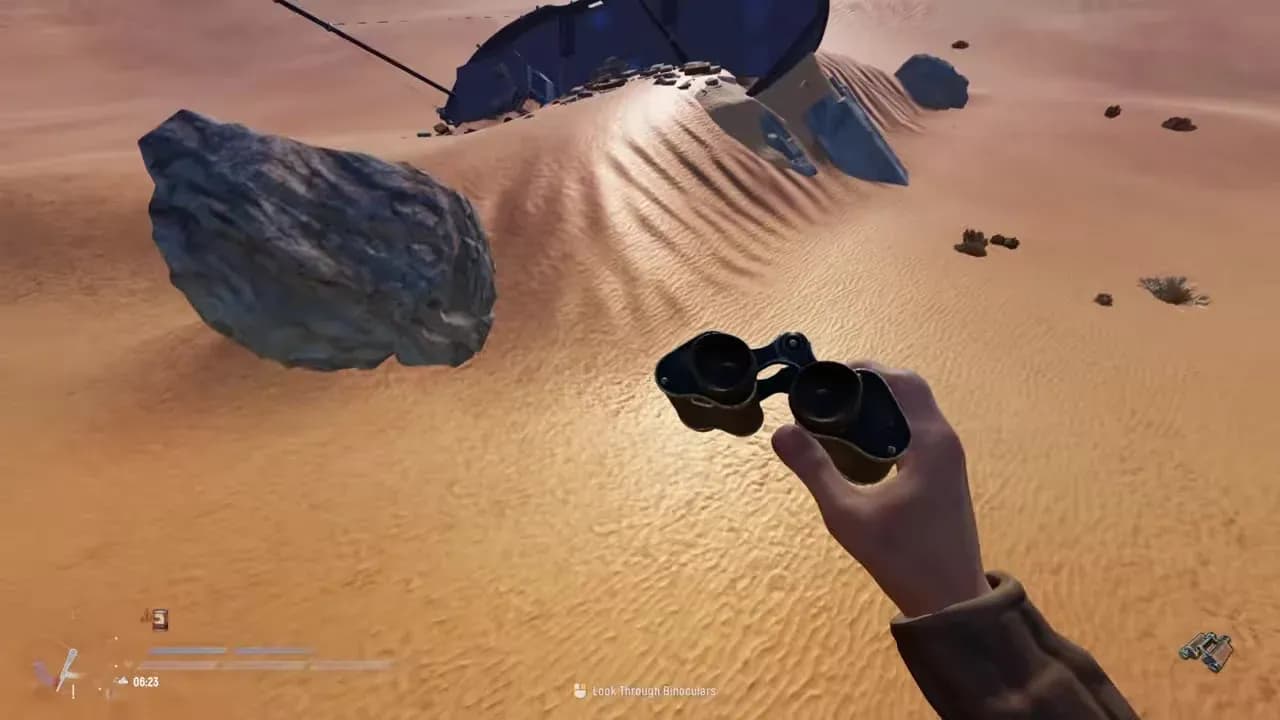
Sand piles hide strong loot
B tier: small boats as fuel stops
Small Boats are safe, fast, and low-reward. No enemies, basic loot: food crates, medical cabinets, and small supply crates. They keep a run going without contributing much to your overall haul.
Hit them only when they are already on your path or you are critically low on food and meds. Taking a long detour for a small boat is a time trade that rarely pays off.
C tier: explosive barrel boats
Some wrecks are packed with explosive barrels and carry no normal loot crates. Standard runs should skip these. The only reason to stop is if you spot a blocked room, sealed door, or suspicious structure that might open with an explosion. Treat them as experimental rather than a planned stop.
What makes locked boxes the hidden multiplier on boat routes?
Locked boxes are the mechanic that turns a decent boat route into a great one. They appear frequently across wreck stops, with tested routes producing 6 or more locked boxes across a single run. Without keys, those boxes are wasted potential. With keys, they are the main profit source.
Bring some keys, not all of them. Solo players should carry only what they can afford to lose. Crew runs benefit from splitting keys between players so no single death wipes your entire key supply.
For more on the items you might find inside those boxes, the SAND: Raiders of Sophie Red Box items guide covers every high-value container item and what each one does.
Keys unlock the real profit
What loadout should you bring for crashed ship runs?
You do not need a heavy kit. You need a specific one.
| Item | Purpose | Priority |
|---|---|---|
| Locked box keys | Opens high-value boxes at wrecks | High |
| Shovel | Digs sand piles near wrecks | High |
| Weapon | Clears zombies, handles PvP | High |
| Healing items | Covers chip damage from zombies | Medium |
| Empty inventory space | Lets you actually carry the loot | High |
| Explosives or tools | Tests sealed doors on barrel boats | Optional |
The minimum setup is a weapon, healing, a shovel, a few locked box keys, and open inventory slots. Running without a shovel and no keys means you are capturing roughly half the value a good boat route can produce.
How to run crashed ships efficiently
The six-step sequence that keeps runs profitable:
- Scout the wreck before approaching to avoid walking into other players.
- Clear zombies so you can loot without taking free damage.
- Grab high-value crates first, specifically cannon ammo and weapon crates.
- Open locked boxes using your keys.
- Dig nearby sand piles for extra medium-tier loot.
- Leave fast before enemy crews rotate toward the wreck.
Speed matters more than thoroughness here. A complete loot run that ends in a PvP wipe is worse than a fast partial run that extracts cleanly.
Common mistakes that kill boat route value
- No keys: Locked boxes appear often. Walking past them is a direct loss.
- No shovel: Sand piles near wrecks can hold Tier 2 gear. Skipping them is skipping loot.
- Slow looting: Staying too long at a wreck invites PvP pressure.
- Ignoring nearby sand: Always sweep the surrounding area, not just the deck.
- Fighting while looting: Clear enemies before opening crates, not simultaneously.
- Chasing every small boat: Time spent on detours to low-value wrecks is time not spent at military boats.
For players looking to maximize what they do with the loot they extract, the SAND: Raiders of Sophie buying and selling guide explains how to convert extracted items into currency and restock before your next run. The full SAND: Raiders of Sophie strategy guide collection has everything else you need to build on these looting fundamentals.