

Biggest discounts, free games, and limited-time offers across every major gaming store.
Never pay full price again.
Overview
Sands of Aura is a souls-like action RPG developed by Chashu Entertainment and published by Freedom Games, released on October 28, 2023, for PC, Xbox, PlayStation, and Nintendo Switch. The premise is stark and compelling: a shattered hourglass has flooded the world of Thalamhel with sand, snuffed out the sun, and twisted its former inhabitants into immortal, corrupted husks. You play as a newly inducted member of the Order of the Remnant Knights, the last organized force trying to hold back a spreading plague that's getting worse by the day.
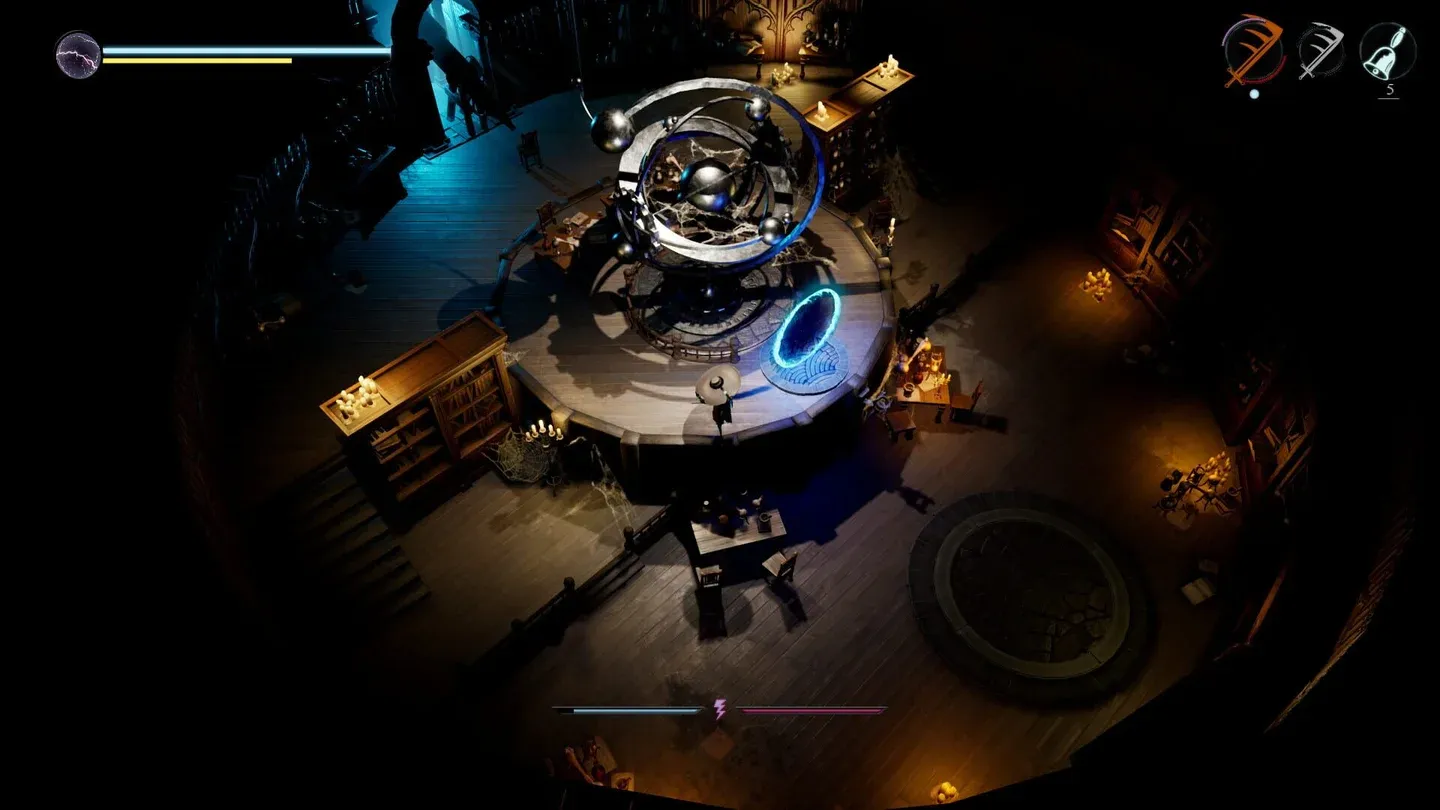
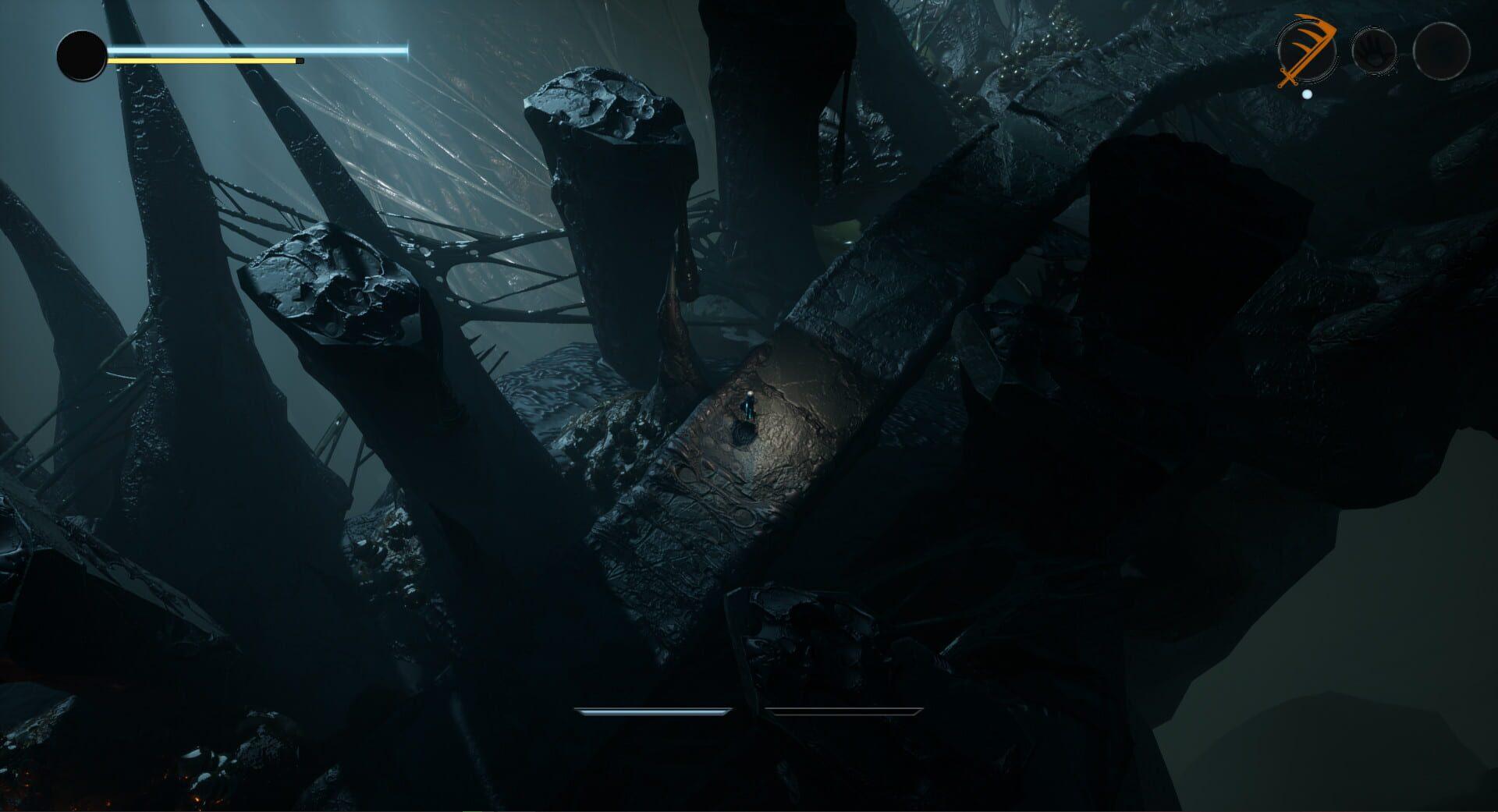
The world itself functions as the central character. Thalamhel isn't a backdrop; it's a ruin with history. Settlements cling to survival on islands above the sandsea, connected by routes that were once thriving trade corridors and are now haunted by the remnants of whatever civilization existed before the catastrophe. That sense of a world that had a life before you arrived gives the exploration a weight that many action RPGs miss.
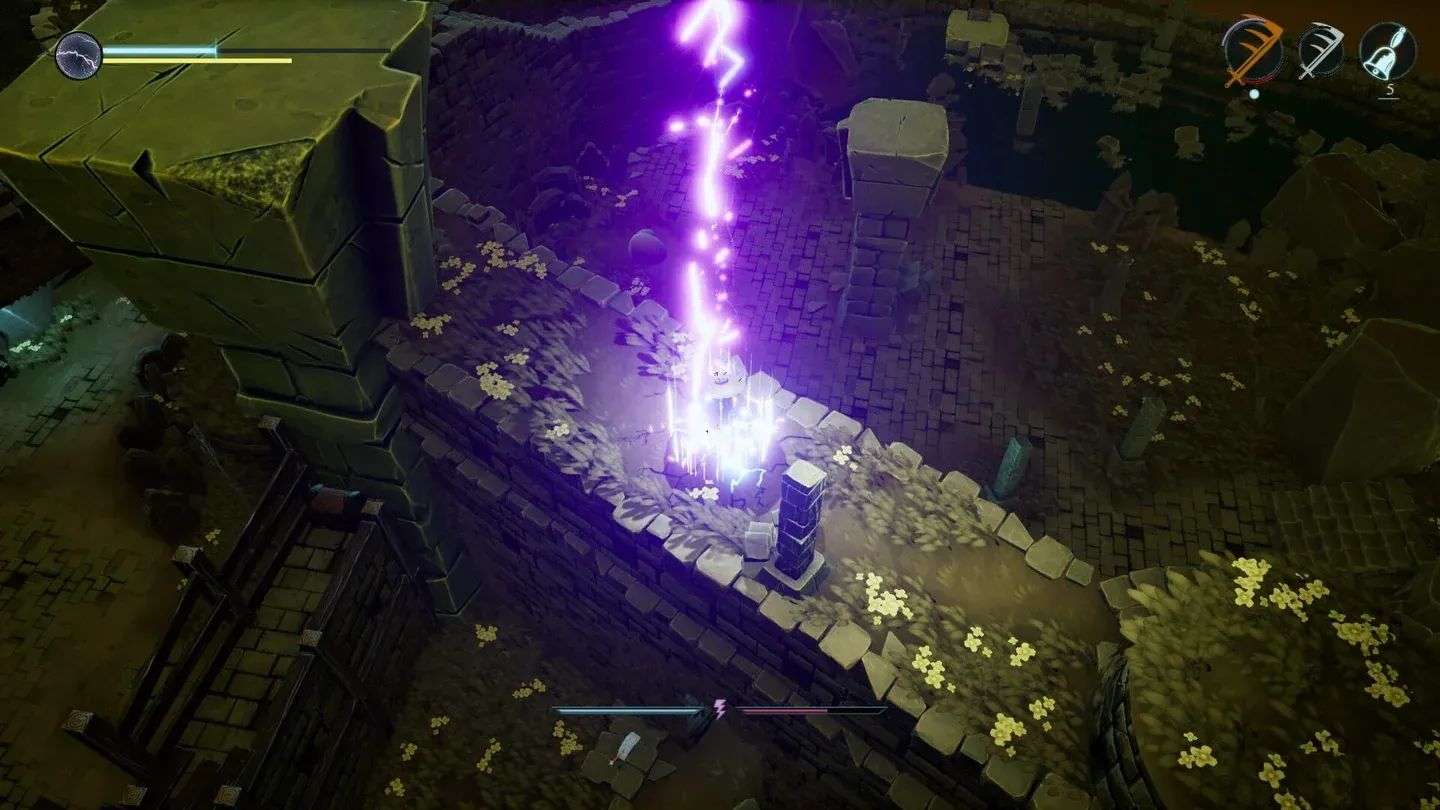
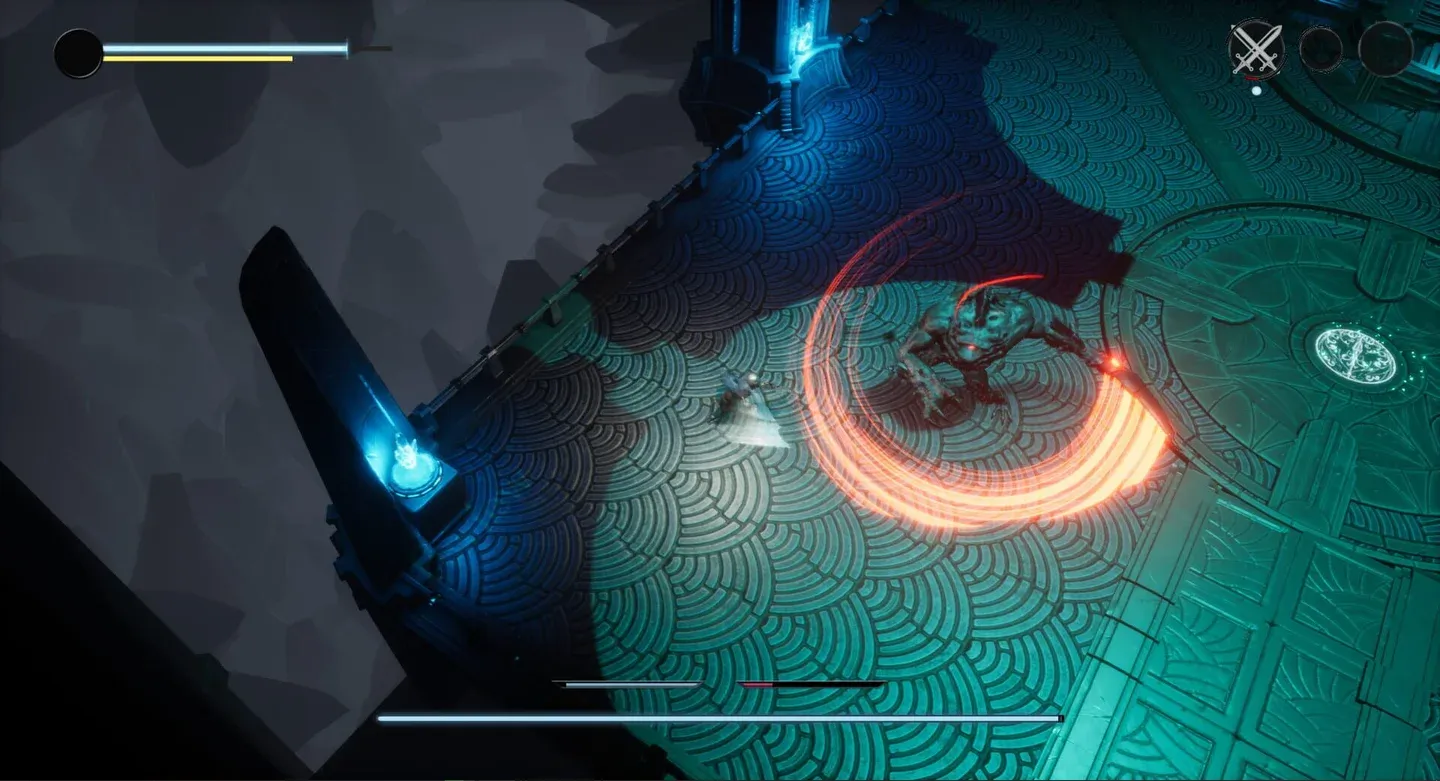
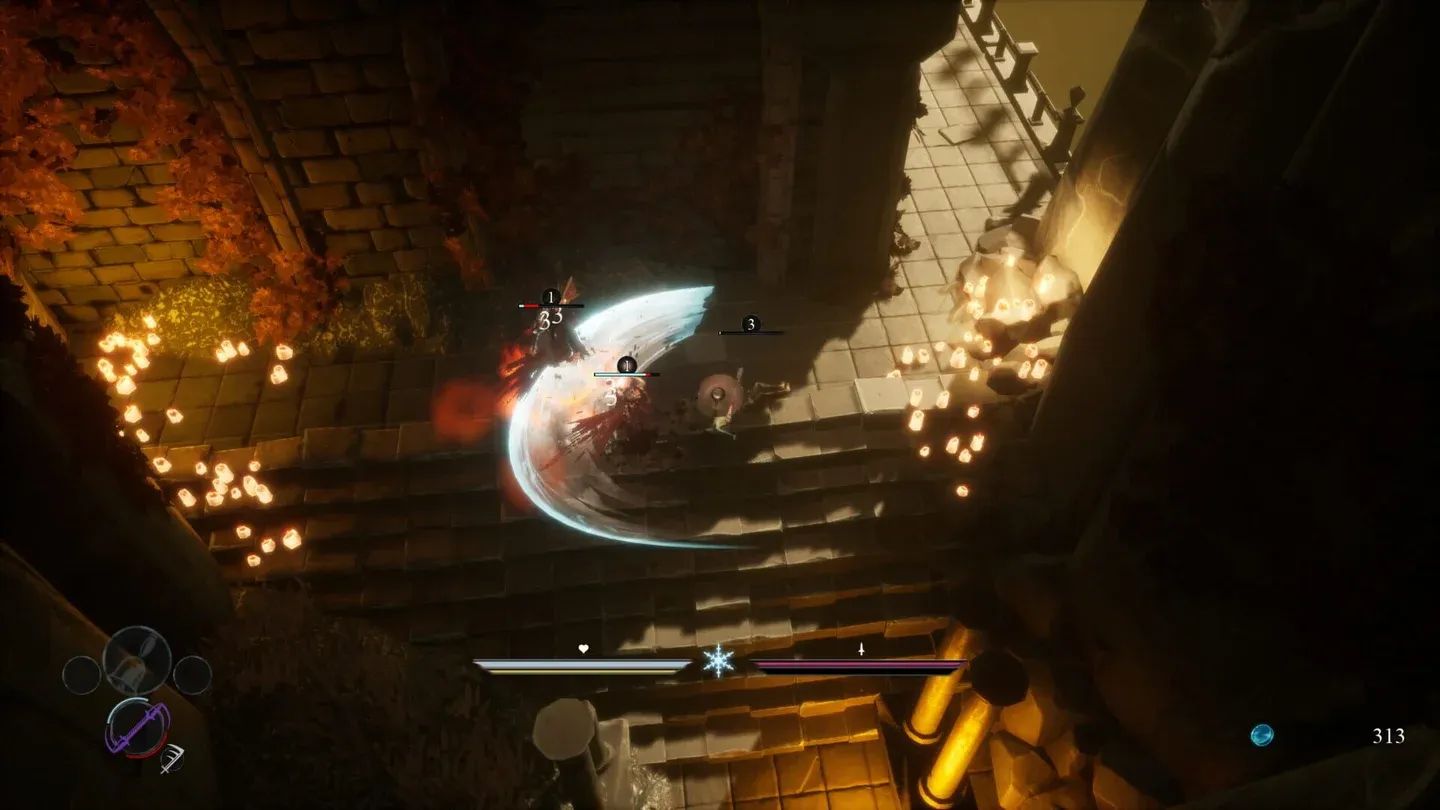
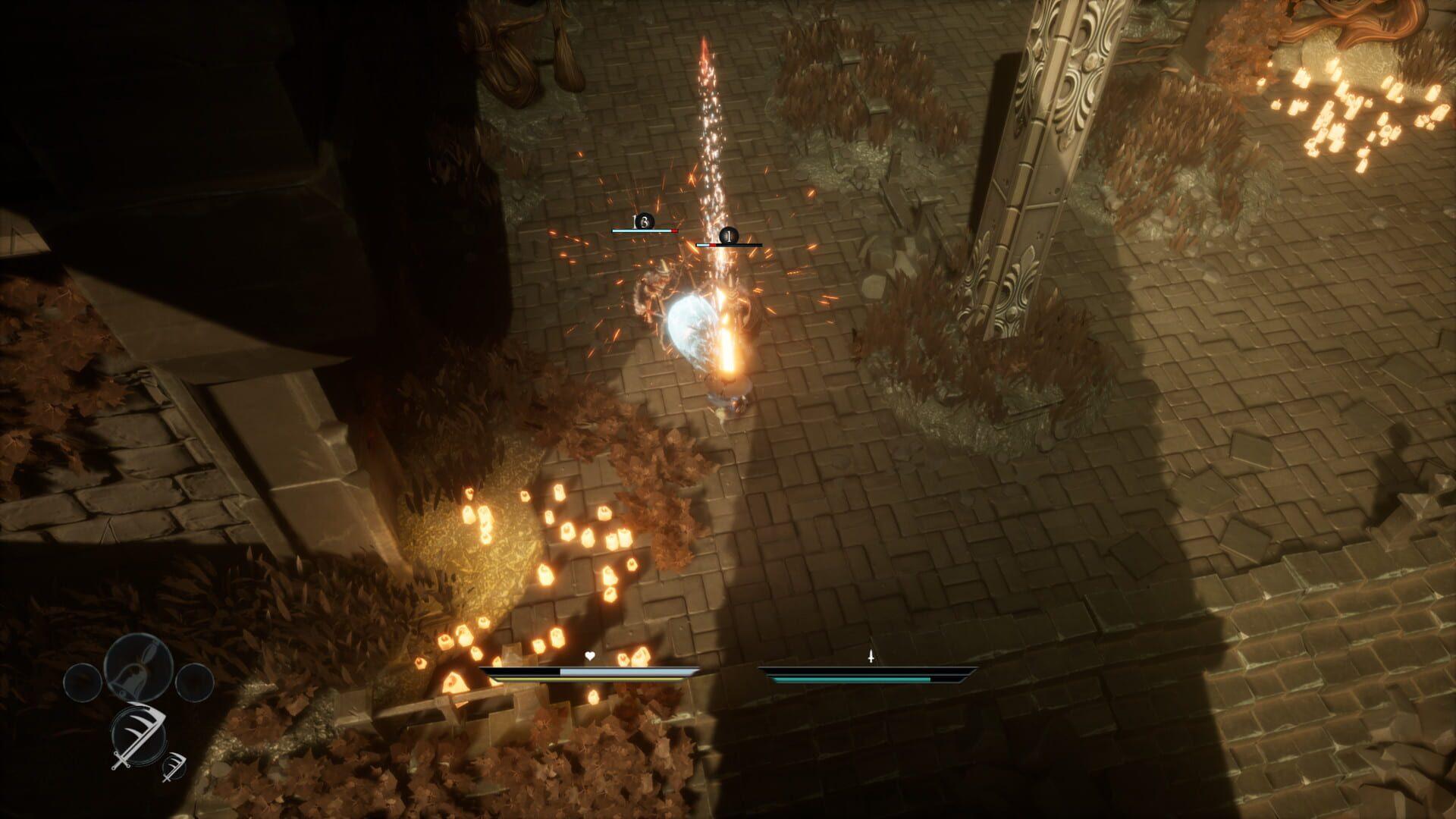
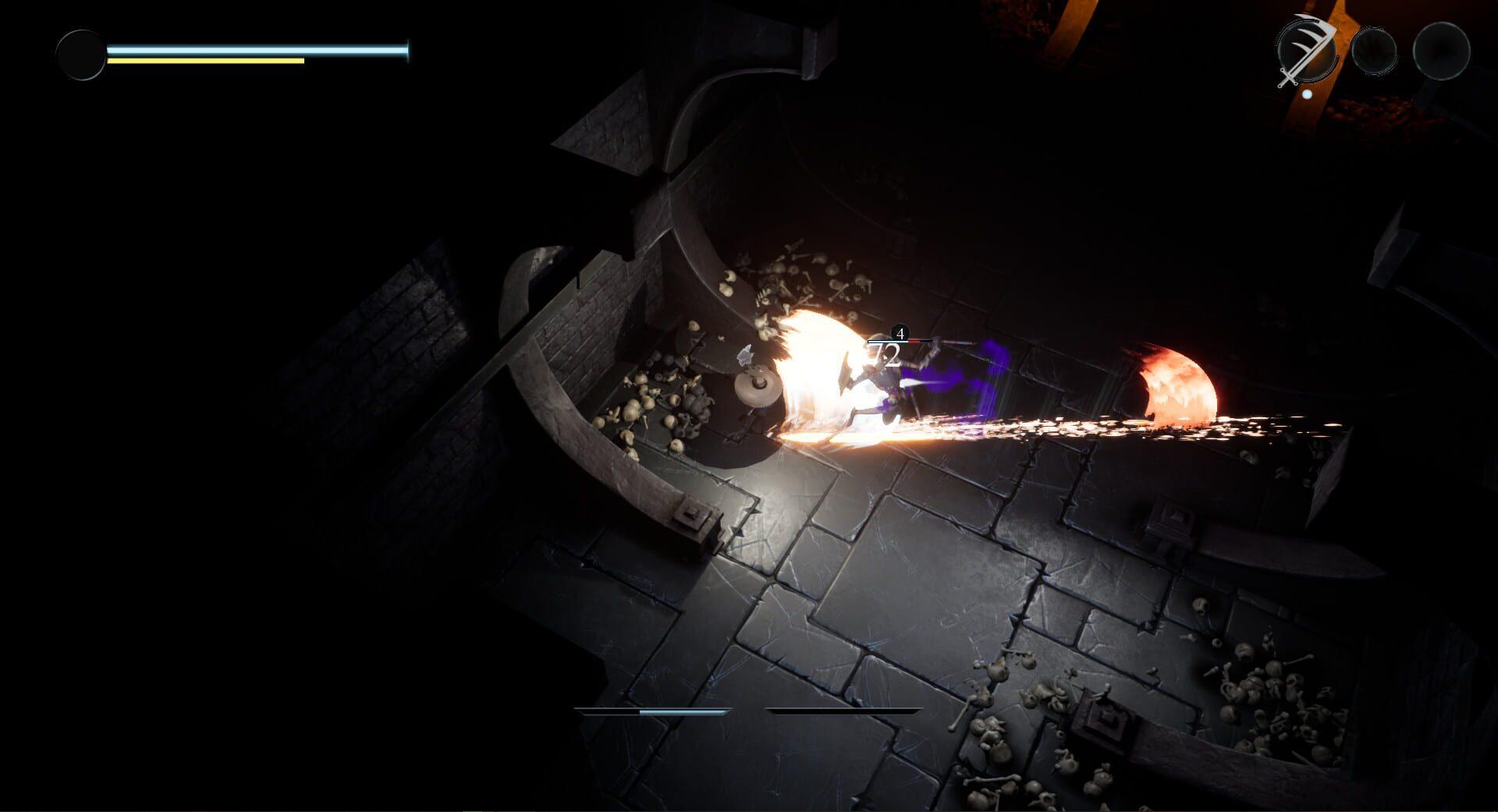
Combat is the other pillar, and Chashu Entertainment doesn't shy away from the souls-like label. Fights demand patience and precision. Enemies hit hard, telegraphed attacks reward learning, and death carries consequences. For players who've spent time with Dark Souls or Elden Ring, the rhythm will feel familiar but not derivative.
Gameplay and mechanics: what makes the combat work?
Sands of Aura's combat system is built around deliberate, weighty exchanges rather than button-mashing speed runs. The souls-like structure means stamina management and positioning matter as much as raw damage output. Key mechanics include:
- Stamina-based combat with punishing enemy aggression
- Weapon variety influencing playstyle and pacing
- Boss encounters requiring pattern recognition
- Exploration tied directly to progression
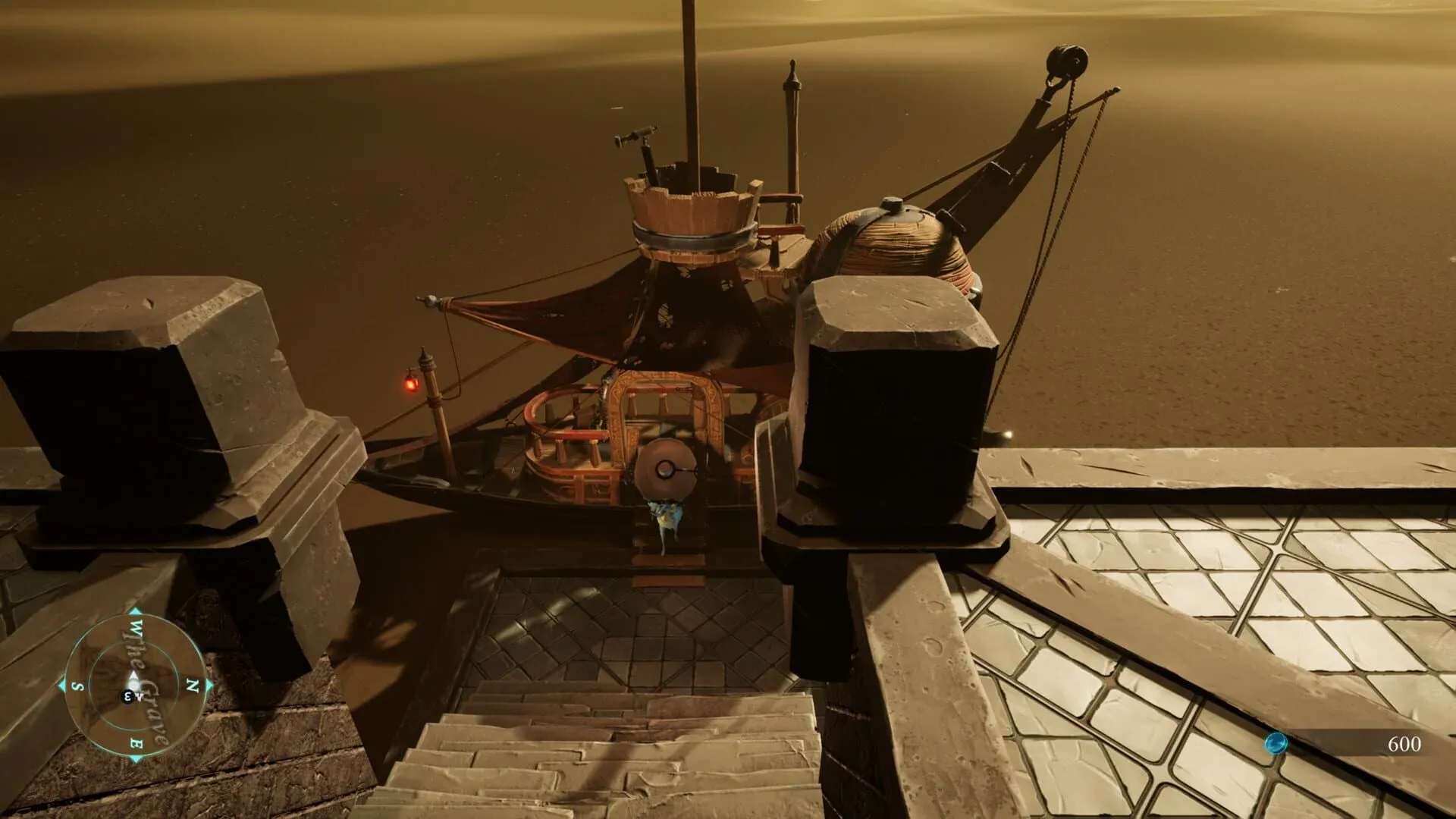
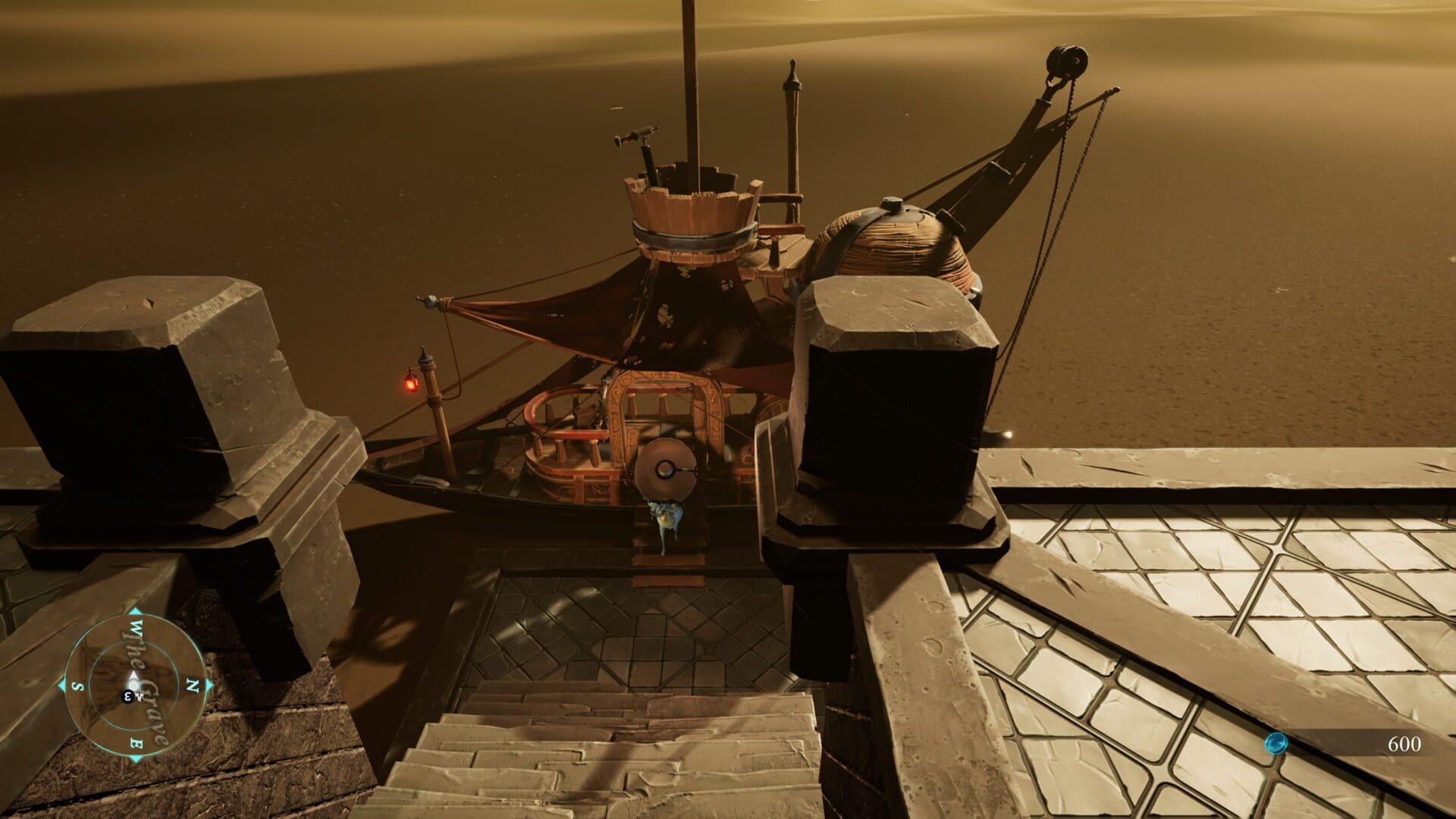
- Sailing the sandsea as a core traversal mechanic
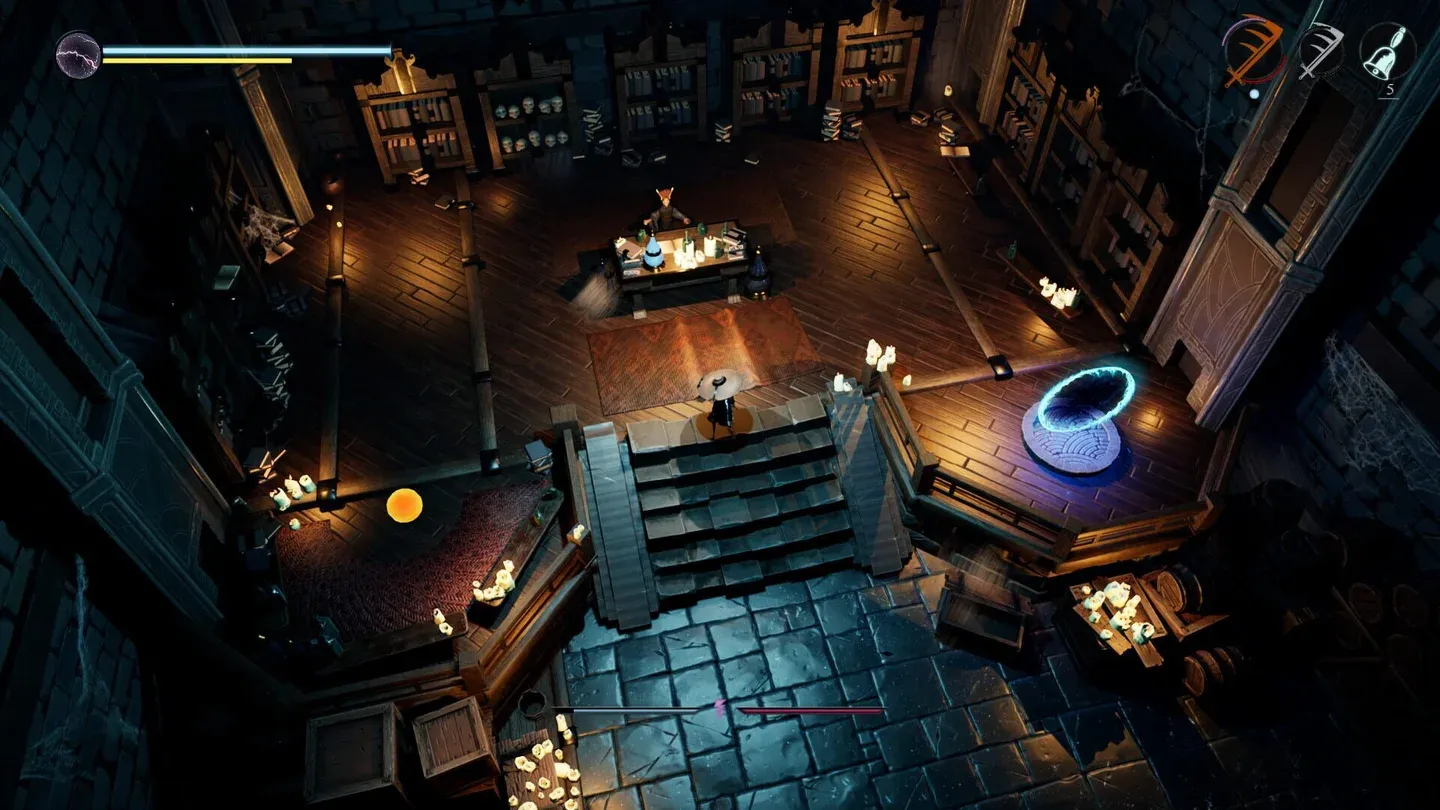
The sandsea sailing mechanic deserves particular attention because it's what separates Sands of Aura from most genre contemporaries. Rather than simply walking between zones, players navigate their vessel across the dunes, making the open-world traversal feel genuinely different from the on-foot dungeon crawling. The contrast between the exposed, sweeping sandsea and the claustrophobic interiors of corrupted ruins gives the pacing a natural rhythm.
World and setting: a dying realm worth saving
Thalamhel's lore is front-loaded with tragedy. A god, described as tormented, triggered the cataclysm that broke the world. That framing gives the setting moral complexity from the start; this isn't a simple evil-versus-good story. The Night Plague corrupting former inhabitants means enemies aren't mindless monsters but something closer to victims, which the game uses to build atmosphere rather than just populate encounter zones.
The open-world structure lets players uncover this history at their own pace. Remnants of the old world appear throughout exploration, and the environmental storytelling does a lot of heavy lifting in conveying what Thalamhel once was.
Innovation and unique features
The combination of souls-like combat with open-world sailing is the clearest differentiator here. Most games in the genre funnel players through interconnected corridors. Sands of Aura opens the space between those corridors into a traversable environment with its own hazards and discoveries. The fantasy setting also leans into its own mythology rather than borrowing the standard medieval European template, which gives the world a distinct visual and narrative identity.
Multi-platform availability across PC, Xbox, PlayStation, and Nintendo Switch means the game reaches players regardless of hardware, though the Switch version's performance relative to other platforms is worth checking before purchasing on that hardware.
Conclusion
Sands of Aura delivers a souls-like action RPG experience with a setting distinctive enough to justify its place in an increasingly crowded genre. The open-world sandsea traversal, punishing combat, and a lore-rich dying world combine into something that fans of challenging action RPGs should find worth their time. Chashu Entertainment built a game with a clear identity: grim, deliberate, and genuinely interested in the world it created.