
Advertisement

Overview
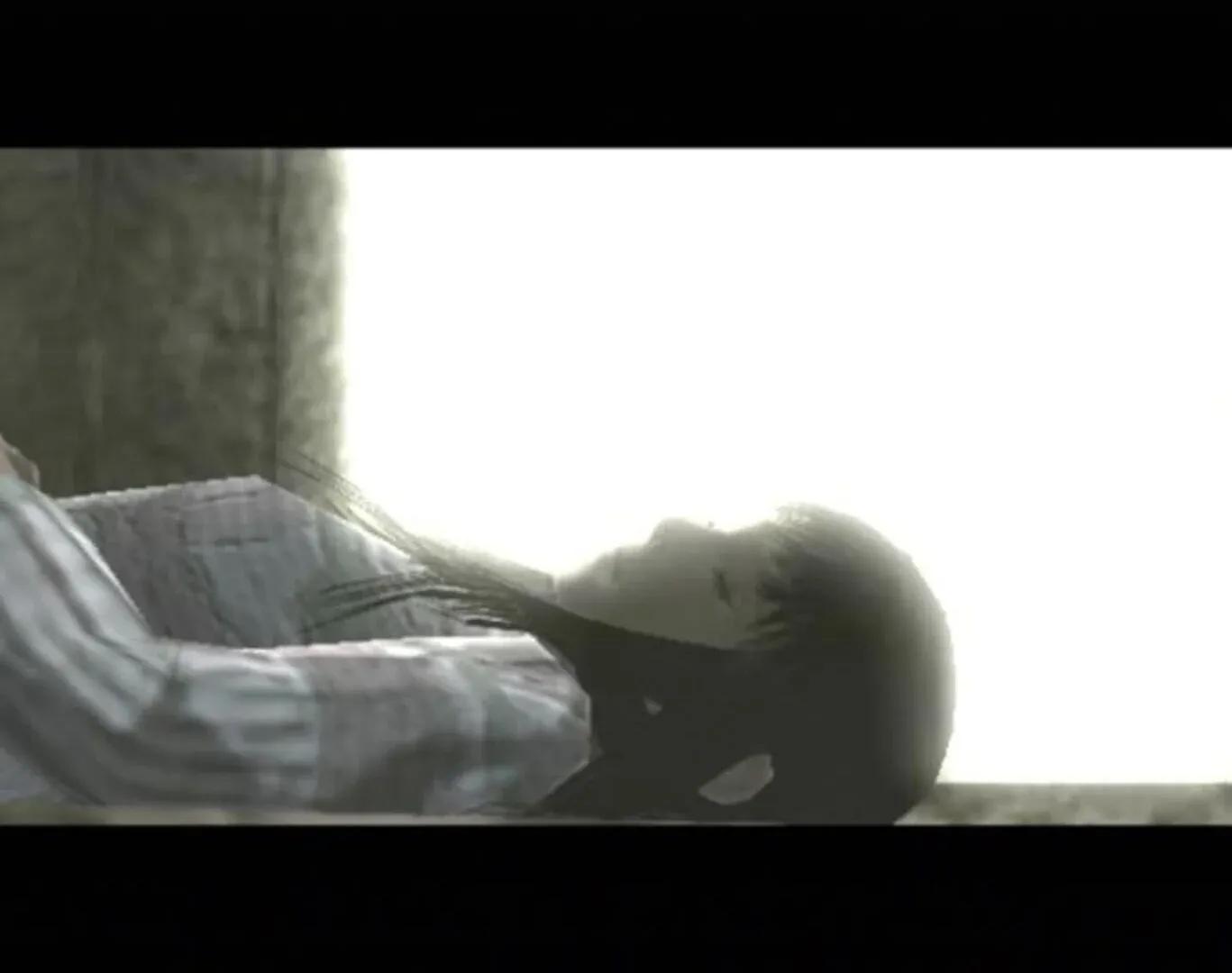
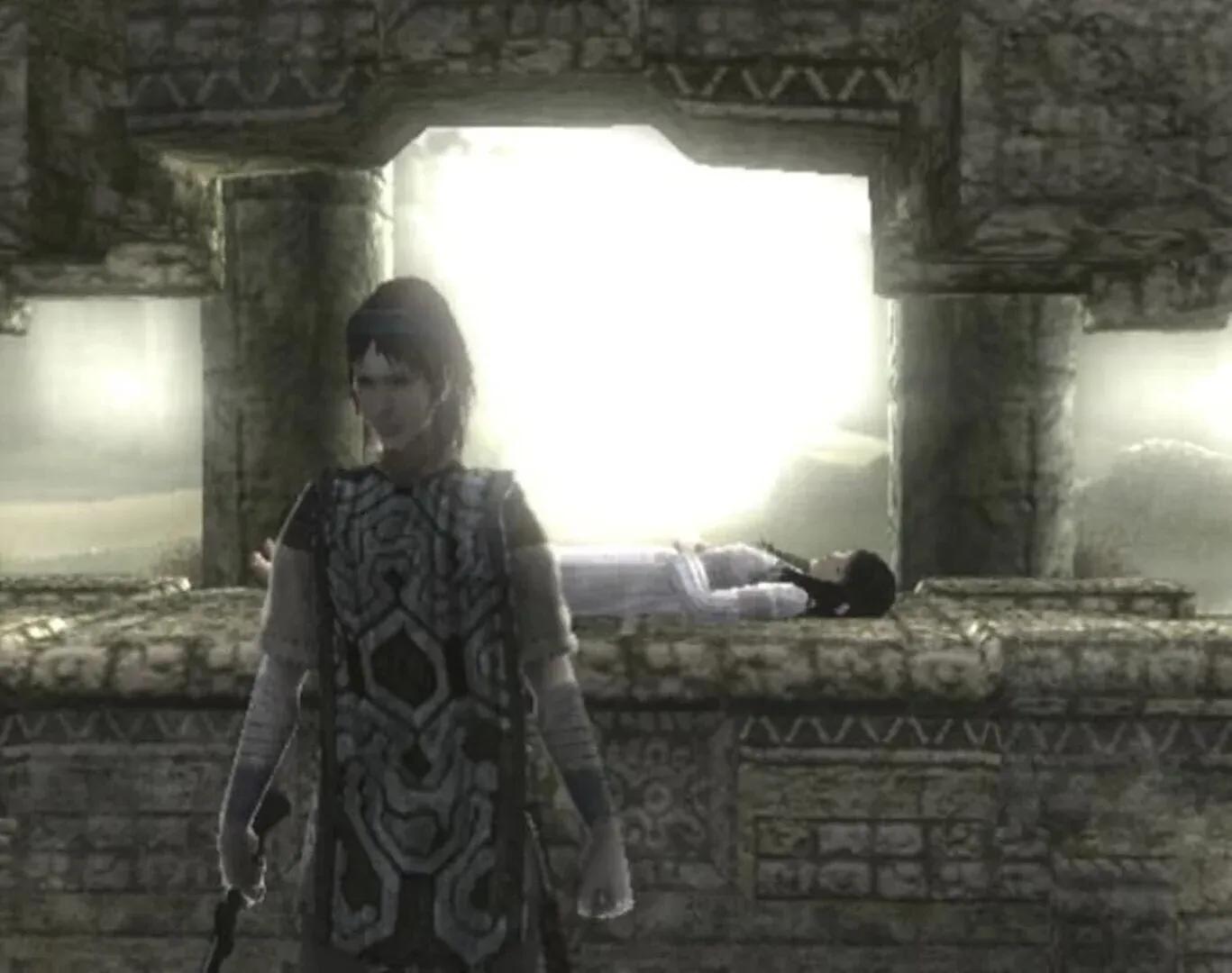
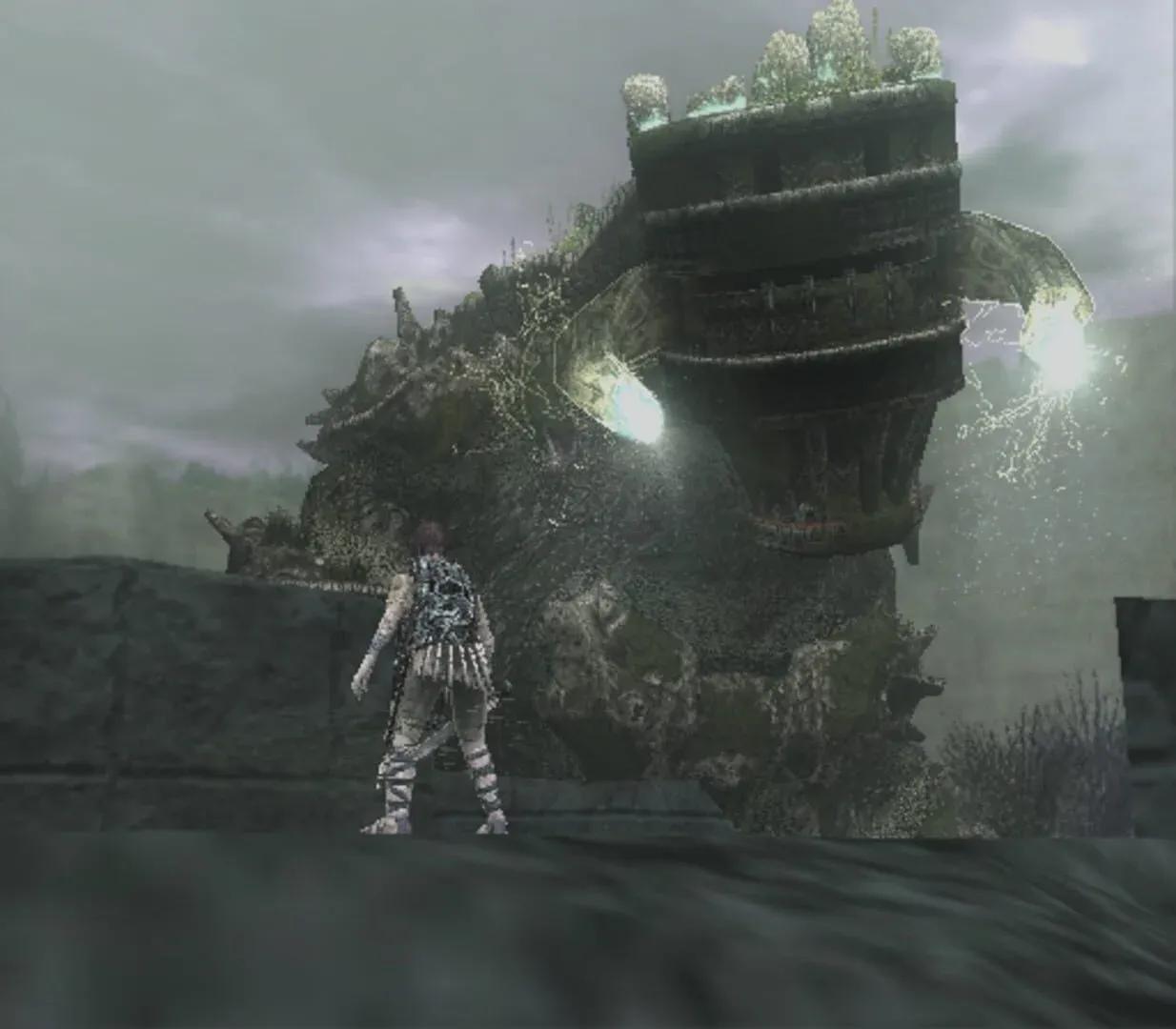
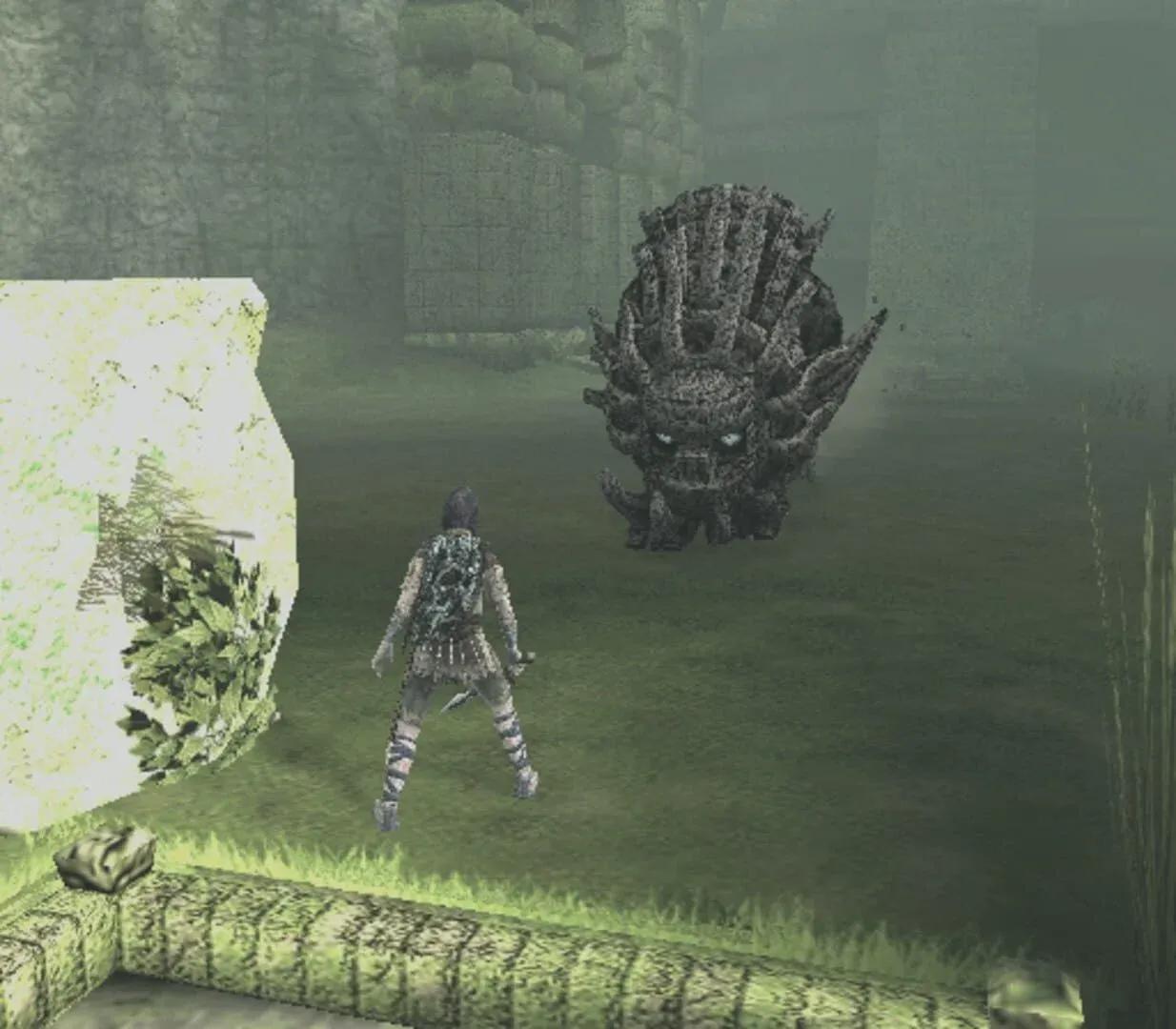
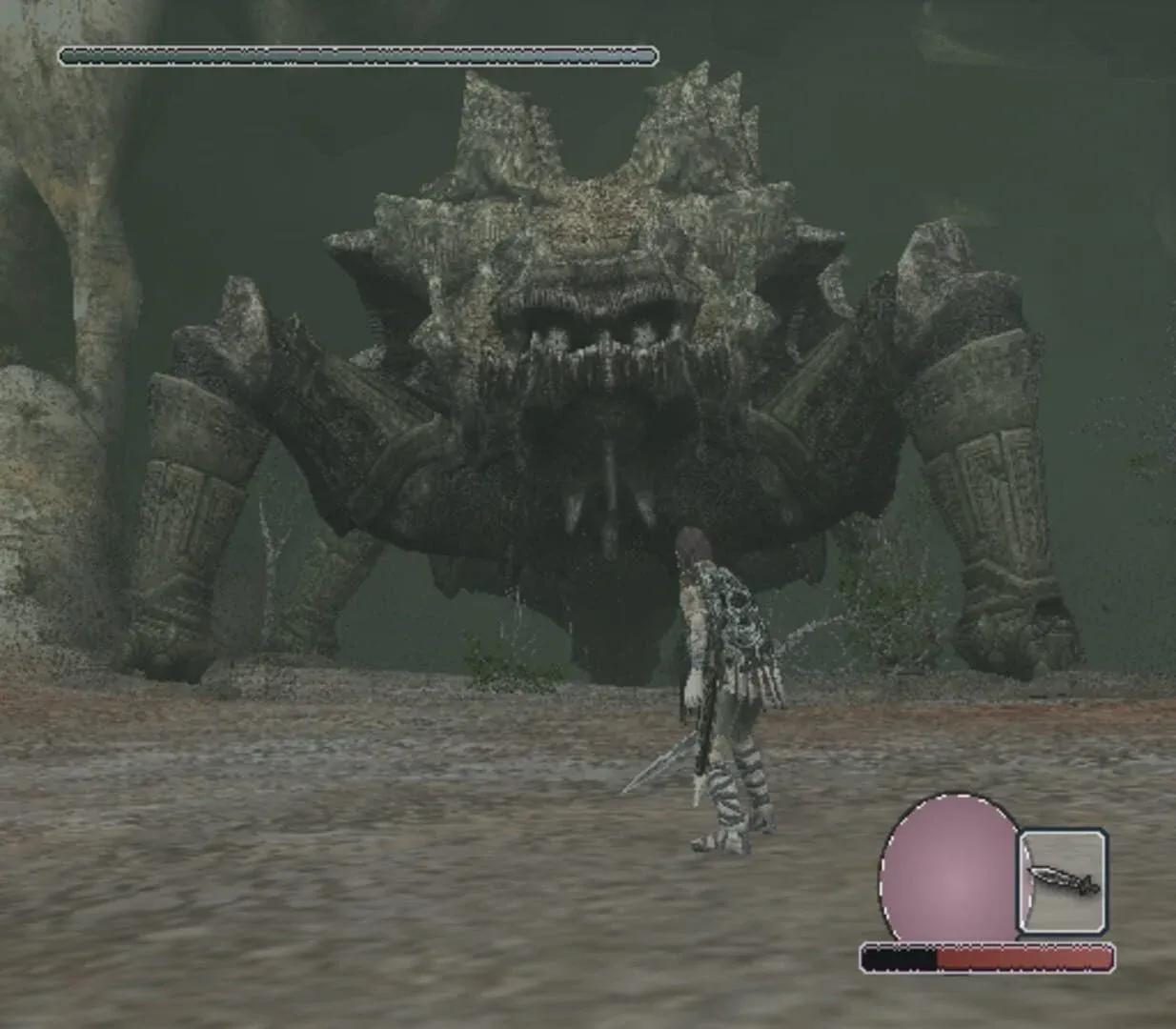
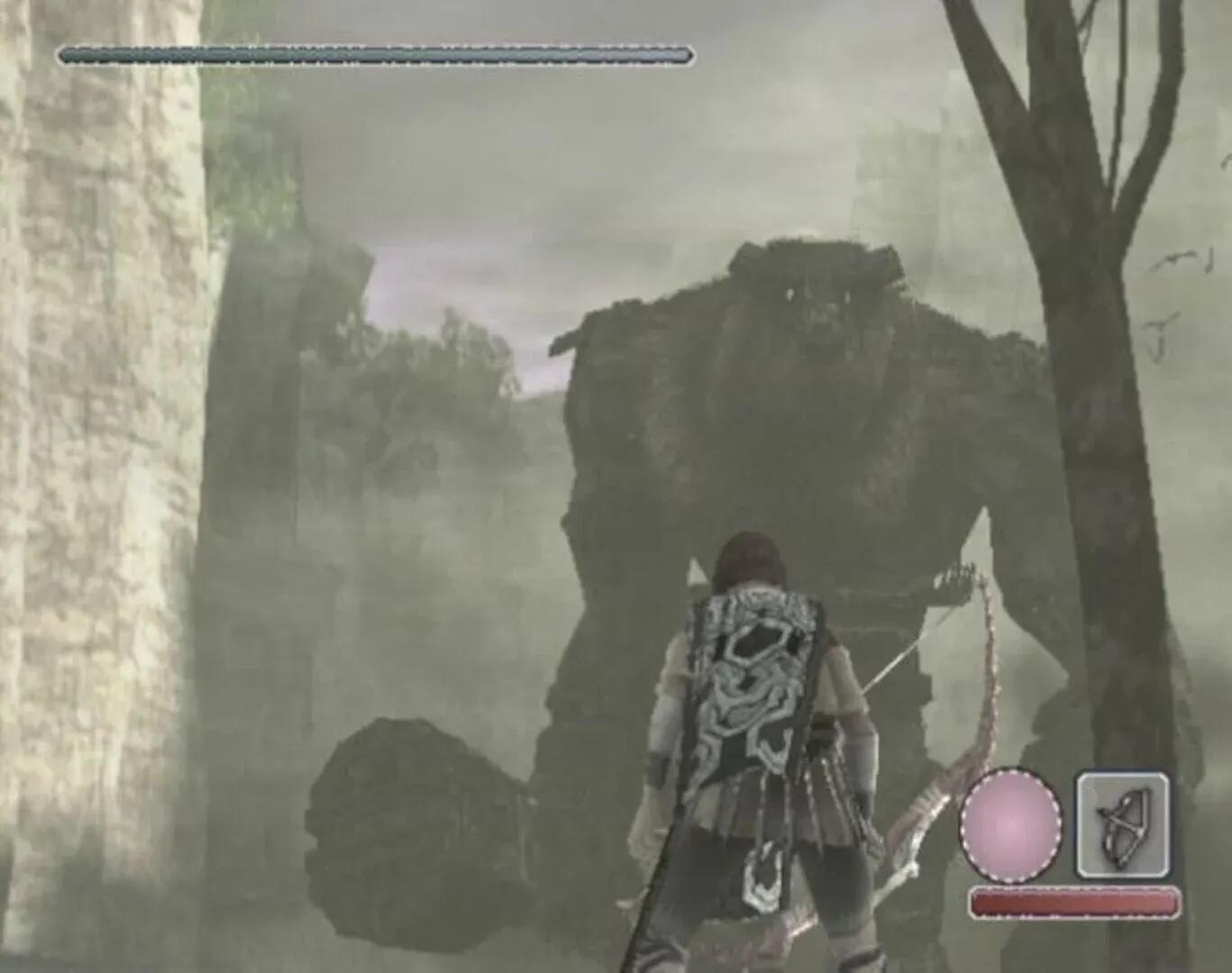
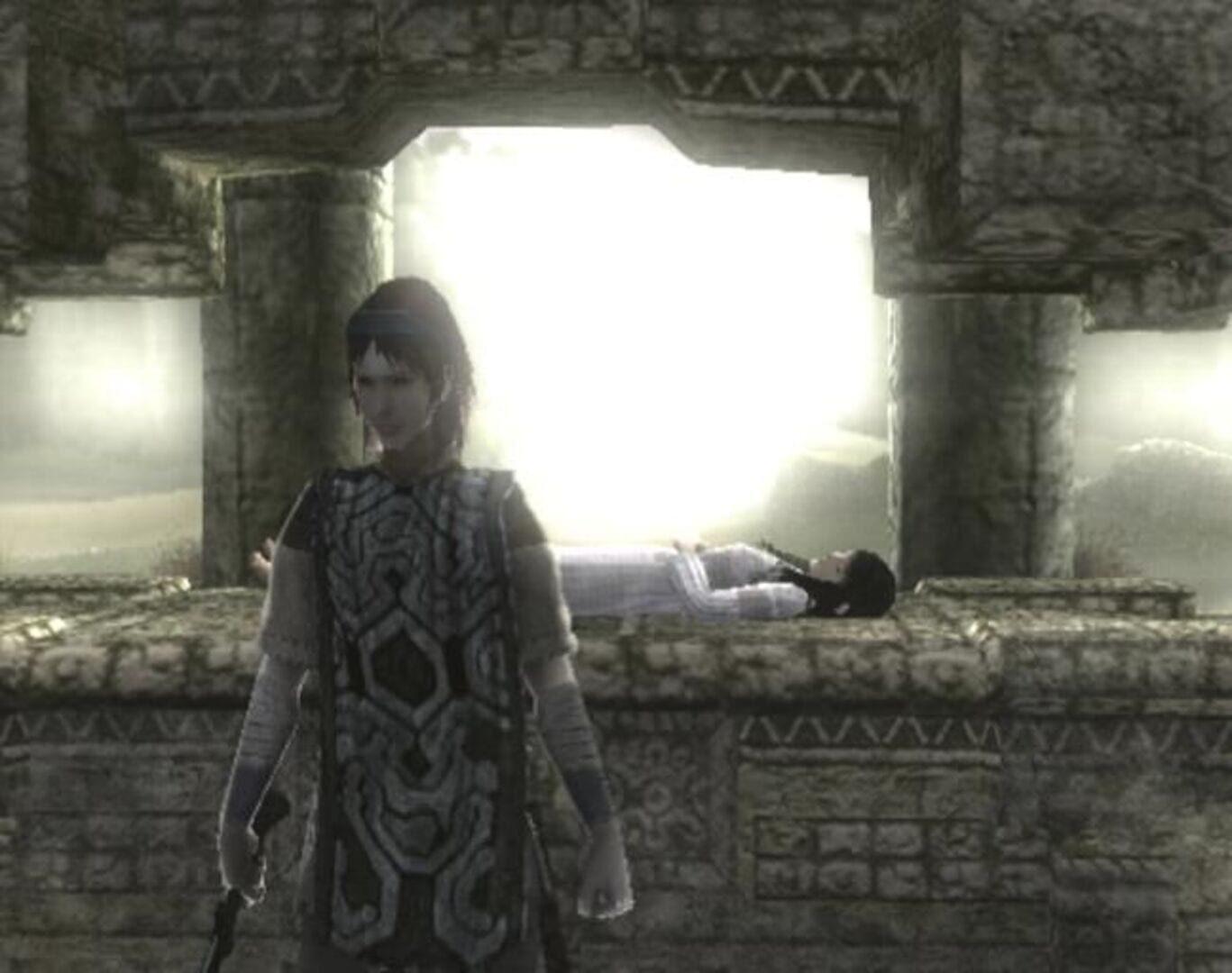
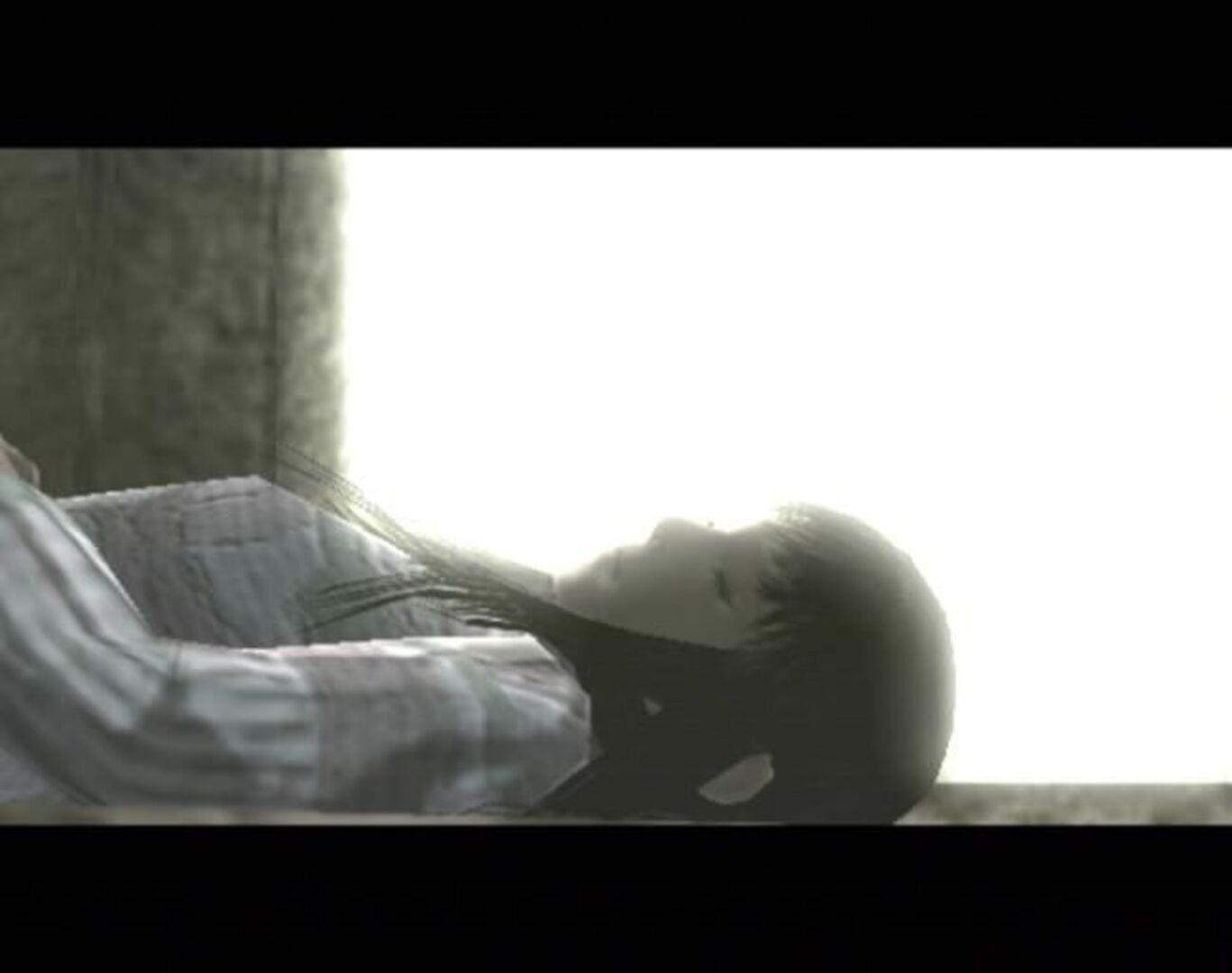
Shadow of the Colossus is an action-adventure game developed by Team Ico and published by Sony Computer Entertainment, originally released on October 18, 2005. The premise is almost absurdly focused: a young wanderer named Wander rides into a forbidden, cursed land carrying the body of a girl named Mono. He strikes a deal with the disembodied entity Dormin to revive her, and the price is the destruction of sixteen colossi scattered across the region. There are no other enemies. No side quests. No shops. The entire game is built around sixteen boss fights, and it works because each one is extraordinary.
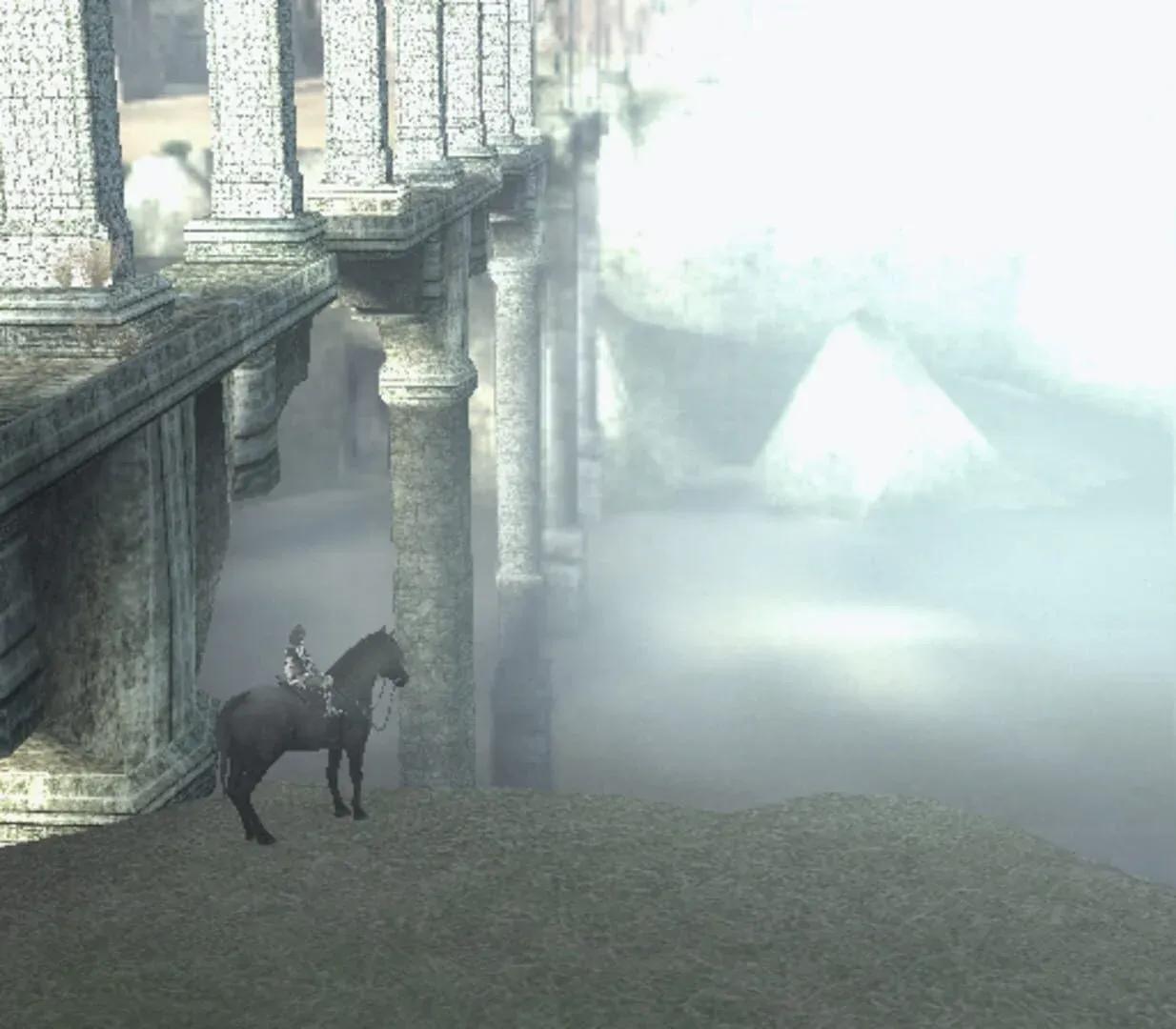
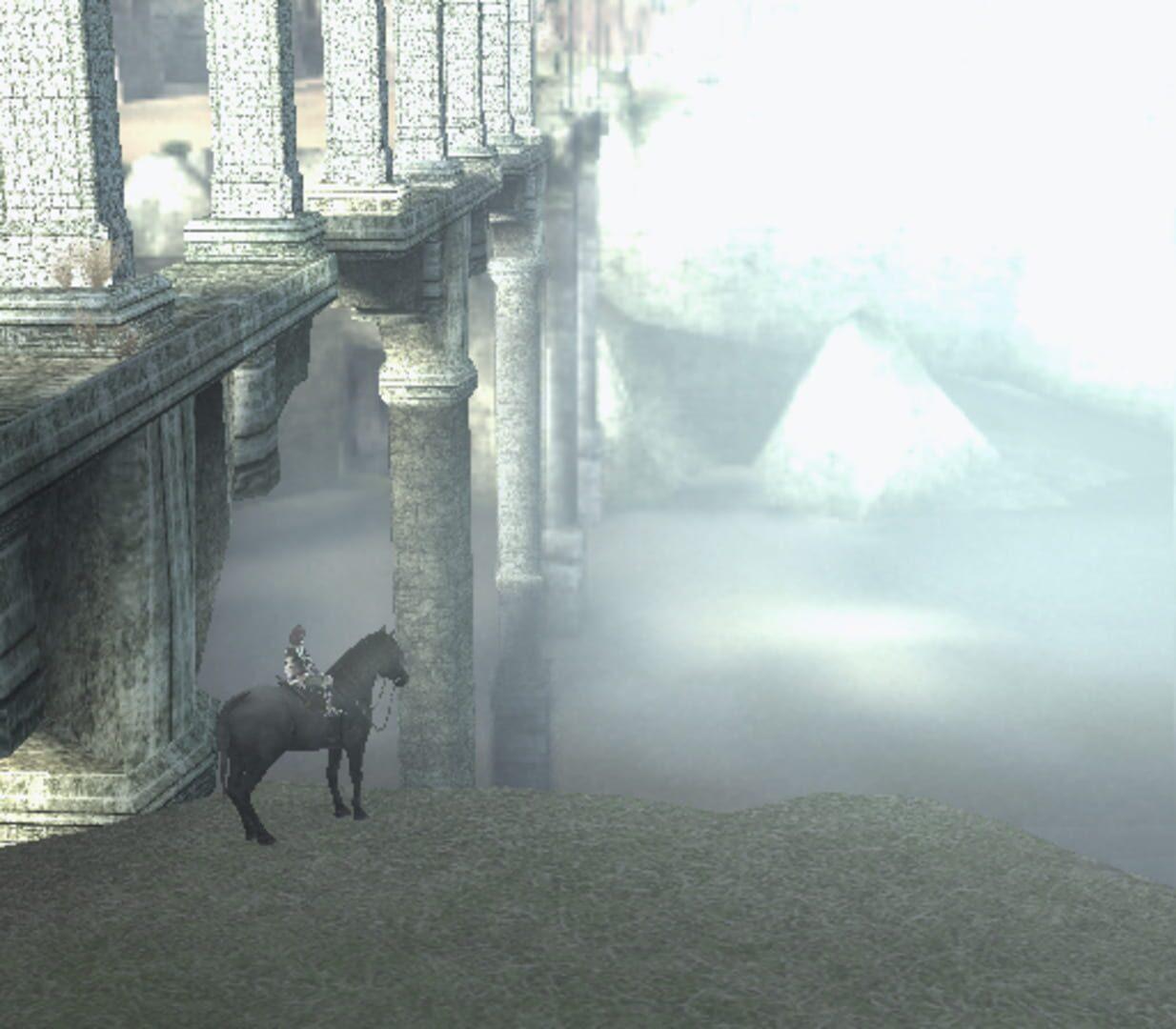
The forbidden land itself is enormous and almost entirely empty, which sounds like a criticism but functions as deliberate design. Riding across vast plains and crumbling ruins on horseback between encounters creates a specific kind of loneliness that makes each colossus feel genuinely significant. The silence between battles is part of the game.
Gameplay and mechanics
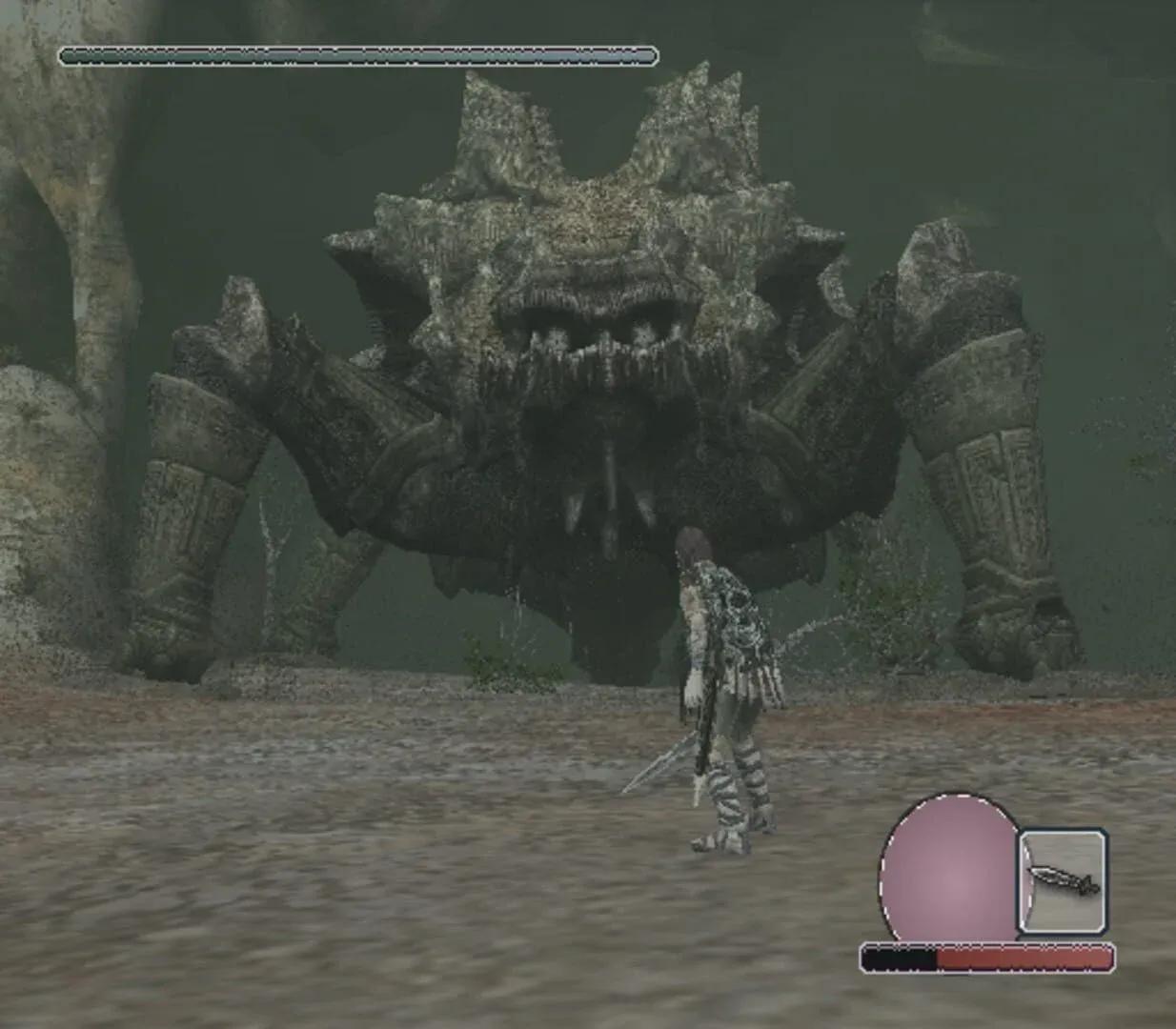
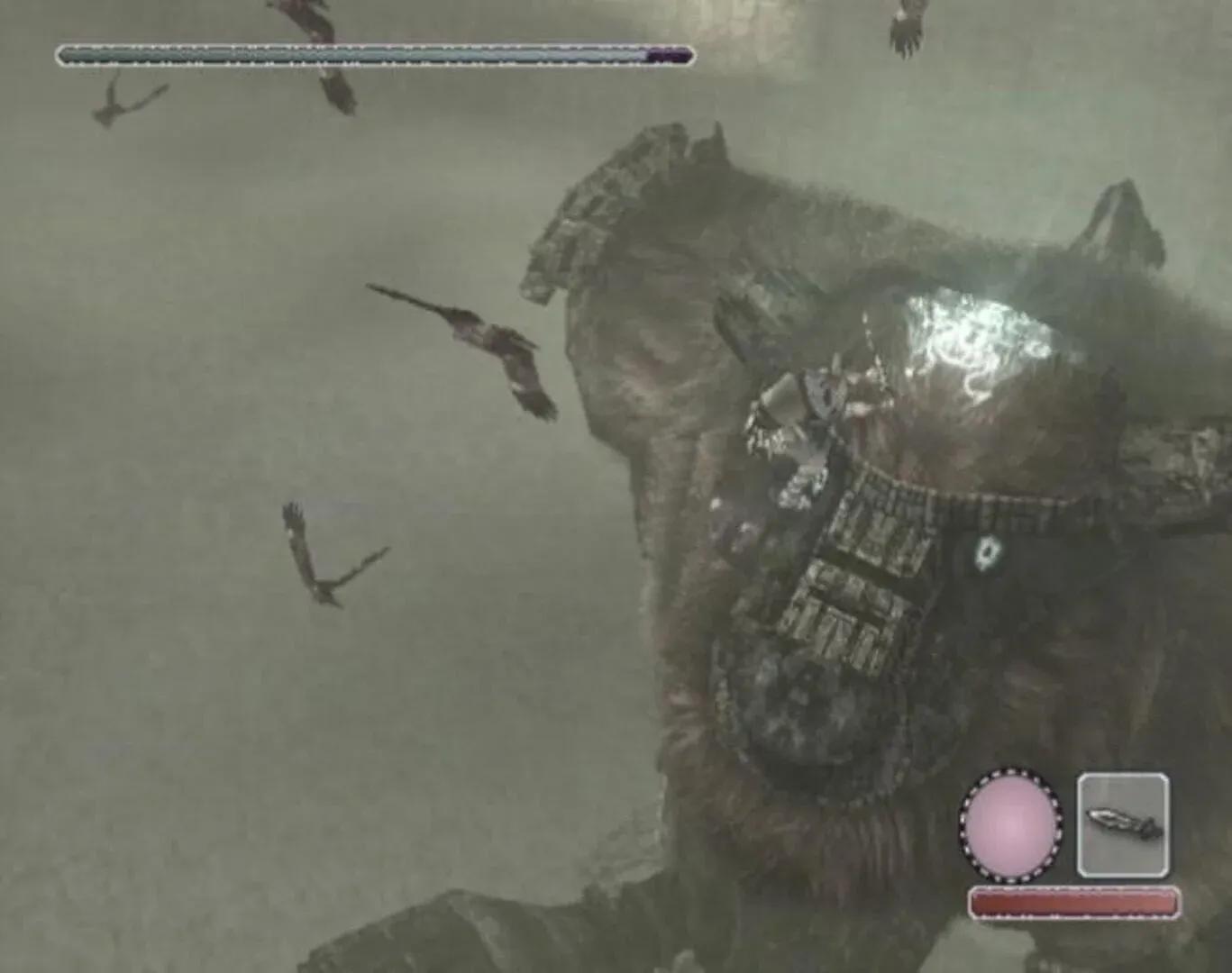
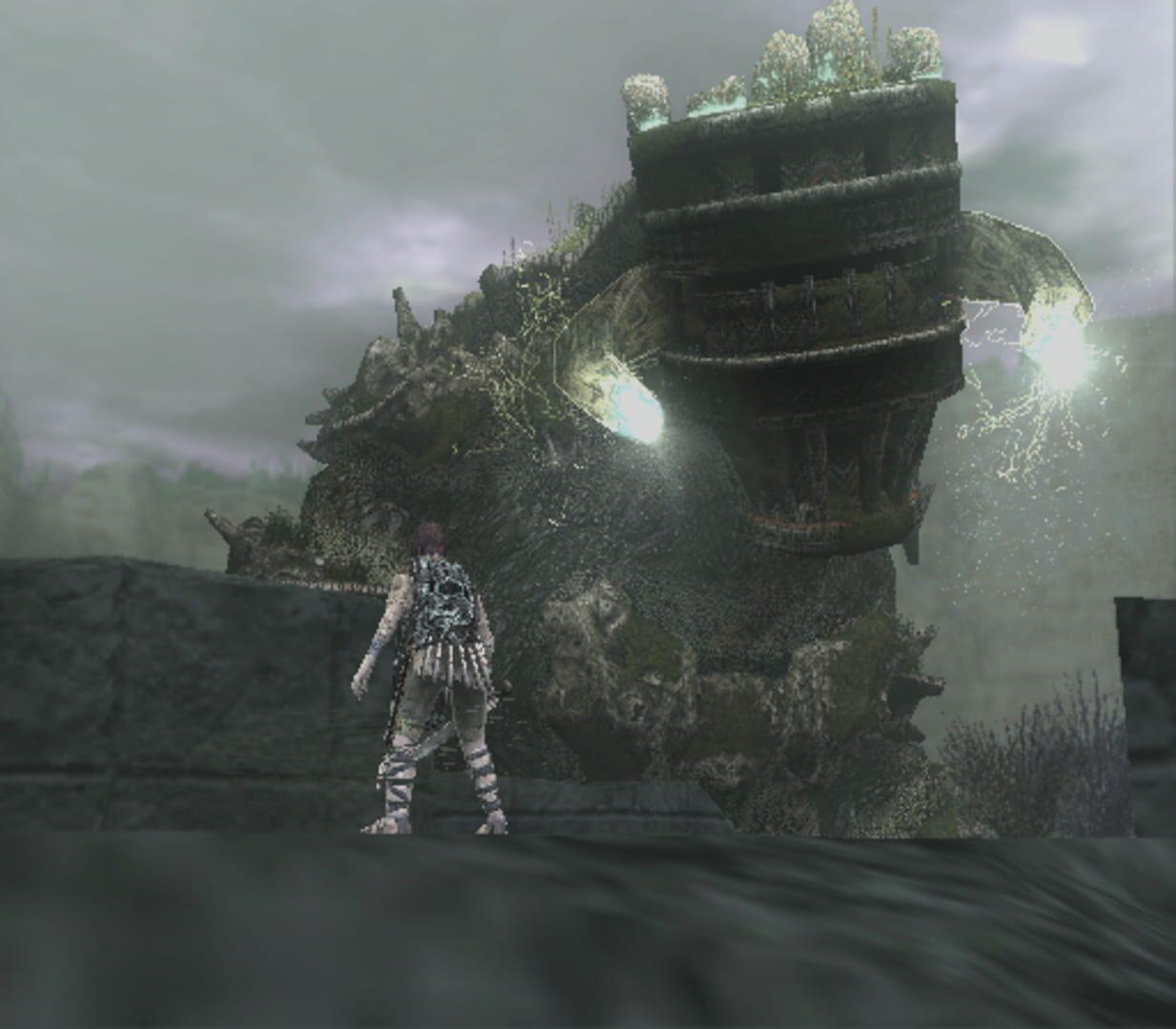
The core loop is straightforward: use your magical sword to locate a colossus, reach it, find the weak points glowing on its body, climb it, and drive your sword in deep enough to kill it. In practice, this plays out as a mix of environmental puzzle-solving and physical endurance. Each colossus is effectively a moving level, and figuring out how to scale a creature the size of a cathedral while it bucks and swipes at you is the game's central challenge.
Key mechanics that define the experience:
- Grip stamina bar that depletes as you cling to fur or stone
- Sword light that points toward the nearest colossus
- Agro the horse, controllable during several encounters
- Weak points that shift depending on colossus behavior
- No health pickups or checkpoints mid-fight
The grip stamina system creates real tension. Hanging from a thrashing giant while your stamina drains is genuinely stressful, and the game never lets you forget that Wander is a human being, not a superhero. The encounters scale in complexity as the game progresses, with later colossi requiring multi-stage approaches and lateral thinking.
World and setting
The forbidden land is one of the most atmospheric game environments ever constructed. Ruins of an ancient civilization dot the terrain, and the Shrine of Worship at its center functions as the only hub. The world feels depopulated not by accident but by design, as if something catastrophic happened here long before Wander arrived.
The story earns its emotional weight through restraint. Dormin's true nature, Wander's physical deterioration across the sixteen kills, and the final revelation about what he has actually been doing are all communicated with minimal dialogue. By the end, the player understands the cost of what Wander chose, and the final sequence involving Agro on the collapsing bridge hits harder than most games manage with hours of cutscenes.
Impact and legacy
Shadow of the Colossus is one of the clearest examples of a game that expanded what the medium could do. Its argument that boss fights could carry an entire narrative, and that emptiness could be as expressive as density, influenced a generation of designers. The game received a full remake developed by Bluepoint Games for PlayStation 4 in 2018, which introduced the title to a new generation without altering the underlying design. The original 2005 release also appeared on PlayStation 3 in a remastered HD collection alongside Ico.
The game's sixteen colossi remain some of the most memorable encounters in action-adventure history, each one distinct in silhouette, movement, and the specific problem it poses. That achievement holds up regardless of which version you play.