





Overview
Slay the Spire 2 represents Mega Crit's commitment to expanding their celebrated formula. The game maintains the essential structure that made its predecessor a phenomenon: players select cards to build a unique deck, face increasingly difficult enemies, and collect powerful relics that fundamentally alter gameplay strategies. Each run presents distinct challenges through procedural generation, ensuring that no two climbs feel identical.
The sequel status signals Mega Crit's confidence in evolving their established systems rather than simply replicating them. Players familiar with the original's tight design and deep strategic layers will recognize the studio's meticulous approach to balancing accessibility with complexity. The game operates on the principle that meaningful choices matter more than random chance, though calculated risks often yield the greatest rewards.
Strategic depth emerges from the interplay between card selection, relic acquisition, and enemy encounter planning. Every decision carries weight adding the wrong card can dilute a focused strategy, while skipping a powerful relic might mean missing a crucial synergy. This constant evaluation creates tension that keeps players engaged throughout each ascent.
What Makes the Deckbuilding Experience Stand Out?
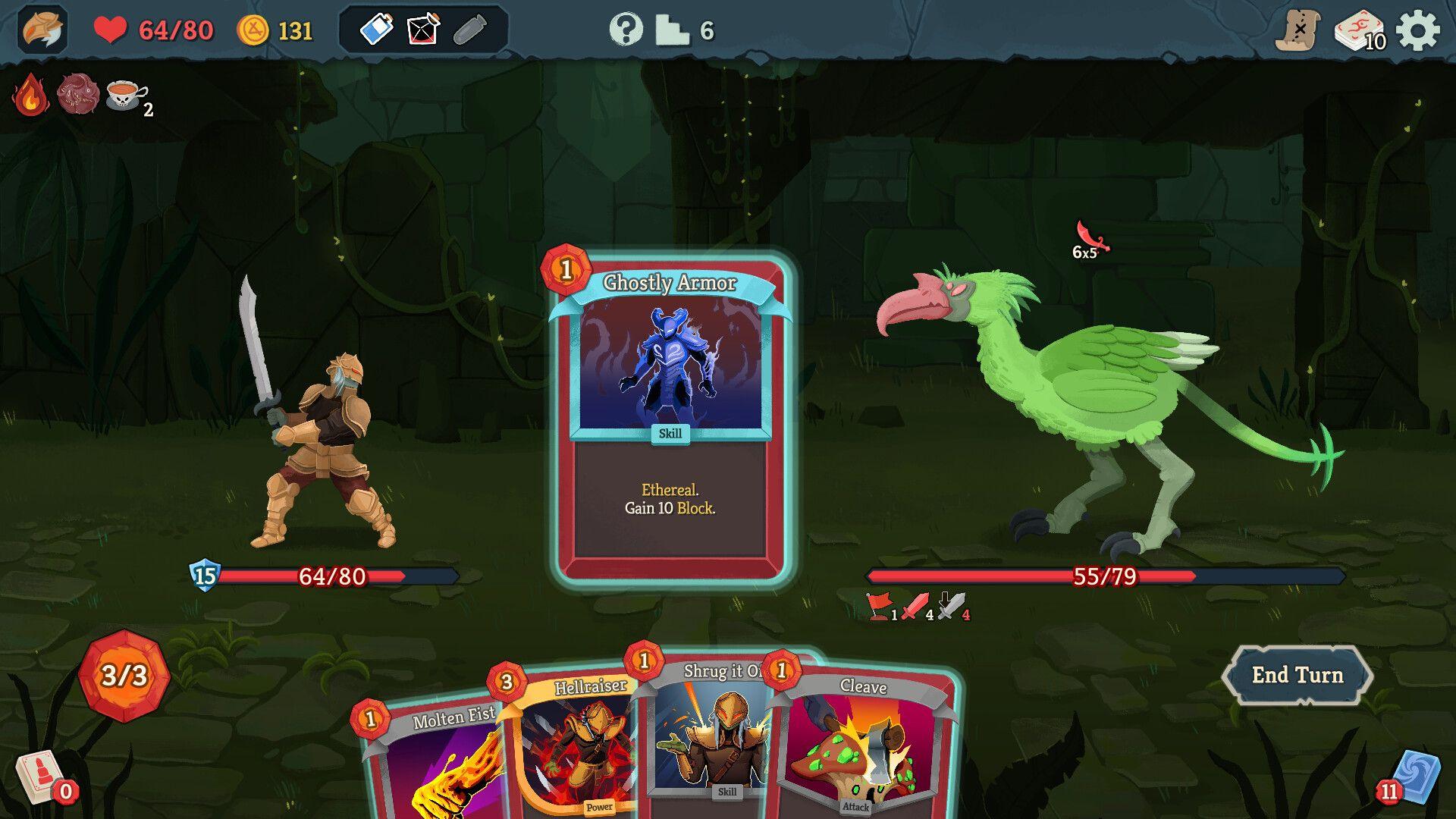
The deckbuilding mechanics form the game's strategic core. Unlike traditional card games where players construct decks before matches begin, Slay the Spire 2 requires ongoing curation throughout each run. Starting with a modest collection, players gradually refine their approach by:
- Selecting new cards after combat victories
- Removing cards at specific locations
- Upgrading existing cards for enhanced effects
- Discovering rare cards through special events
- Balancing deck size against consistency
Card synergies create exponential power growth when properly assembled. A single card might seem unremarkable in isolation, but combined with complementary abilities and relic effects, it can become devastatingly effective. This emergent complexity rewards players who understand how different mechanics interact.
Slay the Spire 2
The removal of cards proves just as important as their addition. Diluted decks struggle to draw key combinations consistently, making strategic trimming essential for high-level play. This counterintuitive mechanic, deliberately limiting options, demonstrates the game's sophisticated approach to deckbuilding strategy.
How Do Relics Transform Your Strategy?
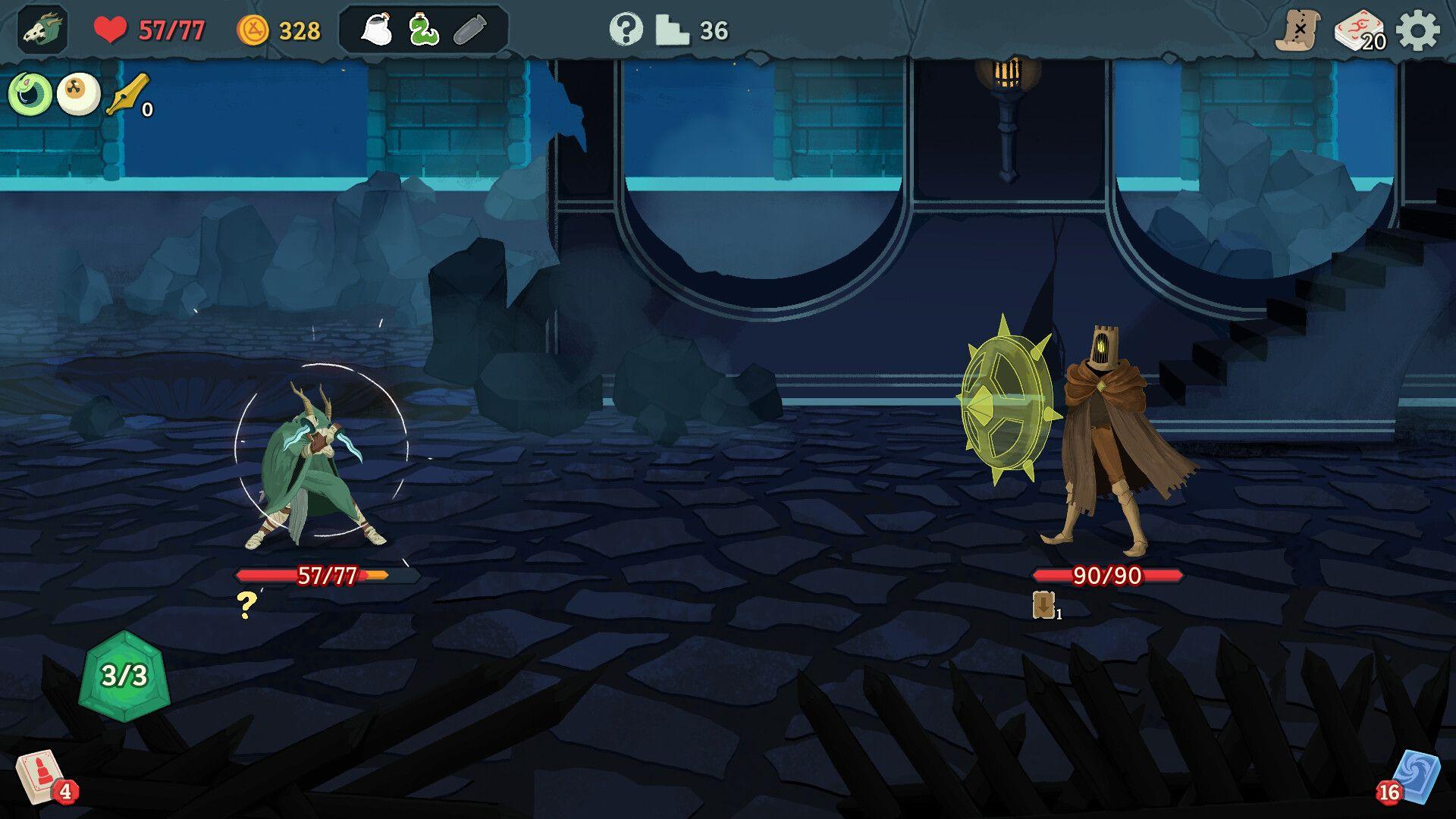
Relics function as permanent modifiers that dramatically reshape gameplay possibilities. These artifacts provide passive bonuses, enable new mechanics, or fundamentally alter how cards function. A single powerful relic can validate an entire deck archetype or force players to reconsider their current strategy.
Slay the Spire 2
The unpredictability of relic offerings creates adaptive gameplay. Players must evaluate whether to commit to their current strategy or pivot based on available relics. This flexibility separates successful runs from failed attempts, recognizing when to abandon a planned approach in favor of unexpected opportunities requires both game knowledge and tactical creativity.
Relic combinations produce some of the game's most memorable moments. When multiple relics align with a cohesive deck strategy, the resulting power spikes feel earned rather than accidental. These breakthrough moments provide the satisfaction that drives players to attempt repeated ascents.
Combat Encounters and Enemy Design
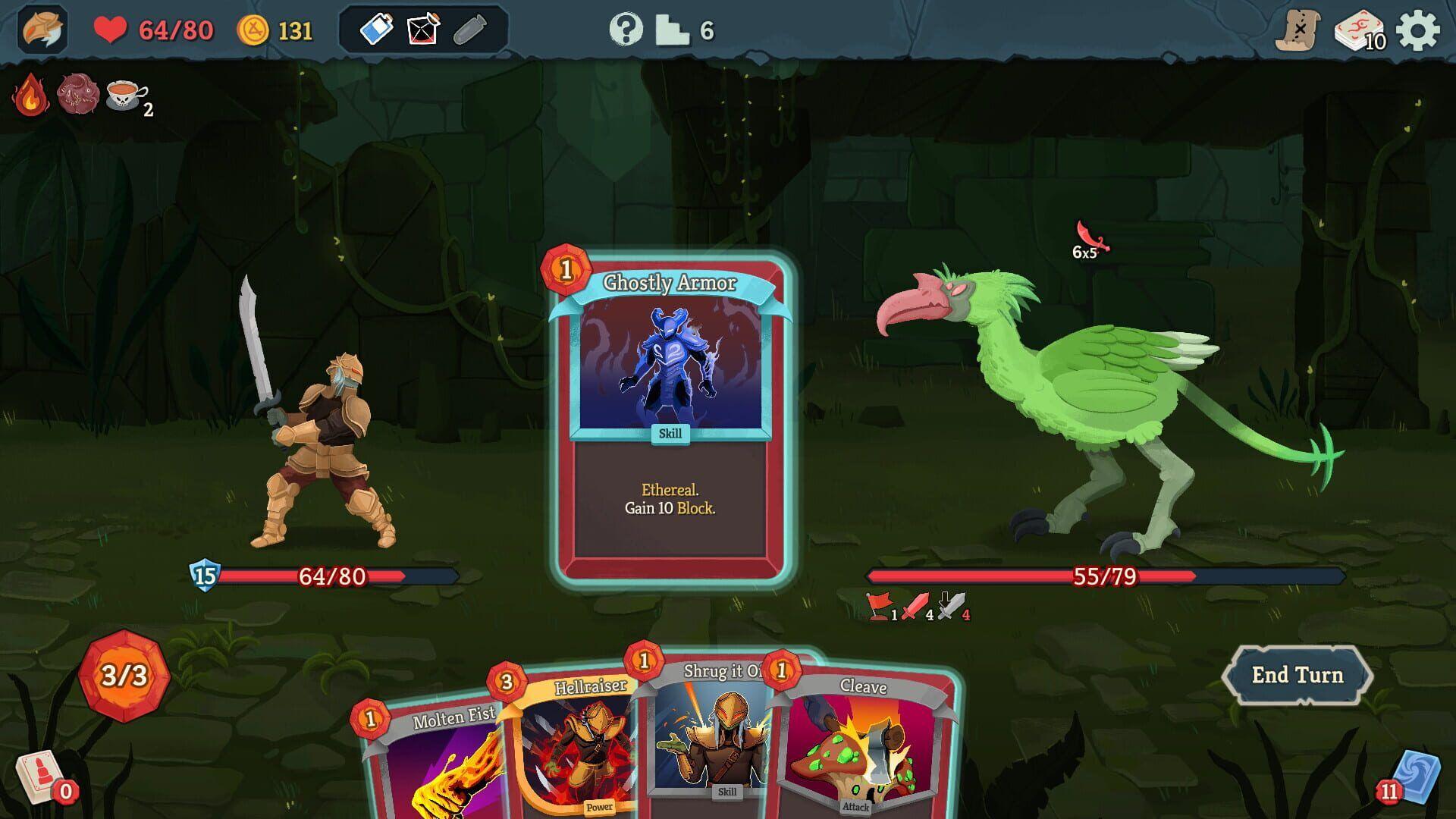
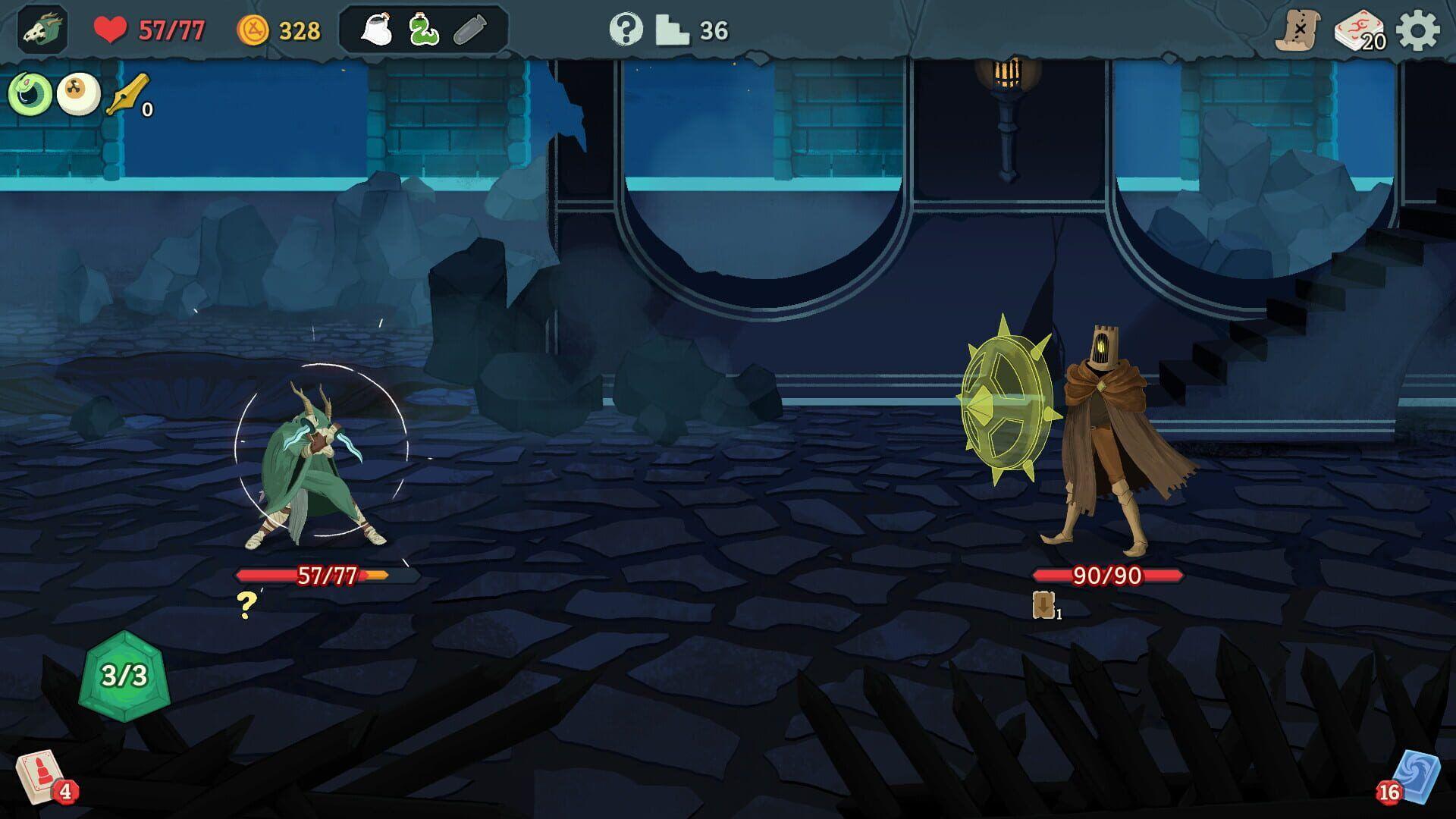
Turn-based combat encounters test deck construction choices against diverse enemy behaviors. Each opponent presents specific threats that demand different tactical responses. Some enemies punish aggressive strategies, while others must be eliminated quickly before their abilities spiral out of control.

Slay the Spire 2
Enemy intent telegraphing allows players to plan their turns strategically. Knowing whether an opponent will attack, defend, or activate a special ability enables informed decision-making about resource allocation. This information transparency shifts combat focus from reaction to calculation.
Elite encounters and boss battles represent significant difficulty spikes that require careful preparation. These high-stakes fights often determine run viability, rewarding players who balanced offense, defense, and utility throughout their deck construction. The challenge escalation maintains tension without feeling arbitrary.
Visual Presentation and Atmosphere
The game's art direction maintains the distinctive aesthetic established by the original. Character designs range from grotesque to whimsical, creating a memorable gallery of opponents. Card illustrations clearly communicate mechanical functions while contributing to the game's dark fantasy atmosphere.

Slay the Spire 2
Visual clarity serves gameplay needs effectively. Important information remains immediately readable during complex combat situations, preventing confusion when managing multiple card effects and enemy abilities simultaneously. This functional design philosophy ensures that strategic depth never becomes obscured by visual clutter.
System Requirements
Conclusion
Slay the Spire 2 delivers exactly what fans of strategic deckbuilding roguelikes expect from Mega Crit. The game preserves the addictive loop of card selection, relic discovery, and tactical combat that established the original as a genre benchmark. With its emphasis on meaningful choices, emergent synergies, and adaptive strategy, this sequel provides both familiar comfort and fresh challenges for players seeking deep, replayable gameplay experiences on PC platforms.