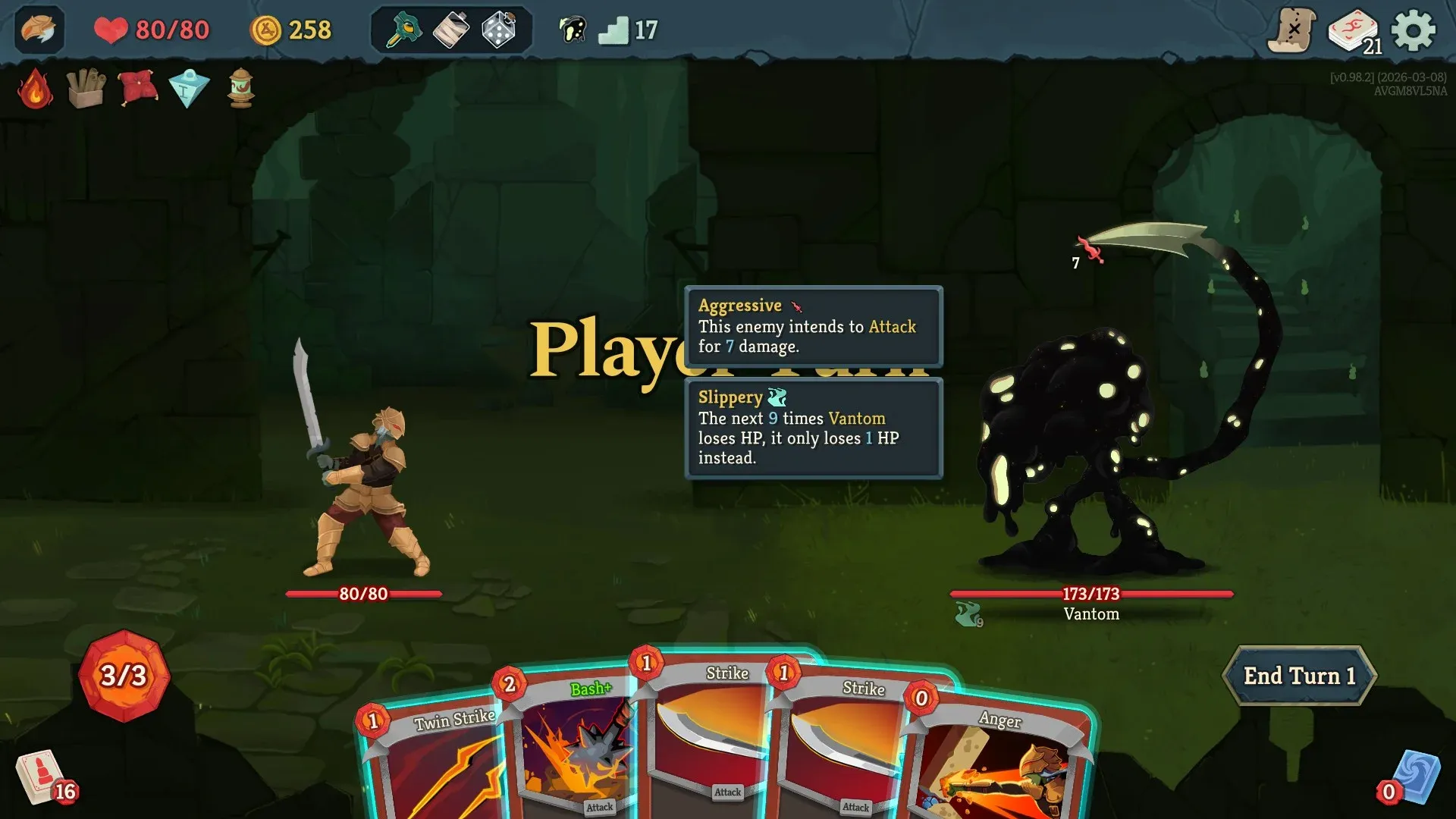

Slay the Spire 2 launched into Early Access on March 5, 2026, running on the Godot engine and bringing five distinct characters to the table. Mega Crit returned the beloved original trio with heavily reworked kits, then added two entirely new classes built around mechanics the original never touched. Whether you want to stack Strength until enemies evaporate or manipulate a Graveyard full of recycled spells, your class choice and draft decisions determine everything. This guide breaks down every character, their strongest builds, and how to pair them in Co-Op.
What Are All the Playable Classes in Slay the Spire 2?
Slay the Spire 2 ships with five playable characters at Early Access launch, which is already double what the original offered at the same stage. Here is a quick reference before the deep dive:
| Character | Playstyle | Difficulty | Signature Mechanic |
|---|---|---|---|
| The Ironclad | Strength scaling, self-heal | Beginner | Burning Blood relic, Exhaust |
| The Silent | Poison, Shiv spam, discard | Intermediate | Sly keyword |
| The Defect | Orb engine, passive damage | Intermediate | Focus stat, Orb slots |
| The Necrobinder | Blood Magic, minion summons | Advanced | Graveyard (Exhaust pile) |
| The Regent | Blade scaling, resource banking | Advanced | Stars resource, Forge keyword |
Ironclad starting relic screen

The Ironclad: How to Build Unstoppable Strength
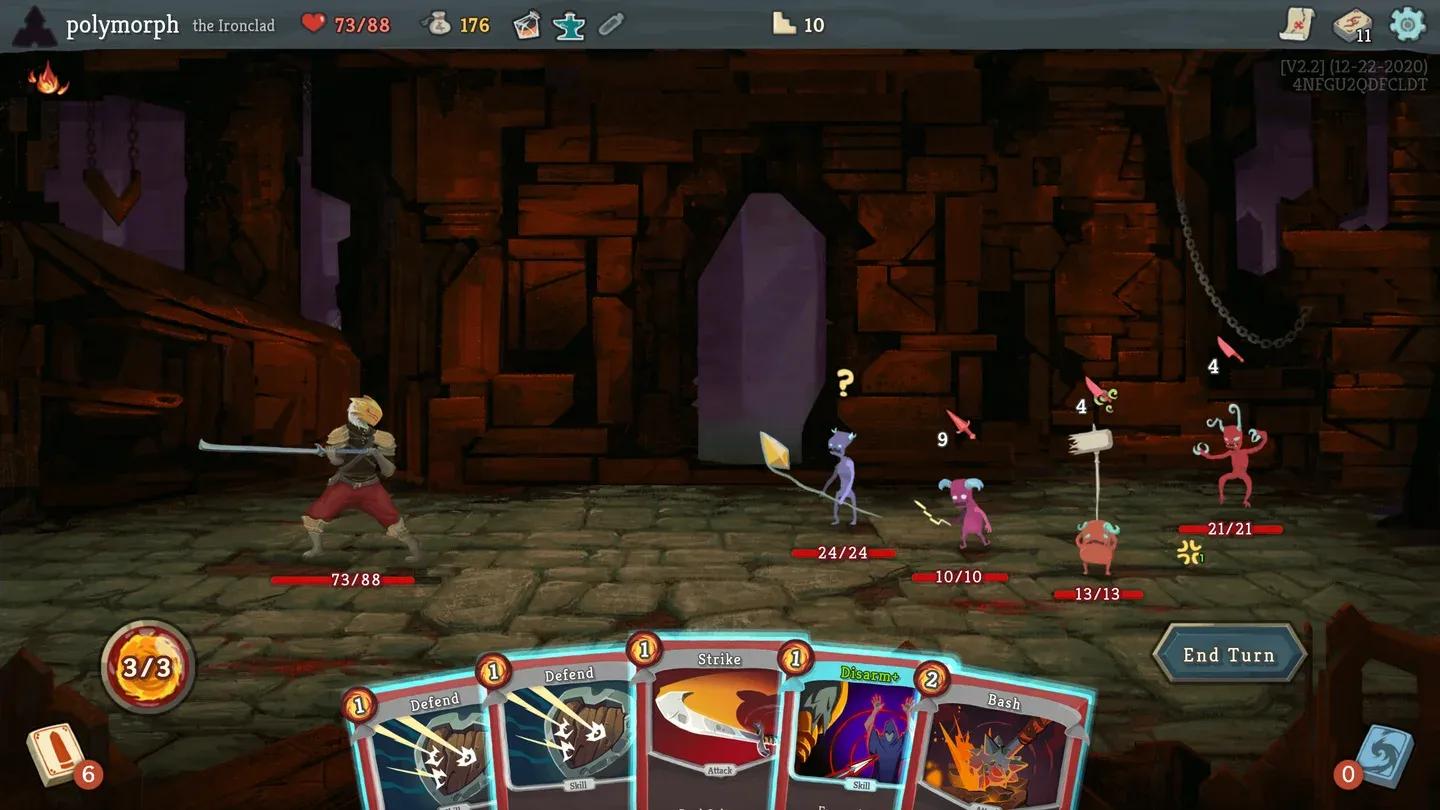
The Ironclad remains the most forgiving entry point in the roster. His starting relic, Burning Blood, restores 6 HP at the end of every combat, giving you a safety net while you learn enemy attack patterns across Acts 1 through 3.
The Heavy Strength Build
This is the Ironclad's most straightforward win condition. Draft Demon Form and Limit Break as early as possible. Once your Strength climbs into double digits, every multi-hit card in your deck starts deleting Act Bosses in a single turn. The key is committing early: every card pick should either add Strength, multiply Strength, or protect you long enough to set it up.
The Exhaust and Corruption Build
This is a more demanding but extremely powerful alternative. Corruption makes every Skill card in your deck cost 0 Energy, but those cards exhaust on play. Pair this with cards that reward exhausting and you can cycle your entire deck in one turn, playing every Skill for free before finishing with your attacks. It requires more drafting precision but pays off massively against high-HP bosses.
The Silent: How Does the New Sly Mechanic Work?
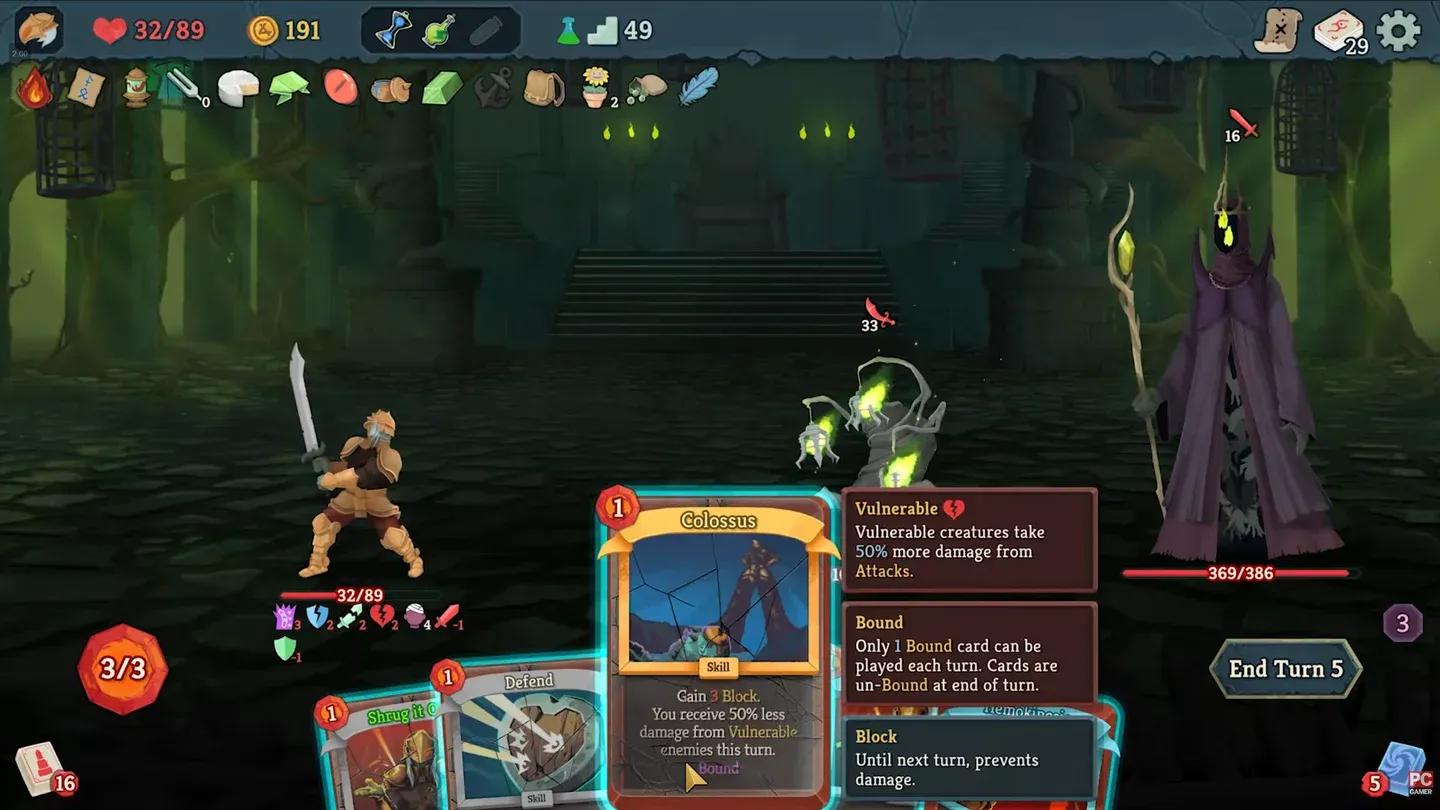
The Silent received the most significant rework of the returning trio. Mega Crit introduced the Sly keyword specifically for her kit. Any card tagged with Sly triggers automatically and for free the moment it is discarded from your hand, meaning you deal damage and generate Block without spending a single point of Energy.
The Sly Discard Engine Build
Cards like Acrobatics and Calculated Gamble let you dump your hand quickly, firing off every Sly card in the process. A well-assembled discard engine can produce enormous damage output and Block generation in a single turn without touching your Energy pool at all. The draft goal is simple: find discard outlets early, then fill your deck with Sly cards to trigger.
The Poison Catalyst Build
This is the Silent's classic win condition, refined for the sequel. Apply Poison stacks safely during early turns, then drop Catalyst to double or triple the current count. The enemy burns down during their own turn while you sit behind Block. The build is slower to close out fights but nearly immune to burst damage from bosses once the Poison count is high enough.
Silent Sly discard engine hand
The Defect: What Is the Best Orb Build?
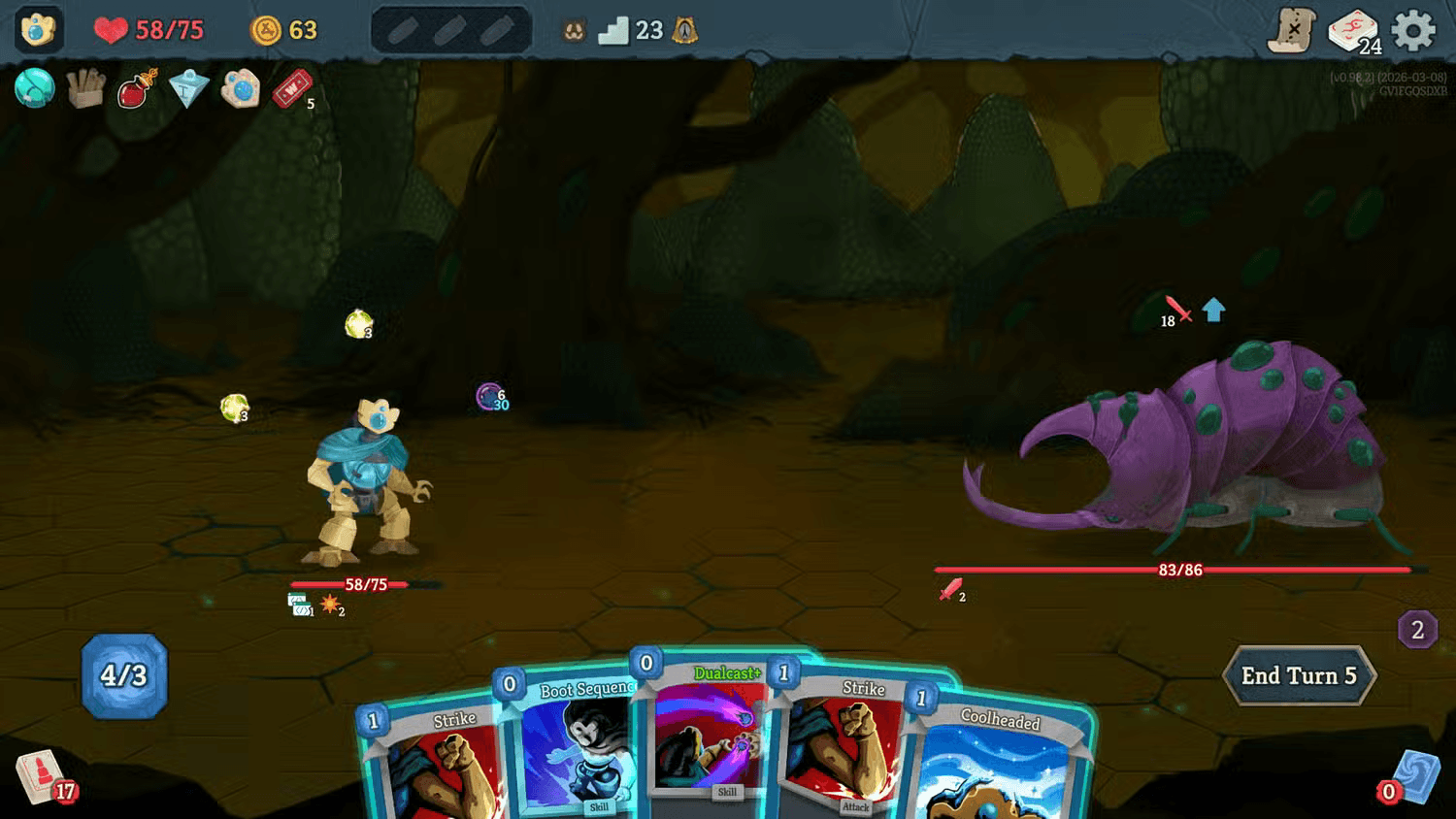
The Defect operates on a passive engine. His Orb slots fill with elemental constructs that trigger automatically at the end of each turn, and his Focus stat amplifies every passive trigger. A high-Focus Defect barely needs to attack directly.
The Frost and Focus Turtle Build
Draft Glacier and Cold Snap to load your Orb slots with Frost Orbs, then stack Focus using Defragment. Each Frost Orb passively generates Block every turn, and with enough Focus the Block output becomes effectively infinite. This build wins by outlasting everything rather than killing it quickly.
The Dark Orb Nuke Build
Channel a single Dark Orb and leave it in a slot. Dark Orbs grow in damage passively every turn they remain unchanneled. Once the stored damage climbs past 100, evoke it using Multicast or Dualcast to deliver a one-shot to the Act Boss. The build requires patience and enough Frost or Lightning coverage to survive while the Dark Orb charges.
The Necrobinder: How Do Graveyard Mechanics Work?
The Necrobinder is the first entirely new class built on the Godot engine. She is a high-risk, high-reward character centered on two systems: spending your own HP to cast powerful spells, and pulling cards back from the Graveyard (the renamed Exhaust pile) to replay them.
The Minion Swarm Build
The Necrobinder can physically summon Osty, her skeletal left hand, onto the battlefield. Minions in this build carry their own HP pools and intercept incoming attacks, acting as a shield layer that protects the Necrobinder while she sets up her loops. Draft cards that spawn additional minions and you can absorb enormous amounts of incoming damage.
The Blood Magic and Graveyard Loop Build
Expend HP to play overpowered spells at 0 Energy cost, then use Graveyard retrieval mechanics to pull those same spells back and replay them. A fully assembled loop can recycle your highest-damage cards indefinitely. The risk is real: mismanaging your HP floor ends runs instantly. This build rewards players who track their health as a resource rather than a health bar.

Necrobinder summons Osty minion
The Regent: How Do Stars and the Forge Mechanic Work?
The Regent is the most mechanically distinct character in the roster. He introduces two resources and systems that no previous Slay the Spire character has used.
Stars are a persistent secondary resource that carry over between turns without a cap. His starting relic grants 3 Stars at the beginning of every combat, giving him a baseline resource pool to work with immediately. Stars accumulate throughout a fight, meaning a patient Regent player can bank a significant stockpile before spending them on high-impact plays.
The Forge keyword upgrades his signature colorless weapon, The Sovereign Blade, which permanently stays in his hand via Retain. Every card you play that carries the Forge keyword increases the Sovereign Blade's damage. The longer you build, the harder the eventual strike.
The Sovereign Blade Build
Draft as many Forge cards as possible to ramp the Sovereign Blade's damage before committing to the kill. The Blade Retains each turn, so it is never a dead card in hand. This build rewards planning your kill turn carefully: know when the Blade's damage crosses the threshold to finish the boss and execute cleanly.
The Minion Sacrifice Build
Cards like Guards convert the cards currently in your hand into disposable Minions. You can then sacrifice those Minions for massive burst Block or damage. This build plays very differently from the Blade build and leans more on Stars as fuel for sacrifice-driven burst turns.

Regent Sovereign Blade in hand
What Are the Best Co-Op Class Combinations?
Slay the Spire 2 supports 4-player online Co-Op, and team composition matters more than individual deck power. Mega Crit encourages players to pick different classes to prevent relic pool dilution and maximize complementary effects.
| Combination | Role Split | Why It Works |
|---|---|---|
| Ironclad + Silent | Tank + Poison DPS | Ironclad absorbs targeted hits while Silent stacks Poison safely from range |
| Silent + Necrobinder | Discard Engine + Graveyard Loop | Discarded Silent cards can potentially be retrieved by Necrobinder Graveyard mechanics |
| Defect + Necrobinder | Energy Support + Board Control | Defect Orbs generate surplus energy while Necrobinder minions absorb AOE attacks |
The Silent and Necrobinder pairing is particularly potent. Cards the Silent intentionally discards through her engine can feed into the Necrobinder's retrieval mechanics, creating a loop of free resources across both players' turns. It is one of the most discussed combinations in the early community and worth experimenting with once both players are comfortable with their individual kits.
Which Class Should Beginners Pick?
Start with the Ironclad. The Burning Blood relic healing 6 HP after every combat gives you room to make mistakes and still finish the run. You will learn enemy attack patterns, understand when to prioritize Block versus damage, and develop a feel for card drafting without the complexity of Stars, Graveyard loops, or Sly triggers pulling your attention in multiple directions.
Once you have a few Ironclad wins, the Silent is the natural second step. Her Sly mechanic introduces discard synergies that teach you how Slay the Spire 2 rewards building toward a specific combo rather than drafting generically.
Save the Necrobinder and Regent for when you understand the fundamentals. Both characters have punishing failure states that will end runs quickly if you do not already have a solid grasp of energy management and deck thinning.