


Overview
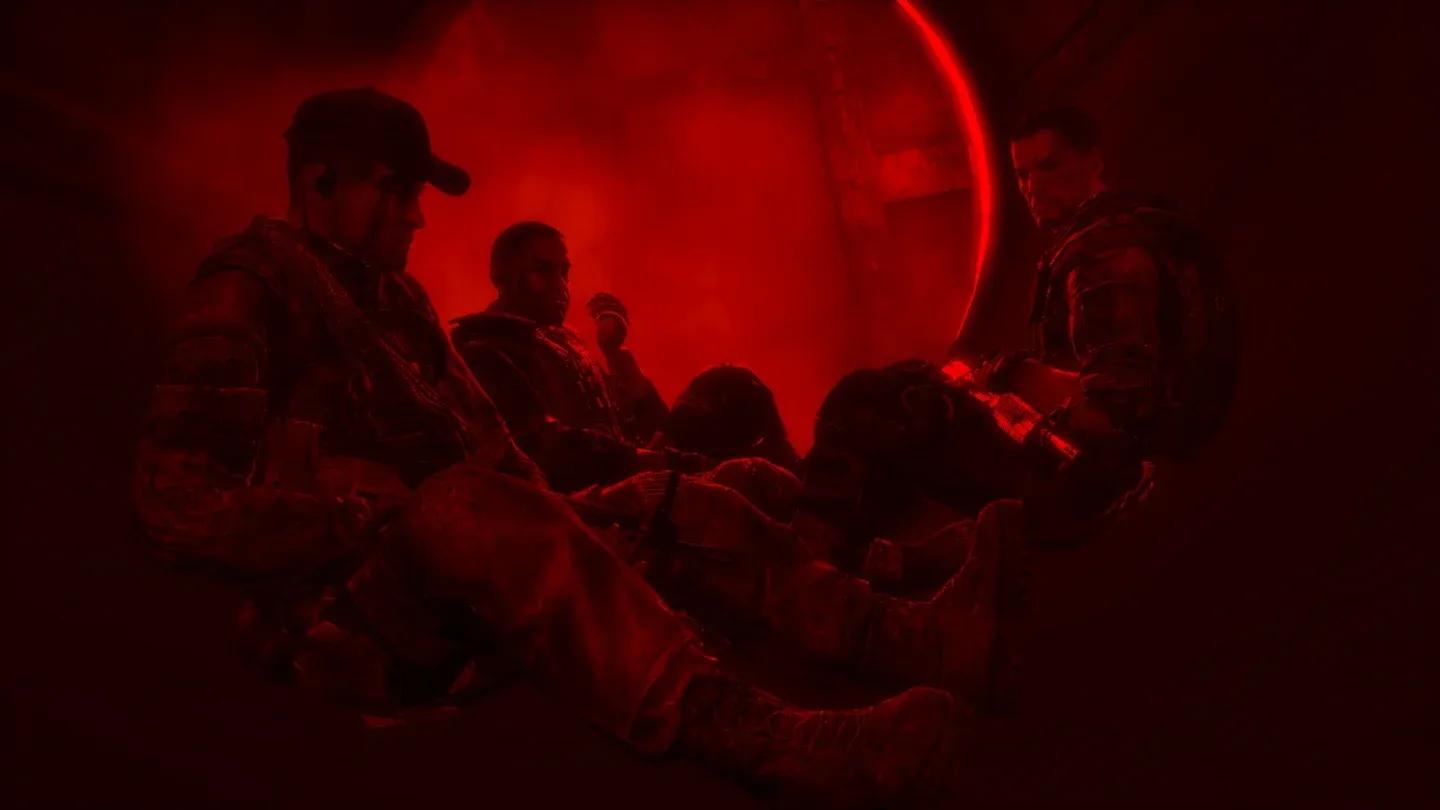
Spec Ops: The Line arrived in 2012 as a third-person shooter wearing the skin of a military action game while quietly dismantling everything that genre typically celebrates. Developed by YAGER and published by 2K, it drops Captain Martin Walker (voiced by Nolan North) and his two-man Delta Force team, Lieutenant Adams and Sergeant Lugo, into a post-catastrophe Dubai six months after a series of apocalyptic sandstorms buried the city under meters of sand. The mission starts straightforward: locate survivors, confirm the fate of the 33rd Battalion, and radio for evacuation. It does not stay straightforward.
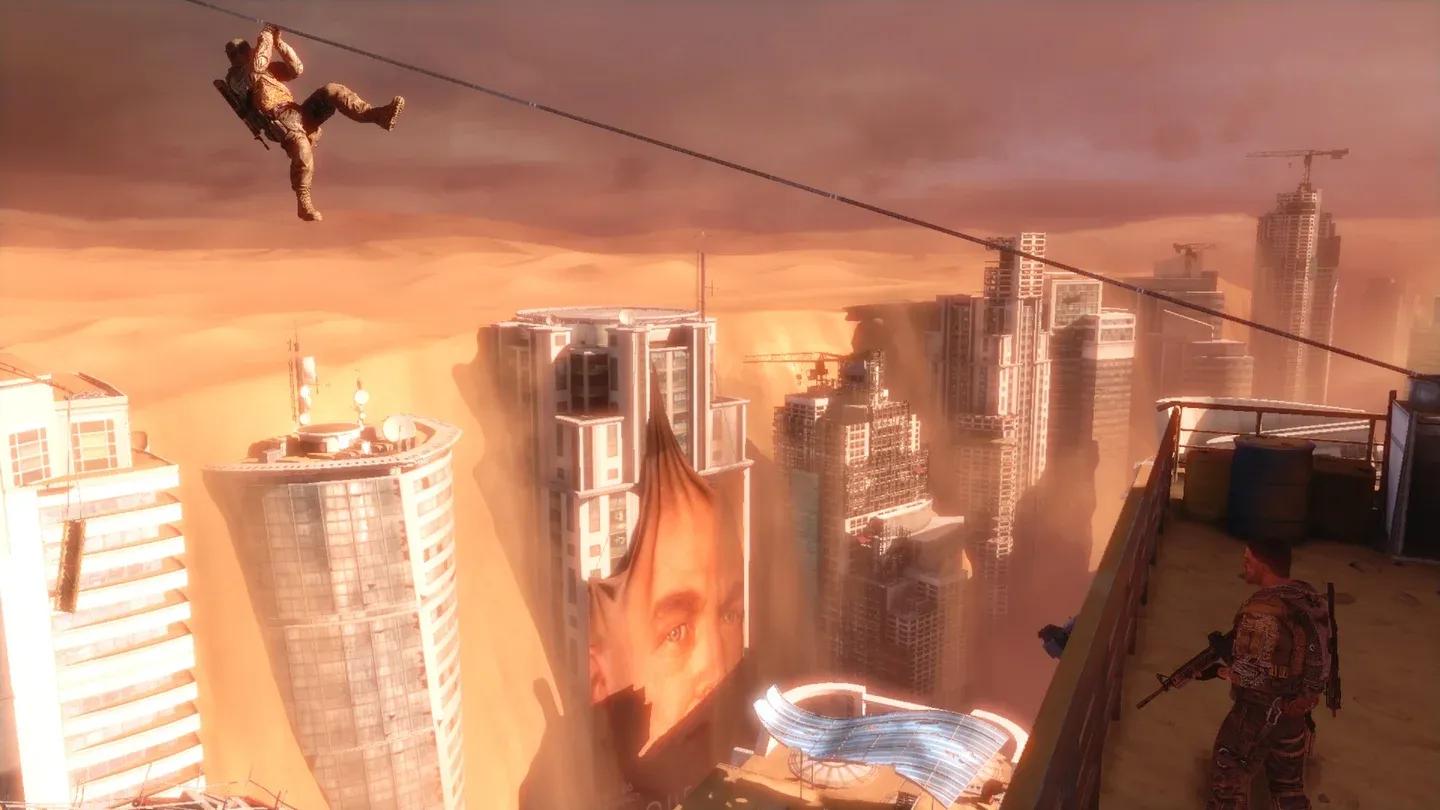
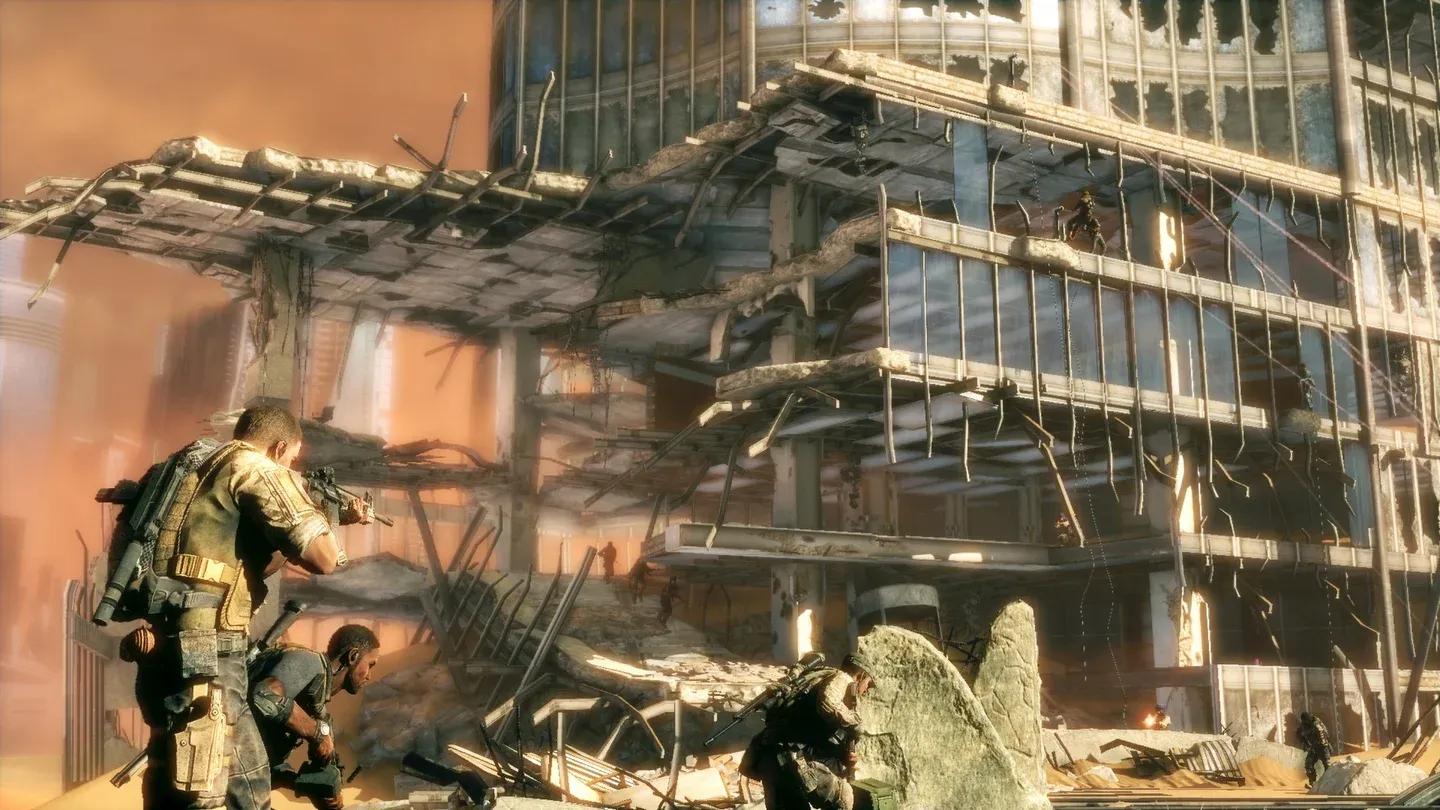
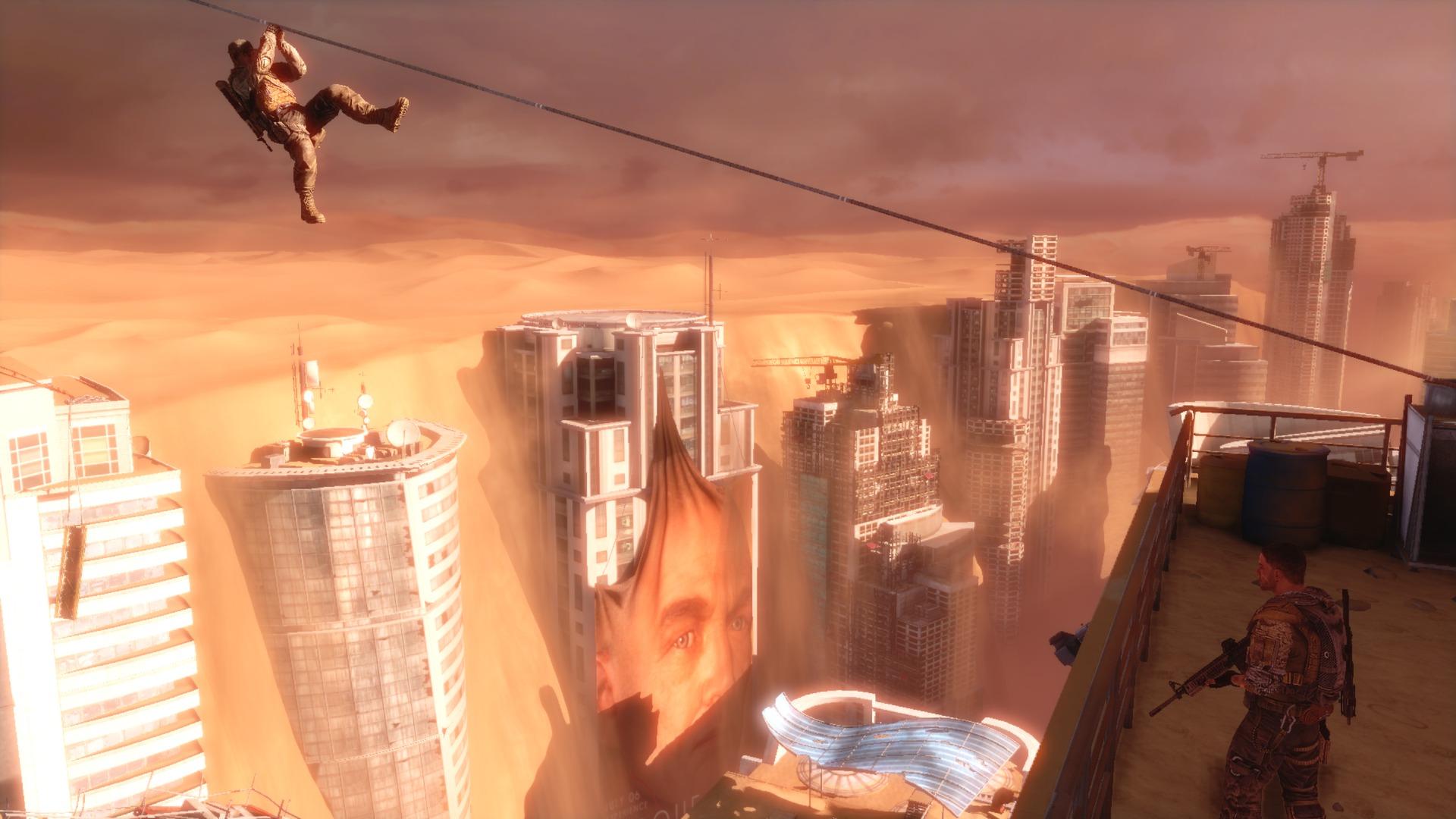
The setting does a lot of heavy lifting here. Dubai's collapsed skyscrapers and half-buried luxury hotels create a vertical combat environment that constantly surprises. Fights move between street level and high-rise interiors, forcing players to think about elevation, cover, and the environmental hazards that come with sand-filled architecture. Glass floors, unstable ceilings, and sand-clogged corridors make every encounter feel slightly precarious in a way that flat urban shooters rarely achieve.
Gameplay and mechanics
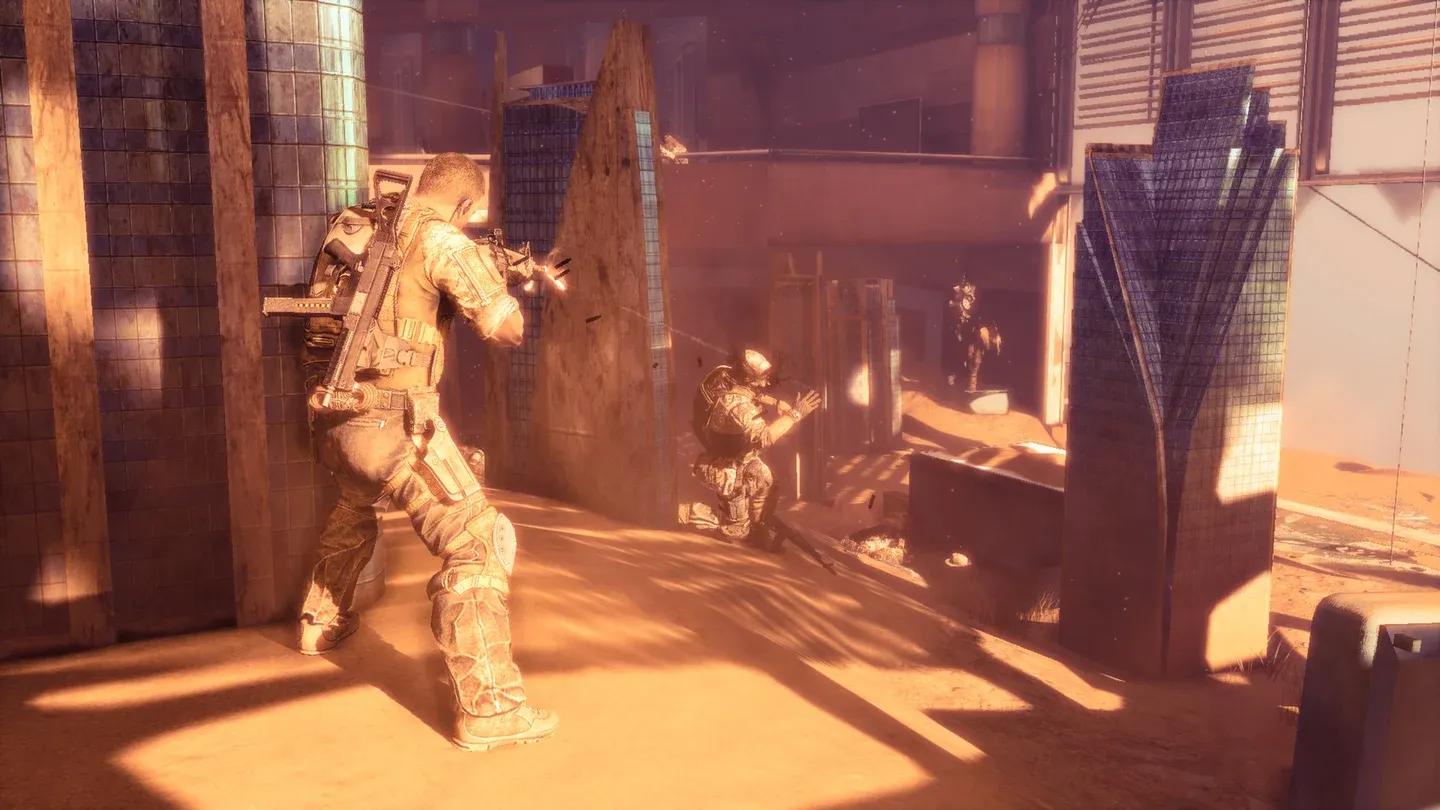
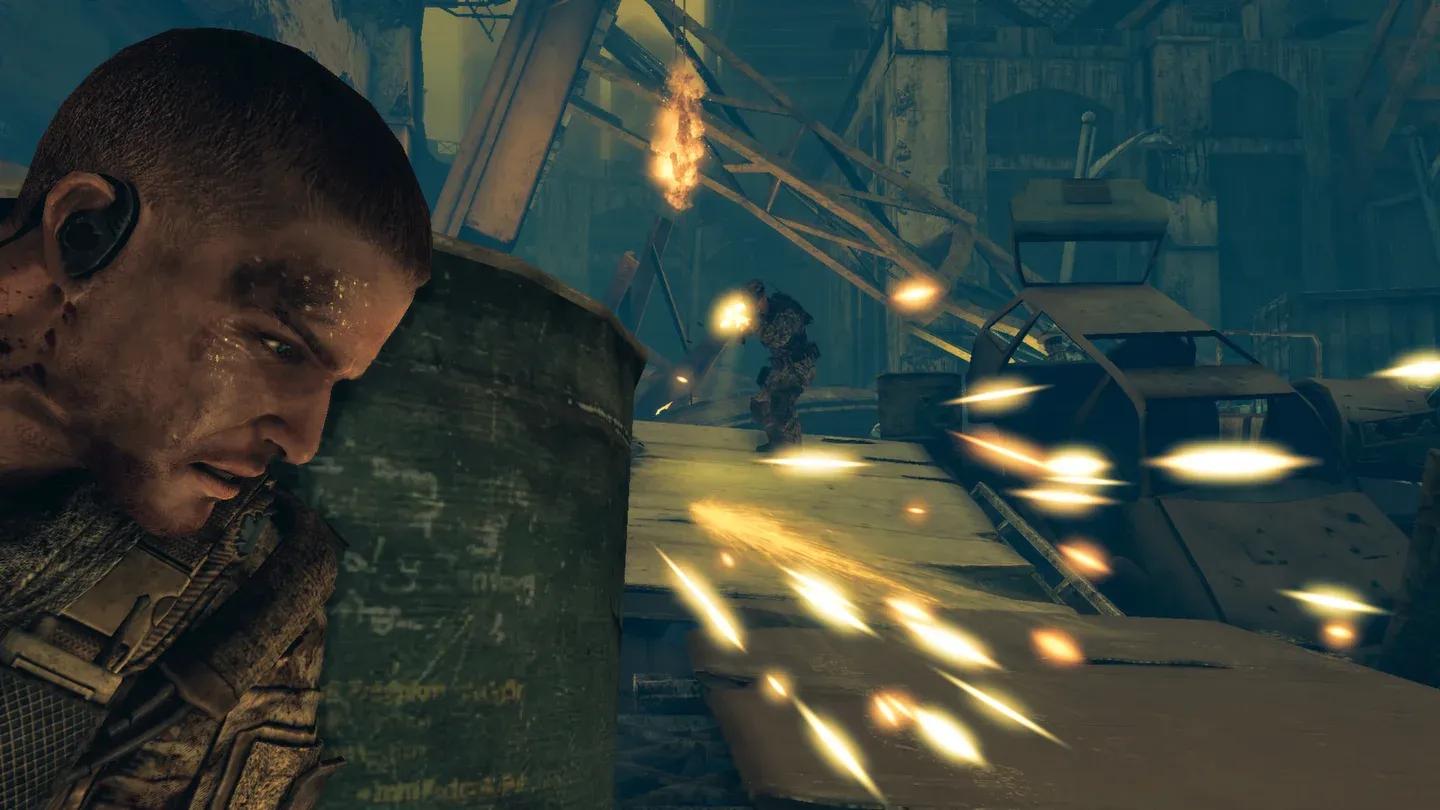
The core loop is squad-based cover shooting, and it handles competently. Walker, Adams, and Lugo each carry distinct weapon affinities and can be directed to suppress targets, take out specific enemies, or provide covering fire. The squad AI holds up well enough that tactical commands feel meaningful rather than decorative. Key mechanics include:
- Sand avalanches triggered by shooting out windows
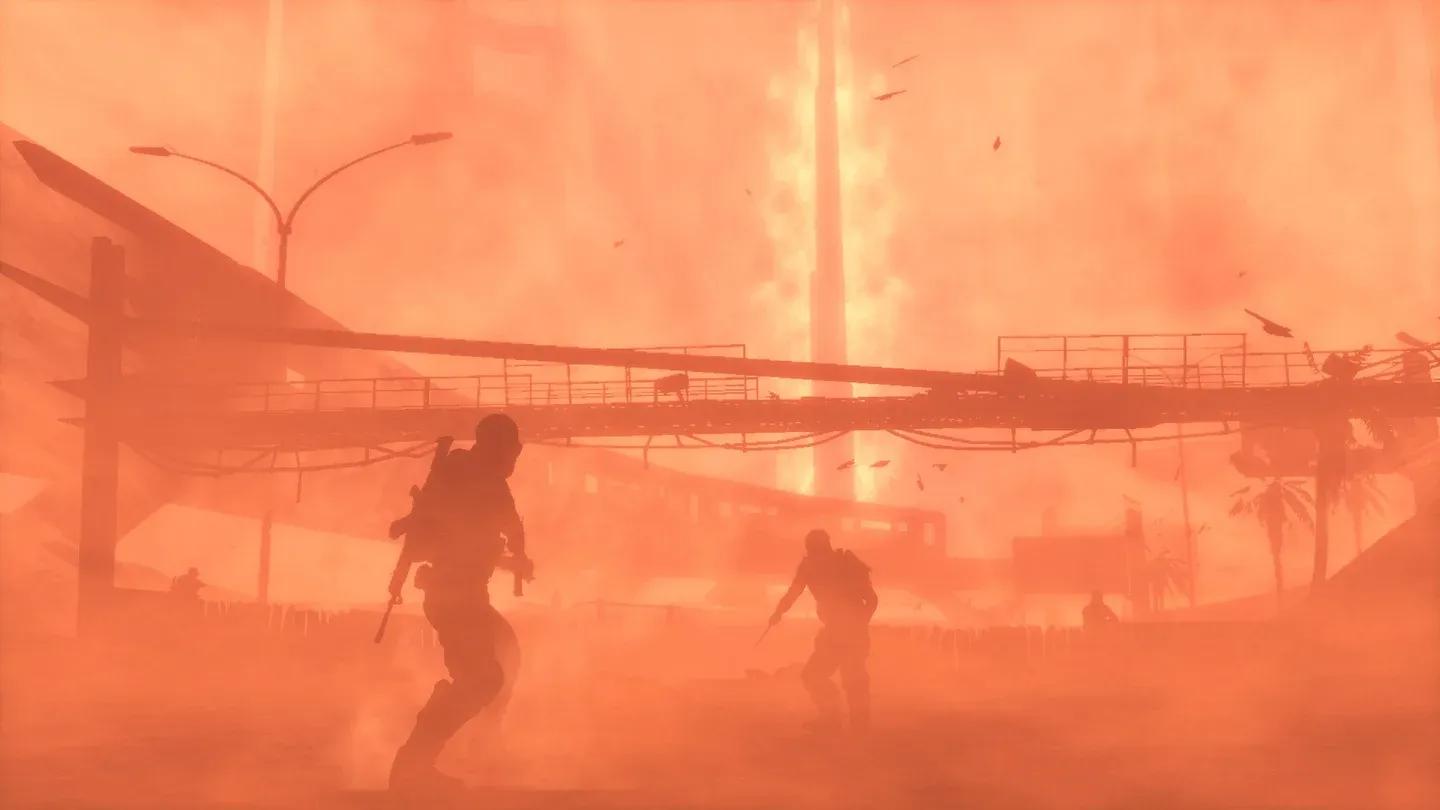
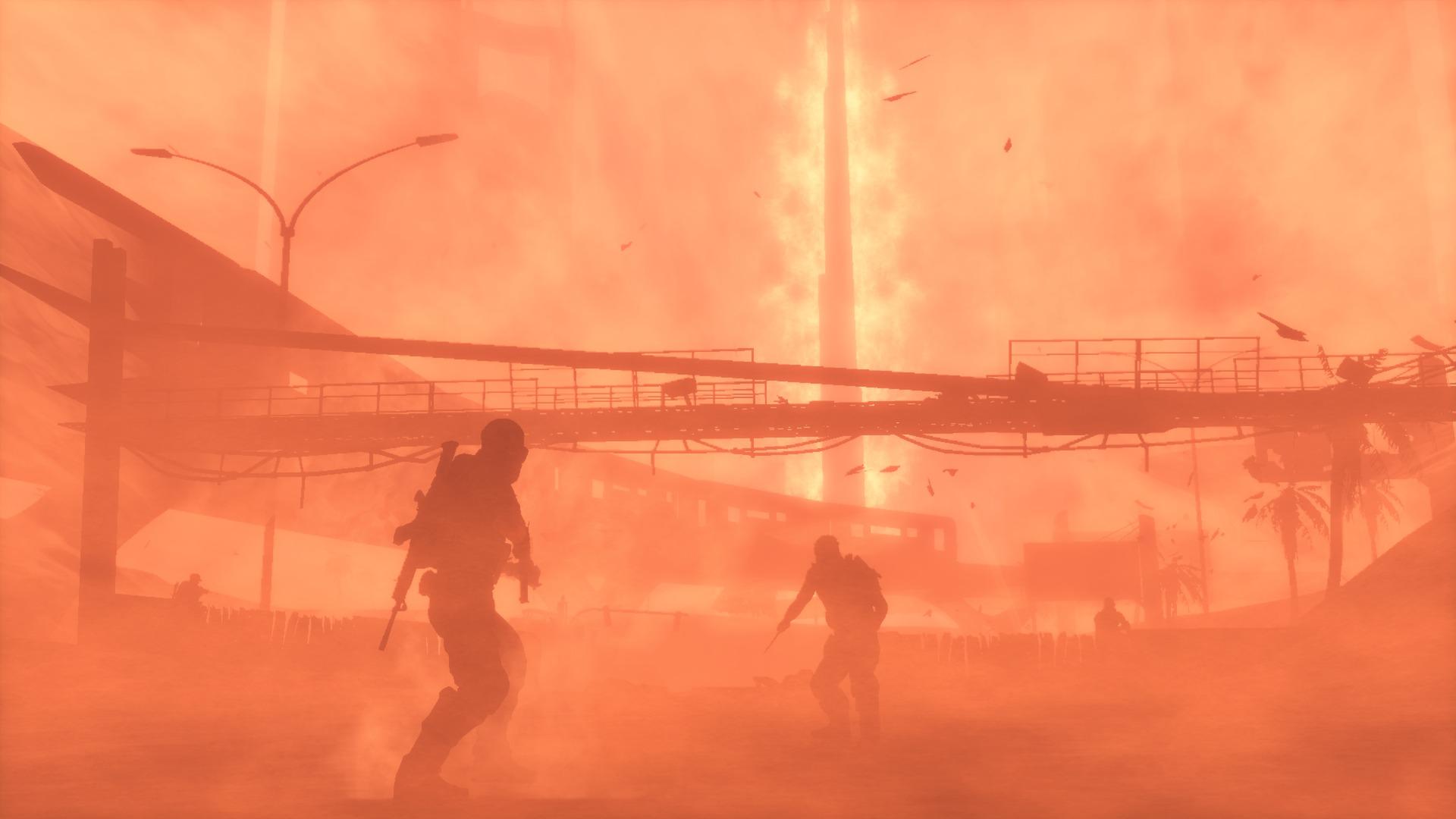
- Sandstorm sequences that reduce visibility and disorient enemies
- Squad command shortcuts mapped to a single button
- Weapon customization unlocked through mission progression
- Vertical level design exploiting Dubai's high-rise ruins
Sandstorms shift from environmental hazard to tactical tool. Triggering one mid-fight reduces enemy accuracy while Walker's team pushes forward, and the visual noise they create genuinely communicates the disorientation soldiers would face. It is one of the more grounded environmental mechanics in the genre.

What makes the story worth playing through?
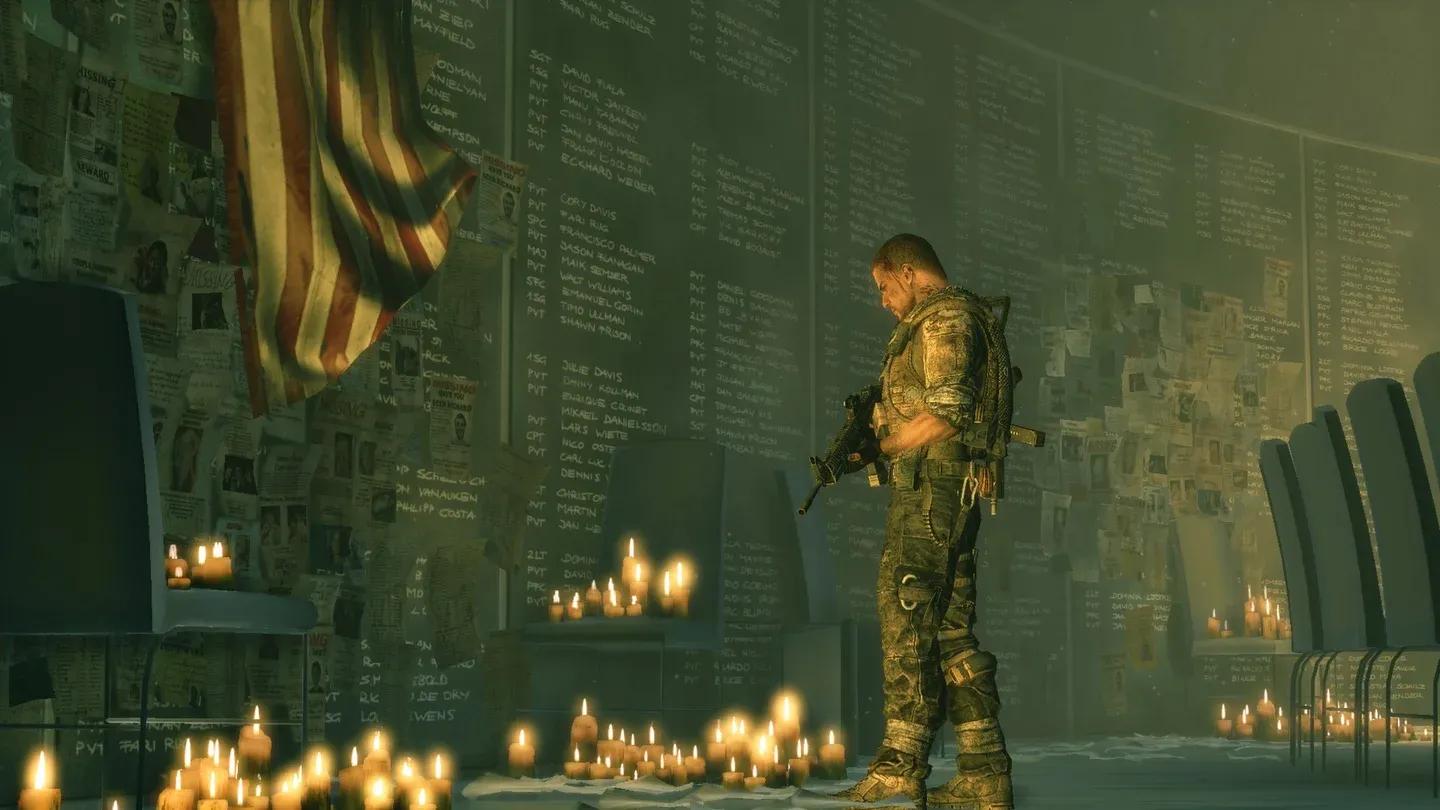
The narrative is the reason Spec Ops: The Line still gets discussed years after release. The game borrows its structure directly from Joseph Conrad's Heart of Darkness, with Colonel John Konrad serving as the Kurtz figure at the center of Dubai's collapse. Konrad initially appears as a rogue soldier who refused evacuation orders and stayed behind to protect civilians. What Walker's team actually finds when they reach the city's heart is something the game earns through accumulated dread rather than cheap shock.
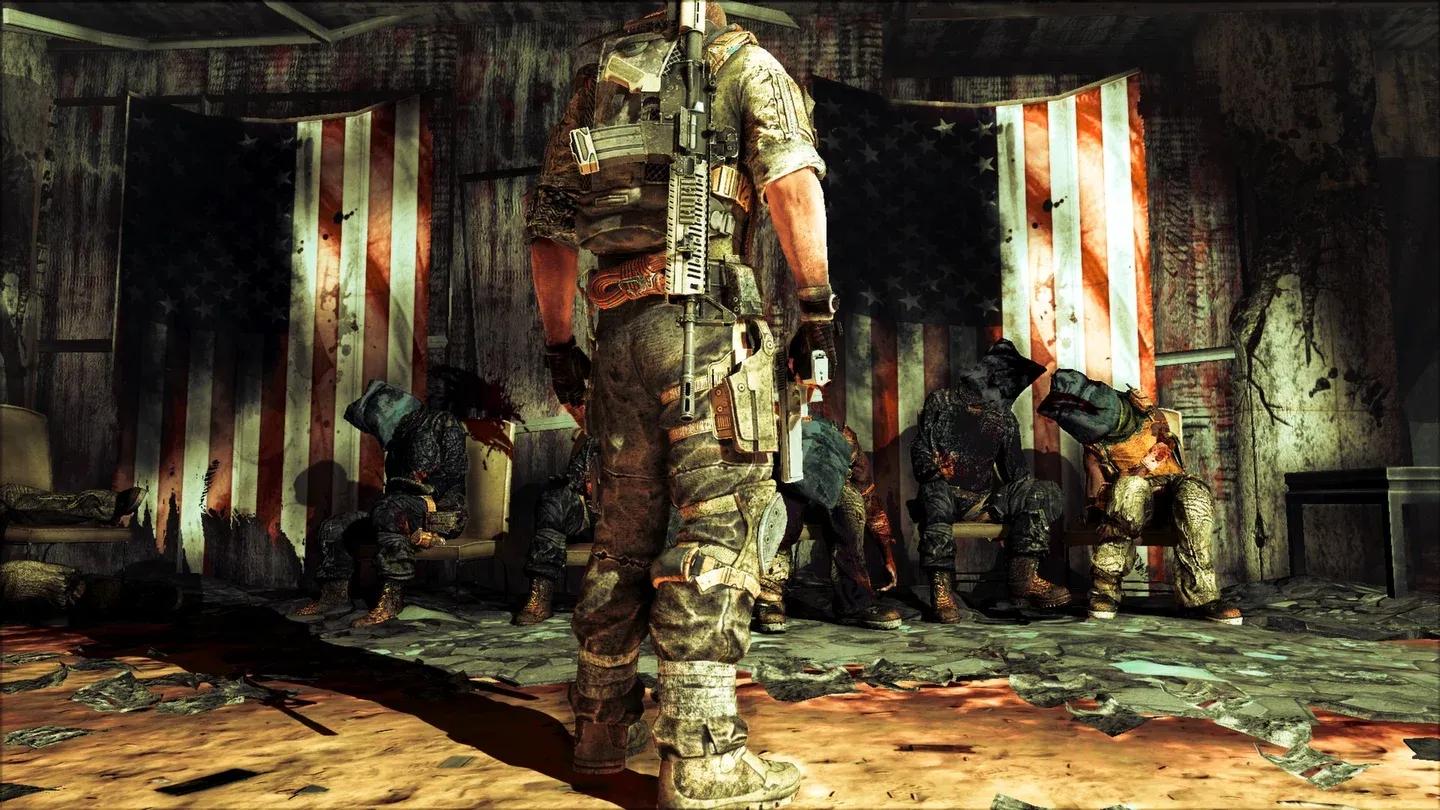
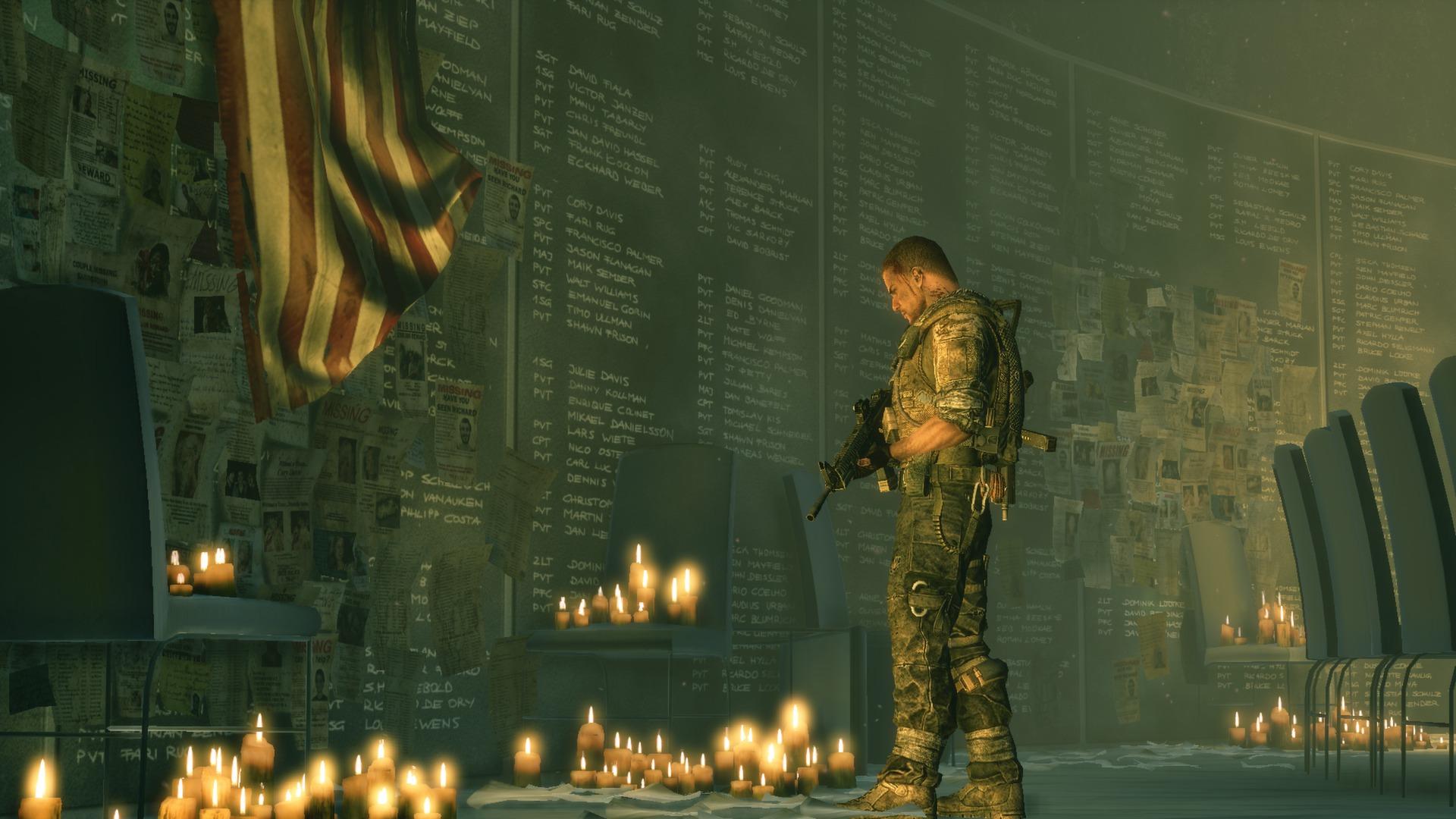
The writing forces the player to make decisions with no clean outcomes. Executions, civilian casualties, and friendly fire incidents are not random events or cutscene failures. They are the results of choices the player makes under pressure, and the game registers them in Walker's behavior, his dialogue, and his squad's reactions. Nolan North's performance shifts noticeably across the game's runtime in a way that functions as a psychological progress bar the player never asked for.
Impact and legacy
Spec Ops: The Line occupies a specific and still-relevant space in shooter history as one of the few games to use its own genre conventions as the source of its critique. The white phosphorus sequence remains one of the most discussed moments in military shooter design, not because it is graphic, but because the game gives the player every reason to believe they made the right call before revealing they did not. That structural honesty is rare.
The multiplayer component, which includes class-based modes across multiple maps, extends the experience beyond the campaign, though the single-player narrative is the clear center of gravity. For anyone interested in what third-person shooters can do with mature subject matter, this is the benchmark the genre set in 2012 and has rarely matched since.