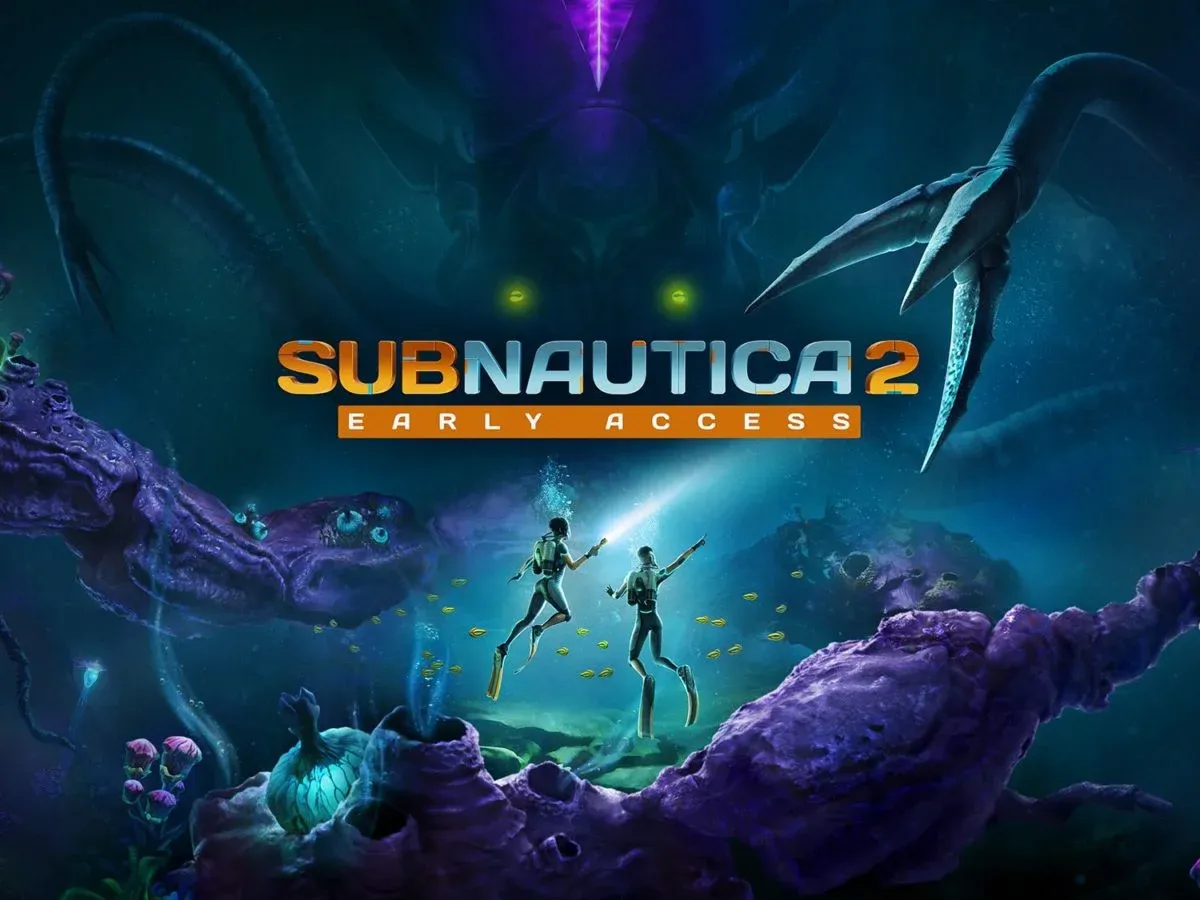

Subnautica 2 drops you into an alien ocean with no hand-holding and a lot of ways to die. The pressure systems, creature encounters, and lack of a traditional map can overwhelm new players fast. These 9 tips cut through the confusion and give you a clear path through the early game, covering everything from oxygen management to base placement and multiplayer coordination.
Why you should resist going deep immediately
The instinct in any open-world survival game is to push boundaries as fast as possible. In Subnautica 2, that instinct will get you killed. The deeper biomes are not designed for early exploration, and Leviathans patrol certain depths. Taking time to learn safer shallow areas first leads to significantly smoother early progression.
Spend your first sessions mapping out the zones near your starting point, collecting resources, and getting familiar with how the world is structured. You will reach the deep biomes eventually. Arriving prepared beats arriving early.
Monitor oxygen on every dive
How do you manage oxygen in Subnautica 2?
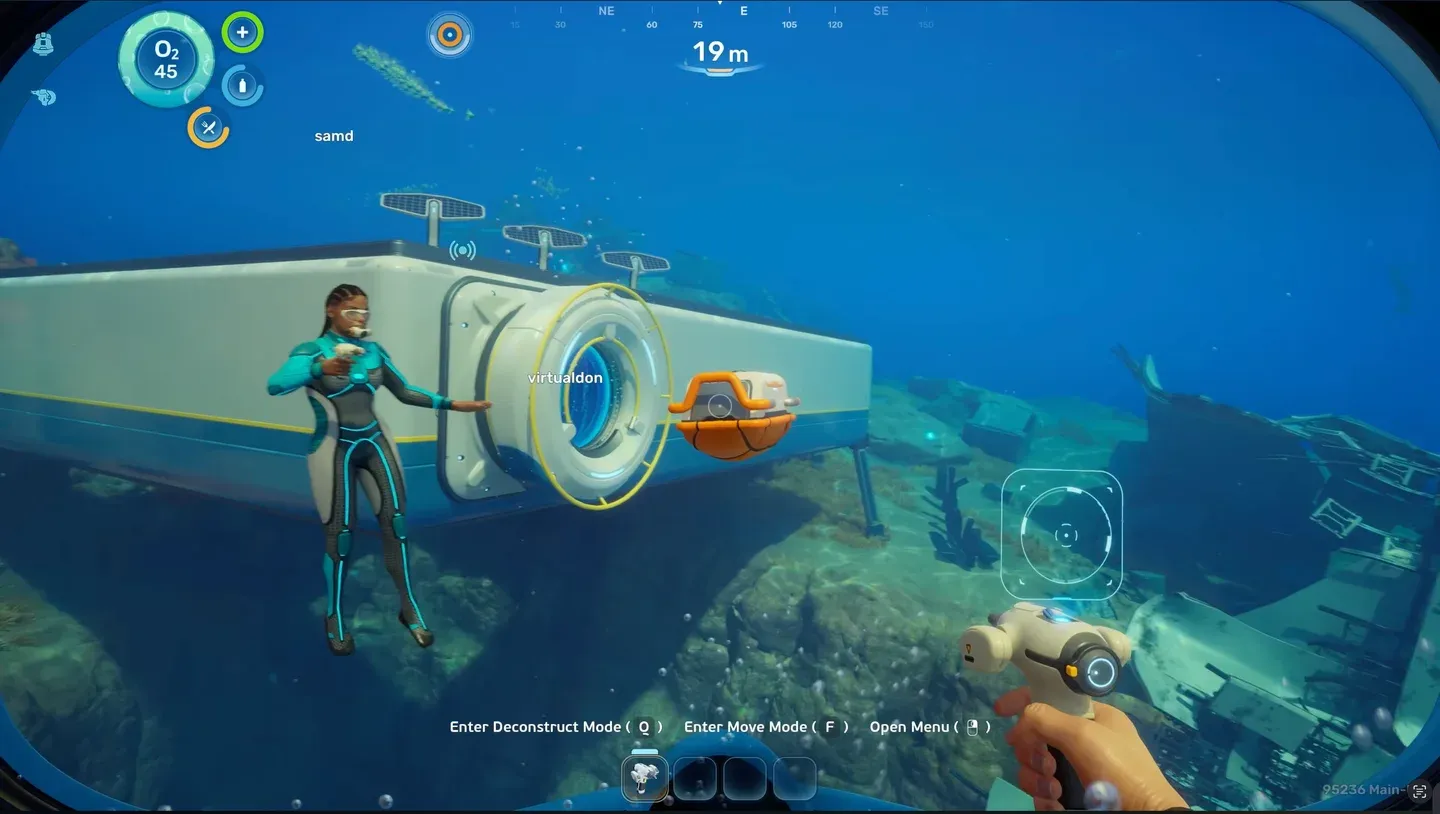
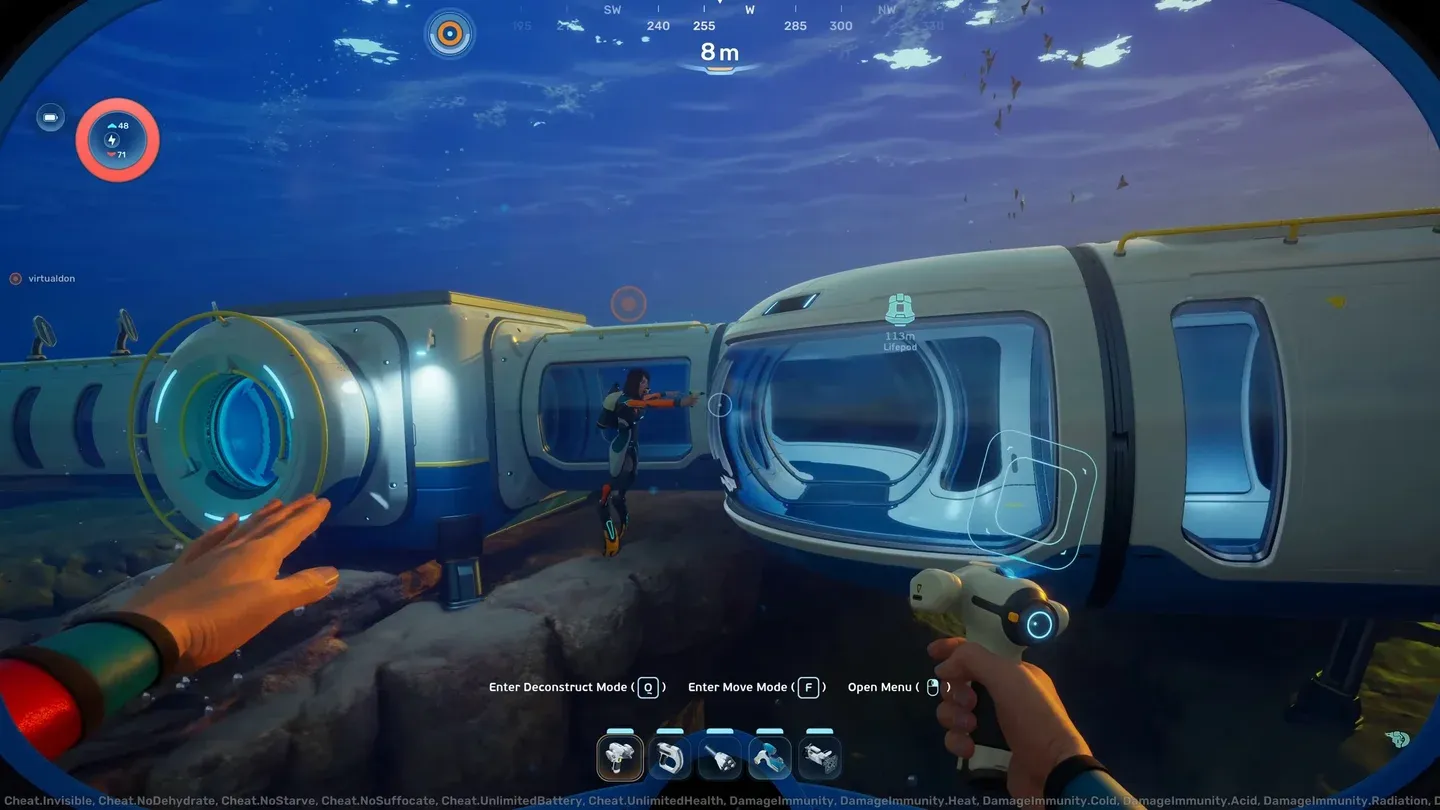
Oxygen is the one resource you cannot improvise around. Every dive requires a plan: know your depth, know your route back, and know your current capacity. Upgrading oxygen capacity should be treated as a top priority before you attempt any deeper biomes.
The practical habit to build early is planning your ascent before you descend. If you are not sure you have enough oxygen to reach a location and return safely, you do not have enough oxygen. Upgrade first, then explore.
Upgrade oxygen capacity early
Playing with friends: how does multiplayer work?
Subnautica 2 supports co-op for up to 4 players. The efficiency gains from multiplayer are real: players can split tasks between base building, resource gathering, and exploration simultaneously, which reduces the risk of any single player being caught in a dangerous situation alone.
Shared PDA entries mean discovered information is distributed across the whole team automatically, so nobody falls behind on blueprints or creature data. Resources can also be coordinated between players, making early-game survival considerably less stressful. Check the Subnautica 2 early access launch date guide for details on when and how to get your group into the game from day one.
Splitting tasks efficiently in co-op
The smartest co-op approach is role division. Assign one or two players to base construction while others handle scanning runs and material collection. This mirrors how real expedition teams operate, and it keeps your group progressing on multiple fronts without doubling up on the same work.
Why scanning everything you find matters
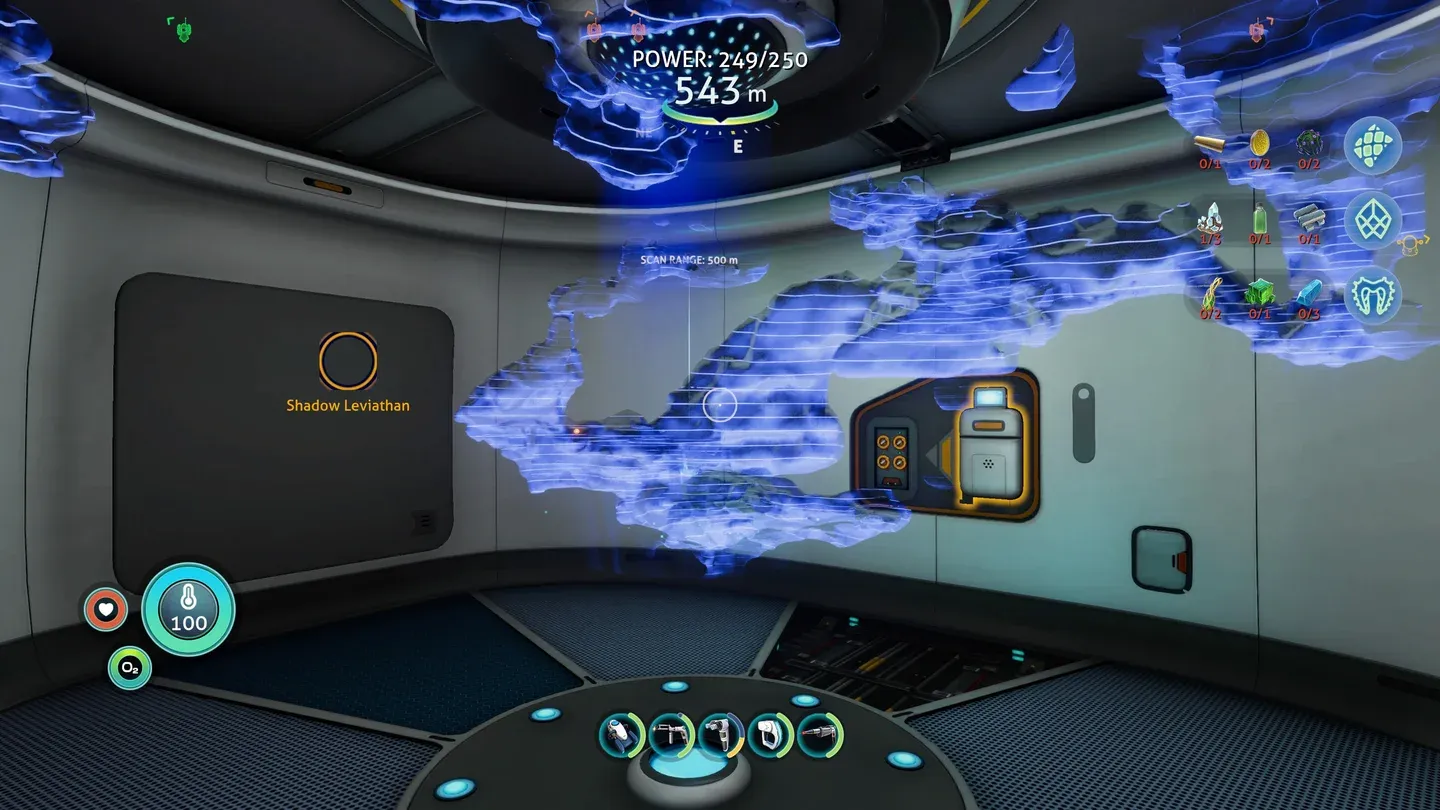
Scanning is the primary progression system in Subnautica 2. Every new creature, material, or object you scan unlocks blueprints and adds data to your knowledge base. Making scanning a consistent habit is one of the most important early-game behaviors you can develop.
Do not skip scans because something looks unimportant. The game does not telegraph which scans unlock critical crafting recipes versus ambient lore. Scan everything, sort out the value later.
Scan everything to unlock blueprints
What resources should you gather first?
Early survival in Subnautica 2 comes down to two immediate needs: water and crafting materials. Getting a reliable supply of both established early removes the constant pressure of scrambling for basics during exploration runs.
Here is a breakdown of early priorities based on available pre-release information:
Get water secured first, then focus on the materials needed for your first set of tools. Everything else builds from that foundation.
How do you navigate without a map?
Subnautica 2 does not have a traditional map system. Navigation relies on landmarks, terrain recognition, environmental cues, and beacons that you place manually. Players who do not establish a beacon system early frequently get lost in deeper or more complex regions.
The practical approach is to place beacons at every location you want to return to: resource deposits, your base, interesting structures, and biome entry points. Recognizing natural landmarks like unusual rock formations or coral structures also helps build a mental model of the world over time.
For a deeper look at how large the explorable world actually is, the Subnautica 2 early access map size guide breaks down what Unknown Worlds has confirmed about depth and scale.
How should you approach base building?
Your base is your lifeline. Placing your base near key resources and safe zones directly reduces travel time and improves crafting efficiency throughout the early game.
Avoid placing your first base purely based on aesthetics. Proximity to the materials you need most often is the deciding factor. A base positioned well saves you dozens of trips and keeps you in a position to respond quickly if something goes wrong during a dive.
The Subnautica 2 early access roadmap confirms that new biomes and content are planned throughout Early Access, so building a base with room to expand laterally is worth thinking about from the start.
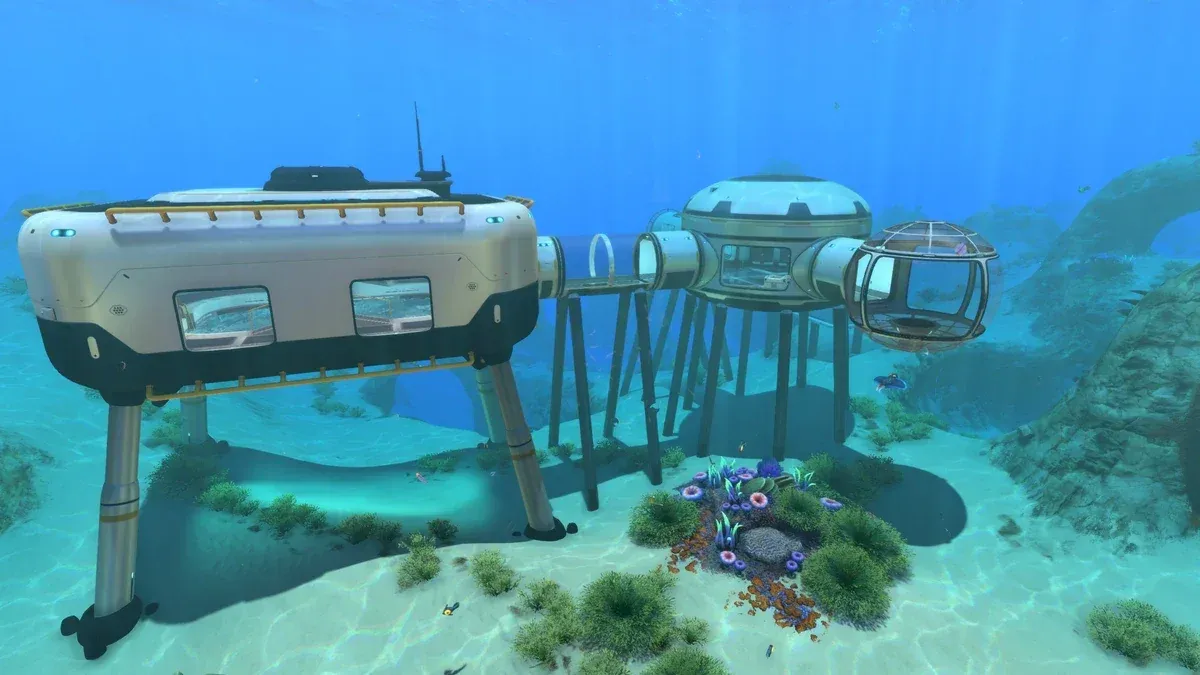
Place your base near key resources
What happens when you die in Subnautica 2?
Death is part of the experience in any survival game, and Subnautica 2 is no exception. Understanding the death and item recovery rules before you die means you can plan expeditions with appropriate risk tolerance rather than being caught off guard by losing progress.
Knowing where you respawn and what happens to your items helps you structure safer expeditions. Based on available pre-release information, the specifics of item loss on death are still being confirmed for the Early Access build, so treat every dive as if your carried items are at risk until the full rules are documented post-launch.
Using light sources in dark environments
Deep biomes and nighttime exploration significantly reduce visibility. Flashlights and Flares are the confirmed light tools available in Subnautica 2. Going into dark areas without a light source is not just inconvenient. It makes resource collection unreliable and navigation genuinely dangerous.
Keep at least one light source in your loadout before any dive that takes you away from well-lit shallow zones. It is a small preparation step that prevents a large number of avoidable deaths.
Beginner's Tips & Tricks
- Explore shallow areas before pushing into deeper biomes
- Upgrade oxygen capacity before attempting deeper zones
- Use multiplayer co-op (up to 4 players) and split tasks by role
- Scan every new creature, object, and material you encounter
- Secure water and basic crafting materials before anything else
- Place beacons at your base, resource nodes, and points of interest
- Build your base near key resources, not just in a convenient spot
- Learn the death and item recovery rules before taking big risks
- Carry a Flashlight or Flares into any dark or deep environment
For more guides covering everything from planned content updates to map details, the full Subnautica 2 guides collection is the best place to keep up as Early Access evolves.