Overview
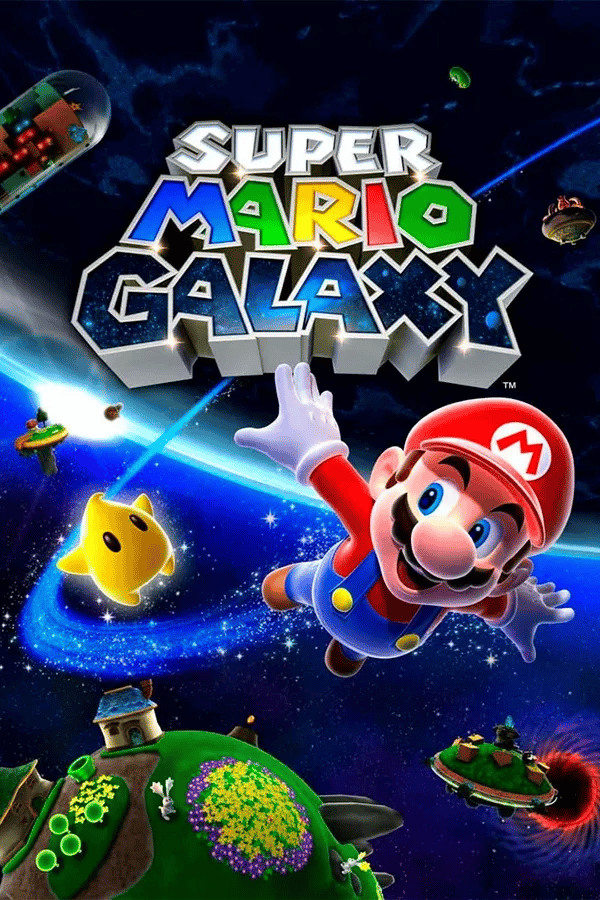
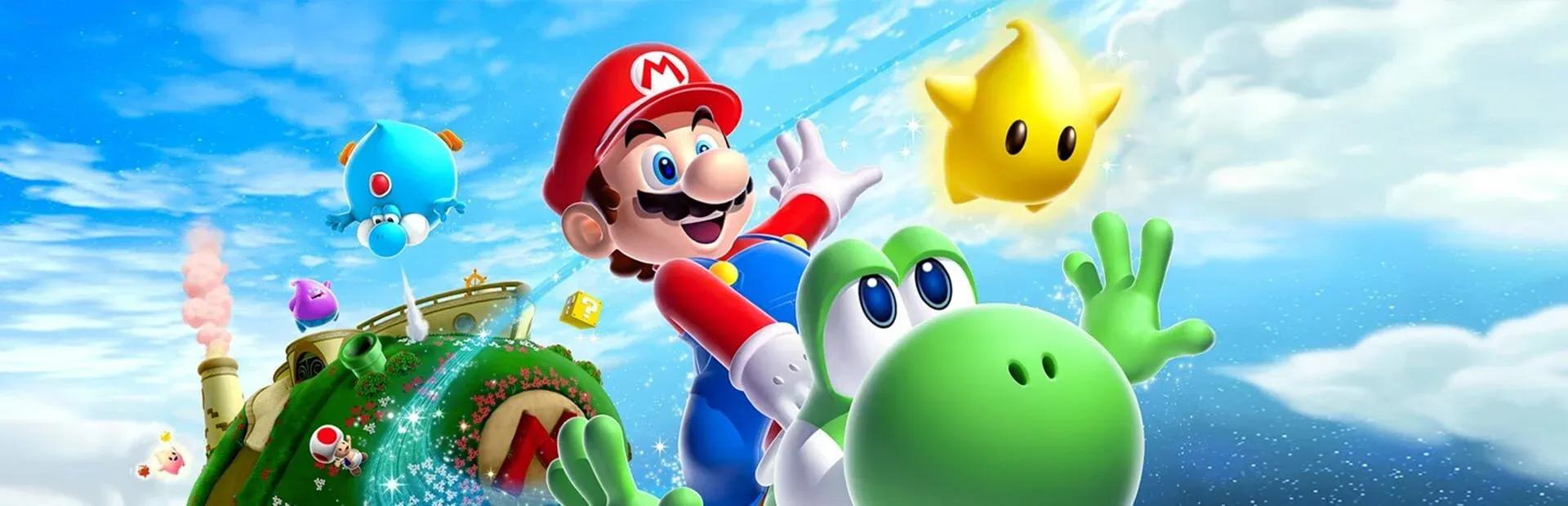
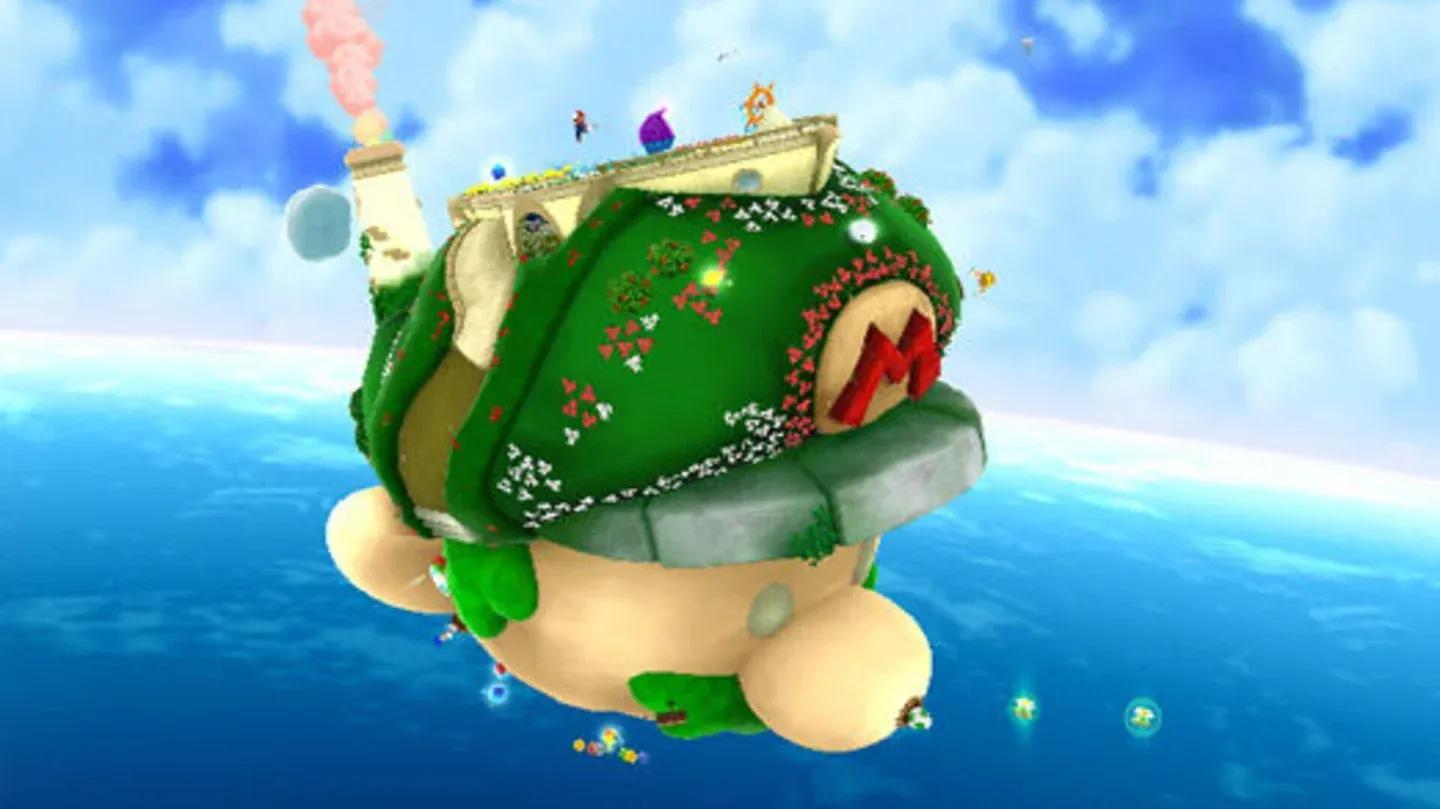
Super Mario Galaxy 2 is a 3D platformer developed by Nintendo Entertainment Analysis & Development, originally released on May 23, 2010, and now available on Nintendo Switch as part of the Super Mario Galaxy + Super Mario Galaxy 2 bundle. The game builds directly on the foundation of its predecessor, keeping the outer space setting, gravity manipulation, and star-collecting structure while layering in enough new ideas to feel like a genuine evolution rather than an expansion pack.
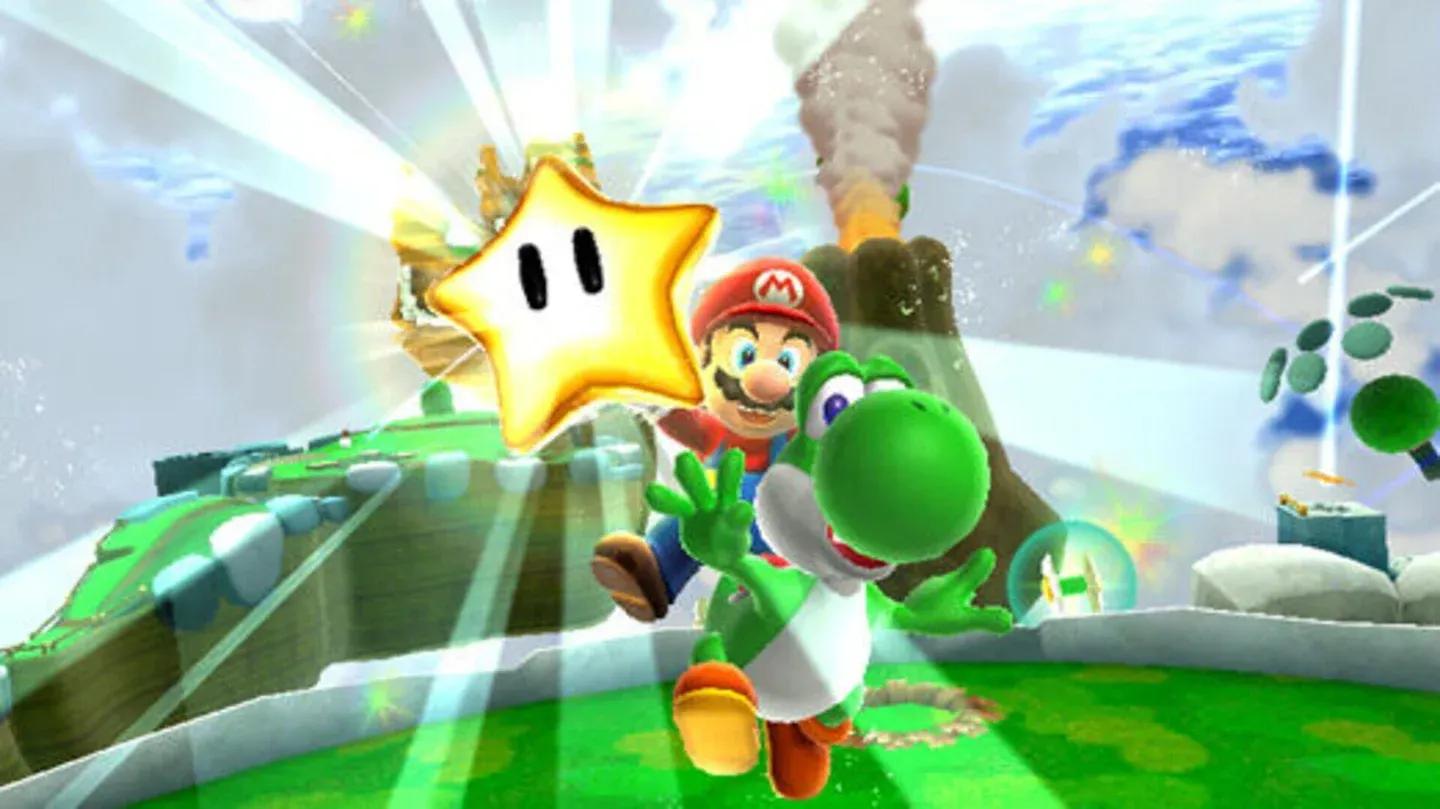
The premise kicks off simply enough: stardust falls on the Mushroom Kingdom once every hundred years, Peach invites Mario to watch the shooting stars, and Bowser immediately ruins everything. Mario sets off across Starship Mario, a planet-shaped vessel that serves as the game's hub world, collecting Power Stars to fuel the journey and rescue Peach. The story stays light, but the galaxy designs do the real storytelling.
Gameplay and mechanics
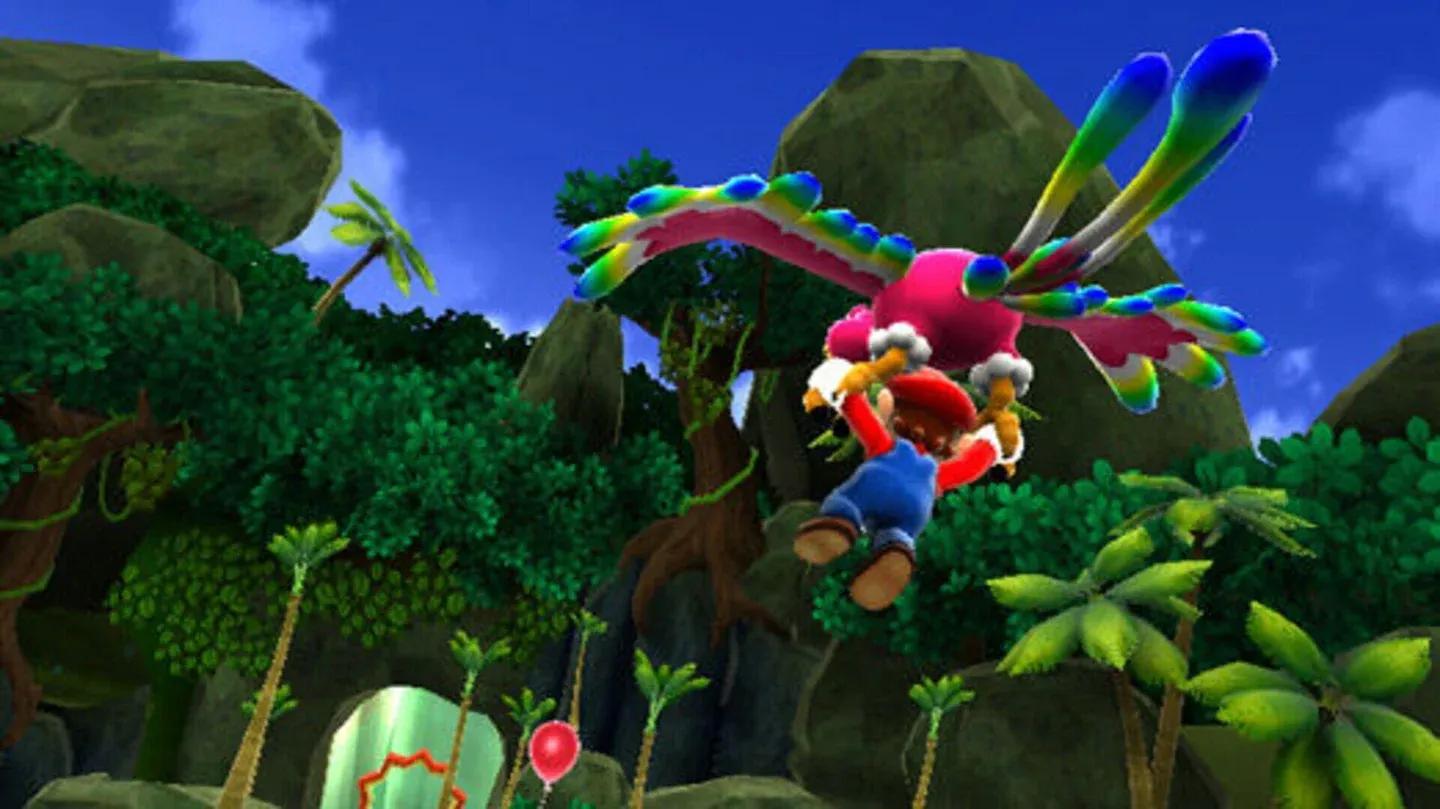
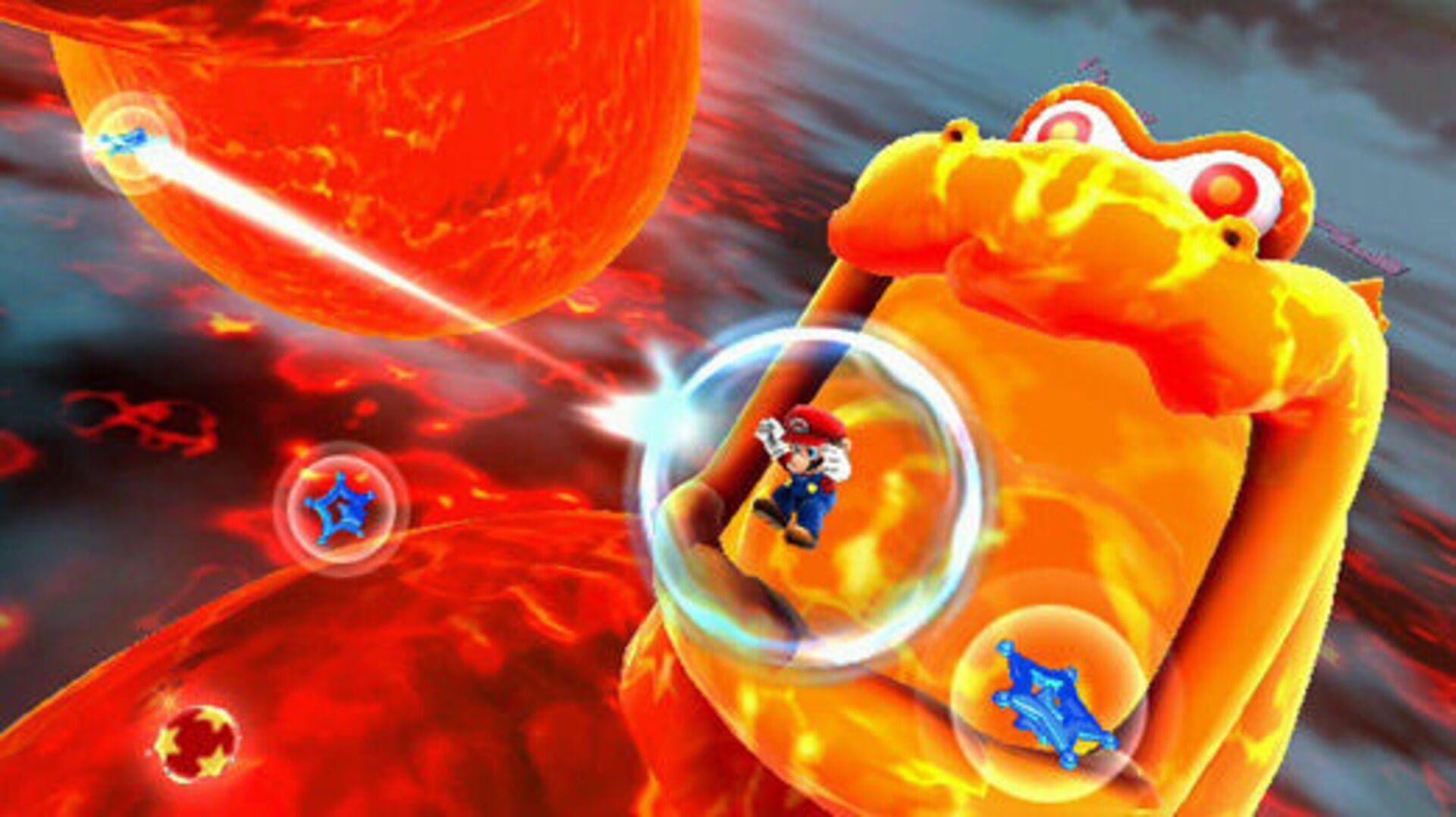
The core loop involves landing on small planetoids and navigating gravity fields that pull Mario in every direction. Walls become floors, ceilings become platforms, and the camera adjusts constantly to keep the action readable. It sounds disorienting on paper, but Nintendo's execution makes it feel natural within minutes.
Key mechanics and power-ups include:
- Cloud Flower: creates temporary platforms mid-air
- Rock Mushroom: turns Mario into a rolling boulder
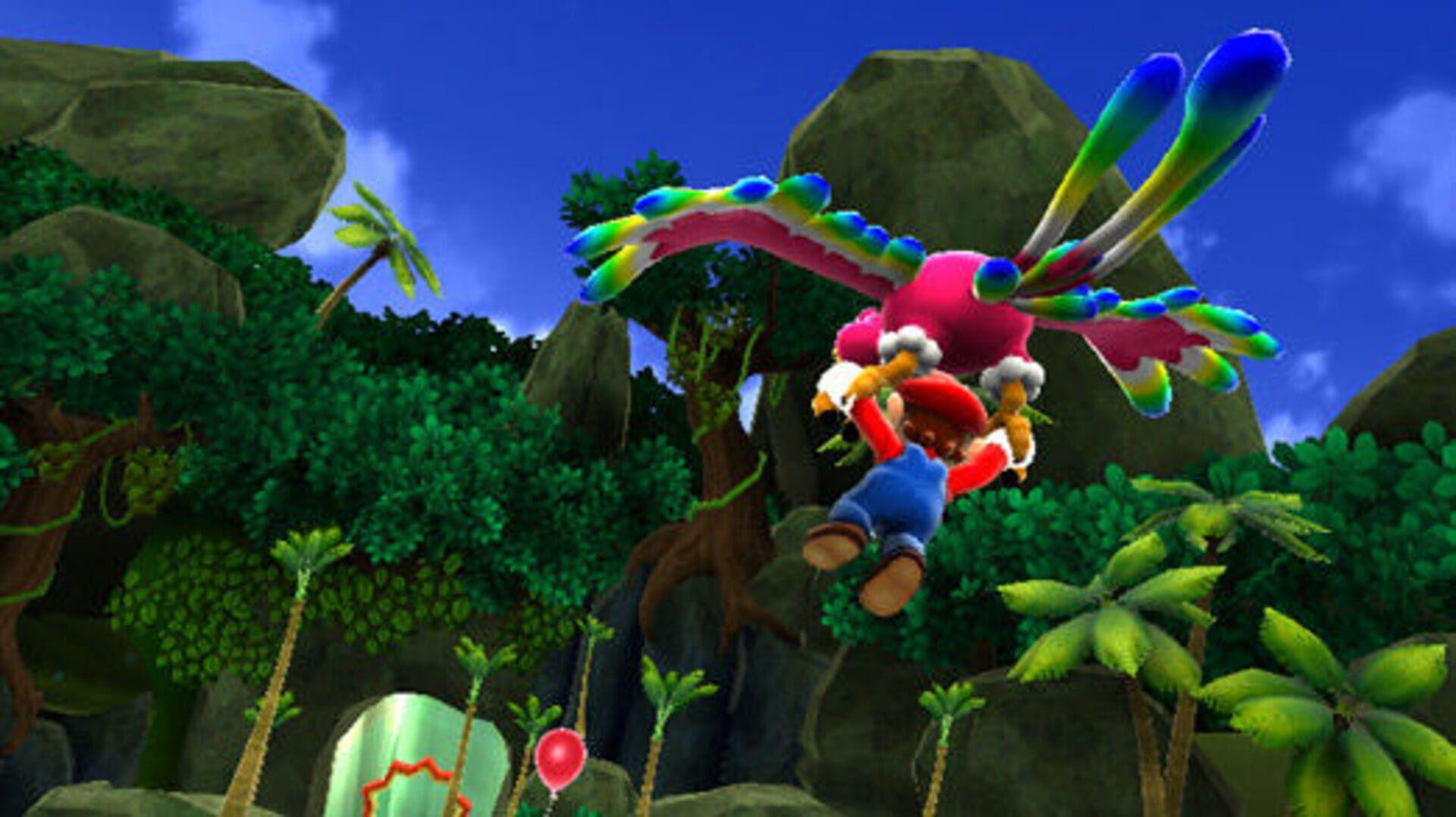
- Bee Mushroom: enables flight and wall-cling
- Fire Flower: returning classic projectile attack
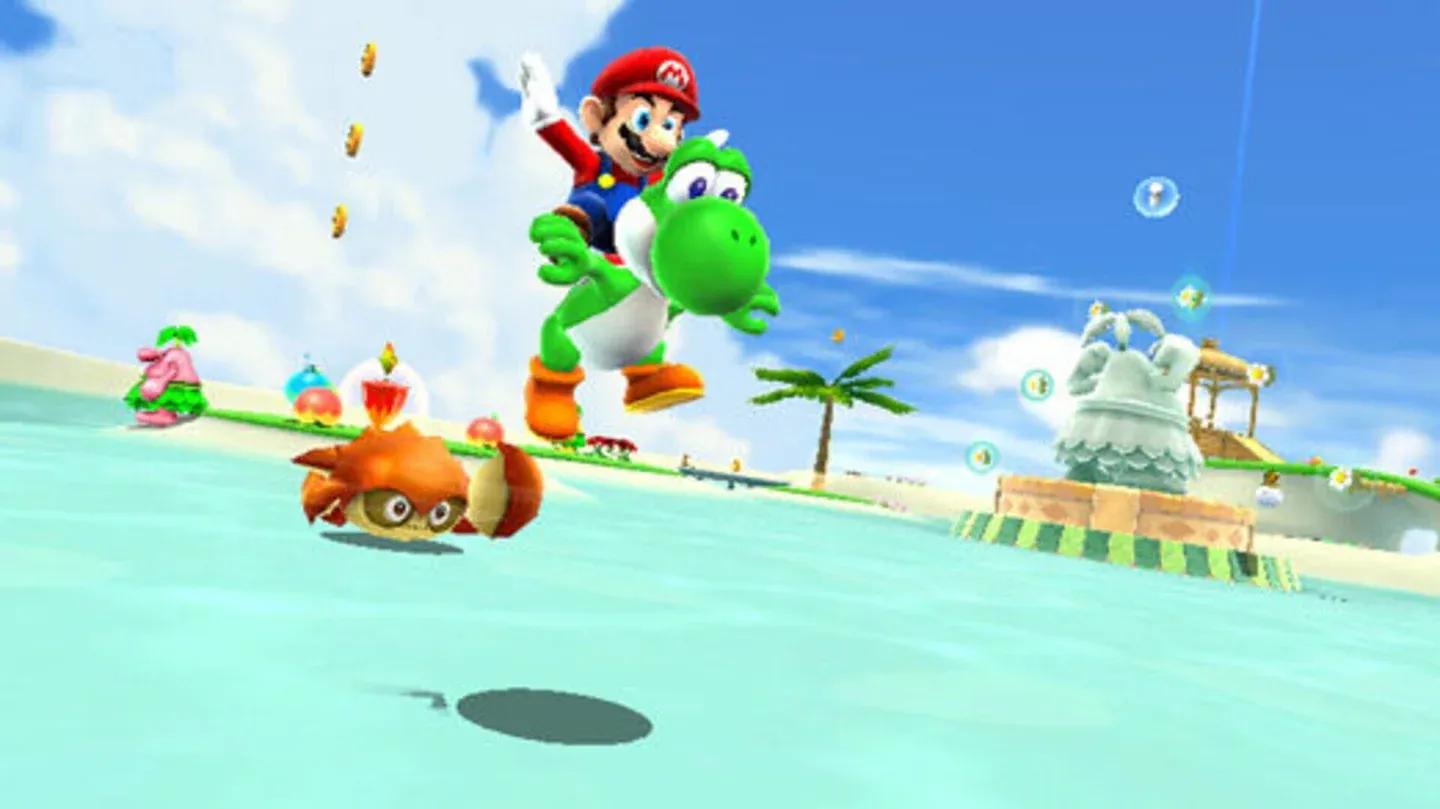
- Yoshi: rideable companion with tongue and flutter jump
Yoshi is the biggest addition. Each galaxy that features him uses his abilities in specific ways, from eating fruit that triggers speed boosts to using his tongue to grab Star Bits and activate distant switches. The game never overuses him, which keeps each Yoshi section feeling like a treat.
What makes Galaxy 2 stand out from other 3D platformers?
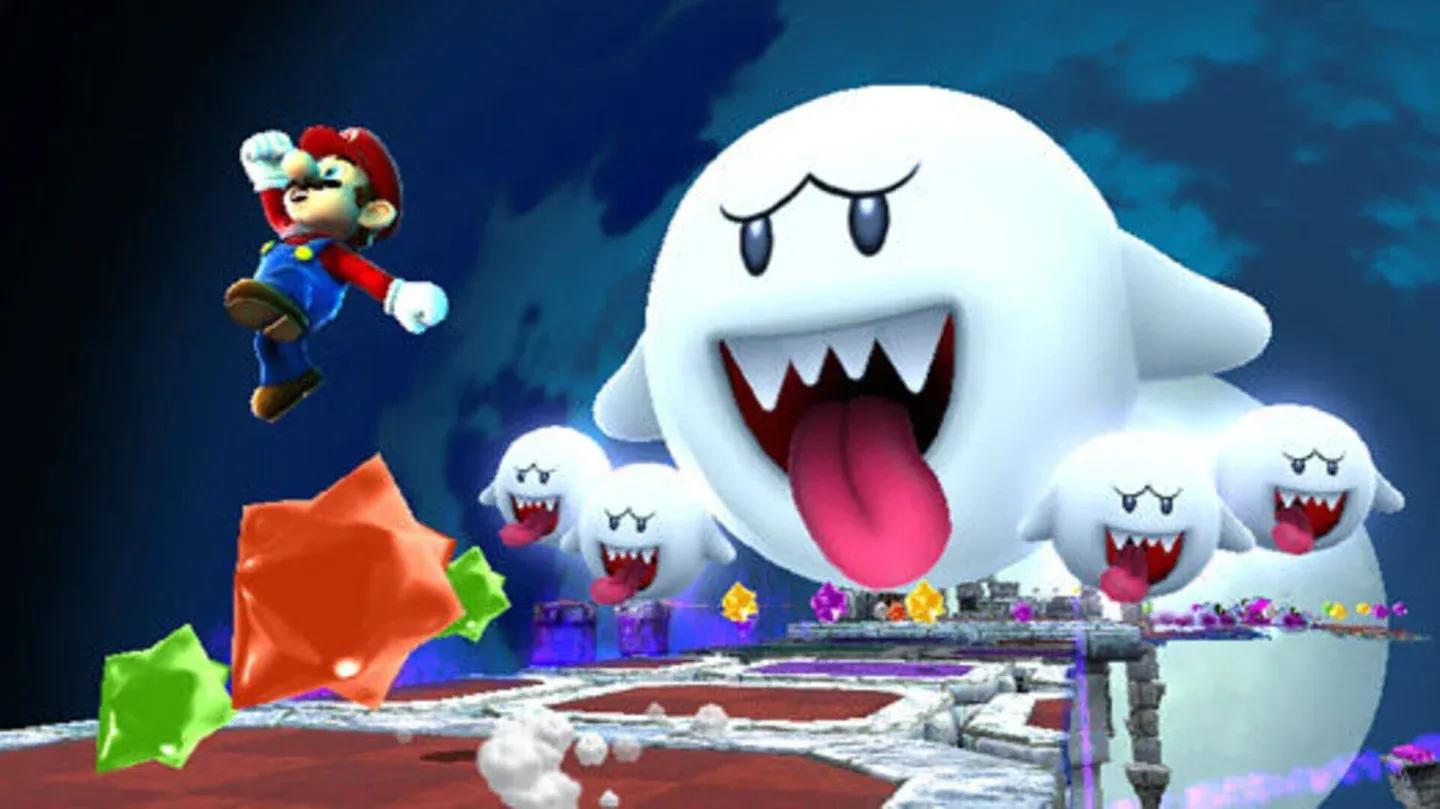
Galaxy 2 answers the question of what happens when a development team has already solved the fundamental design problems and gets to spend a full extra production cycle on pure creativity. The result is a game with almost no filler. Nearly every galaxy introduces a mechanic that exists in that galaxy alone, then ends before it overstays its welcome.
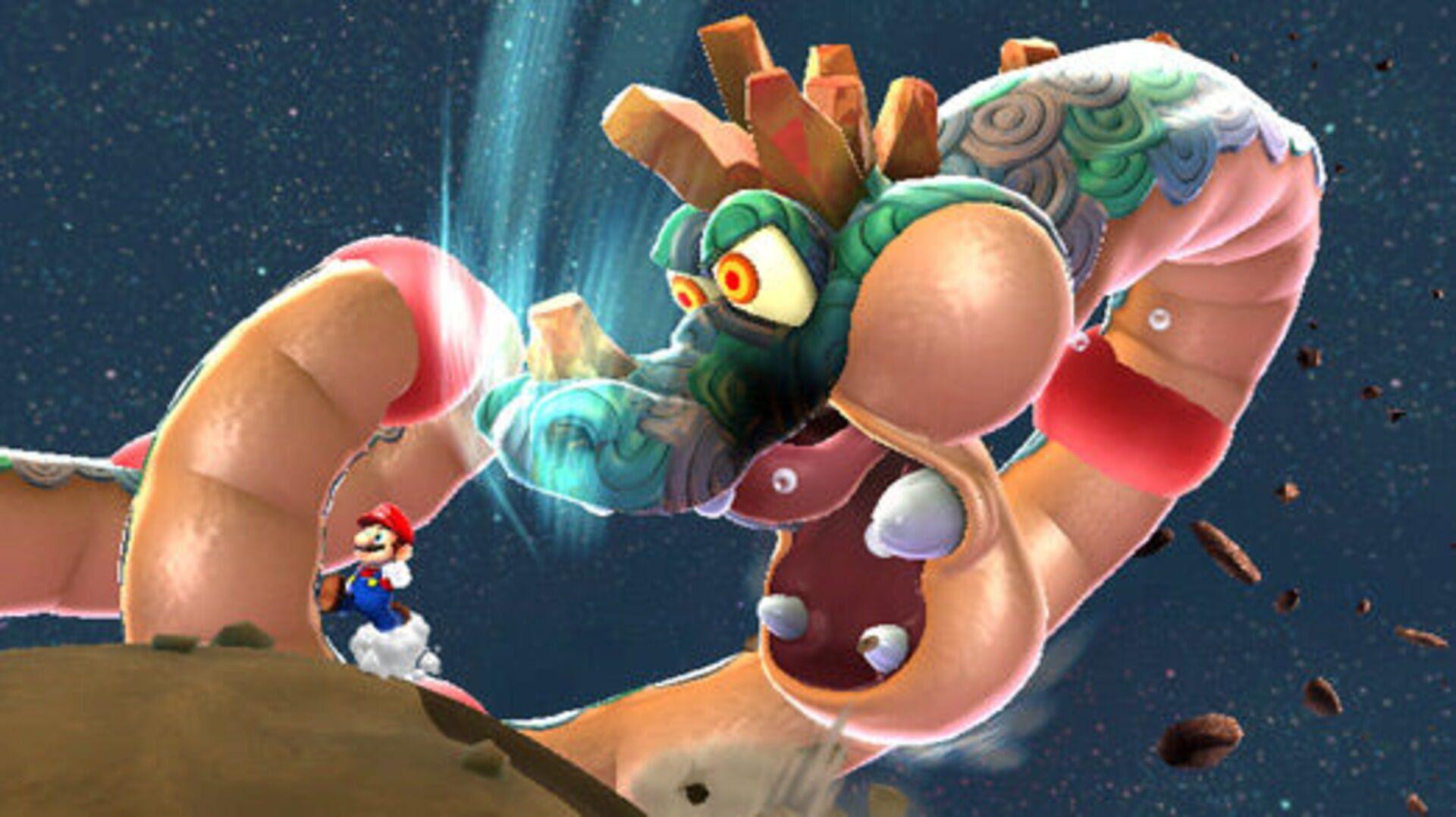
The difficulty curve is also notably steeper than the first game. The main path stays approachable, but the post-game content, including the Grandmaster Galaxy and the Perfect Run challenge, ranks among the hardest platforming Nintendo has ever shipped. A hint system called Cosmic Guide exists for players who get stuck, offering an automated run-through of a stage without permanently affecting save data.
Visual and audio design
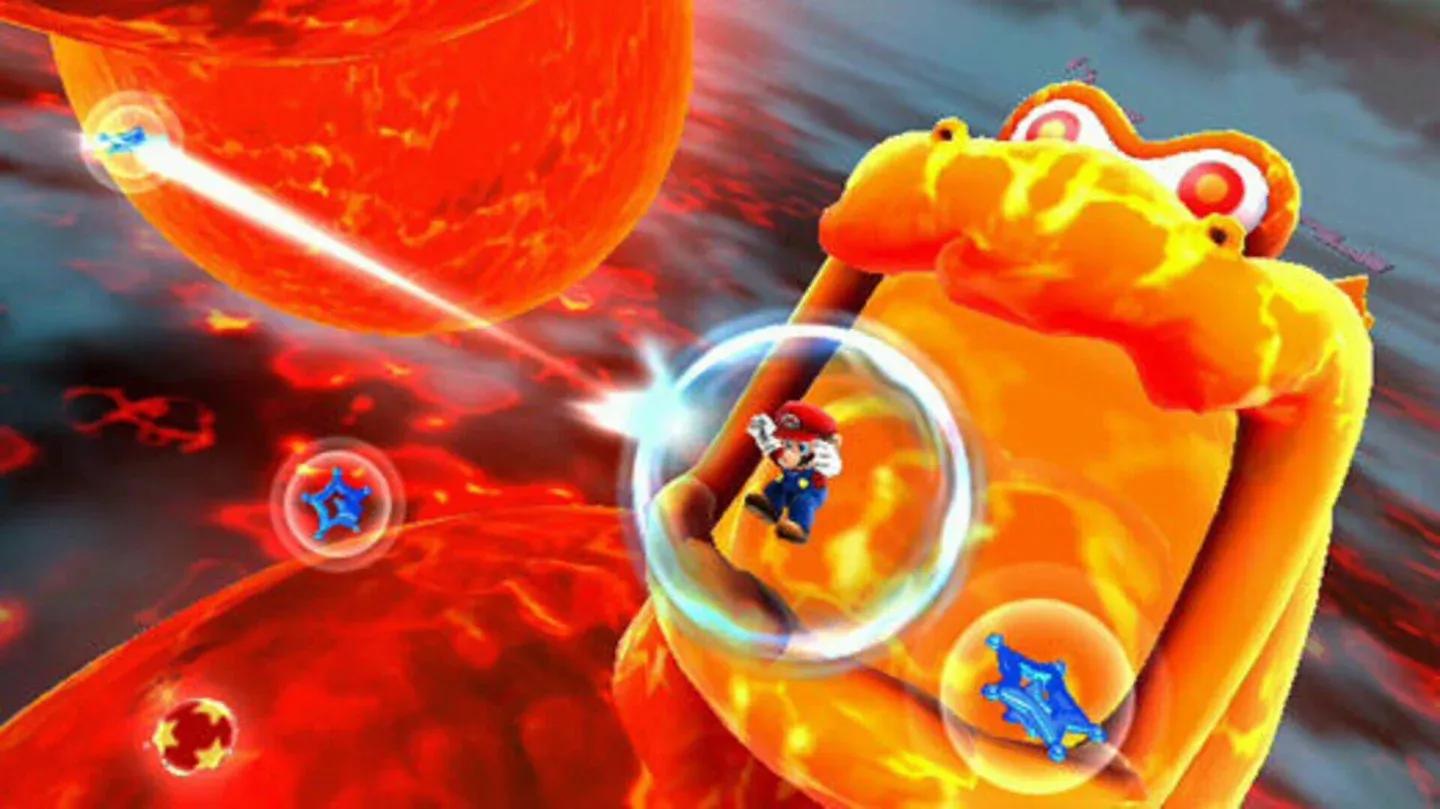
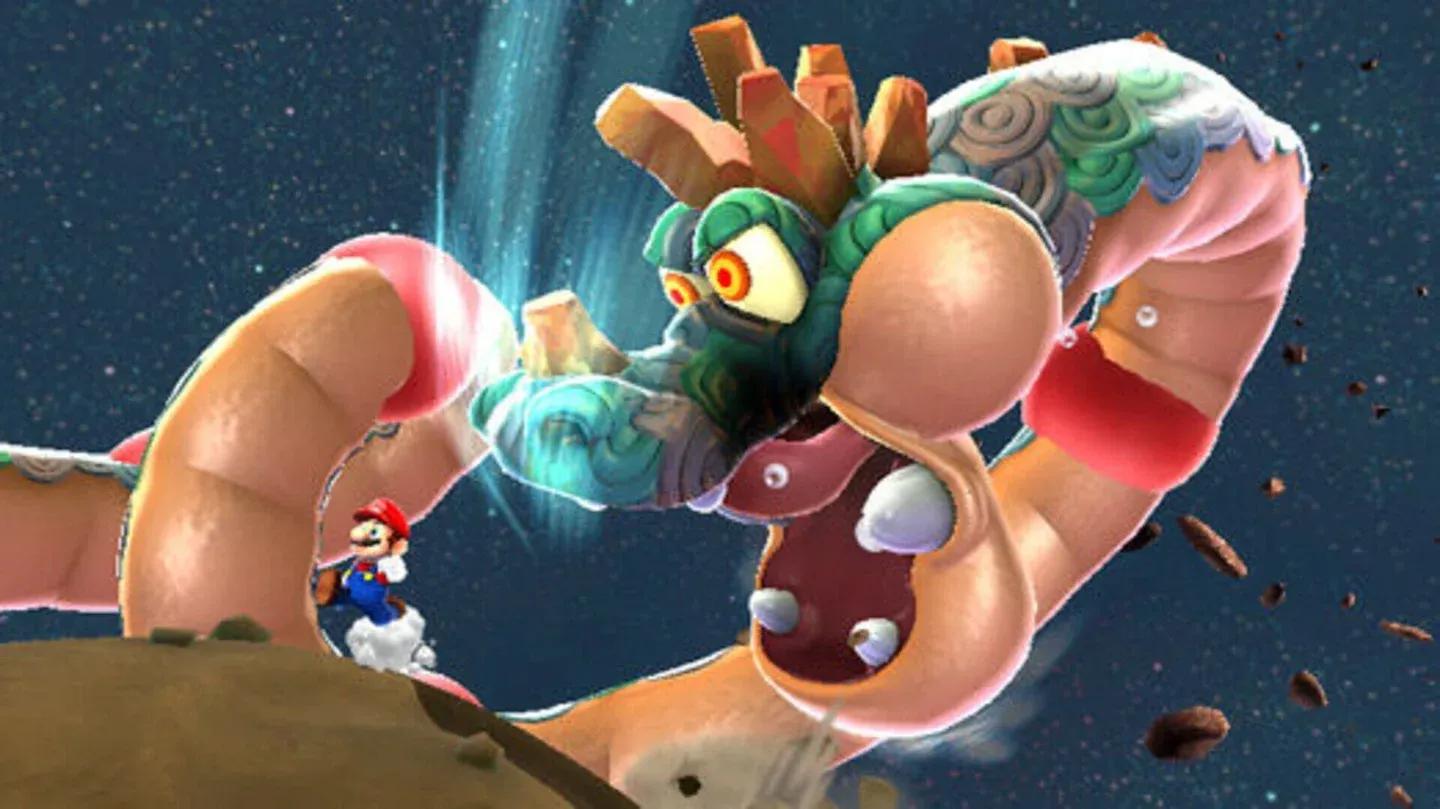
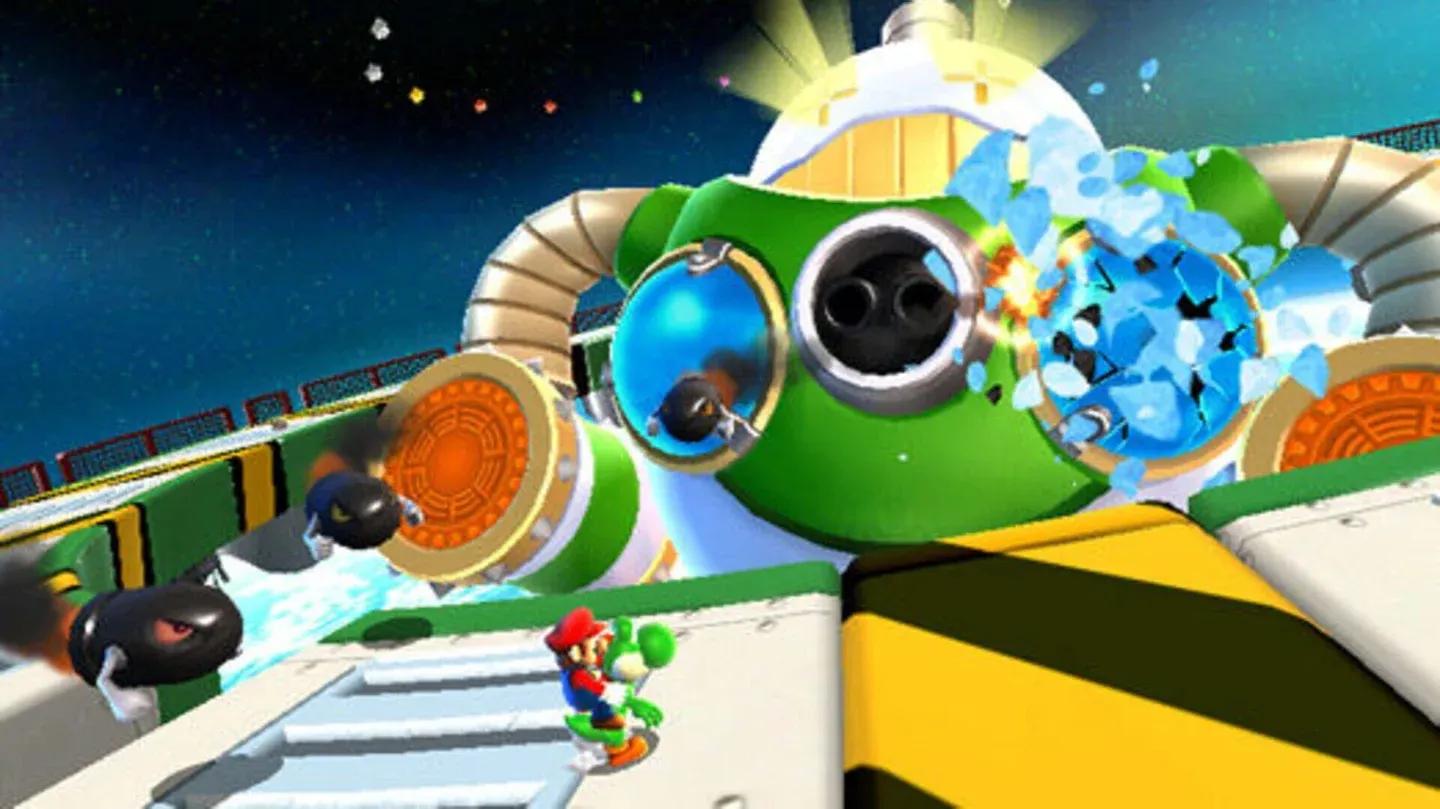
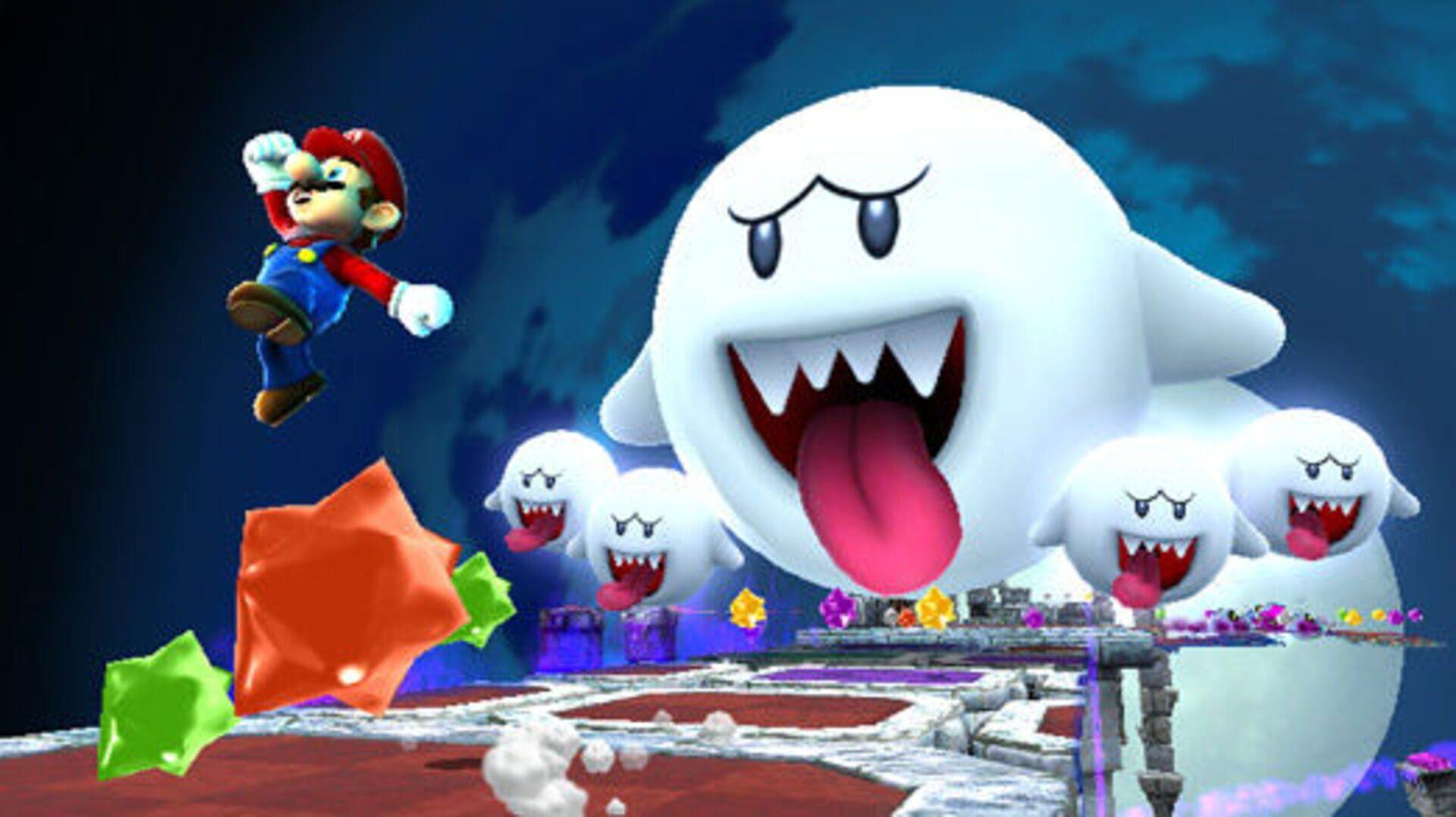
Running on Wii hardware, the game uses a clean, high-contrast art style that reads clearly at any distance. The Switch version benefits from updated resolution, making the colorful galaxy designs sharper than ever. Each world has a distinct visual identity, from lava-covered rock formations to ice planets to surreal abstract stages.
Koji Kondo and Mahito Yokota composed the score, which features a full orchestral soundtrack recorded with a live orchestra. Tracks range from sweeping adventure themes to tense, percussive boss music. The audio design reinforces every jump, spin, and gravity shift with satisfying feedback.
Impact and legacy
Super Mario Galaxy 2 holds a Metacritic score of 97, placing it among the highest-rated games ever released. The level design philosophy it established, short, focused stages built around single mechanics, influenced Nintendo's approach to 3D platformer construction for years afterward. Its arrival on Nintendo Switch gives a new generation direct access to one of the most precisely crafted platformers in the genre's history.