Advertisement

Overview
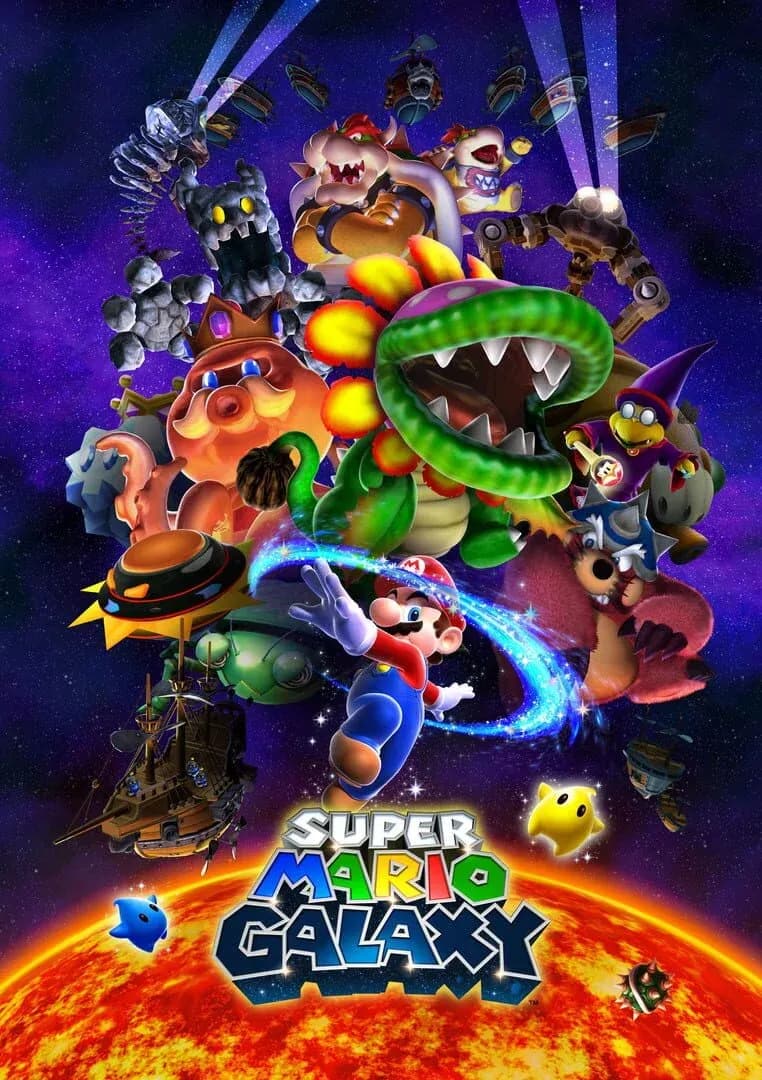
Super Mario Galaxy drops Mario into an entirely new kind of space adventure, one built around the idea that gravity is a toy. Developed by Nintendo Entertainment Analysis & Development and originally launched in November 2007, the game tasks Mario with collecting Power Stars across dozens of distinct galaxies to stop Bowser, who has ripped Princess Peach's castle straight out of the Mushroom Kingdom and carried it into space. The setup is classic Mario. The execution is anything but.
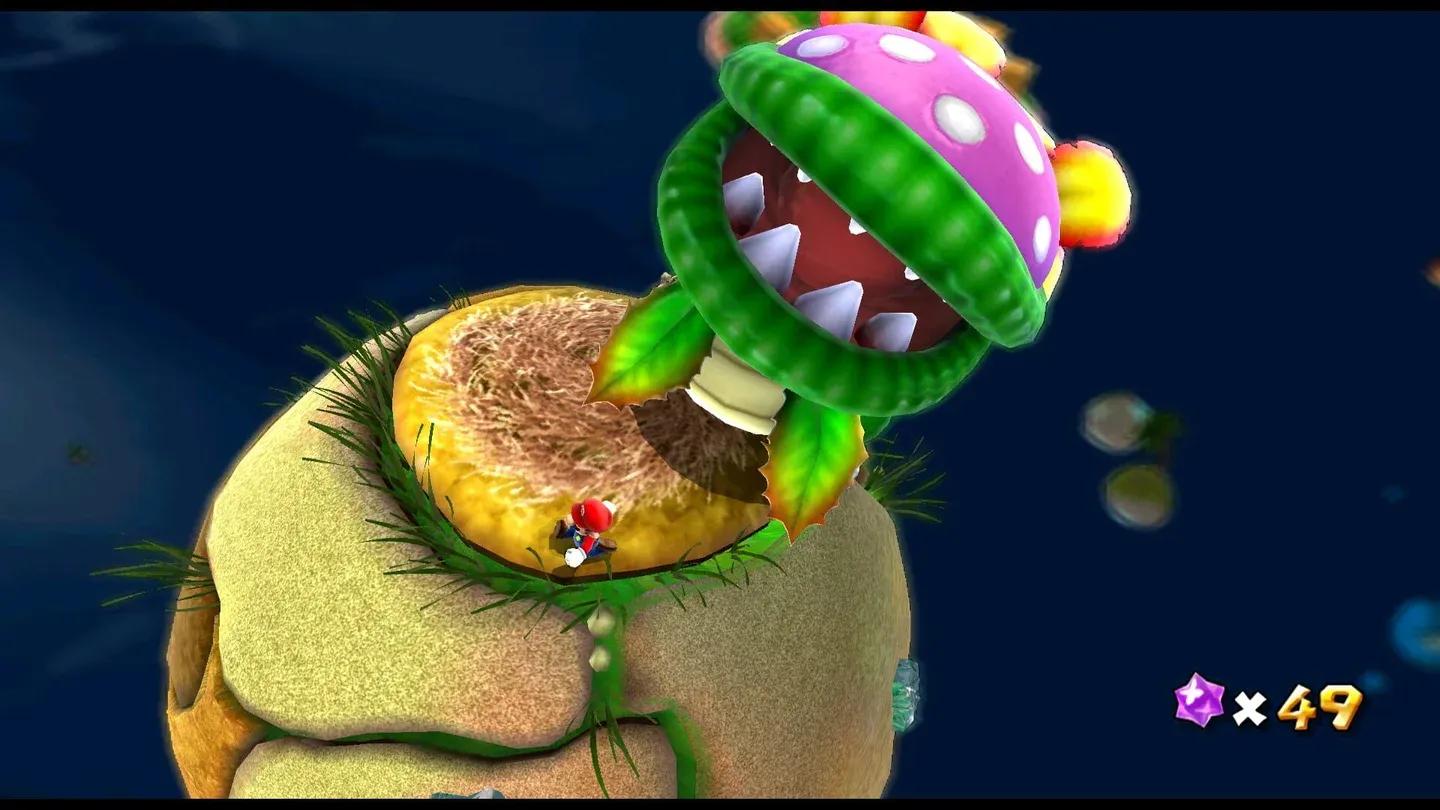
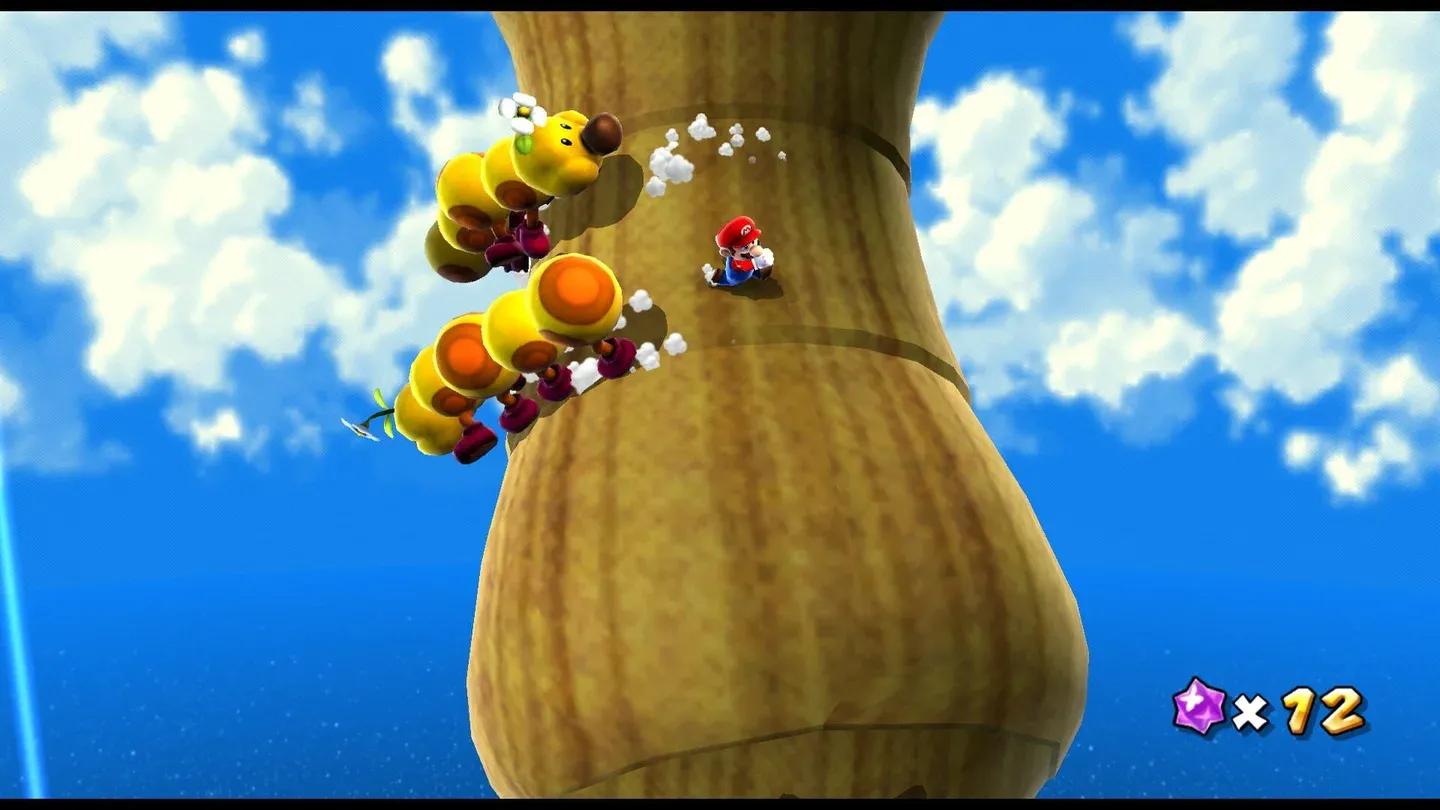
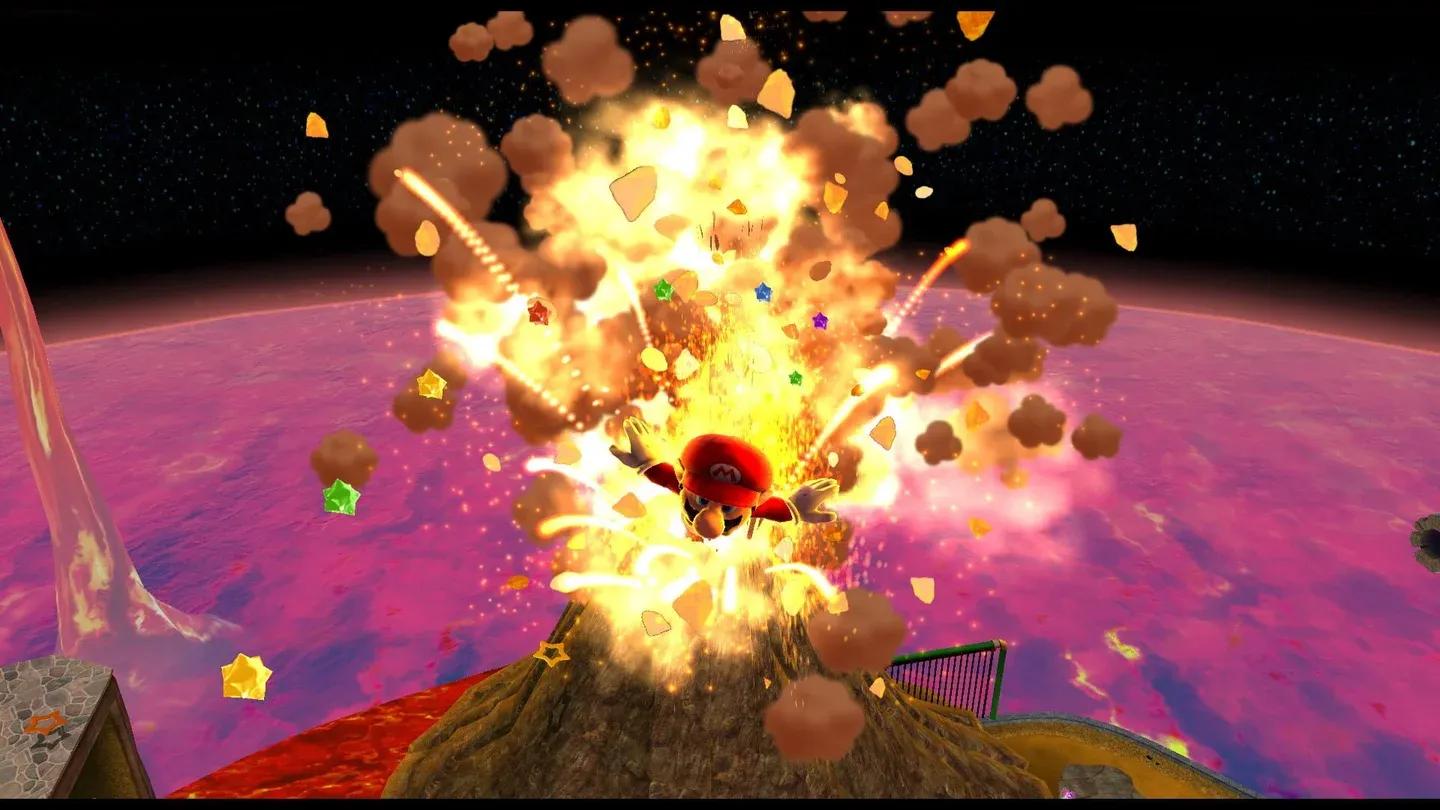
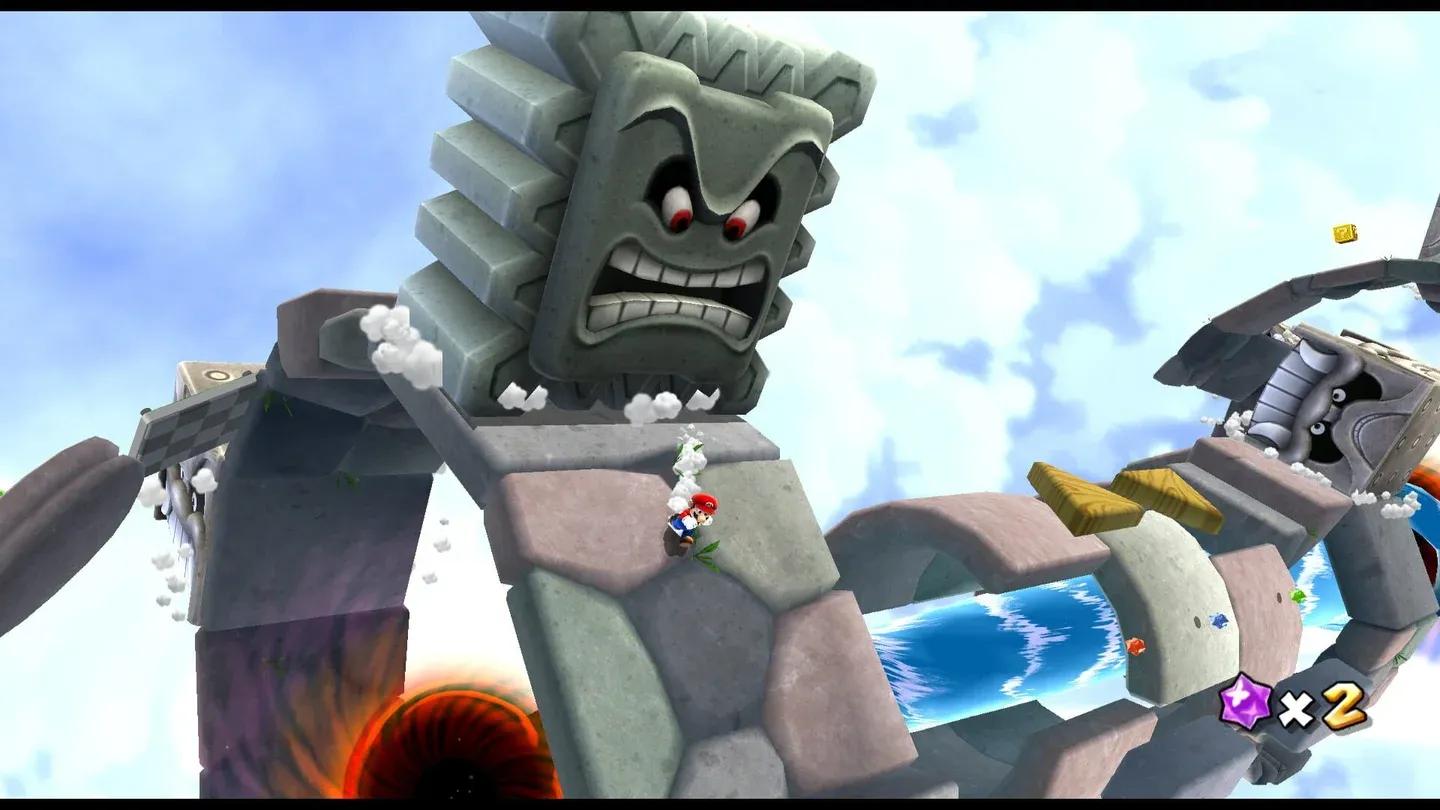
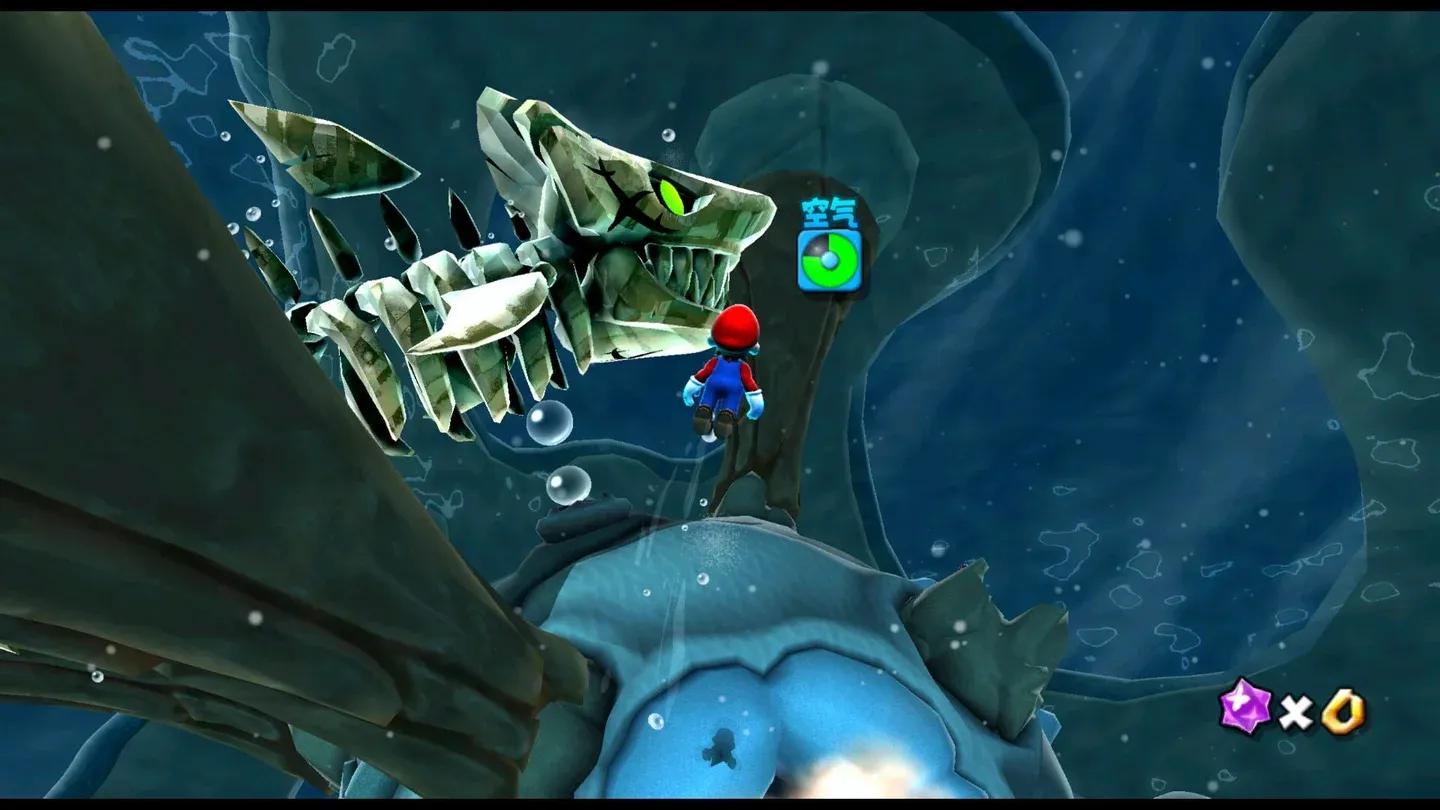
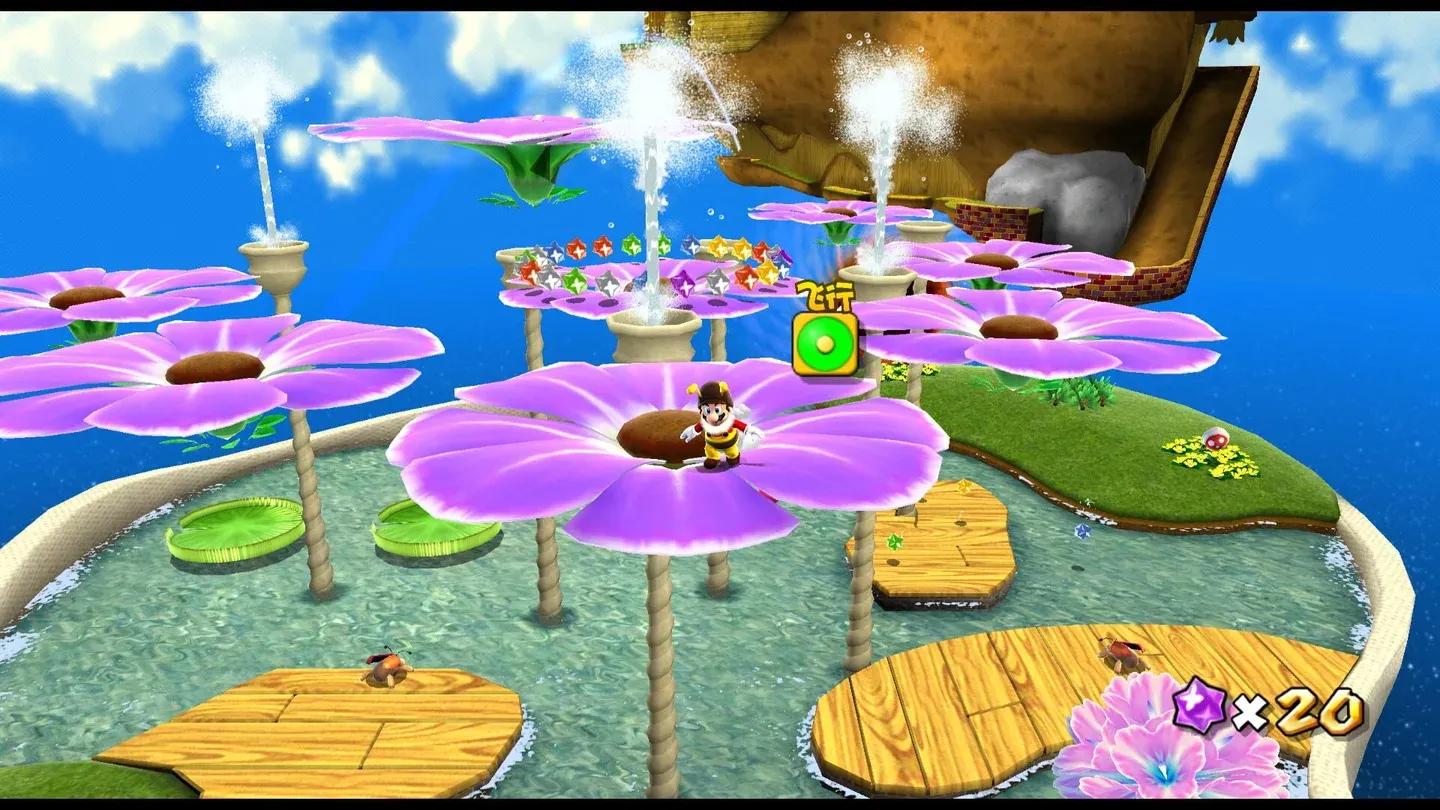
Each galaxy functions as its own self-contained challenge, with Mario running across the surfaces of tiny planets, launching between gravitational fields, and navigating environments where the floor is constantly shifting underfoot. The scale of the game is hard to overstate: no two galaxies feel alike, and the variety of mechanics introduced and then discarded within a single level is staggering by any platformer standard.
Gameplay and mechanics
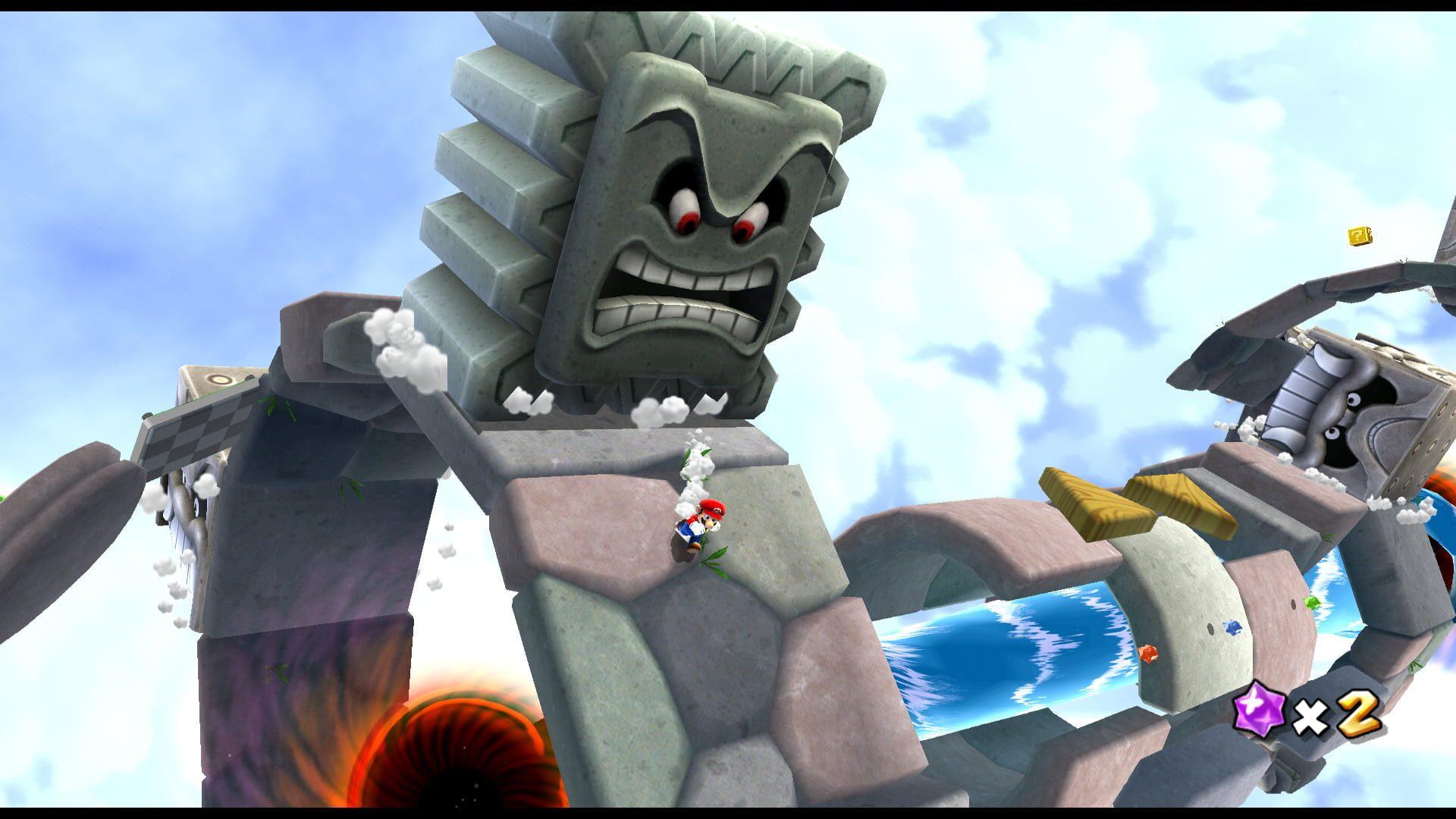
The core loop of Super Mario Galaxy revolves around collecting Power Stars, each requiring Mario to complete a specific objective within a galaxy. Some stars demand precision platforming across crumbling asteroids. Others flip the camera upside down or strip Mario of his jumping ability entirely. The game introduces a new mechanic roughly every 15 minutes and trusts the player to figure it out.
Key mechanics include:
- Gravity-shifting planet traversal
- Star Bit collection and throwing
- Spin attack using motion controls
- Luma transformations unlocking new paths
- Co-star mode for a second player
The Wii Remote controls feel purposeful here rather than gimmicky. Shaking the controller to spin works intuitively, and pointing at the screen to collect Star Bits gives the second player something meaningful to contribute even without taking direct control of Mario.
What makes the gravity mechanics so distinctive?
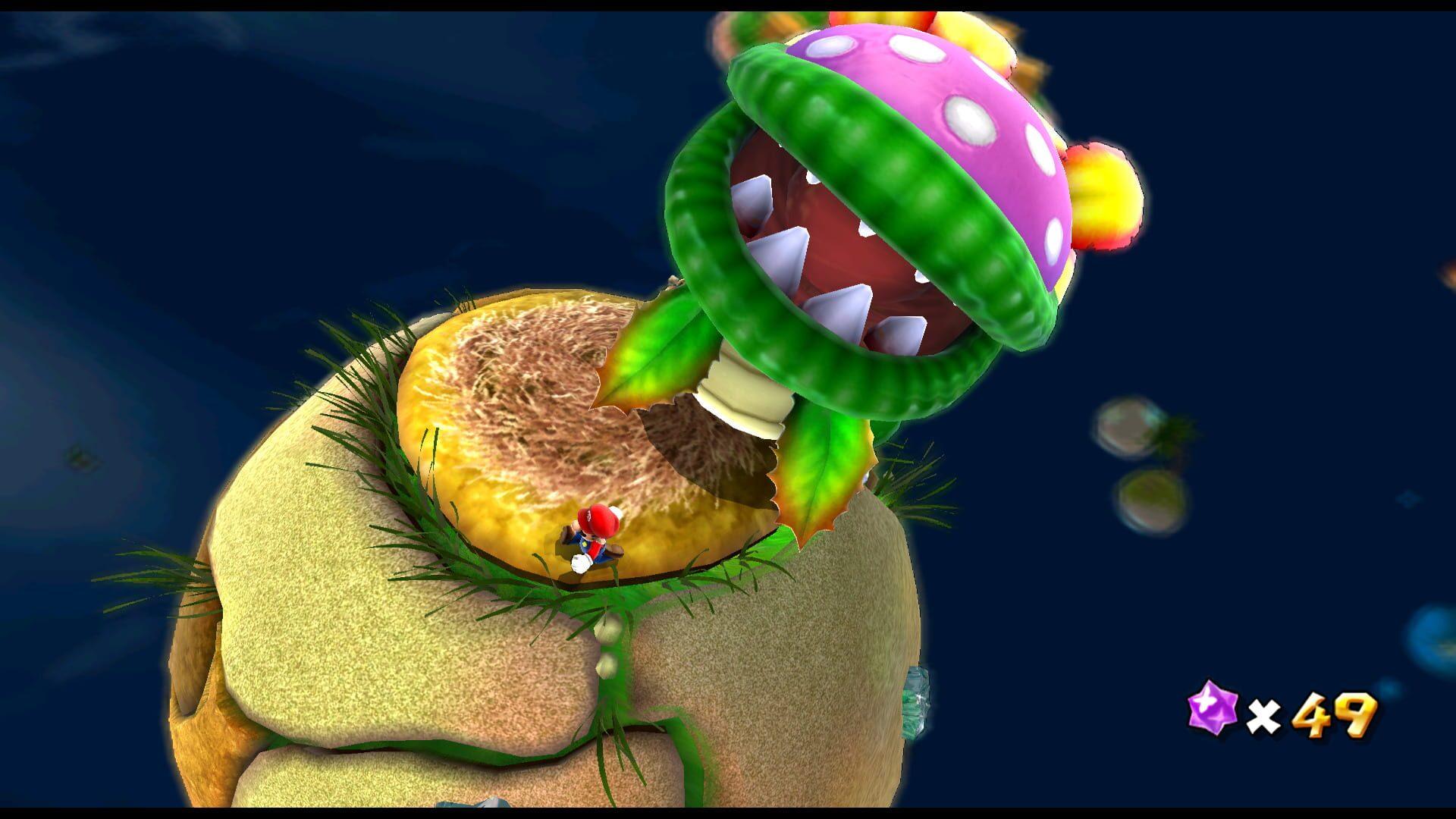
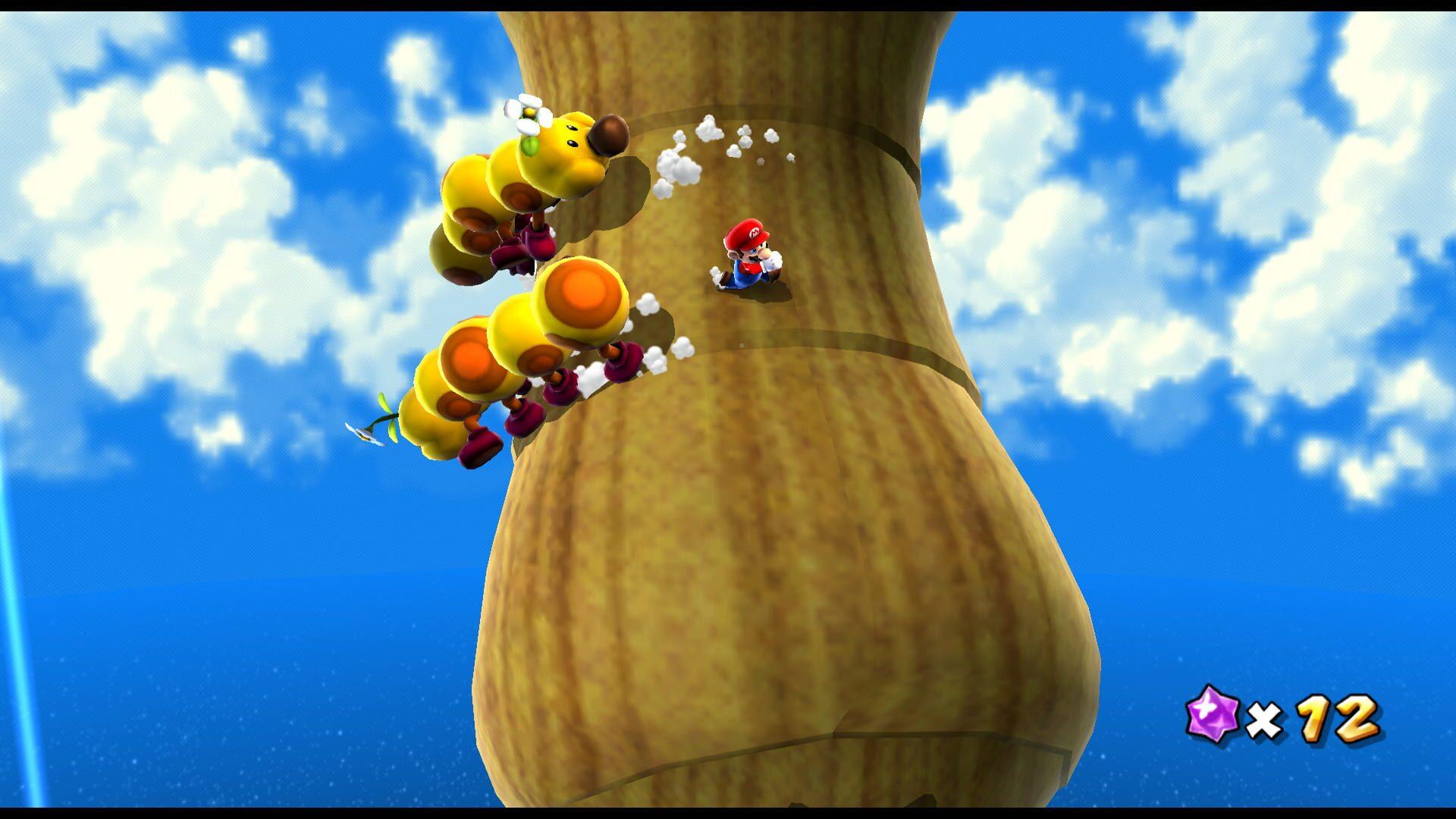
The gravity system is the single most defining feature of Super Mario Galaxy. Mario does not simply run on flat ground. He runs on the outside of spheres, along the undersides of platforms, and through environments where multiple gravitational pulls compete for control of his movement. Falling off a small planet sends him drifting toward the nearest large object rather than dropping into a void.
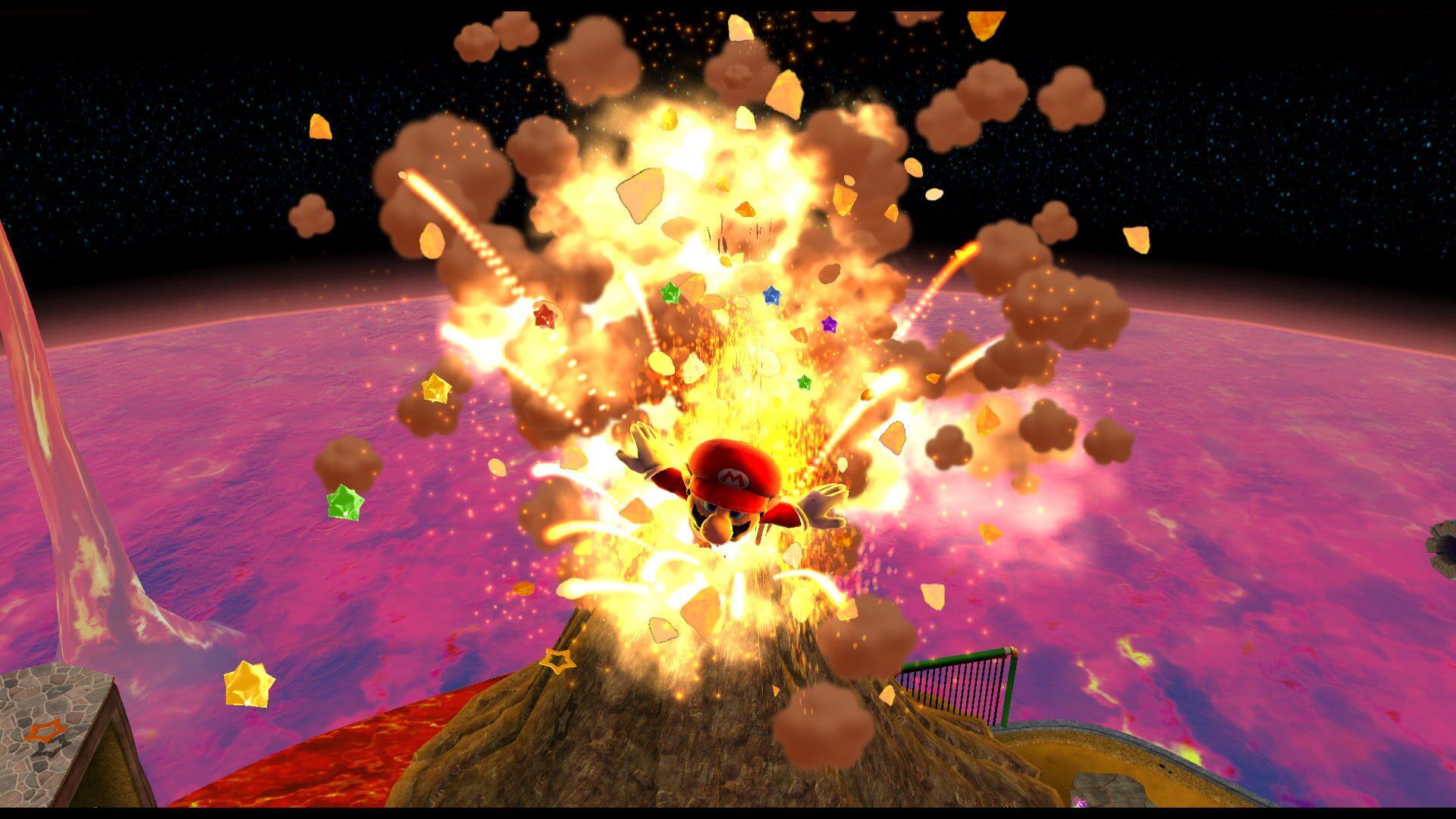
This creates platforming scenarios that simply cannot exist in a traditional 2D or even standard 3D game. A level might start with Mario running around a small rock, then launch him toward a larger structure where the horizon wraps around him, then drop him into a zero-gravity section where directional movement becomes almost abstract. The physics engine underpins every design decision in the game.
World and setting
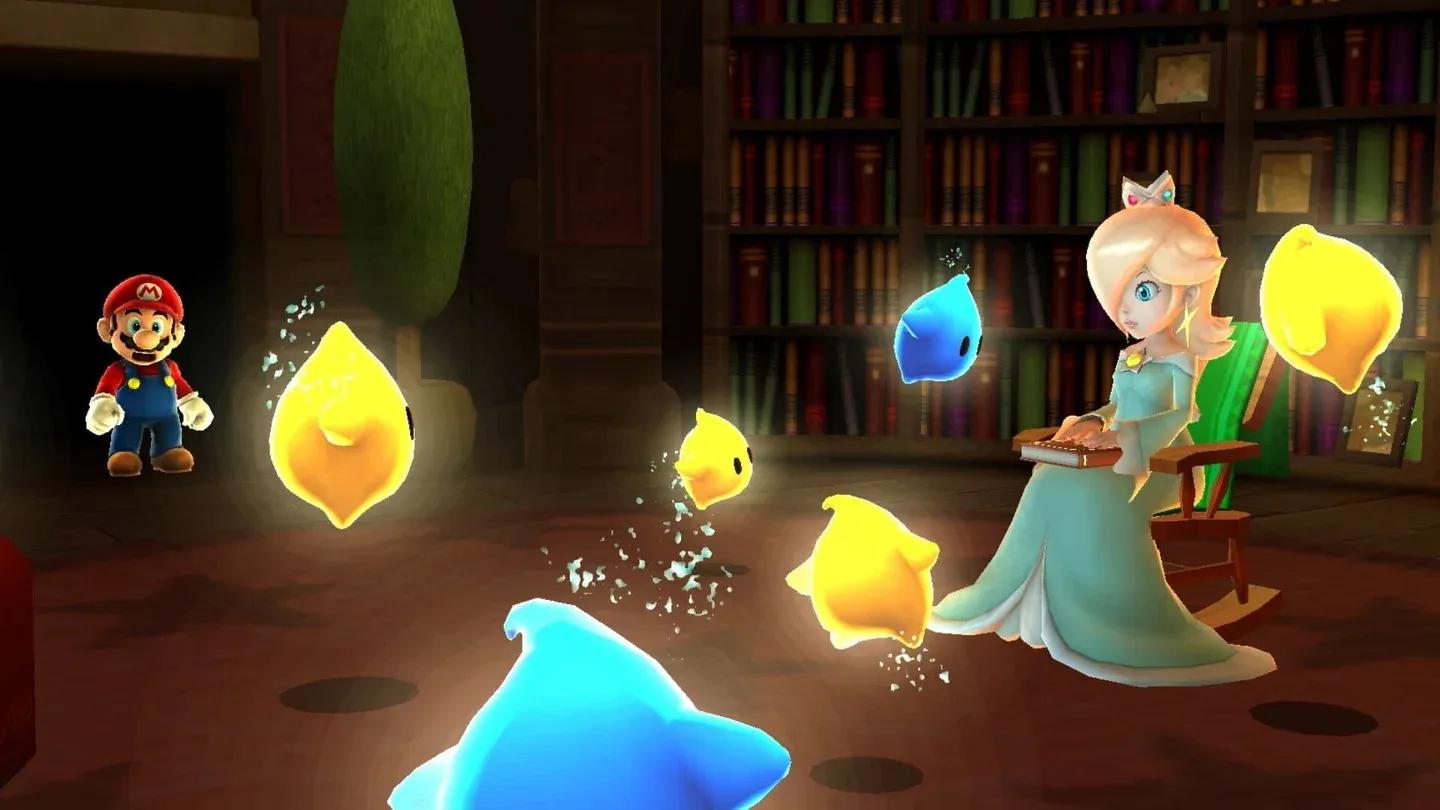
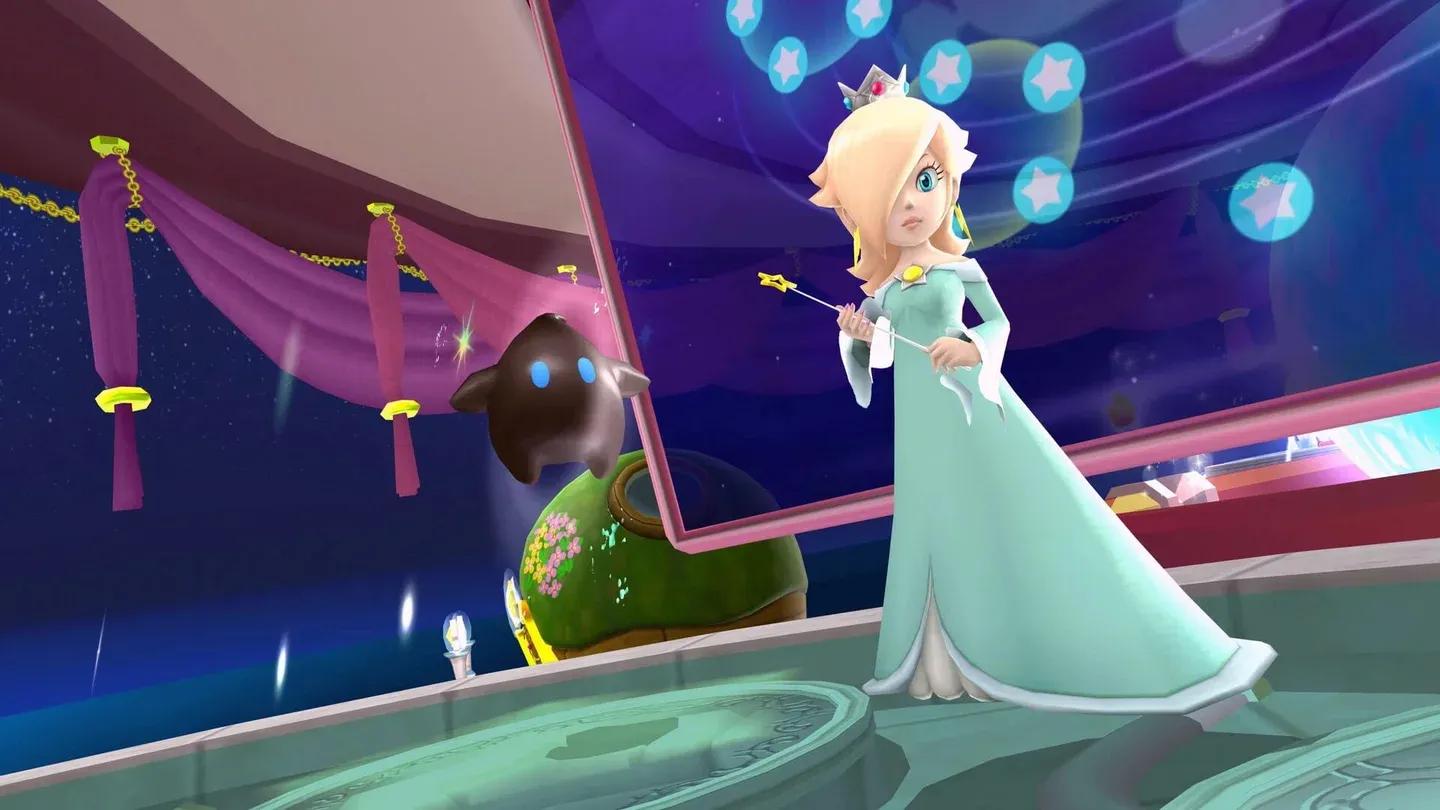
The story follows a familiar Mario premise: Bowser attacks during the Star Festival, a celebration held once every hundred years when a comet passes over the Mushroom Kingdom, and kidnaps Princess Peach. Mario ends up at Rosalina's Comet Observatory, a space station populated by Lumas, star-shaped creatures that power the ship and can transform into new platforms and launch pads when fed enough Star Bits.
Rosalina herself is one of the more memorable additions to the Mario universe. Her backstory, told through a picture book unlocked in the library, gives the game an unexpectedly quiet emotional weight that sits alongside the high-energy galaxy stages without feeling out of place.
Impact and legacy
Super Mario Galaxy holds a Metacritic score of 97, making it one of the highest-rated games ever released. It won numerous Game of the Year awards in 2007 and remains a benchmark for 3D platformer design. The game is available on Nintendo Switch as part of the Super Mario 3D All-Stars collection, bringing its gravity-based platforming to a new generation of players. Koji Kondo and Mahito Yokota's orchestral score, performed by a live orchestra, remains one of gaming's most celebrated soundtracks.