Overview
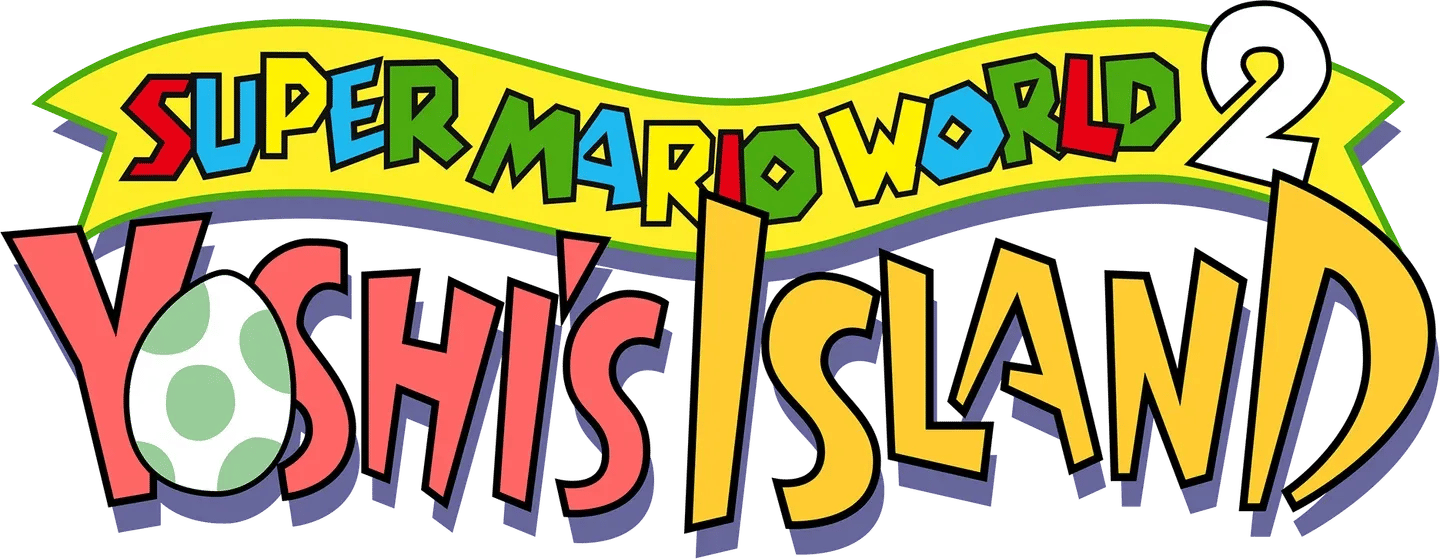
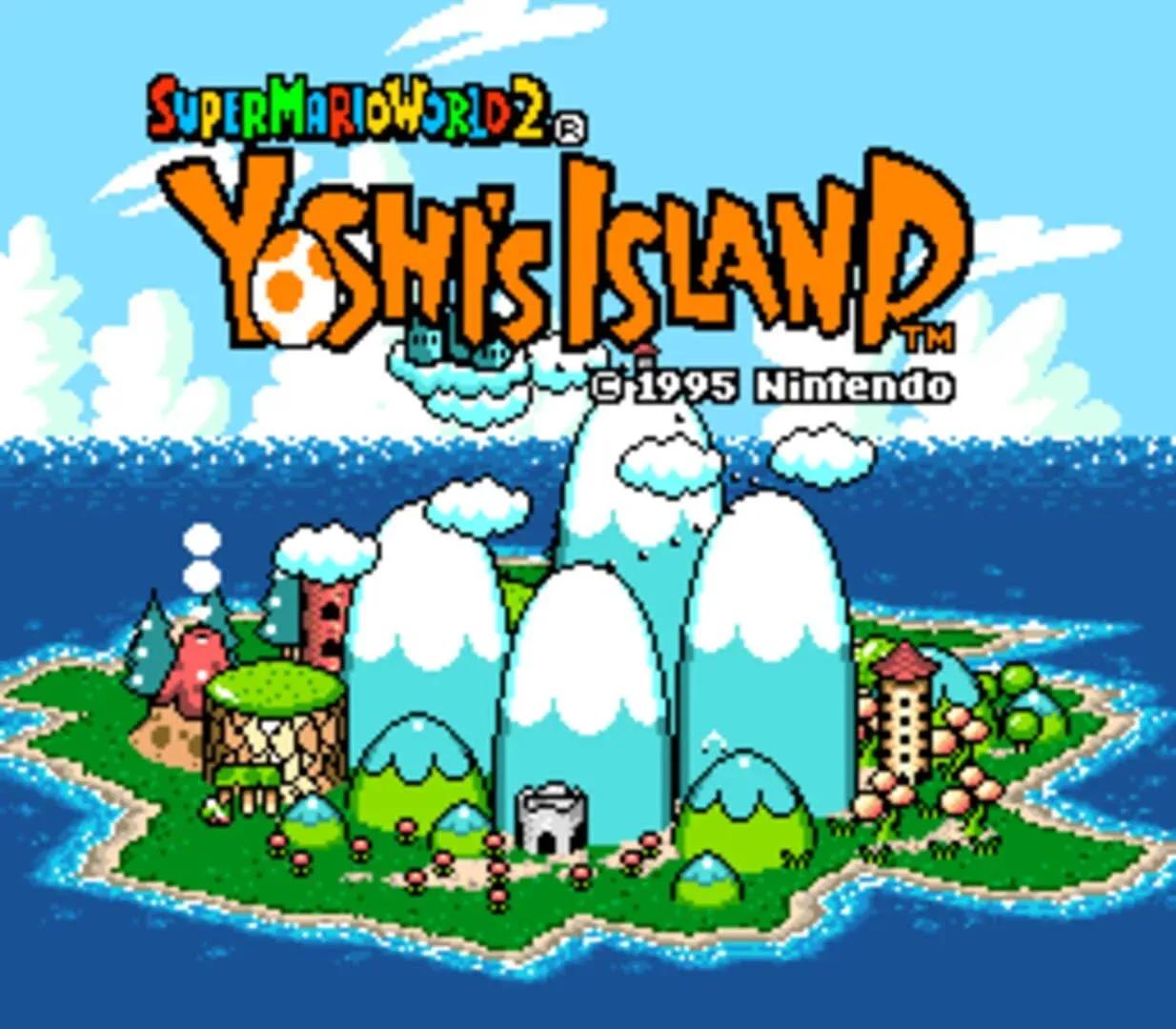
Super Mario World 2: Yoshi's Island is a 2D platformer developed by Nintendo EAD and released for the Super Nintendo in August 1995. It serves as a prequel to Super Mario World, repositioning Yoshi as the lead character and Baby Mario as a passenger who must be protected rather than a hero doing the saving. The setup sounds simple, but the game builds something surprisingly layered on top of it.
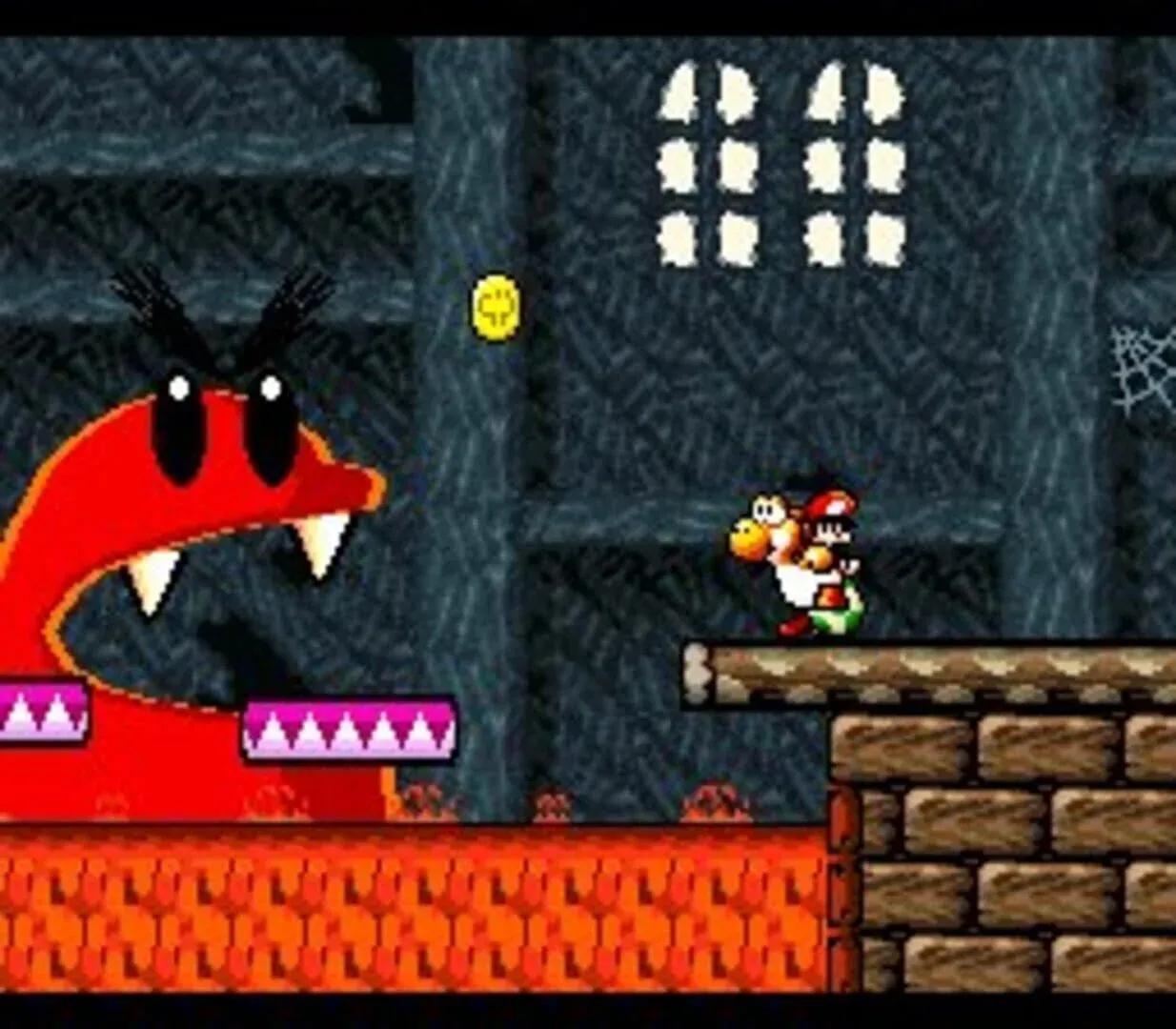
The story begins when Kamek the Magikoopa intercepts a stork delivering the Mario brothers, kidnapping Baby Luigi and sending Baby Mario tumbling onto Yoshi's Island. Yoshi and his seven island companions take it upon themselves to carry Baby Mario across 48 levels, reunite him with his brother, and ultimately confront Baby Bowser. The narrative is light but the emotional stakes give every level a sense of purpose.
Gameplay and mechanics
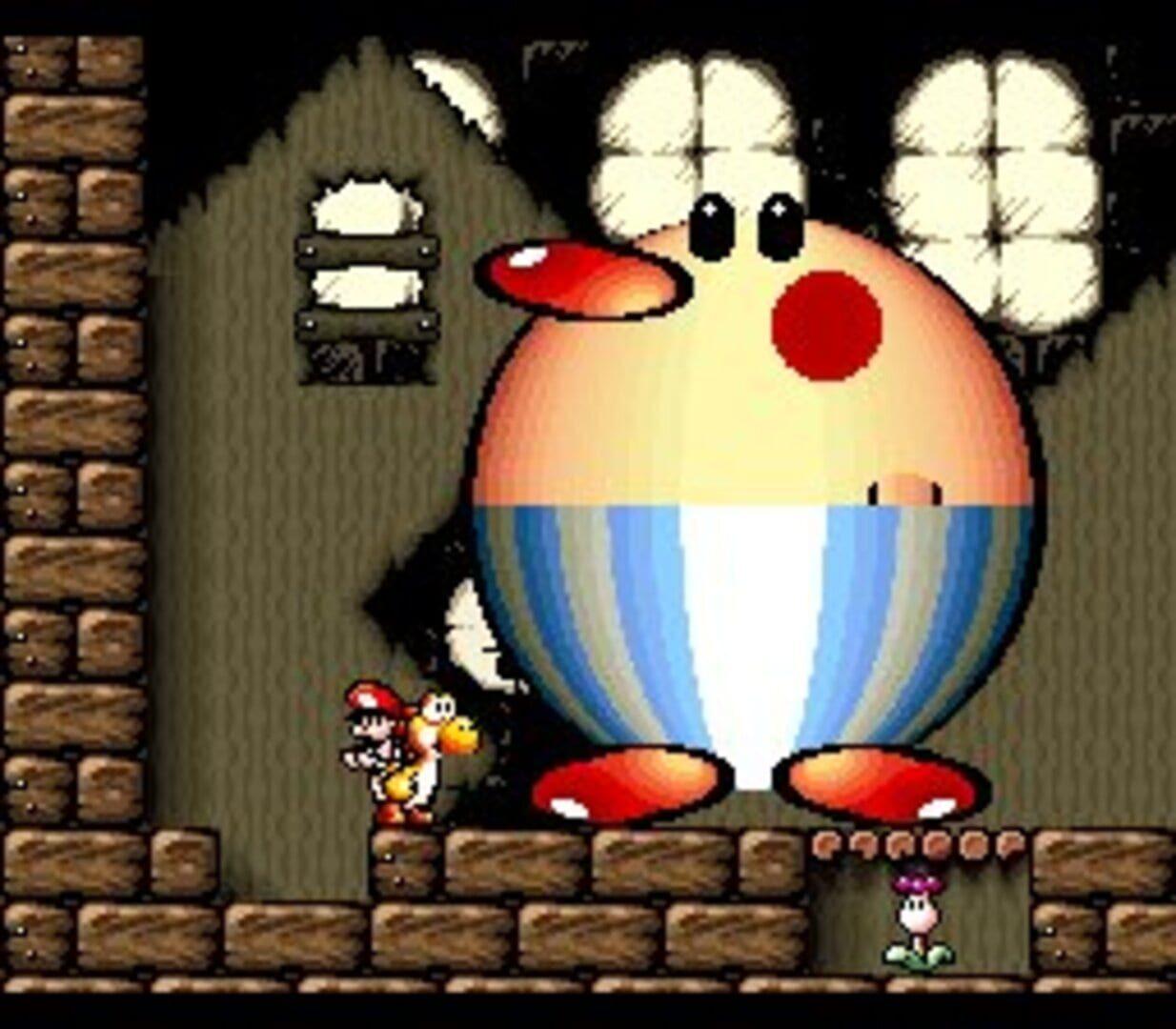
Yoshi's Island introduces a set of mechanics that became the character's defining toolkit. The core abilities built into every level include:
- Flutter jump for extended airtime
- Swallowing enemies to produce throwable eggs
- Ground pound to break blocks and stun enemies
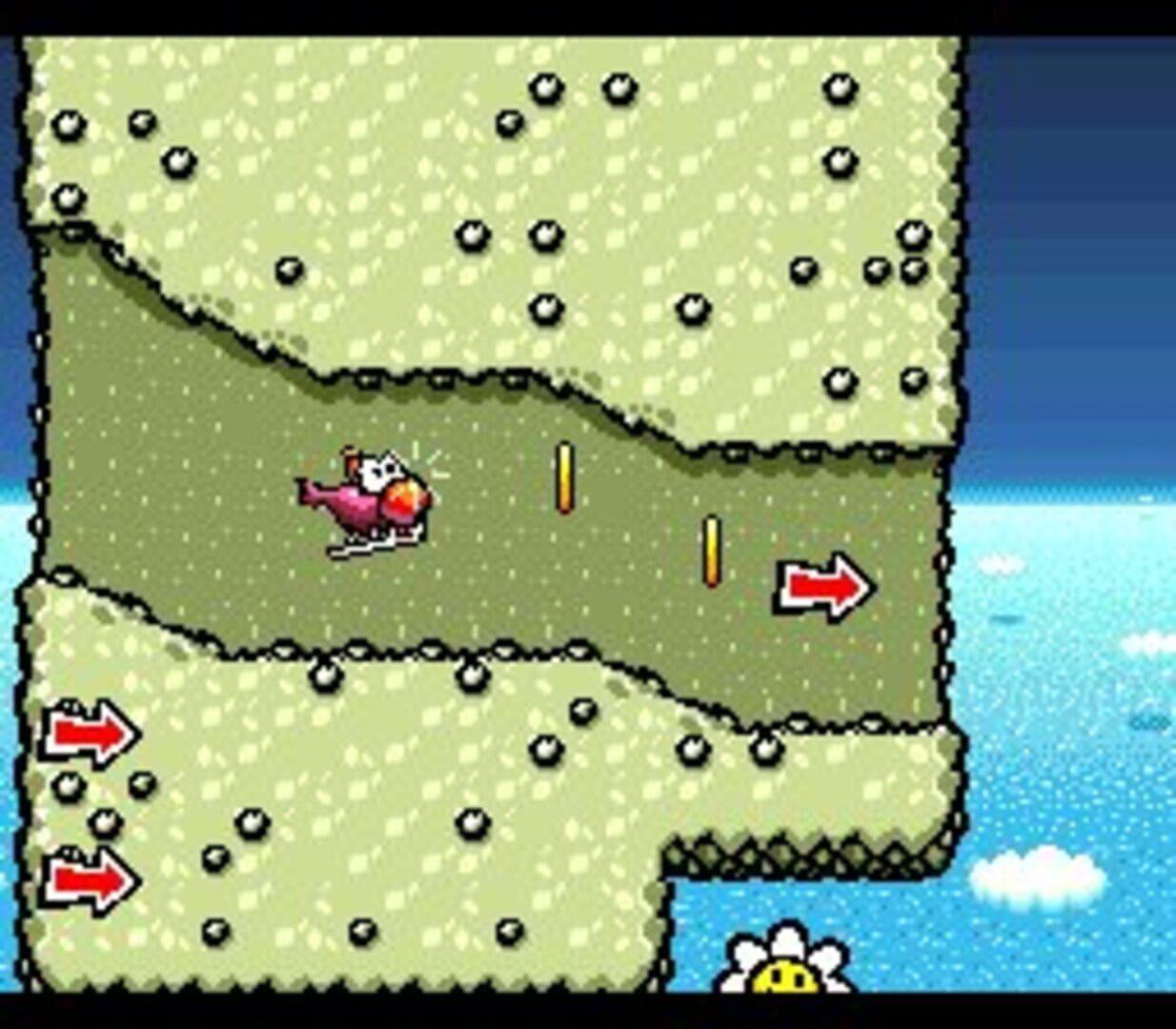
- Transforming into vehicles at specific points
- Collecting stars to extend Baby Mario's protection timer
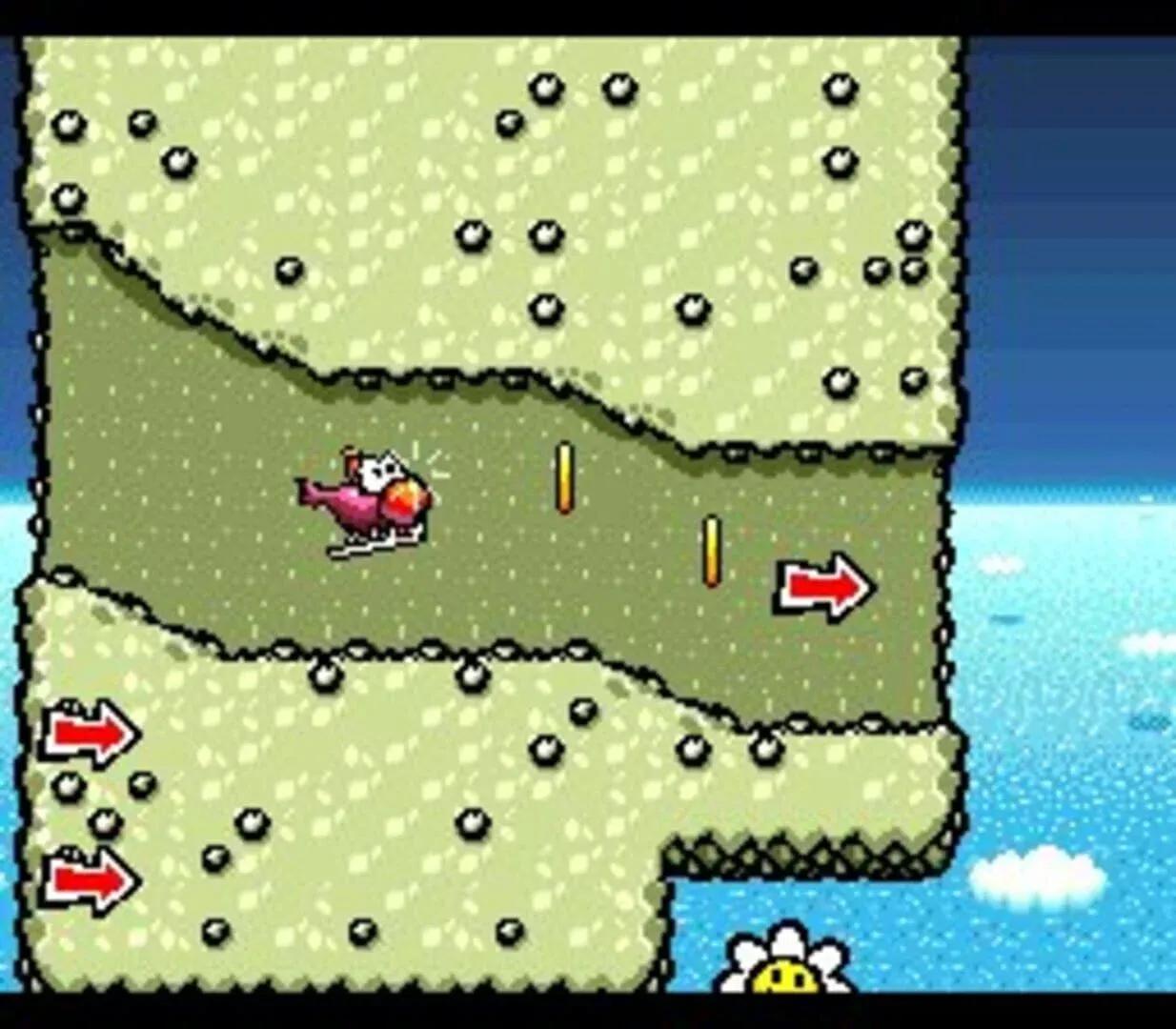
The egg mechanic is the most consequential. Yoshi can carry up to six eggs and lob them at targets, enemies, or hidden item blocks scattered across each stage. Aiming uses a targeting reticle, which gives the game a slightly puzzle-like quality that separates it from straightforward run-and-jump platformers. The vehicle transformations, which include a helicopter, a mole tank, and a submarine among others, break up the pacing in ways that feel inventive rather than disruptive.
The Baby Mario protection system adds a layer of tension absent from most platformers of the era. When Yoshi takes a hit, Baby Mario floats away in a bubble, and a countdown timer begins. Let it reach zero and Kamek's minions collect him, ending the level. Stars gathered throughout each stage extend that timer, turning collectibles into something that actually matters mechanically.
Visual and audio design
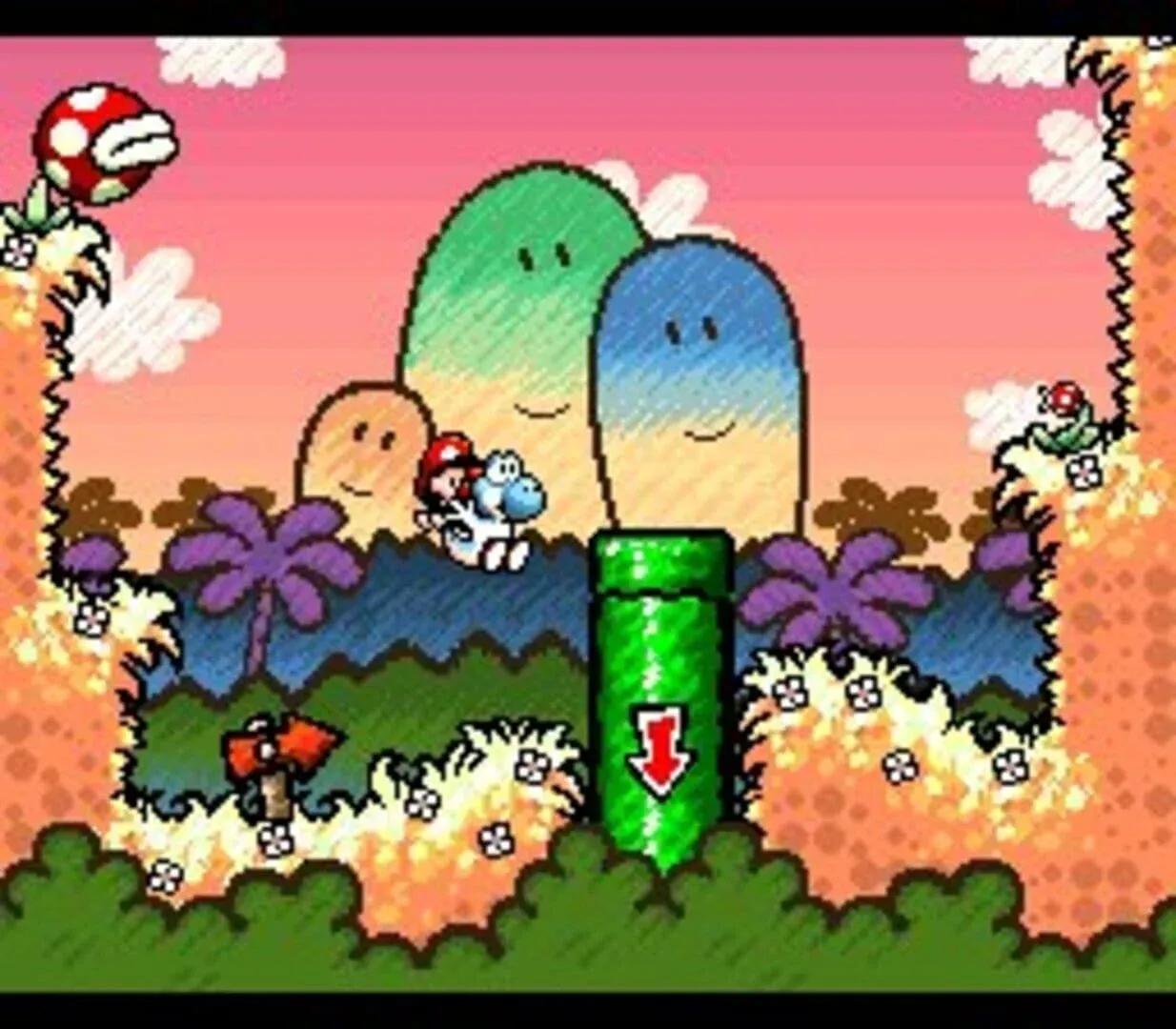
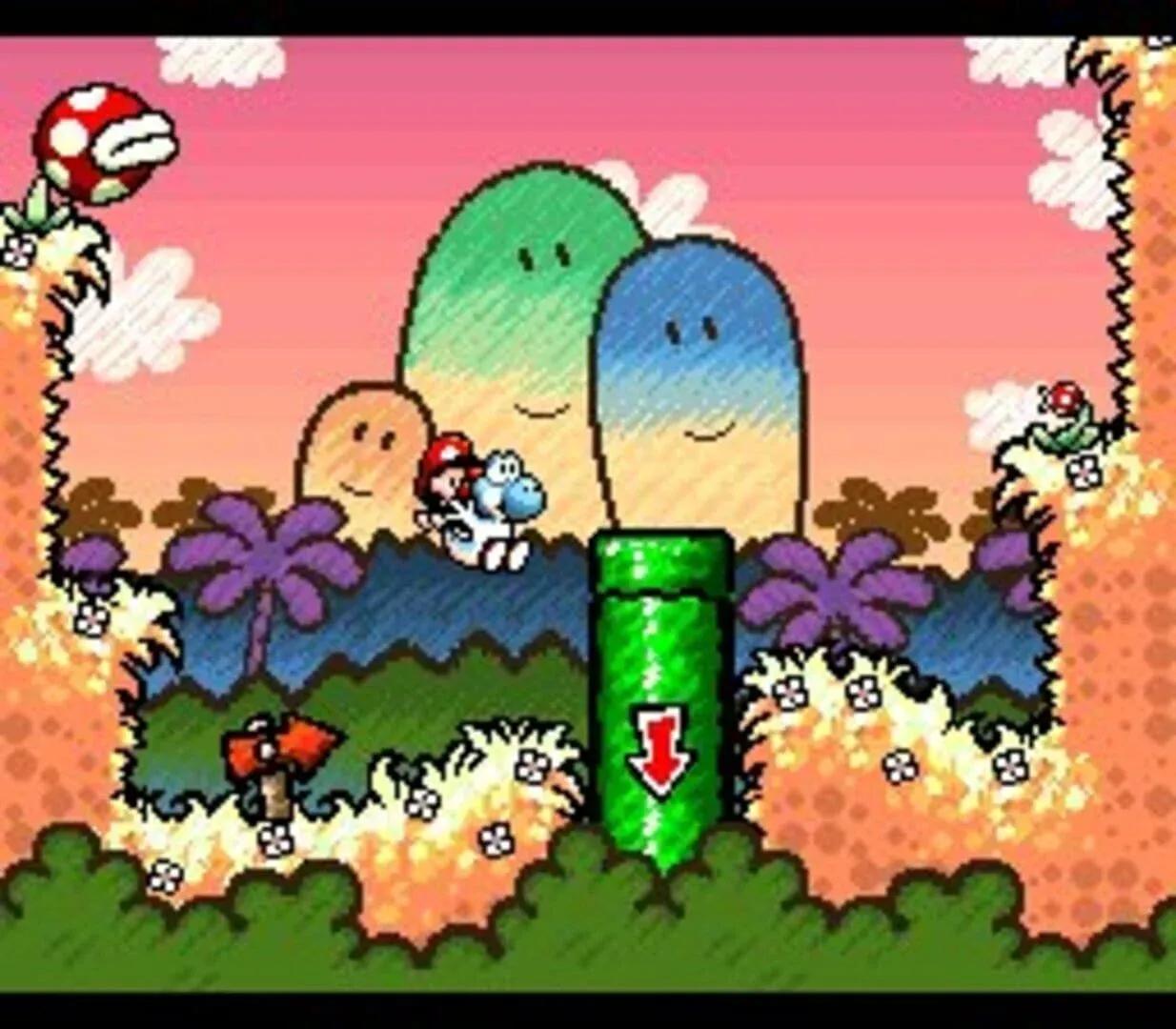
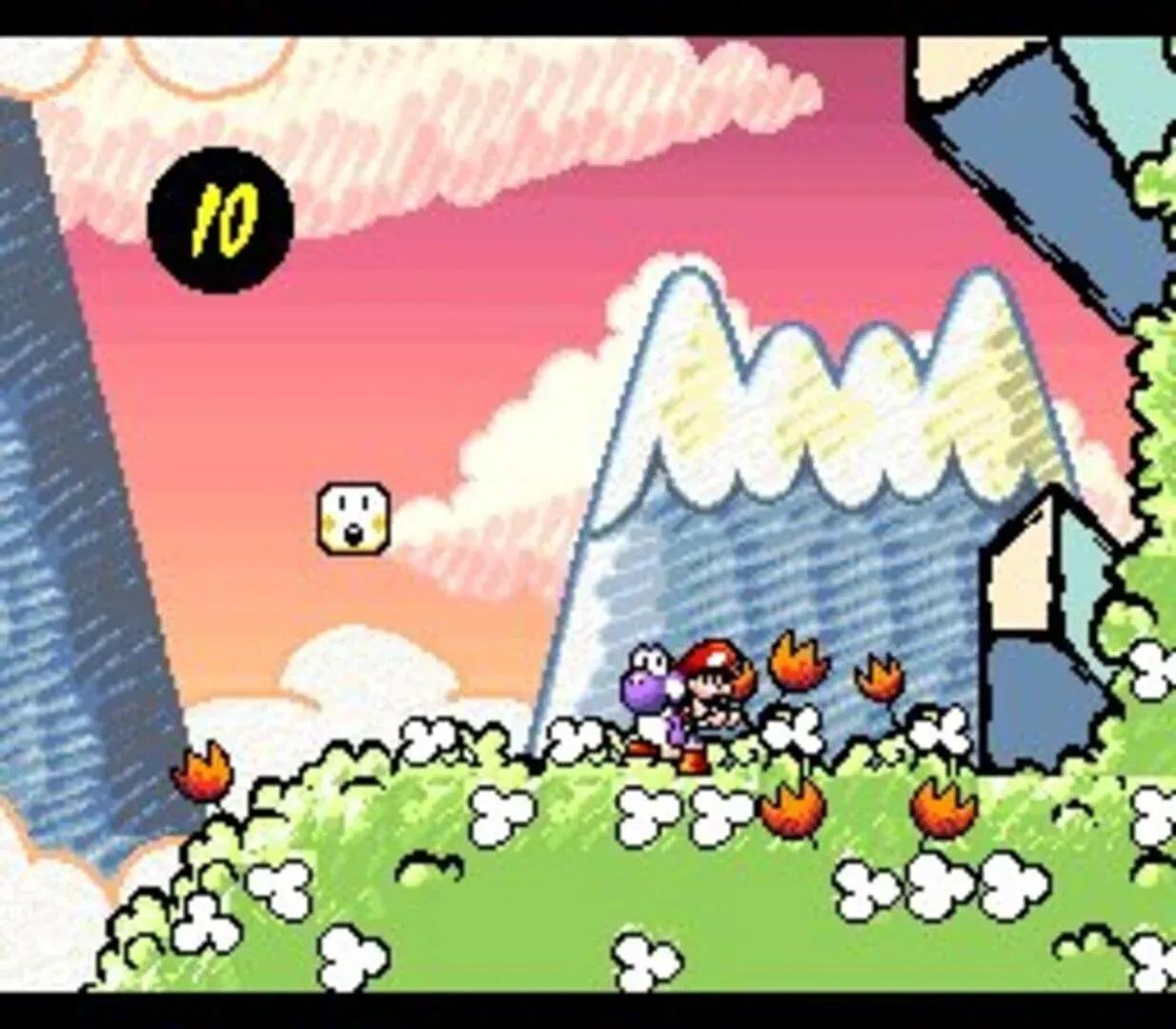
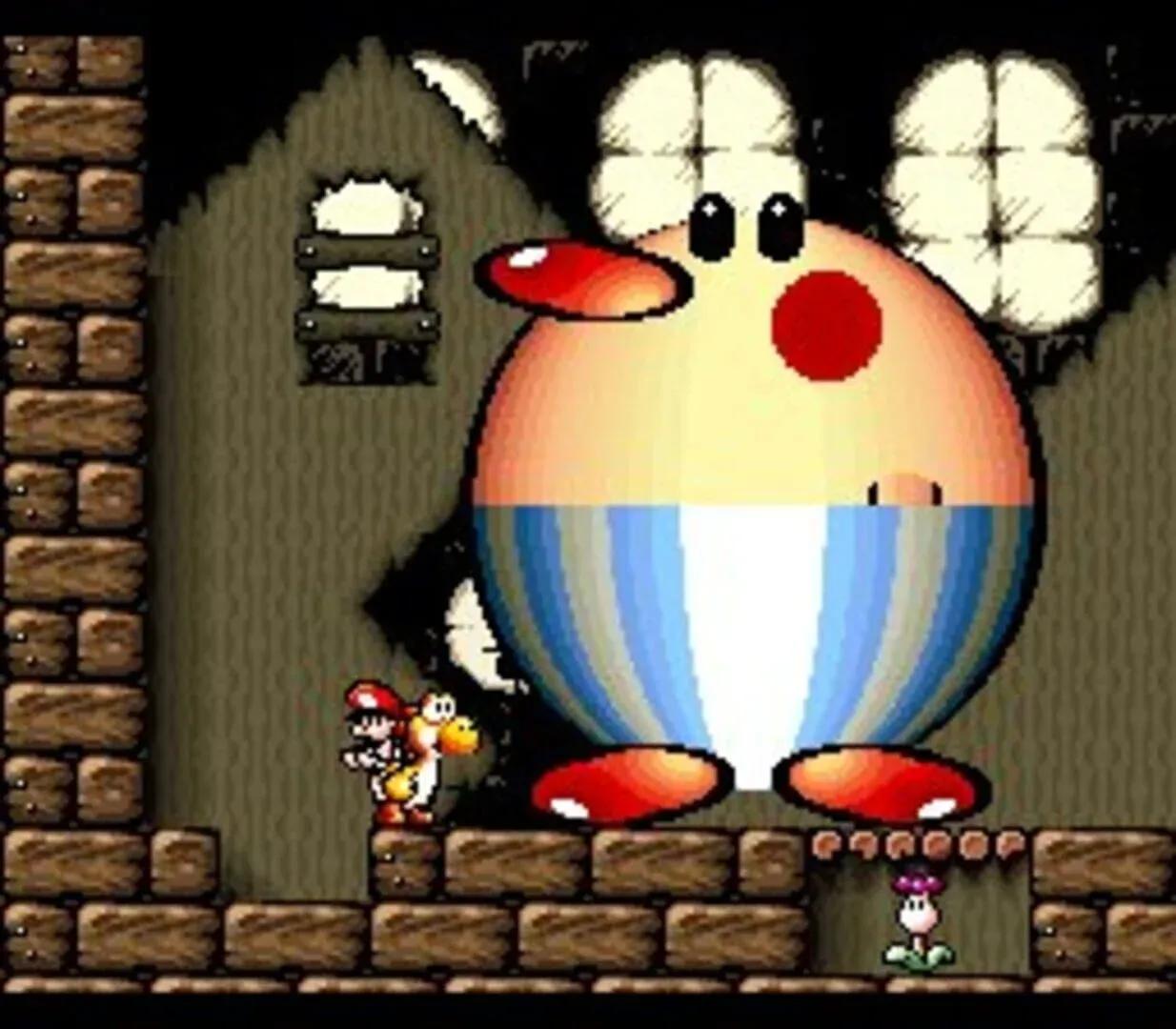
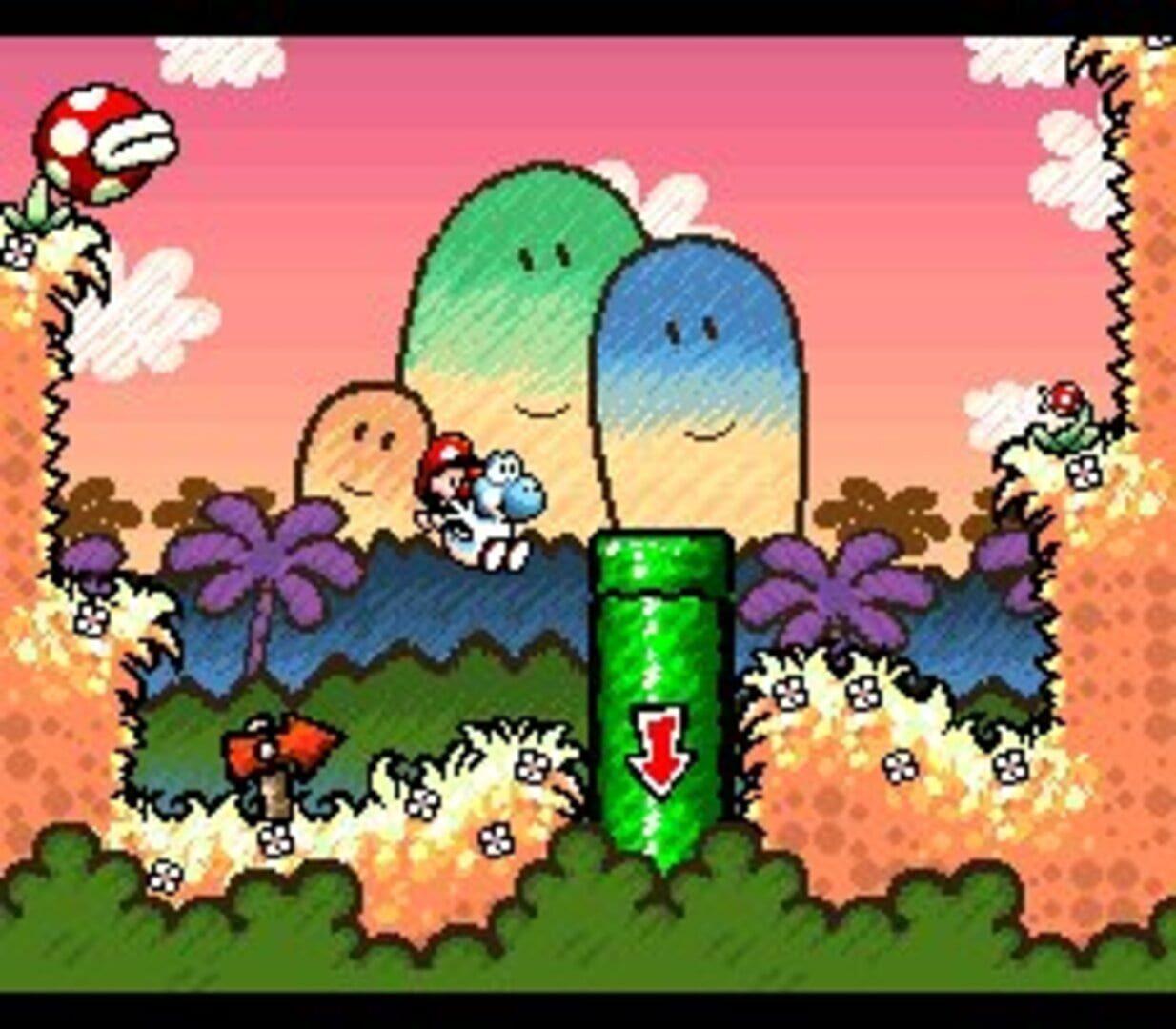
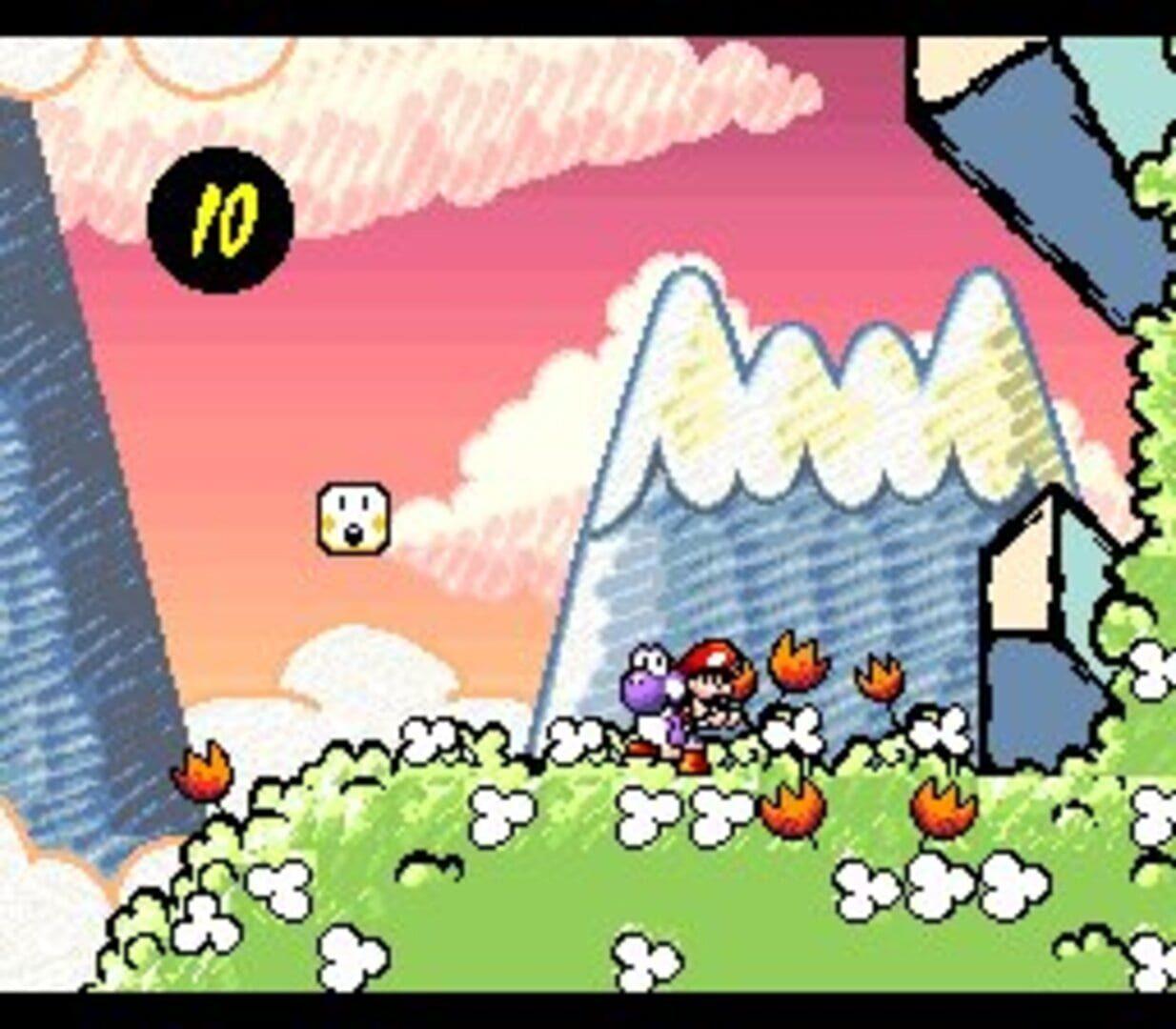
Yoshi's Island looks unlike anything else on the Super Nintendo. Nintendo EAD built the game around a hand-drawn, crayon-and-watercolor aesthetic that gives every environment a storybook quality. Backgrounds are sketchy and textured, enemies look like they were drawn by a child with a very good imagination, and the whole thing moves with a fluidity that pushed the SNES hardware through its limits using the Super FX2 chip.
Koji Kondo's soundtrack matches the visual tone precisely. The music is playful, occasionally whimsical, and shifts register when the game wants to signal danger or wonder. The boss themes in particular carry real weight for a game aimed at younger players.
Impact and legacy
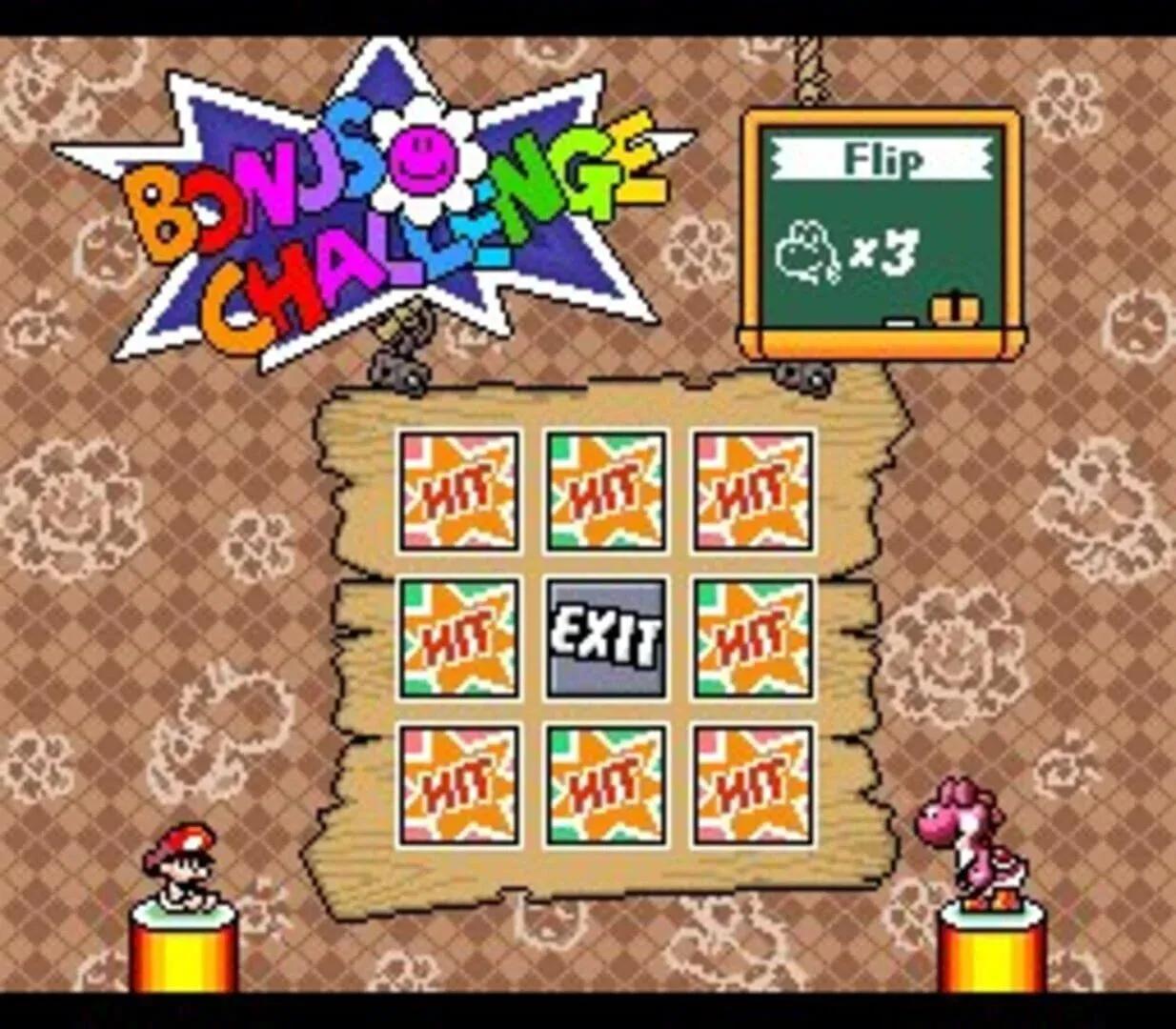
Yoshi's Island earned near-universal critical praise on release and has held that reputation across three decades. Nintendo has re-released it on the Game Boy Advance, the Wii Virtual Console, the Wii U Virtual Console, and the Super Nintendo Classic Edition, which speaks to how consistently it resonates with new audiences. It established the template for every Yoshi platformer that followed, from Yoshi's Story through Yoshi's Crafted World, and its influence on the visual design of Nintendo's softer, more expressive titles is still visible today. The 48 main levels, supplemented by six bonus stages unlocked through 100% completion runs, give the game replay value that most 1995 platformers simply don't have.