Advertisement

Overview
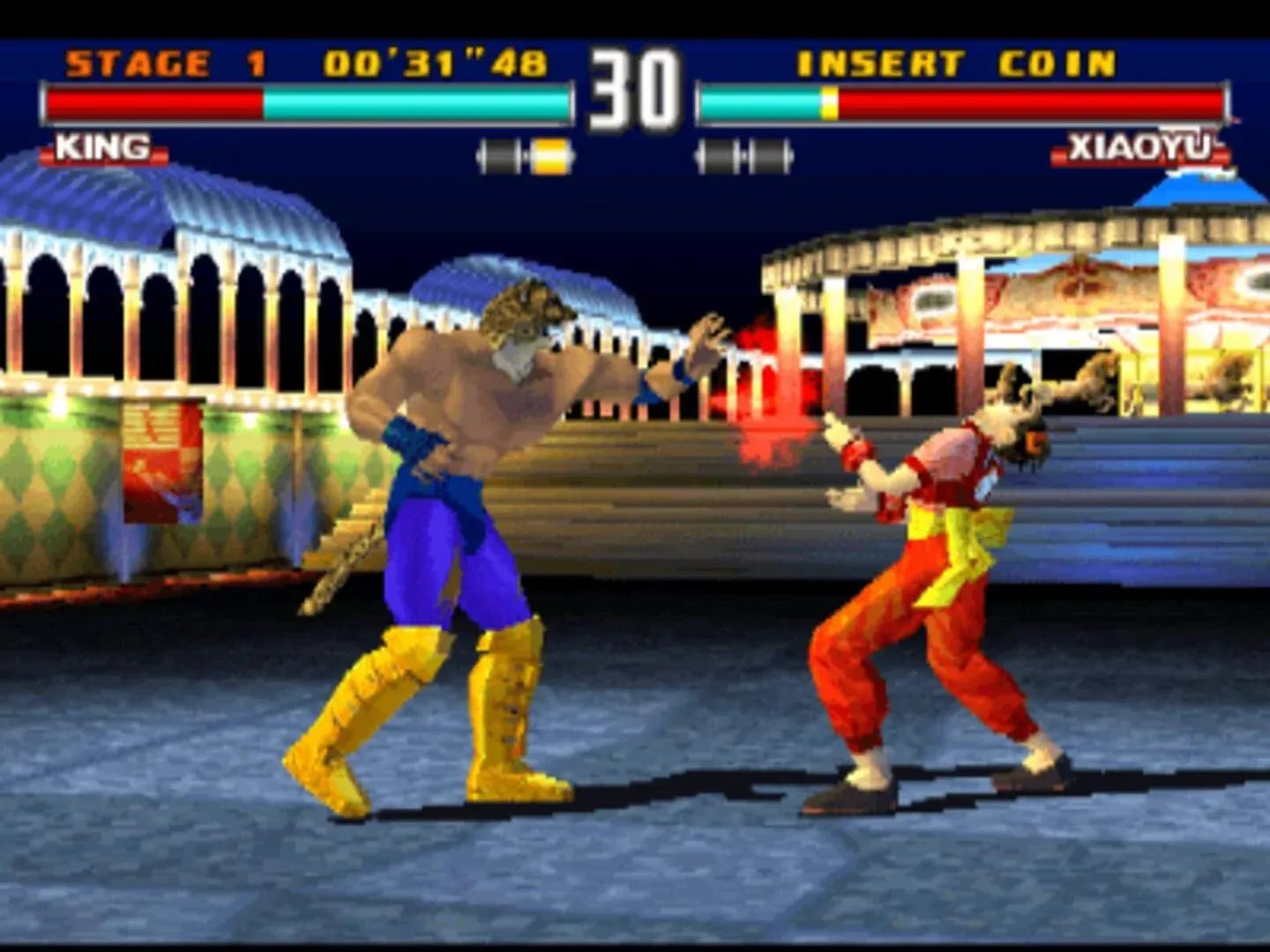
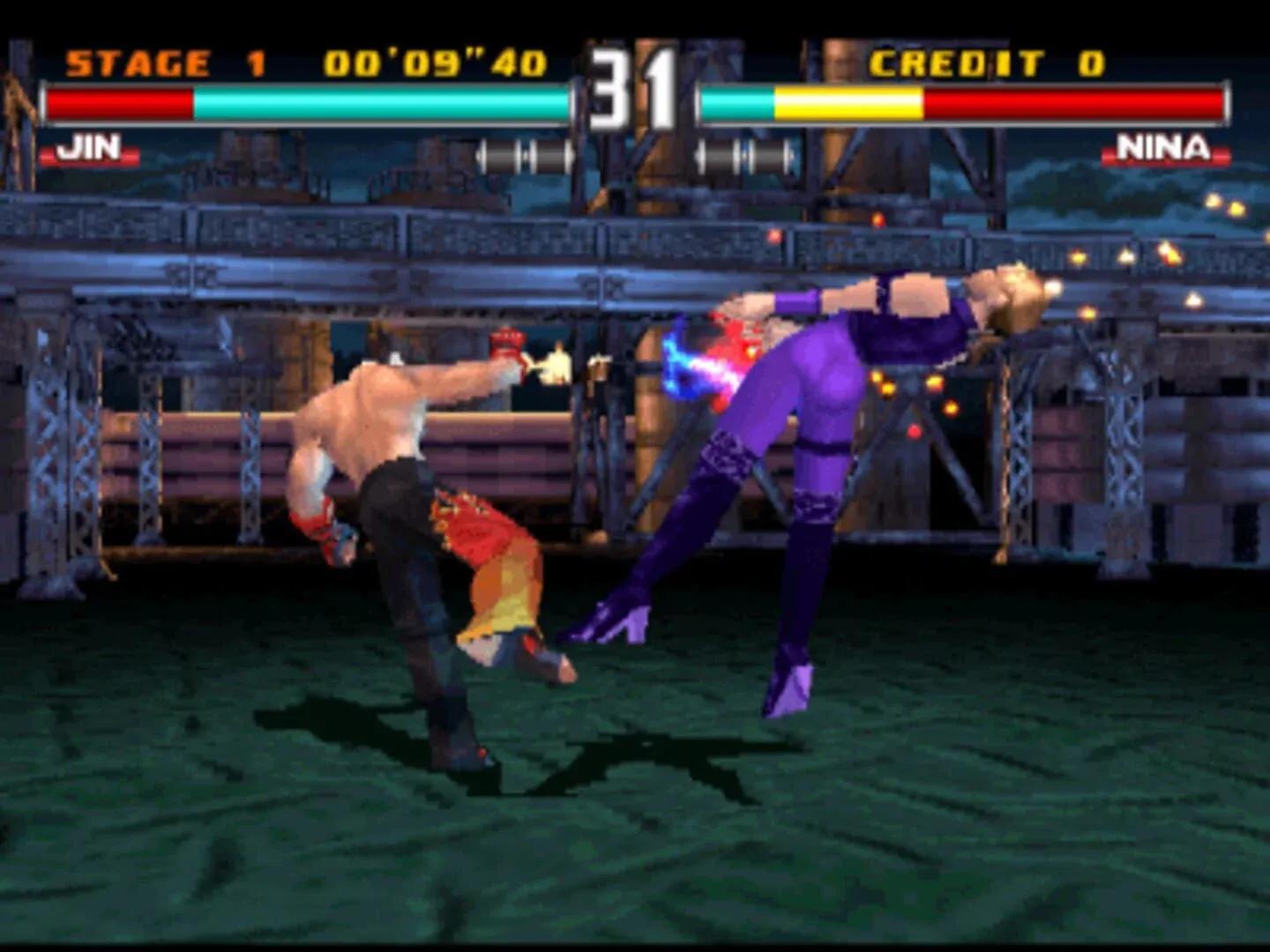
Tekken 3 is a 3D fighting game developed and published by Namco, originally released in arcades in March 1997 and later on PlayStation in 1998. Built on Namco's System 12 hardware (an upgrade from the System 11 used by its predecessors), it pushed the PlayStation to limits few expected, delivering fluid animations, a 23-character roster, and a combat system that still feels purposeful today. The game centers on the King of Iron Fist Tournament 3, organized by Heihachi Mishima to lure out the ancient warrior Ogre after the creature decimates a Tekken Force squadron in Mexico.
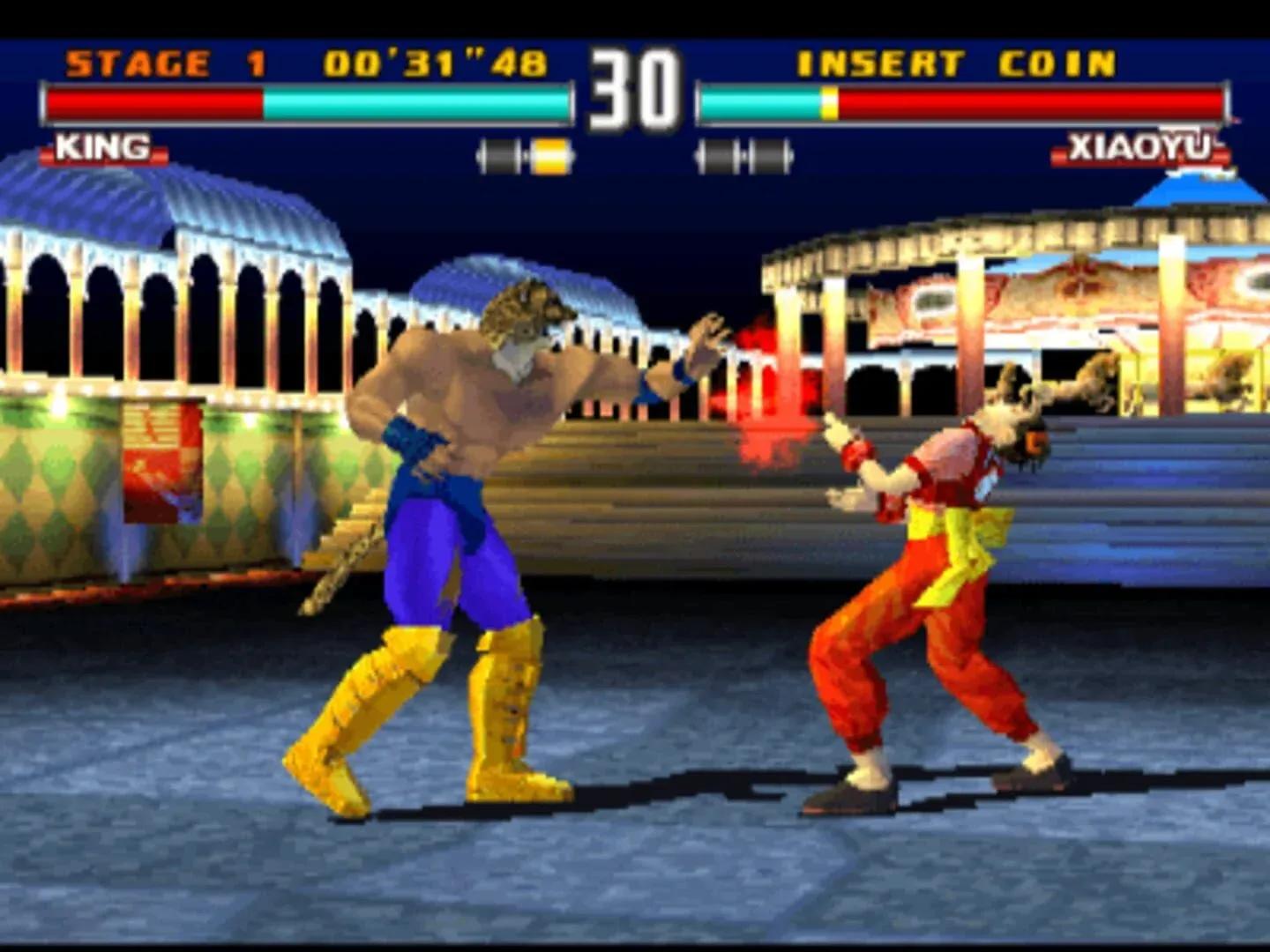
The story puts Jin Kazama at the center. After Ogre attacks his home and apparently kills his mother Jun, Jin seeks out his grandfather Heihachi, trains in Mishima-style karate, and enters the tournament on his 19th birthday. It's a tight, straightforward revenge arc that gives the fighting a personal weight without overcomplicating things. The roster built around this story introduced characters who have remained series staples for nearly three decades: Jin Kazama, Ling Xiaoyu, Julia Chang, and Hwoarang all debut here.
Gameplay and mechanics
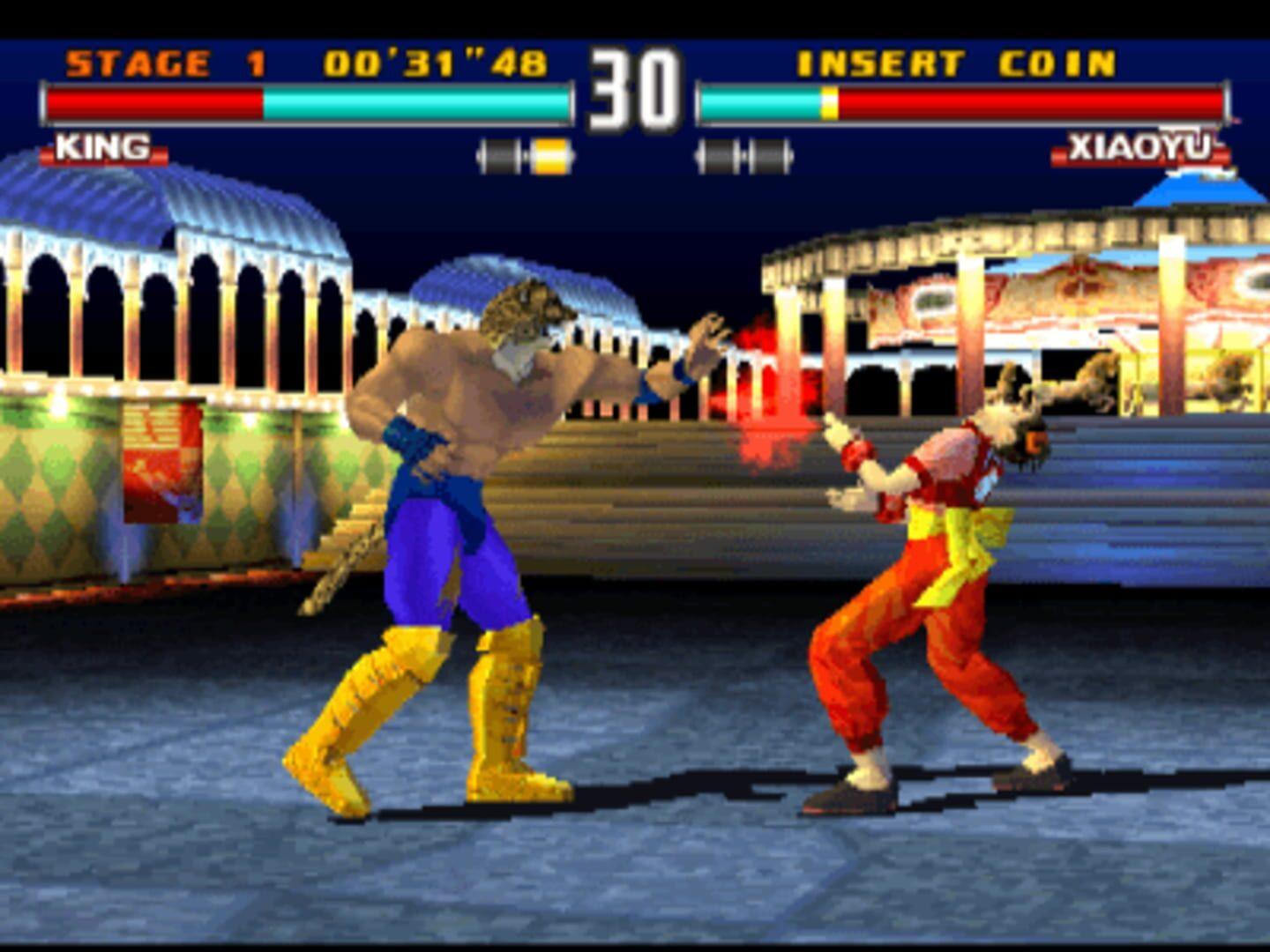
Tekken 3 refines the four-limb control system that defined the series, assigning each button to a specific limb for left punch, right punch, left kick, and right kick. What separates it from its predecessors is the increased emphasis on sidestep movement, letting players dodge into the foreground or background rather than being locked to a flat 2D plane. Fights are faster, juggles are more expressive, and the reduced recovery times make every exchange feel more dynamic.
Key features at a glance:
- 23 playable characters, 15 of them new
- Sidestep mechanic adding genuine 3D movement
- Tekken Force beat-em-up bonus mode
- Tekken Ball party mode in the PlayStation version
- Faster gameplay pacing compared to Tekken 2
The PlayStation version added two bonus modes that extended the game's life considerably. Tekken Force is a side-scrolling beat-em-up where players fight through waves of enemies across four stages. Tekken Ball is a volleyball-style minigame where landing powerful attacks charges the ball to damage opponents. Neither mode is particularly deep, but both give the game personality beyond pure tournament play.
What makes Tekken 3 stand out from other fighting games?
Tekken 3 arrives at a moment when 3D fighters were still figuring out what they wanted to be. Where some contemporaries leaned into weapons or elaborate stage gimmicks, Tekken 3 committed to character-based combat with readable move sets and a roster diverse enough that no two fighters feel alike. Hwoarang's Taekwondo stance chains, Nina Williams' grapple-heavy pressure, and Eddy Gordo's capoeira rhythm game all exist in the same roster without any of them feeling out of place.
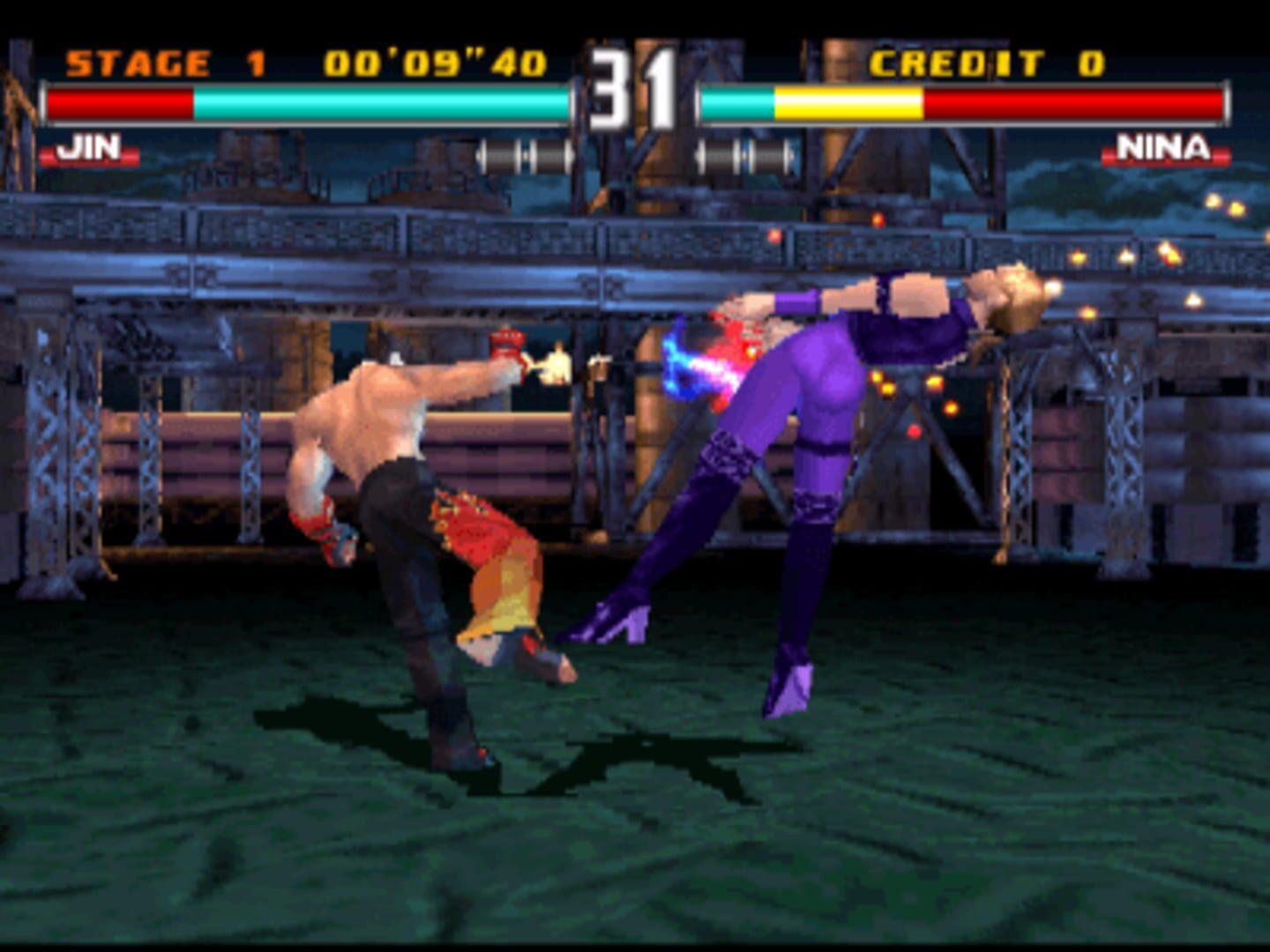
The PlayStation port also holds up technically. Running at a consistent frame rate with minimal load times, it demonstrated that arcade-quality 3D fighting was achievable on home hardware. That achievement contributed directly to the game selling over 8.5 million copies, making it the fourth best-selling PlayStation game and the second best-selling fighting game of all time at the time of those figures.
Impact and legacy
Tekken 3 is regularly cited on lists of the greatest games ever made, and the argument is easy to follow. It defined a generation of fighting game design, proved that 3D fighters could have mechanical depth alongside accessibility, and built a roster that Namco has drawn from ever since. Jin Kazama became the face of the entire franchise. Ling Xiaoyu has appeared in every mainline entry since.
The game remains available on PlayStation 4 and PlayStation 5 through the PlayStation Store at $9.99, rated Teen by the ESRB. Its availability across multiple modern platforms means new players can still experience the version of Tekken that set the standard, without needing original hardware. For a 1997 arcade fighter, that kind of longevity says more than any sales figure.