Overview
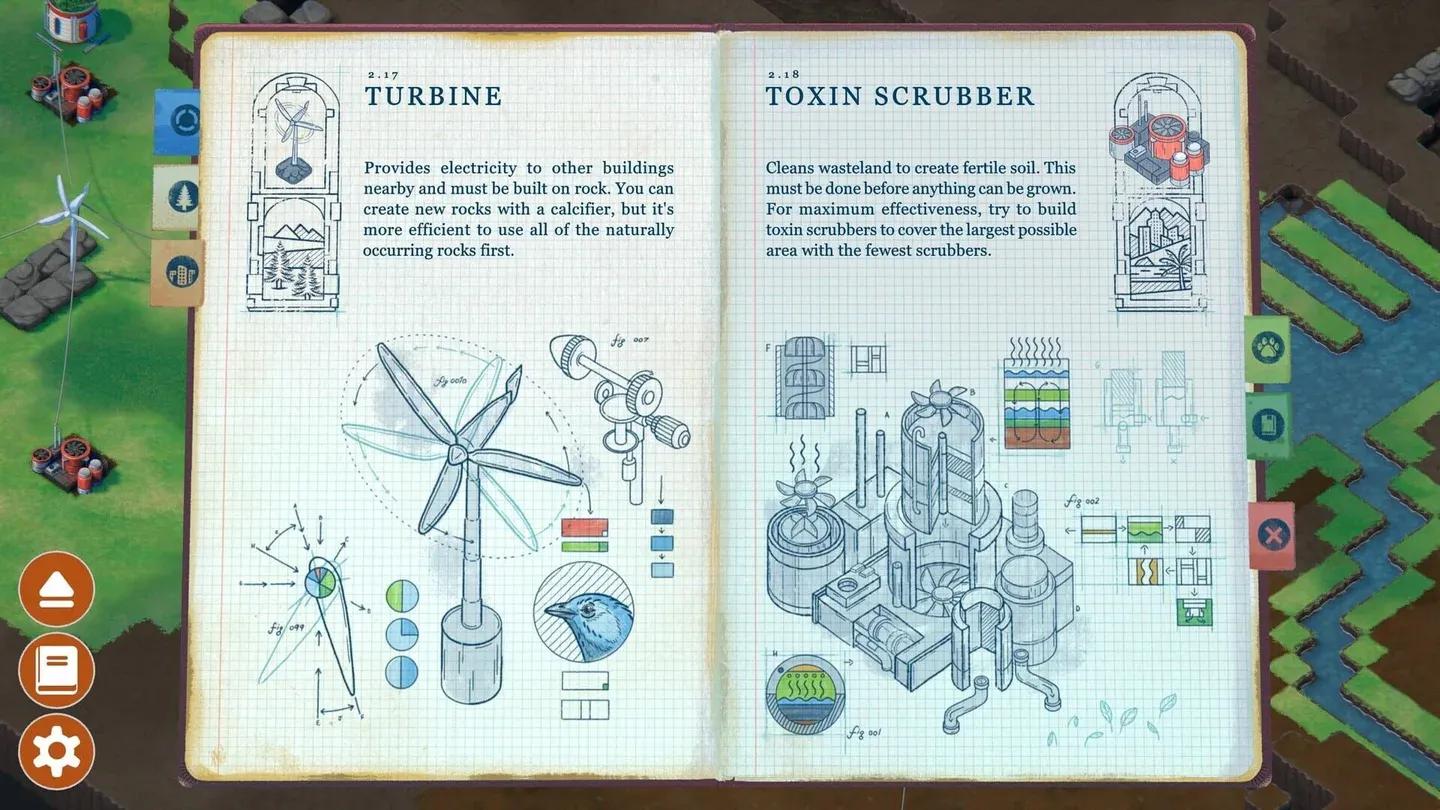
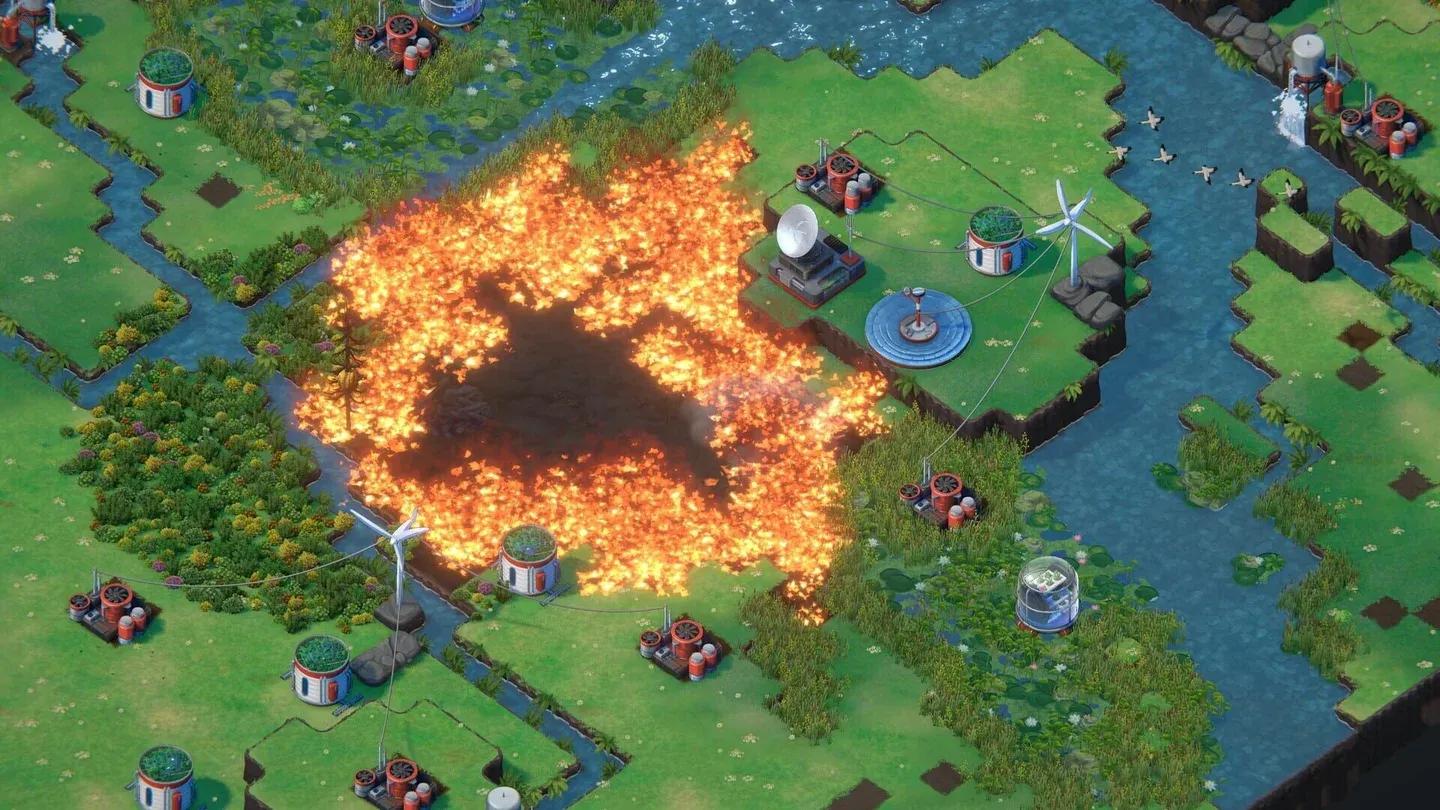
Terra Nil is an environmental strategy and puzzle game from Free Lives, released March 28, 2023, and published by Devolver Digital. The premise is deceptively simple: take a barren, lifeless wasteland and transform it into a balanced, self-sustaining ecosystem. Purify the soil, restore waterways, plant forests, and create the right habitats for animals to return. Then, once the land is alive again, recycle every structure you placed and leave no trace behind.
That final step, the clean-up, is what separates Terra Nil from every other builder or strategy game. Most games reward you for accumulating things. Terra Nil rewards you for taking nothing. It is a genuinely unusual design choice that reshapes how you think about every placement decision from the first moment you drop a structure.
Gameplay and mechanics
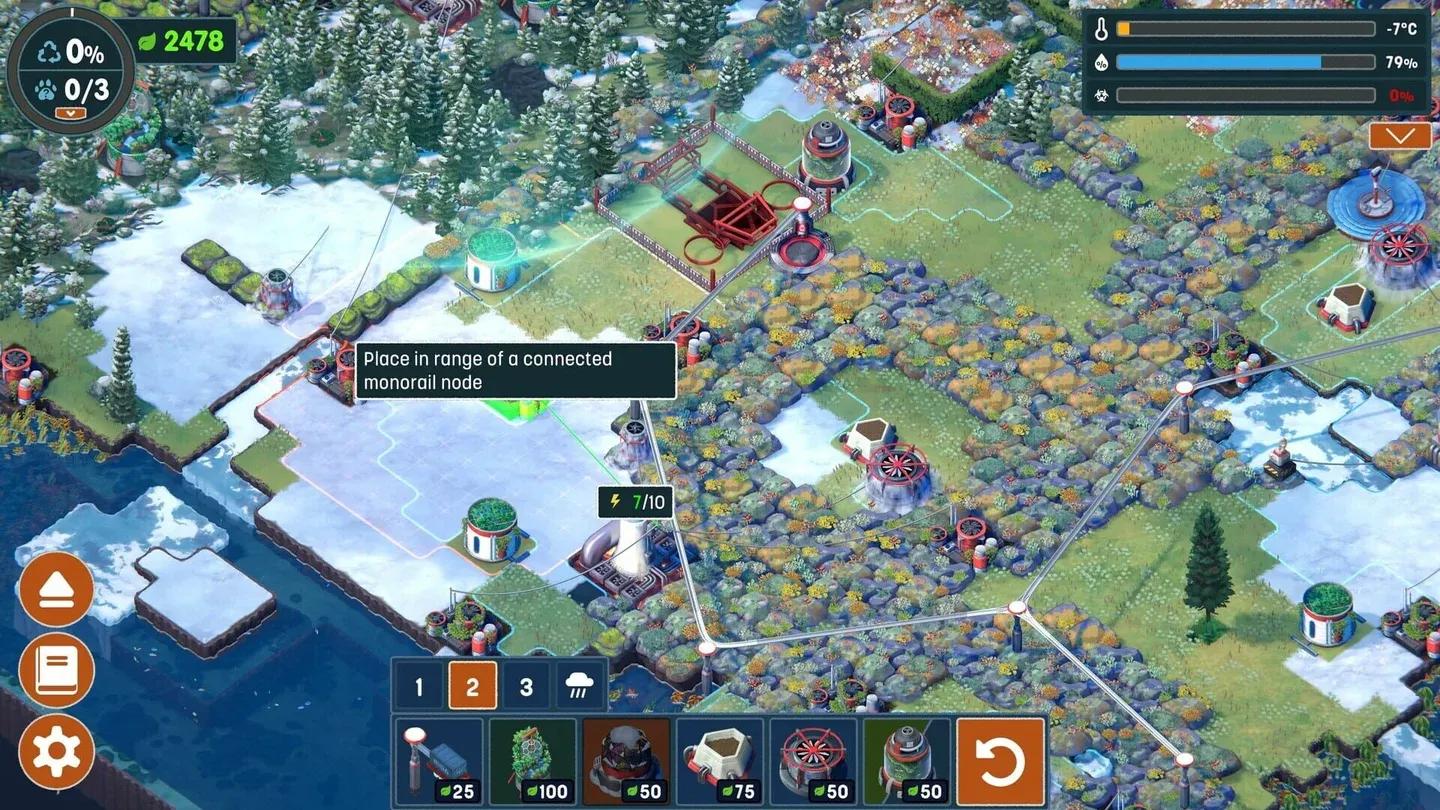
Terra Nil's core loop has two distinct phases, and both demand careful thinking:
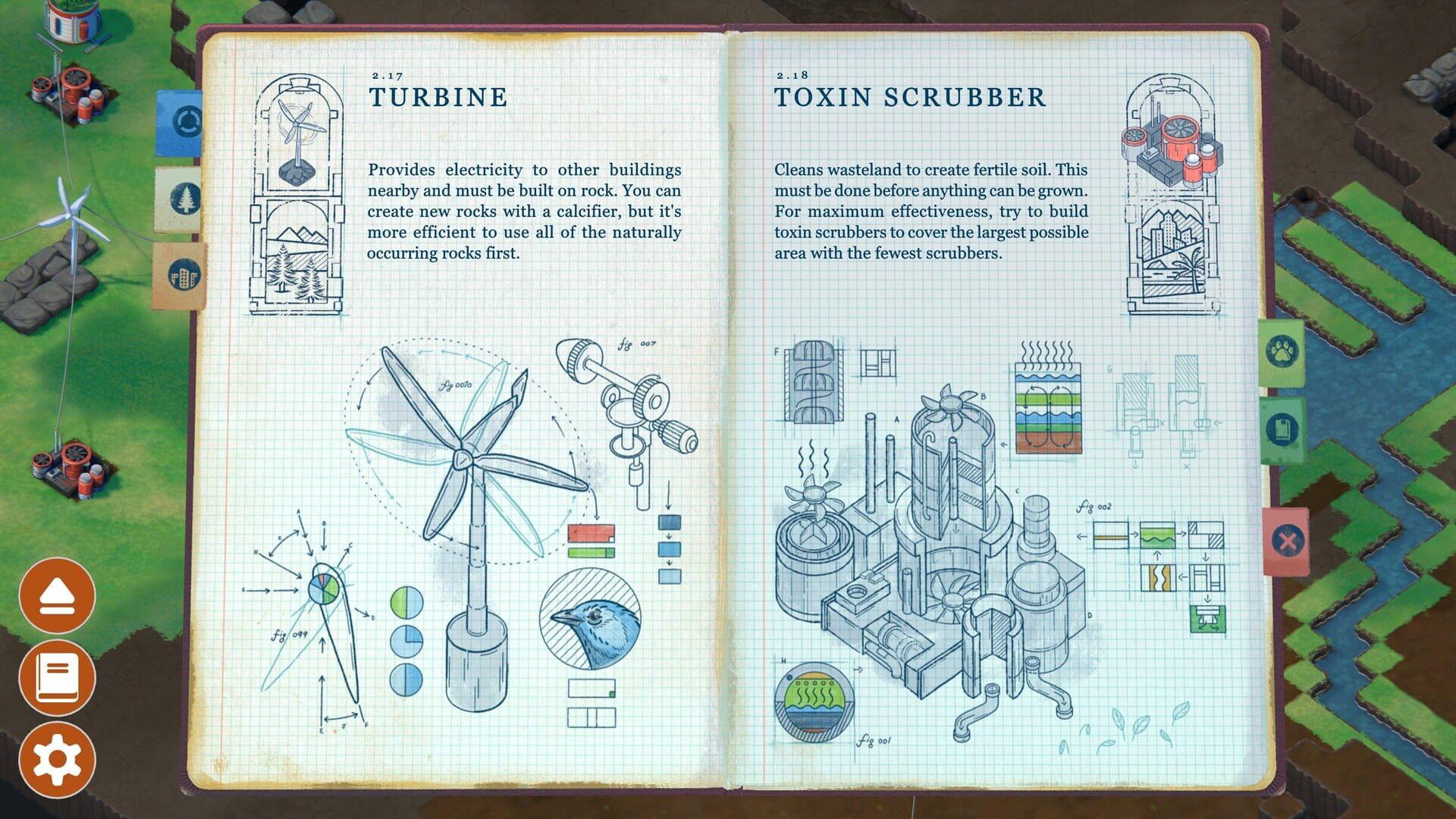
- Restoration: purify soil, irrigate land, and plant biome-specific flora
- Habitability: create the right conditions for wildlife to return
- Recycling: dismantle every building using specialized equipment
- Scoring: the game grades your ecosystem coverage and cleanliness
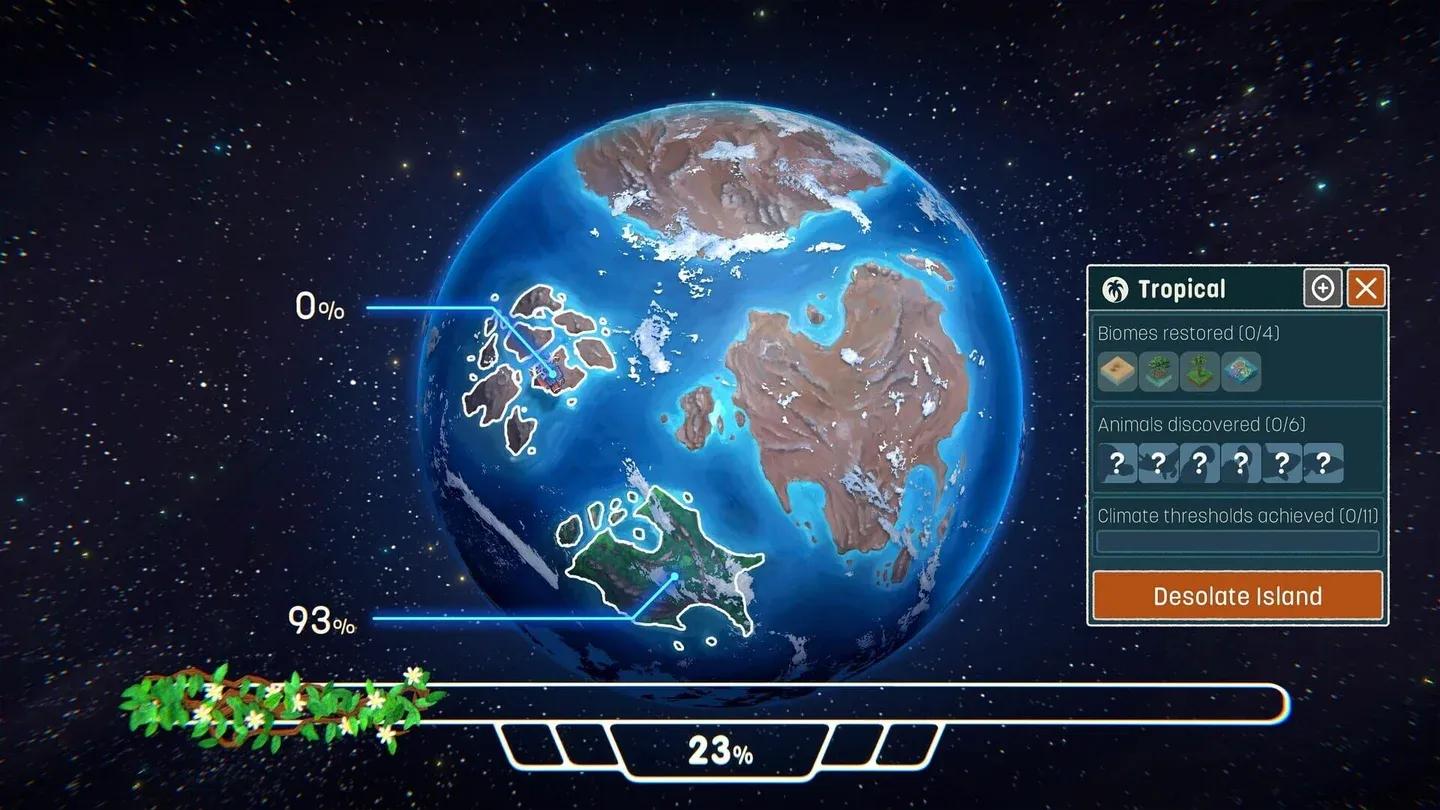
- Progression: new biomes unlock as you complete earlier levels
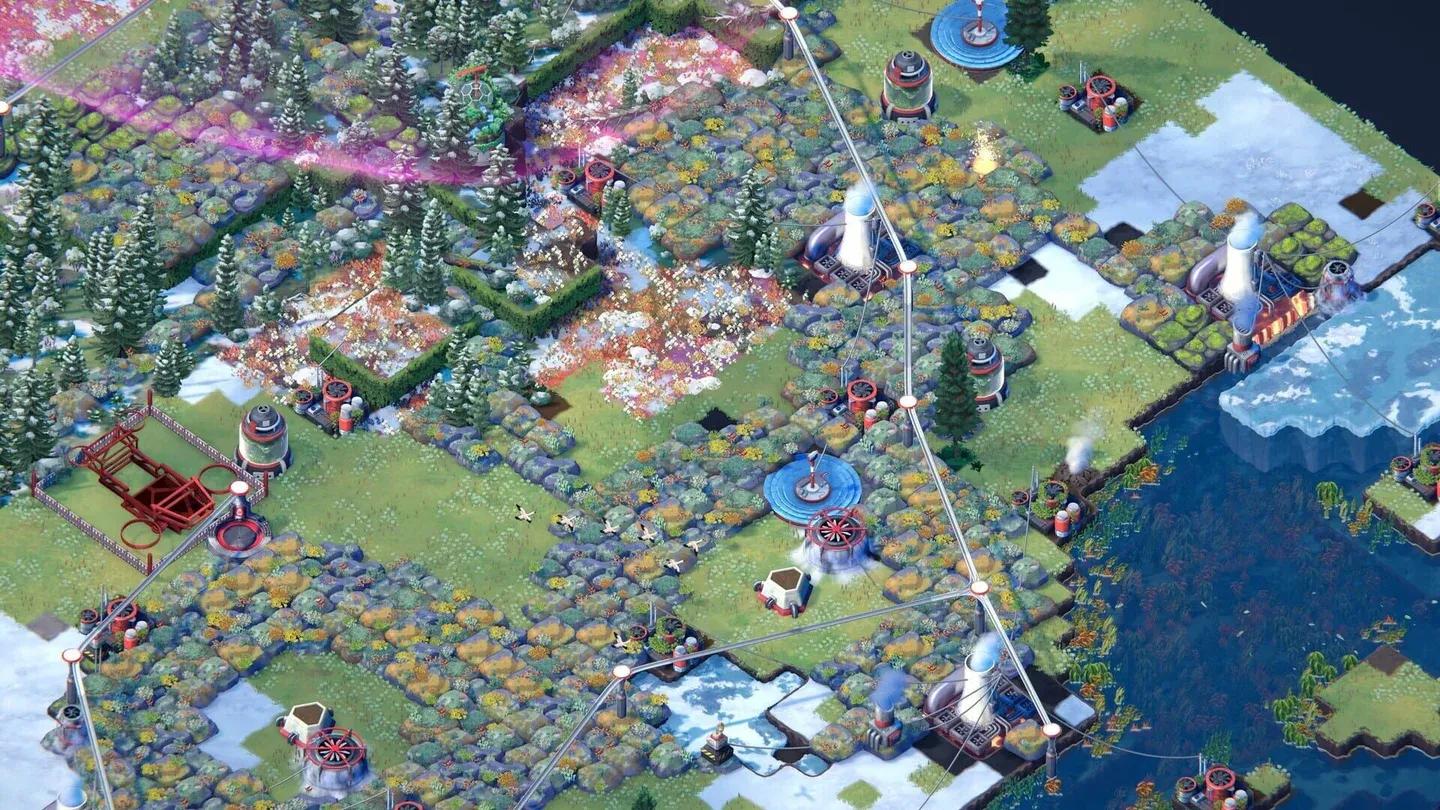
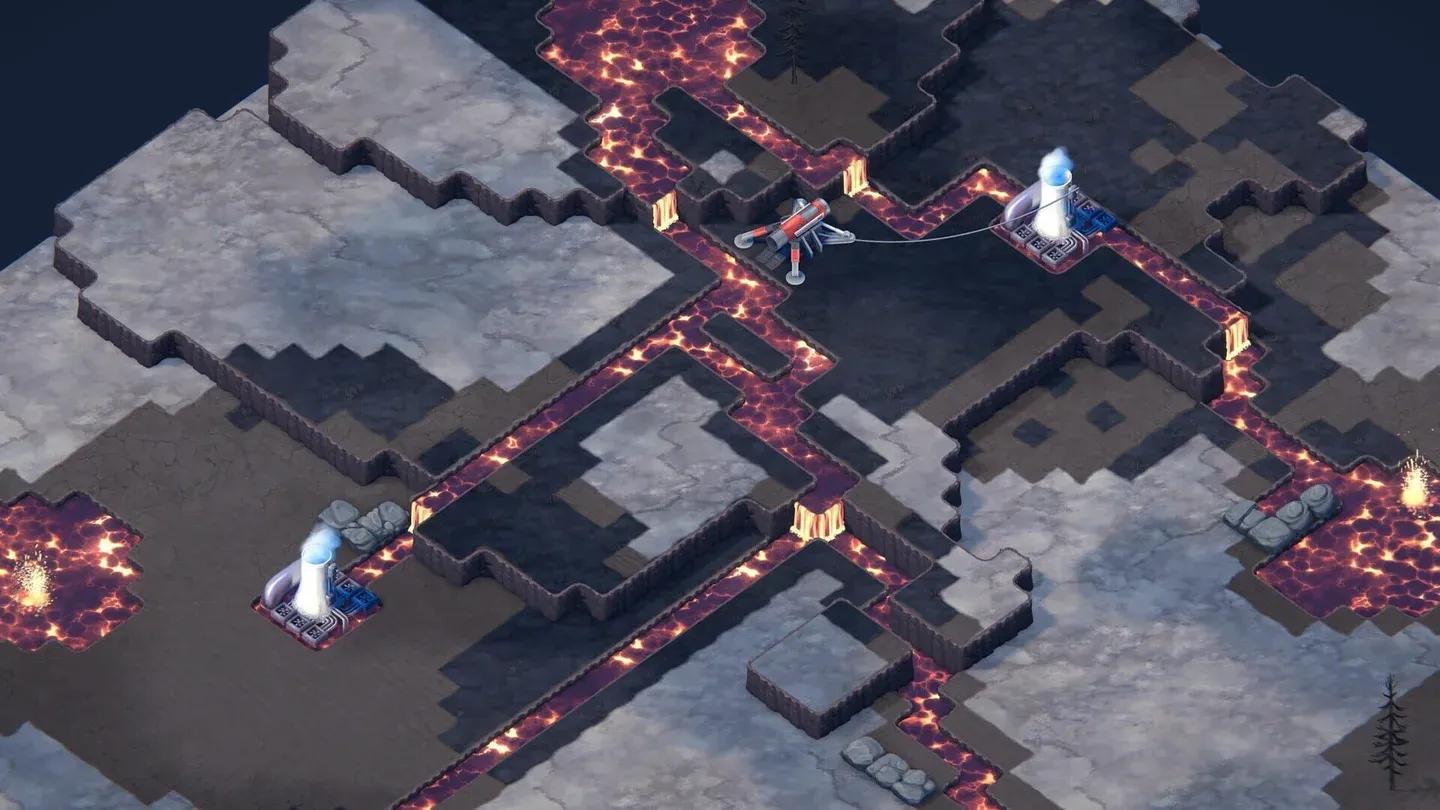
Each map presents a different starting wasteland with different terrain, water placement, and biome targets. Temperate forests need different conditions than wetlands or arctic tundra, so the strategies you develop early don't simply carry over. You have to read the land and adapt.
The recycling phase is where the puzzle sharpens. Buildings can only be picked up by specific vehicles, those vehicles need to be routed correctly, and the order of demolition matters. Mess it up and you strand equipment with no way to retrieve it, costing you the clean exit you need for a high score.
What makes Terra Nil different from other city builders?
Terra Nil deliberately inverts the city-builder formula. Traditional games in the genre measure success by how much you build and how densely you pack structures. Terra Nil measures success by how completely you remove yourself from the equation. The endgame condition is a pristine wilderness with zero human footprint.
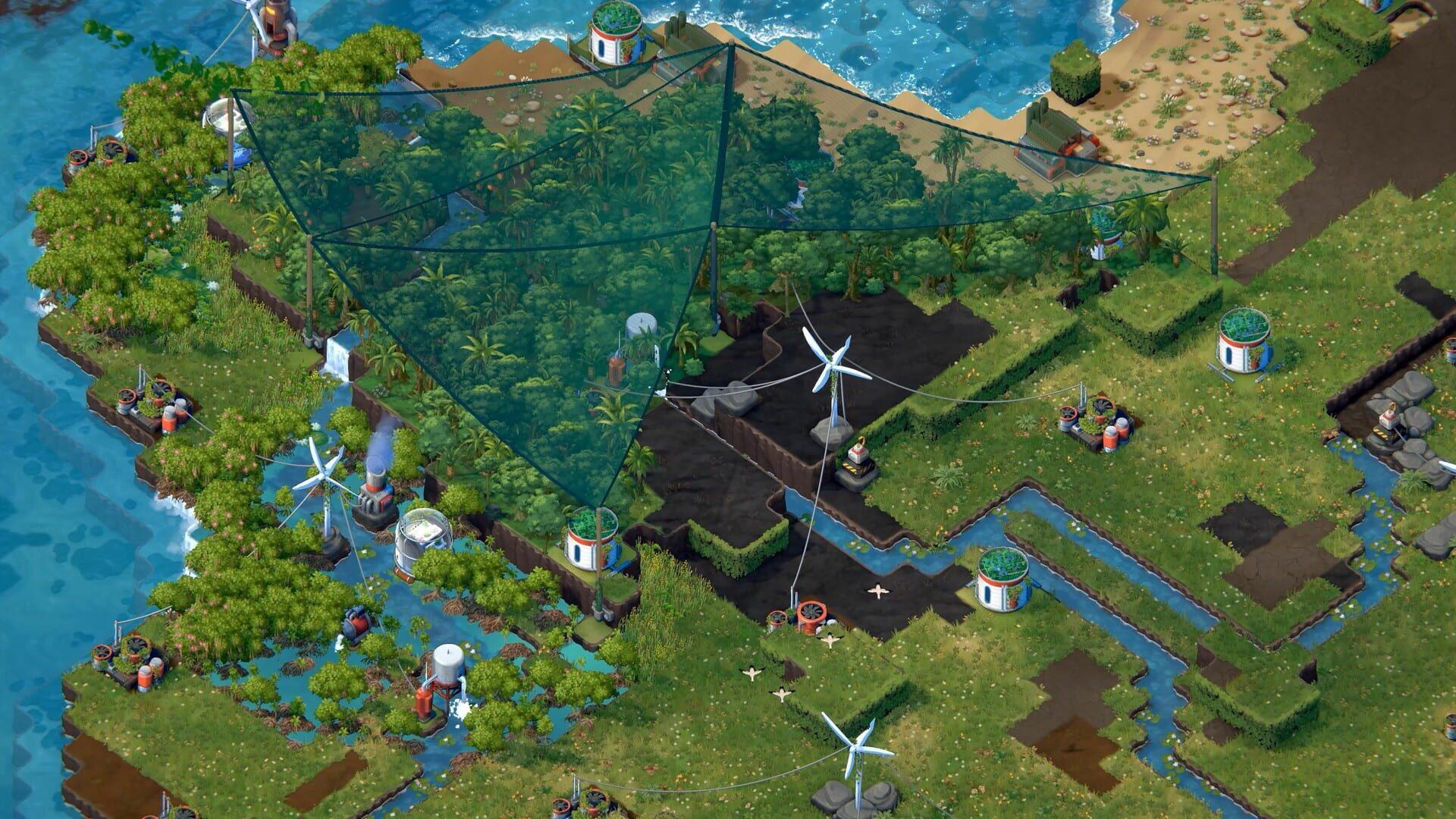
This creates a meditative quality that sits somewhere between a puzzle game and a relaxation experience. The stakes feel low, the visual transformation from grey ruin to lush green forest is genuinely satisfying, and the ambient soundtrack reinforces that unhurried pace. Players who find conventional strategy games stressful often cite Terra Nil as a gentler entry point into the genre without it ever becoming trivial.
Visual and audio design
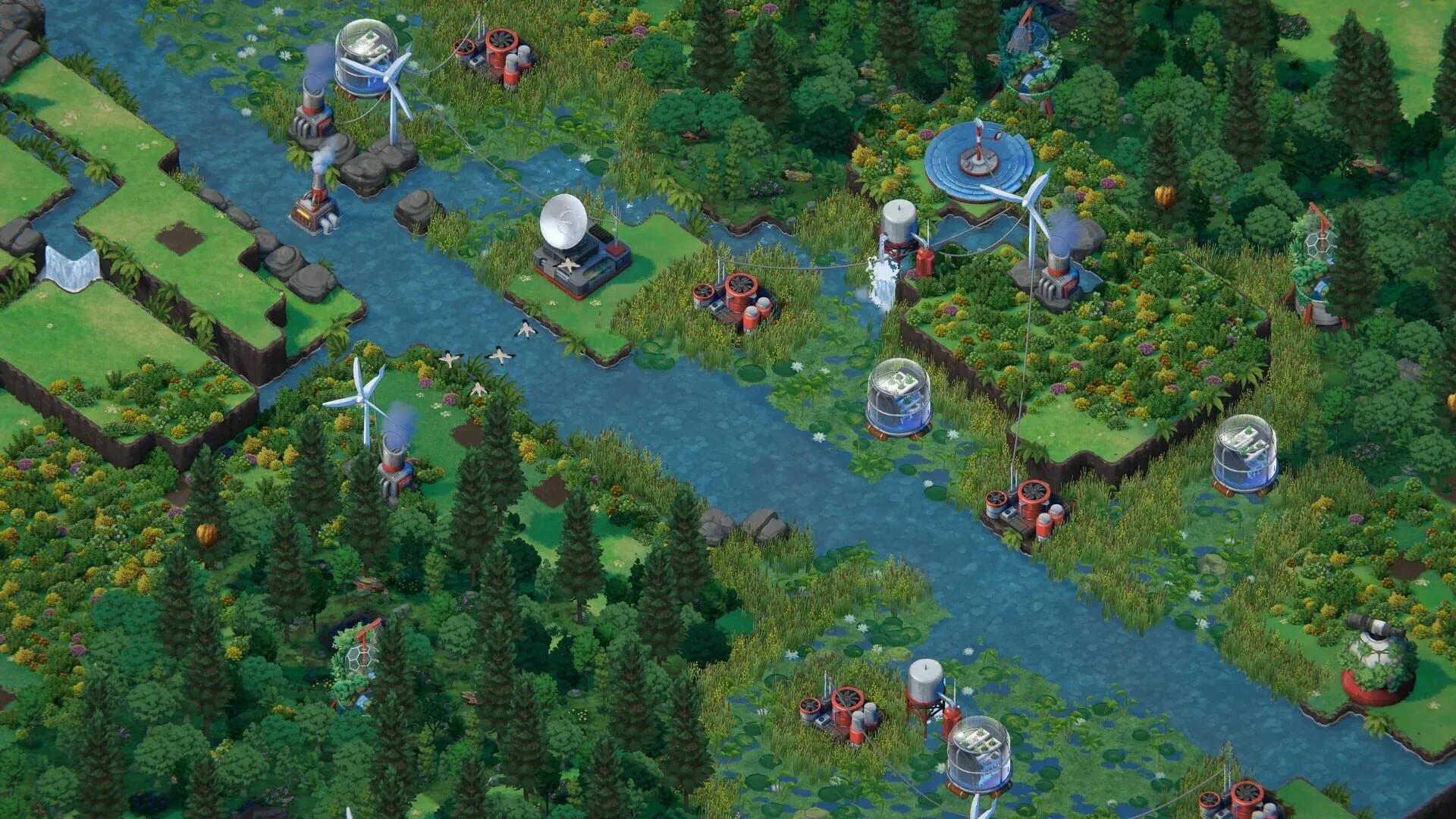
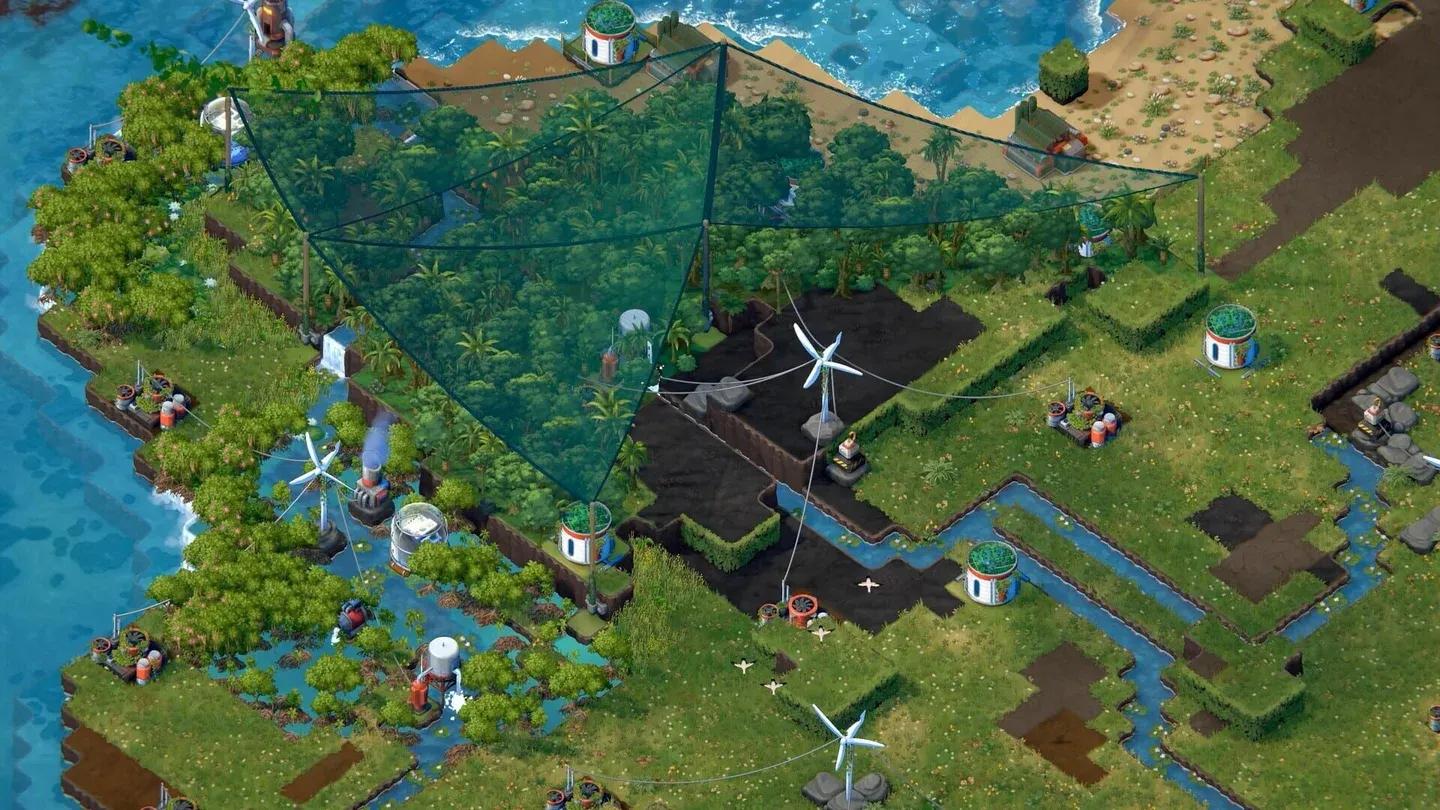
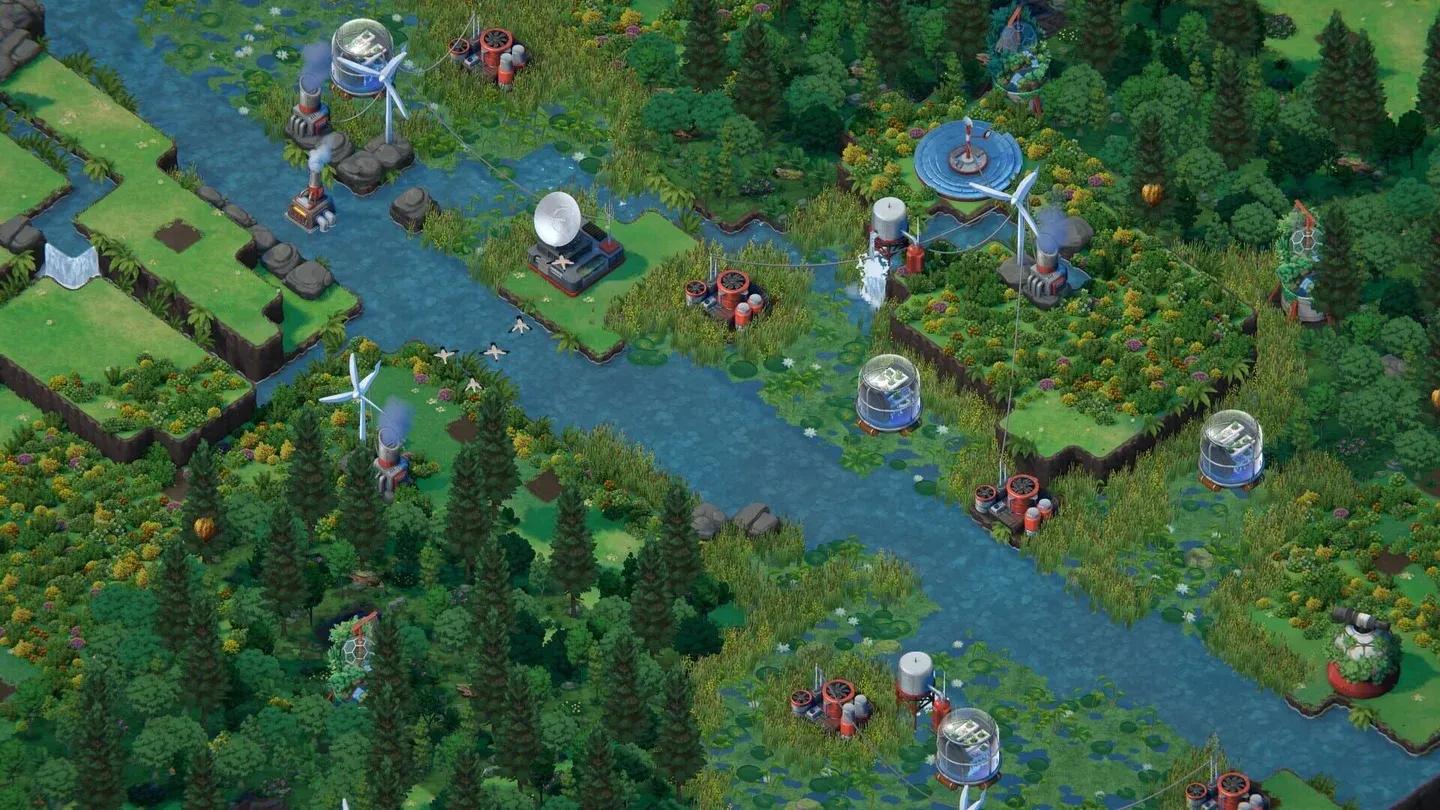
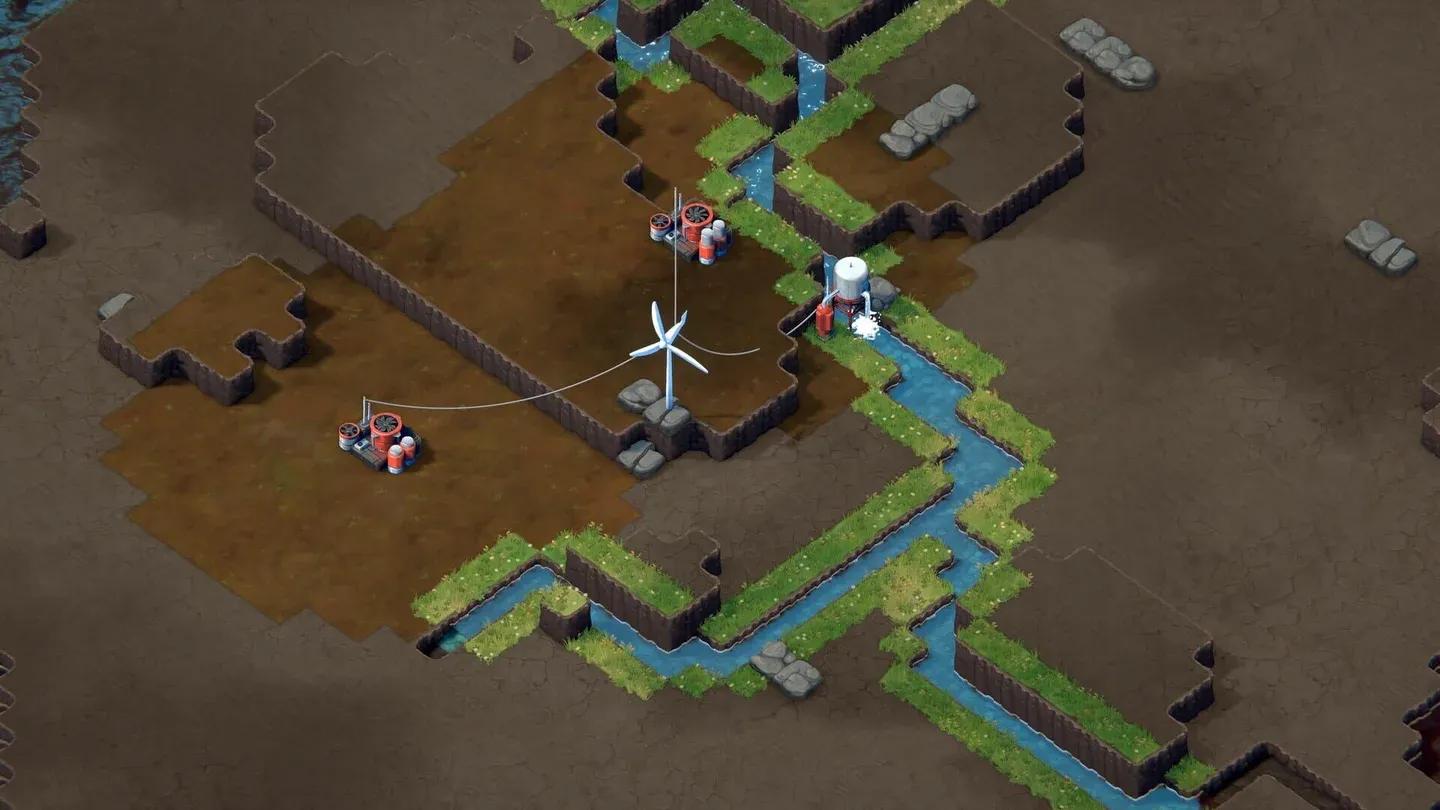
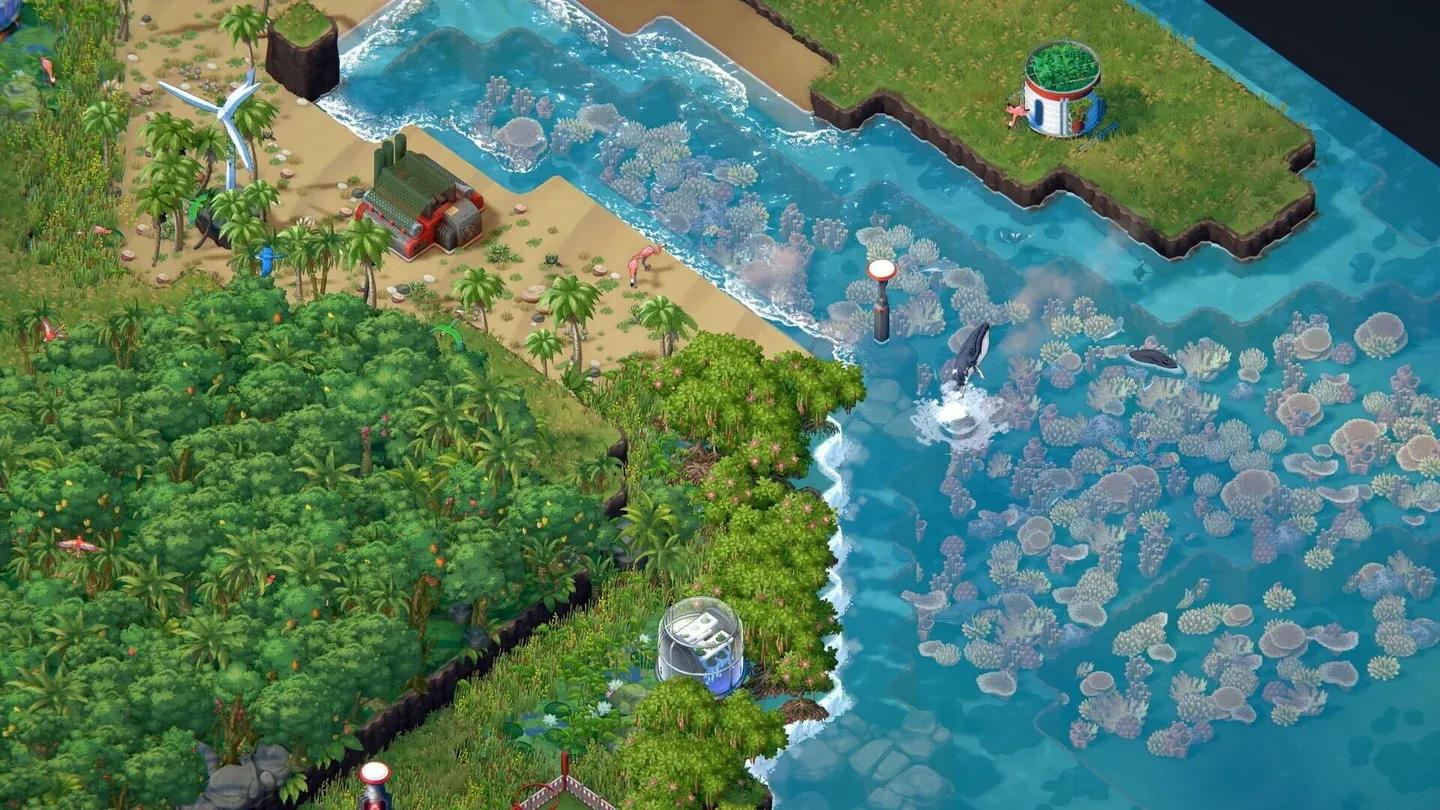
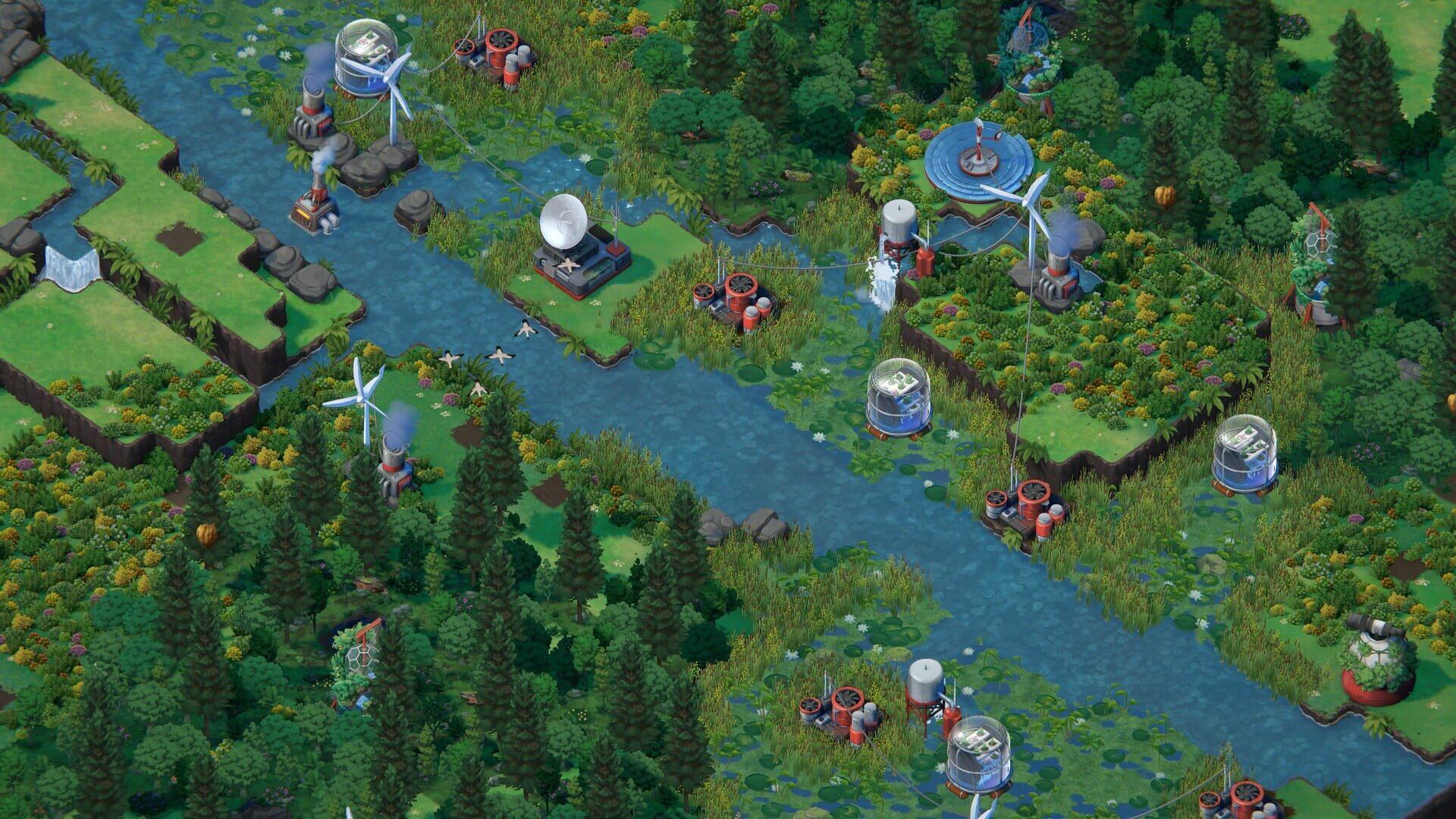
Free Lives built Terra Nil with a top-down aesthetic that makes the ecological transformation its visual centerpiece. Watching dead grey tiles shift to fertile brown, then to grass, then to dense canopy cover is the game's most immediate reward. The color palette does real work here, making progress readable at a glance without cluttering the screen with numbers and meters.
The audio design matches the tone precisely. The soundtrack is calm and atmospheric, leaning into ambient textures that shift subtly as ecosystems develop. Wildlife sounds layer in as animals return to reclaimed habitats, so the world literally sounds more alive the better you play.
Content and replayability
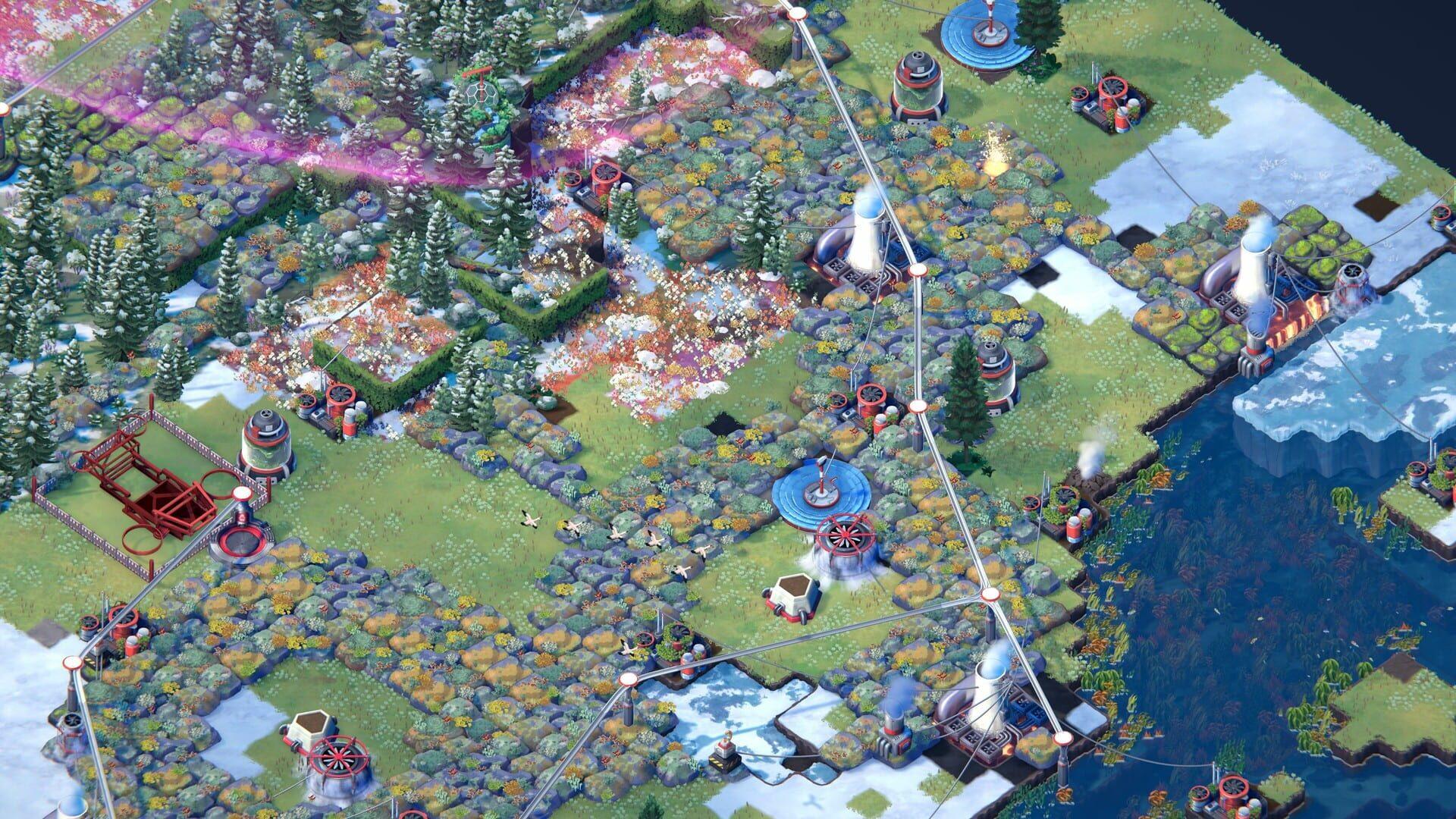
Terra Nil ships with multiple distinct biomes, each functioning as its own puzzle map with unique terrain challenges and ecosystem targets. The variety across biomes keeps the restoration puzzle from feeling repetitive, since arctic, tropical, and wetland maps each require completely different approaches to reach full ecosystem coverage.
The game is available on Windows, macOS, Nintendo Switch, iOS, and Android, making it one of the more accessible strategy titles across platforms. Scoring systems and the precision required for a clean recycling run give players a concrete target to chase on repeat playthroughs. For a strategy puzzle game, that combination of short session length, clear grading, and biome variety gives Terra Nil a strong case for multiple revisits long after the first completion.