Overview
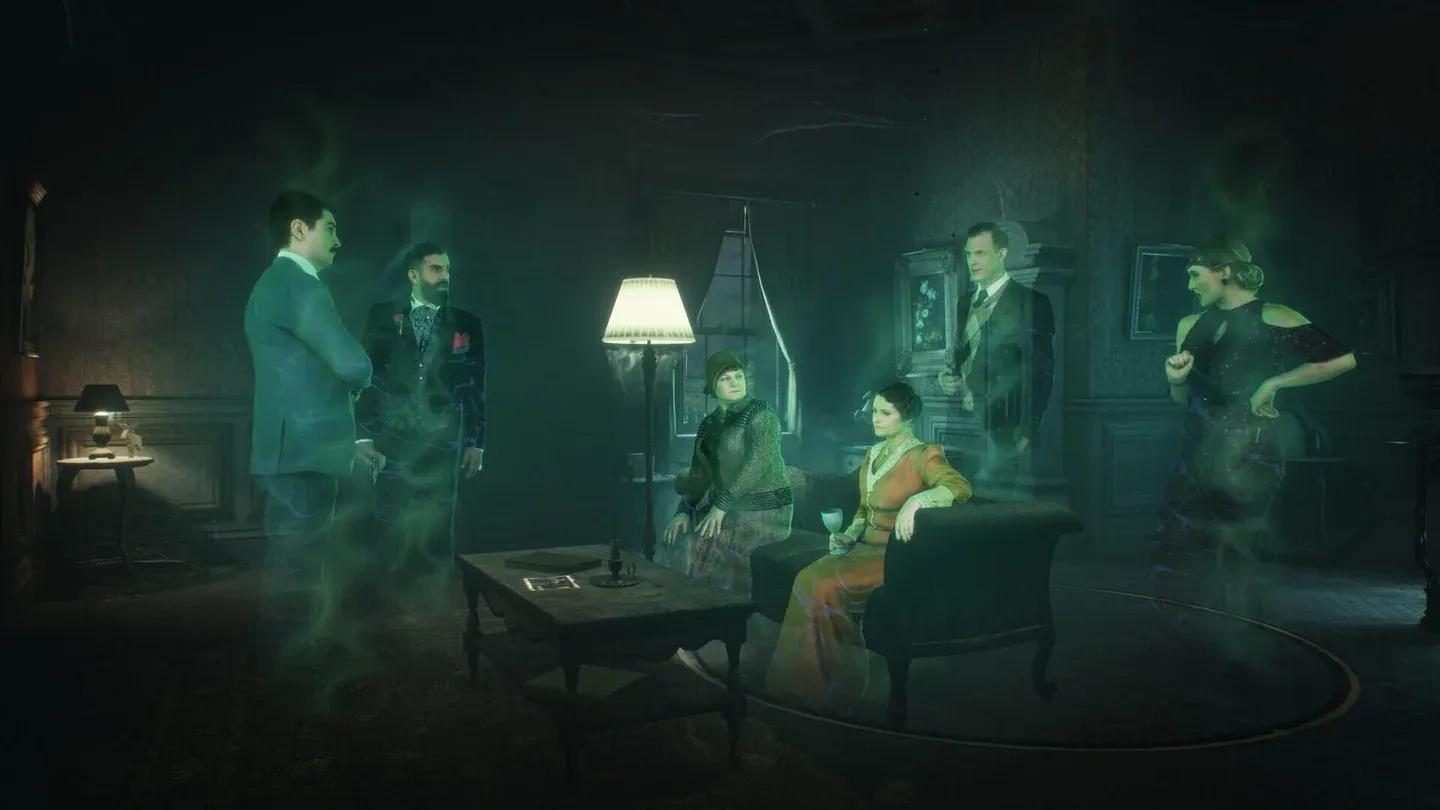
The 7th Guest Remake is Vertigo Games' reconstruction of the 1993 point-and-click classic that helped define CD-ROM gaming. The premise is simple and effective: a foreboding mansion owned by the sinister toy maker Henry Stauf holds six guests trapped within its walls, and a mysterious seventh presence moves through the rooms piecing together what happened. Players explore the mansion, interact with the environment, and work through a series of puzzle challenges that gate progress deeper into the story.
The game is rated Teen by the ESRB, carrying content descriptors for blood, suggestive themes, and violence, which reflects the original's gothic horror tone without pushing into outright gore. It releases across PC via Steam, PS5, Xbox, and Nintendo Switch, priced at $19.99 on PlayStation.
Gameplay and mechanics
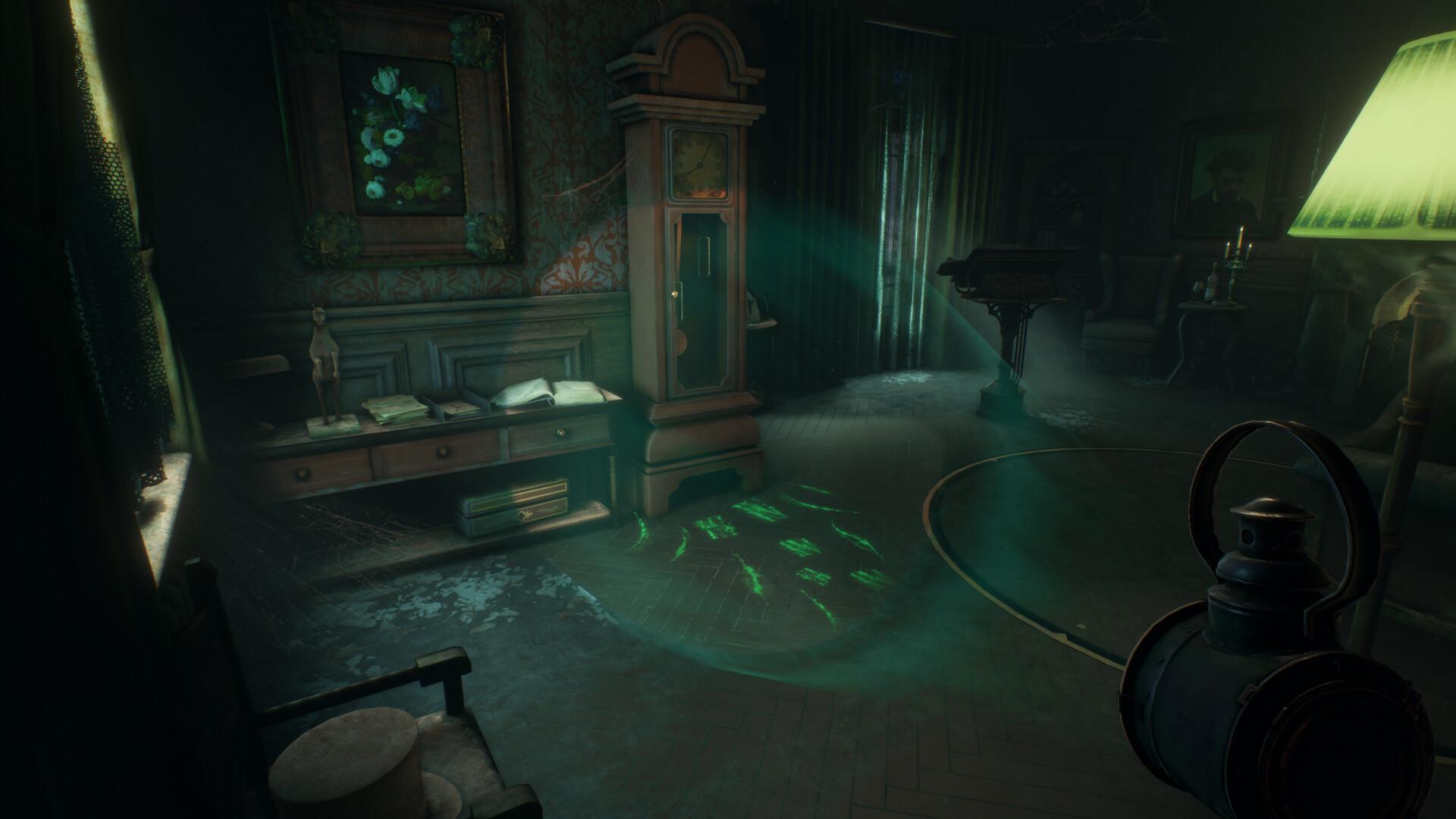
The core loop of The 7th Guest Remake stays faithful to what made the original compelling:
- Point-and-click navigation through richly detailed rooms
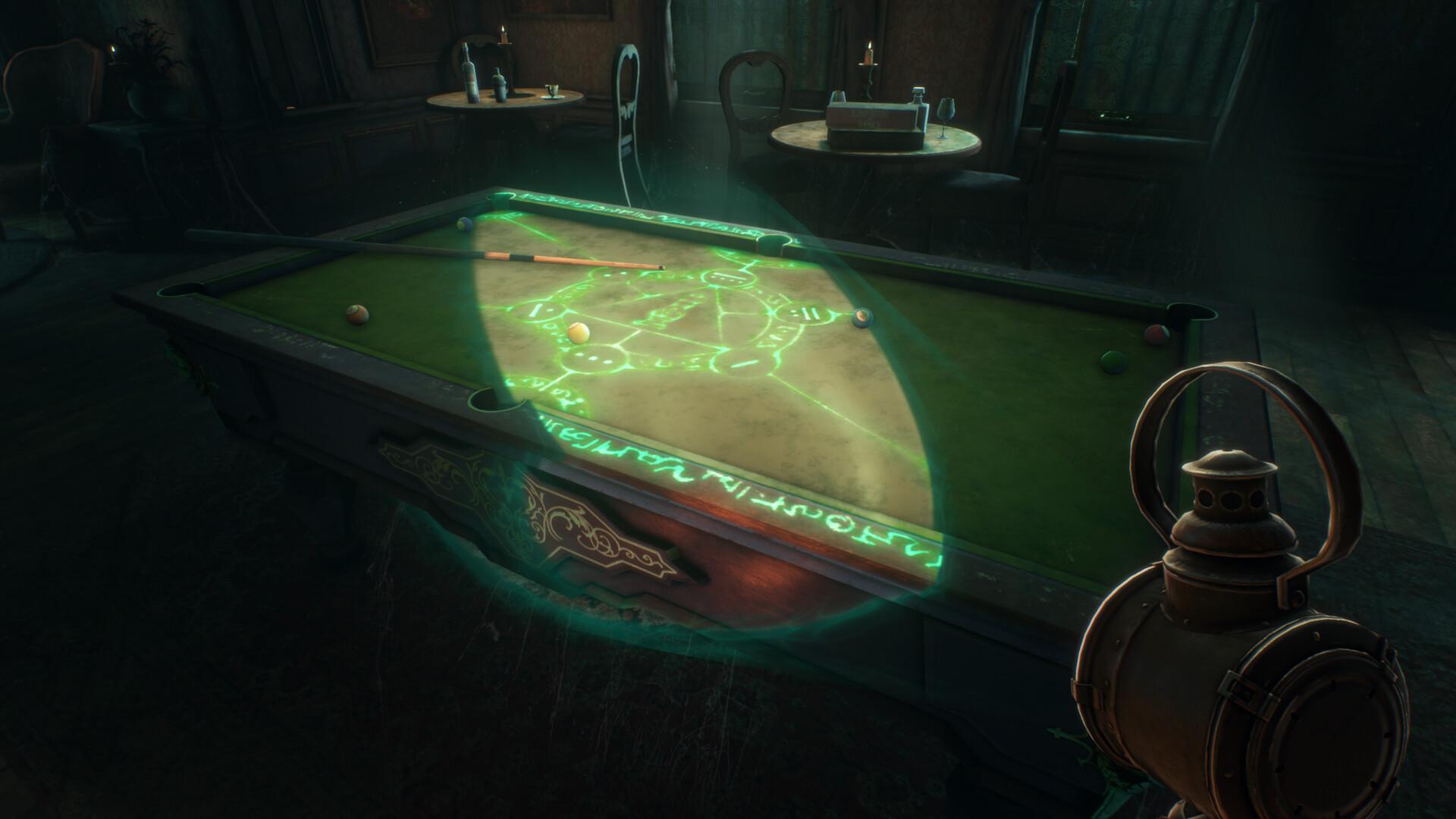
- Logic, spatial, and word-based puzzles gating story progression
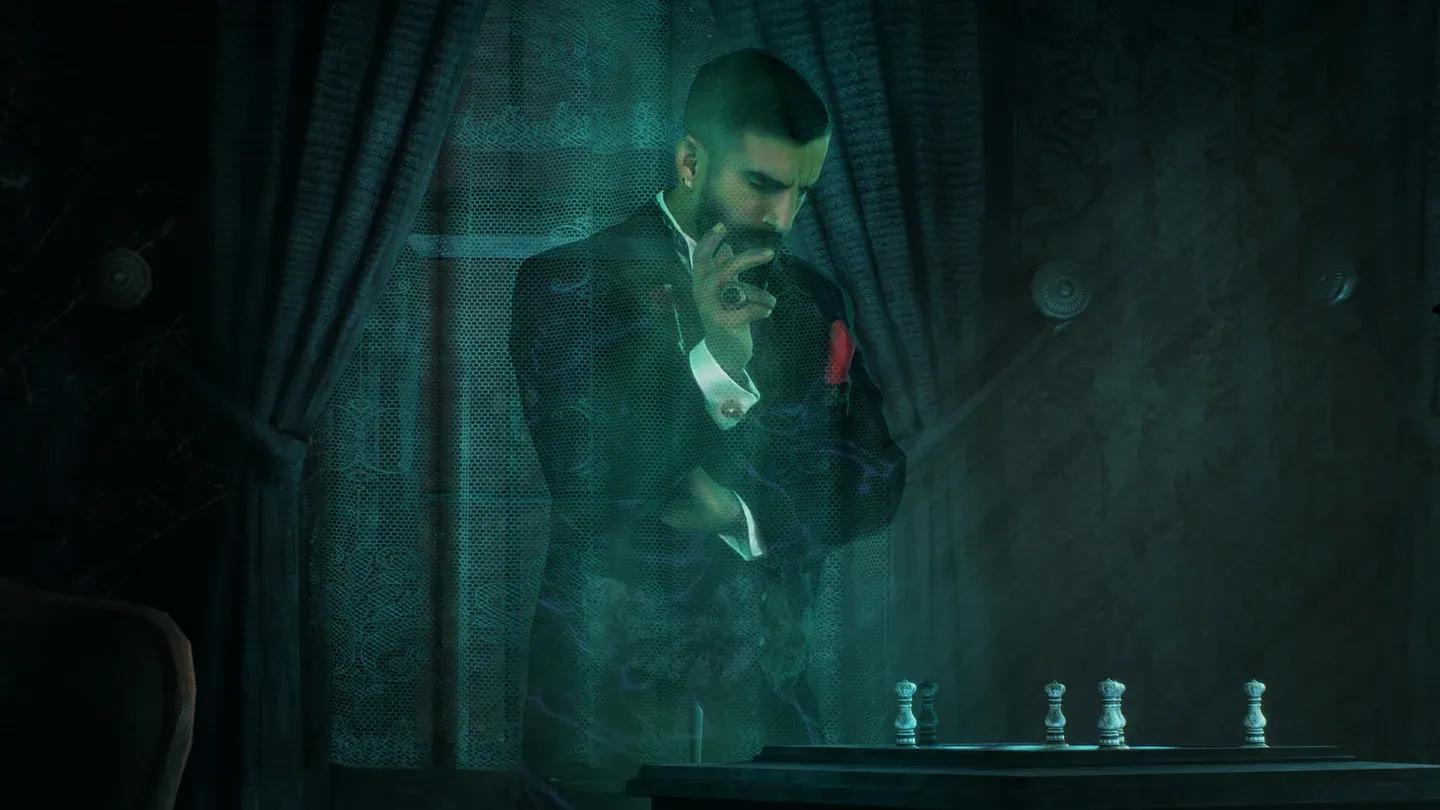
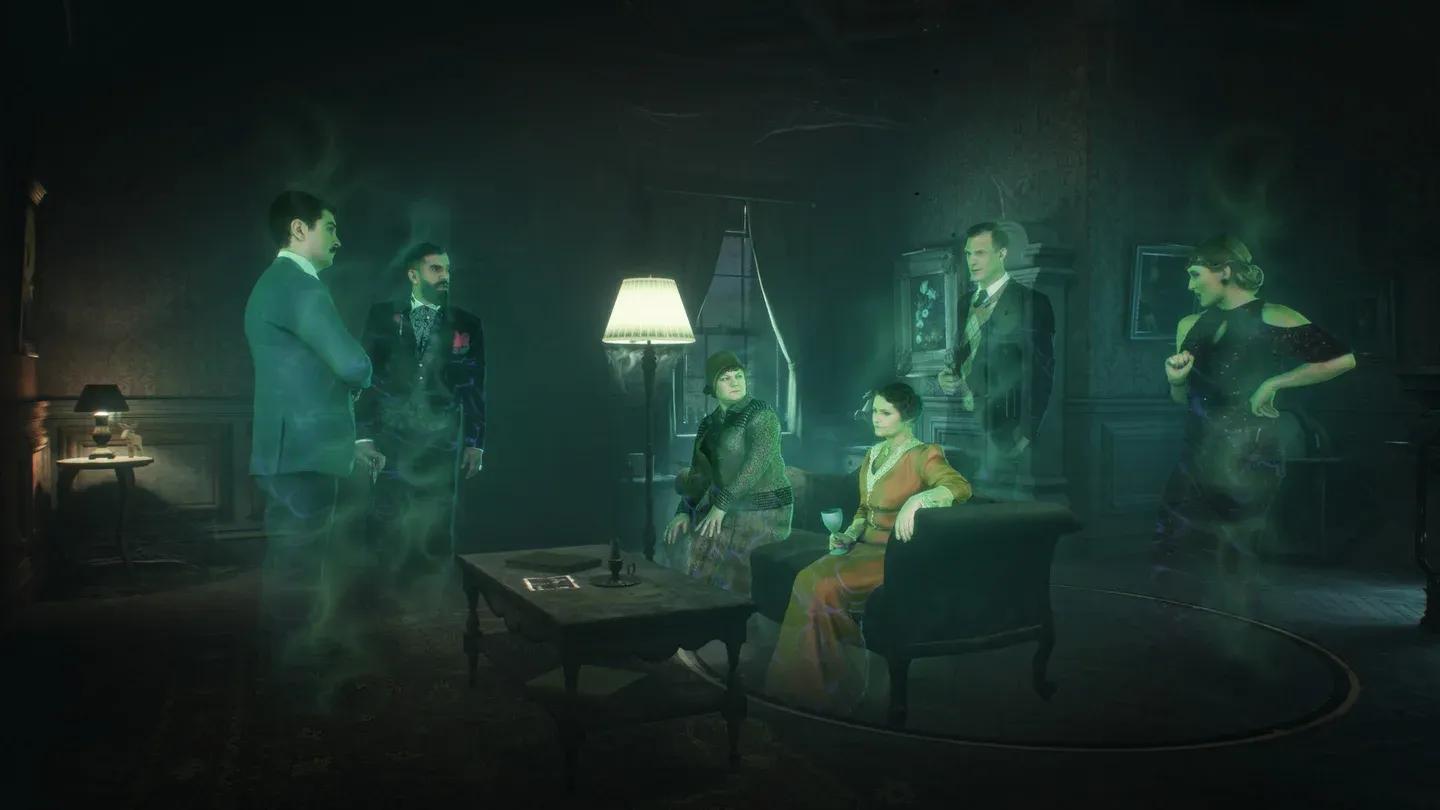
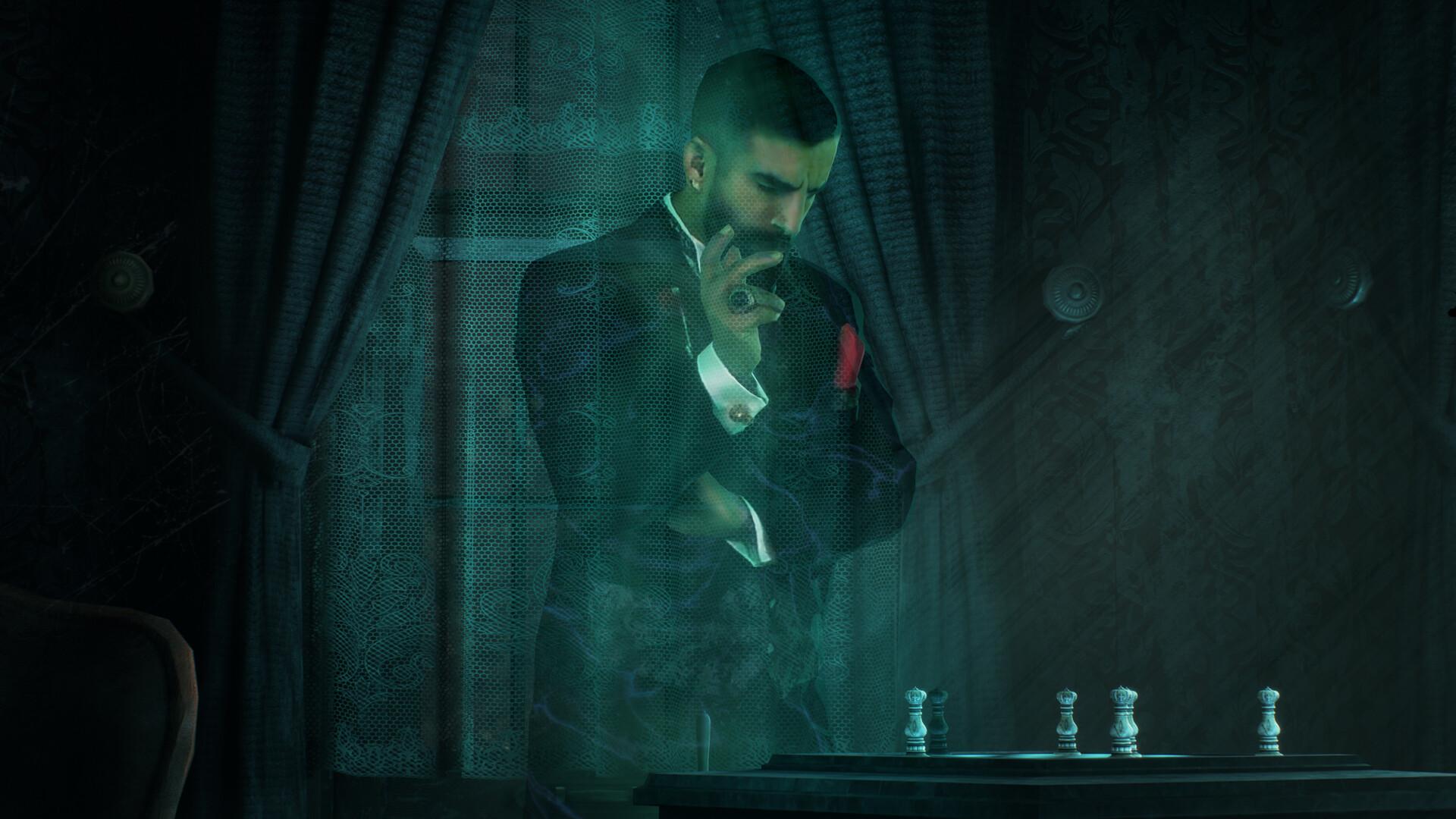
- Environmental storytelling through ghost vignettes
- A non-linear mansion to explore between puzzle encounters
- DualSense vibration and trigger effects on PS5
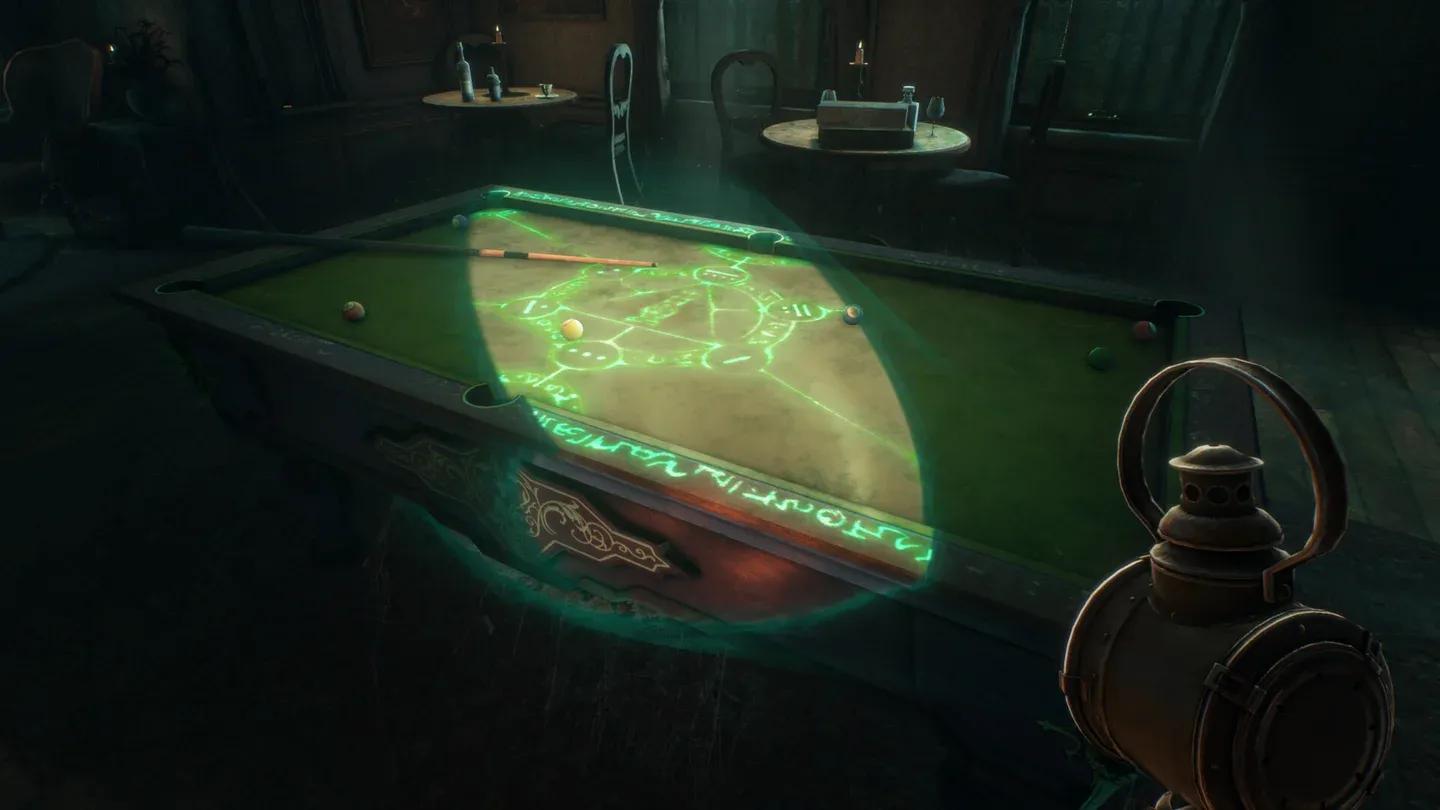
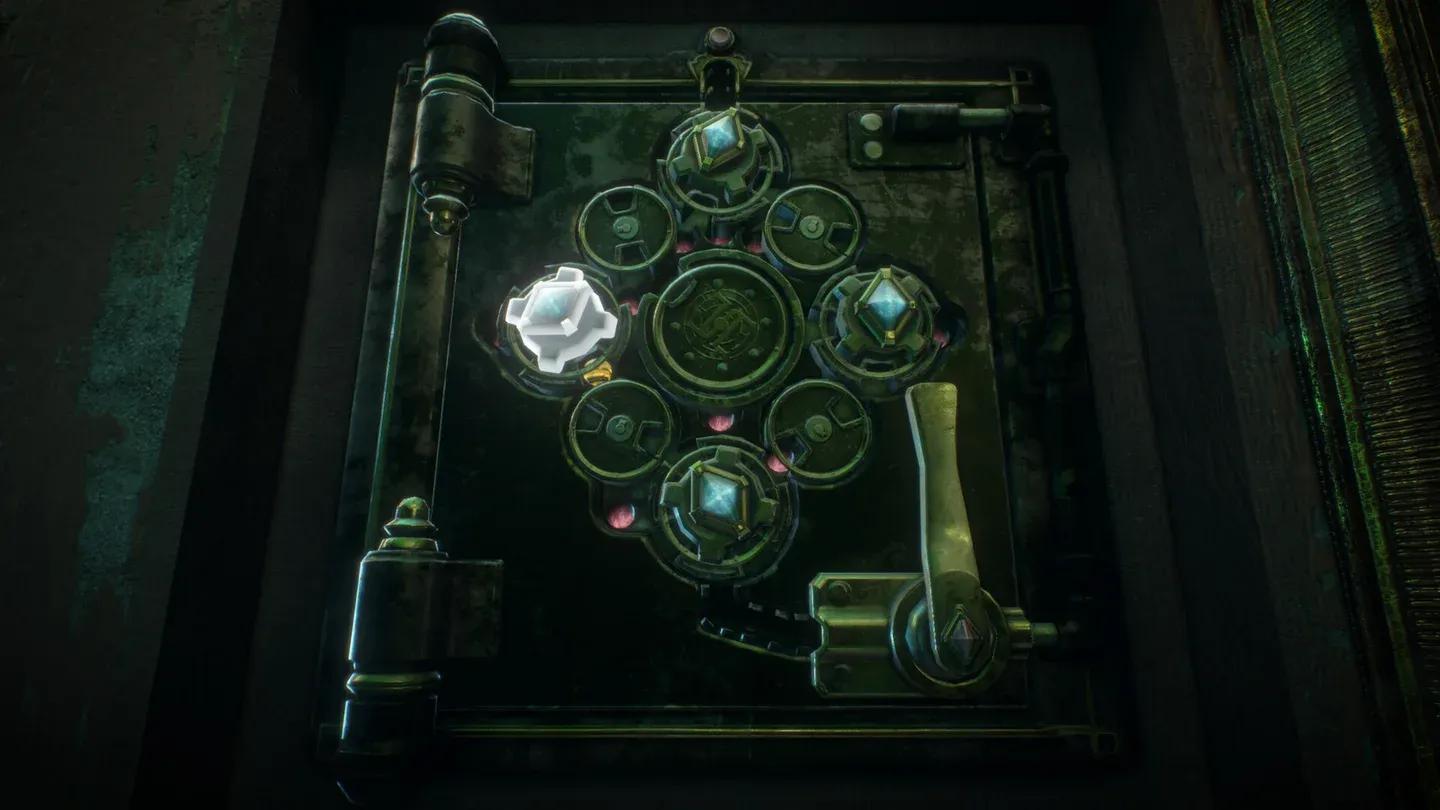
Each puzzle is self-contained and tied to a specific room, meaning there is no inventory juggling or item combination mechanics. The challenge comes purely from the puzzles themselves, which range from chess-style board games to sliding tile arrangements. The PS5 version takes advantage of DualSense haptic feedback, adding a tactile layer to interactions that the original obviously never had.
World and setting
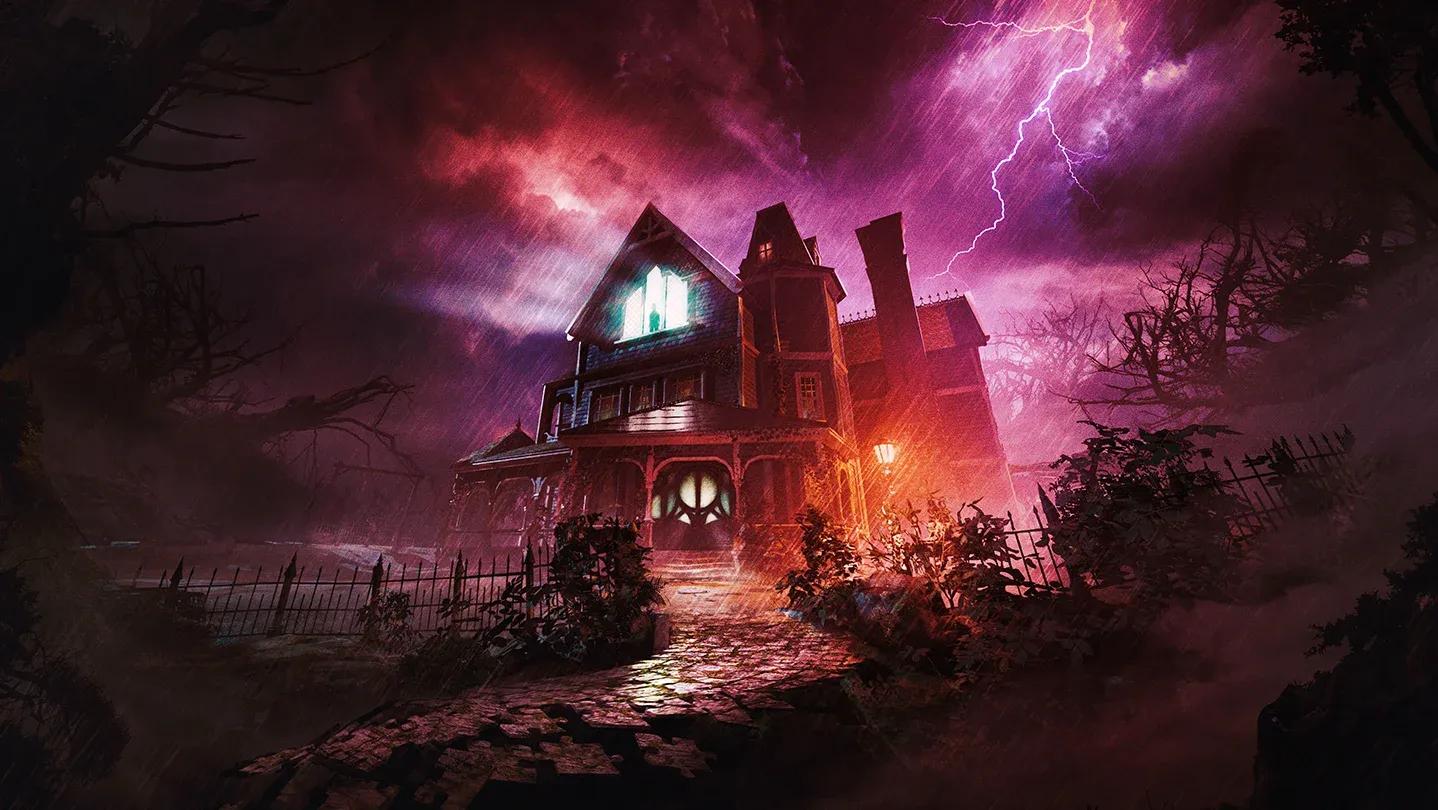
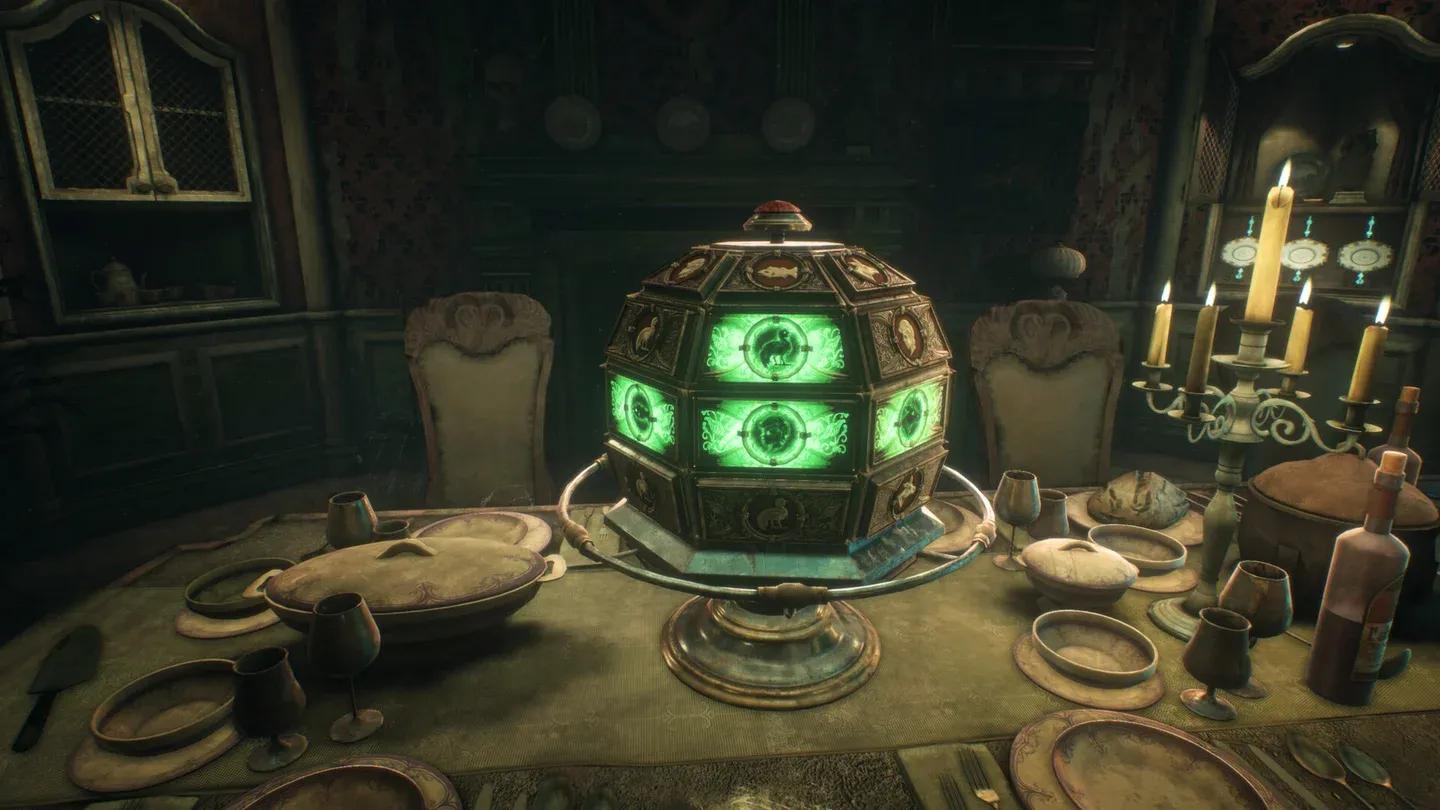
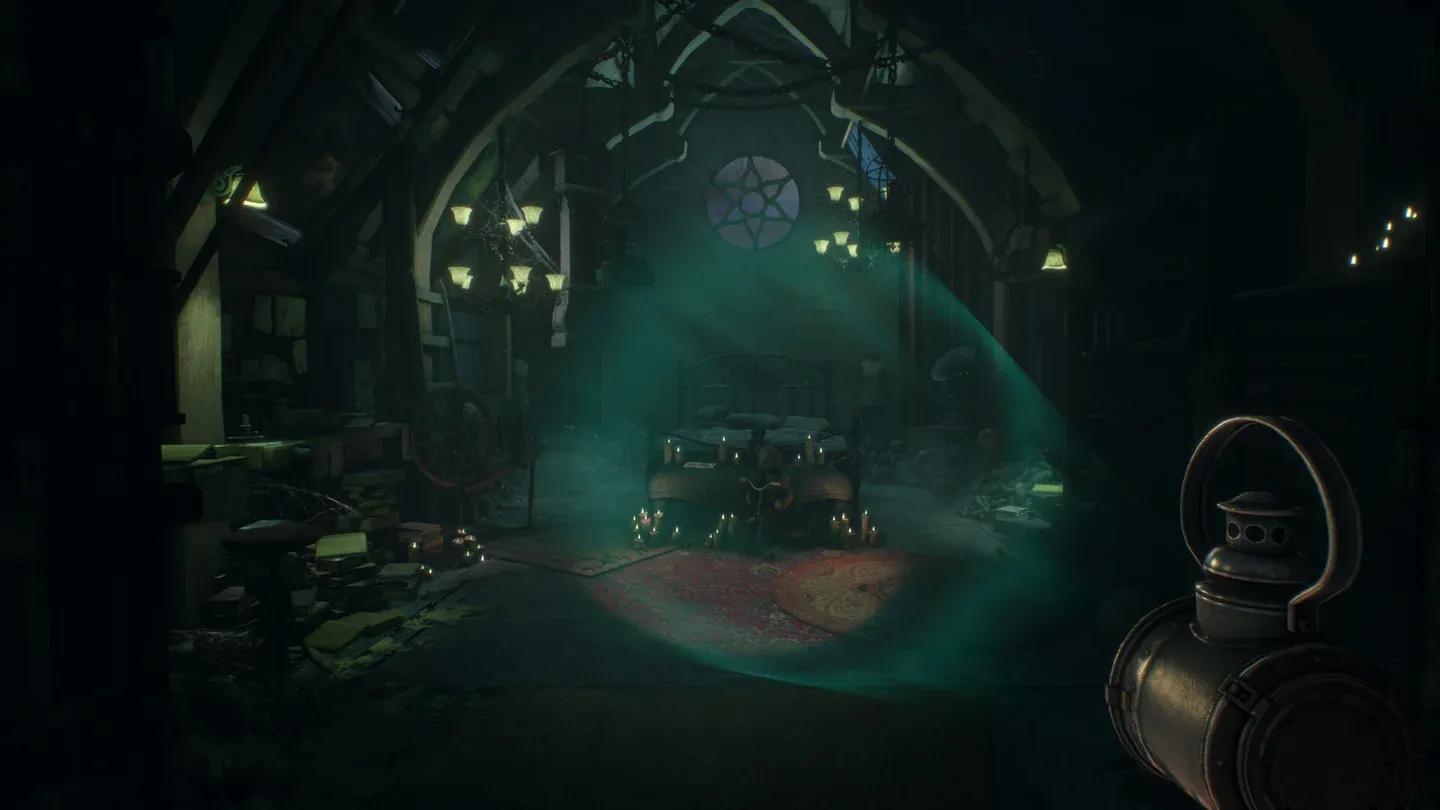
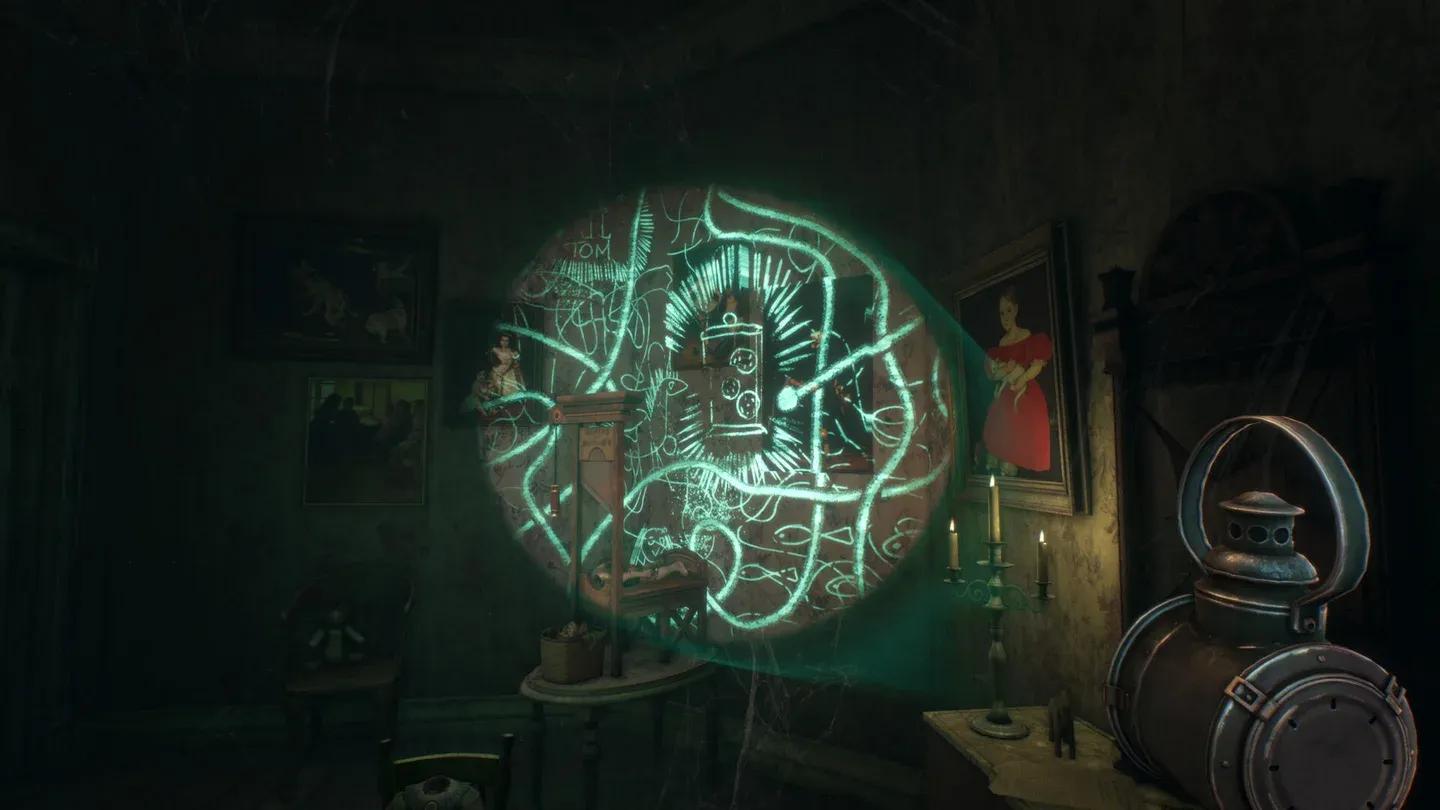
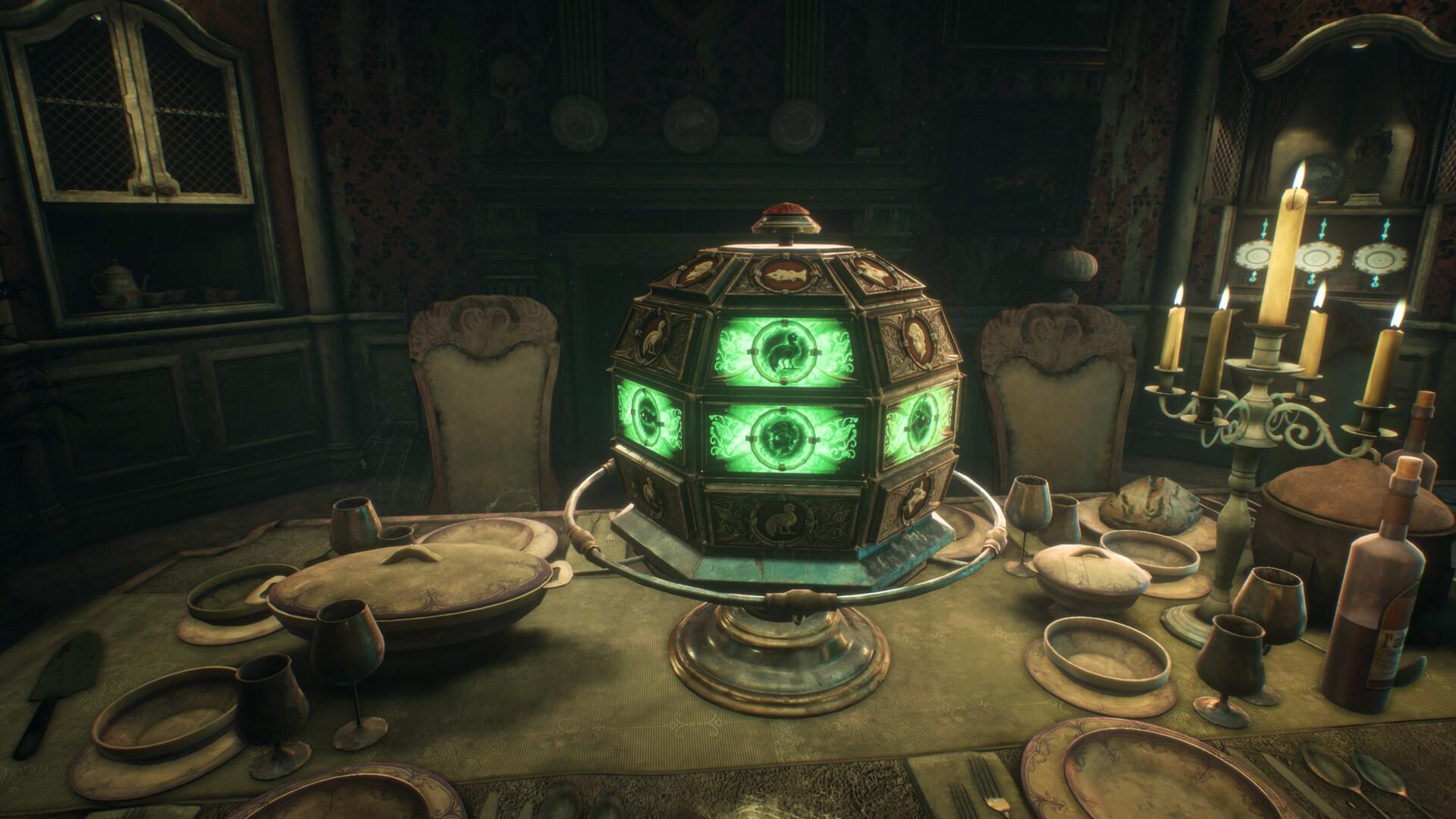
Stauf's mansion is the game's real star. The building functions as a character in its own right, with each room carrying a distinct personality shaped by the toys and traps its owner left behind. The remake rebuilds these spaces with modern rendering, preserving the oppressive atmosphere that made the original so memorable when players first loaded it from a CD-ROM in 1993.
The ghost sequences that play out between puzzles deliver the narrative. These vignettes show fragments of the six guests' fates, building tension through implication rather than direct explanation. It is atmospheric horror storytelling that relies on mood over jump scares, which suits the point-and-click format well.
Visual and audio design
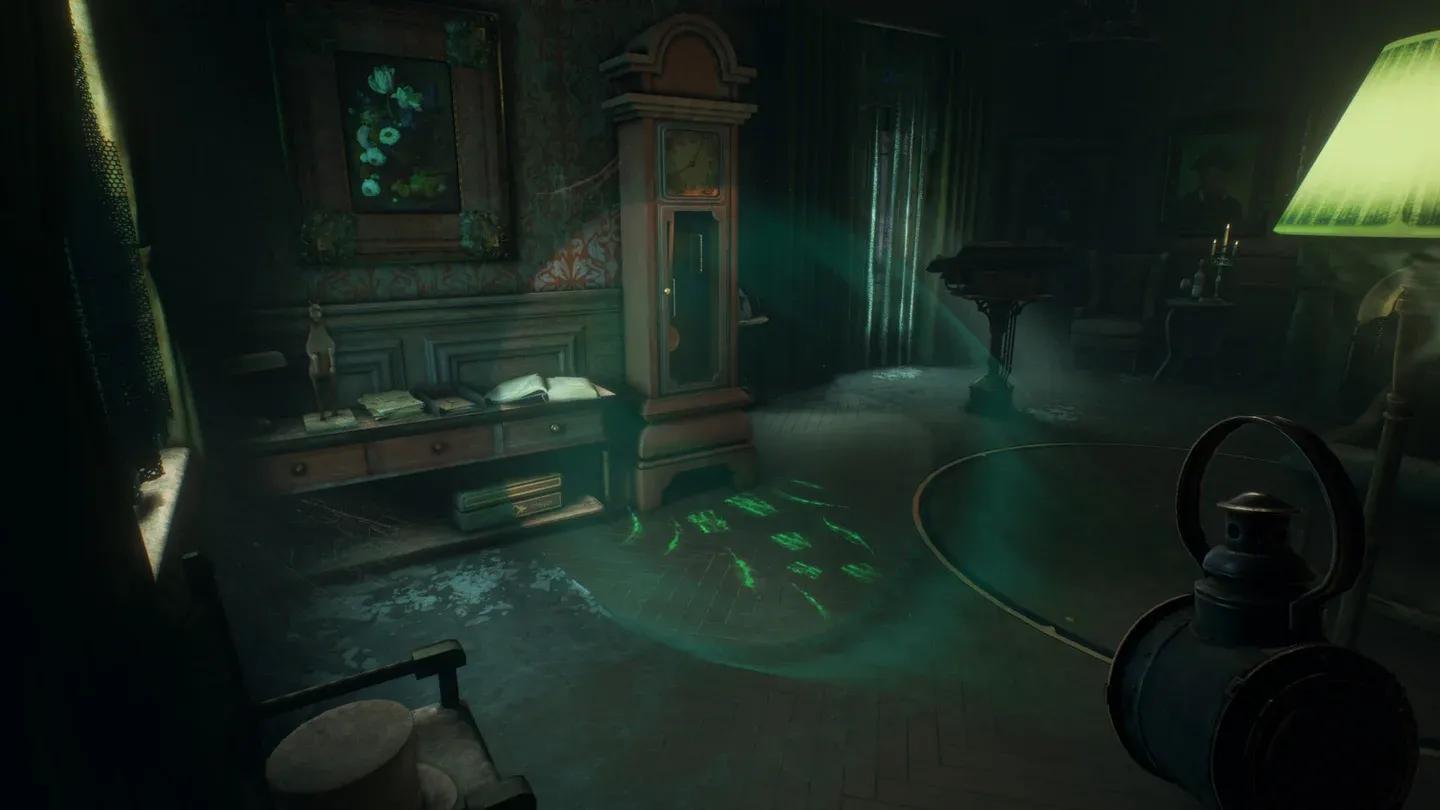
Vertigo Games has rebuilt the game using contemporary technology while keeping the aesthetic sensibility of the source material. The mansion's rooms retain their claustrophobic layouts and period detail, now rendered with lighting and texture work that the original engine could never support. The 60 ratings on PlayStation currently average 4.67 out of 5 stars, suggesting the visual overhaul has landed well with players who remember the original and newcomers alike.
The audio design carries significant weight in a game this dependent on atmosphere. The original's score was a standout feature, and the remake preserves that unsettling musical identity across all platforms.
Impact and legacy
The 7th Guest was one of the first games to ship on CD-ROM and use full-motion video as a storytelling tool, which made it a landmark release in 1993. Bringing it back as a full remake rather than a simple remaster signals genuine respect for the source material. For players who never experienced the original, this is the definitive way to understand why it mattered. For those who did, the rebuilt environments and modernized controls remove the friction that comes with running 30-year-old software. The mystery adventure genre has evolved considerably since Stauf's mansion first appeared, but the puzzle design here holds up in ways that feel less like nostalgia and more like craft.
| Requirement | Minimum | Recommended |
|---|---|---|
| OS | Windows 10 - 64 bit | Windows 10 - 64 bit |
| Processor | Intel i5-8600K | i7-9700K / Ryzen 7 3700 |
| Memory | 8 GB RAM | 16 GB RAM |
| Graphics | RTX 2060 | RTX 2070 / RX 5700 XT |
| DirectX | Version 12 | Version 12 |
| Storage | 26 GB available space | 26 GB available space |