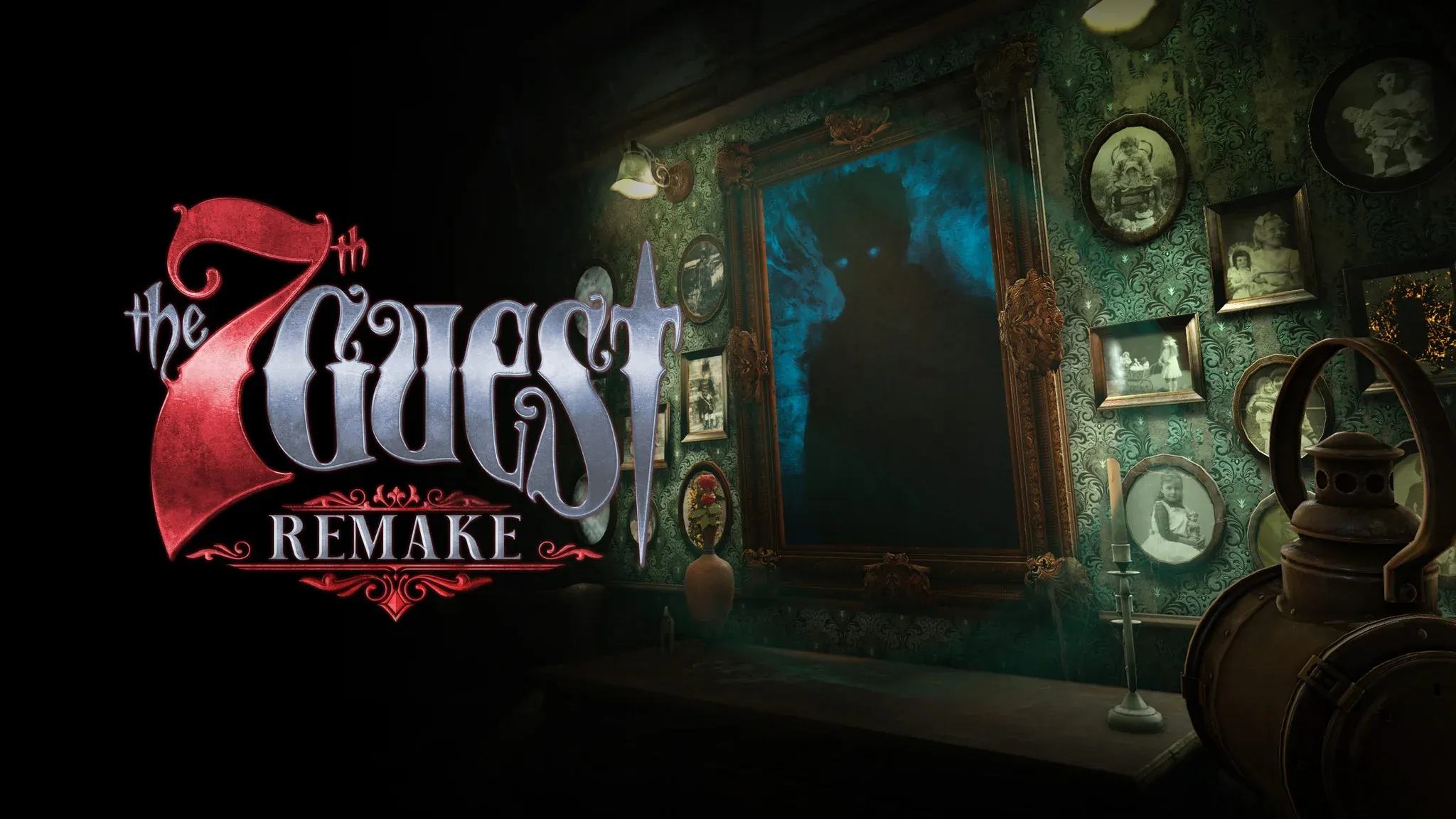

Thirty-three years after the original shocked PC owners with its CD-ROM spectacle, The 7th Guest Remake brings Henry Stauf's haunted mansion back to life on flatscreen hardware. Developed by Vertigo Studios Amsterdam and Exkee, this is a full ground-up rebuild built on Unreal Engine 5, originally launched as a VR title in 2023 and now available on Windows (June 4, 2026), PS5, Xbox Series X/S, and Switch. You play as an investigator exploring Stauf's estate, uncovering the fates of six guests who never made it home, solving room after room of hands-on puzzles along the way. Mirage 7 fans looking for a similarly atmospheric puzzle experience will find a lot to appreciate here.
What exactly is The 7th Guest Remake?
This is not a remaster of the 1993 original. The story, tone, and basic structure carry over, but the puzzles are entirely new, the cast has been reshot using volumetric video technology, and the mansion is now a fully explorable first-person 3D space rather than a sequence of pre-rendered camera pans. The original's skeletal hand cursor and fixed viewpoints are gone. You walk the halls freely, open drawers, pick up objects, and interact with puzzle elements directly.
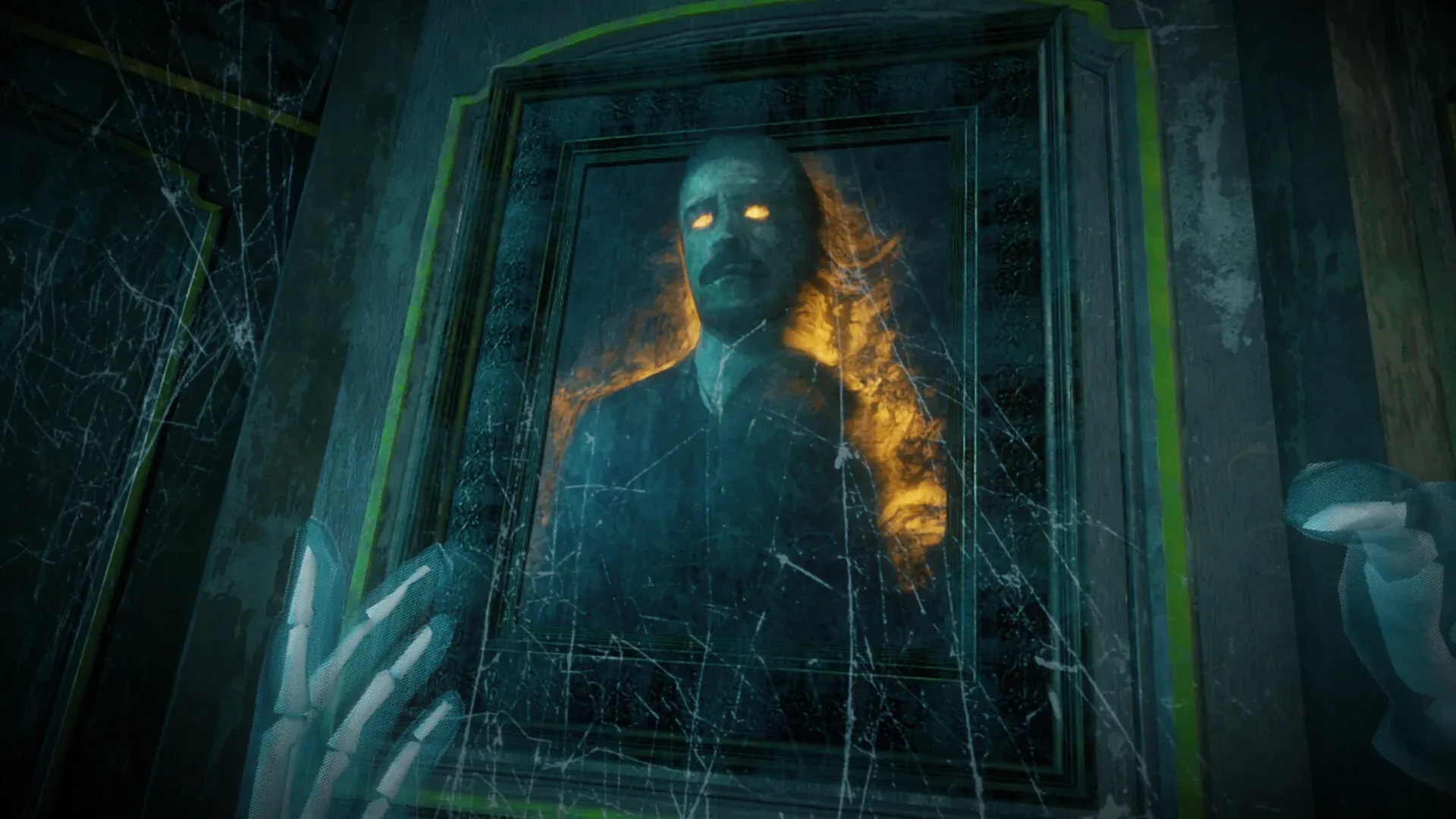
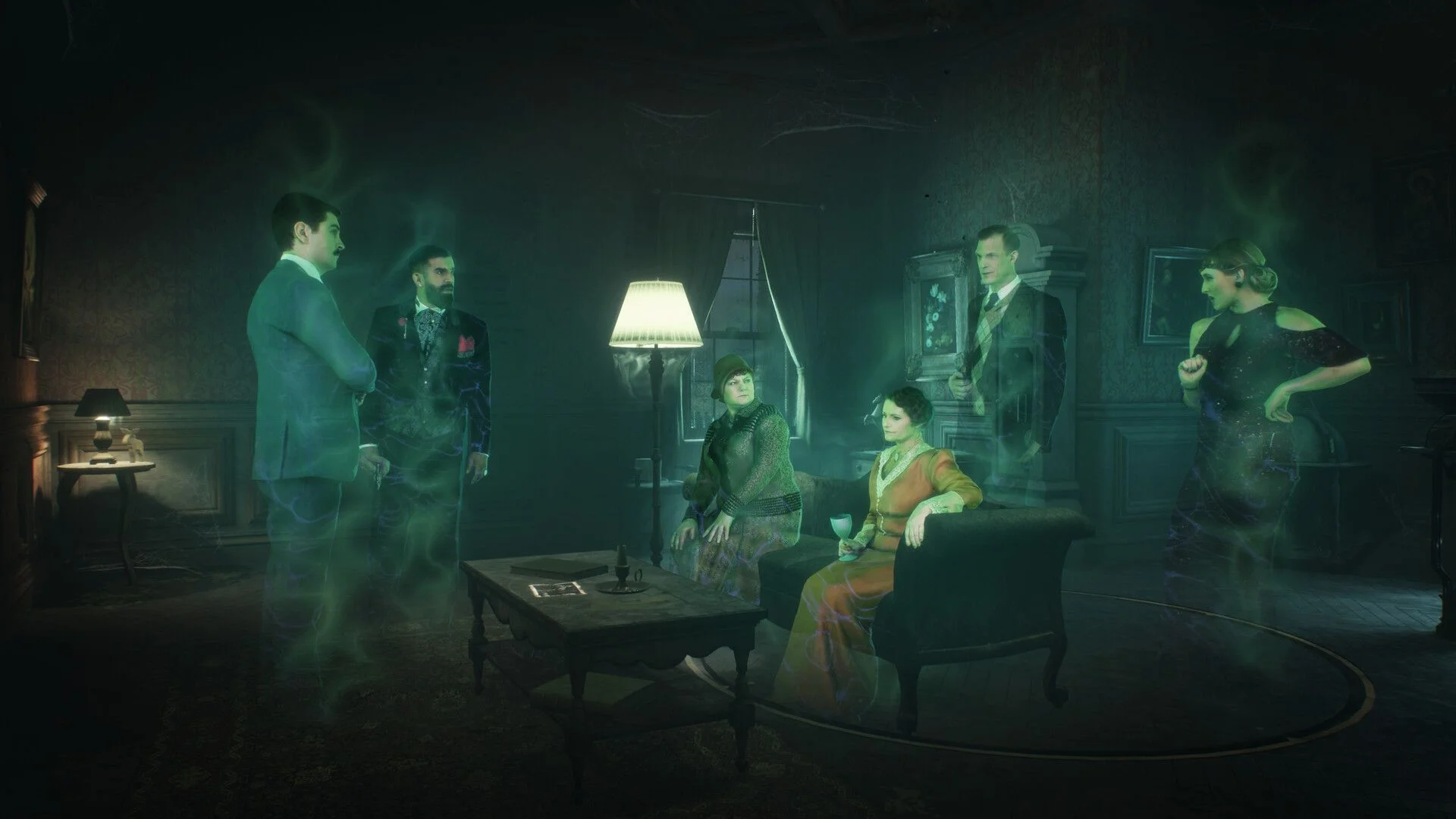
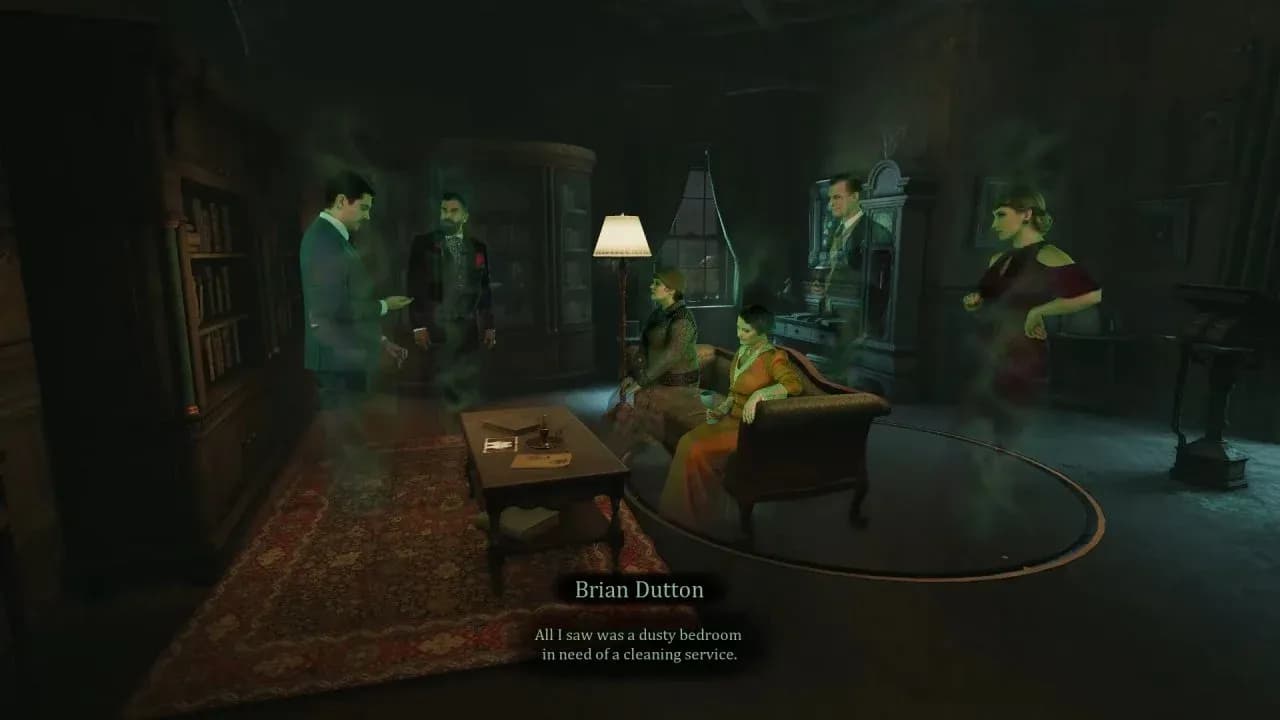
The volumetric video approach means the six guests and Stauf himself appear as three-dimensional figures you can view from multiple angles, rather than flat projected footage. The effect is intentionally uncanny, and it works well within the game's ghost story framing. Some players find it less creepy than the original's flat FMV, but the added context it provides for each character's backstory more than compensates.

Stauf mansion first-person view

How does the spirit lantern work?
The spirit lantern is the remake's signature mechanic and the tool you'll rely on throughout the entire game. Raising it in certain areas reveals hidden clues, restores broken objects to their former state, and uncovers details invisible to the naked eye. Dead flowers bloom, paintings change their subject entirely, and environmental puzzles shift when the lantern light hits them.
Here's the thing most players miss early on: the lantern is not just a hint tool. Several puzzles require you to use it to alter the state of an object before the puzzle itself becomes solvable. The library clock is a good example where players get stuck because they forget the lantern can change something in the past that affects the present configuration.
How does the hint system work?
Hint coins are scattered throughout the mansion, hidden in drawers, on shelves, and tucked into corners. Collecting them gives you currency to spend on hints at any puzzle where you're genuinely stuck. Hints range from directional nudges to full solutions depending on how many coins you spend.
The coin system keeps the game accessible without removing challenge entirely. Players who want to push through on their own can ignore coins completely; players who hit a wall on a specific puzzle can spend a coin rather than abandon the game entirely. The insult system from the original also returns: Stauf mocks your intelligence when you fail a puzzle repeatedly, which lands somewhere between charming and annoying depending on your tolerance for that kind of thing.

Hint coins and puzzle help menu
Room-by-room puzzle structure: what to expect
The mansion opens gradually. Almost every door starts locked, and completing the puzzles in an available room triggers new areas to open. Each room is themed around one of the six guests, and the puzzles reflect that character's personality and backstory.
Puzzle types vary significantly across the mansion:
- Logic and combination puzzles (gear arrangements, safe combinations)
- Object placement puzzles (assembling dolls for a tea party in the nursery, arranging items on specific marks)
- Navigation puzzles (guiding a marble through a maze, directing trains)
- Environmental puzzles (using the lantern to reveal hidden states, placing meat cuts in the kitchen)
- Block and spatial puzzles (stacking and arranging objects in three-dimensional space)
The kitchen meat puzzle deserves a specific warning. It requires grabbing individual pieces of meat, entering the puzzle context, placing them, exiting, grabbing the next piece, and repeating. The loop is awkward because it was designed for VR hand tracking and the flatscreen conversion does not simplify it. Patience is the only strategy here.
| Room | Puzzle Type | Difficulty | Lantern Required? |
|---|---|---|---|
| Nursery | Object placement (dolls) | Easy | No |
| Kitchen | Object placement (meat) | Medium | No |
| Library | Environmental / clock | Medium | Yes |
| Burden's Room | Logic / jewellery | Hard | No |
| Music Room | Combination / pins | Medium | No |
| Game Room | Board game throwback | Medium | No |
| Stauf's Final Room | AI puzzle | Hard | No |
How do the controls actually feel on flatscreen?
Honestly, this is the remake's biggest weakness. The movement speed defaults to a slow walk, and you'll want to hold the sprint input almost constantly to avoid feeling like you're wading through treacle. The crouch mechanic is abrupt rather than smooth, which is a direct carryover from VR where you physically ducked. On a controller or keyboard, it just pops you down instantly.
Puzzle interaction on keyboard and mouse is the most divisive issue. Several puzzles use WASD to navigate selectable options and require Click to confirm, rather than letting the cursor do the work directly. A slider puzzle, for example, forces you through keyboard navigation when the mouse cursor is sitting right there unused. Controller play is generally smoother for puzzle interaction, with the exception of the train-routing puzzle, which most players find easier with mouse.
Puzzle control input options
Is the VR version better?
For players who own VR hardware and can tolerate motion sickness, yes. The puzzles were designed for physical hand interaction, and the immersion of standing inside Stauf's mansion rather than looking at it through a screen is genuinely different. The flatscreen version compensates with shadow guides showing where objects should be placed, which actually makes some puzzles clearer than their VR equivalents.
The consumer-friendly detail worth knowing: buying either version gives you access to both. Purchase the flatscreen remake and the VR edition is included at no extra cost, and vice versa. That's a straightforward deal for a game in this price range.
What's changed from the 1993 original?
Almost everything except the core concept. The original's puzzle design leaned heavily on chess problems, sliders, and the notorious microscope puzzle that became infamous for its difficulty. The remake replaces all of these with hands-on environmental puzzles. The house layout on the ground floor is nearly identical to the 1993 version, which fans will notice immediately, but the upper floors have been redesigned.
The story gets more room to breathe. Each guest now has additional backstory delivered through conversations and scattered notes, filling gaps that the original left vague. Stauf communicates with players through music boxes rather than direct address, which fits the more atmospheric approach.
The Fat Man (George Sanger) composed the original soundtrack, and his themes are woven into the new score. The remake does not simply reuse tracks; it recreates and reinterprets them to suit the updated visual tone.

Volumetric ghost performance
PC system requirements at a glance
| Spec | Minimum | Recommended |
|---|---|---|
| OS | Windows 10 (64-bit) | Windows 10 (64-bit) |
| CPU | Intel Core i3-8600K | Intel Core i7-9700K / AMD Ryzen 7 3700 |
| RAM | 8 GB | 16 GB |
| GPU | Nvidia GeForce RTX 2060 | Nvidia GeForce RTX 2070 / AMD Radeon RX 5700 XT |
| Storage | 26 GB | 26 GB |
The game runs on Unreal Engine 5 (build 5.6.1) and supports MSAA anti-aliasing. There are no microtransactions and no ongoing costs beyond the one-time purchase. Ten language localizations are available including English, French, German, Japanese, Korean, and Polish, with full UI, audio, and subtitle support across all of them.
Should you play The 7th Guest Remake?
If you love puzzle games and want something with genuine atmosphere and a horror-adjacent story, this delivers. The puzzle variety is strong, the lantern mechanic adds a layer that pure escape-room titles lack, and the 5 to 8 hour runtime feels well-paced rather than padded.
If you played the 1993 original and hold it in high regard, expect a different experience rather than a faithful recreation. The new puzzles are generally more accessible than the originals, which some players see as a downgrade and others see as an improvement. The creepiness of the flat FMV projection is gone, replaced by volumetric performances that are technically impressive but less uncanny.
If you already own the VR version, there is no new content here that justifies a second purchase. The flatscreen conversion is the same game with adapted controls and shadow placement guides.
For everyone else, this is a well-constructed puzzle adventure with a distinctive atmosphere that earns its place in the genre. Check out the full Mirage 7 strategy guides collection for more puzzle and adventure game coverage on GAMES.GG.