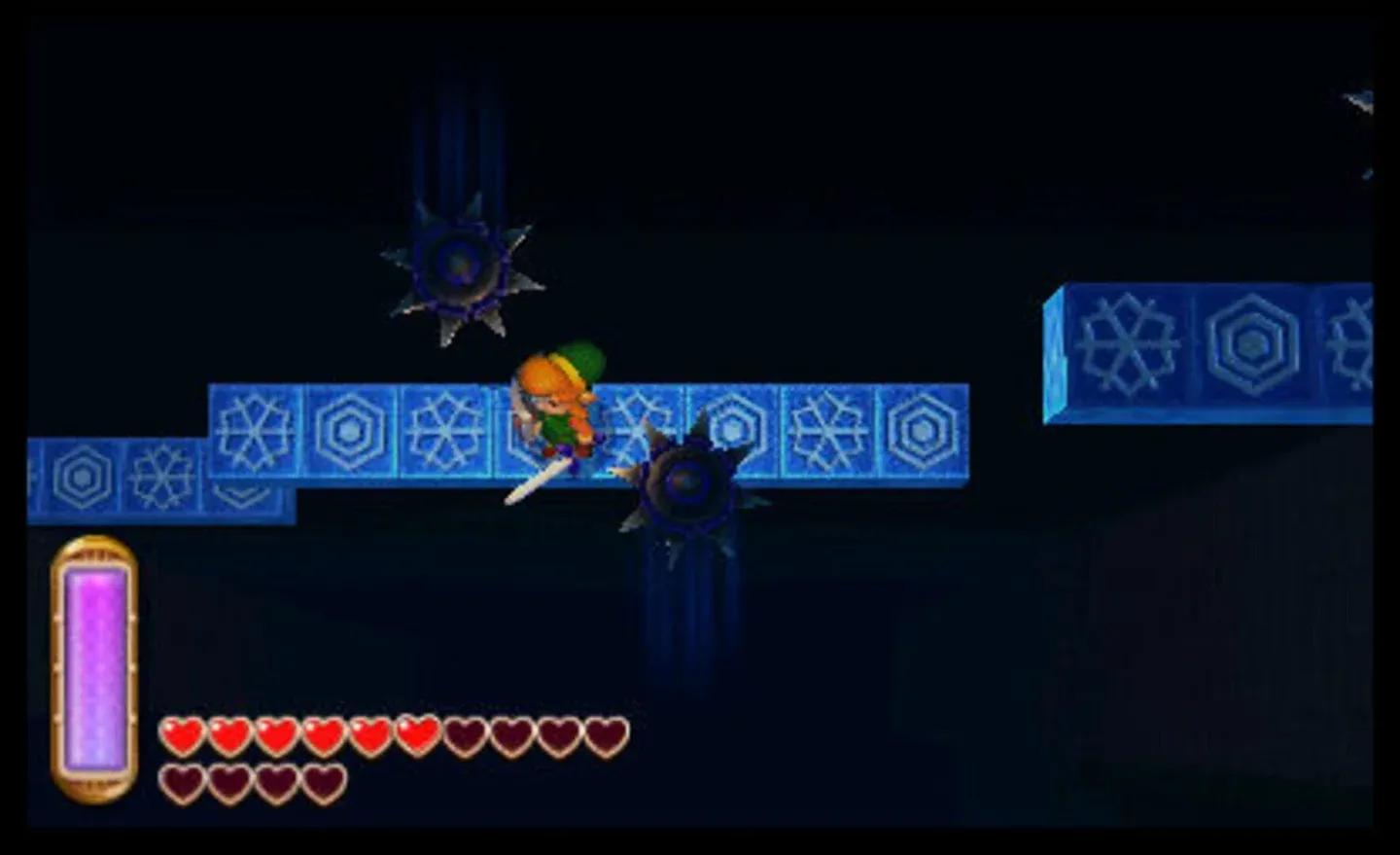
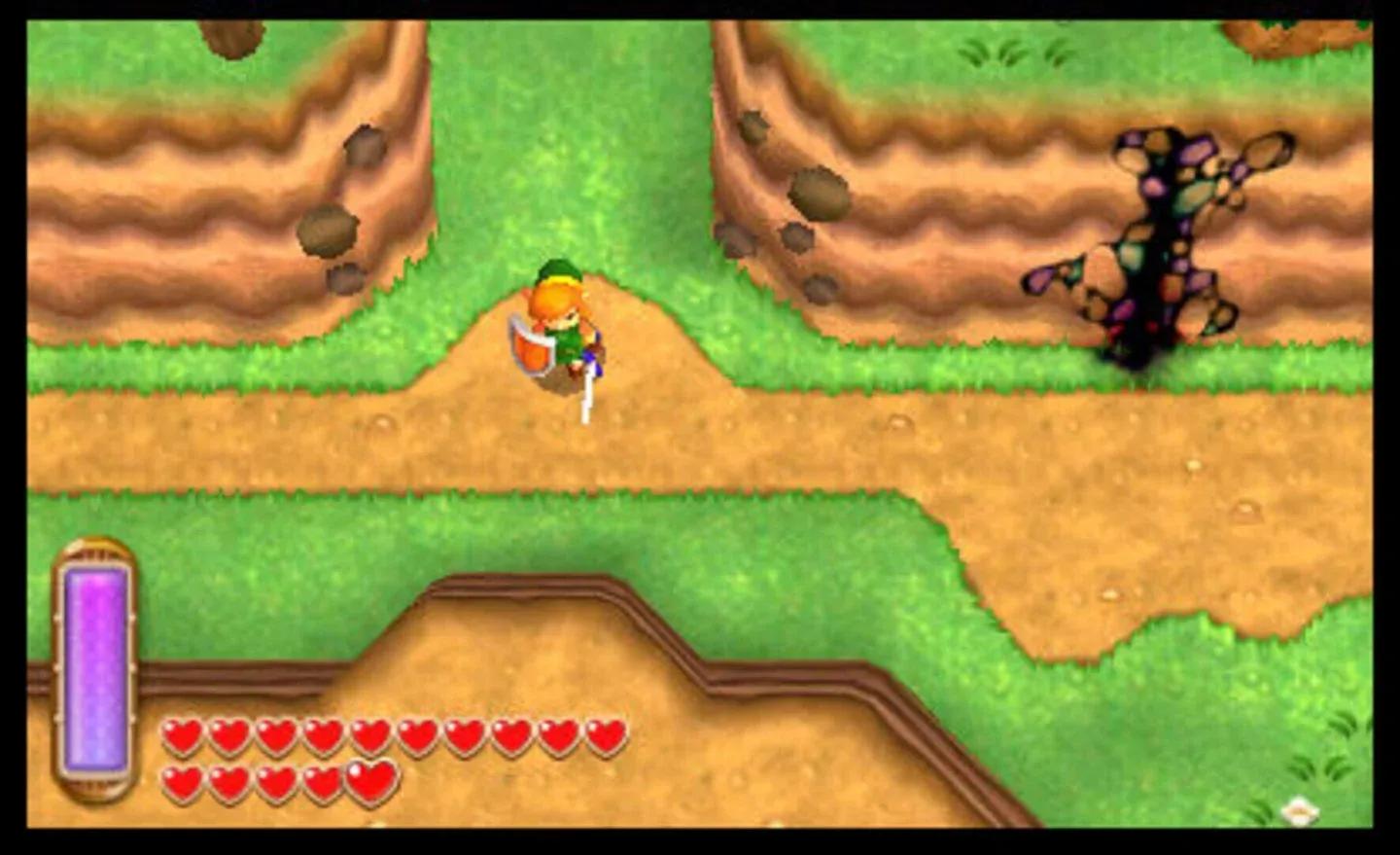
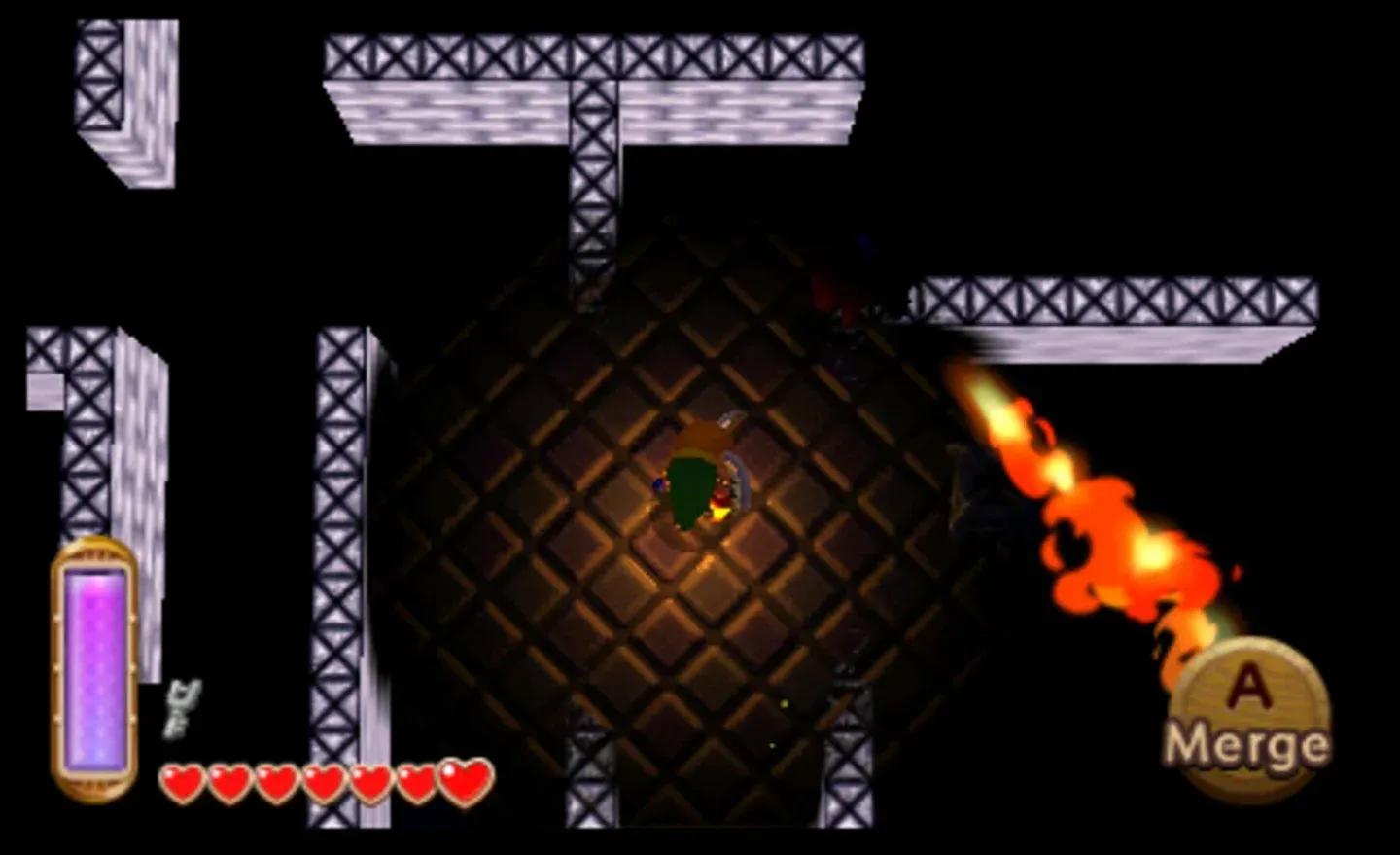
Overview
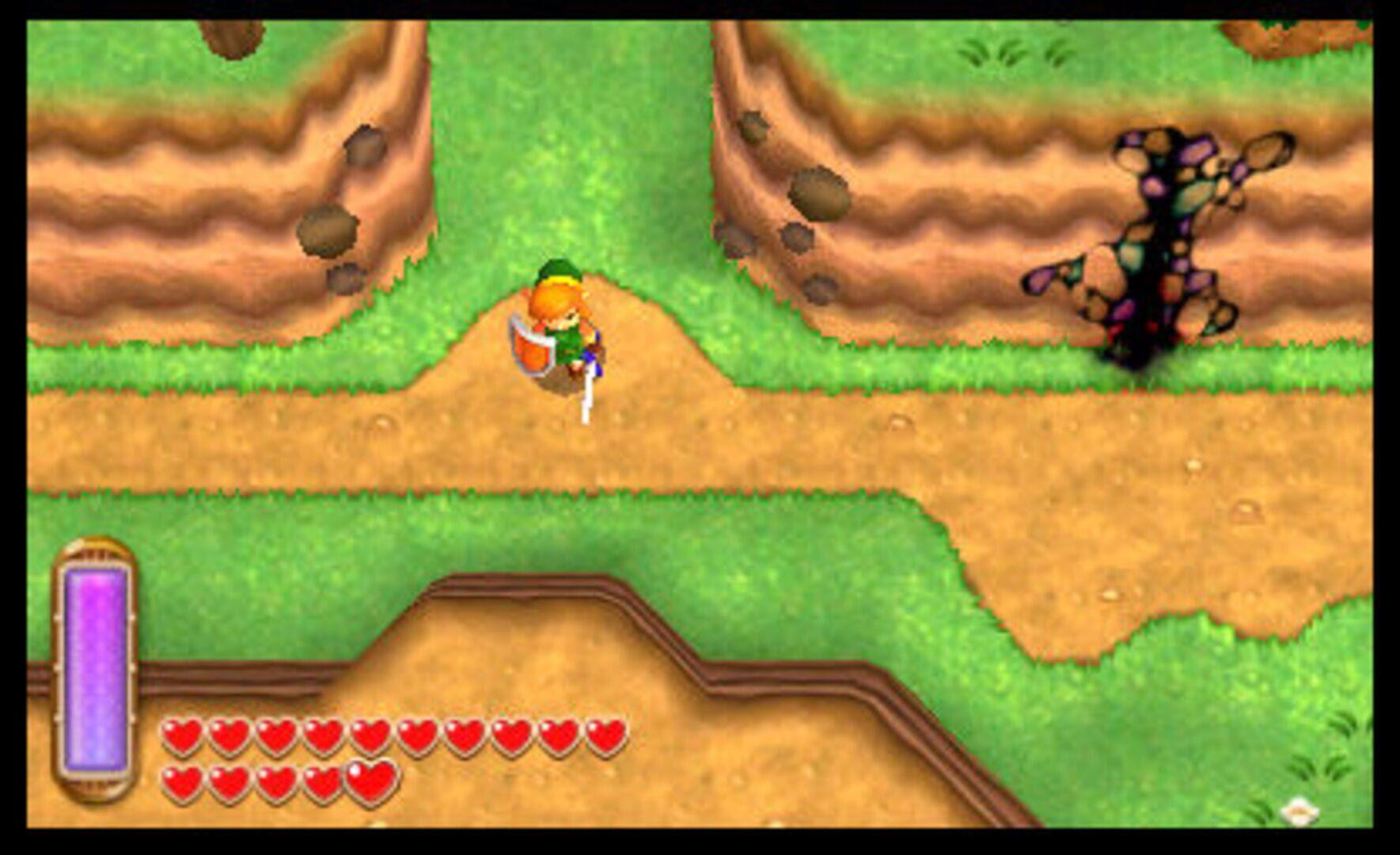
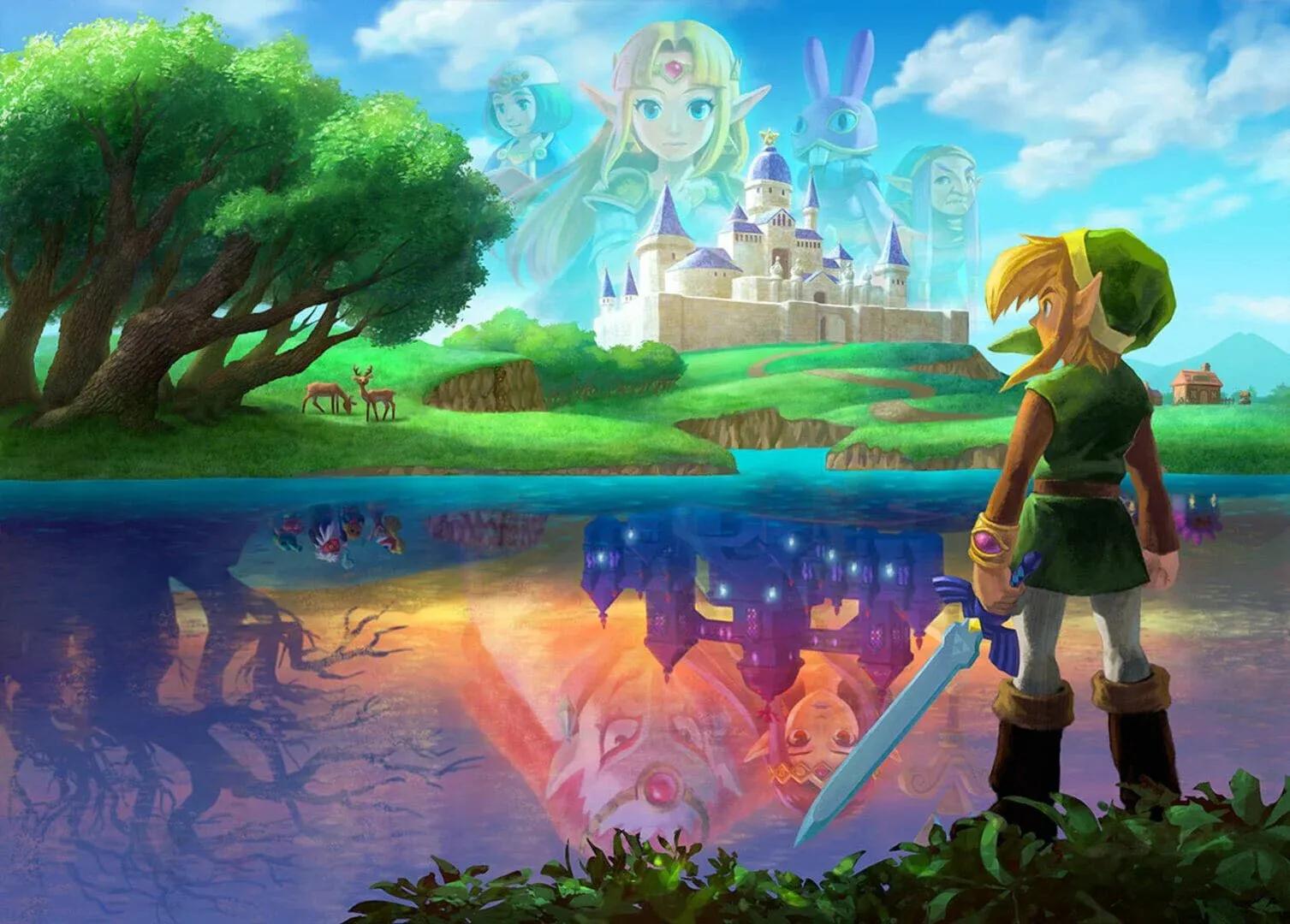
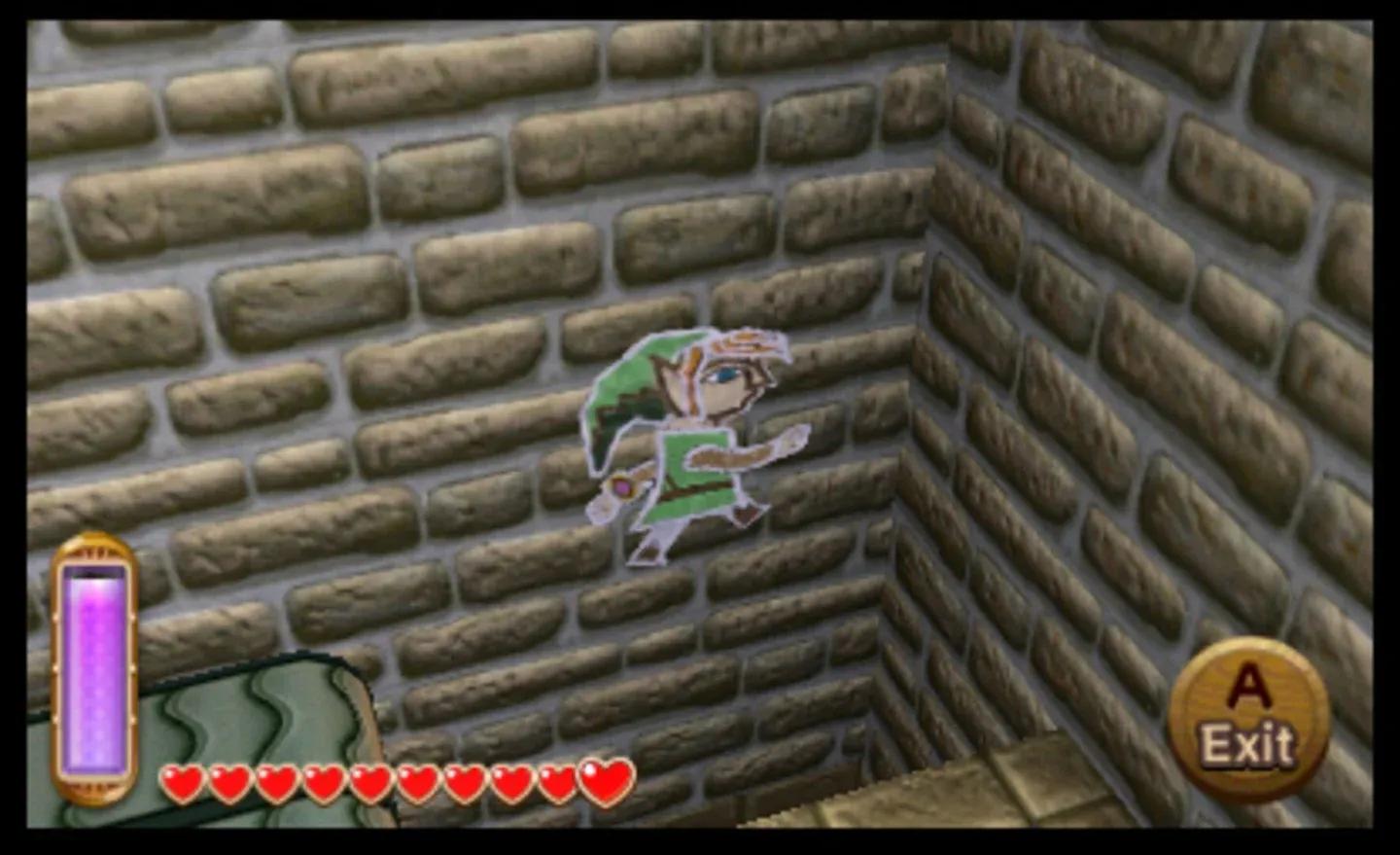
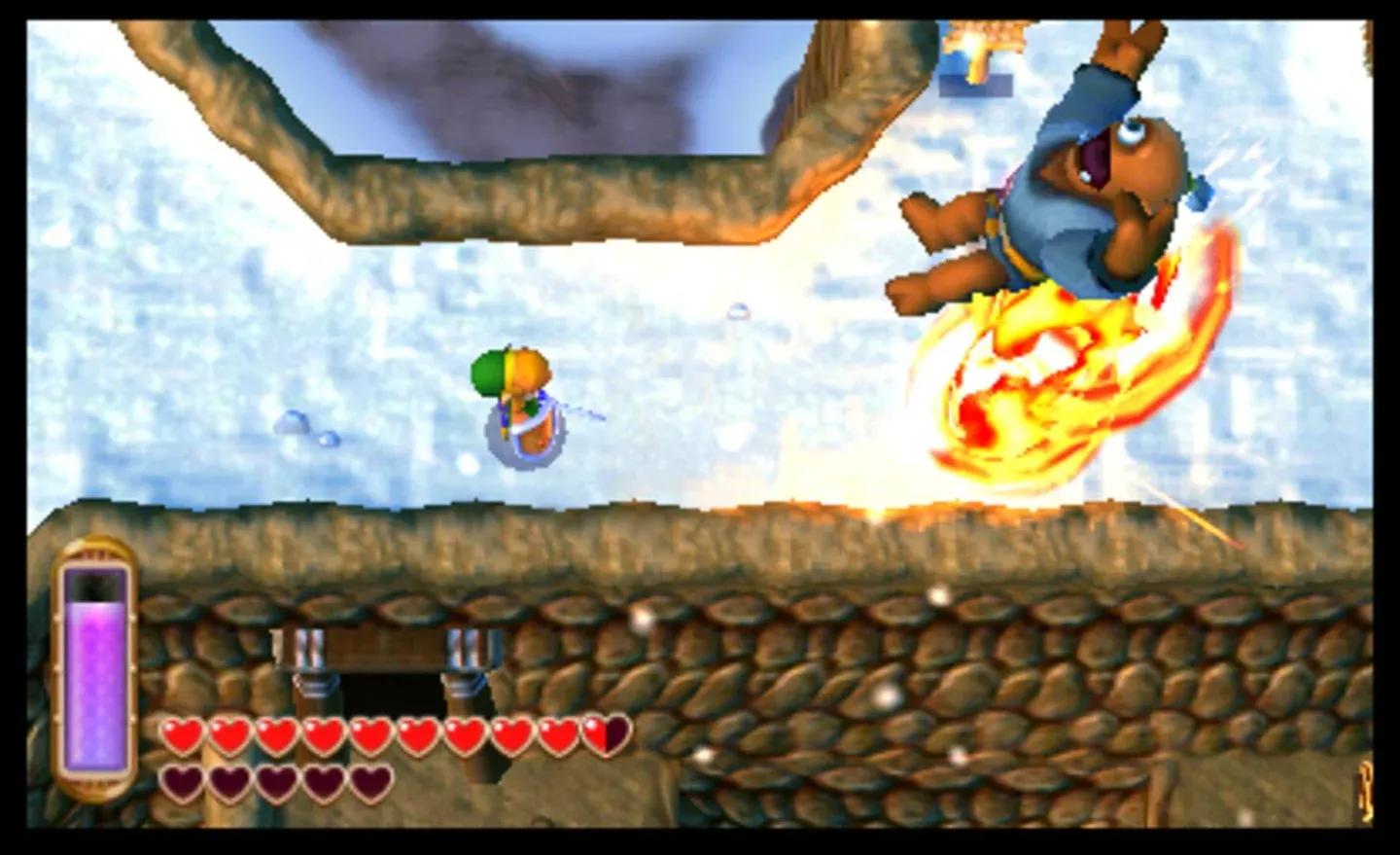
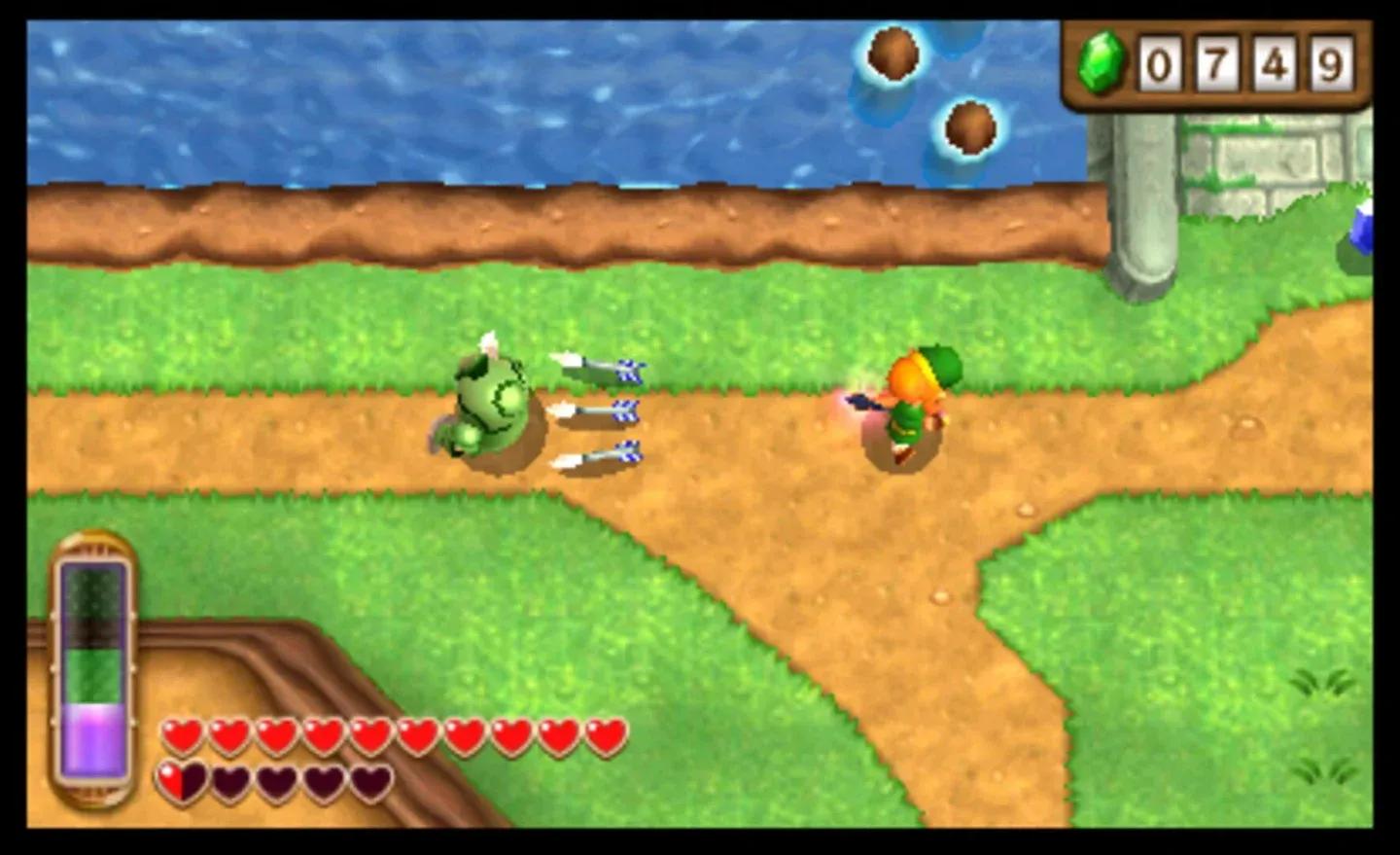
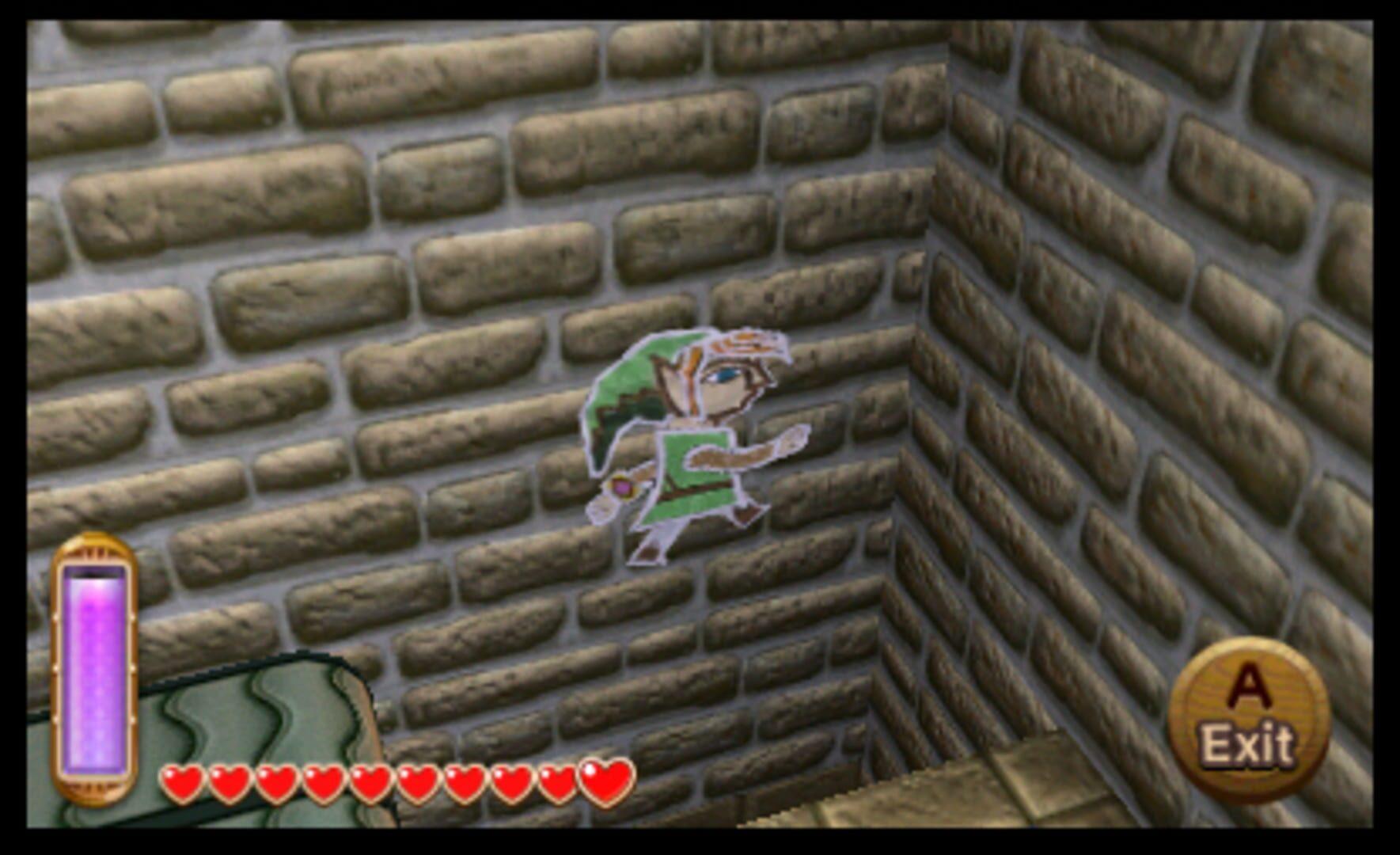
The Legend of Zelda: A Link Between Worlds is a top-down action-adventure game developed by Nintendo EAD Software Development Group No.3 for the Nintendo 3DS. It serves as an indirect sequel to A Link to the Past, reusing the same map of Hyrule but populating it with new characters, a new threat, and a parallel world called Lorule that mirrors Hyrule in unsettling ways. The evil sorcerer Yuga kidnaps Princess Zelda and the Seven Sages, fleeing through a rift to Lorule with plans to resurrect Ganon. Link sets out to stop him, armed with a magic bracelet obtained from the mysterious merchant Ravio that lets him merge directly into walls as a flat, painted figure.
That wall-merging ability is the engine the entire game runs on. Puzzles that look straightforward from one angle open up completely once Link presses himself into a surface and slides around a ledge or through a gap. The mechanic works in dungeons, in the overworld, and at the borders between Hyrule and Lorule, where specific cracks in walls serve as portals between the two realms. Nintendo built the 3DS's stereoscopic 3D display directly into several puzzles, using depth perception to make certain solutions visible only when the effect is active.
Gameplay and mechanics
A Link Between Worlds breaks from Zelda tradition in one significant way: almost the entire world is accessible from the start. Rather than locking items behind specific dungeons in a fixed sequence, the game lets players rent or purchase equipment from Ravio's shop early on. This means dungeons can be tackled in nearly any order, and players choose which tools to bring based on personal preference rather than scripted progression.
Key mechanics include:
- Wall-merging to bypass obstacles and navigate puzzles
- Renting or buying items from Ravio's shop
- Traveling between Hyrule and Lorule through wall rifts
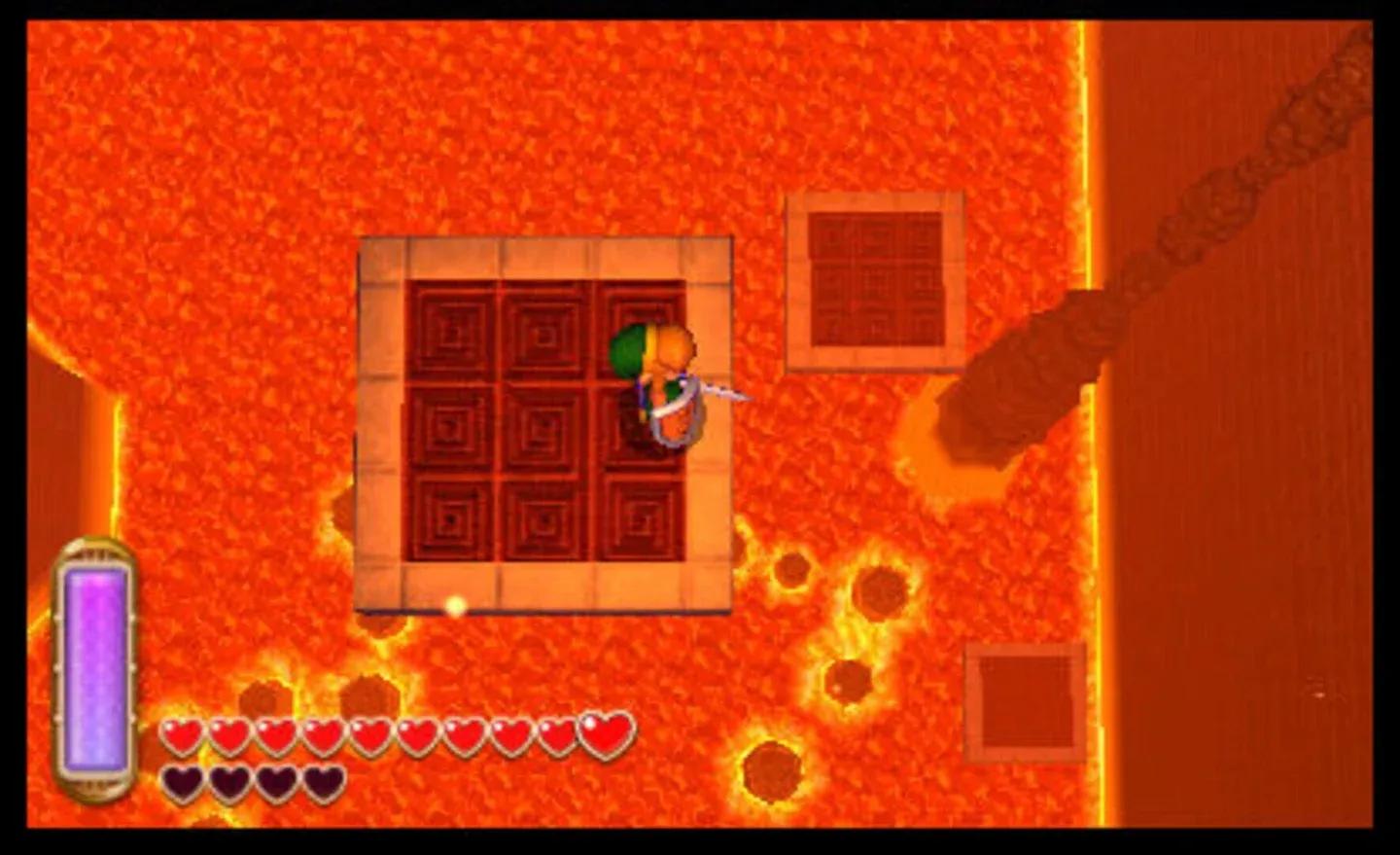
- Stamina-based merging that limits how long Link can stay flat
- Overworld puzzles tied to the 3DS depth effect
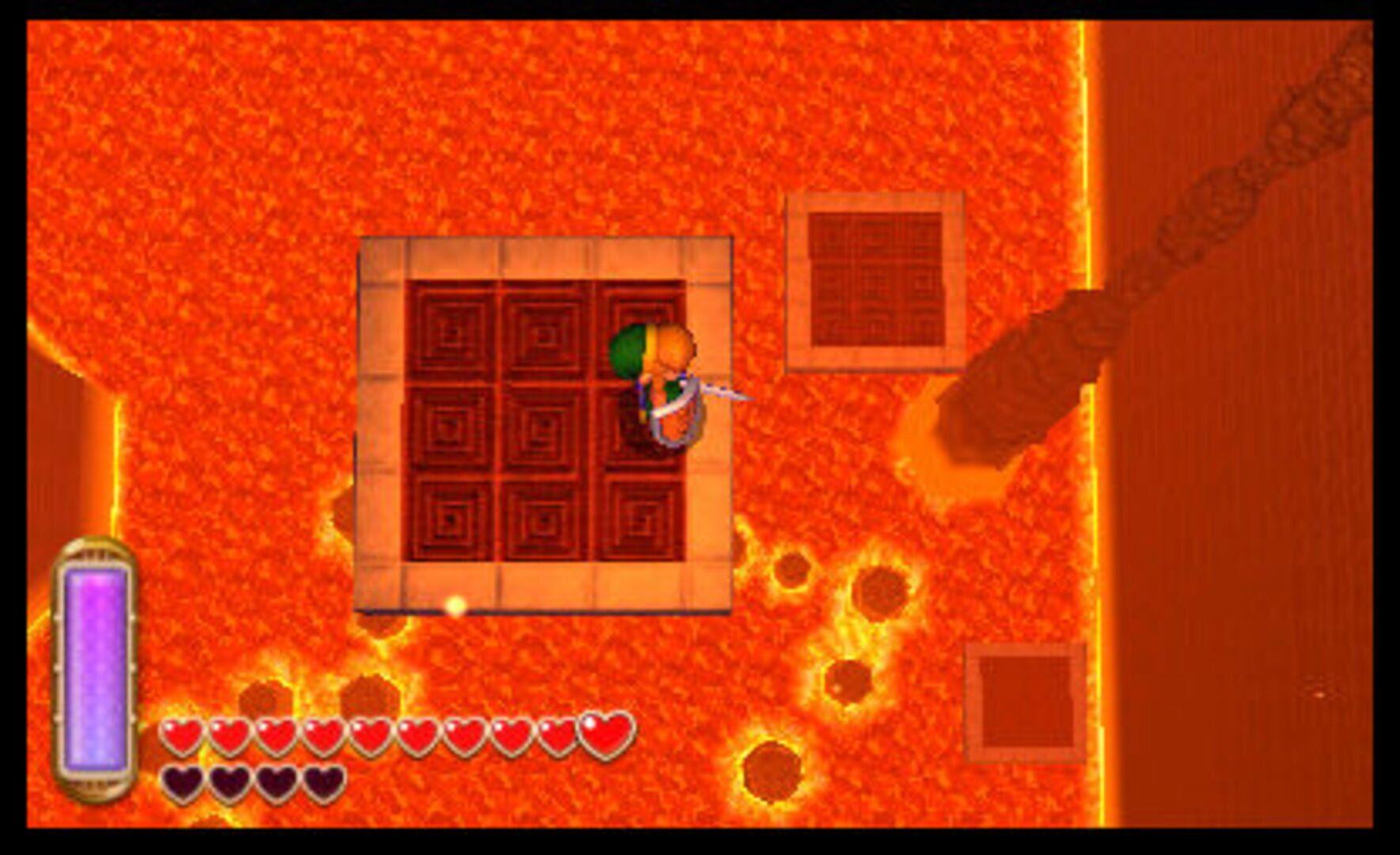
The stamina gauge attached to wall-merging adds a layer of resource management that keeps the mechanic from feeling unlimited. Link can only stay merged for so long before being forced back into the environment, which means planning a route through a puzzle matters as much as spotting the solution.
World and setting
Hyrule in A Link Between Worlds is immediately familiar to anyone who played A Link to the Past, right down to the placement of towns and landmarks. Lorule functions as its dark counterpart, a kingdom that mirrors Hyrule's geography but has fallen into decay. Princess Hilda, Lorule's ruler, plays a role that shifts as the story develops, and the relationship between the two worlds gives the narrative more weight than a straightforward rescue plot would.
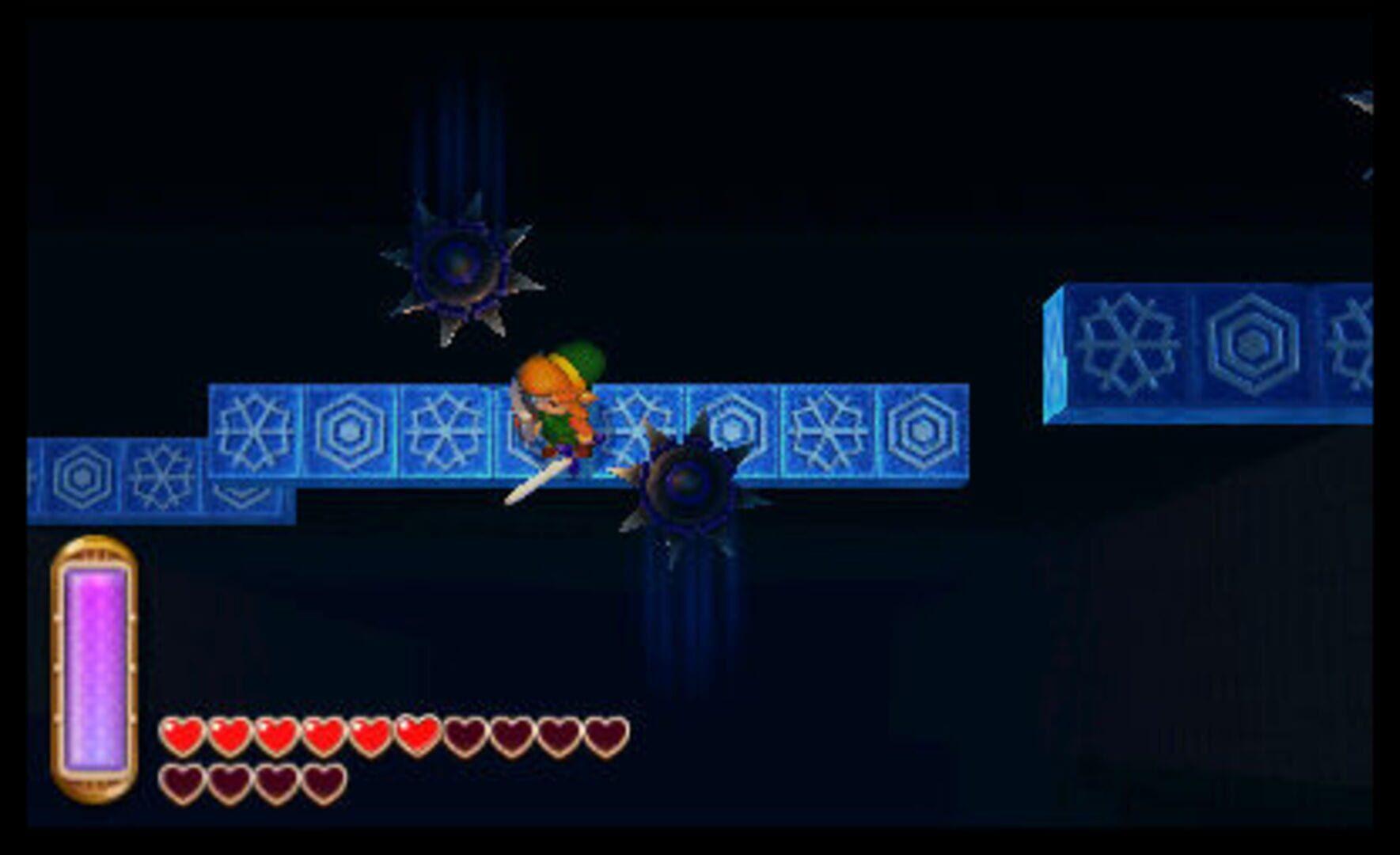
The dual-world structure means exploration carries a sense of discovery even on terrain players recognize. Familiar areas look and behave differently in Lorule, and the dungeons located there tend to push the wall-merging puzzles in more demanding directions.
Impact and legacy
Released in November 2013, A Link Between Worlds landed to strong critical reception and remains one of the highest-rated games on the 3DS. The open-ended dungeon structure was a deliberate response to feedback that the series had become too linear, and it influenced how Nintendo approached player agency in subsequent Zelda titles. The wall-merging mechanic stands as one of the more inventive movement systems in the franchise, built specifically around the hardware it ran on rather than retrofitted to fit a platform. For a top-down Zelda adventure, it holds up as a clean, confident piece of game design.