Overview
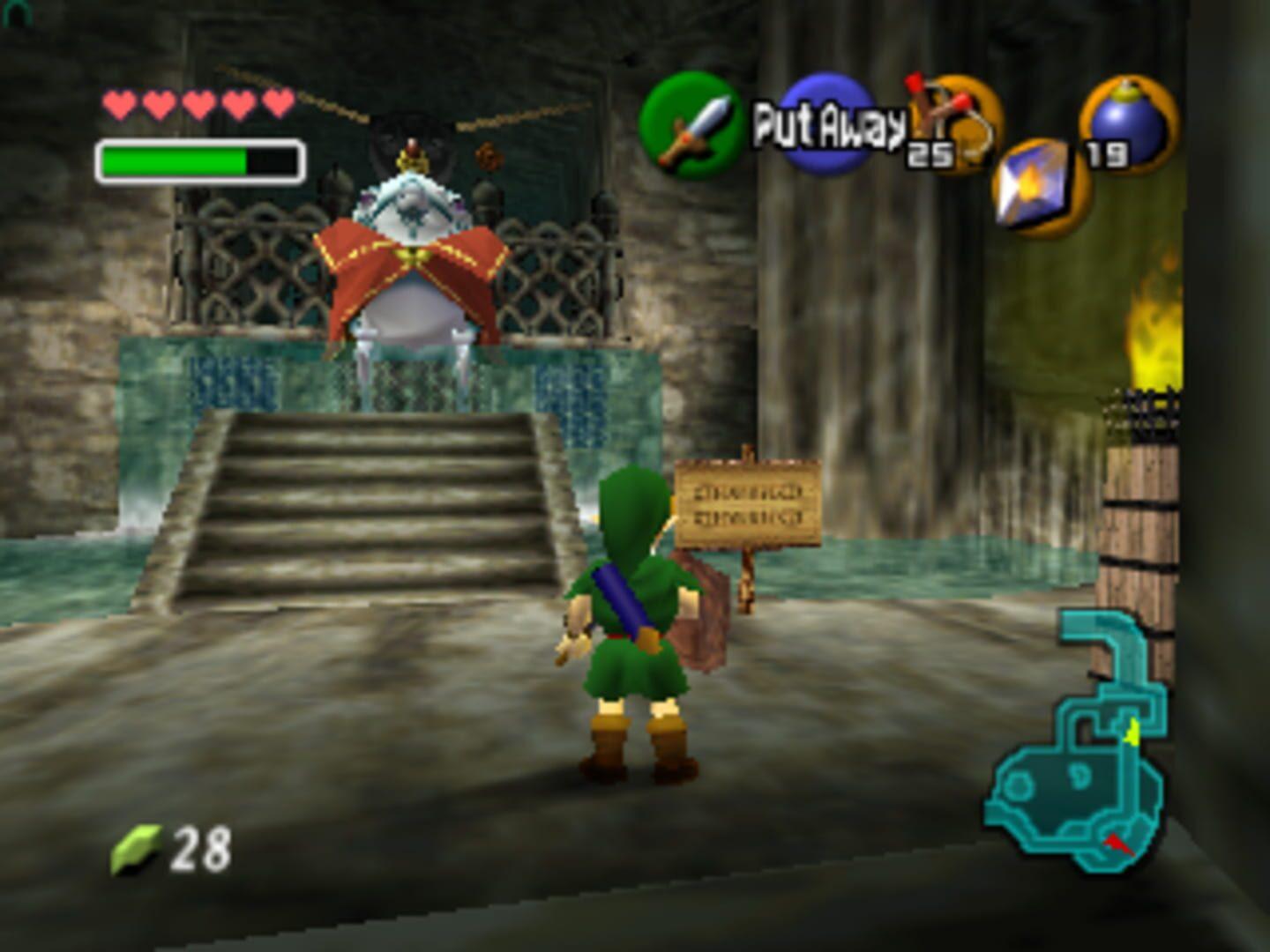
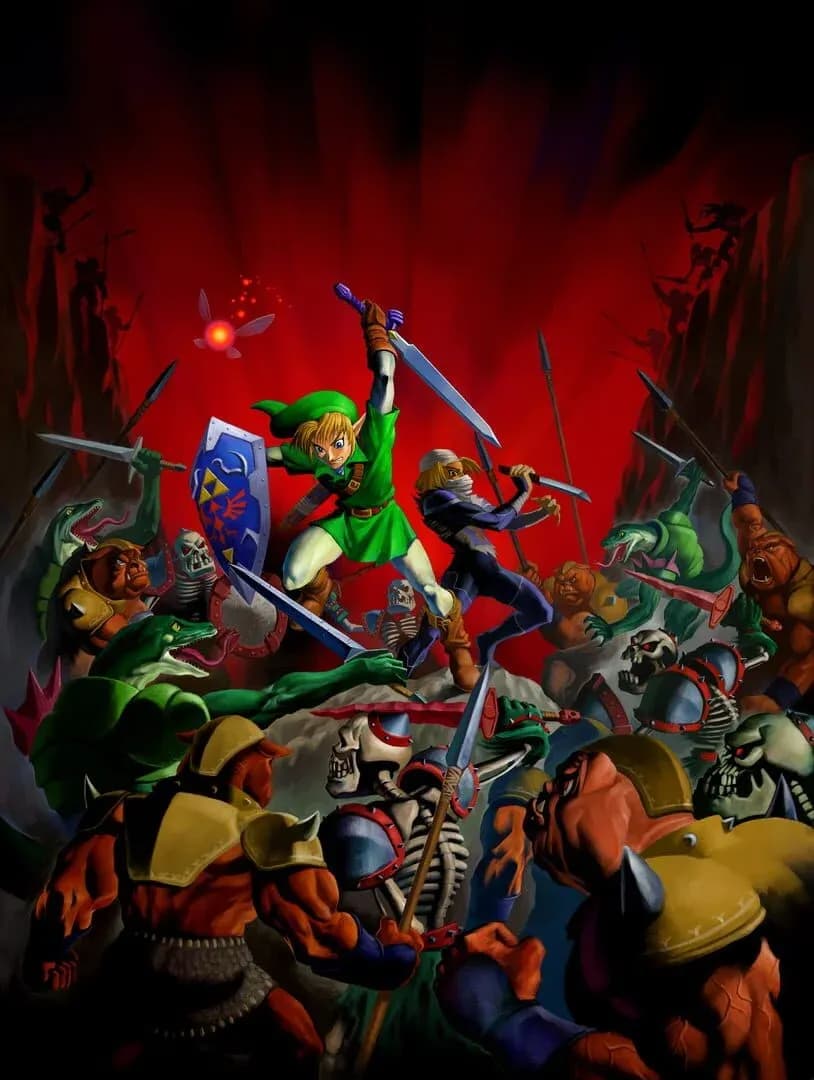
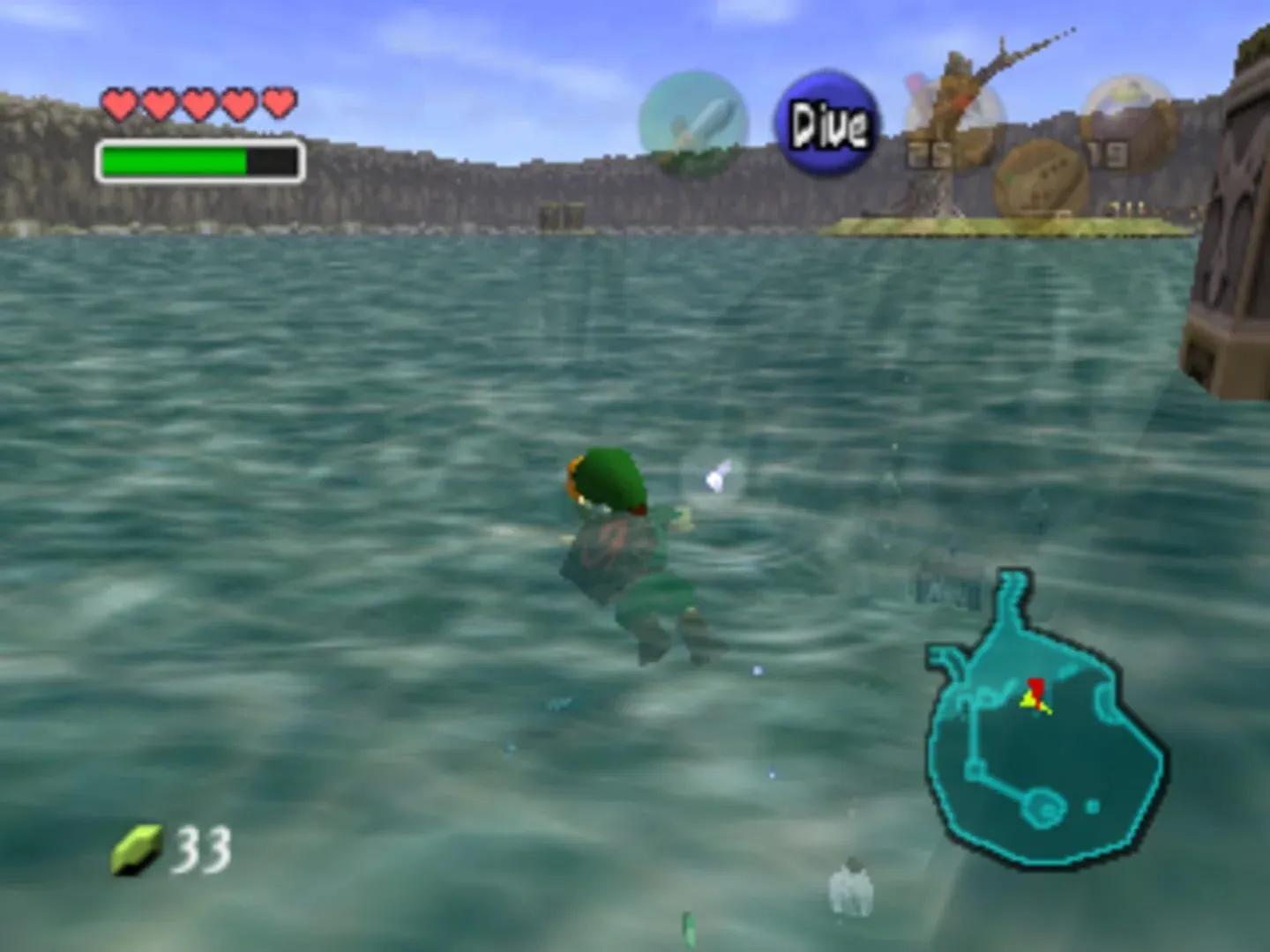
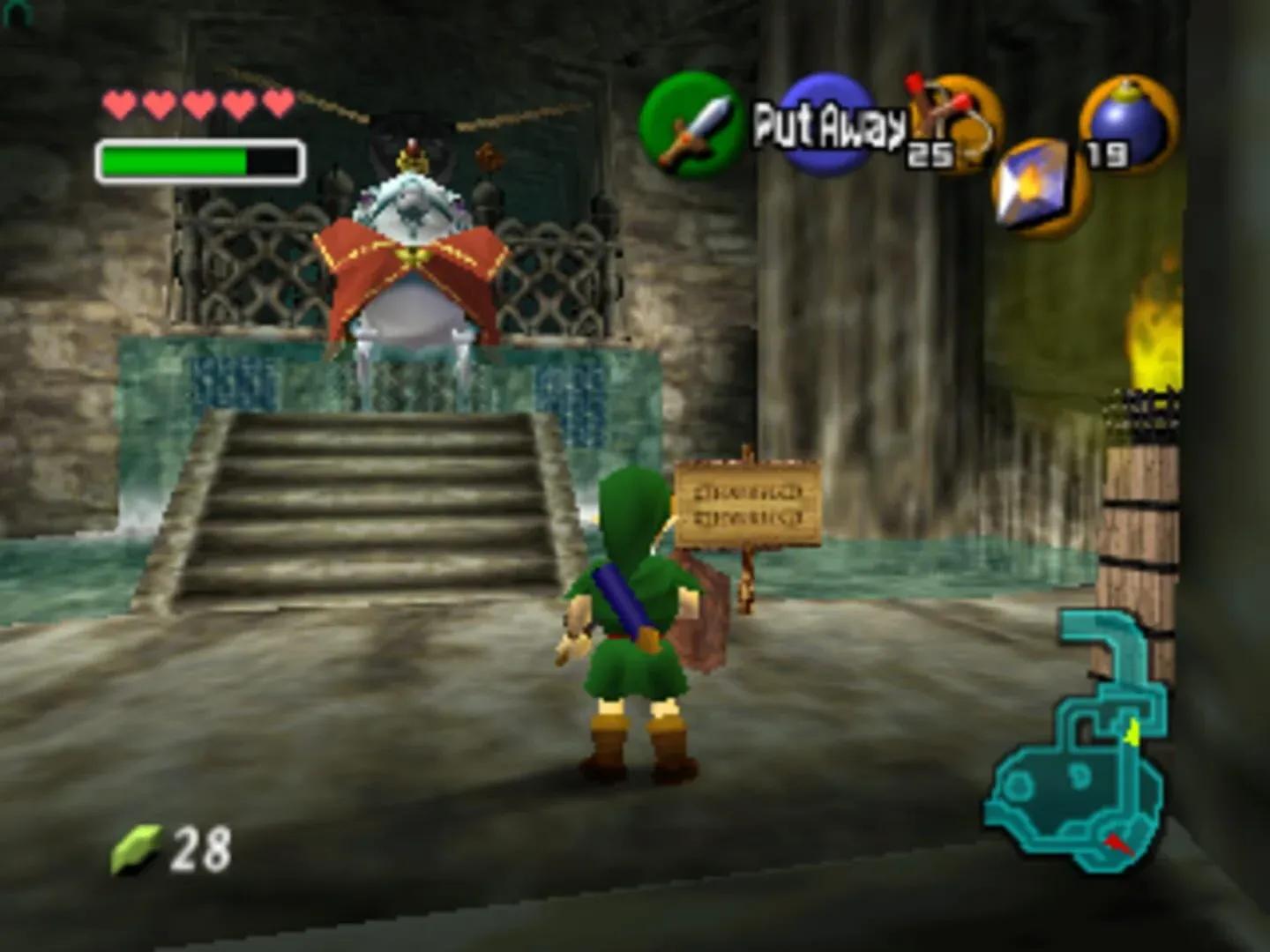
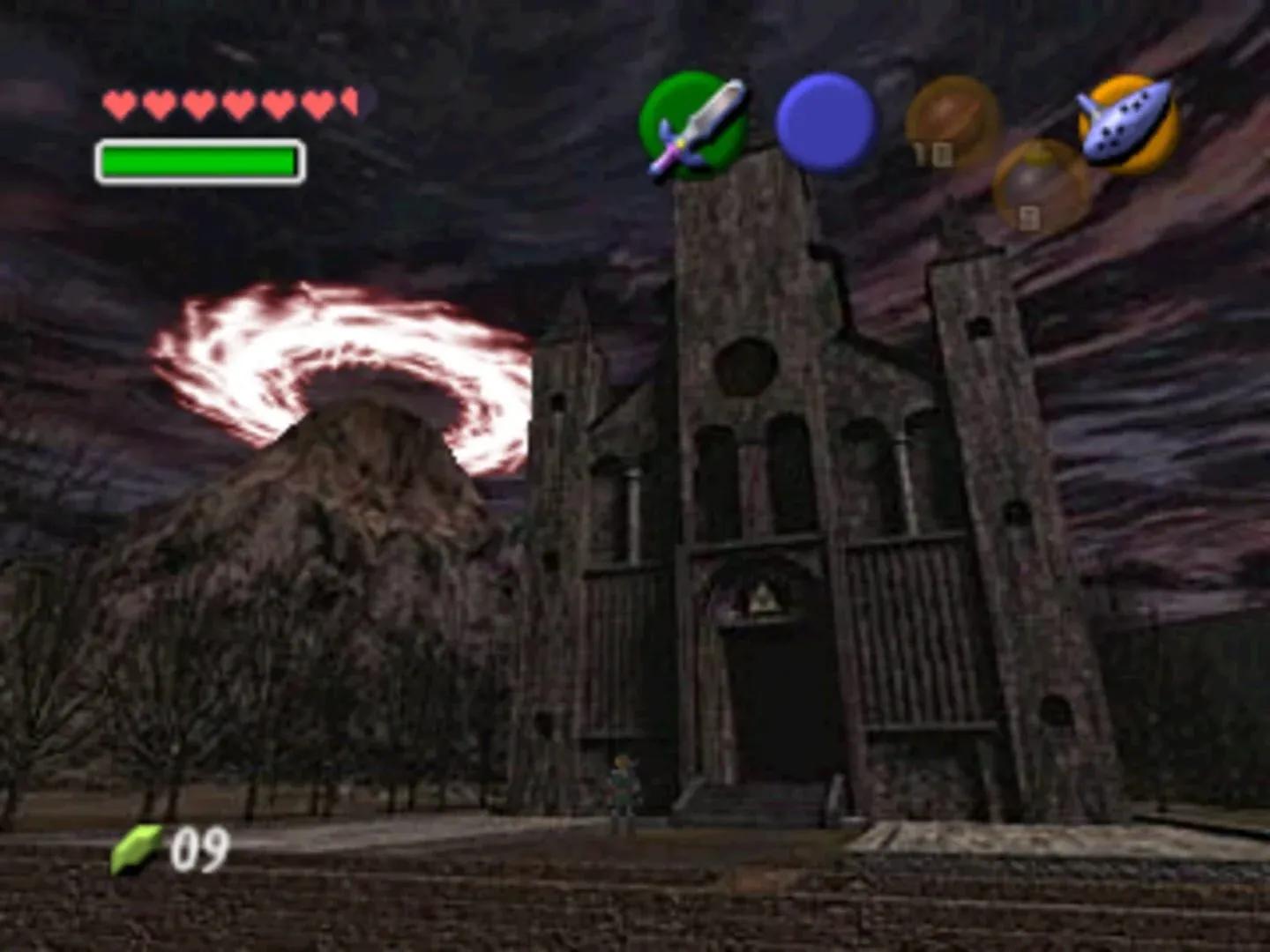
The Legend of Zelda: Ocarina of Time is the fifth entry in Nintendo's Zelda series and the first to make the jump to 3D. Developed by Nintendo Entertainment Analysis & Development and published by Nintendo, the game launched on November 21, 1998, and immediately redefined what an action-adventure game could be. Link's journey from a young Kokiri boy to the adult Hero of Time remains one of gaming's most memorable coming-of-age stories, built around a world that feels alive and purposeful at every turn.
The story puts you in control of Link, a boy raised among the Kokiri people in a forest village who has never had a fairy of his own. That changes when Navi arrives with a dire message from the Great Deku Tree, a guardian spirit cursed by a mysterious outsider. What starts as a simple errand quickly expands into a full-scale race against Ganondorf, the Gerudo king scheming to claim the Triforce, a sacred relic capable of granting its holder unlimited power. Princess Zelda, watching Ganondorf's movements from Hyrule Castle, becomes Link's unlikely ally and the key to understanding what the Triforce actually means for Hyrule's future.
Gameplay and mechanics
Ocarina of Time's core gameplay loop centers on exploration, dungeon crawling, and puzzle solving, but the execution set it apart from everything before it. Key mechanics include:
- Z-targeting lock-on combat system
- Music-based puzzle solving with the ocarina
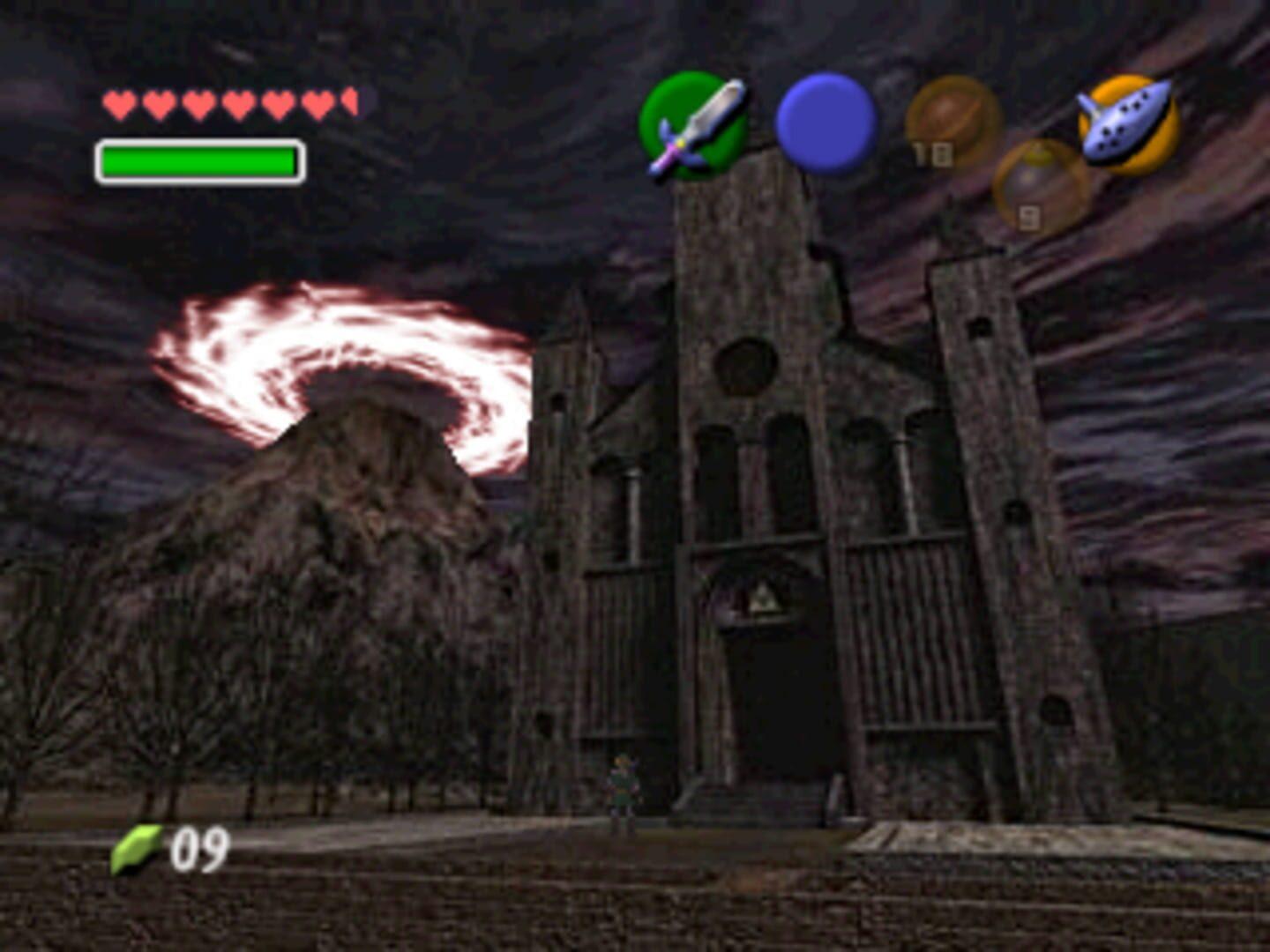
- Child and adult Link with distinct abilities
- Time-travel between past and future Hyrule
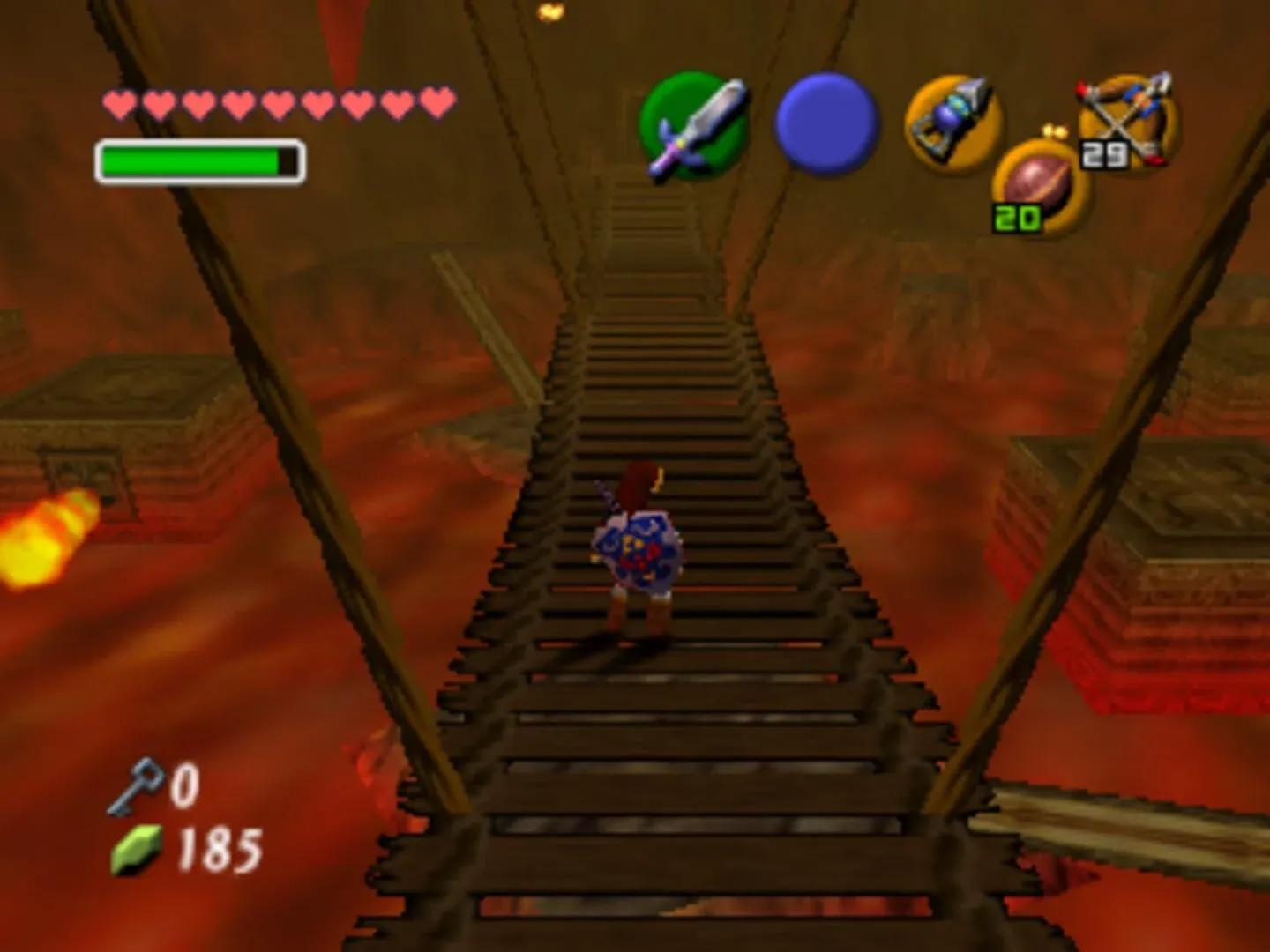
- Item-gated dungeon progression
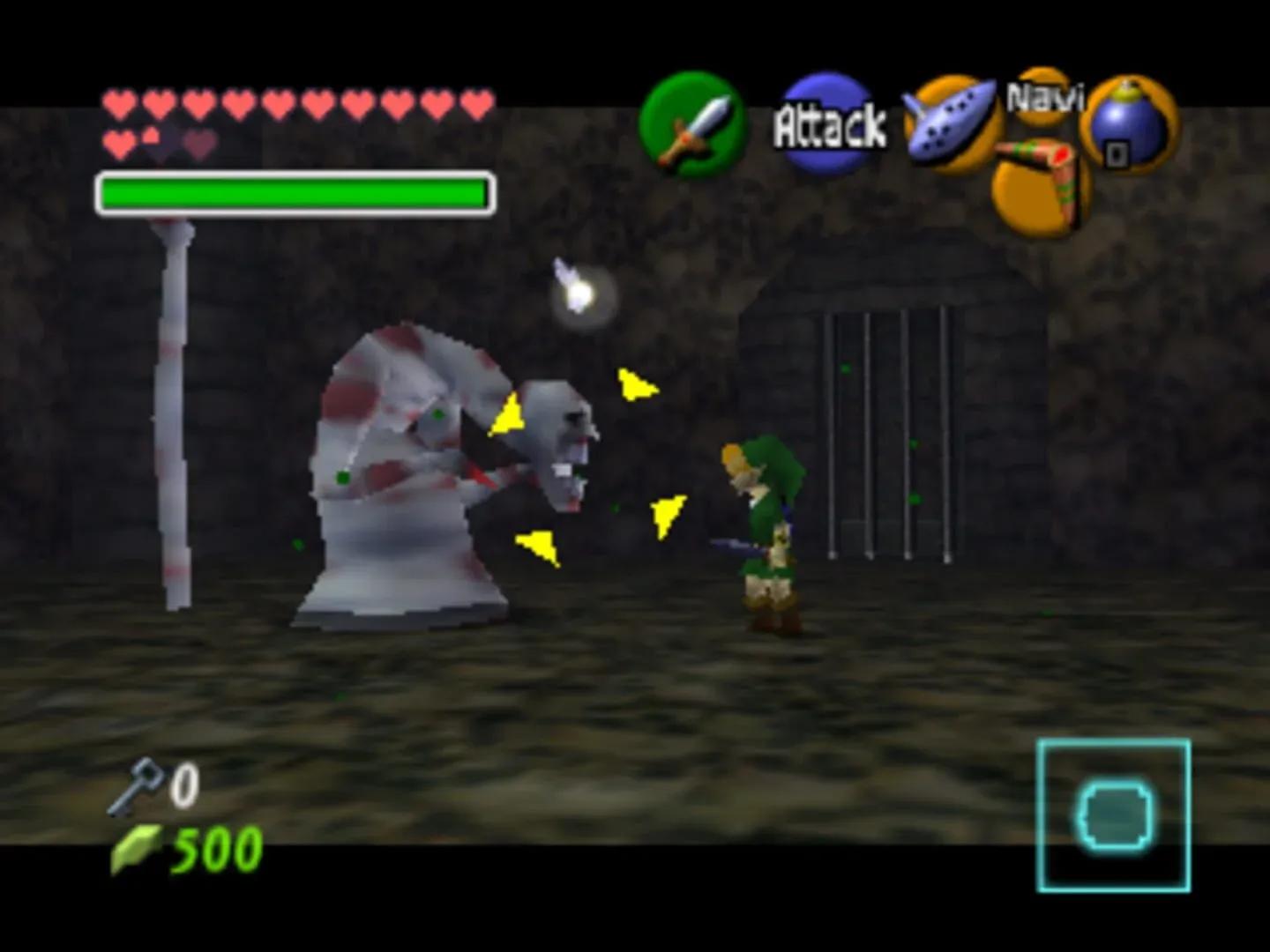
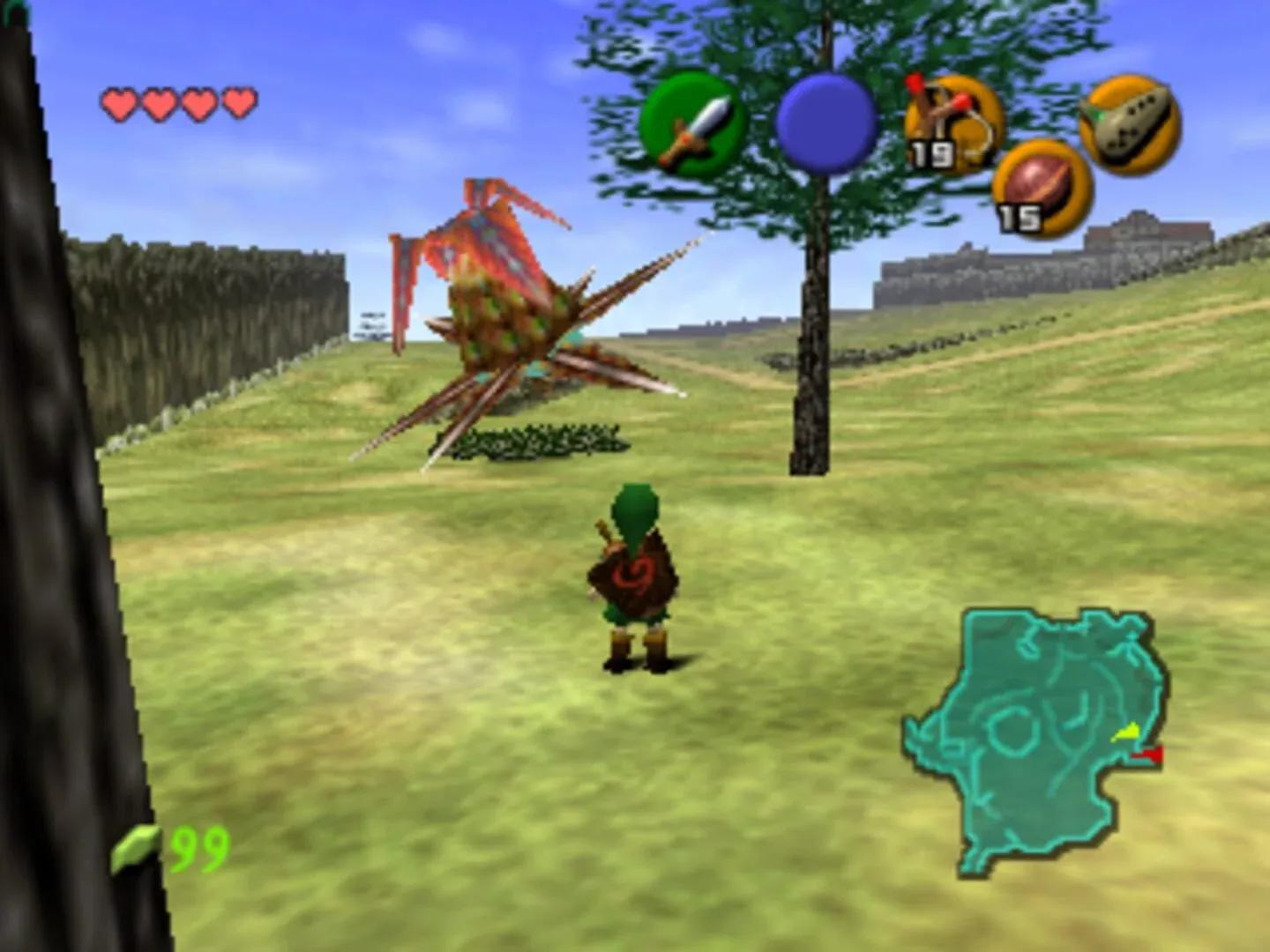
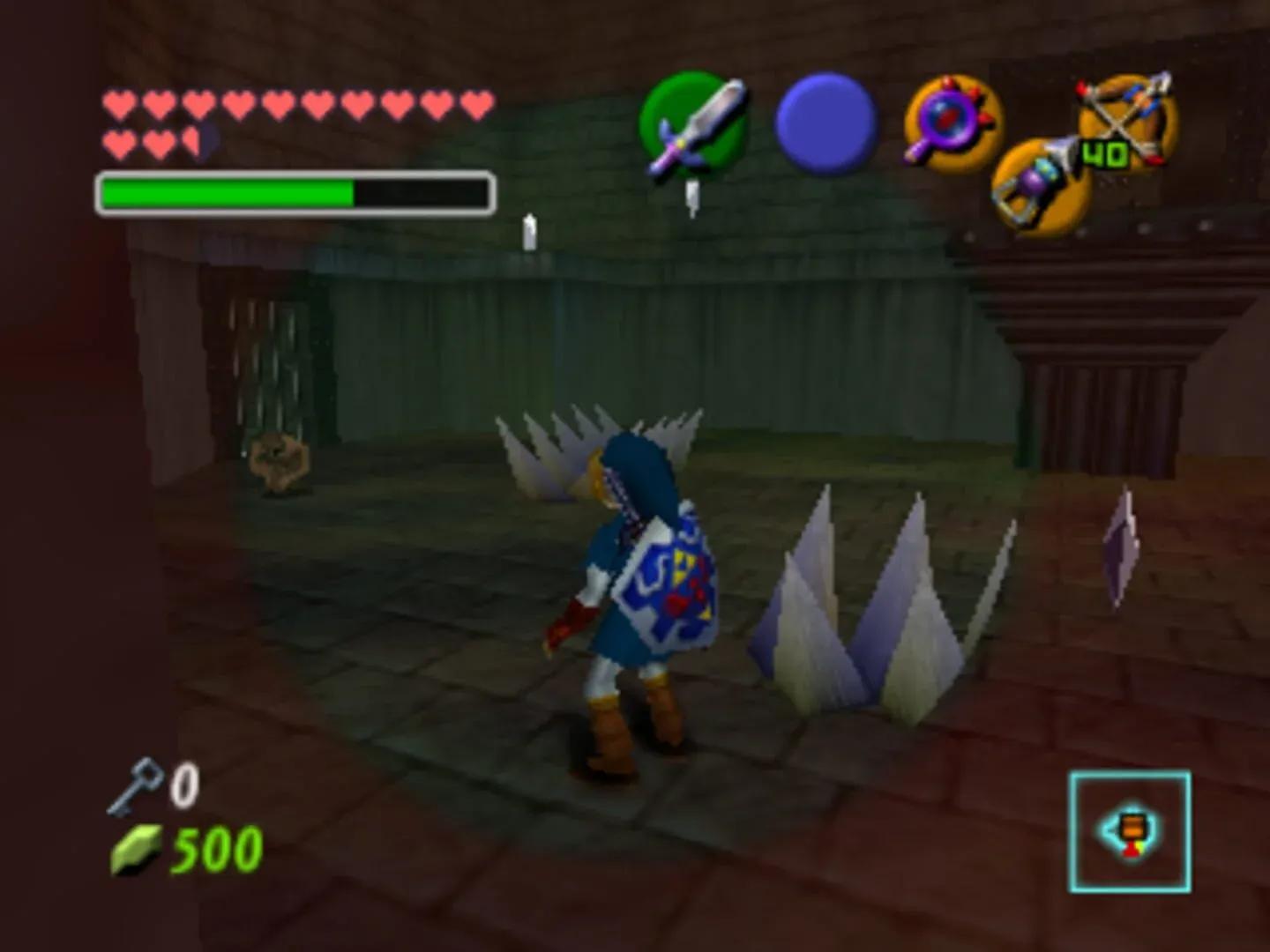
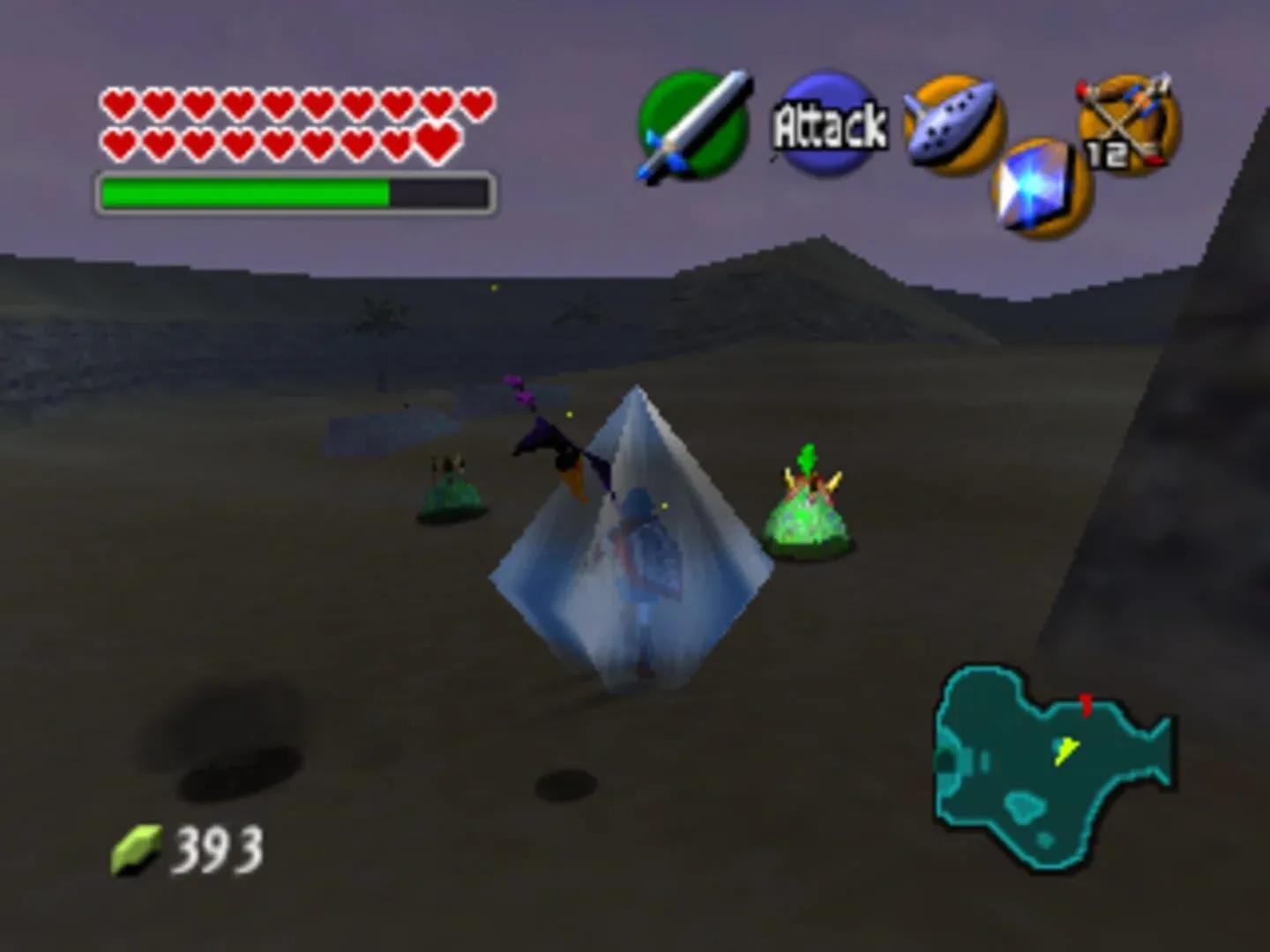
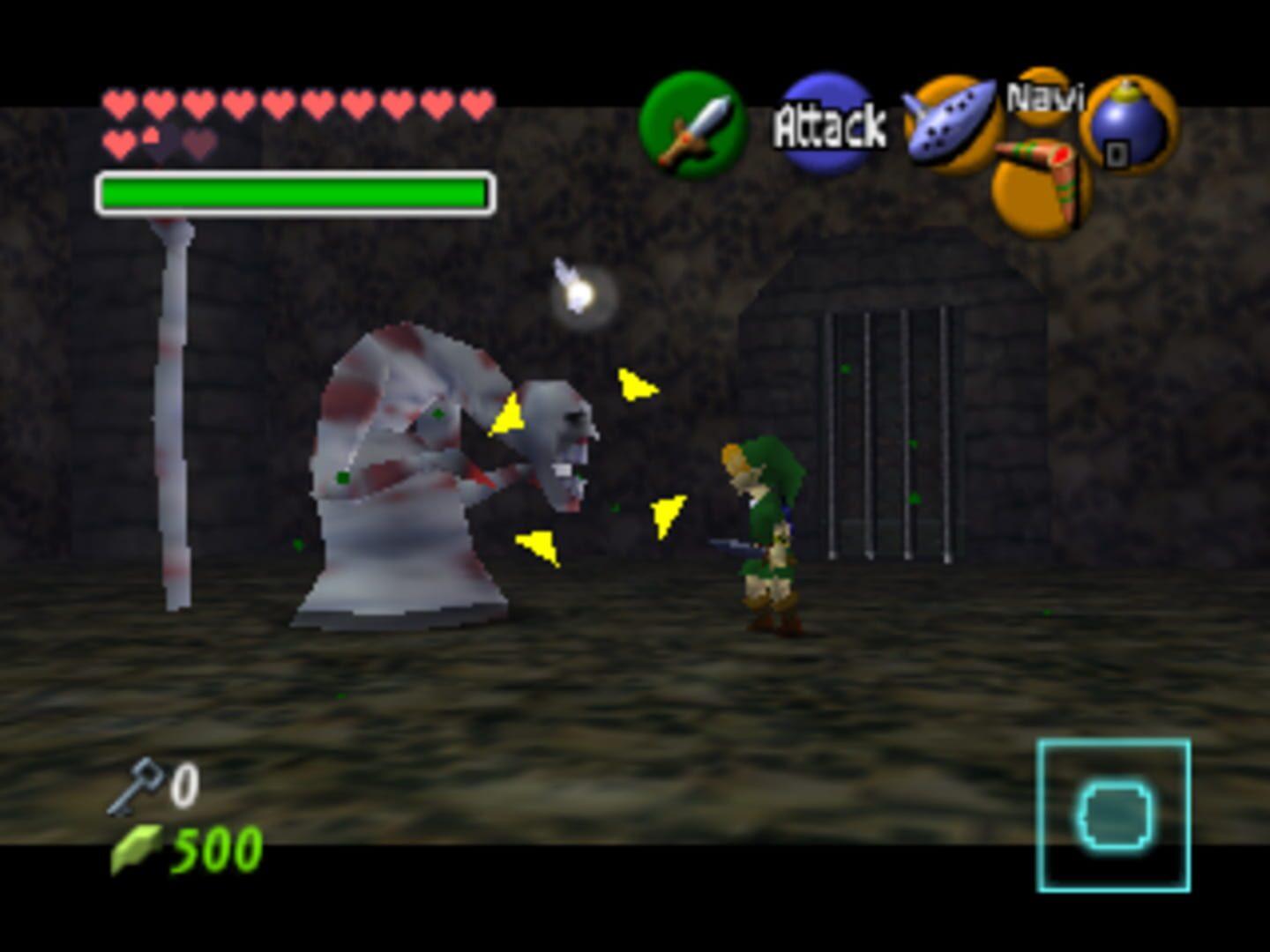
The Z-targeting system alone changed how 3D action games handled combat. By locking onto enemies, Link can strafe, dodge, and attack with precision that felt intuitive in a way that no 3D action game had managed before. Dungeons are more puzzle-focused than in earlier Zelda entries, but the difficulty stays measured, rewarding observation and item use over brute-force trial and error.
The music system: how does the ocarina work?
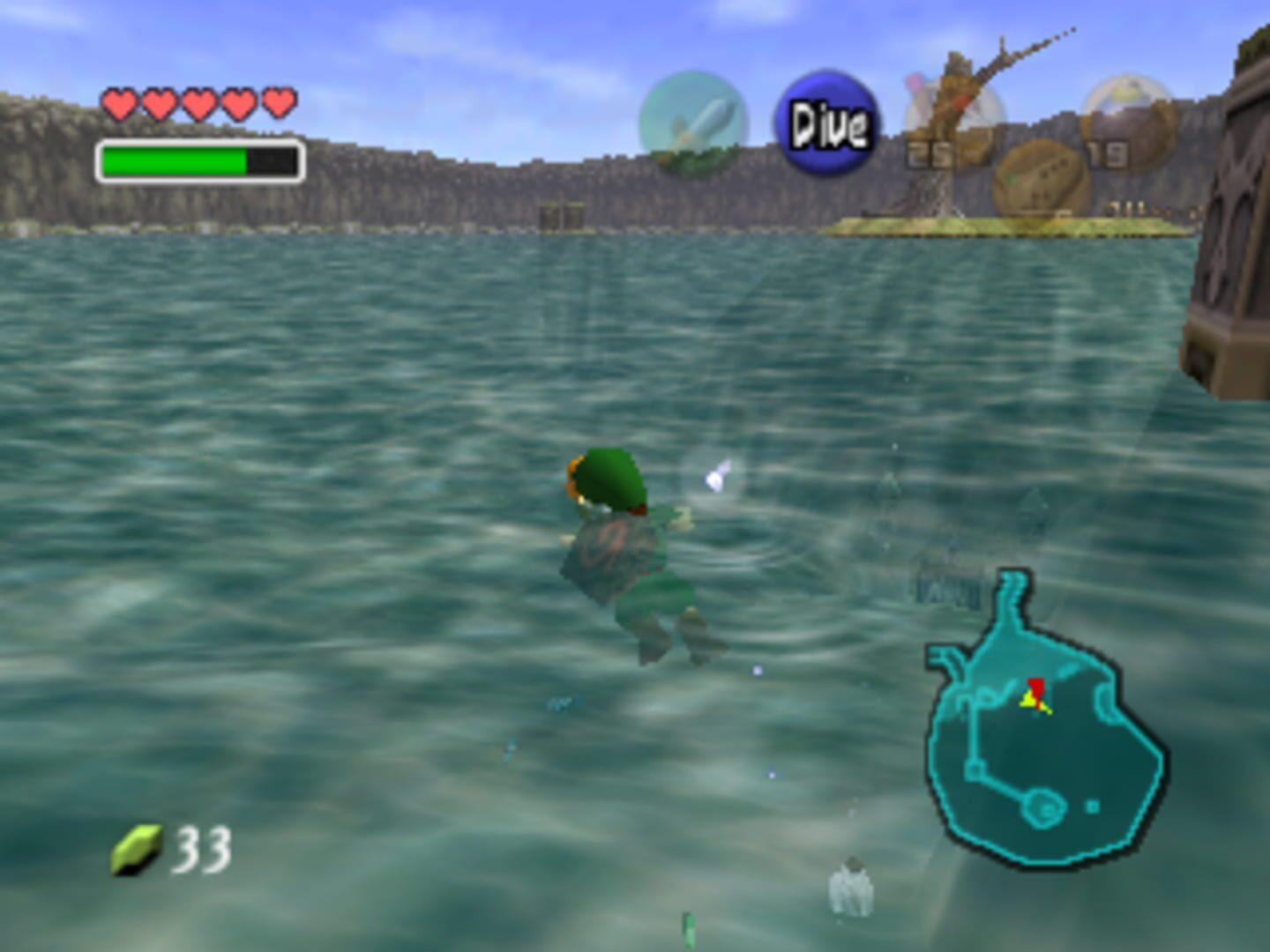
The ocarina is not just flavor. As Link learns new songs throughout the adventure, each one unlocks a specific function in the world. Some songs warp Link to key locations instantly. Others change the time of day, summon rain, or open sealed doors. The Saria's Song, Song of Time, and Epona's Song each carry weight both mechanically and narratively, tying the soundtrack directly into how players move through the world.
This integration of music into puzzle design was genuinely new in 1998 and remains one of the most distinctive features in the action-adventure genre. Composer Koji Kondo's score is inseparable from the experience, with each area of Hyrule carrying its own musical identity that players still recognize decades later.
Impact and legacy
Ocarina of Time routinely appears at or near the top of greatest games ever made lists, and the reasons are concrete rather than nostalgic. The Z-targeting system influenced third-person action games well beyond the Zelda series. The dual-timeline structure, where the consequences of Link's actions as a child reshape the adult world, gave the narrative a weight that adventure games rarely attempted at the time.
The game's dungeon design philosophy, where each temple introduces a new item and then asks the player to master that item before the final boss, became a template that later Zelda titles and countless action-adventure games followed directly. Ocarina of Time did not just succeed on release. It defined a genre approach that held for over a decade.