Overview
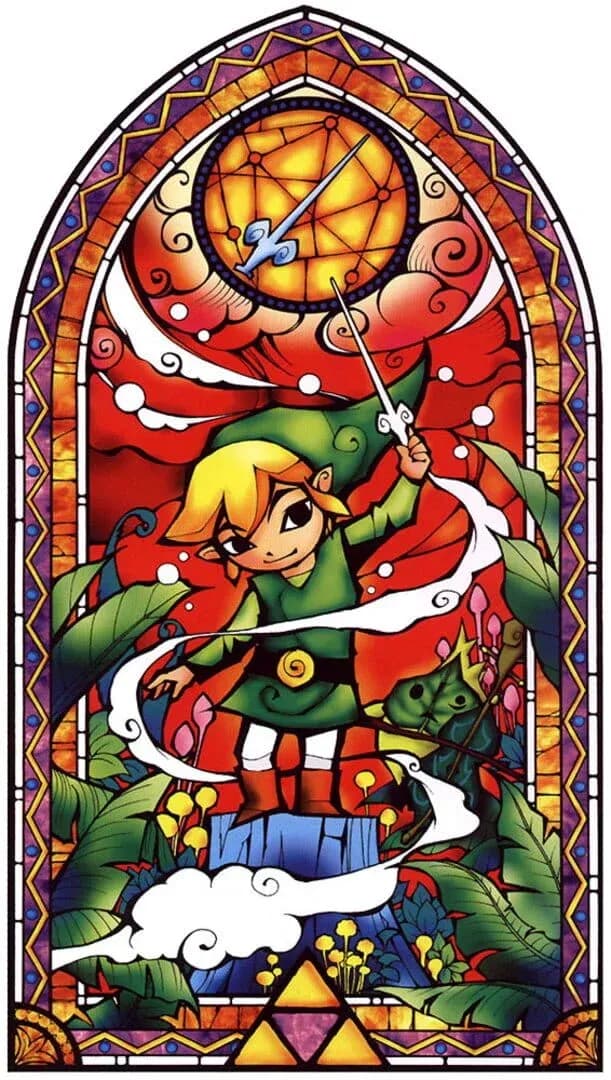
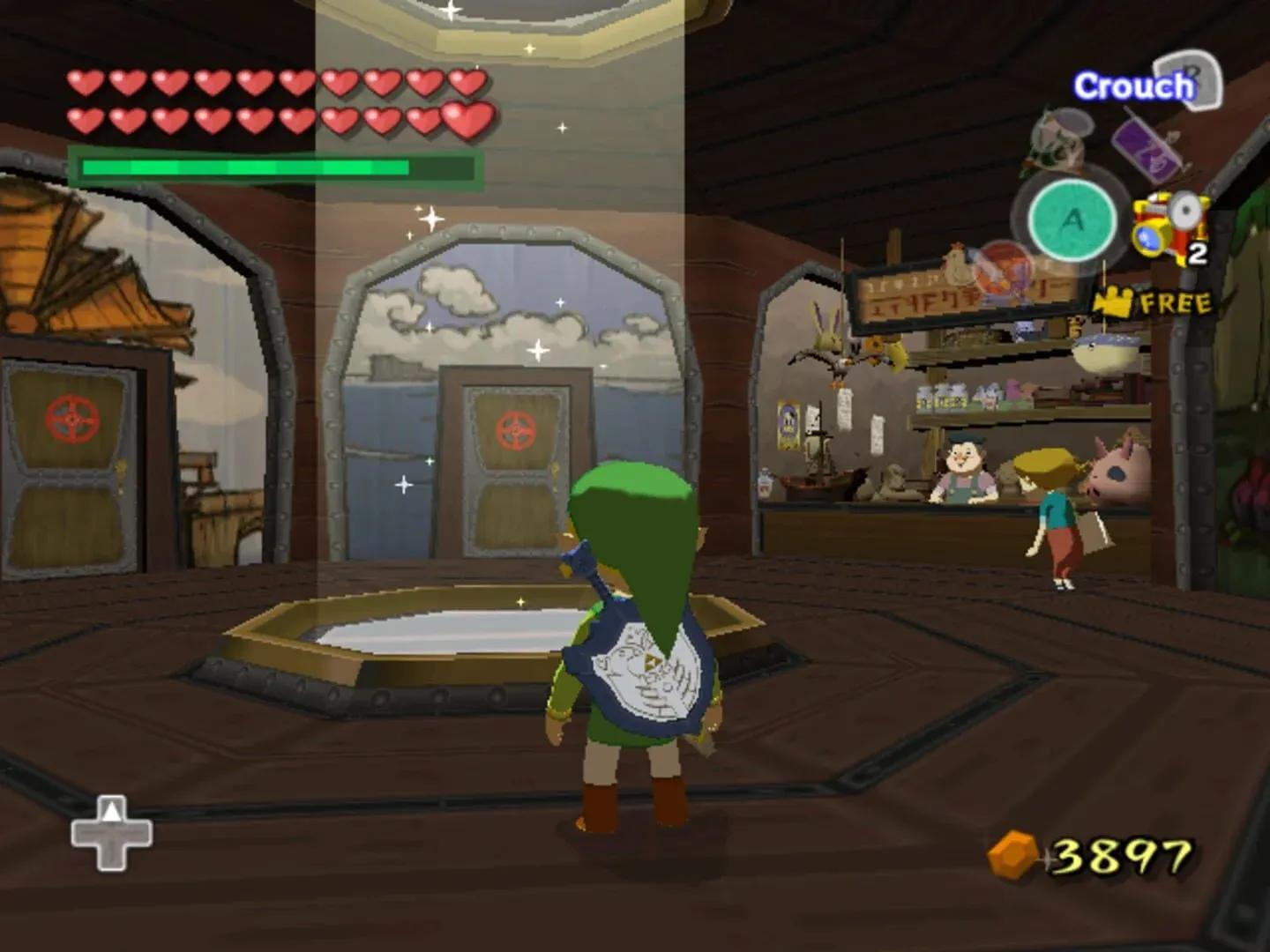
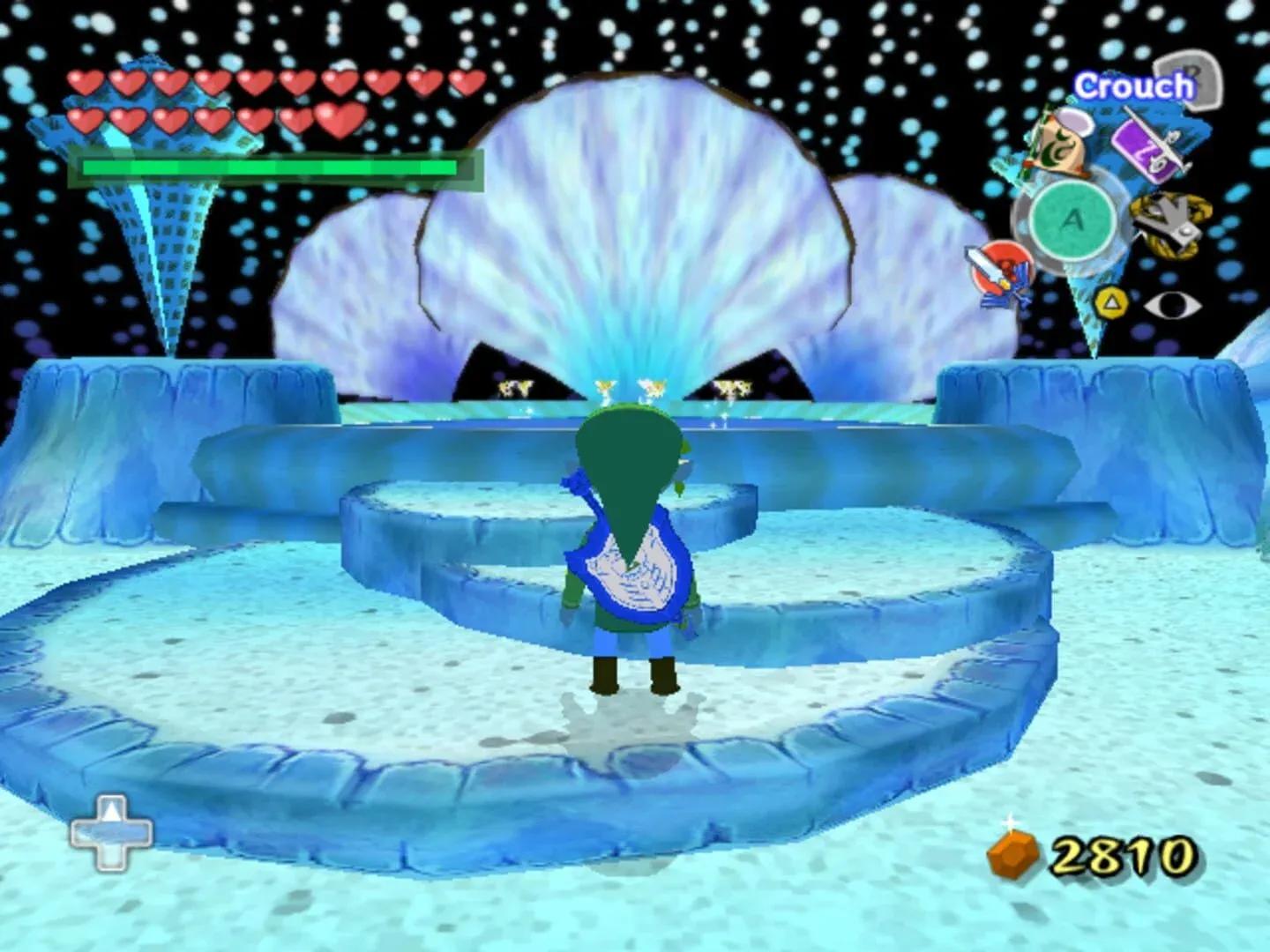
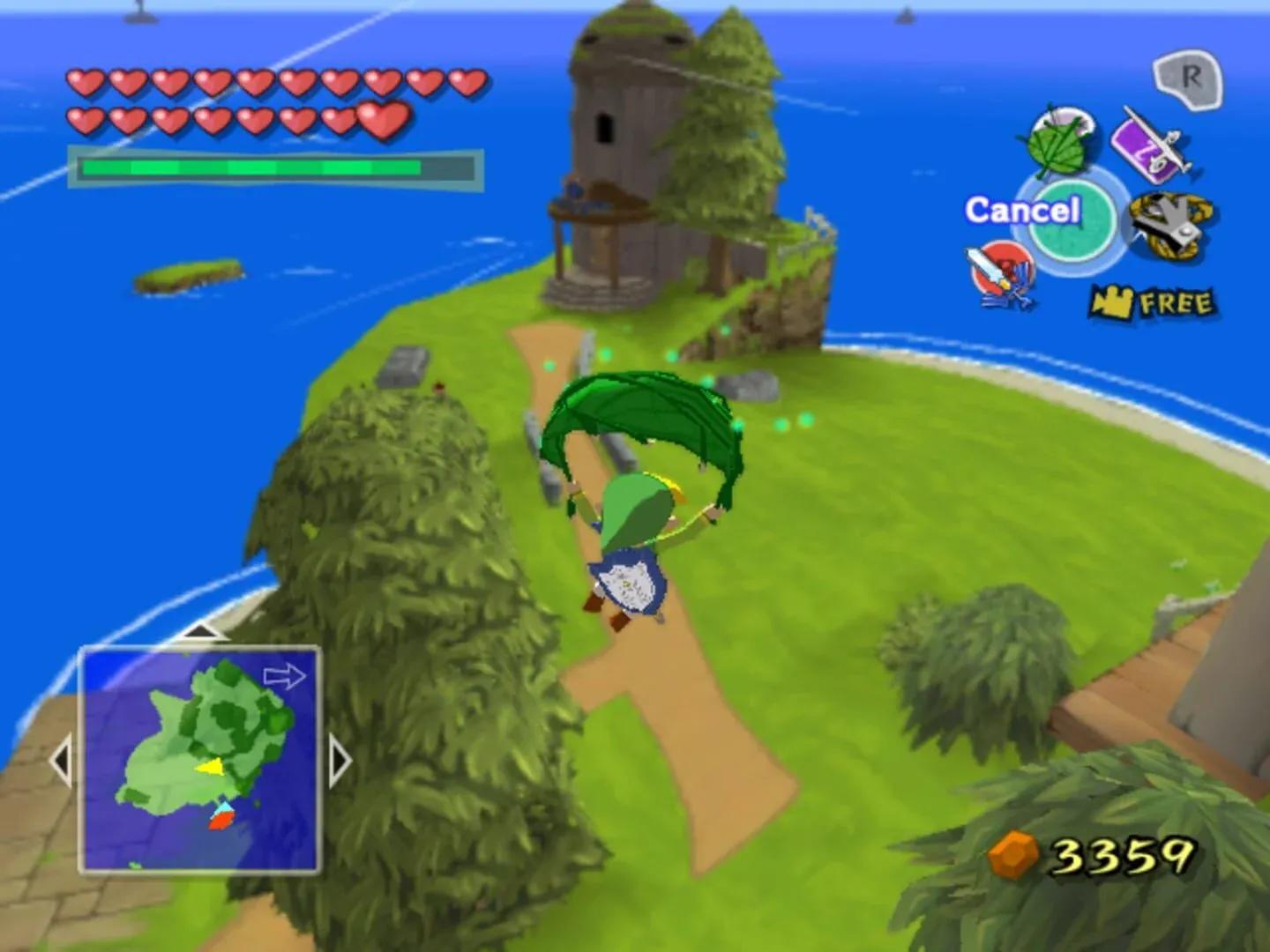
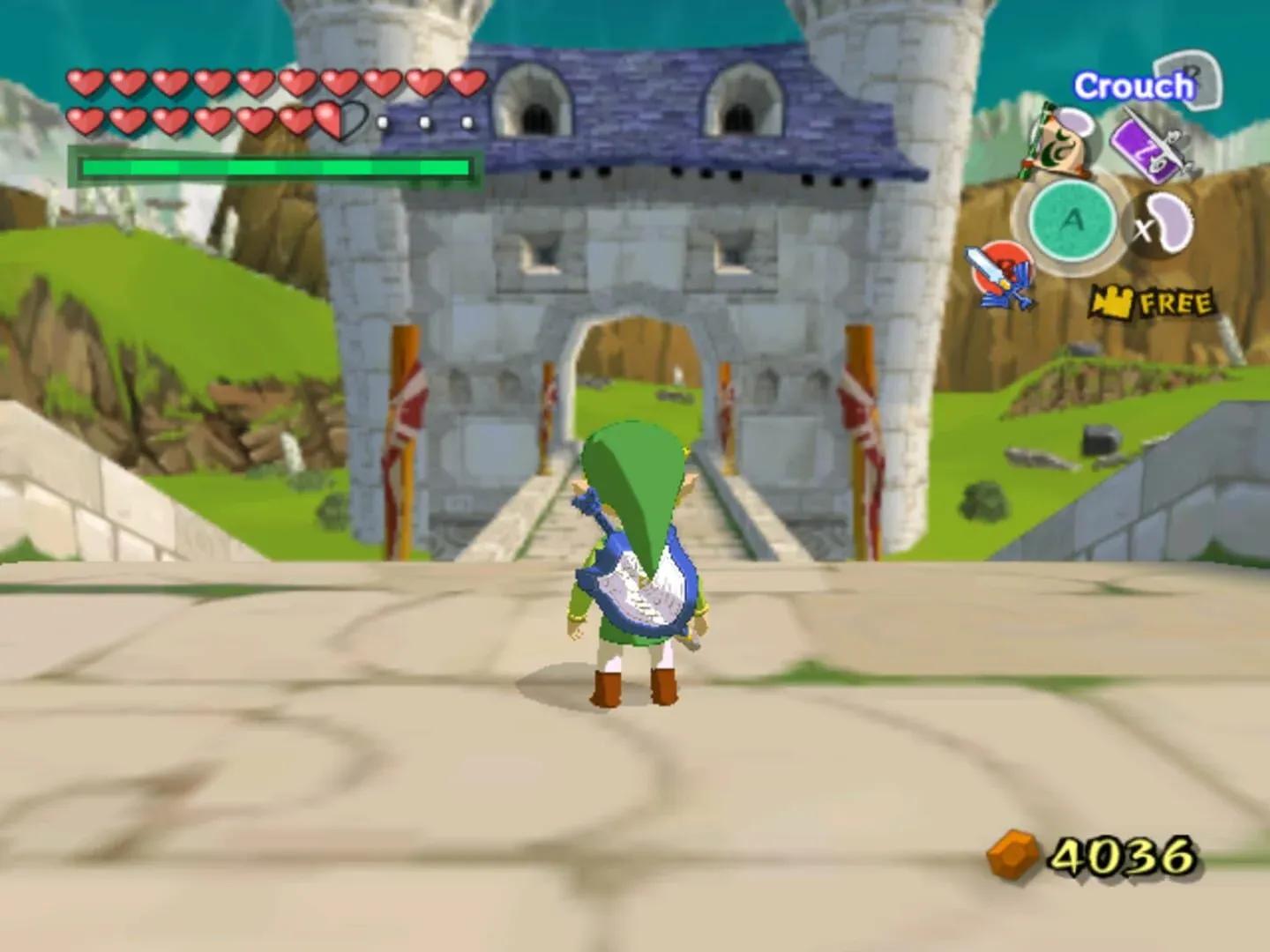
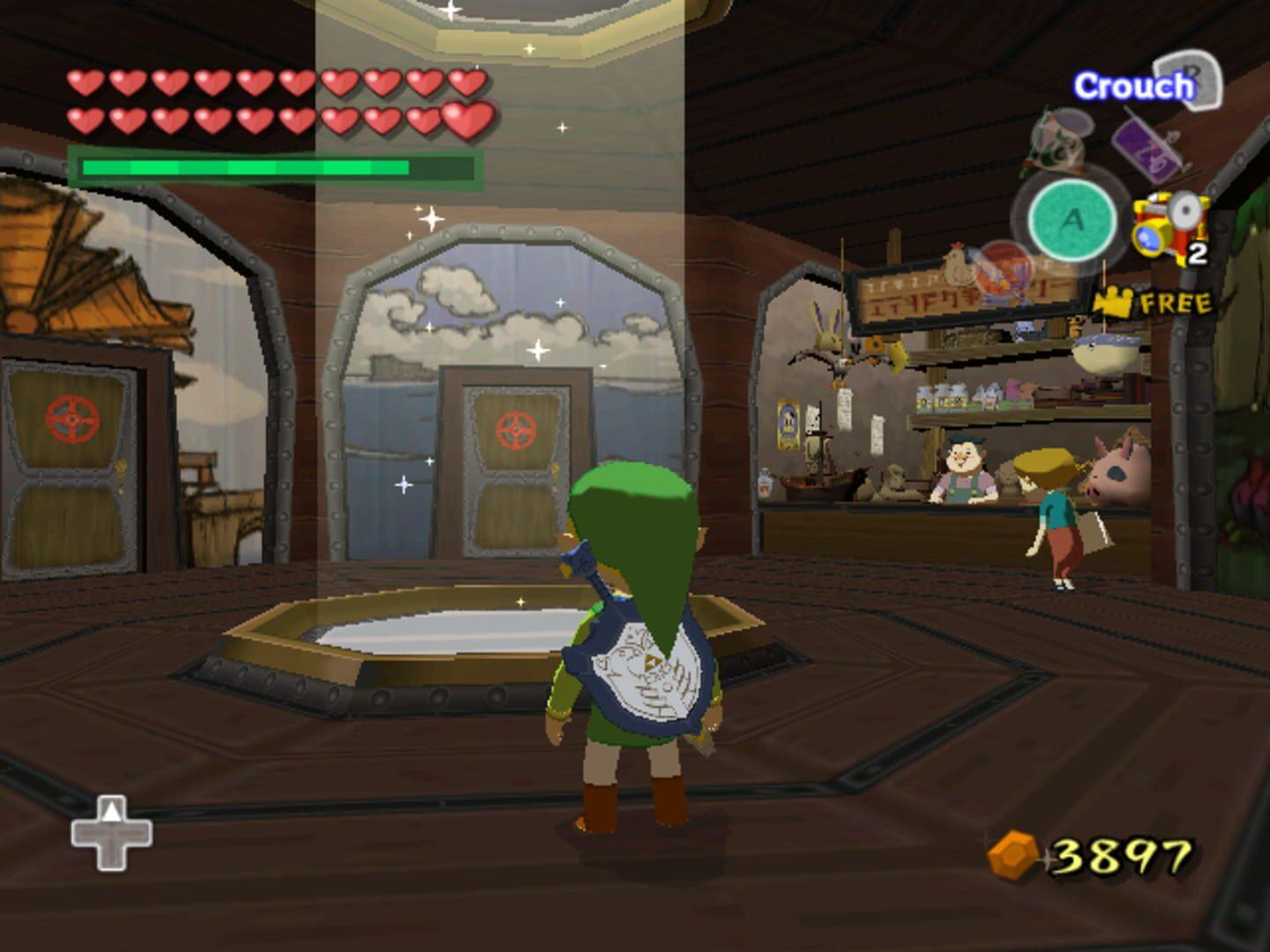
The Legend of Zelda: The Wind Waker was the first Zelda title built for the Nintendo GameCube, and Nintendo EAD Software Development Group No.3 used that debut to take the series in a direction nobody expected. Where Ocarina of Time and Majora's Mask leaned into a grittier, more realistic aesthetic, Wind Waker committed fully to cel-shading, a rendering technique that gives the game its signature cartoon appearance. Link's exaggerated expressions, the watercolor-style sky, the way light bends across the ocean surface at dusk, all of it feels deliberate and considered rather than a technical shortcut.
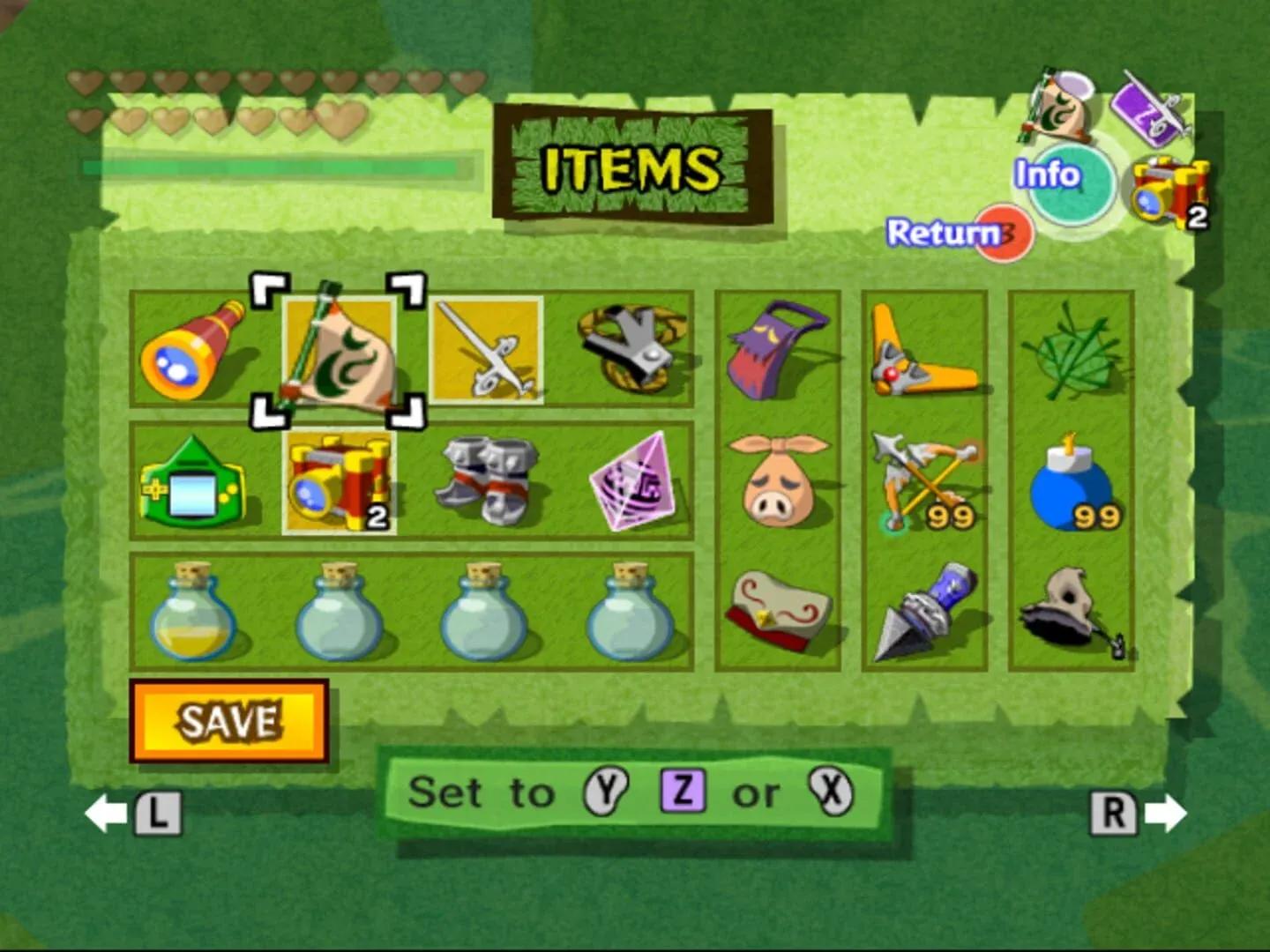
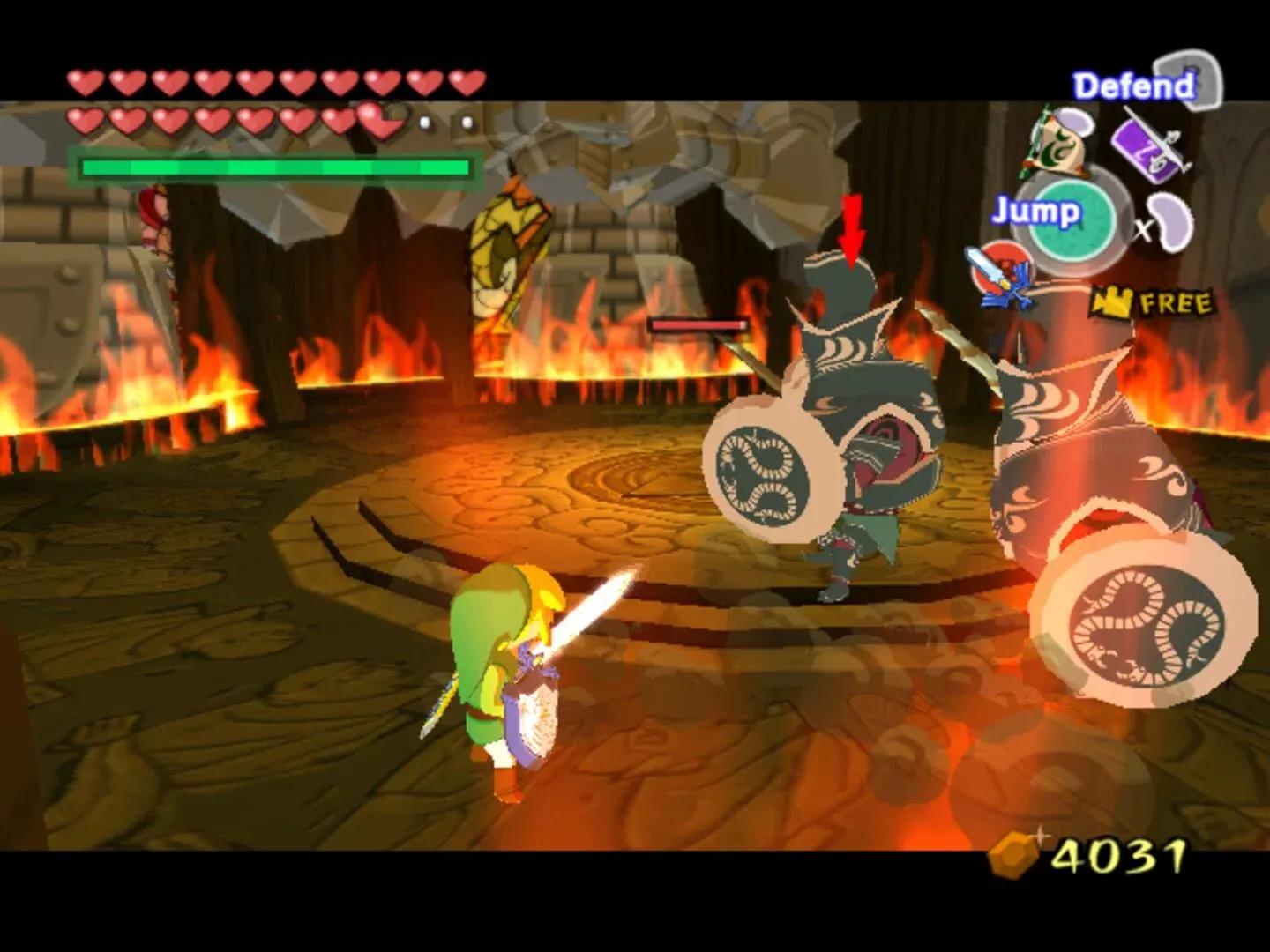
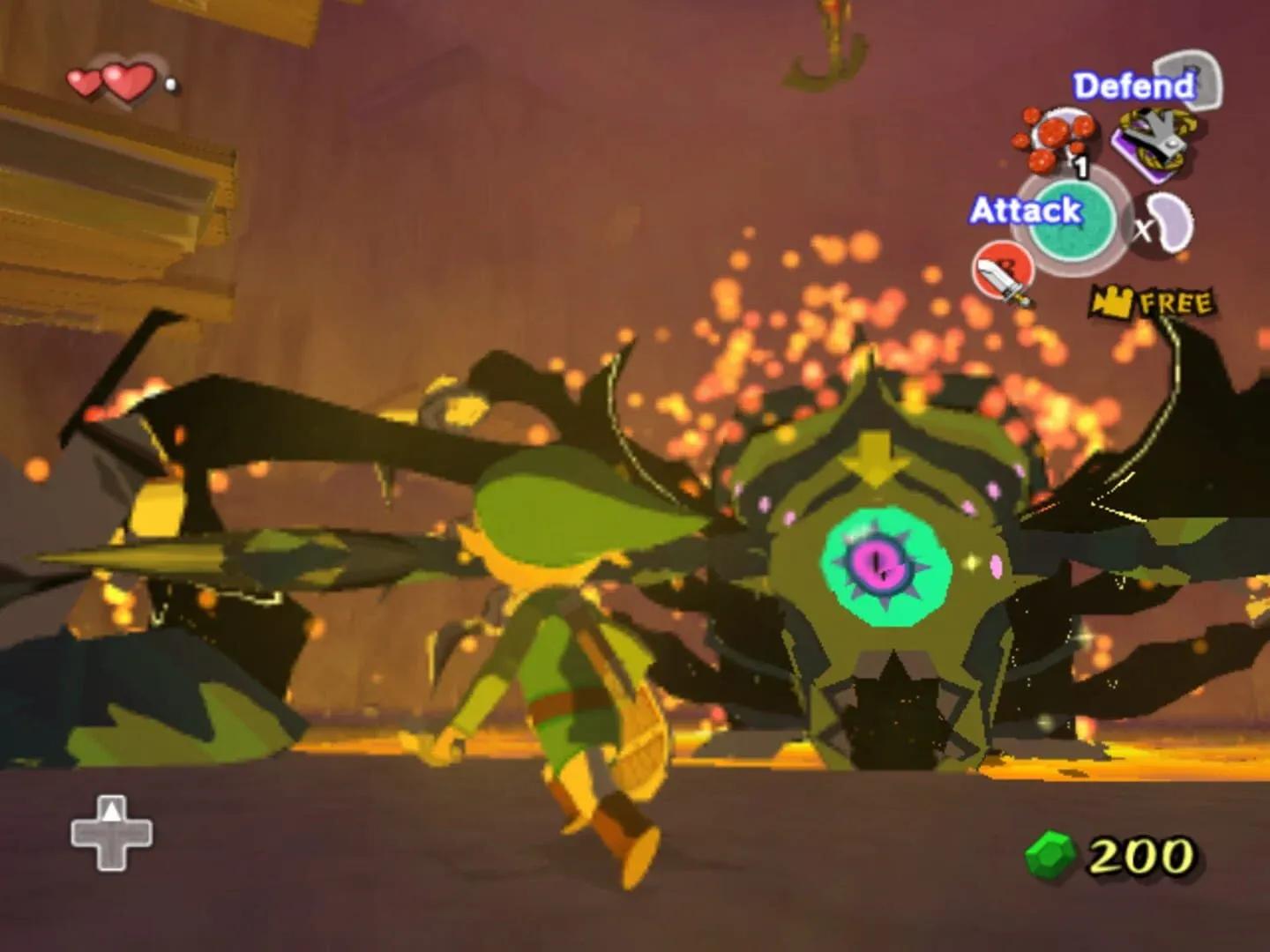
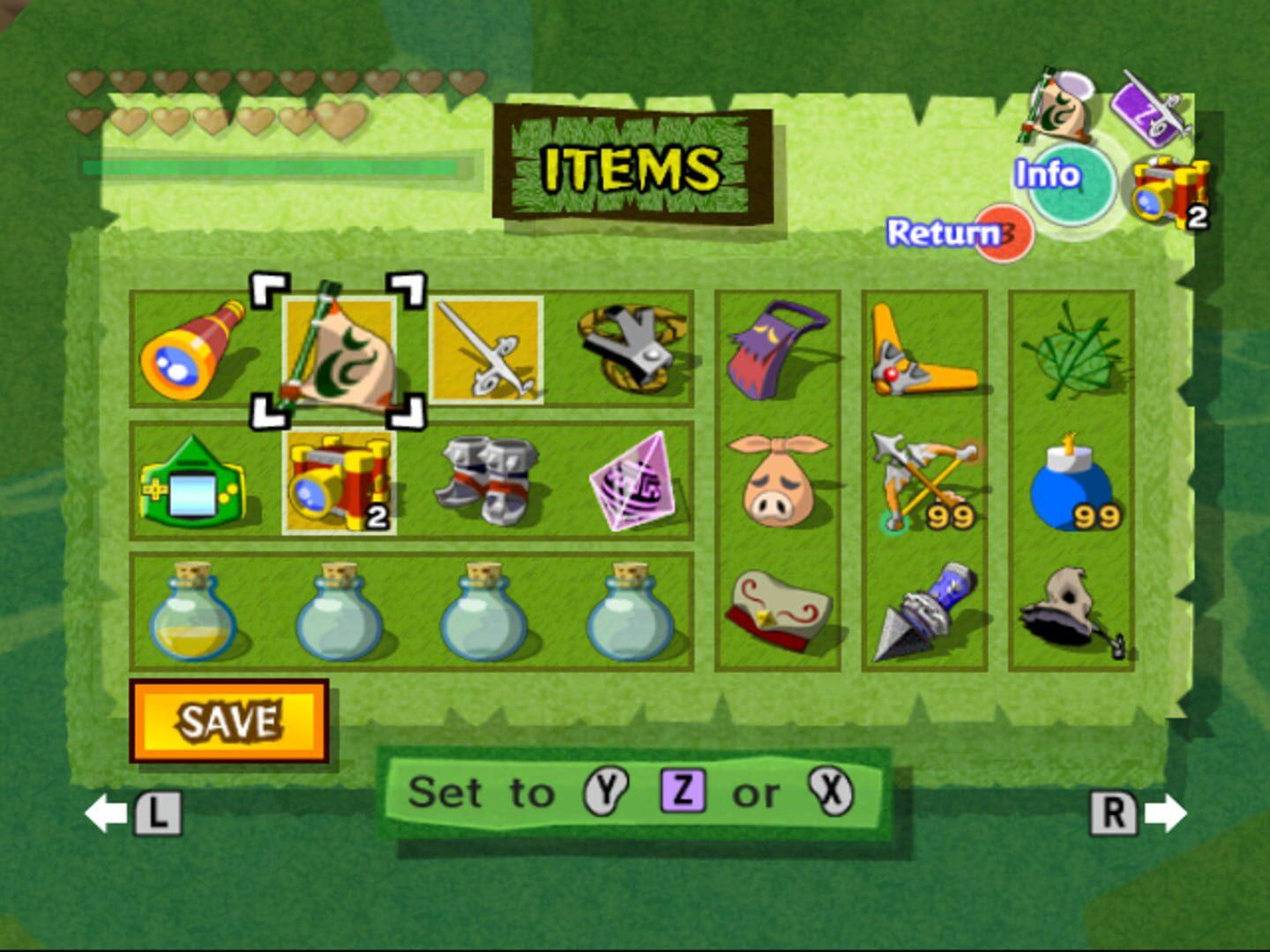
The core gameplay will feel familiar to anyone who spent time with Ocarina of Time. Combat revolves around Z-targeting, sword combos, and a growing toolkit of items collected through dungeon exploration. The puzzle design sits at the heart of the experience, with each temple built around a specific item that reshapes how you interact with the environment. Wind Waker doesn't reinvent that formula, but it executes it with enough confidence that the structure never feels tired.
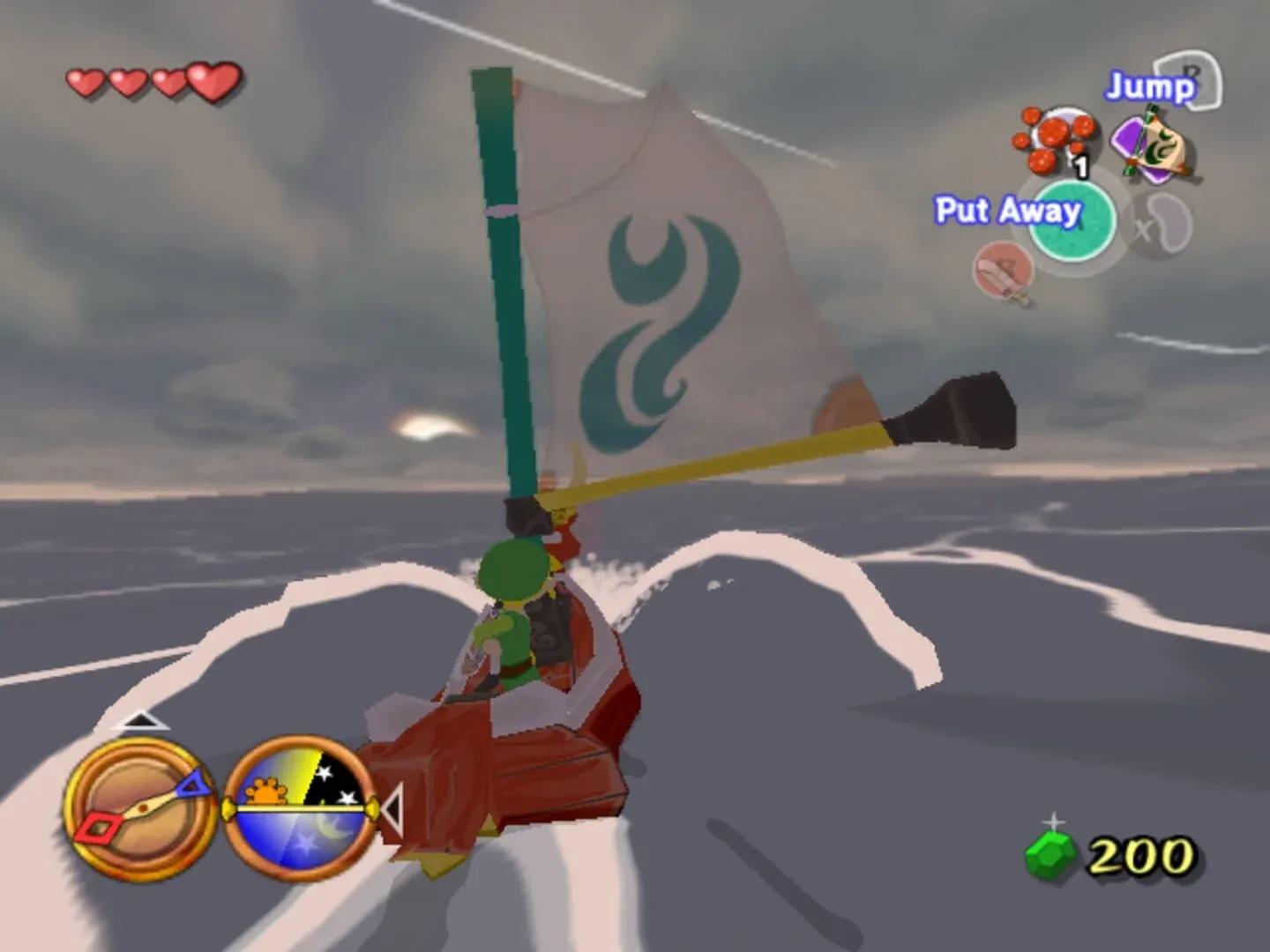
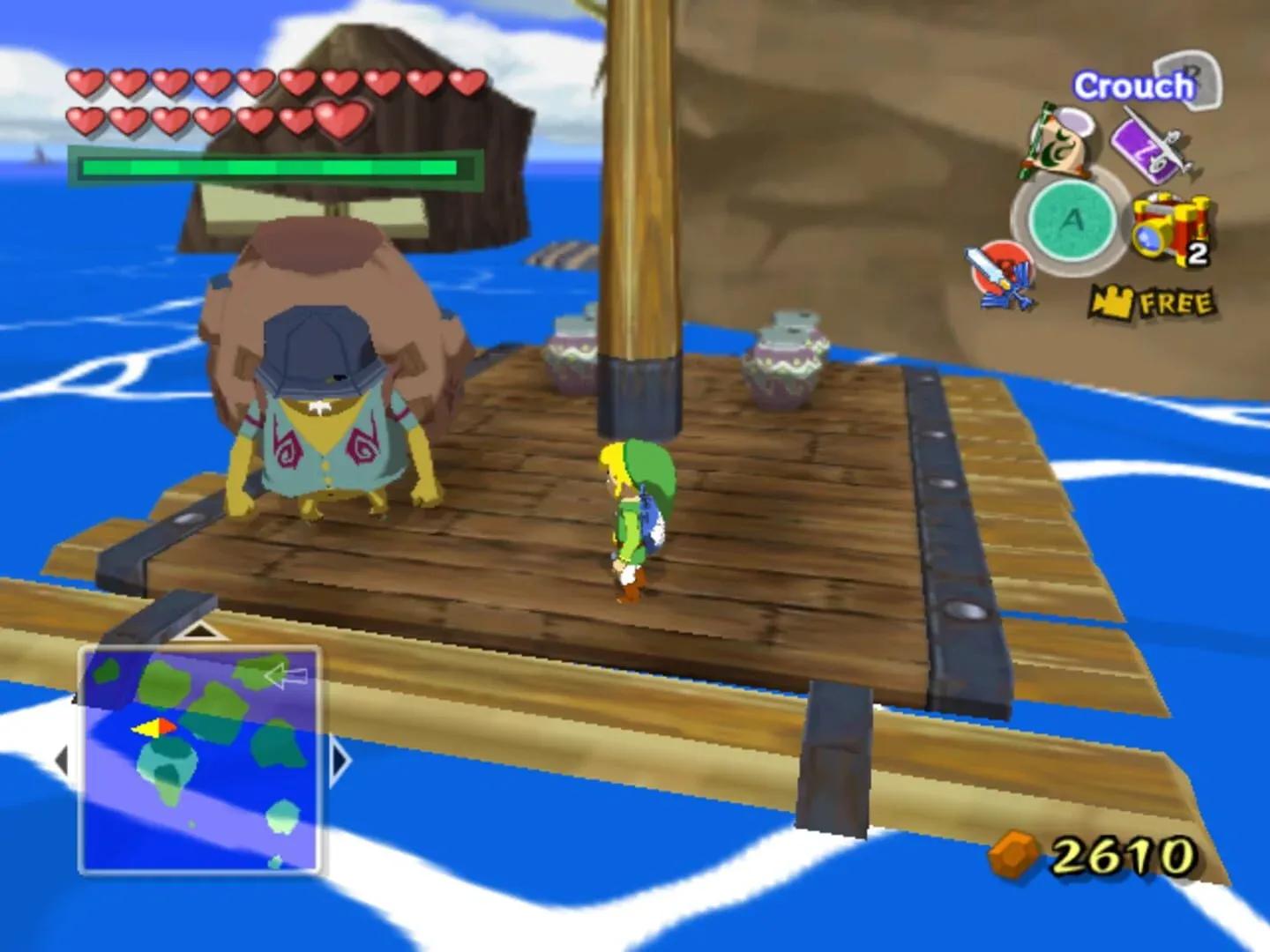
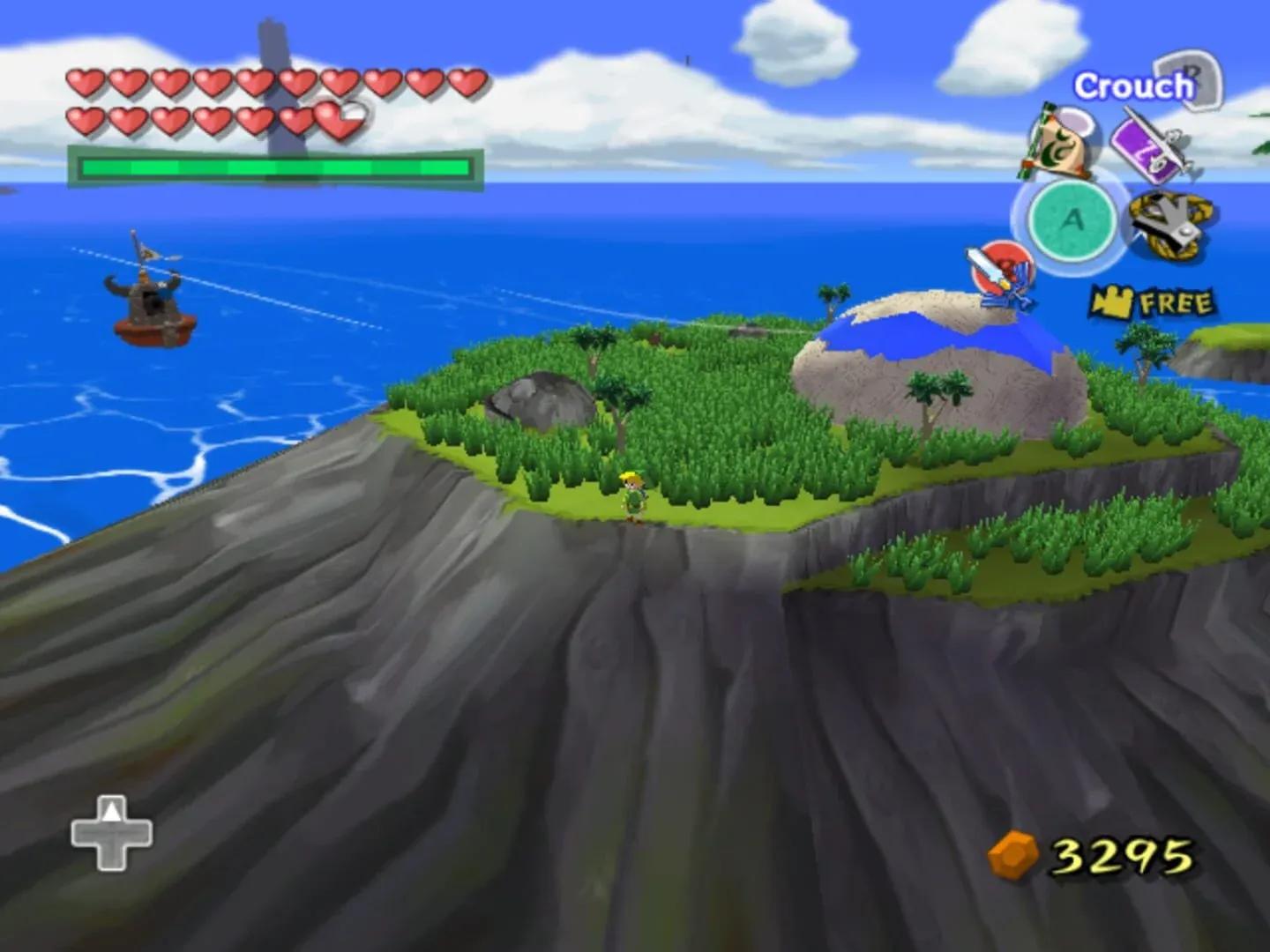
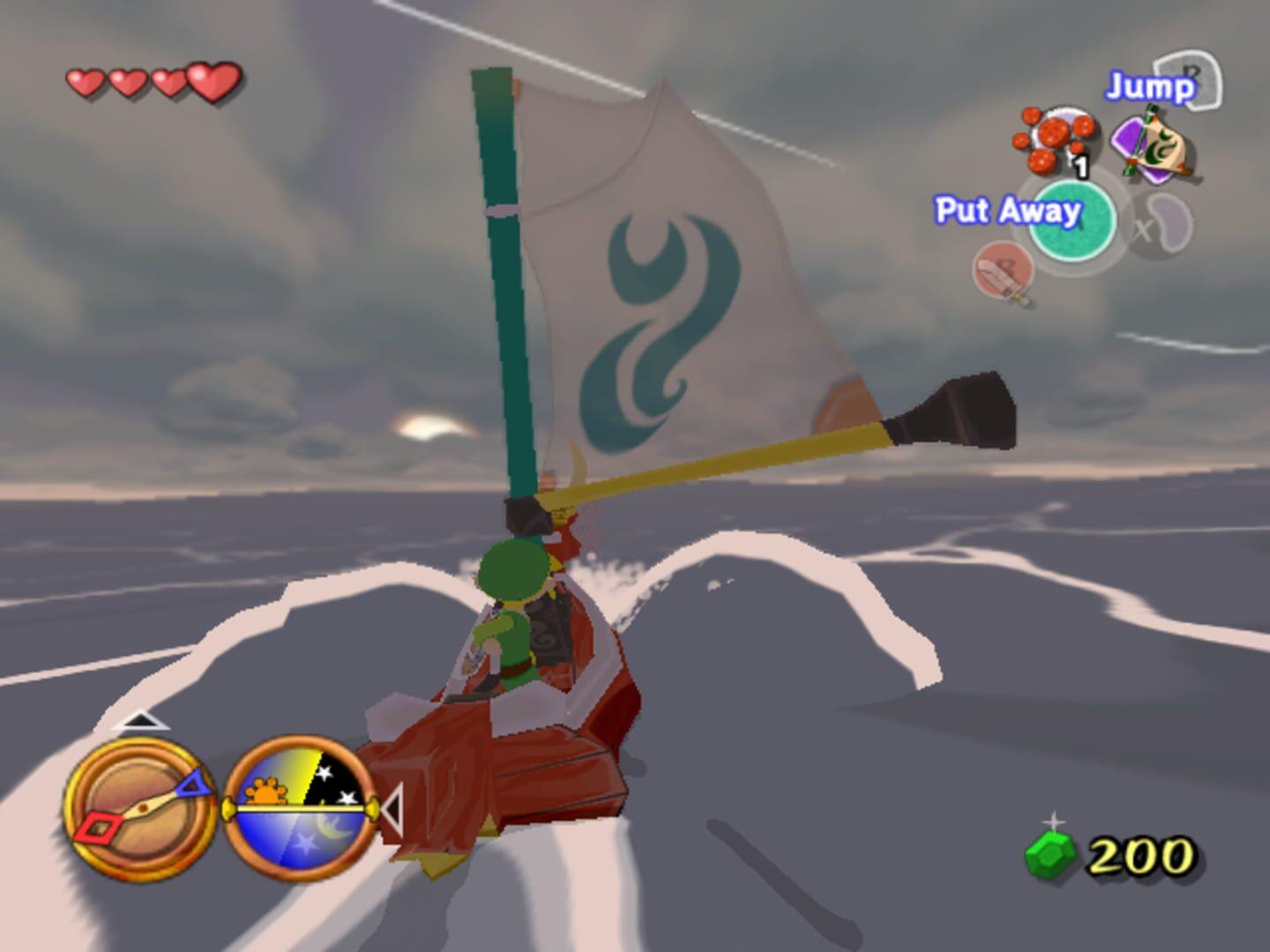
What separates Wind Waker from its predecessors is the Great Sea itself. The overworld is a massive grid of ocean squares, each hiding islands, secrets, and side content. Navigating it requires the King of Red Lions, a talking boat that becomes Link's constant companion. Wind management through the Wind Waker baton is central to sailing and to several puzzle and combat mechanics throughout the game.
Gameplay and mechanics
Wind Waker's action-adventure loop follows the classic Zelda structure: explore the world, locate dungeons, acquire items, defeat bosses, advance the story. The pacing here is worth understanding before you start.
- Sailing dominates the mid-to-late game
- Dungeons are fewer than in earlier Zelda titles
- The Triforce quest in the final act is notably time-consuming
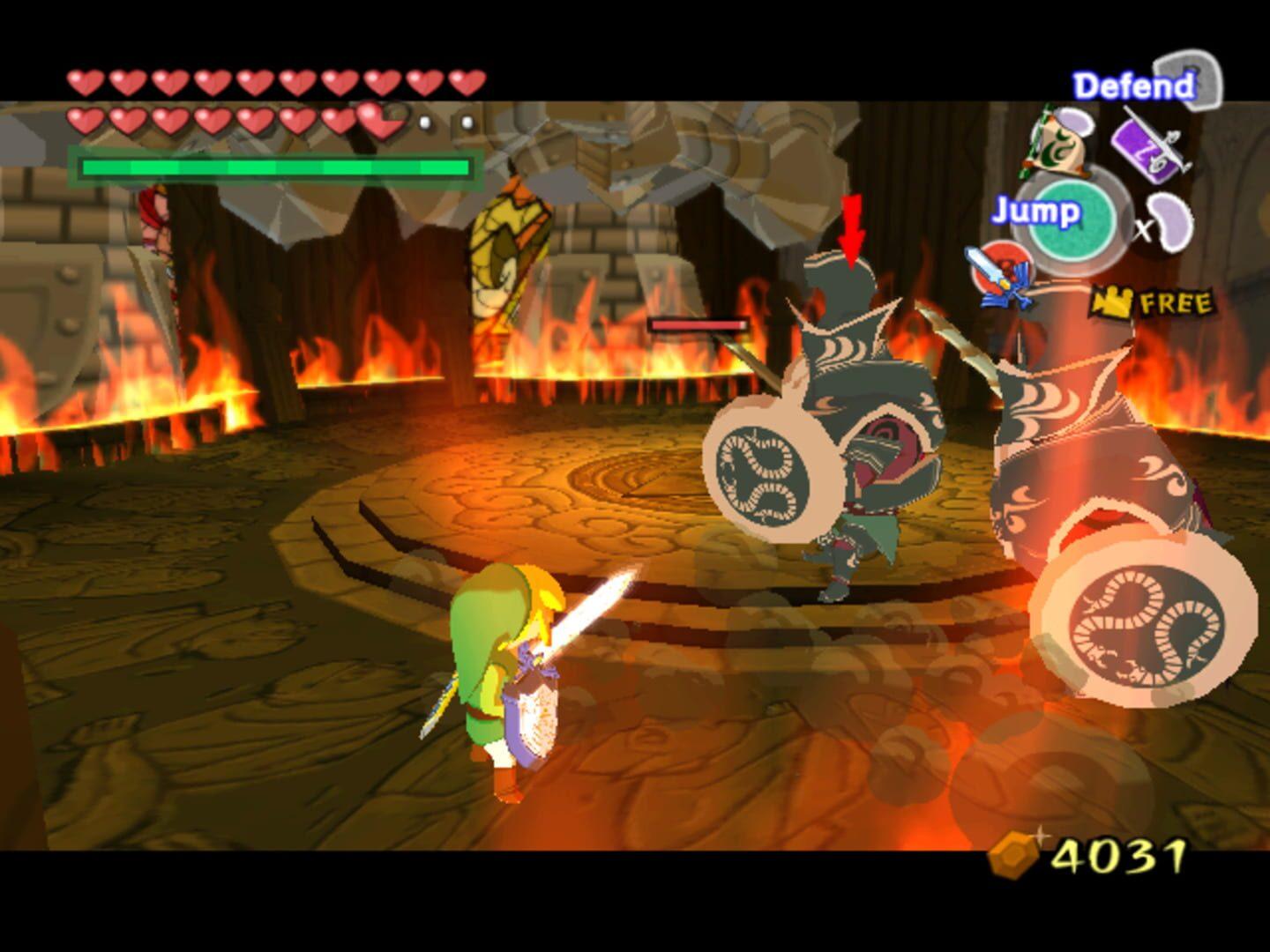
- Combat uses Z-targeting with context-sensitive finishing moves
- The Wind Waker baton controls weather and triggers musical puzzles
The baton mechanics are genuinely clever. Conducting specific songs shifts wind direction for sailing, awakens statues, or manipulates time in limited ways. It's a system that weaves music into gameplay rather than treating it as a menu option.
World and setting
Set hundreds of years after the events of Ocarina of Time, Wind Waker opens with Link on Outset Island, a small community living without knowledge of the ancient hero's legend. The story kicks off when a giant bird kidnaps Link's sister, sending him into an alliance with Tetra, a sharp-tongued pirate captain who turns out to be more significant to the plot than she first appears.
The Great Sea functions as both a traversal space and a storytelling device. The world of Hyrule is literally submerged beneath it, visible only in glimpses during specific story moments. That context gives the ocean an unusual weight. Sailing between islands feels like moving through the ruins of a civilization rather than just crossing an empty map.
Visual and audio design
The cel-shaded art style was controversial when Wind Waker was first revealed in 2001. Players expecting a mature, realistic Zelda after the Spaceworld 2000 tech demo were openly disappointed. The finished game made that reaction look short-sighted. The cartoon aesthetic ages extraordinarily well precisely because it was never chasing photorealism.
Koji Kondo and Hajime Wakai's soundtrack matches the visual tone perfectly. The sailing theme shifts dynamically based on weather and speed. Dungeon music carries genuine tension. The character themes communicate personality without a single line of voiced dialogue. Wind Waker's audio design remains one of the stronger examples of music serving gameplay in the action-adventure genre.