Overview
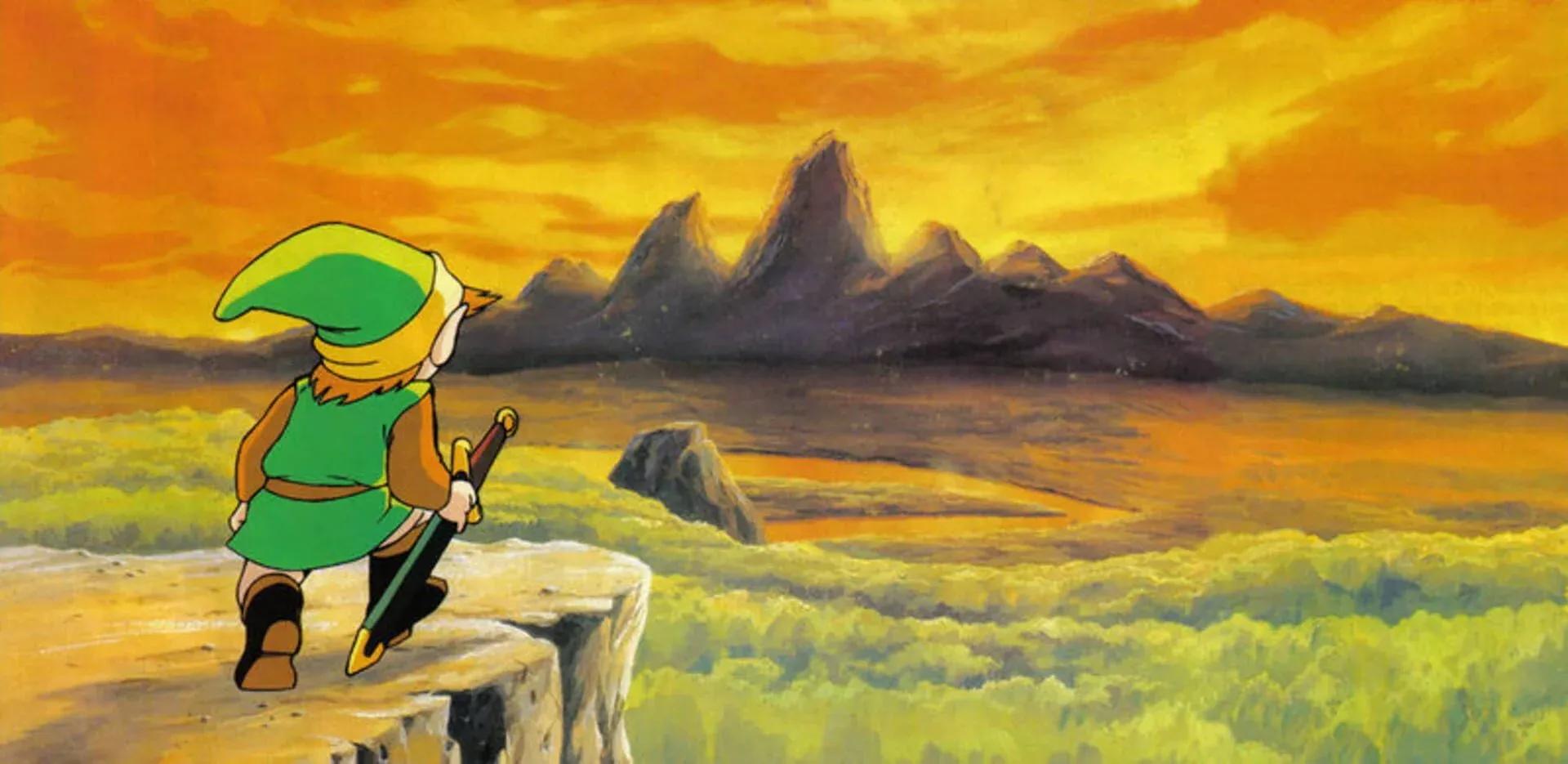
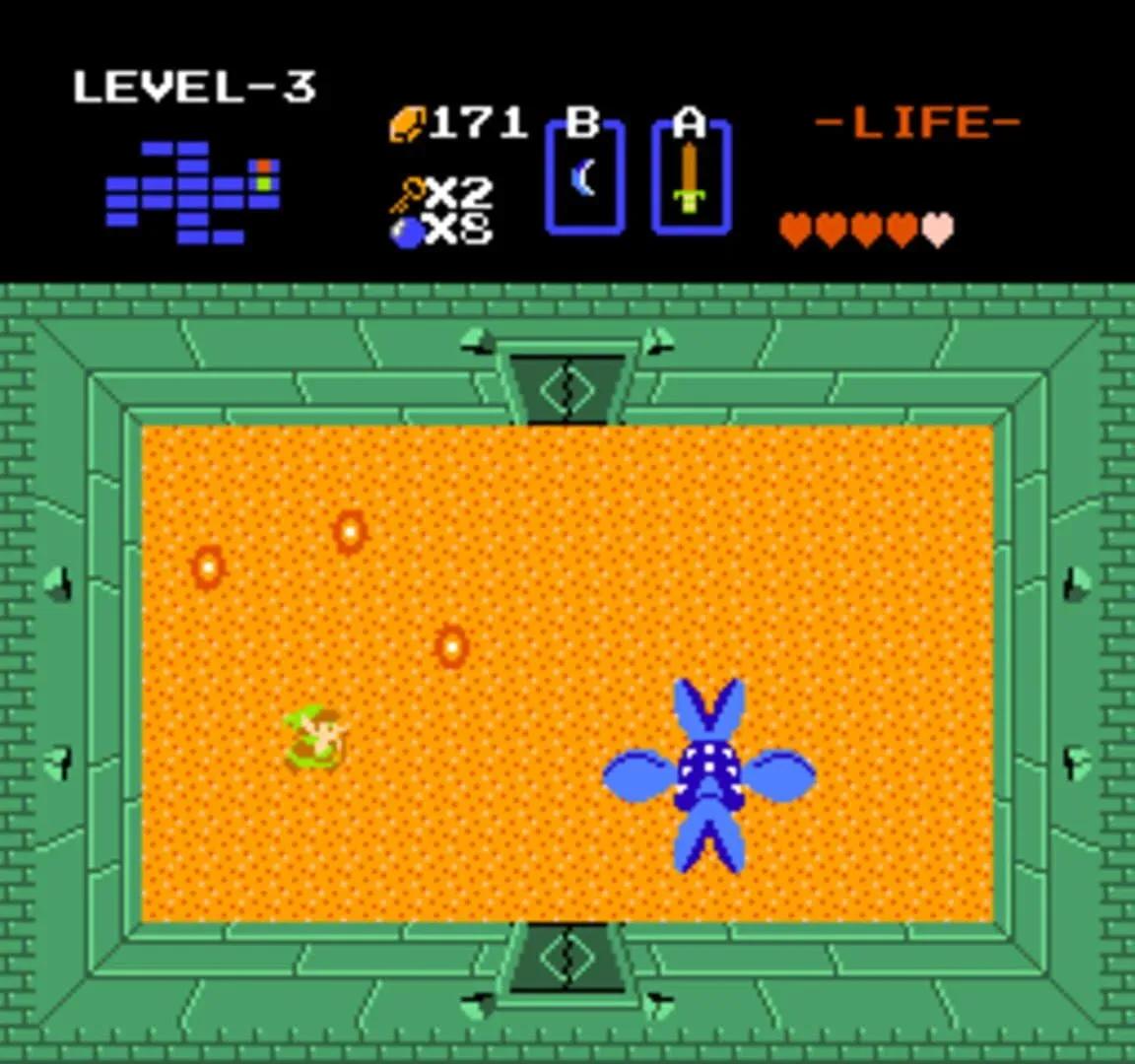
The Legend of Zelda, developed by Nintendo R&D4 and released in February 1986, drops you into Hyrule with almost no hand-holding. You control Link, a young hero tasked with recovering the eight fragments of the Triforce of Wisdom, defeating the villain Ganon, and rescuing Princess Zelda. The world is yours to explore from the start, which was a genuinely radical design choice at the time.
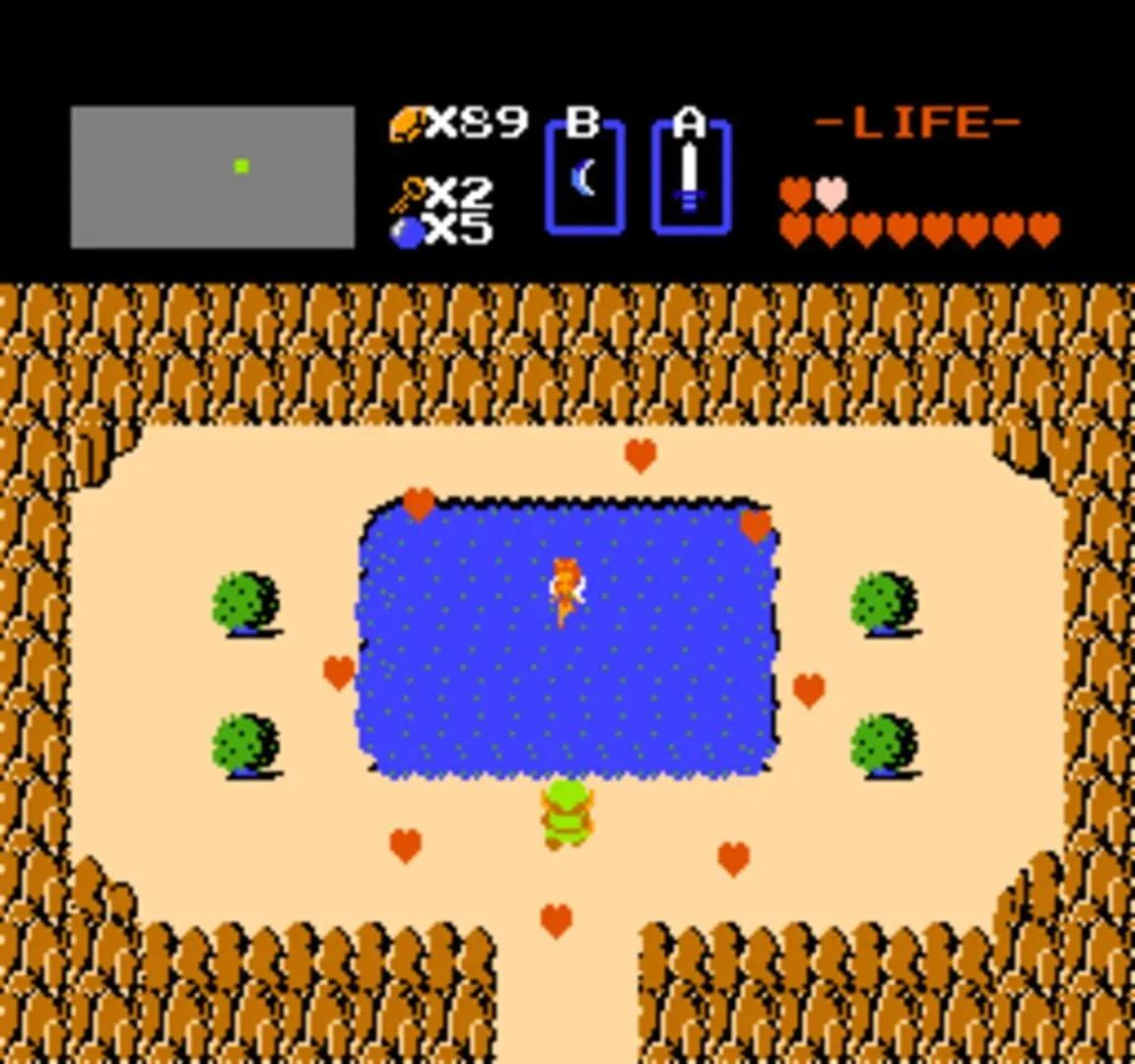
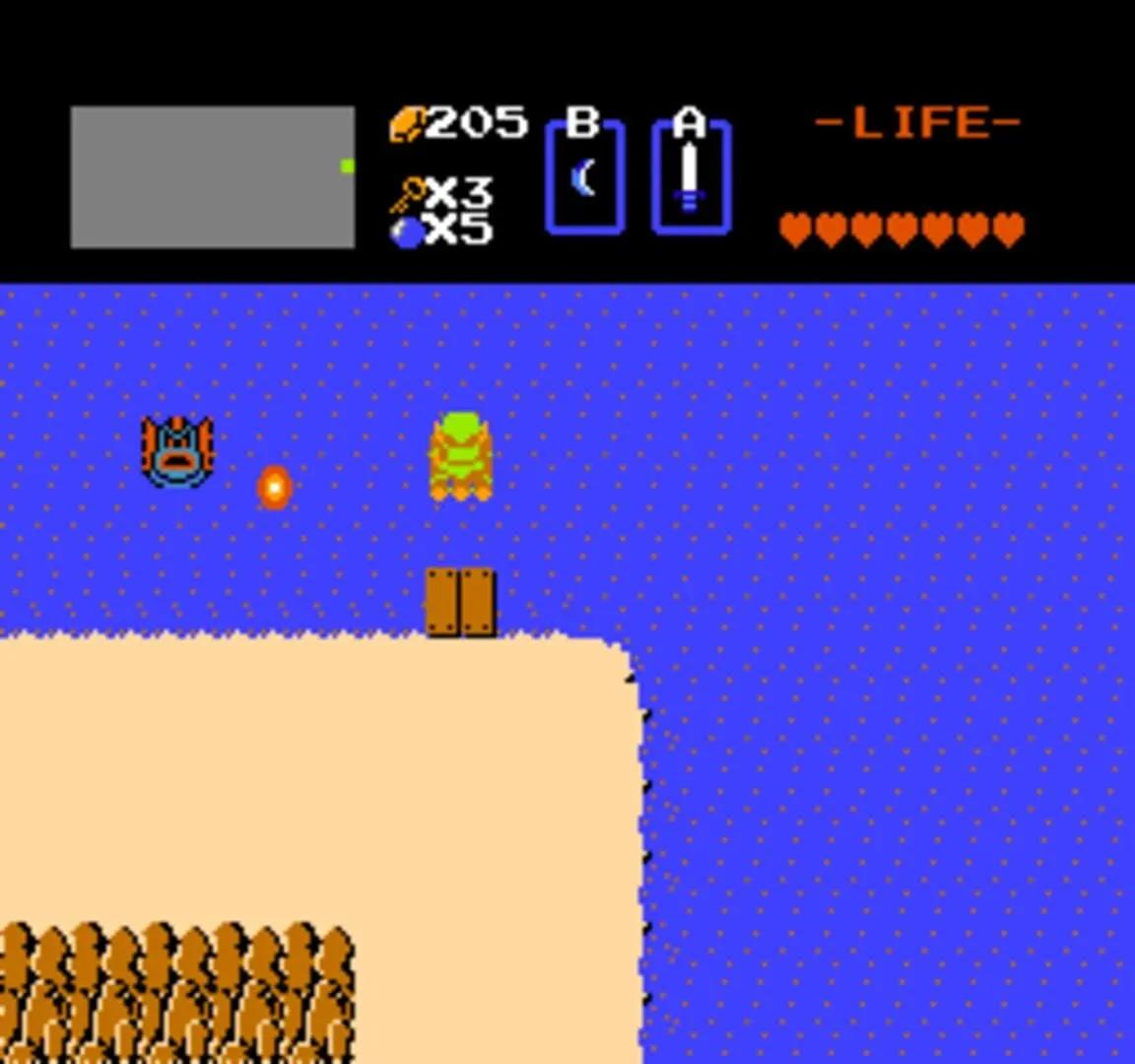
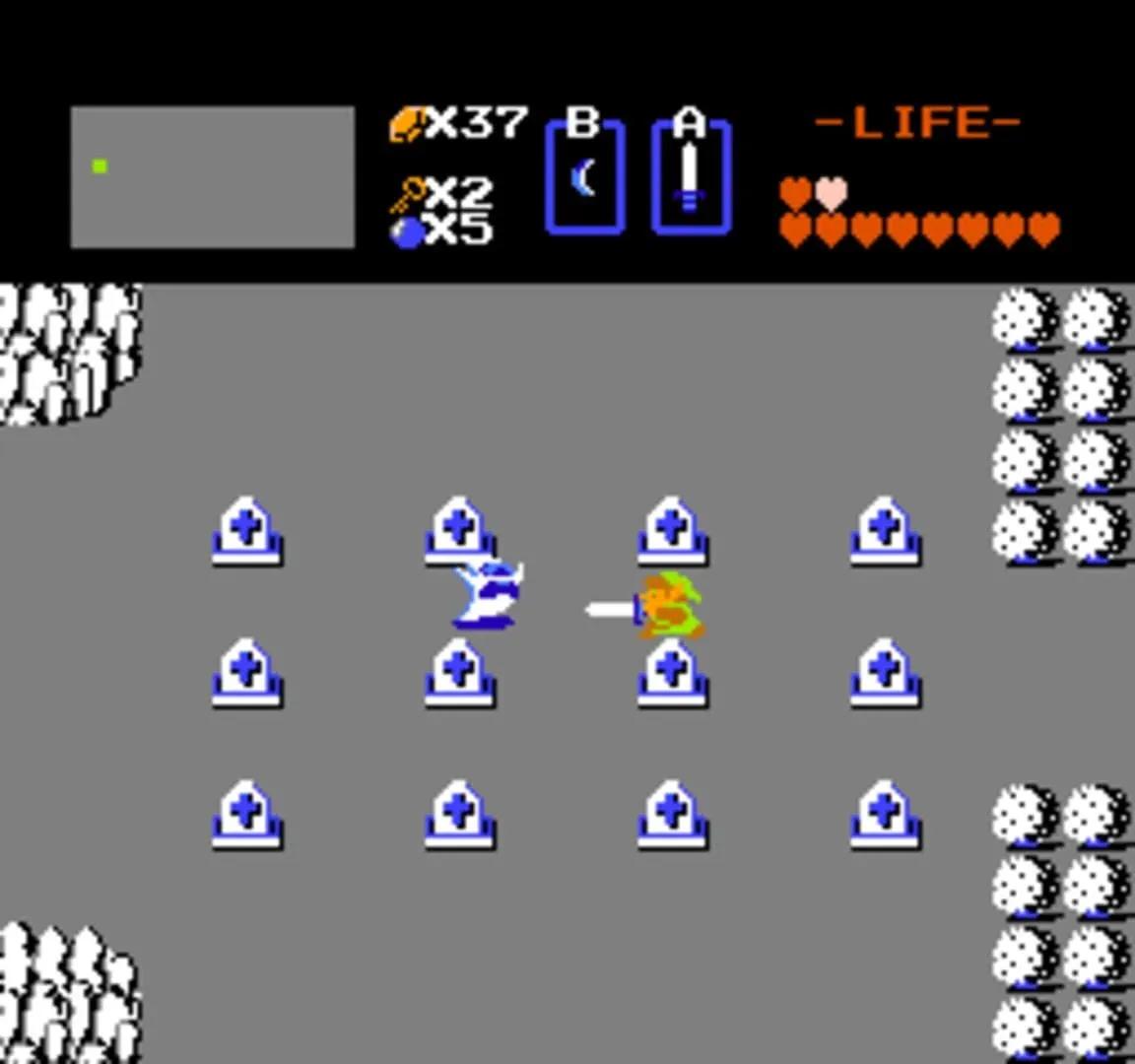
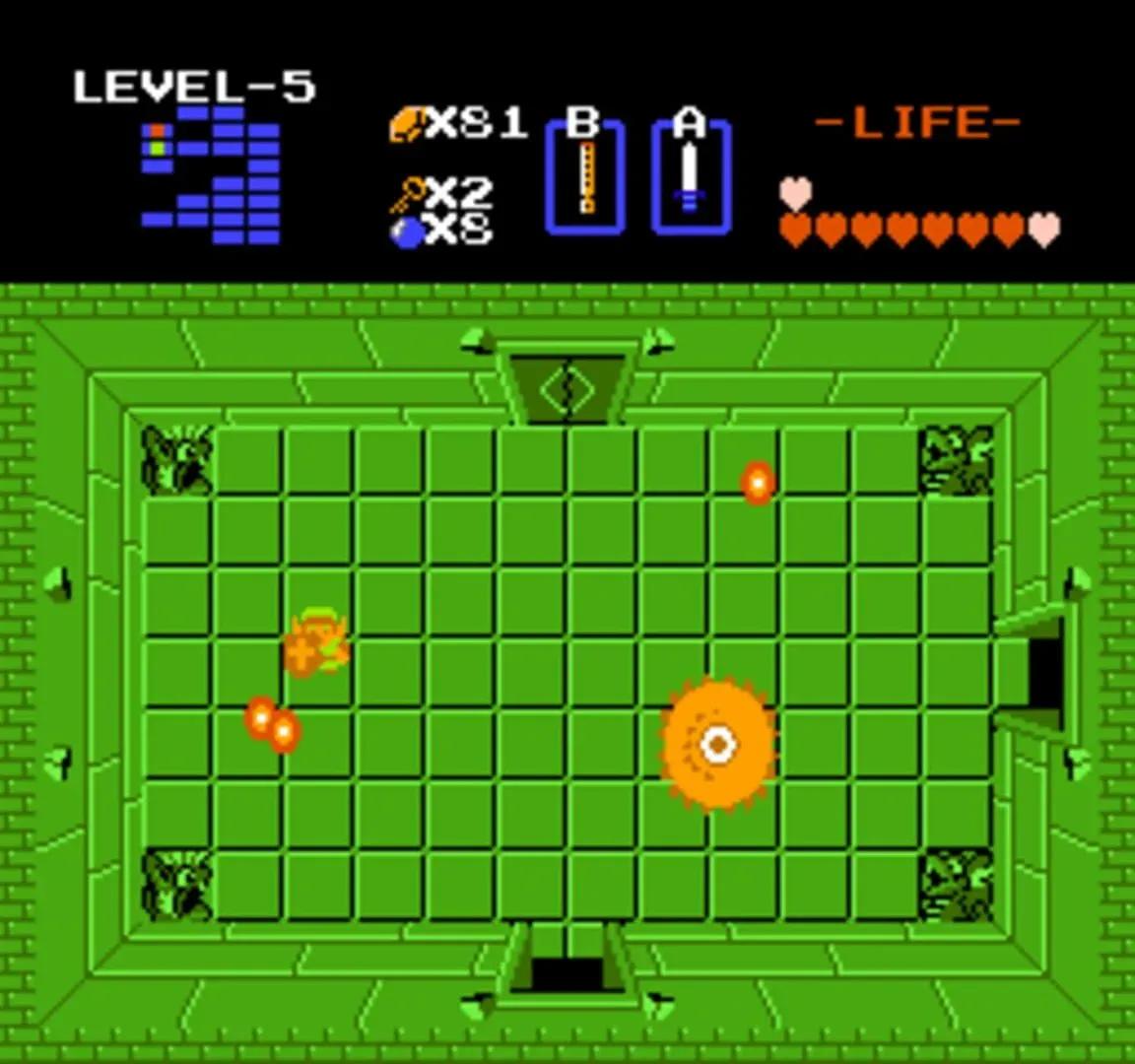
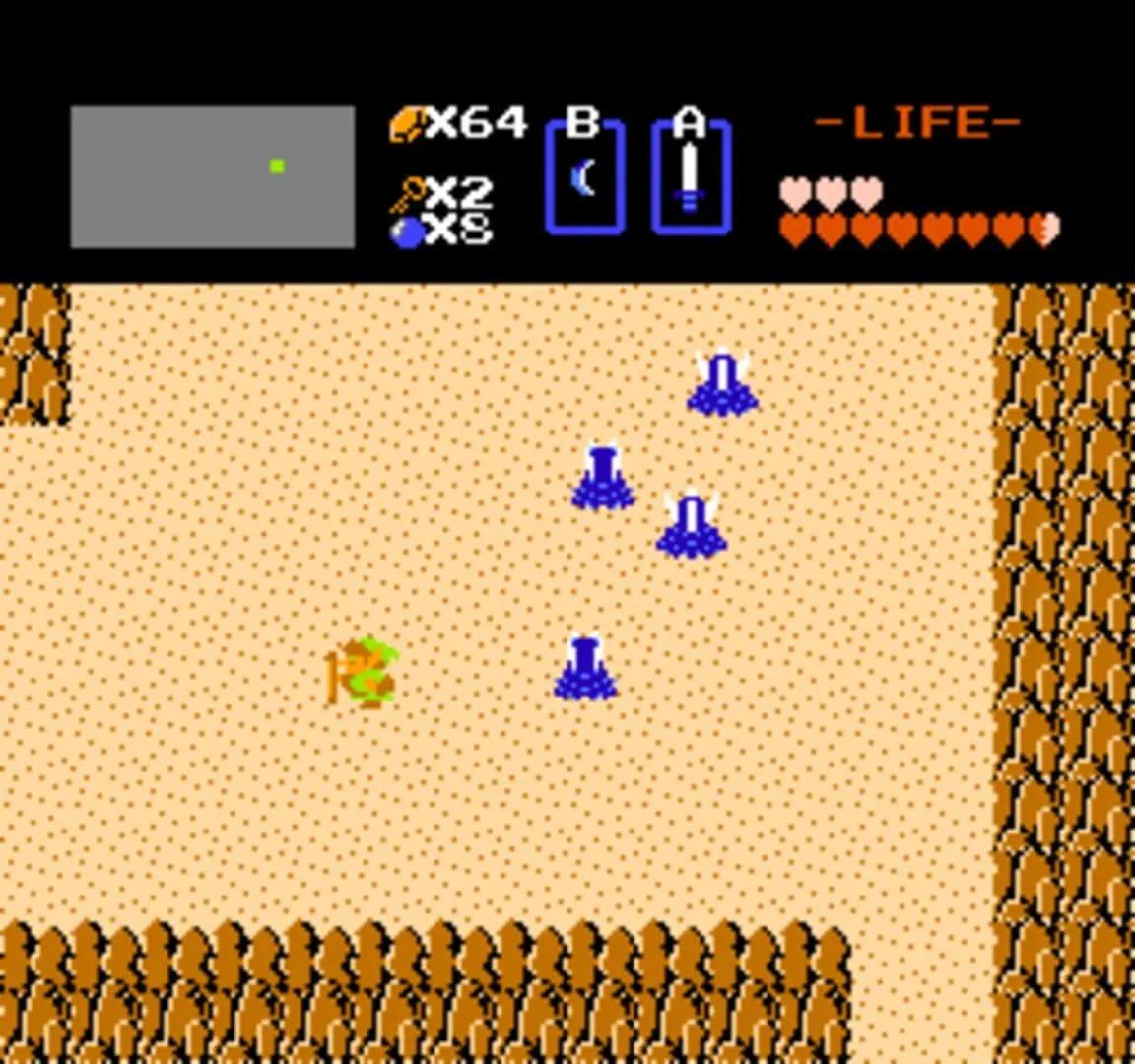
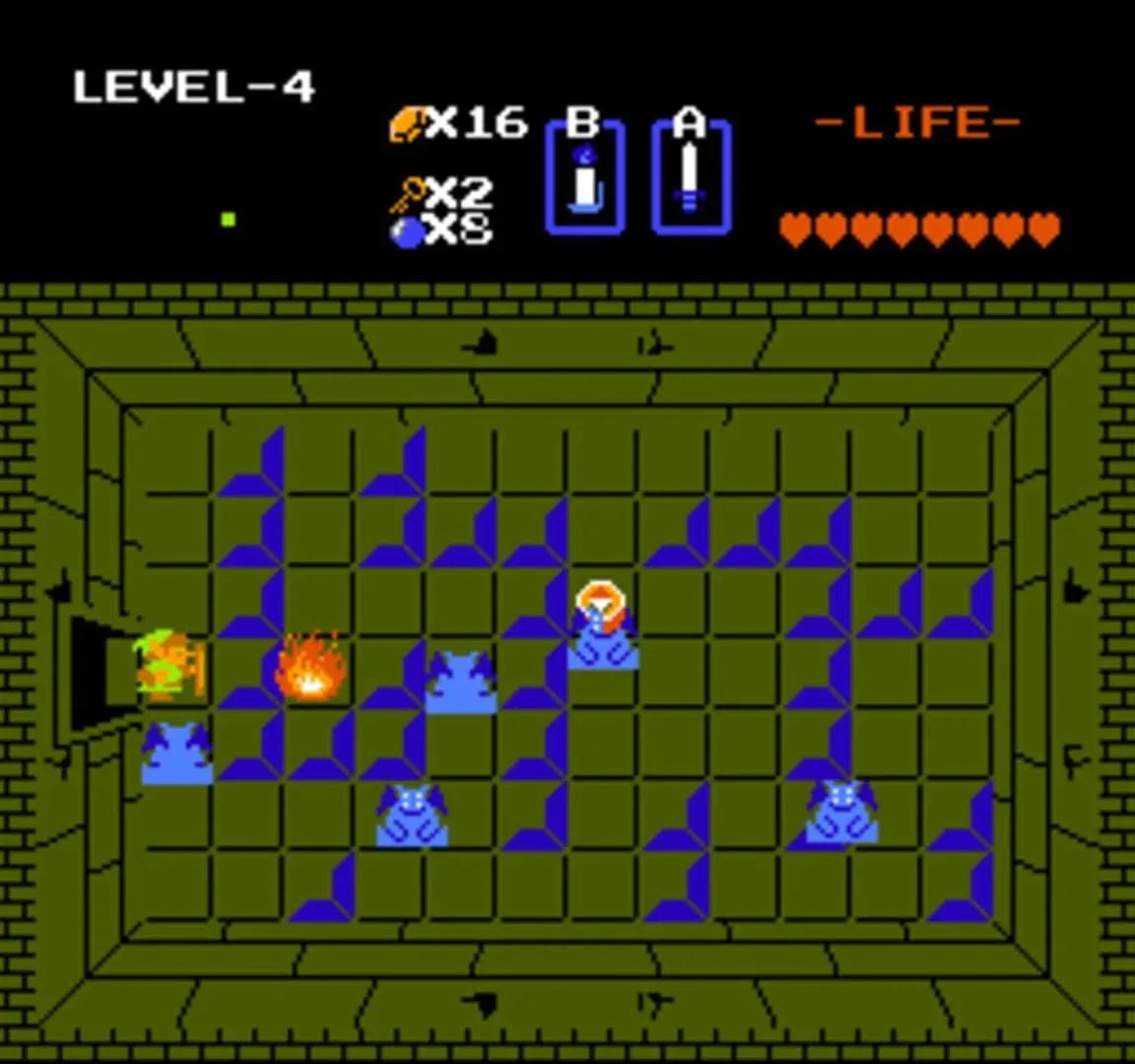
The game's structure is built around a large overworld connecting forests, graveyards, plains, and deserts, each hiding a dungeon entrance. Finding those entrances is half the challenge. The eight dungeons escalate in complexity and enemy aggression, each capped with a boss and a Triforce fragment as the reward.
Gameplay and mechanics
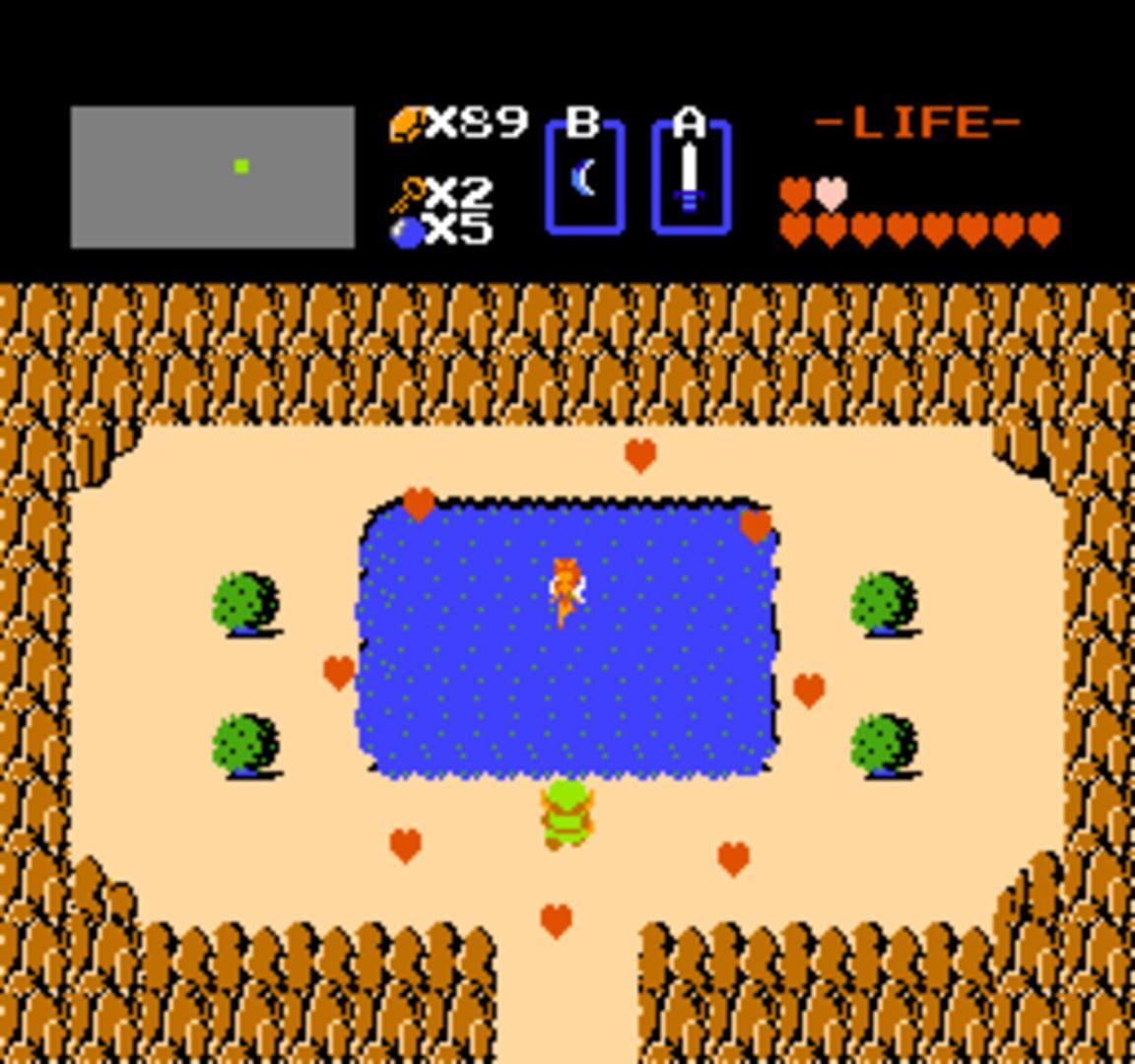
The Legend of Zelda established several mechanics that action-adventure games still rely on today. Key features from the original design include:
- Freely explorable continuous overworld
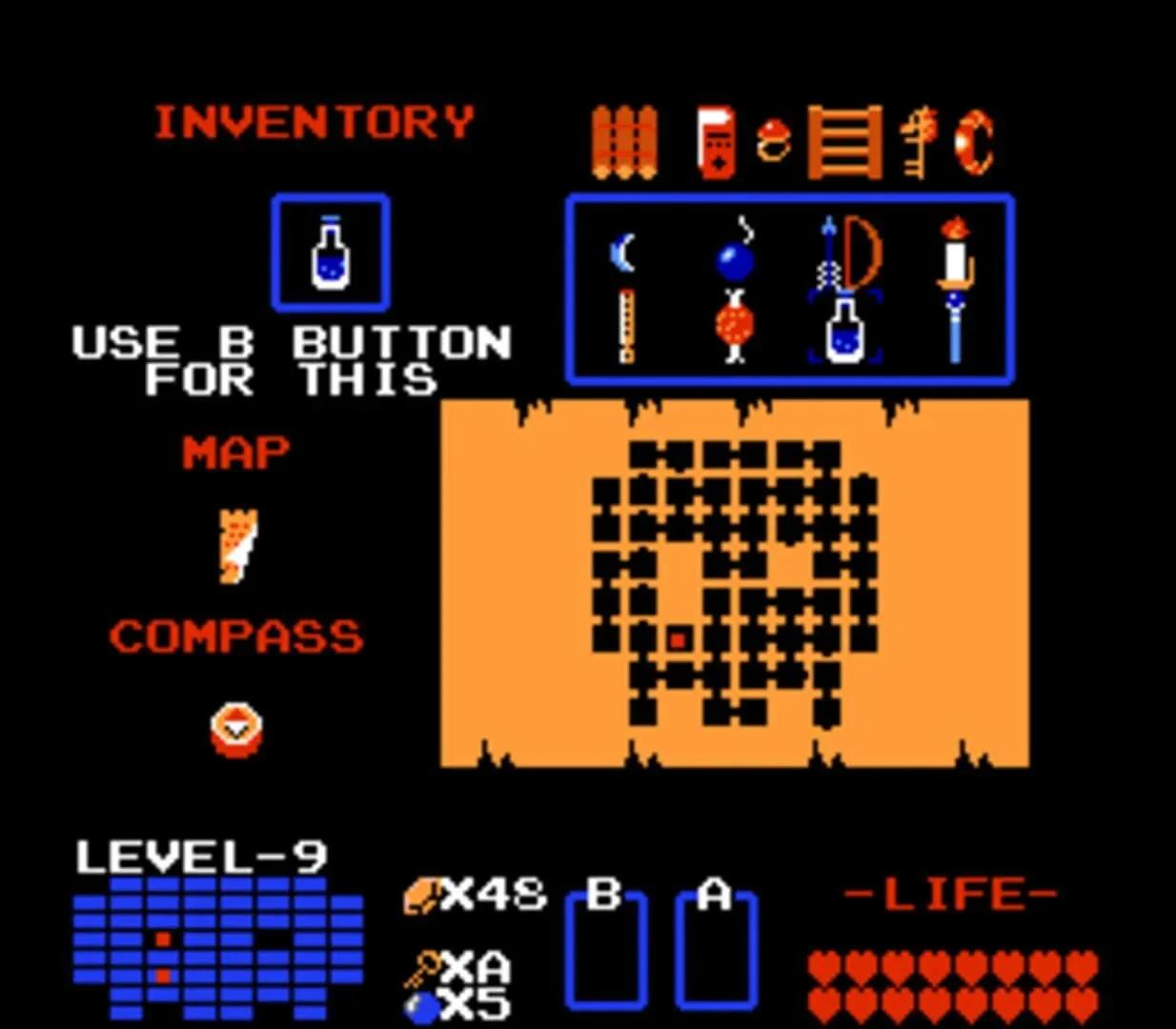
- Permanent ability upgrades from found items
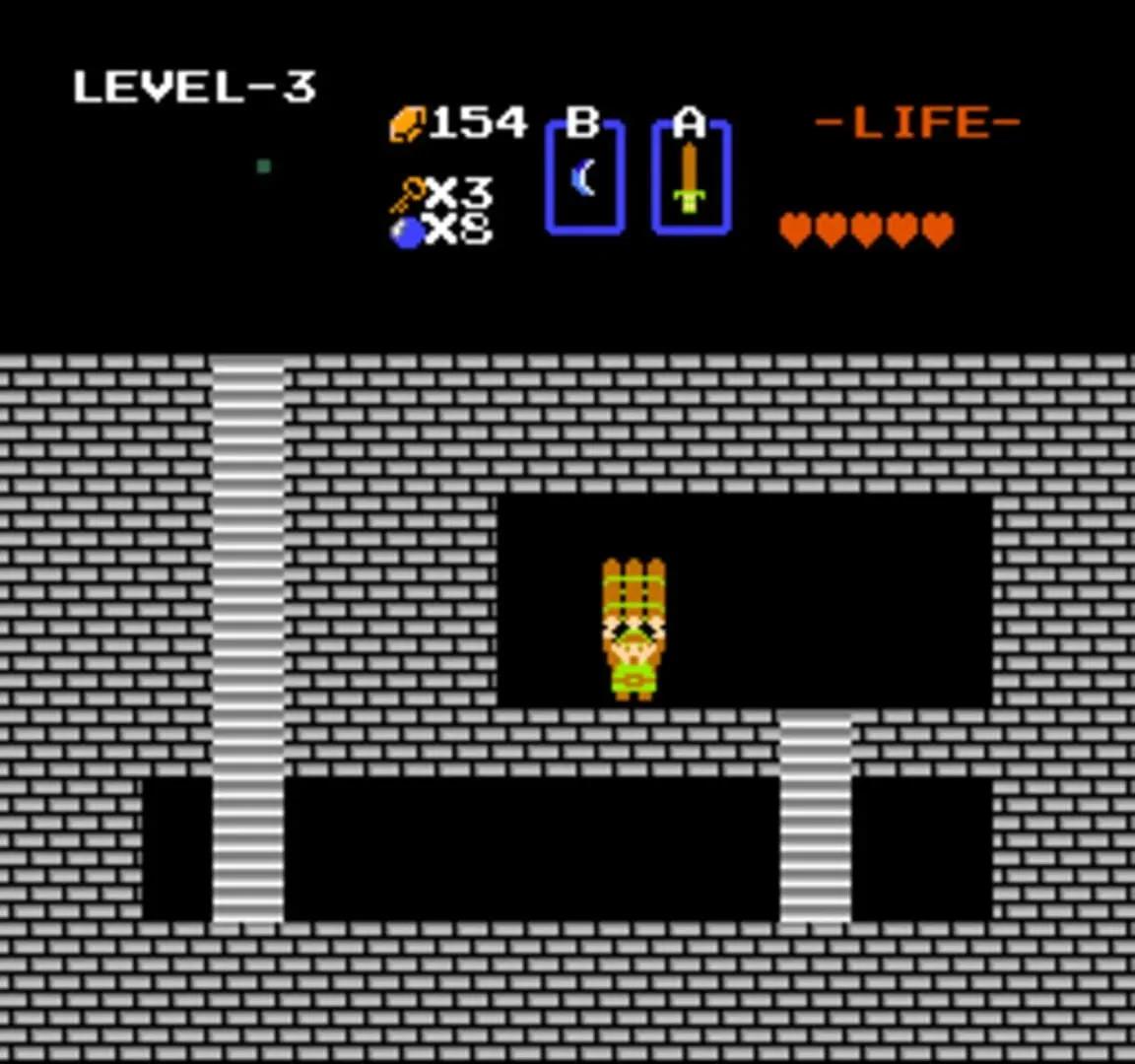
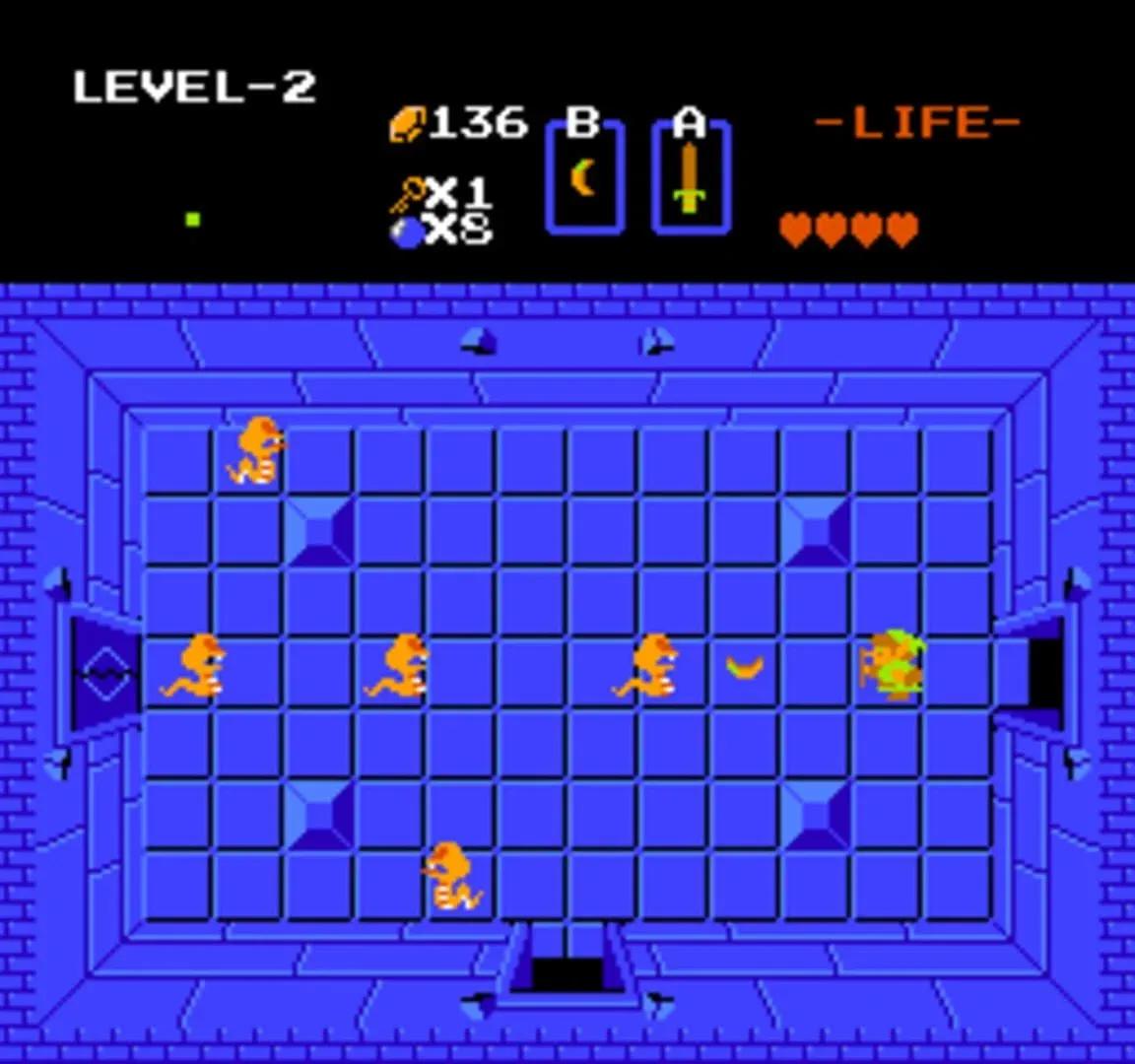
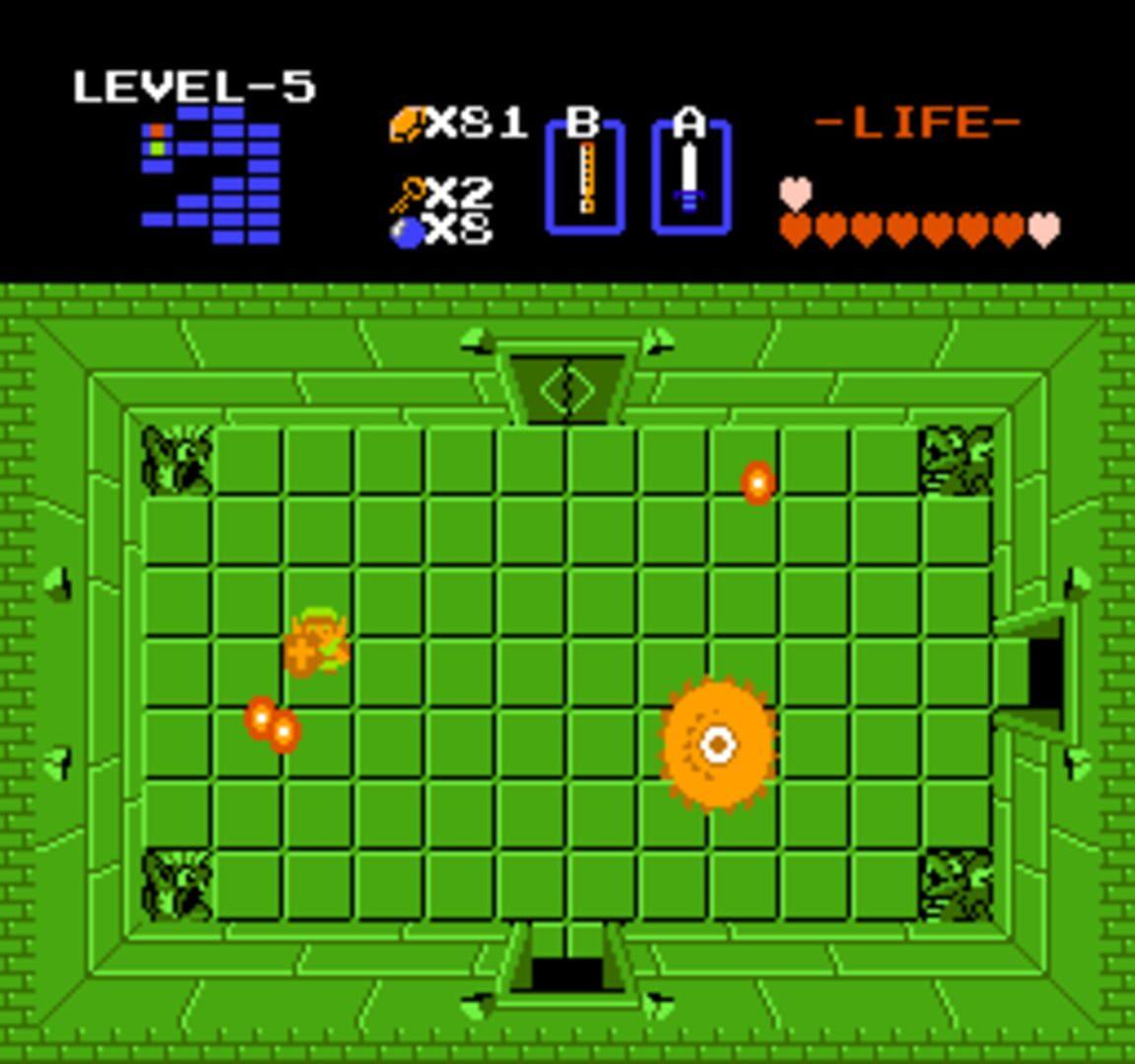
- Eight-dungeon progression structure
- Battery save for persistent progress
- Hidden secrets requiring experimentation
The battery save feature deserves particular recognition. Before Zelda, most NES games reset your progress completely on death or power-off. Being able to save and return to Hyrule later fundamentally changed how players engaged with the game, turning it into something you lived with over days rather than a single sitting.
Innovation and unique features
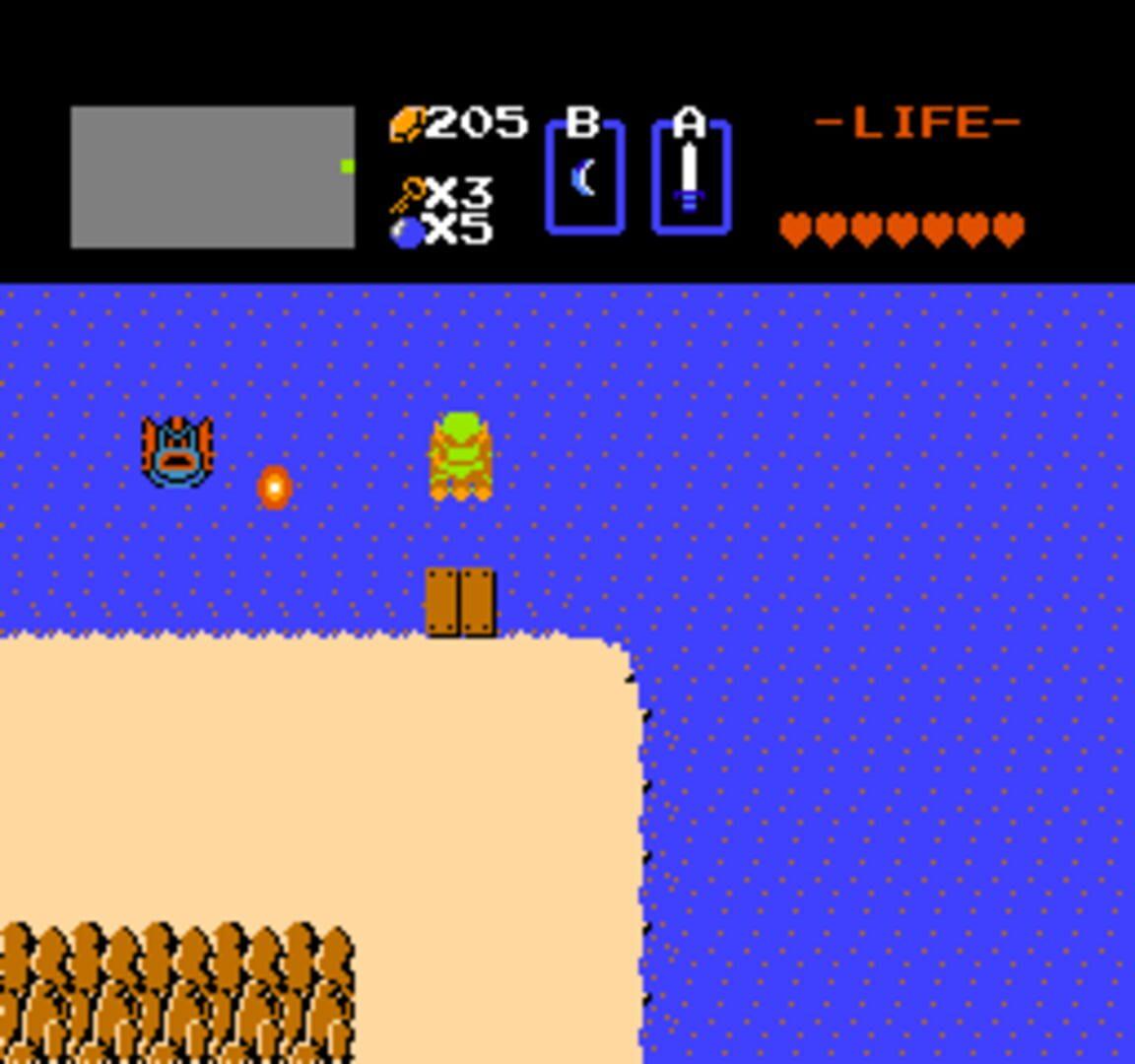
What made The Legend of Zelda genuinely different from its contemporaries was the combination of a continuous world and permanent power-ups. Earlier action games offered levels. Zelda offered a place. The overworld's 16x16 grid of screens connects logically, and revisiting areas after acquiring new items often reveals paths that were previously blocked or invisible.
The game rewards curiosity in ways that felt new in 1986. Bombing walls that look identical to every other wall, pushing specific blocks to reveal staircases, burning bushes to find hidden shops: none of this is explained. Players figure it out by poking at everything, which turned the game into a shared puzzle that spread through schoolyards and gaming magazines alike.
Impact and legacy
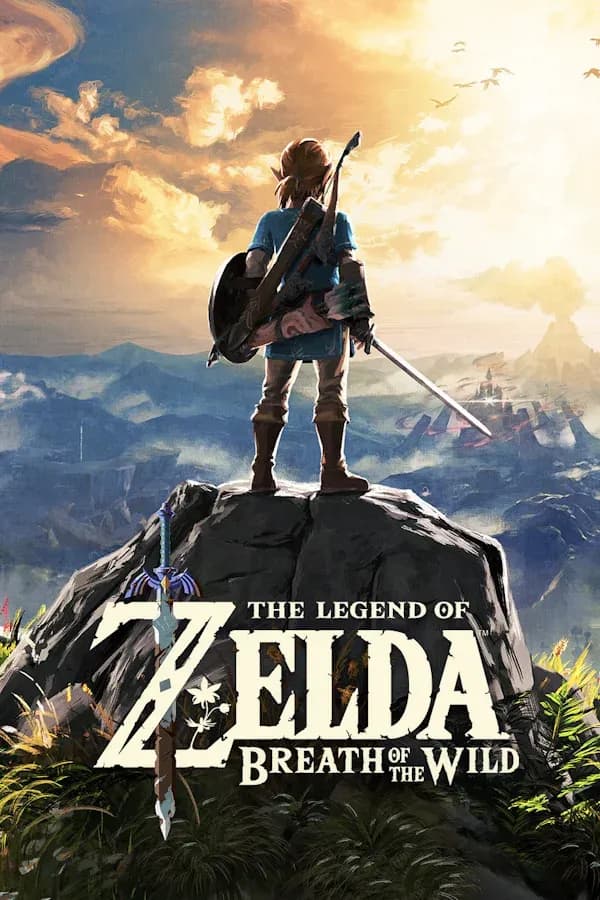
The Legend of Zelda is one of the most directly influential games ever made. The template it established, open exploration, item-gated progression, dungeon-crawl structure, and narrative-driven adventure, became the foundation for an entire genre. The franchise it launched now spans dozens of entries across forty years, including critically acclaimed entries like Ocarina of Time and Breath of the Wild.
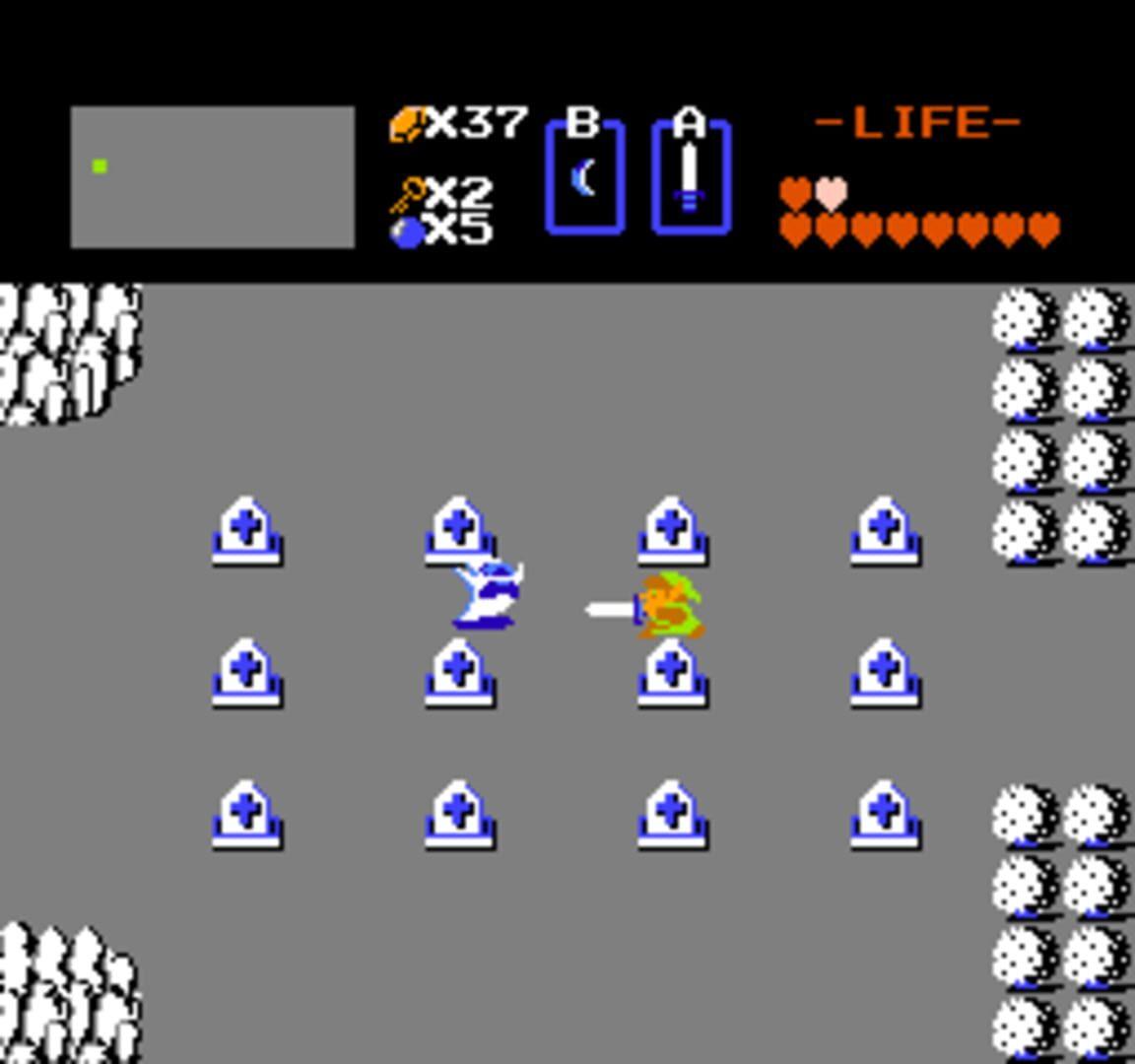
The original game is available on Nintendo Switch through the Nintendo Switch Online service, making it accessible to modern players without tracking down aging hardware. Playing it now, the design philosophy reads clearly: give players a world, give them tools, and trust them to figure out what to do with both. That philosophy never went out of style.