Overview
The Sims 2 is Maxis's 2004 sequel to the life simulation phenomenon, and it remains one of the most mechanically ambitious entries in the series. Built on an entirely new 3D engine, it moves the franchise from a flat dollhouse format into something that feels genuinely alive, with Sims that age, inherit traits from parents, and carry aspirations that shape how they behave across their entire lifetime.
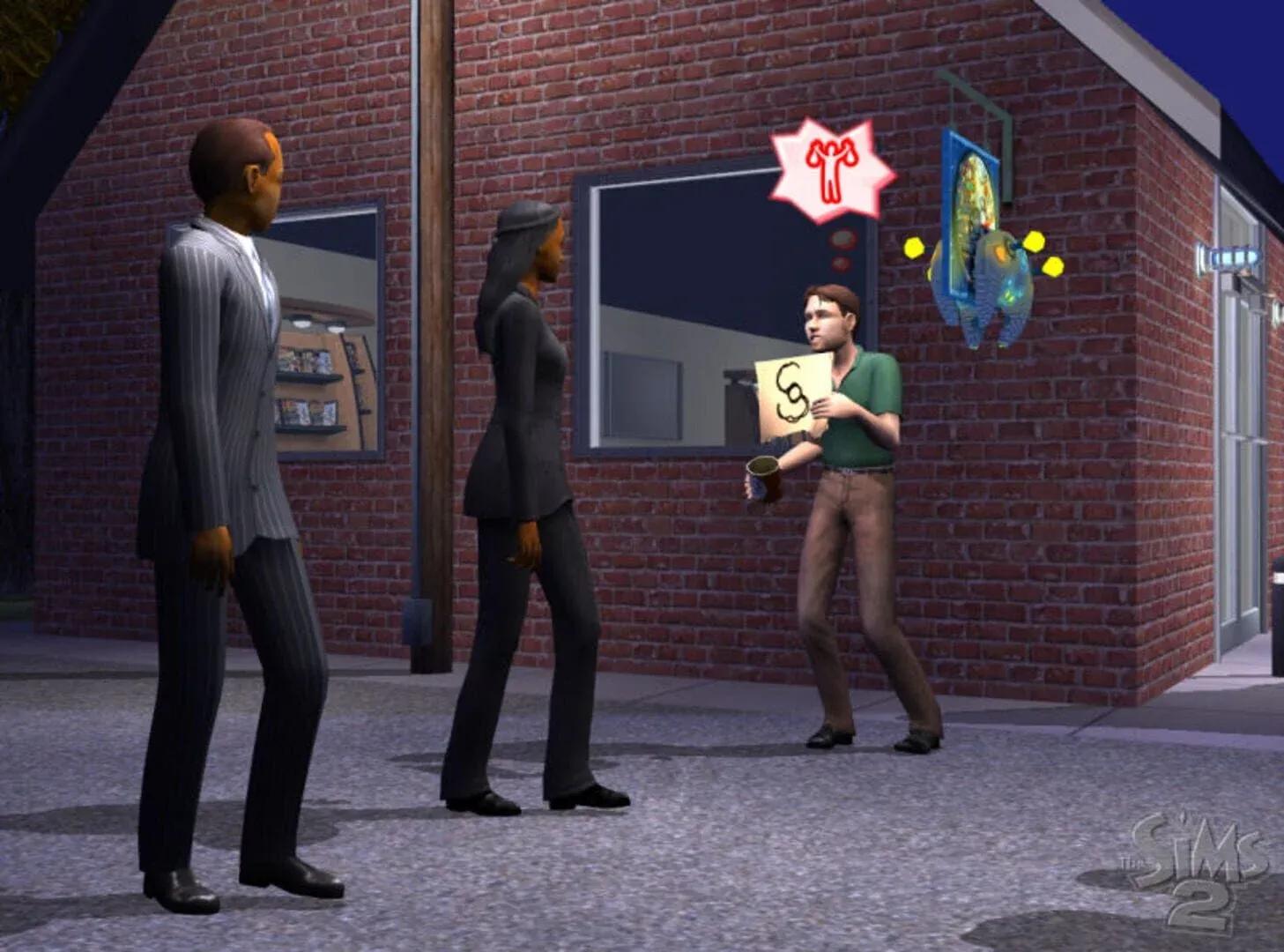
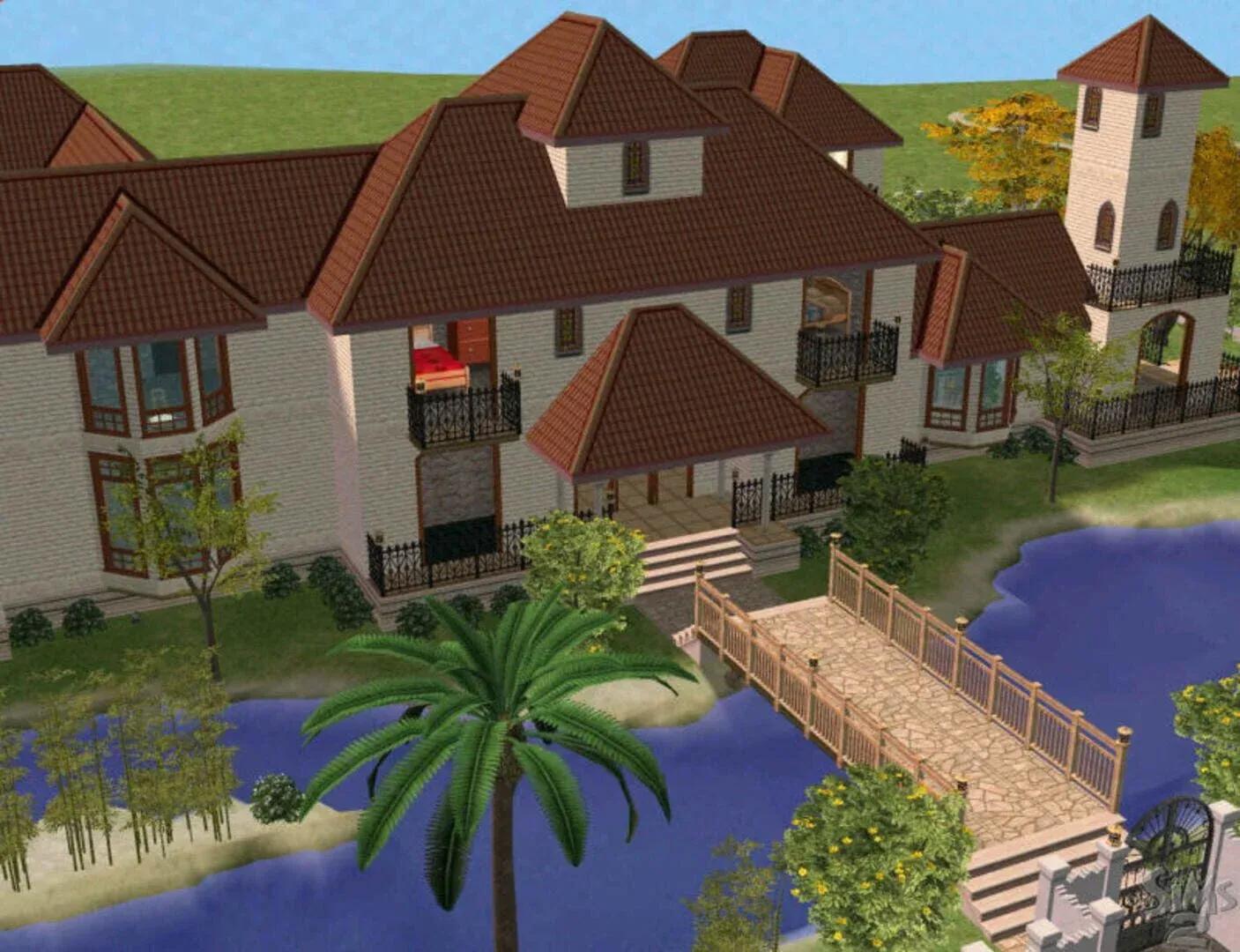
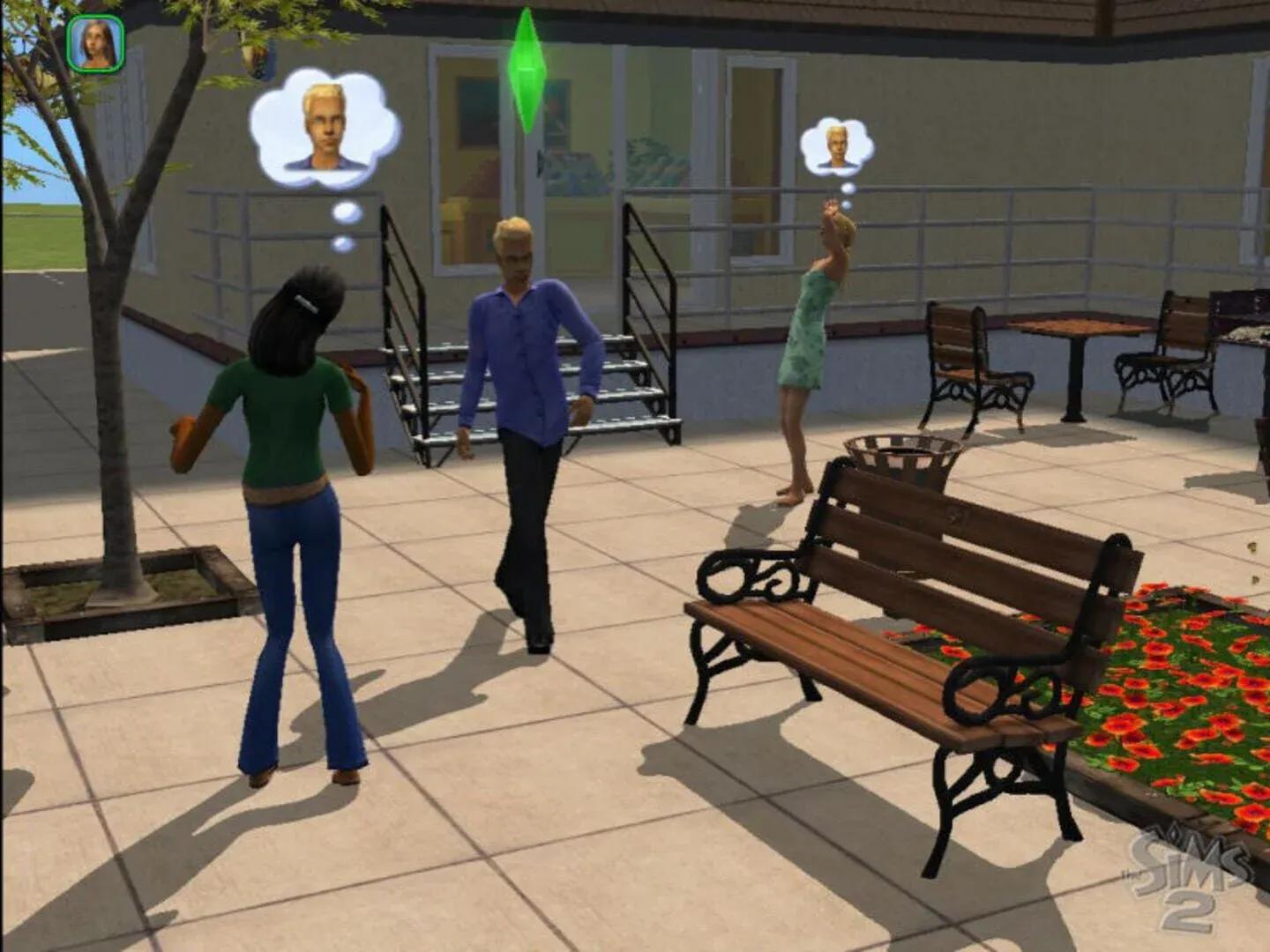
The game starts at the neighborhood level, where you can build a housing development from scratch or drop into one of three pre-made neighborhoods, each packed with soap opera-style backstories involving ghosts, scheming relatives, and complicated romances. From there, you pick a household and start managing lives. The stakes feel real in a way the original never quite managed.
Wants, fears, and what actually drives your Sims
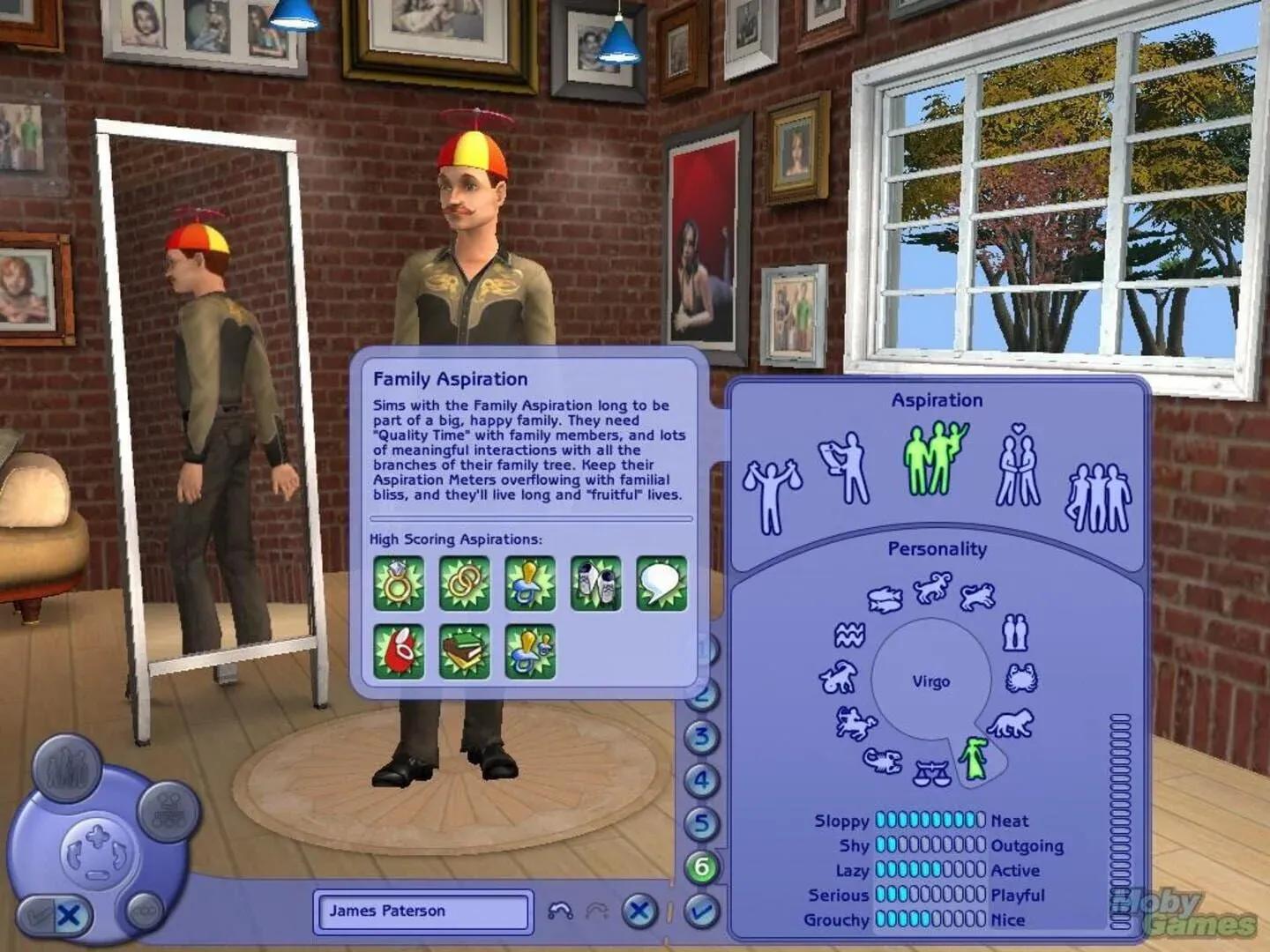
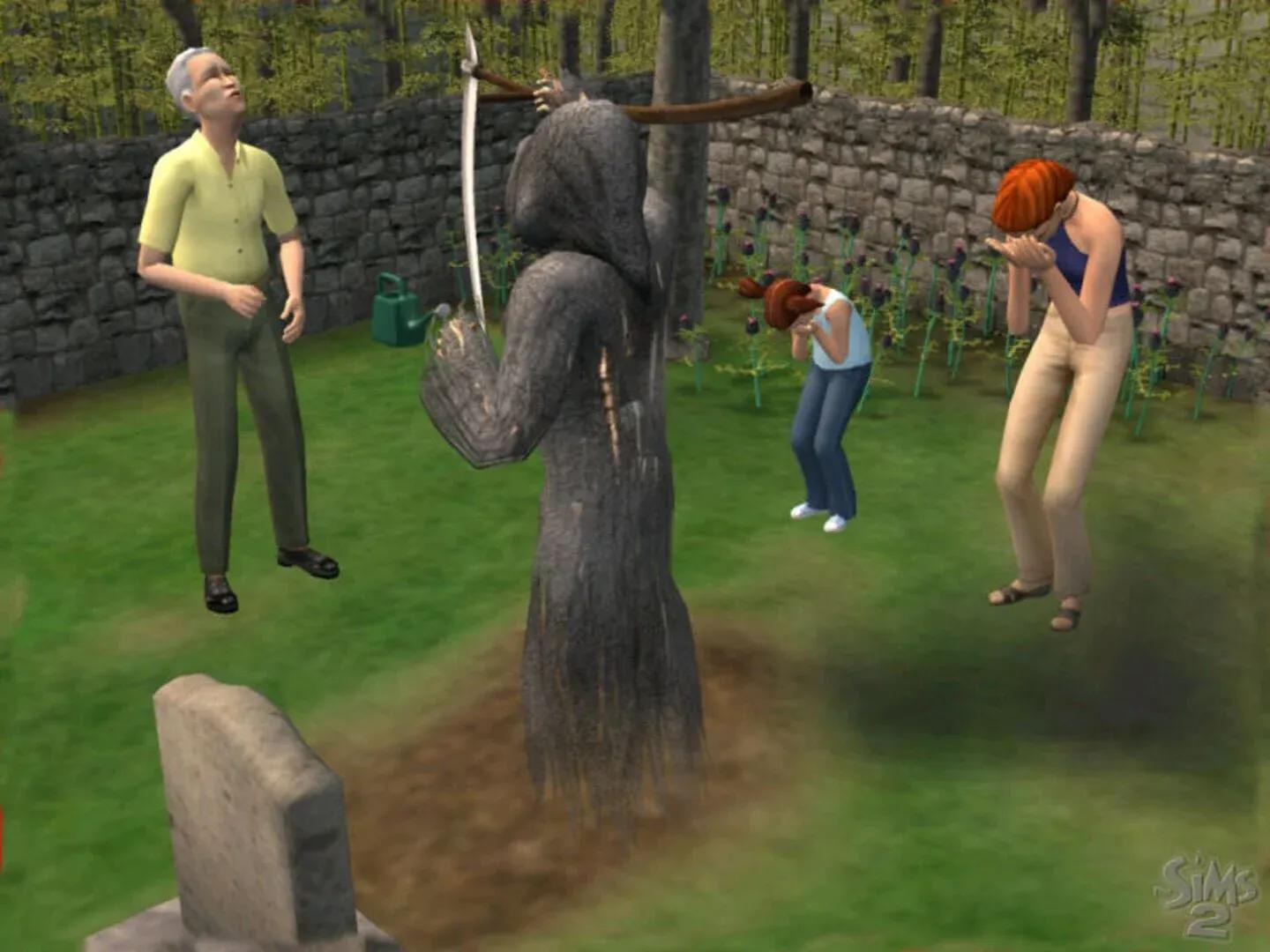
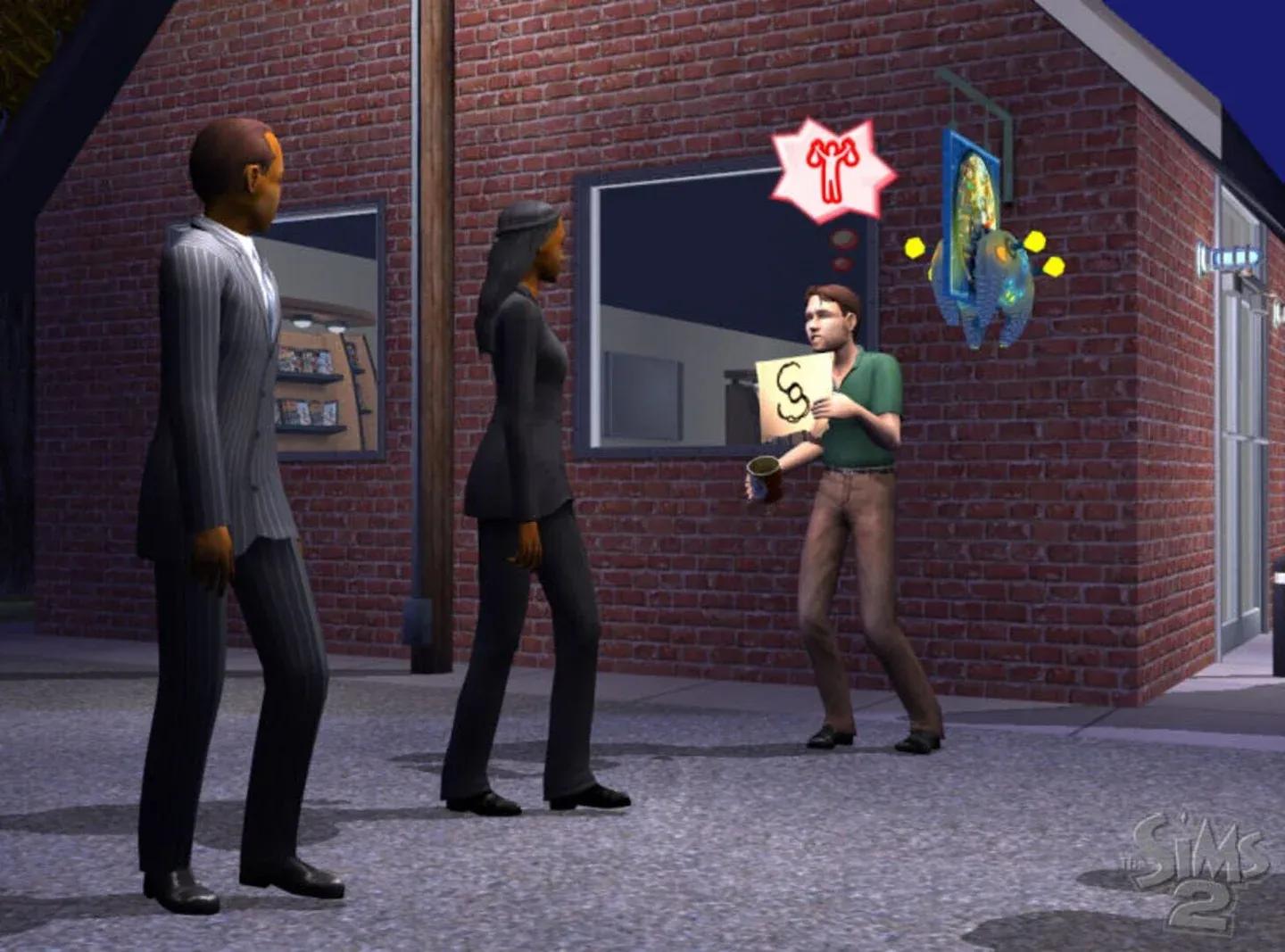
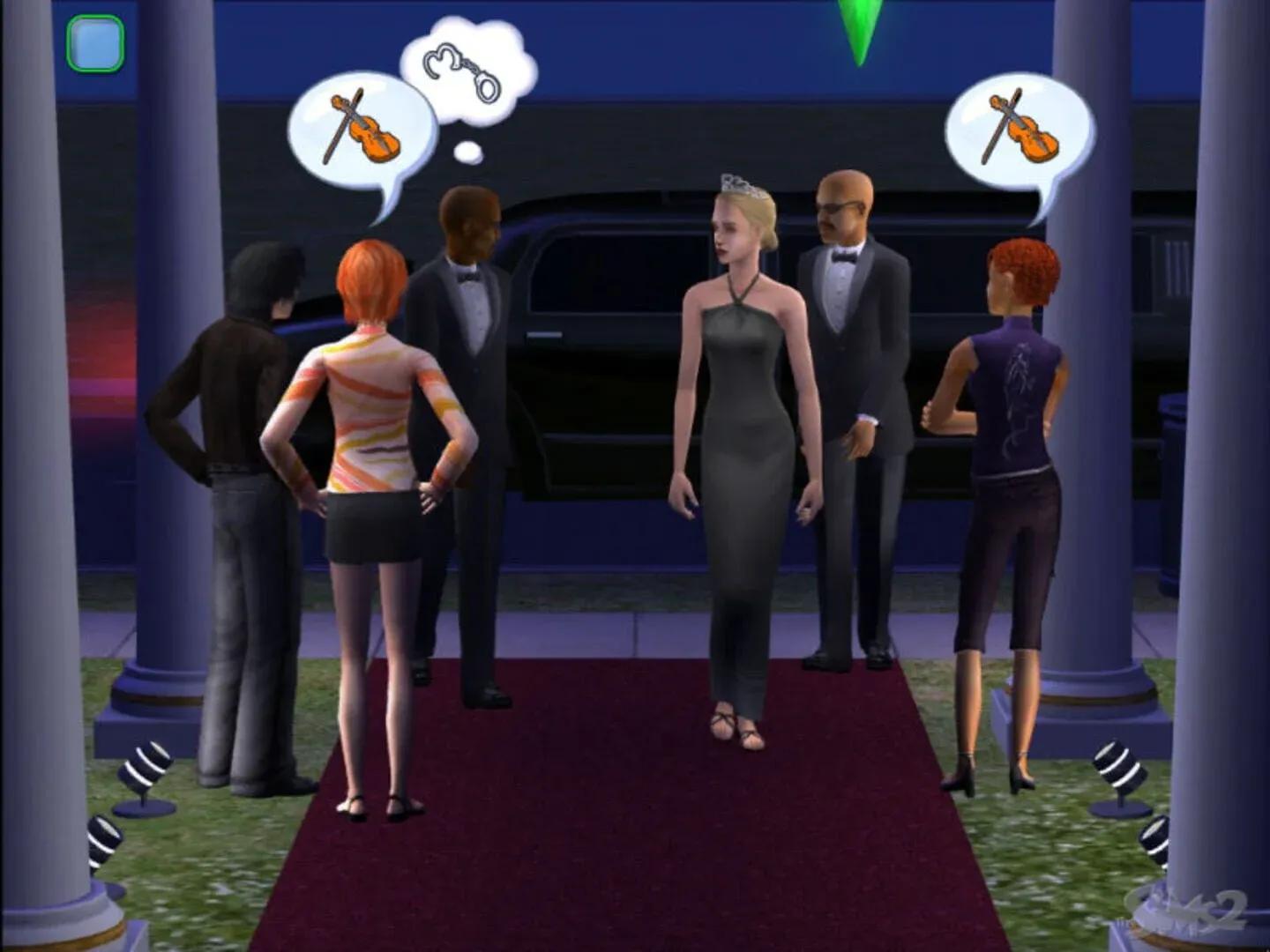
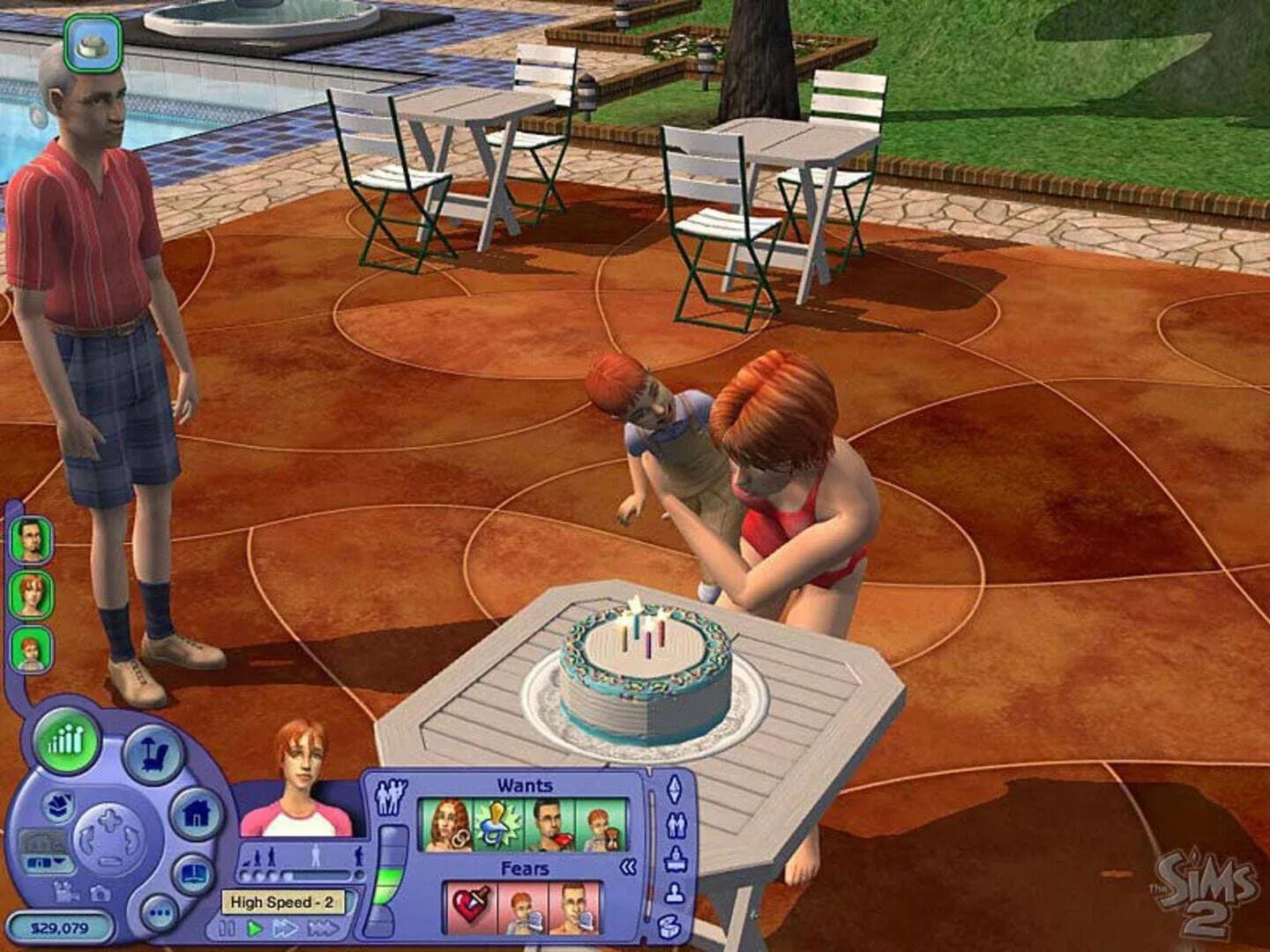
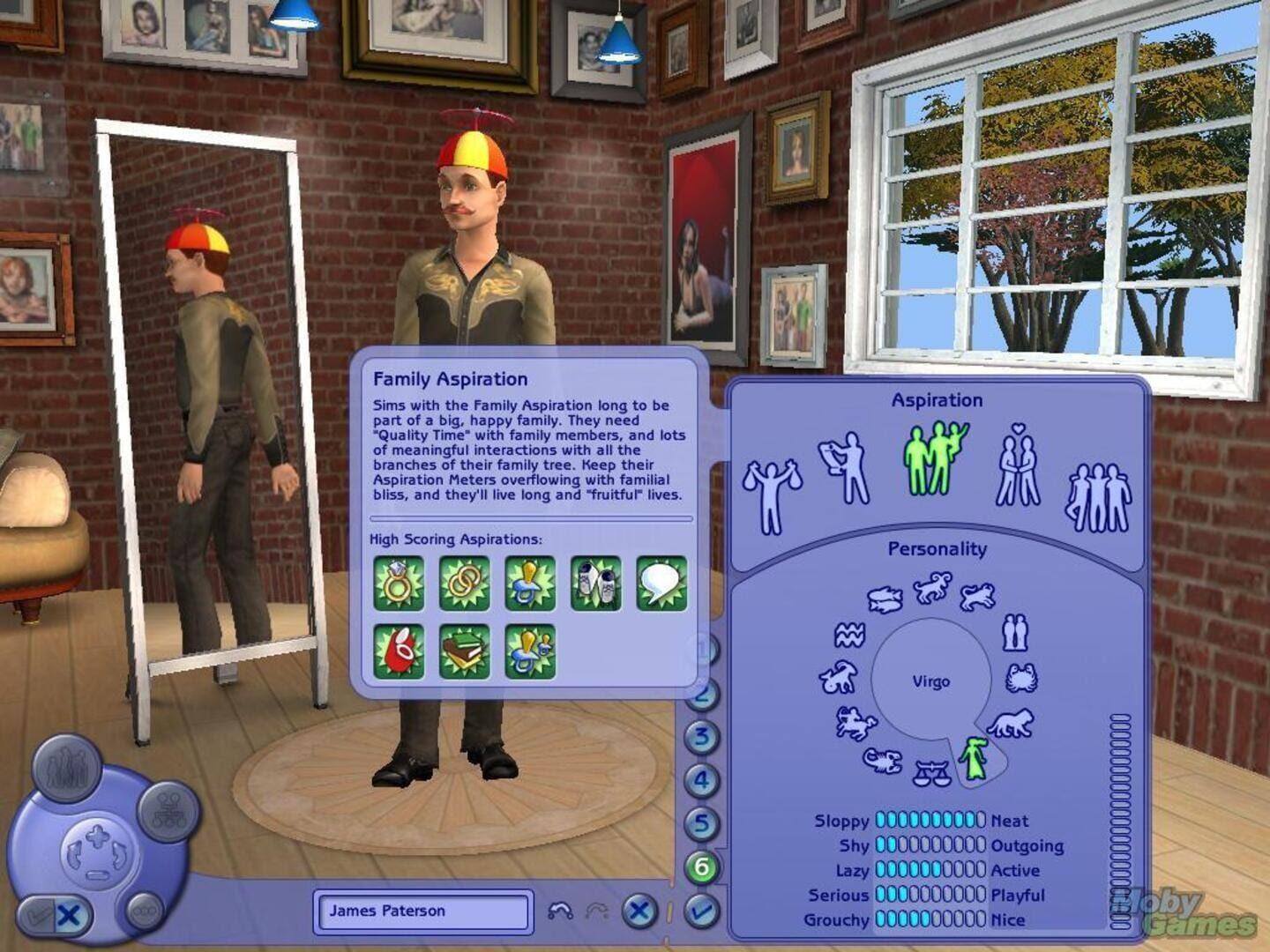
The wants-and-fears system is the mechanical heart of The Sims 2, and it changes how you think about every decision. Each Sim carries active wants (getting married, seeing a friend, earning a promotion) alongside fears (rejection, death, failing an exam). Satisfying wants builds their mood and efficiency; triggering fears makes them lethargic and difficult to control.
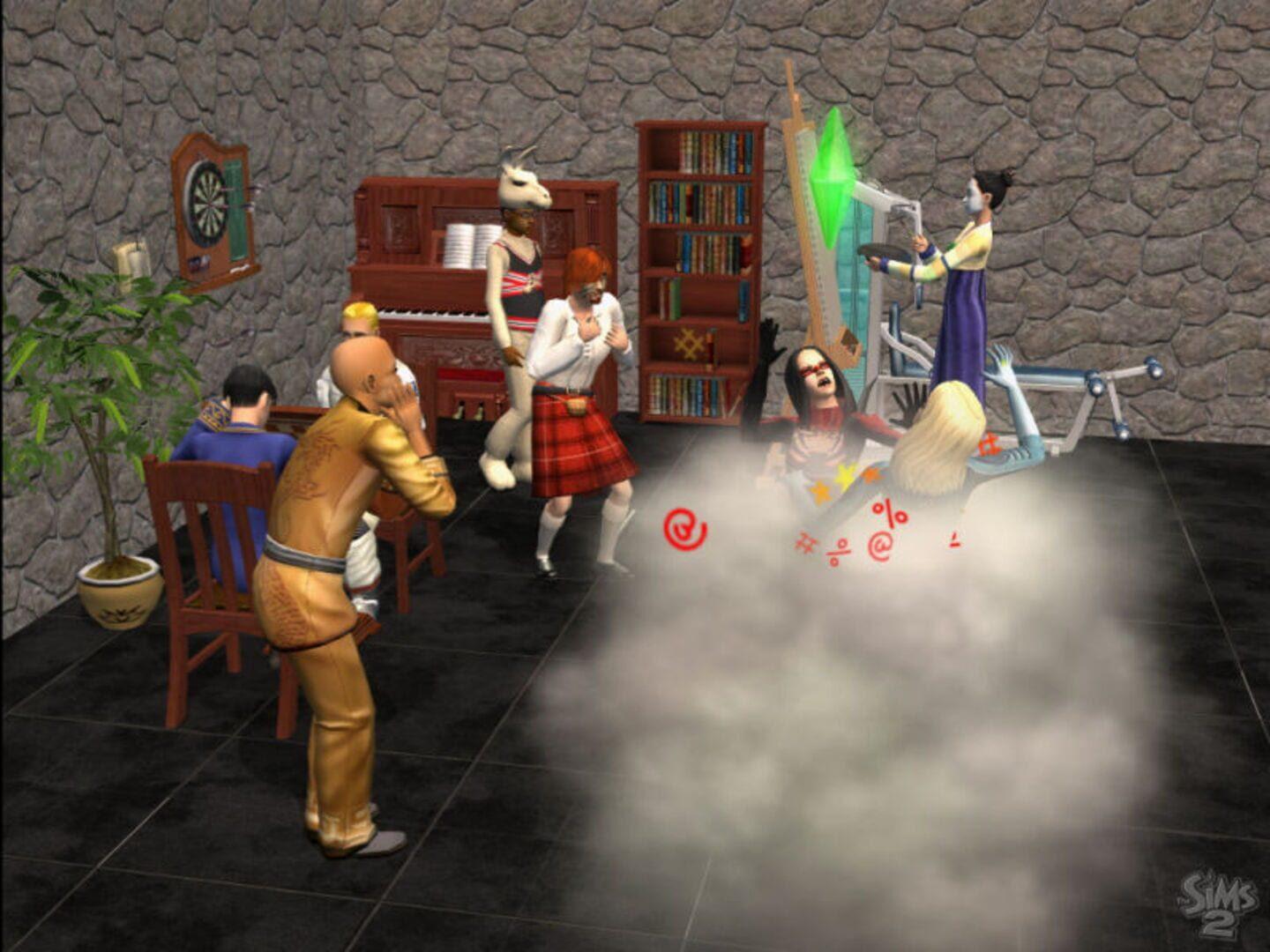
Key mechanics that define the experience:
- Aspiration system tied to life stage goals
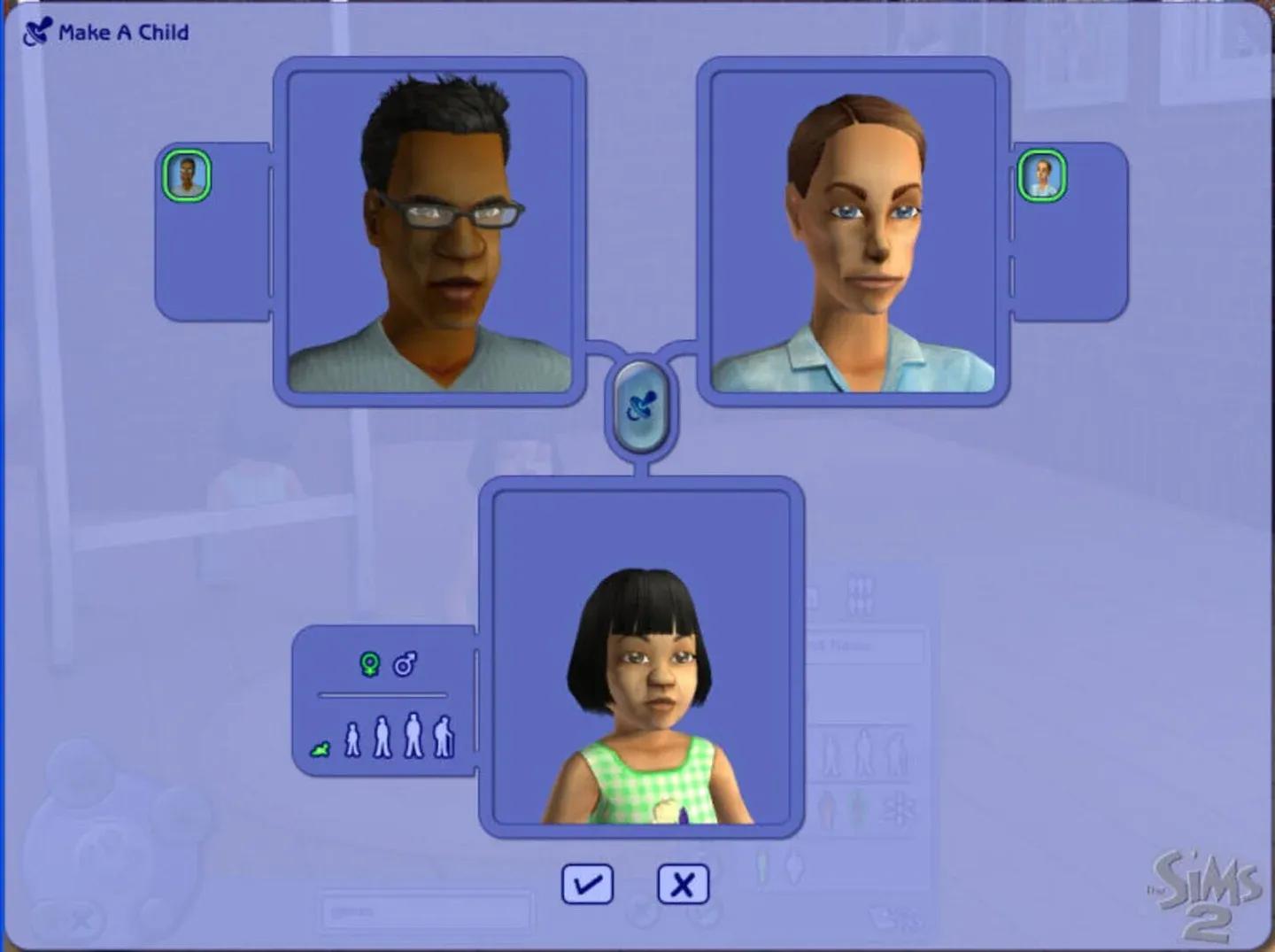
- DNA inheritance affecting looks and personality
- Wants and fears updating dynamically each day
- Free Will AI handling basic needs independently
- Life Score tracking long-term success across generations
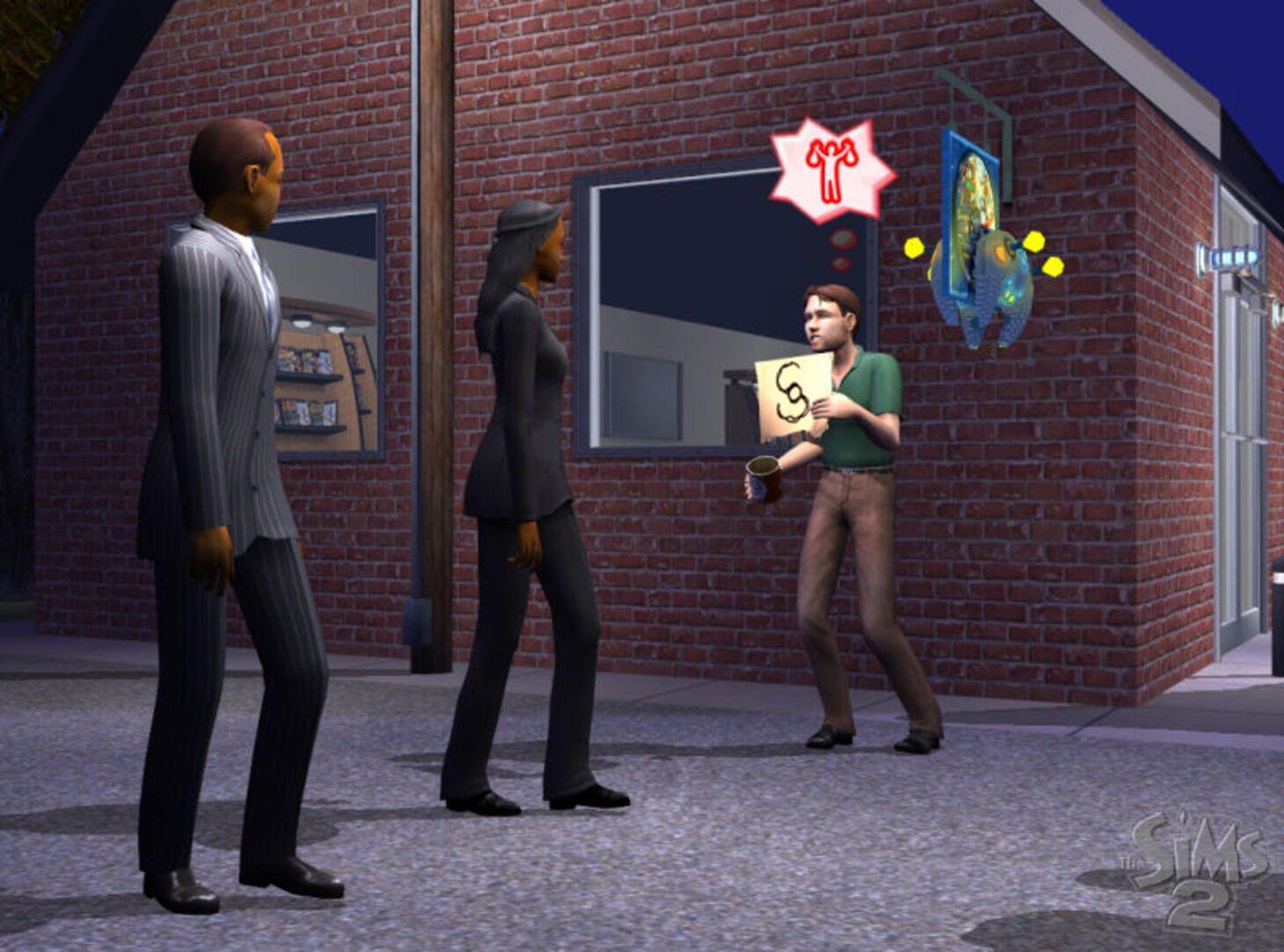
The improved Free Will option deserves specific credit. The AI handles routine needs without constant micromanagement, which frees you to focus on the bigger decisions. It is not perfect (Sims will still occasionally set their dishes on the floor), but it is a meaningful step up from the original.
Generational play and the lifespan system
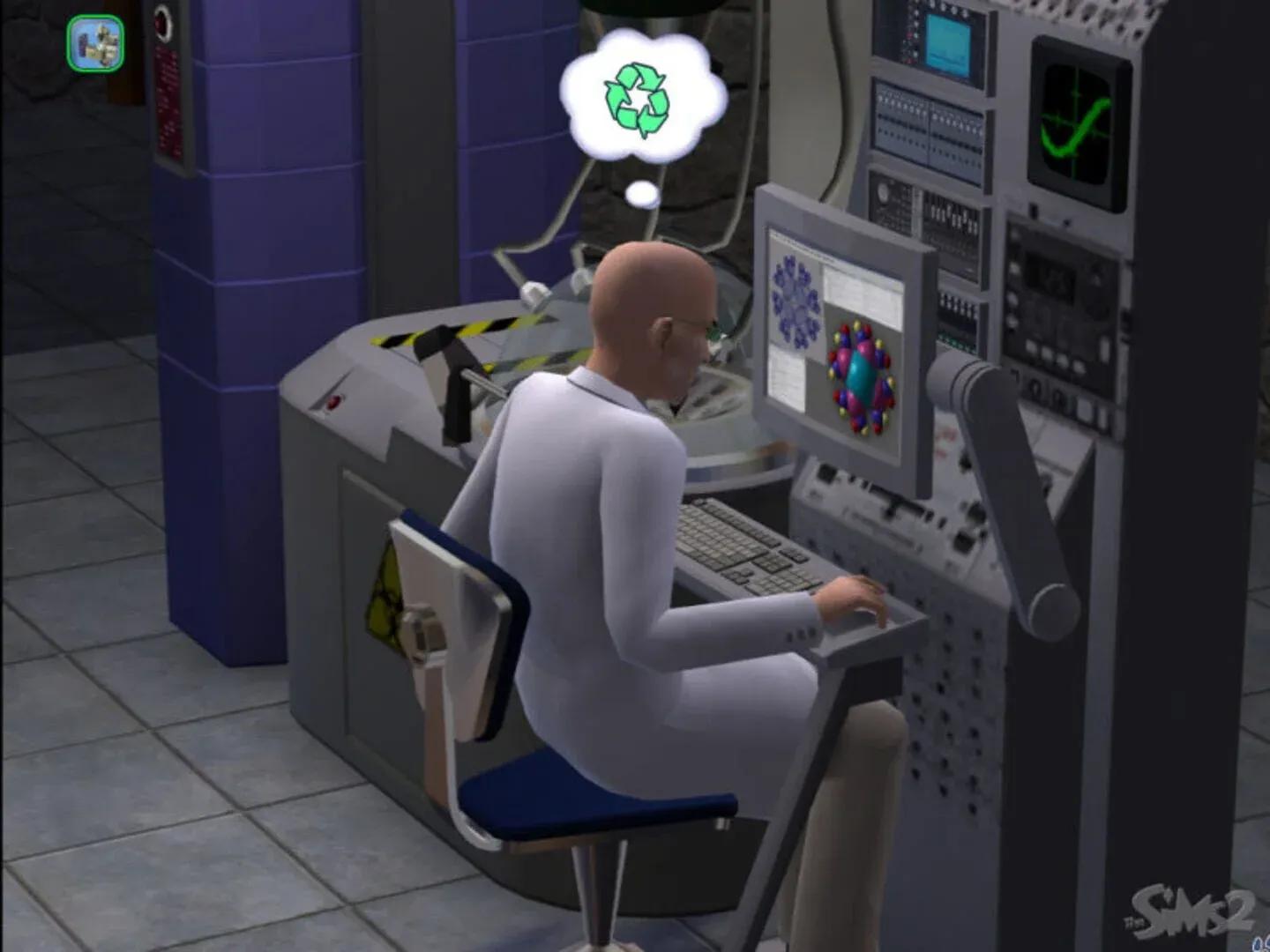
The lifespan system is what separates The Sims 2 from everything that came before it. Sims are born with traits inherited from their parents, grow through distinct life stages, and eventually age into elders. That arc creates natural urgency. A Sim with the Family aspiration needs to get married and raise children before time runs out. A Knowledge Sim needs to skill up fast enough to reach their goals before old age sets in.
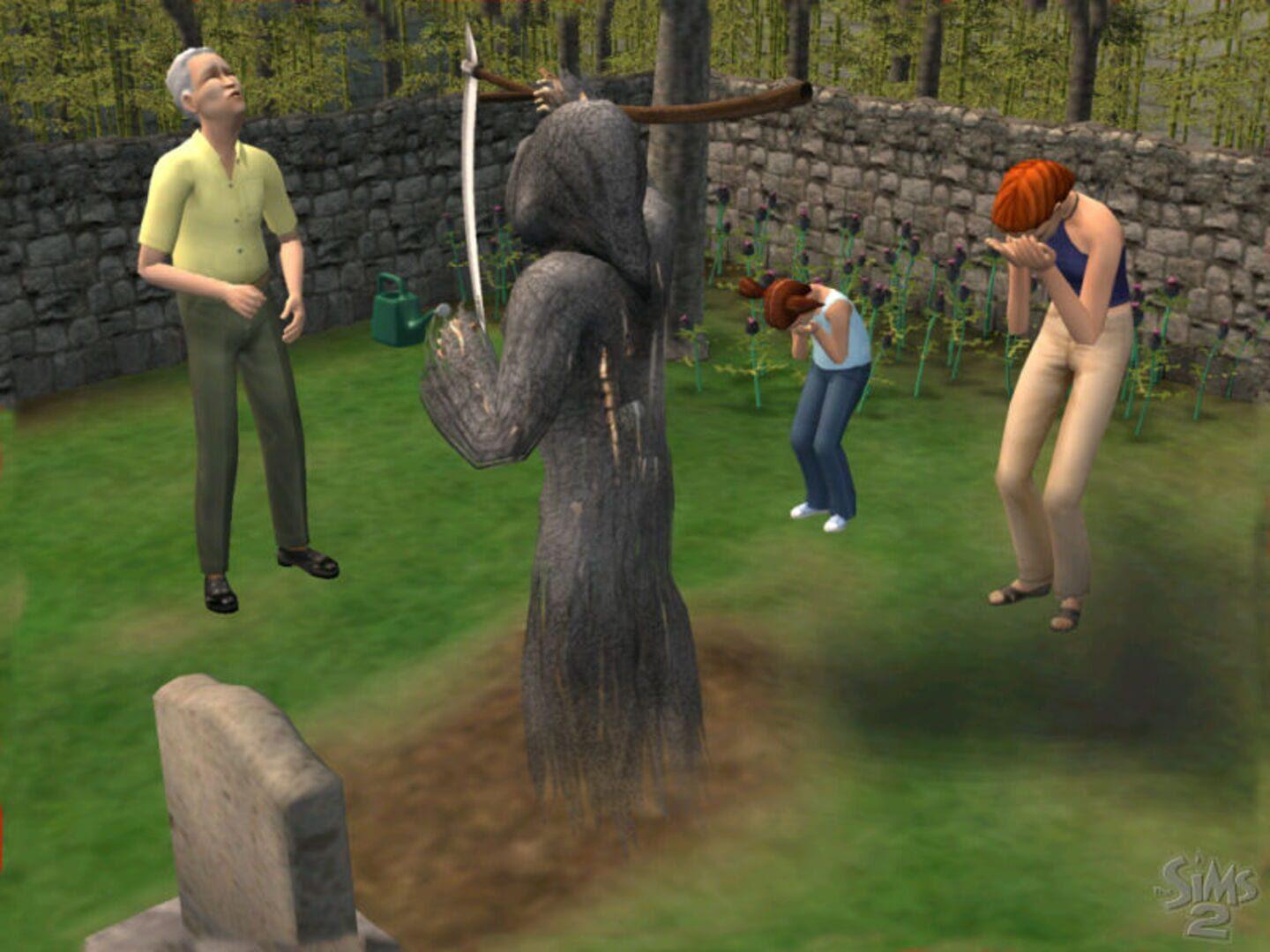
This generational structure gives long-term playthroughs a narrative weight that feels earned. Watching a family tree develop across multiple in-game generations, with physical traits and personality quirks passing down through DNA, turns what could be a repetitive loop into something that tells a different story every time.
Impact and legacy
Released on September 14, 2004, The Sims 2 sold over 6 million copies in its first year and spawned 8 expansion packs and 9 stuff packs before the series moved on. The Legacy Collection, available on Steam and Epic Games Store, brings the base game back to modern platforms through Aspyr Media, making it accessible without hunting down aging physical copies.
For a life simulation game that is over two decades old, The Sims 2 holds up because its systems have genuine depth. The aspiration rewards, including a money tree that pays out over time and a fountain-of-youth water cooler, feel like clever design rather than cheap incentives. The pre-made neighborhood storylines still land as sharp parodies of daytime television. The 3D engine that felt revolutionary in 2004 is dated now, but the gameplay underneath it remains the most carefully constructed version of simulated life Maxis ever built.