Overview
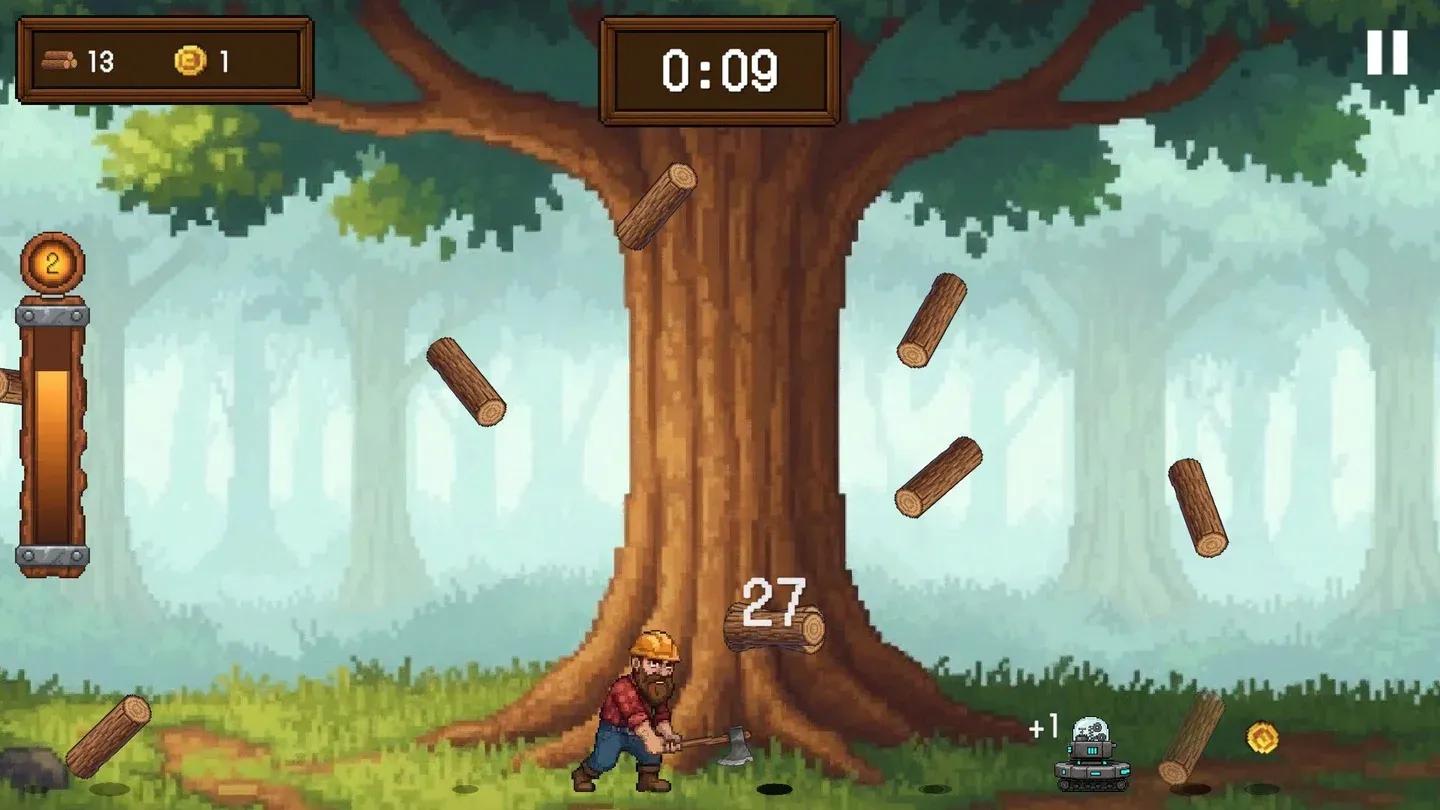
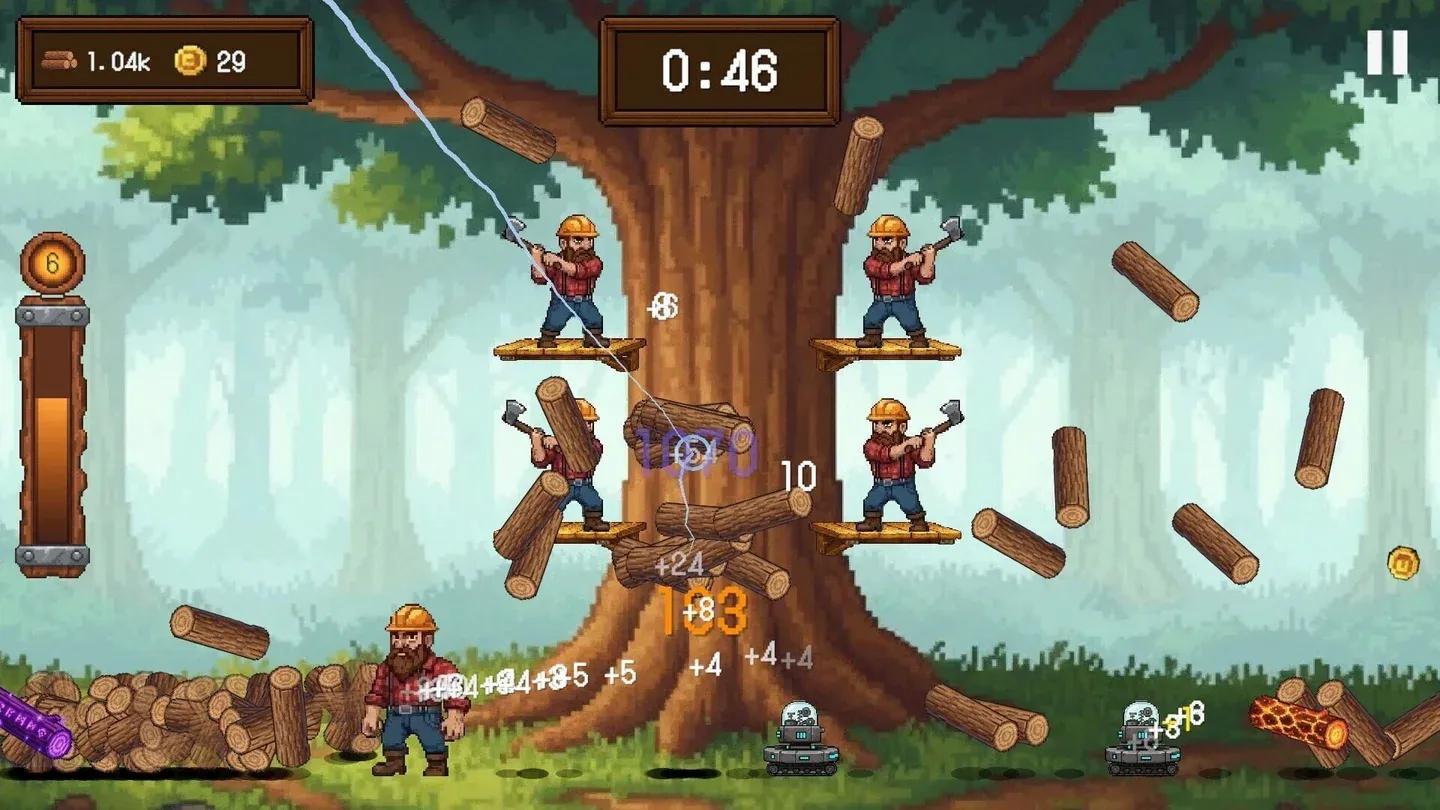
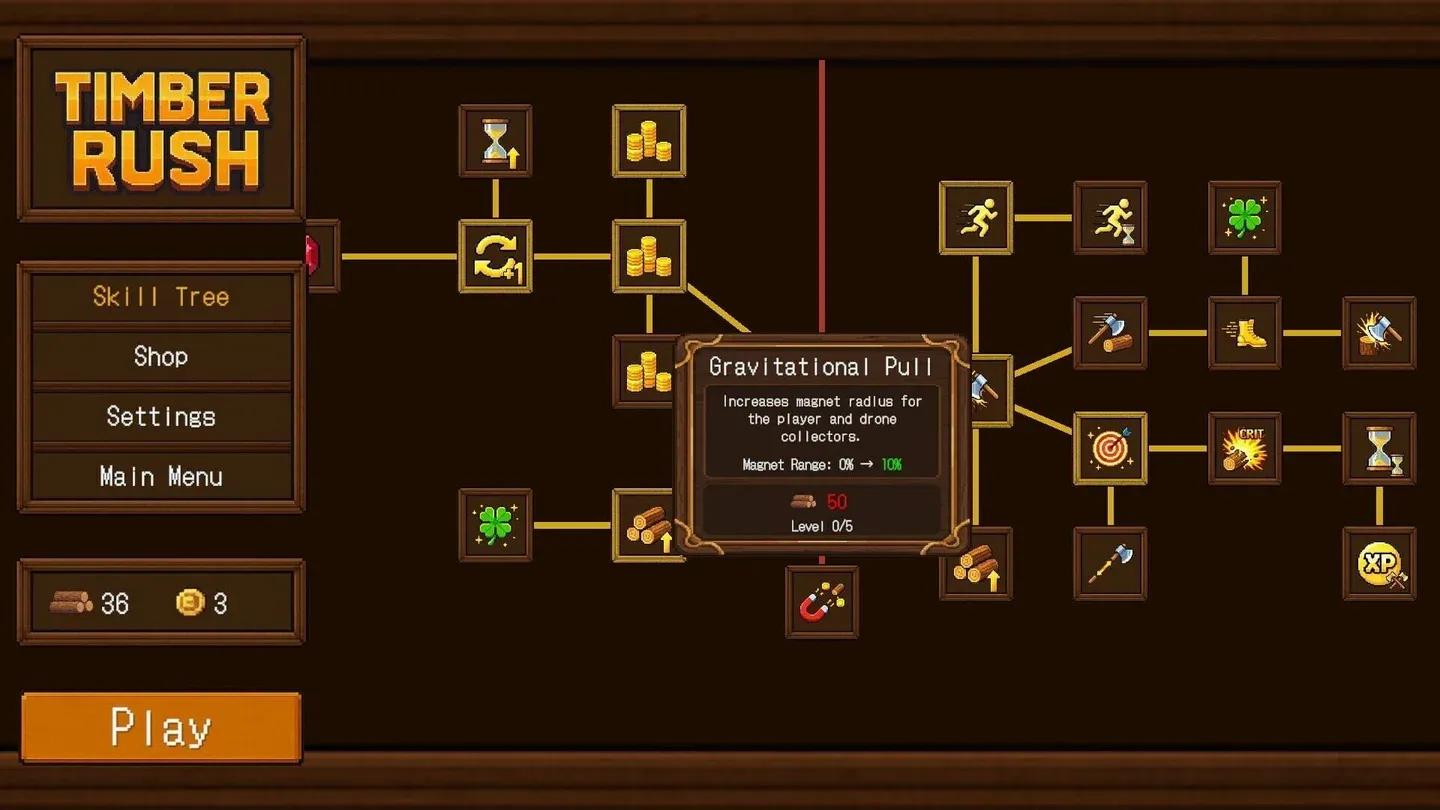
Timber Rush is an incremental roguelite built around one deceptively simple action: chopping wood. Each swing feeds a progression engine that accelerates fast, stacking upgrades, multipliers, and cascading effects until what started as a calm forestry loop becomes a torrent of numbers and decisions. Allerton Apps, handling both development and publishing as a solo studio effort, has distilled the "just one more run" compulsion of the roguelite genre into something that sits comfortably alongside idle games while demanding enough active input to keep you honest.
The core tension in Timber Rush lives in that space between automation and attention. Like the best incremental games, it rewards players who understand when to let systems run and when to intervene with a well-timed upgrade choice. The roguelite structure means each run resets the board, but the chaos compounds quickly enough that no two sessions feel identical.
What makes Timber Rush worth playing?
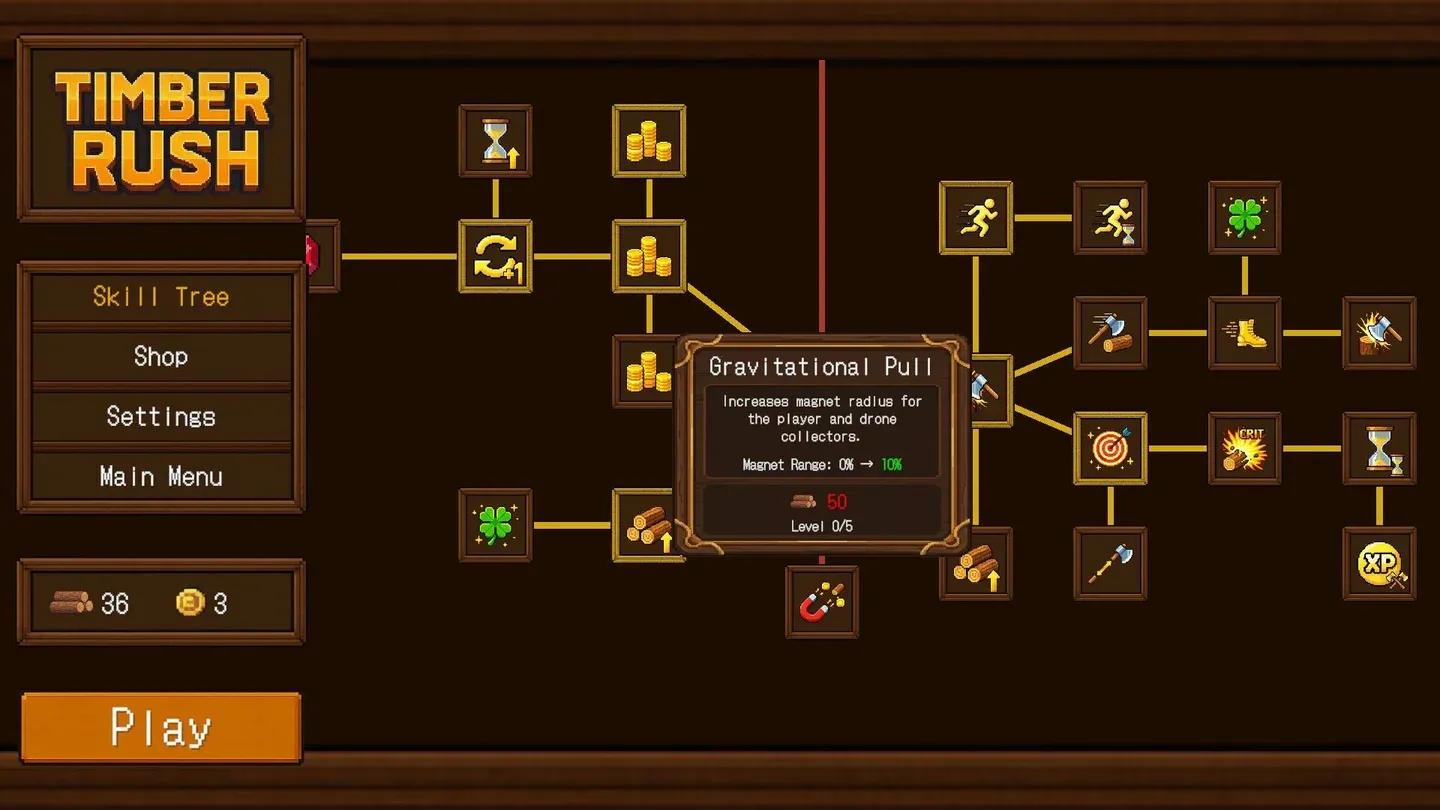
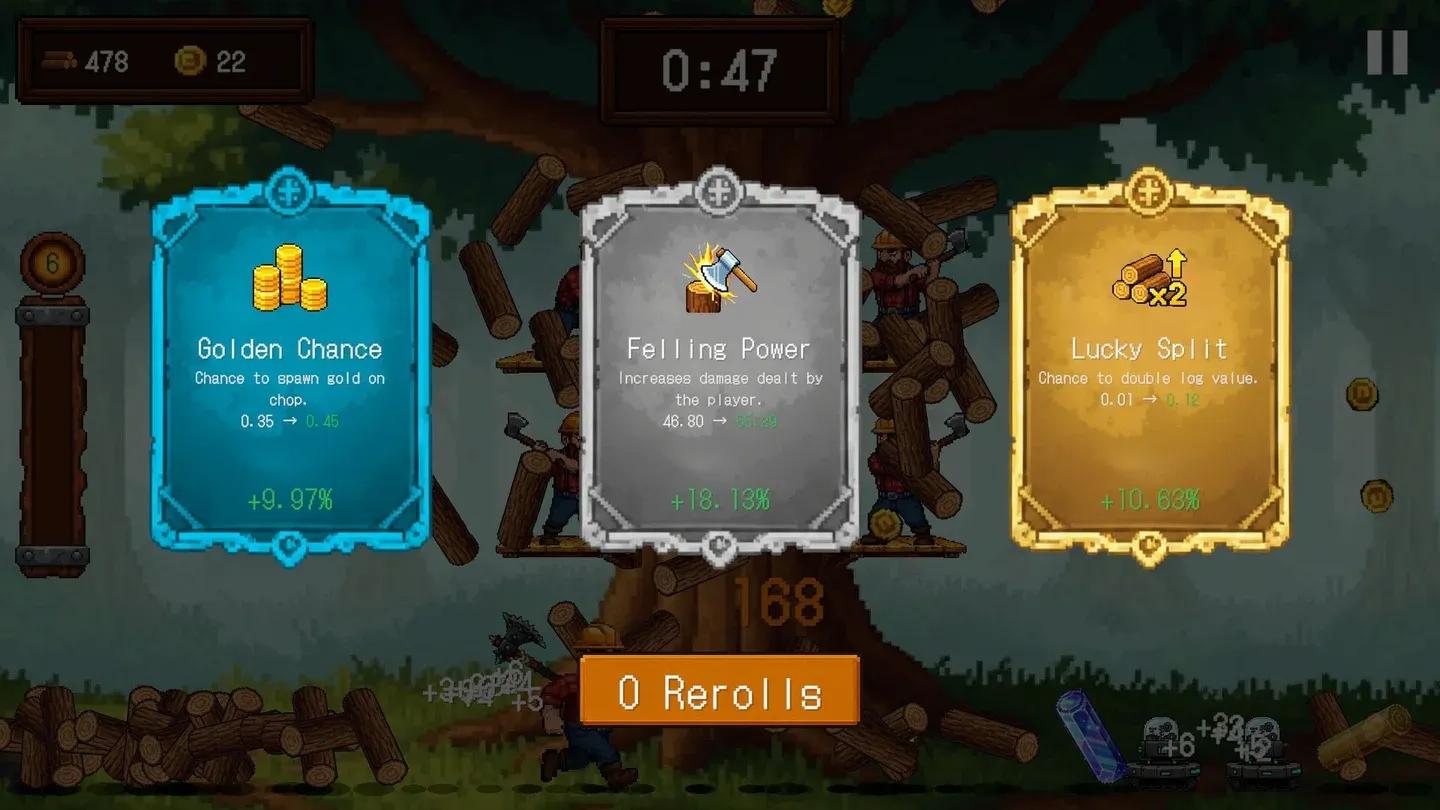
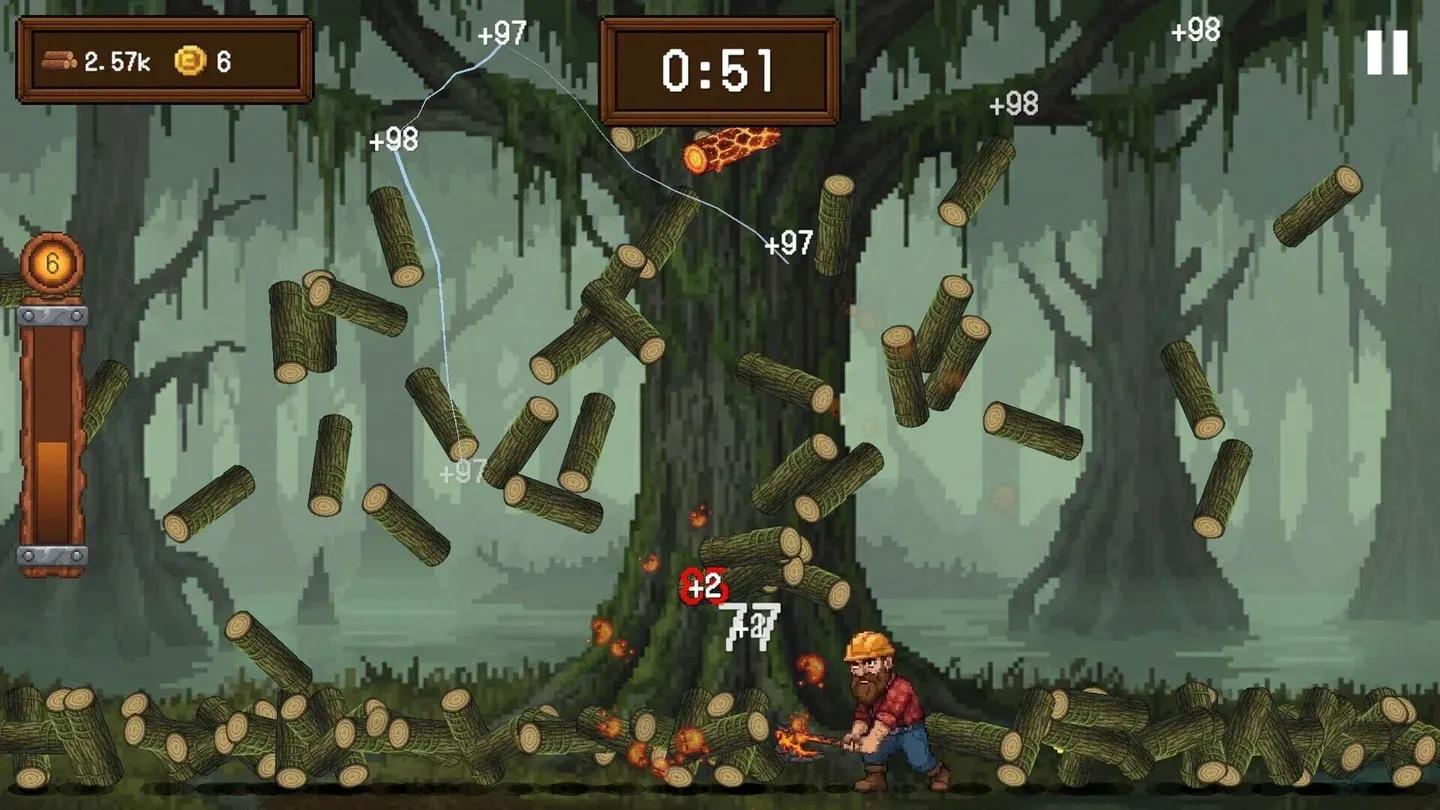
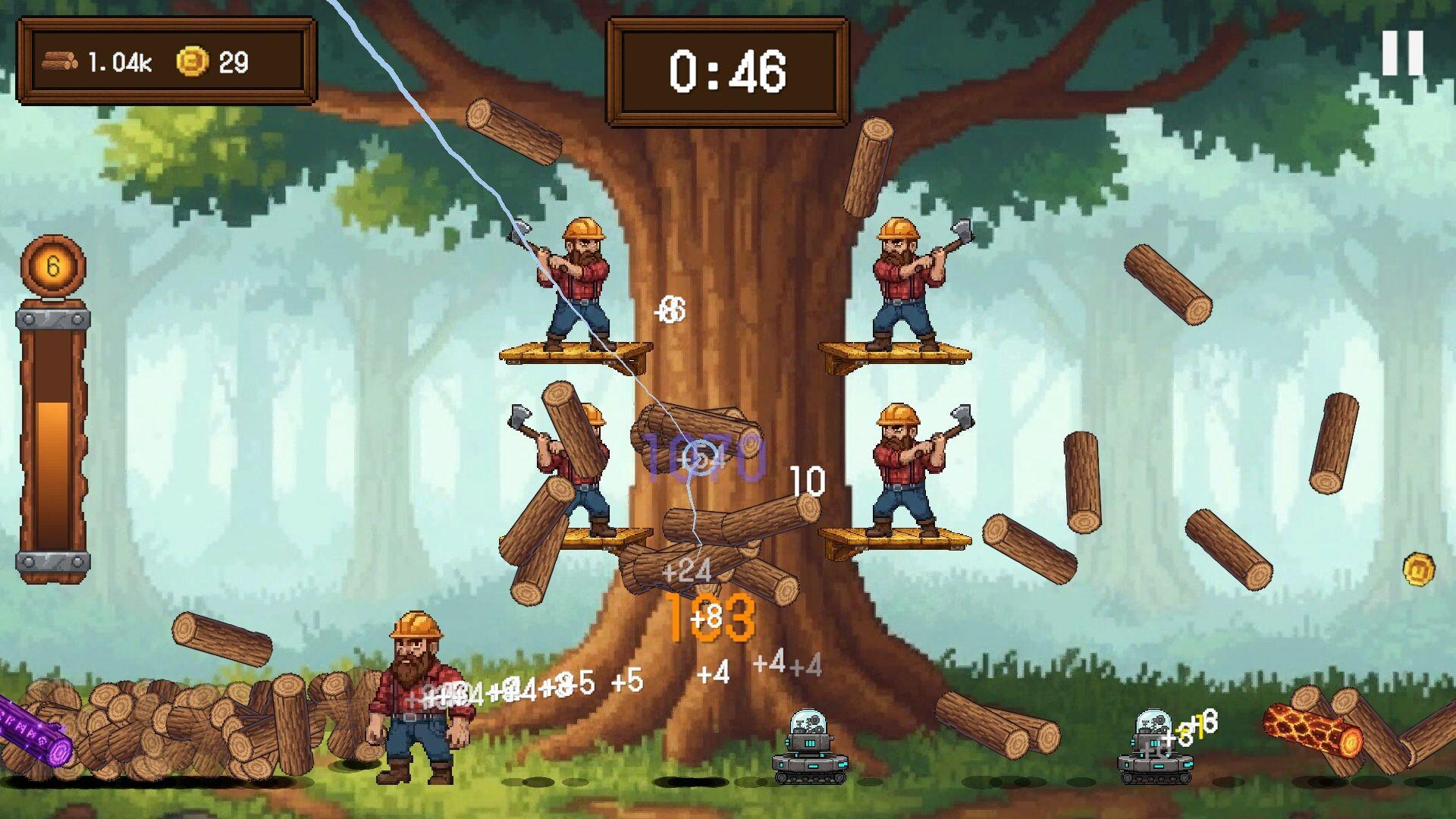
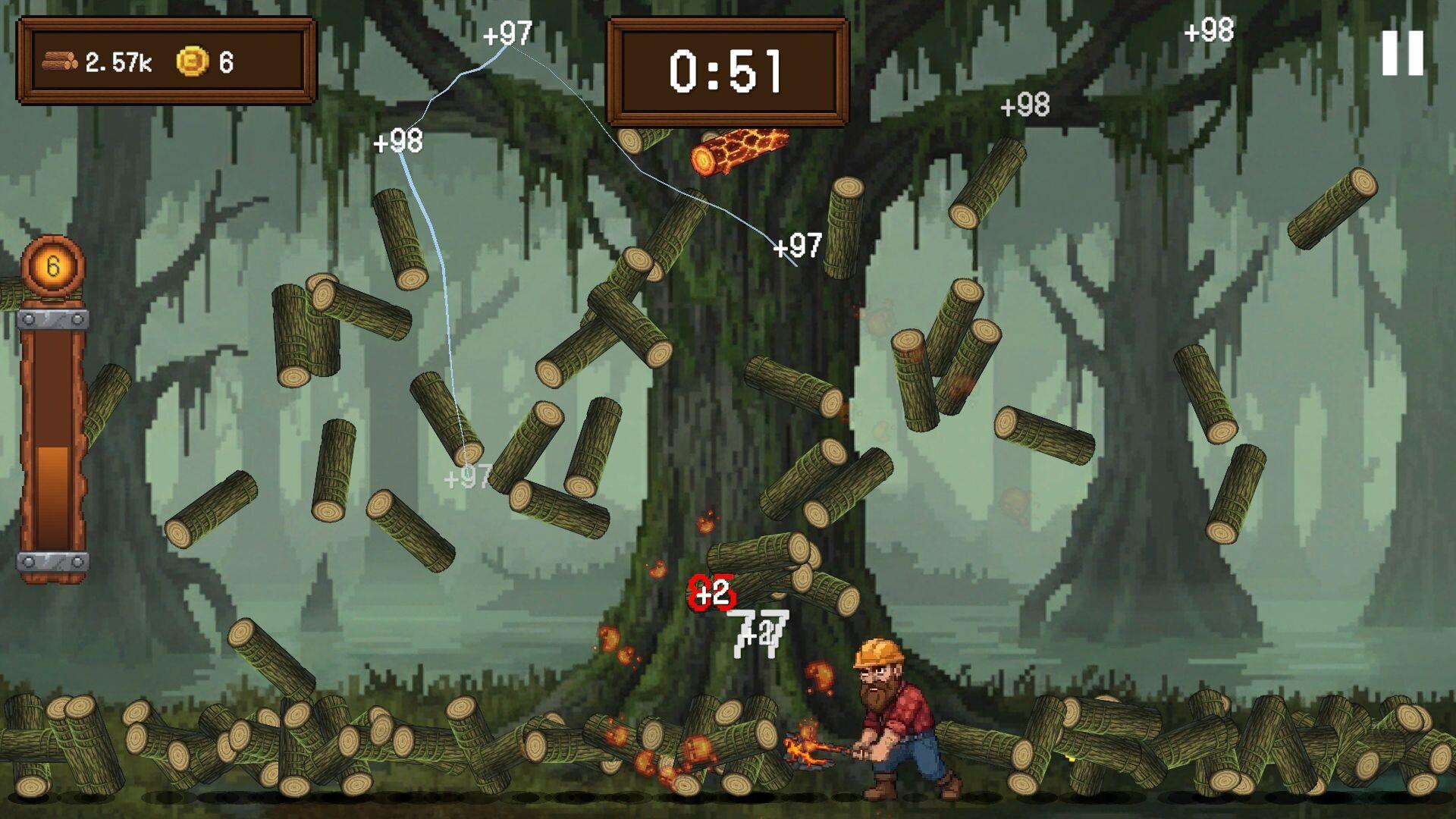
Timber Rush earns its place in a crowded indie roguelite market by committing fully to escalation. The upgrade system is not just a menu of passive bonuses. Each choice visibly and immediately changes how the game feels, which is harder to pull off than it sounds. Many incremental games bury their feedback loop under menus and wait timers. Here, the payoff is immediate and loud.
Key mechanics driving the experience:
- Swing-triggered upgrade chains
- Cascading number scaling per run
- Roguelite reset structure with persistent chaos
- Fast-paced decision windows during active play
- Incremental idle elements between active sessions
The action and strategy genres listed for the game are not marketing overlap. The action side shows up in the rhythm of active play, while the strategy layer emerges in upgrade prioritization. Getting the two to coexist without one undermining the other is a real design achievement for a small indie release.
Gameplay and mechanics
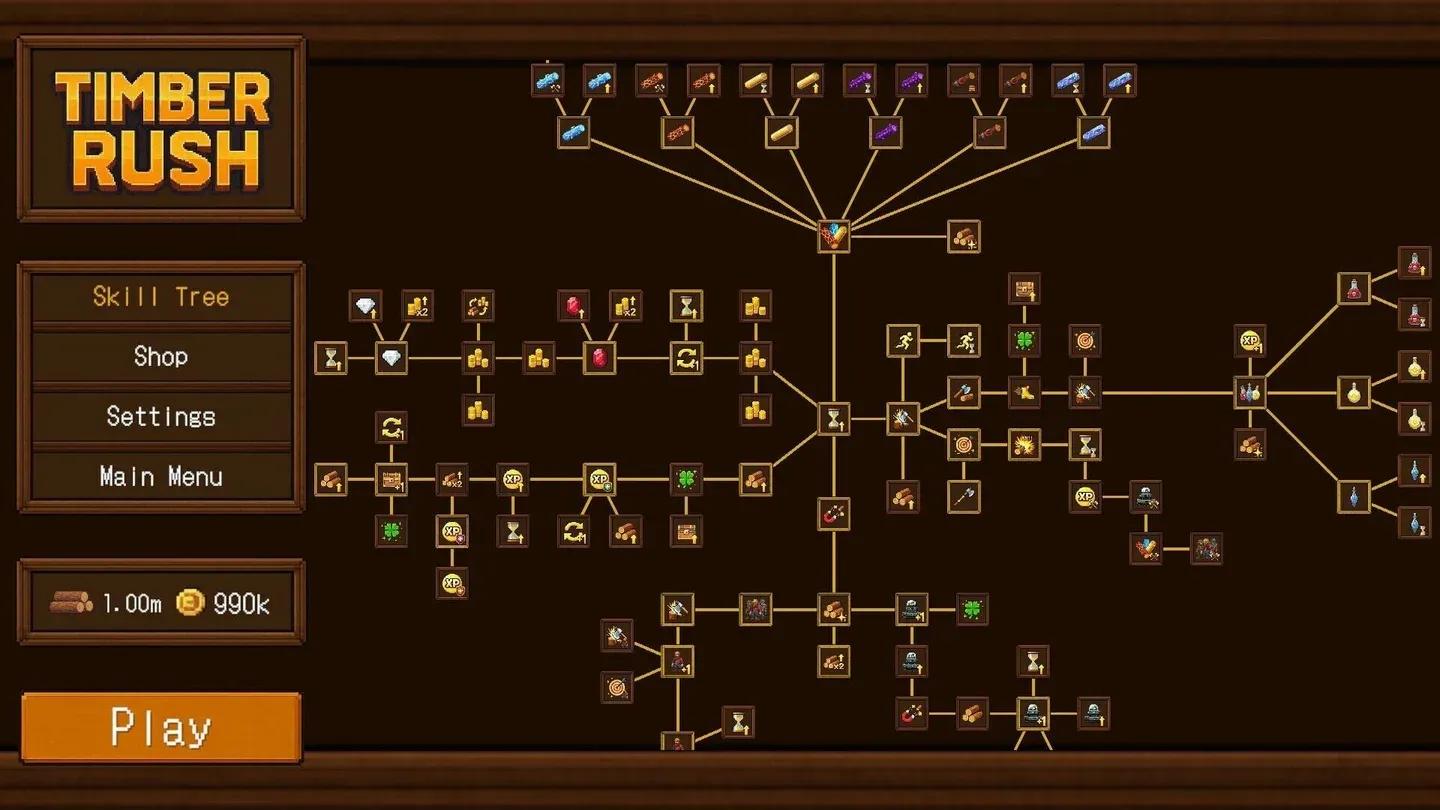
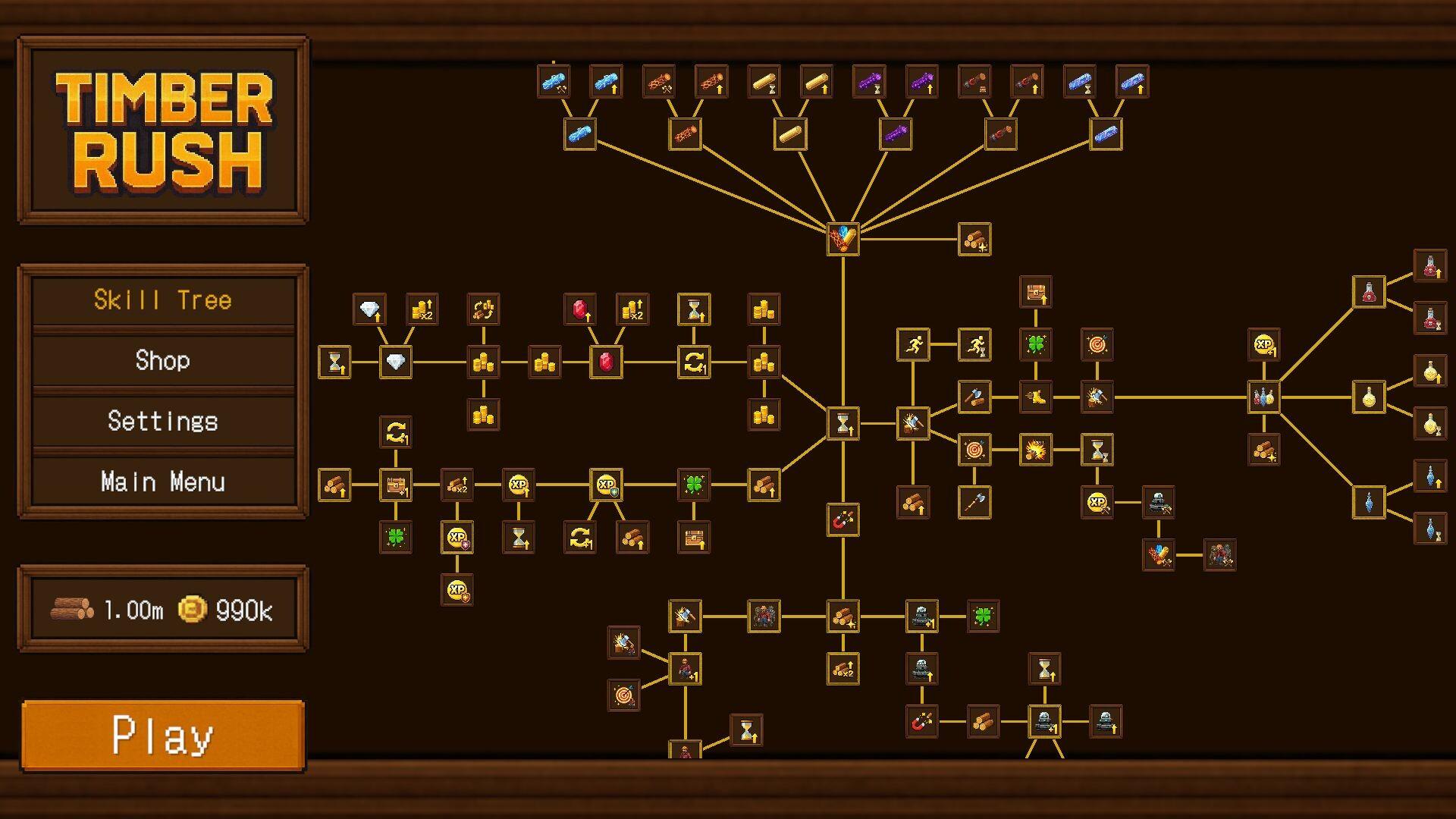
Every run in Timber Rush starts from zero and builds toward a ceiling that keeps moving. The incremental side handles the moment-to-moment growth, but the roguelite structure is what gives each session a distinct shape. Upgrade paths branch, multipliers stack in different orders depending on your choices, and the endgame of any given run looks dramatically different from the last.
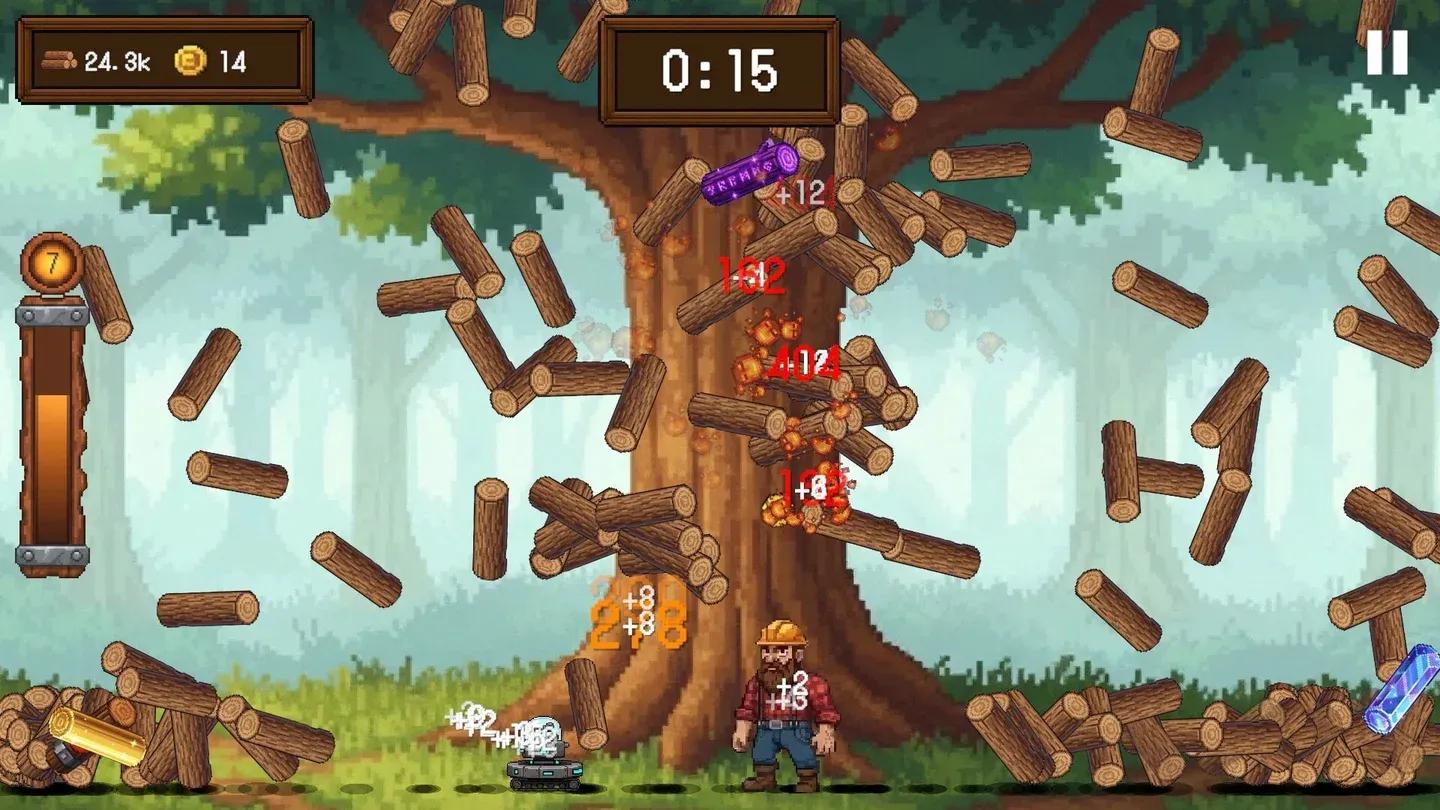
The "massive numbers" framing in the game's own description is not hyperbole. Timber Rush leans into the number-go-up satisfaction that drives games like Cookie Clicker or Vampire Survivors, but anchors it to an active chopping mechanic rather than pure passivity. That distinction matters for pacing.
Content and replayability
For a game in the action-casual-indie-strategy overlap, replayability is the whole value proposition. Timber Rush delivers that through run variety rather than a long content list. The roguelite framework means the upgrade combinations available in any session shift enough to justify repeated play without requiring a sprawling content update schedule.
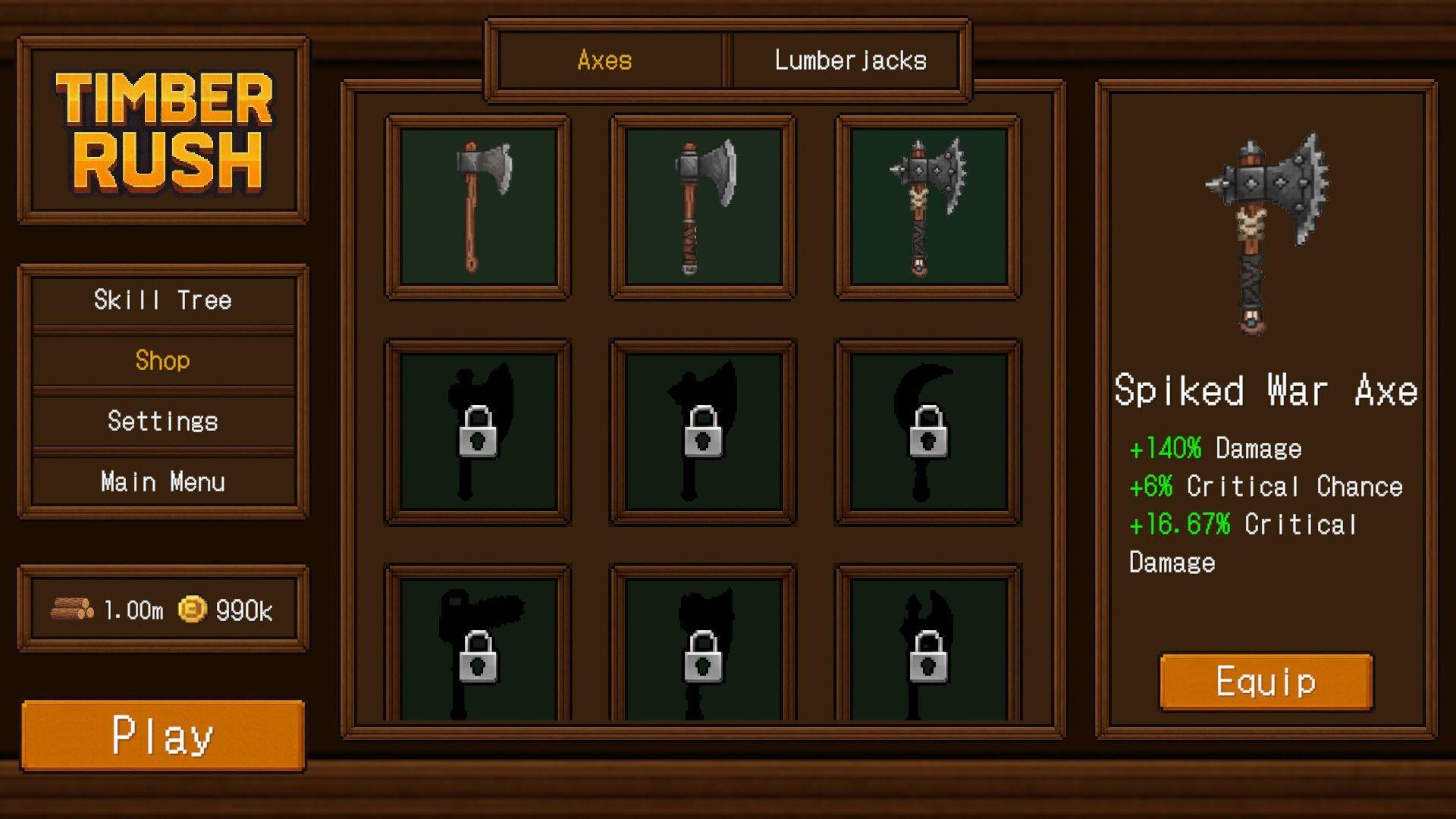
Timber Rush is a focused, fast-moving incremental roguelite that knows exactly what it wants to be. Allerton Apps has built a game where the chopping loop, upgrade chaos, and escalating numbers work together cleanly rather than pulling in different directions. For players who want a casual strategy game with genuine mechanical depth and strong replayability, it earns a spot in the rotation on both Steam and Epic Games Store.