
Biggest discounts, free games, and limited-time offers across every major gaming store.
Never pay full price again.
Overview
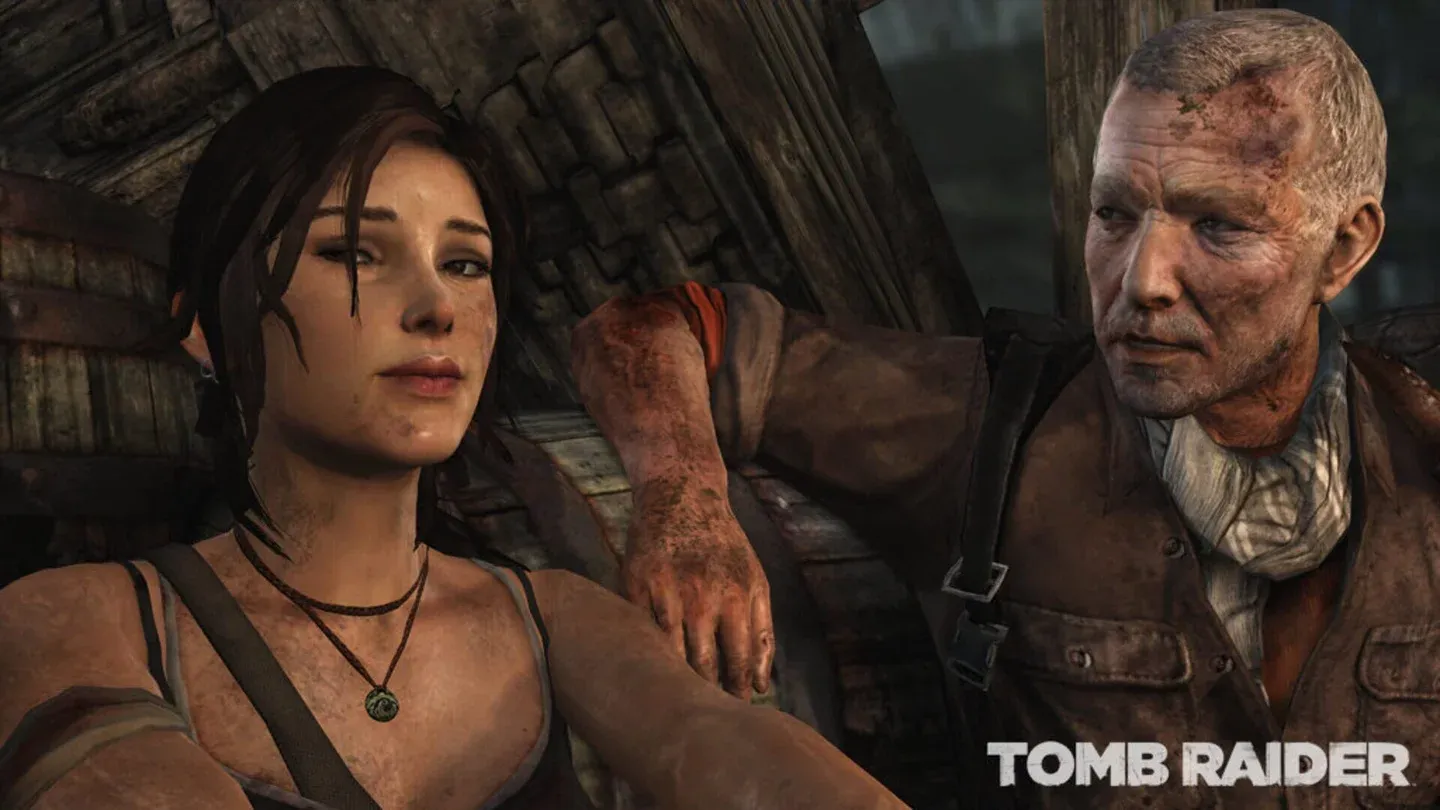
Released in March 2013, Tomb Raider is Crystal Dynamics' complete reimagining of the Lara Croft origin story. Gone is the confident dual-pistol-wielding adventurer of the original series. In her place is a frightened but resourceful young woman who shipwrecks on the island of Yamatai and has to claw her way back to humanity through sheer survival instinct. The shift in tone was deliberate and it paid off, producing one of the most compelling character studies in action-adventure gaming.
The story kicks off aboard the research vessel Endurance, where Lara and her crew venture into the Dragon's Triangle east of Japan searching for the lost kingdom of Yamatai. A violent storm destroys the ship and scatters the survivors across a remote island controlled by a violent cult called the Solarii Brotherhood. What follows is a relentless, often brutal journey through ancient ruins, military bunkers, and storm-battered coastlines as Lara fights to rescue her friend Sam and uncover the island's supernatural secret rooted in the legend of the Sun Queen Himiko.
Gameplay and mechanics
Tomb Raider builds its core loop around three pillars that work together naturally:
- Exploration and traversal across a semi-open island
- Third-person cover-based combat with bow and firearms
- Environmental puzzle-solving tied to survival and progression
- Skill tree upgrades earned through XP and salvage
- Tomb challenge rooms for optional but rewarding detours
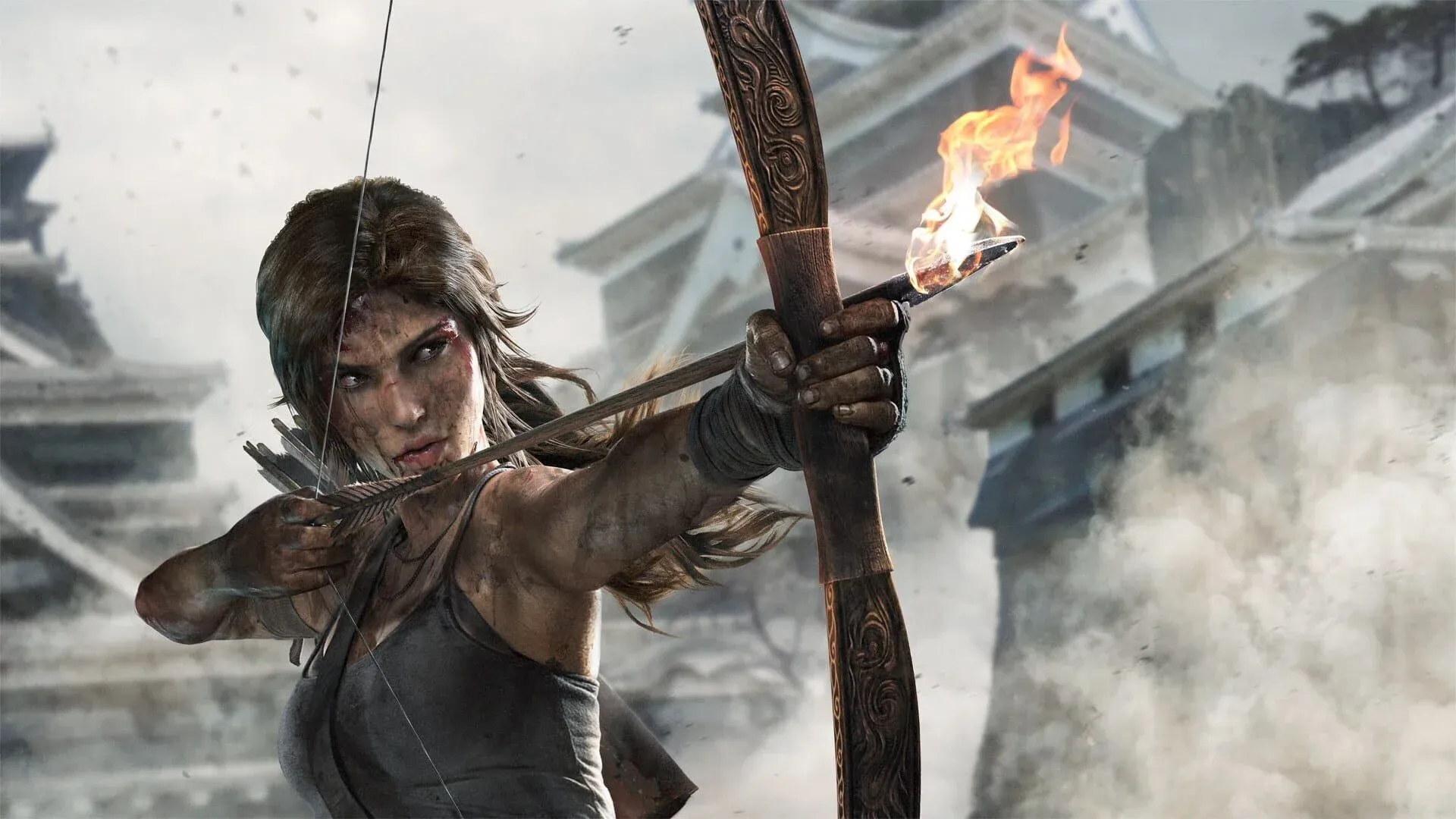
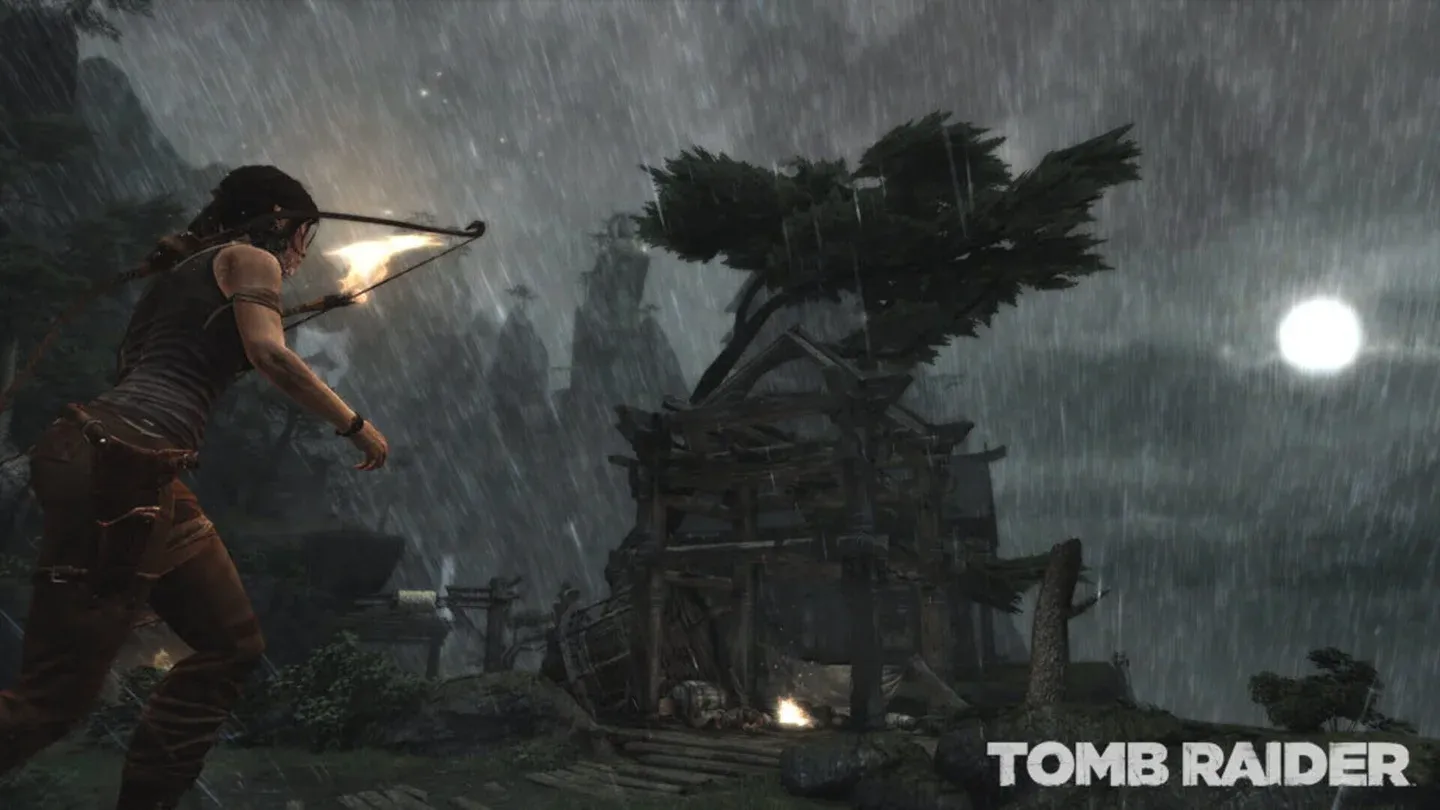
The bow is the defining weapon of the early game. It starts as a crude survival tool and becomes a precision instrument as Lara upgrades it with salvaged materials. Combat leans into the tension of being outgunned, pushing players toward stealth takedowns and careful positioning over run-and-gun aggression. The system is not the most sophisticated cover shooter ever made, but it serves the story's tone well.
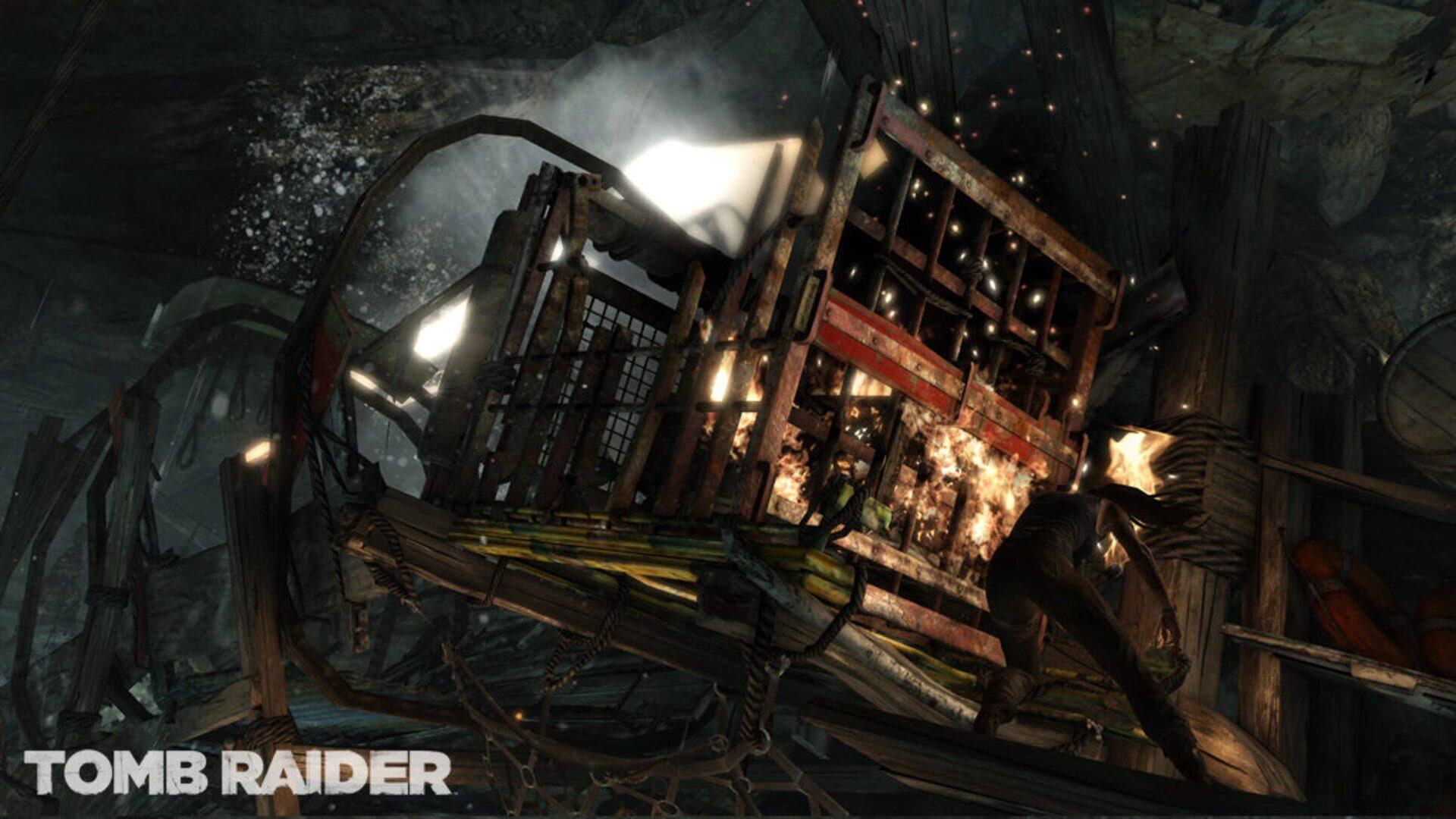
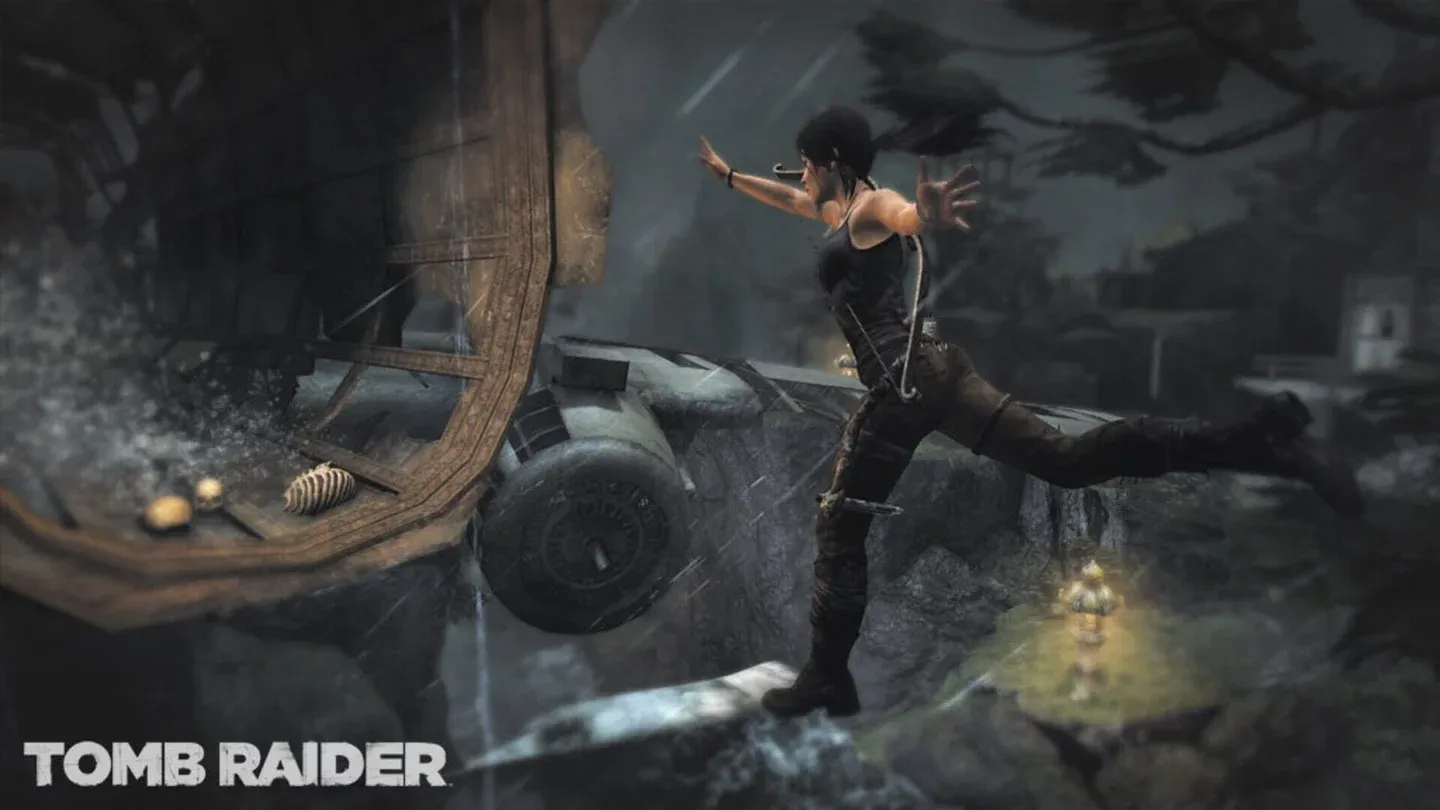
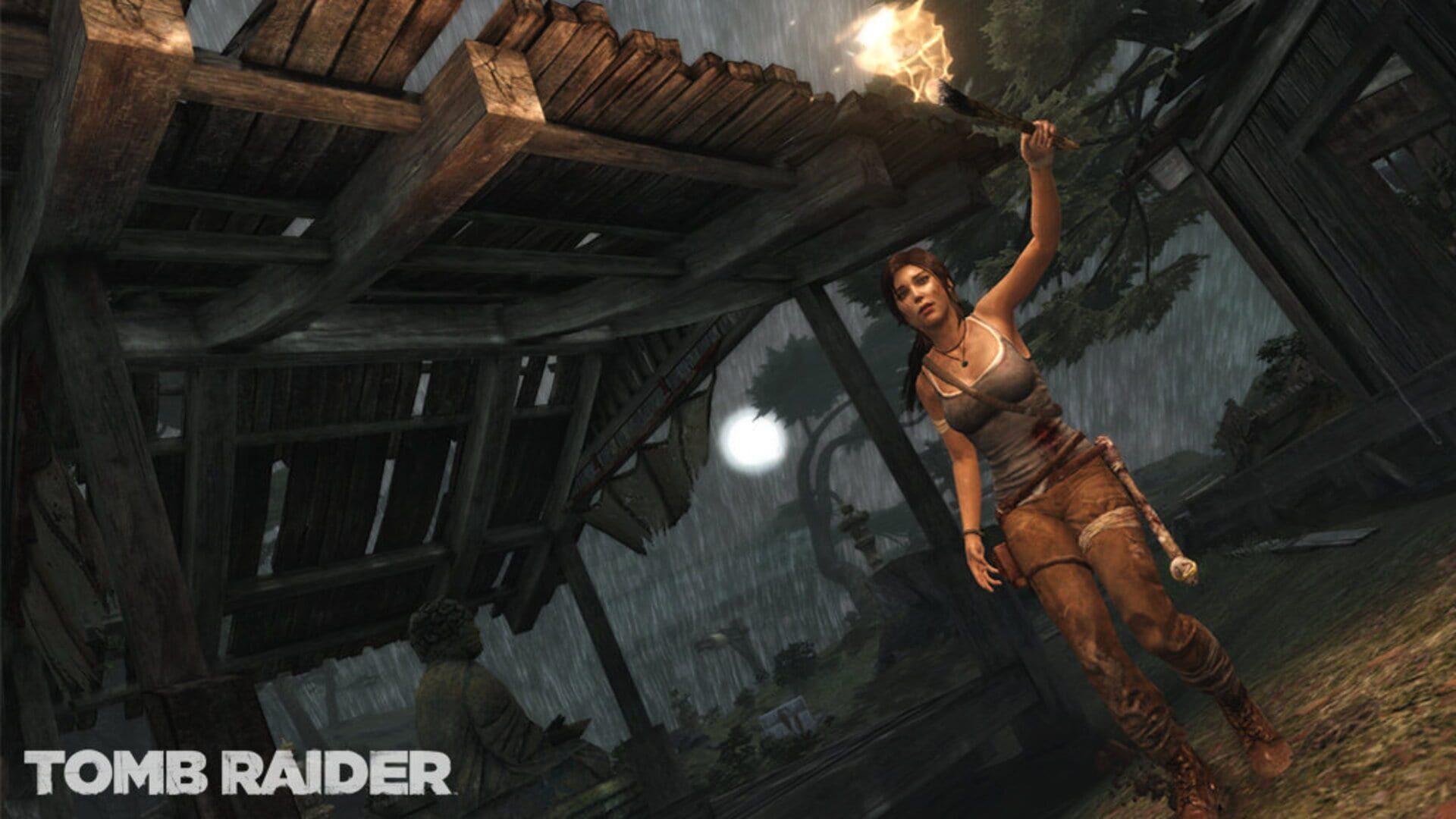
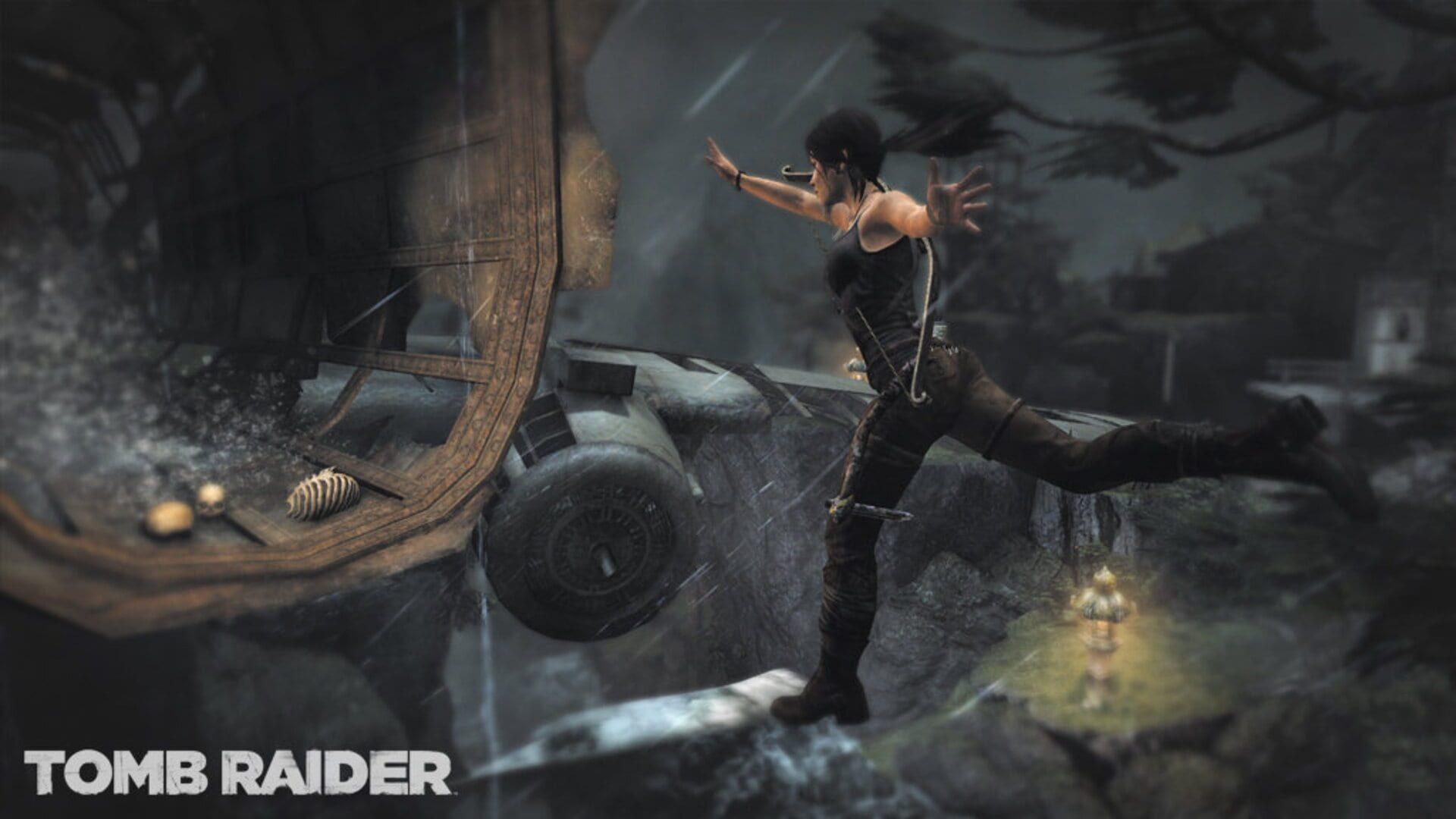
Traversal deserves particular credit. Lara moves through the environment with a physicality that feels earned rather than superheroic. She scrambles up ledges, slides down muddy slopes, and flinches under fire in ways that ground the action in something resembling real vulnerability. The island itself is designed as a series of interconnected zones, and backtracking with newly acquired tools to reach previously inaccessible areas gives the progression a satisfying rhythm.
World and setting
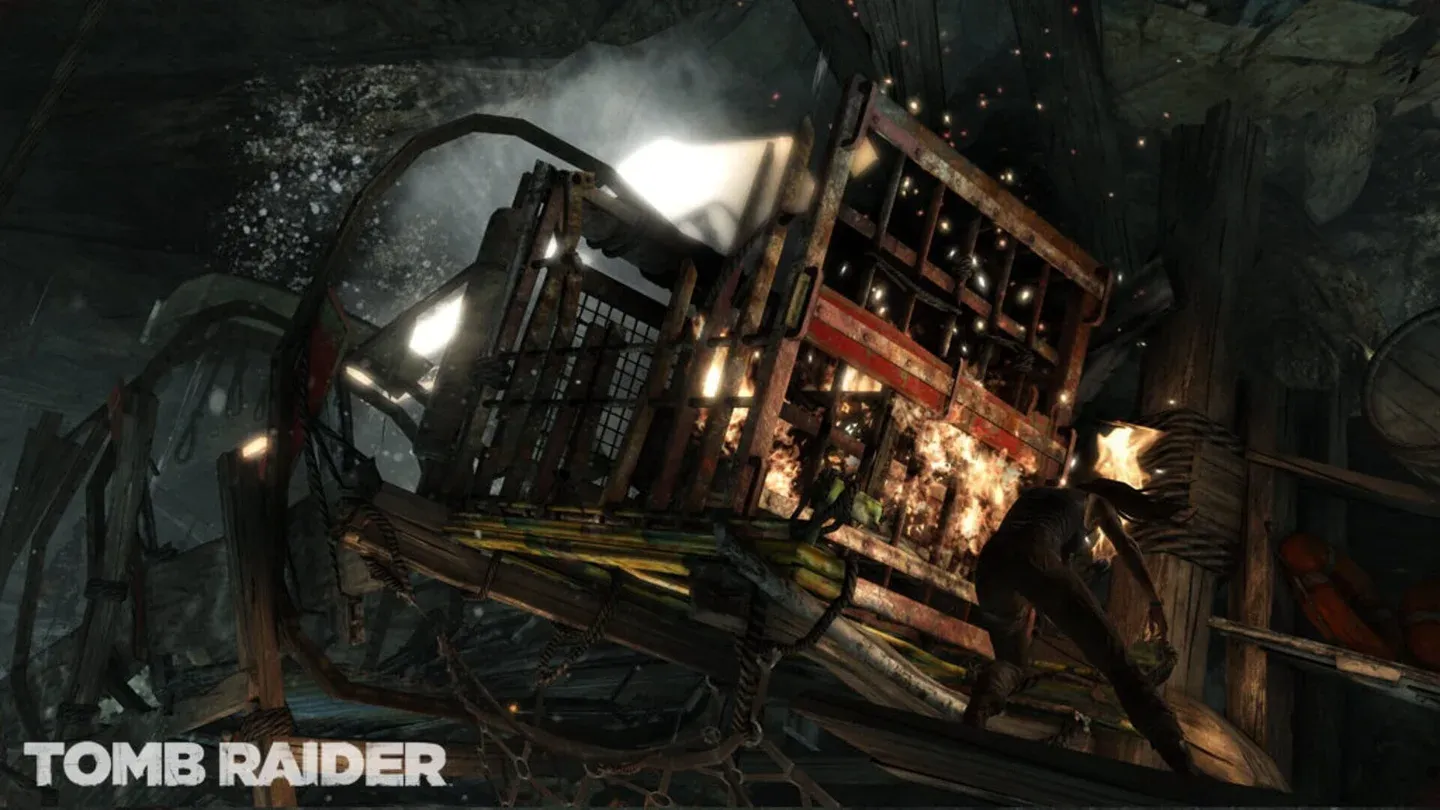
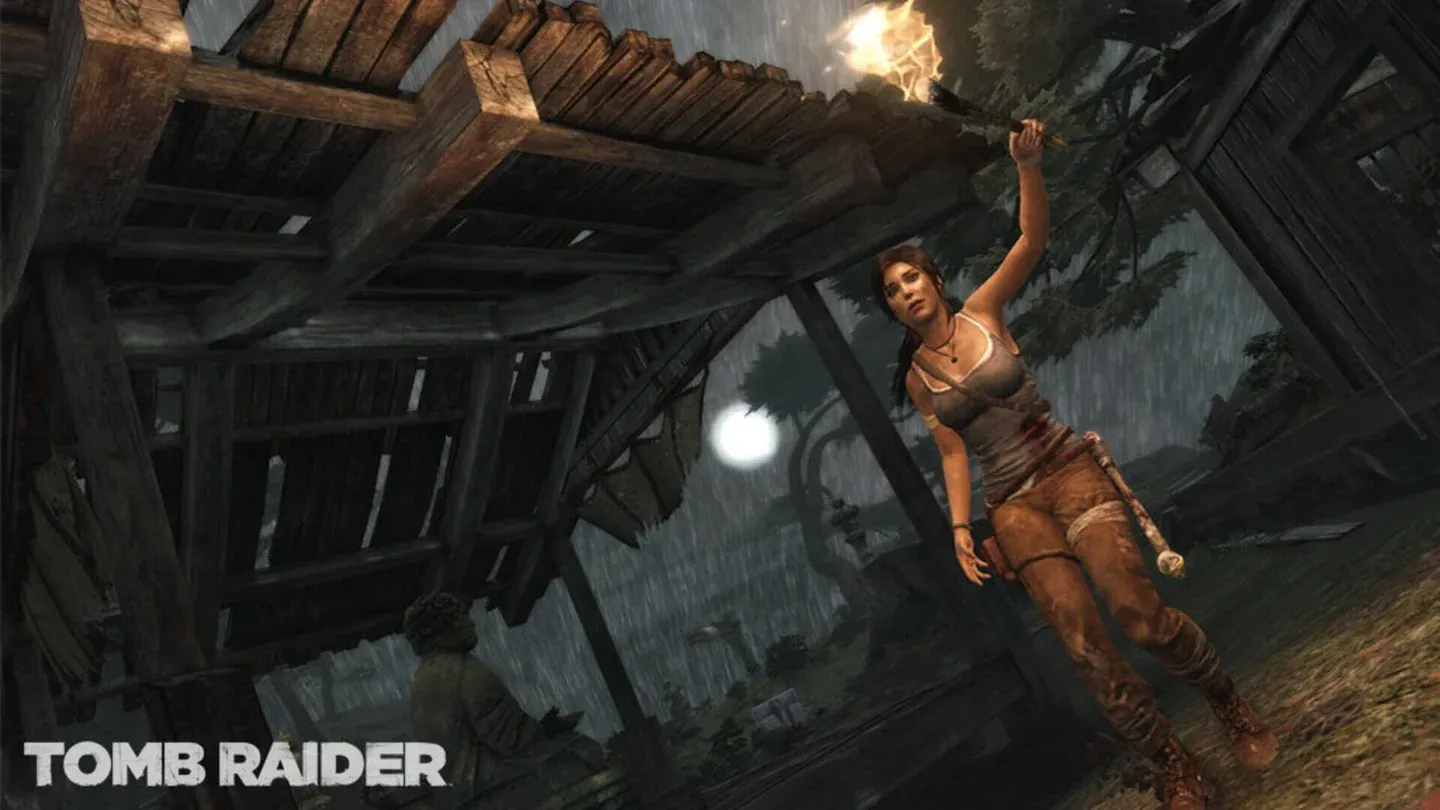
Yamatai is one of the better-designed open environments from that console generation. The island shifts between claustrophobic cave systems, sun-bleached coastal ruins, a rain-soaked Solarii fortress, and ancient monastery interiors layered with Japanese mythology. Each zone has its own visual identity while still feeling like part of a coherent whole.
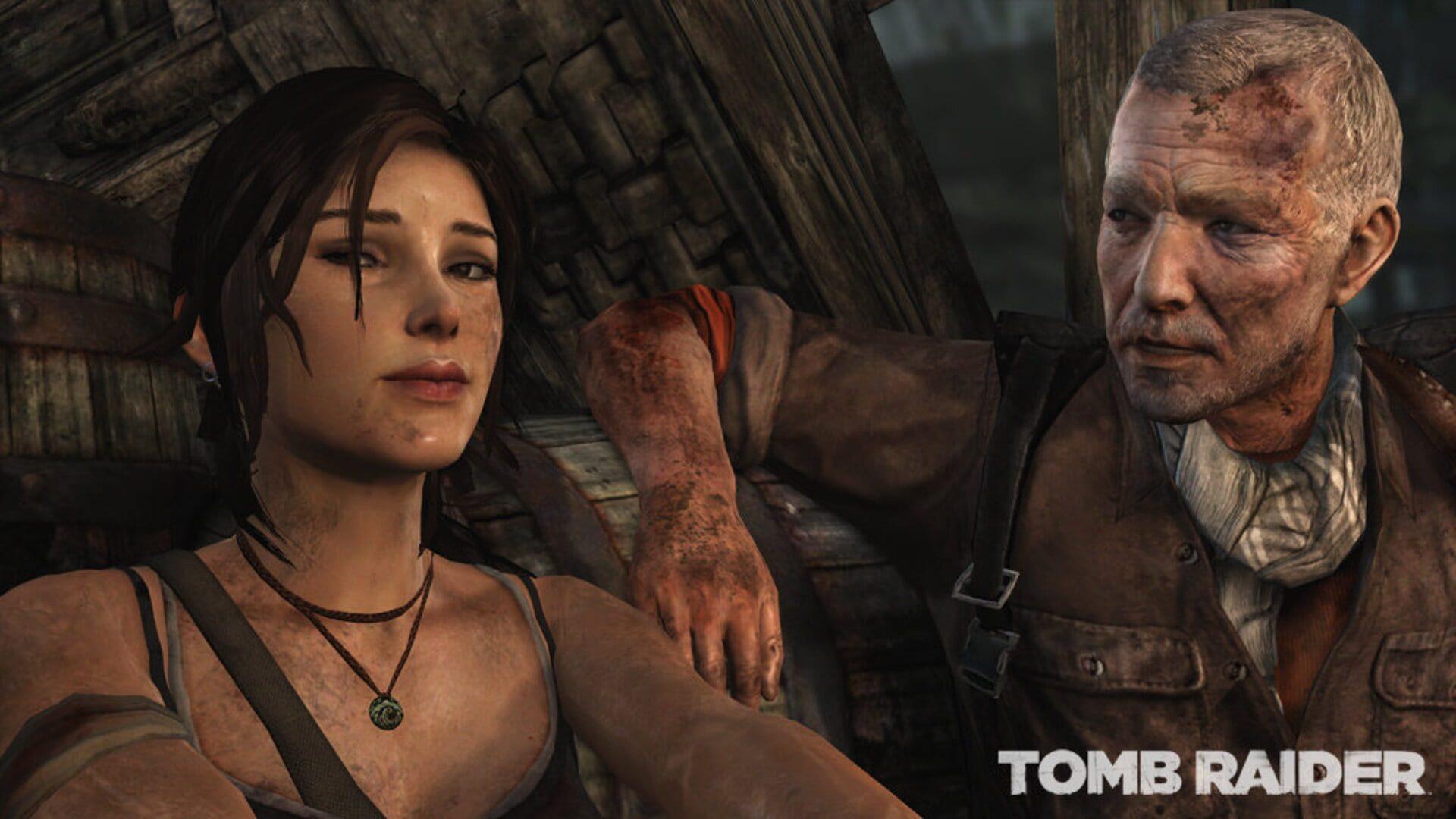
The mythology underpinning the narrative, centered on Himiko's soul transfer ritual and the supernatural storms that trap everyone on the island, gives the setting genuine stakes beyond a standard rescue mission. The Oni warriors defending the monastery add an unexpected supernatural combat encounter in the final act that pays off the slow-burn mystery built throughout the campaign.
Impact and legacy
Tomb Raider landed with strong critical reception on release and sold over 3.4 million copies in its first month, eventually becoming one of Square Enix's best-selling titles. The reboot established the template for the entire Survivor trilogy, which continued through Rise of the Tomb Raider and Shadow of the Tomb Raider. The dual-pistol moment near the game's climax, where Lara kills Mathias using both her gun and his, is a small but deliberate piece of visual storytelling that connects the rebooted character to her classic counterpart.
The Definitive Edition, released in 2014, brought the game to PS4 and Xbox One with upgraded visuals and all DLC included, and the game remains available across PC, current consoles, Nintendo Switch, iOS, and Android. For anyone who wants to understand how modern action-adventure games approach character-driven origin stories, this is still the benchmark worth measuring against.