Overview
Total War: Shogun 2 is a hybrid strategy game developed by Creative Assembly and published by Sega, originally released on March 15, 2011. Set during the Sengoku period of 16th-century Japan, it tasks players with leading one of nine clans (ten with the Ikko-Ikki DLC) across a detailed campaign map, managing provinces, forging alliances, and ultimately conquering enough of Japan to claim the title of shogun. The campaign blends turn-based grand strategy with real-time tactical battles, a combination the Total War series has always been built on, but Shogun 2 executes it with a precision and thematic consistency that few entries in the franchise match.
The AI system draws directly from Sun Tzu's "Art of War," giving enemy generals a tactical logic that adapts to your movements rather than simply throwing units at you. Each clan carries its own distinct traits, unit rosters, and starting positions on the campaign map, which means the path to shogunate looks genuinely different depending on your choice. The Shimazu in the south fight differently than the Date in the north, and those differences matter from the first turn.
Gameplay and mechanics
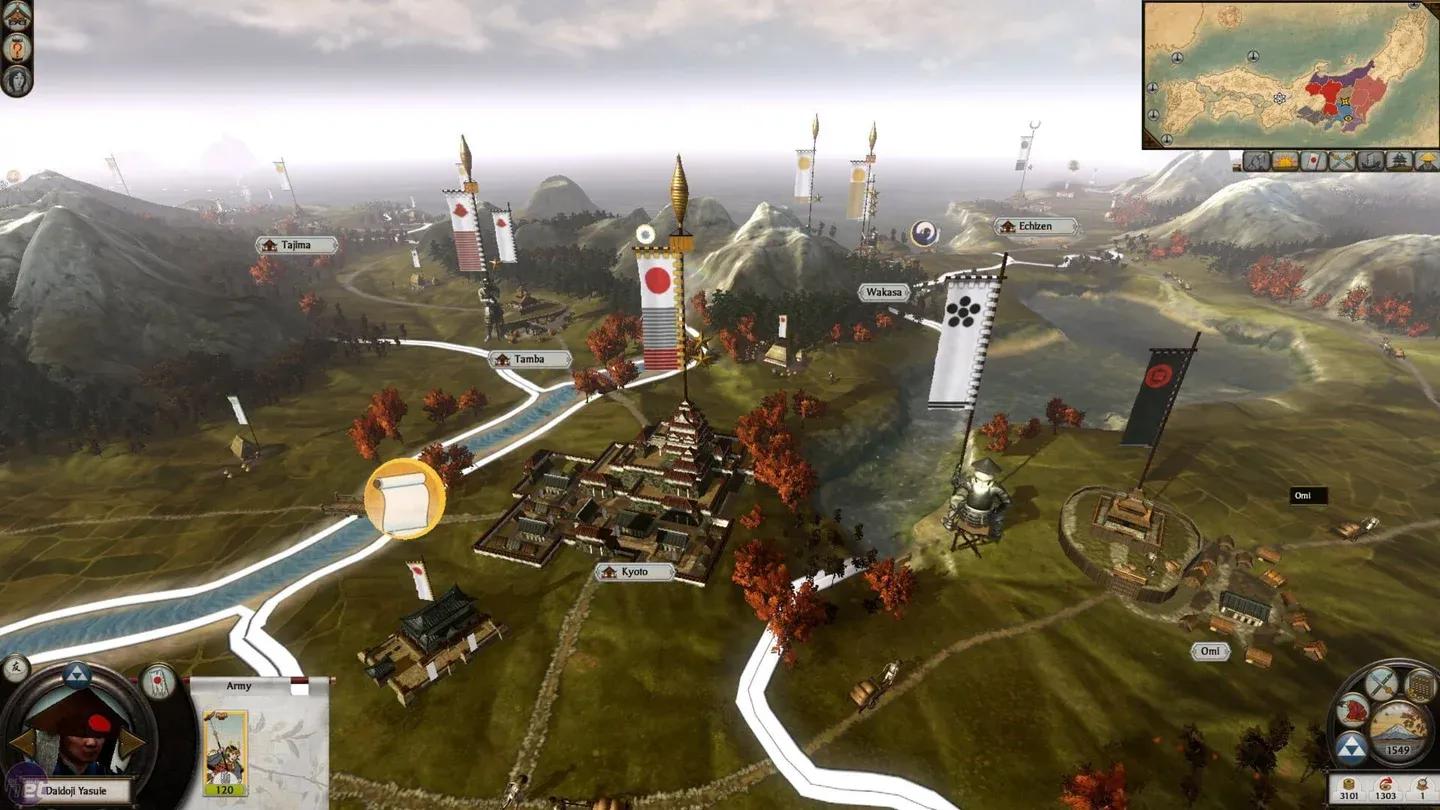
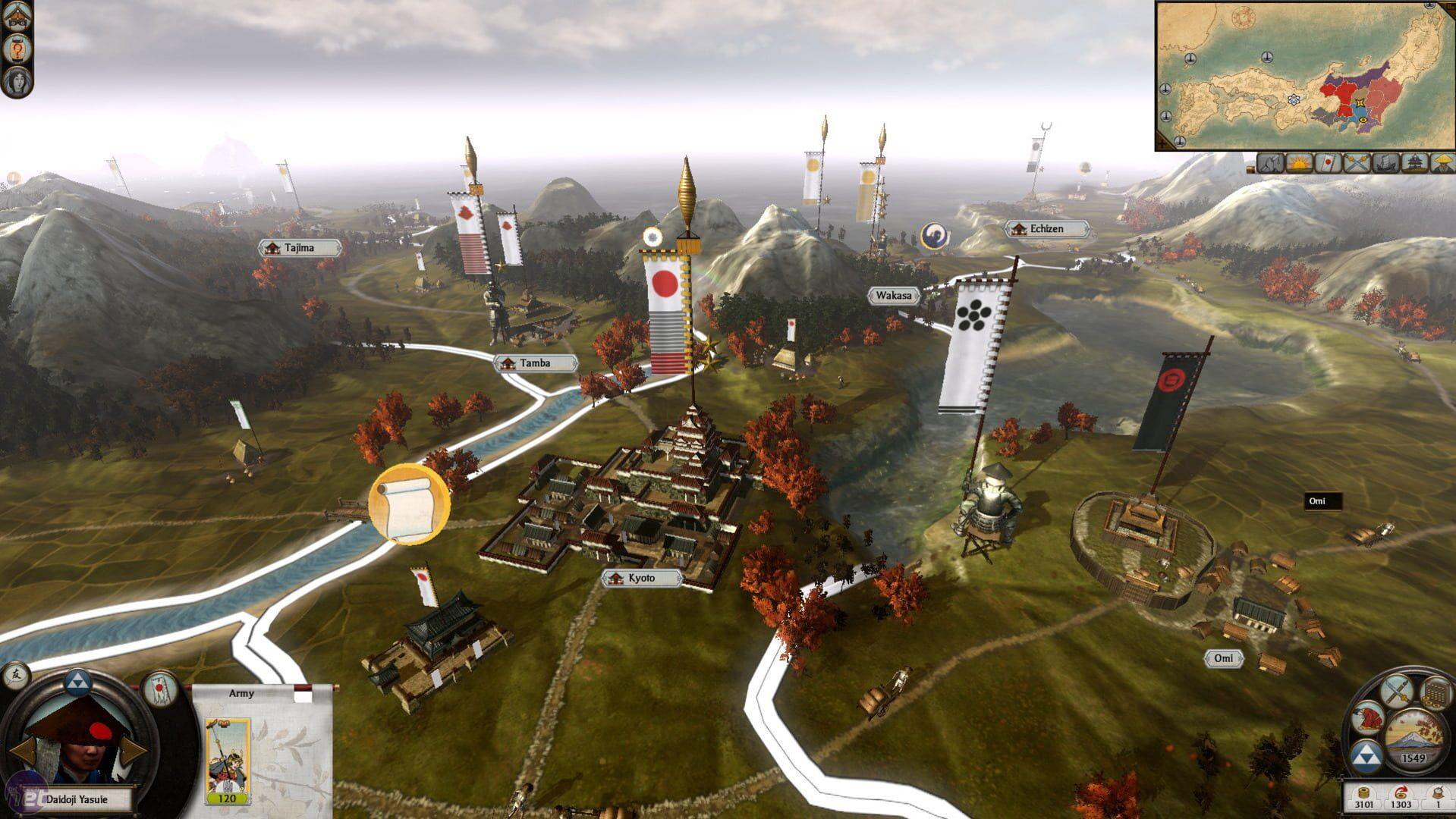
The campaign map is where most of your time goes, and Creative Assembly built it to reward careful attention. Province management, building chains, and resource allocation all feed into the strength of your armies on the battlefield. Recruiting and moving troops costs action points, while diplomacy, marriage alliances, and trade agreements can shift the balance of power without drawing a sword.
Key mechanics that define the experience:
- RPG-style general progression with skill trees
- Multi-stage siege battles with wall-scaling
- Ninja assassins and Geisha spies as special agents
- Hero units that anchor army morale
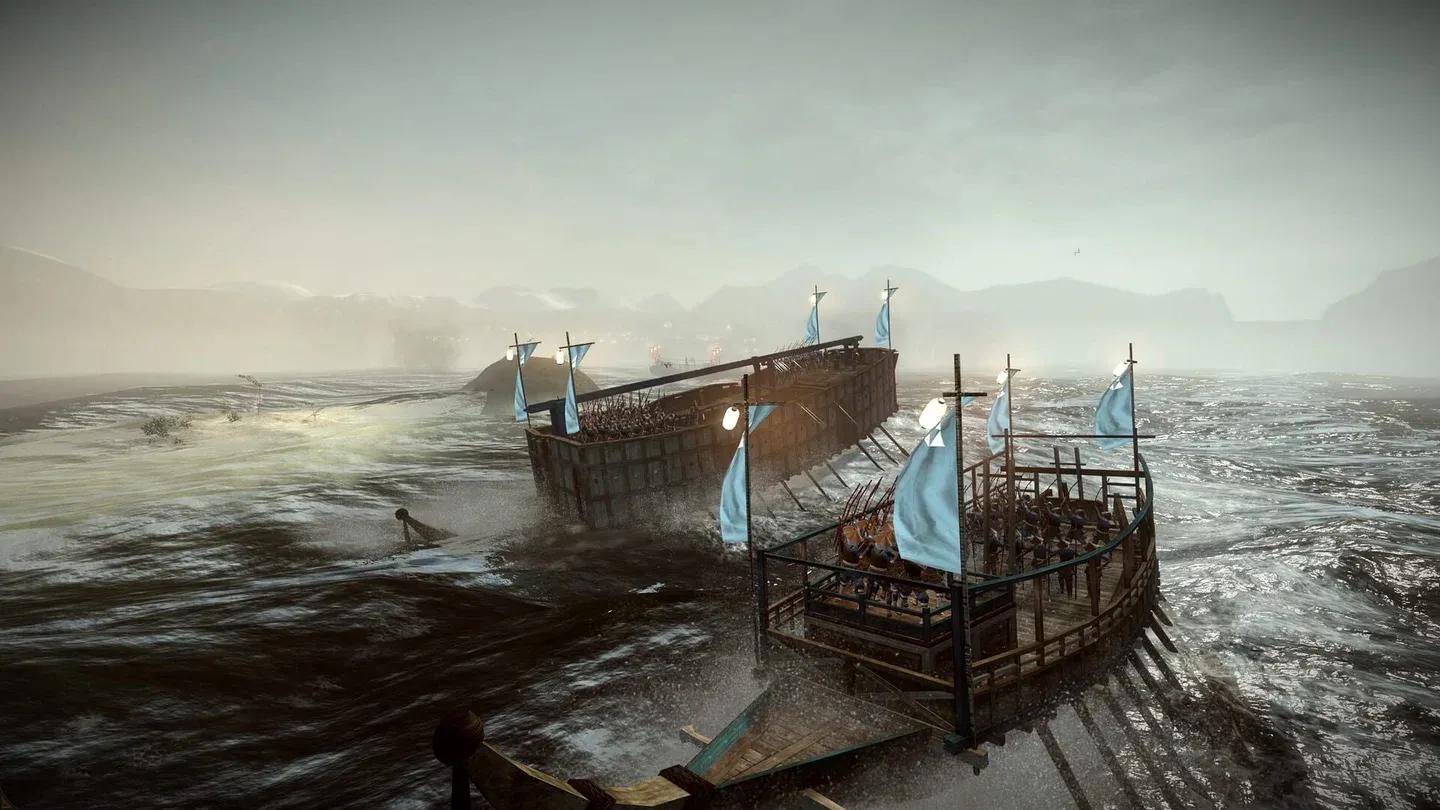
- Full naval combat alongside land engagements
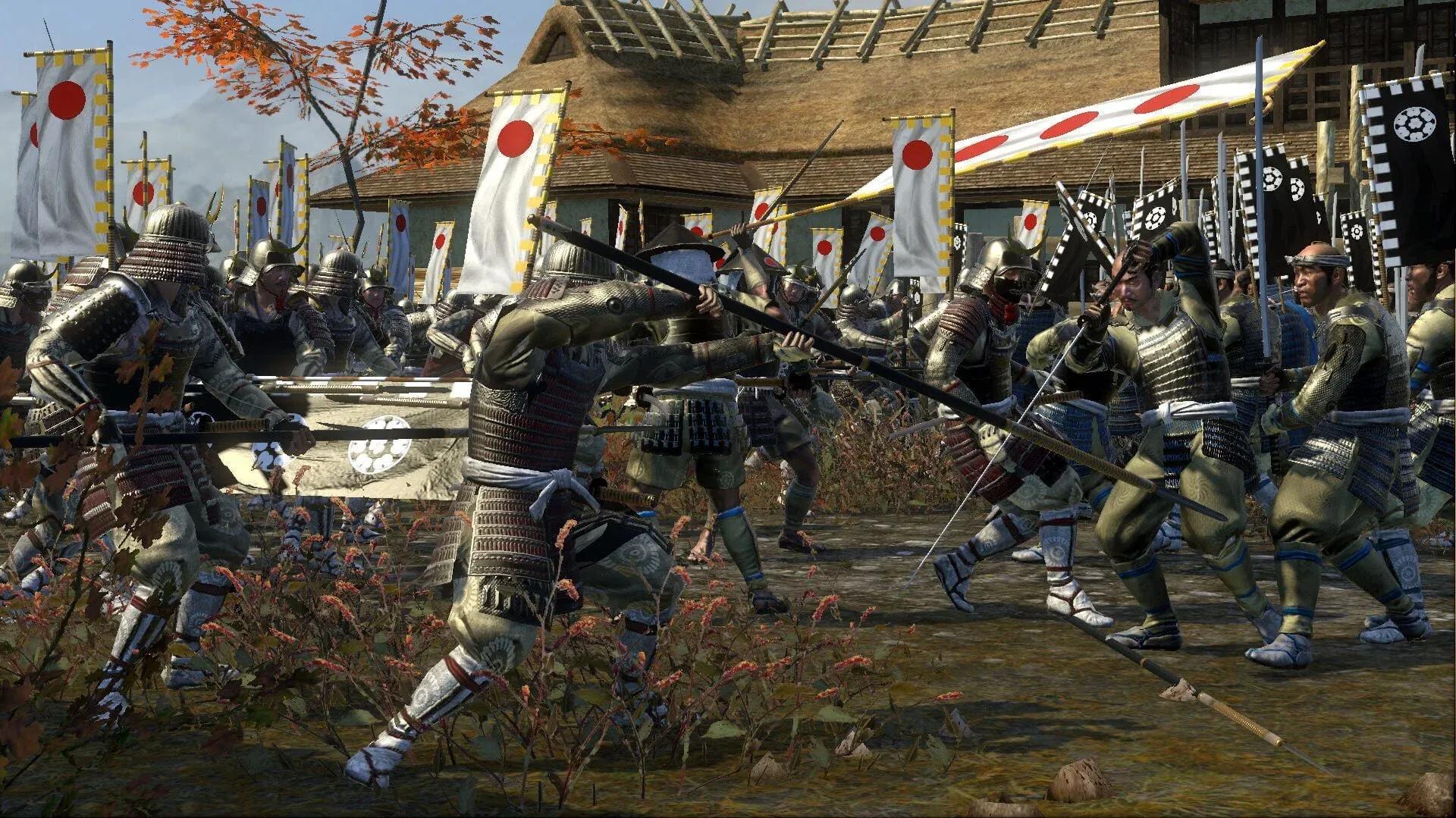
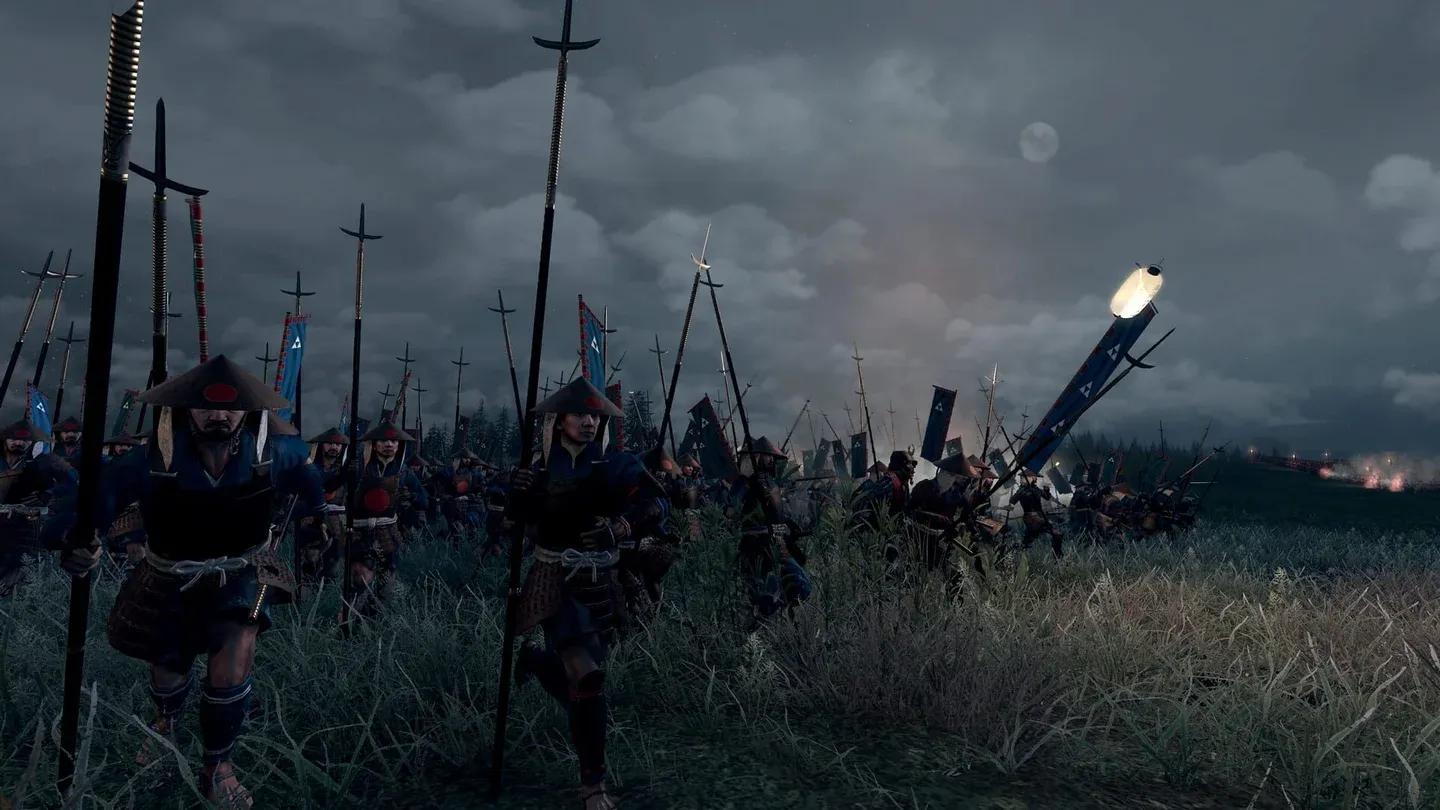
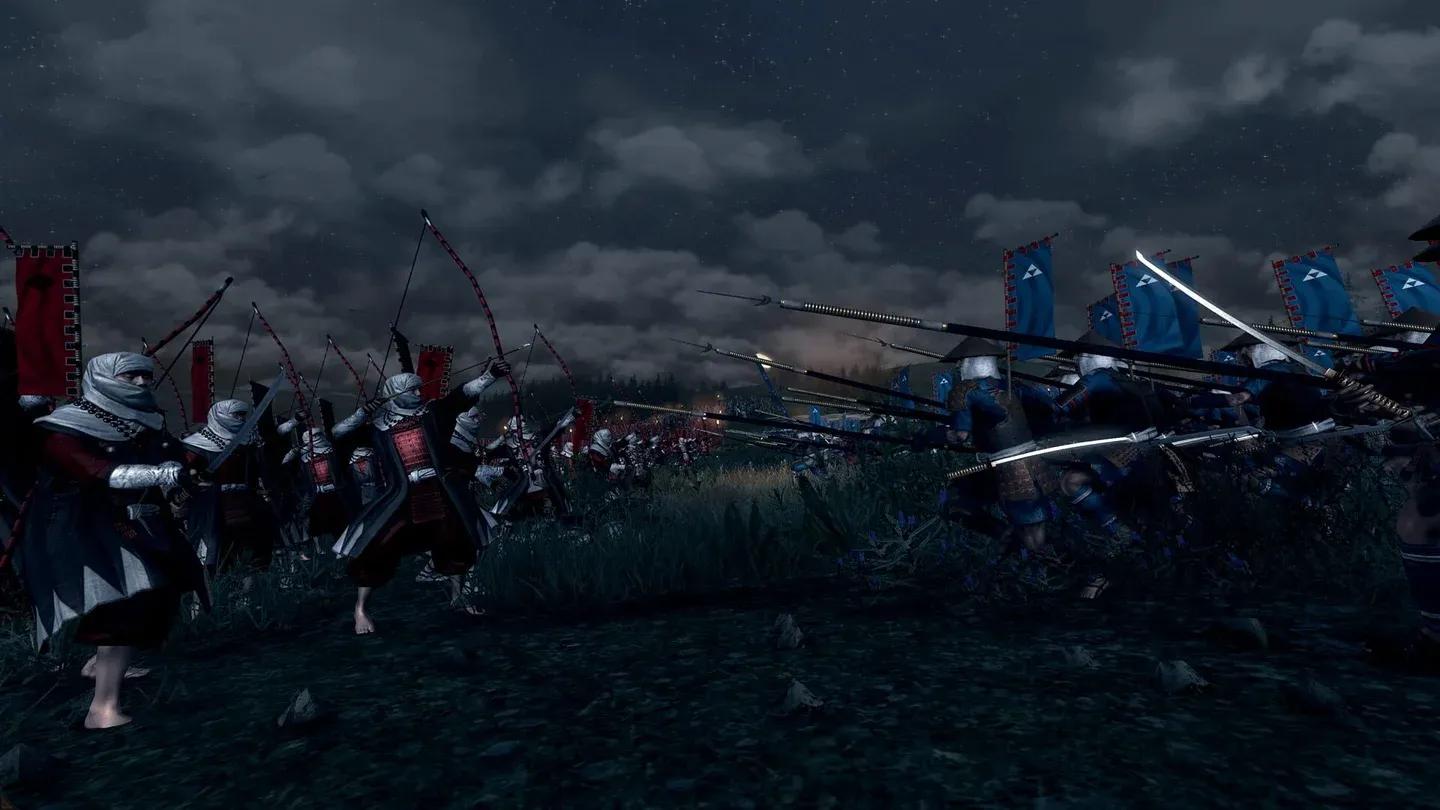
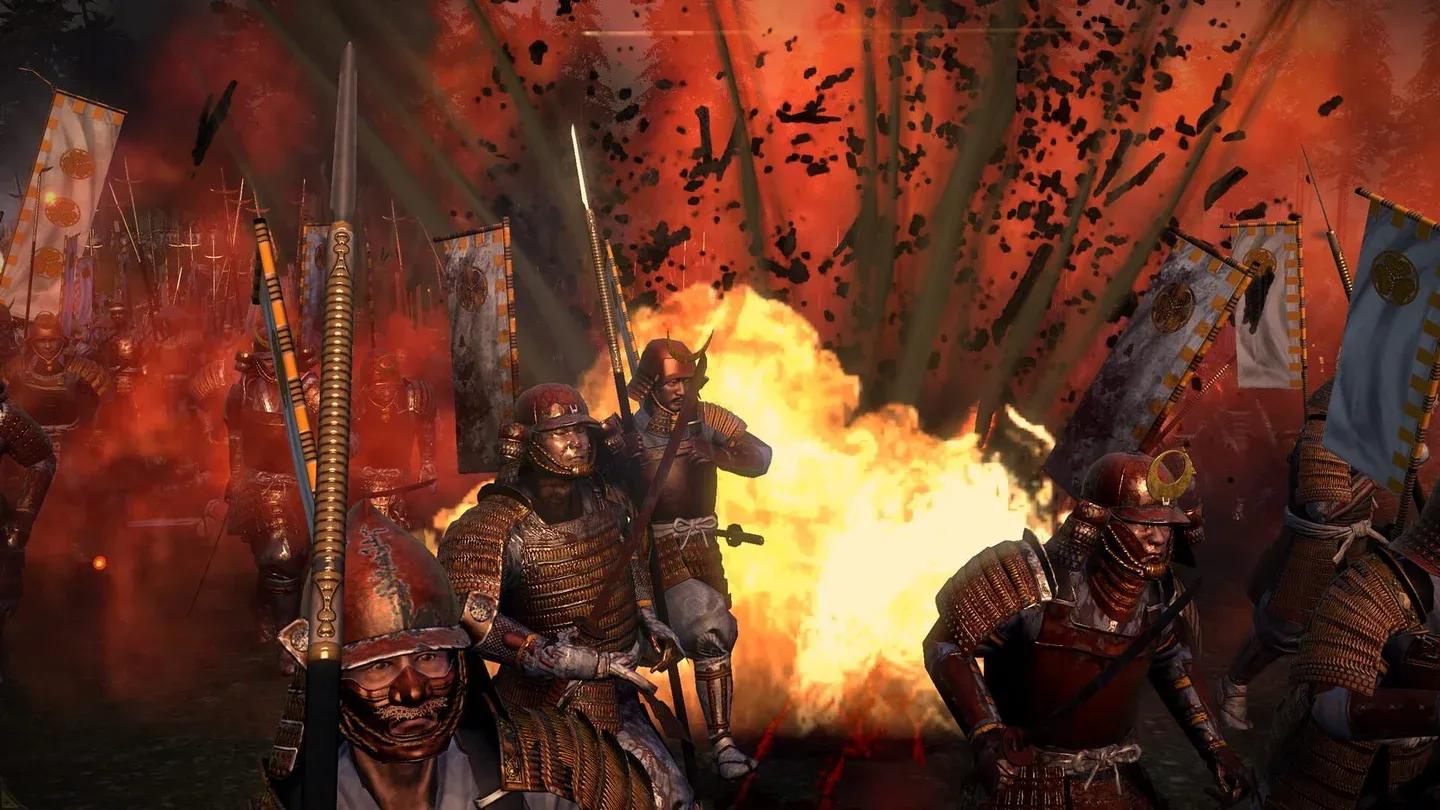
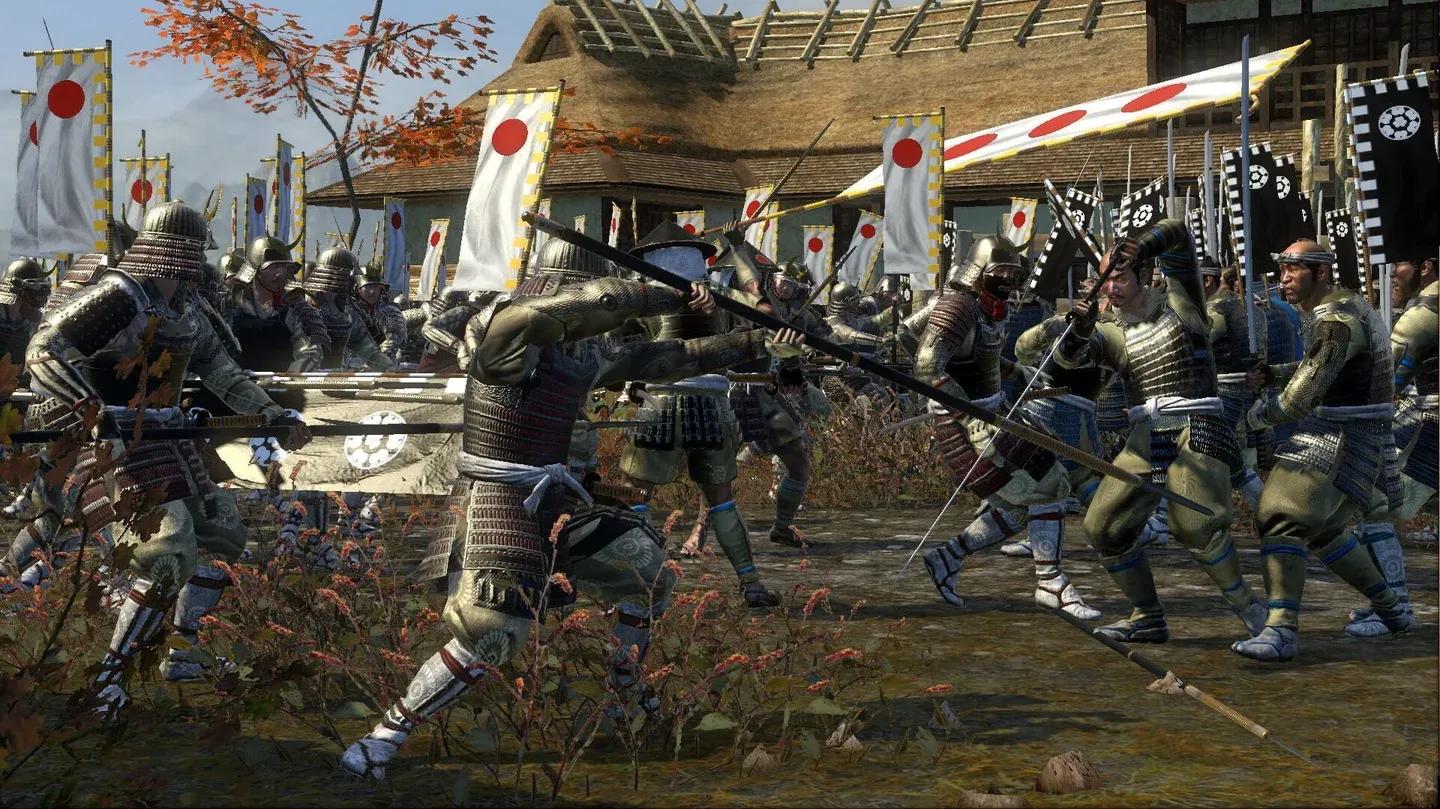
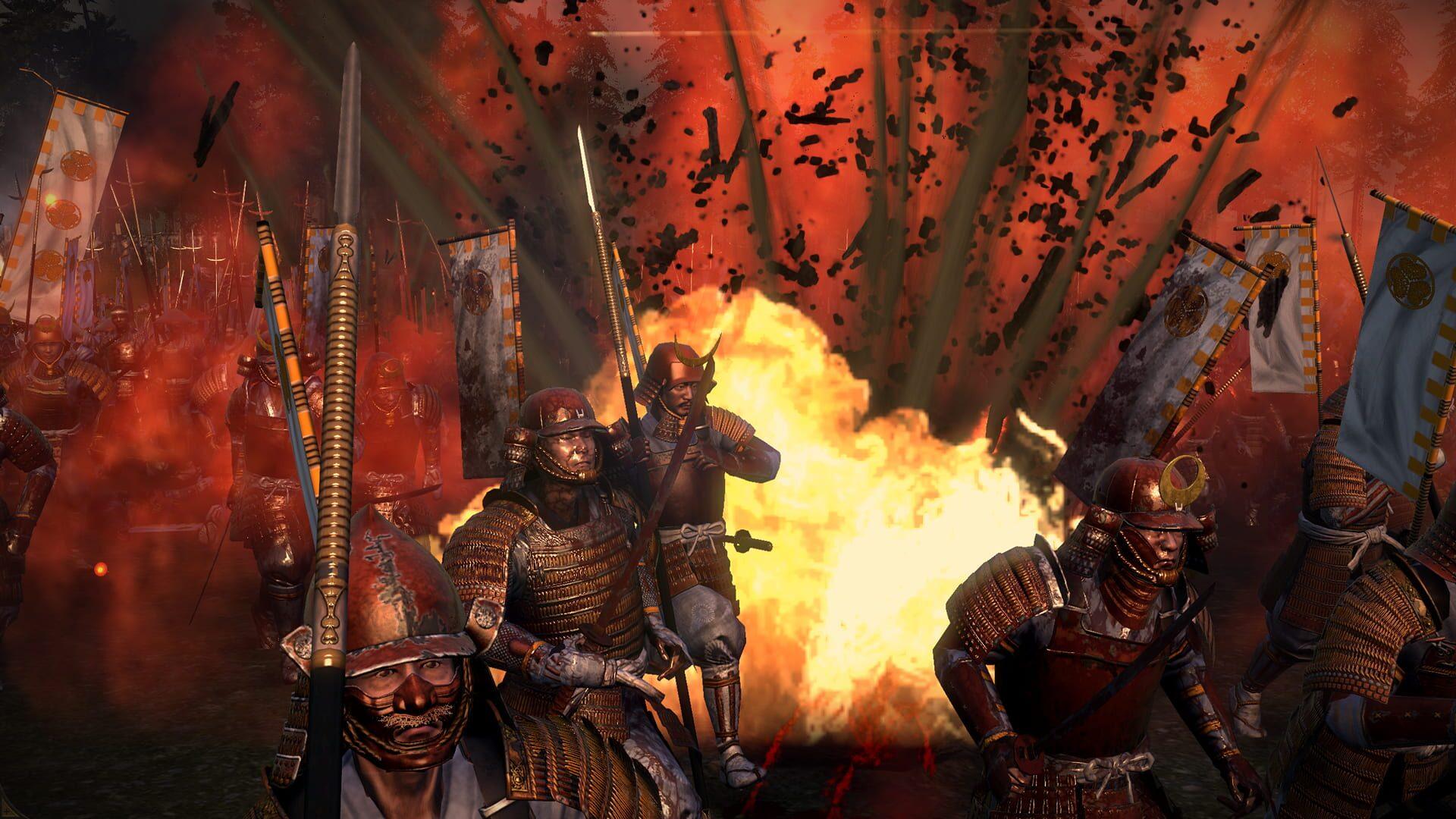
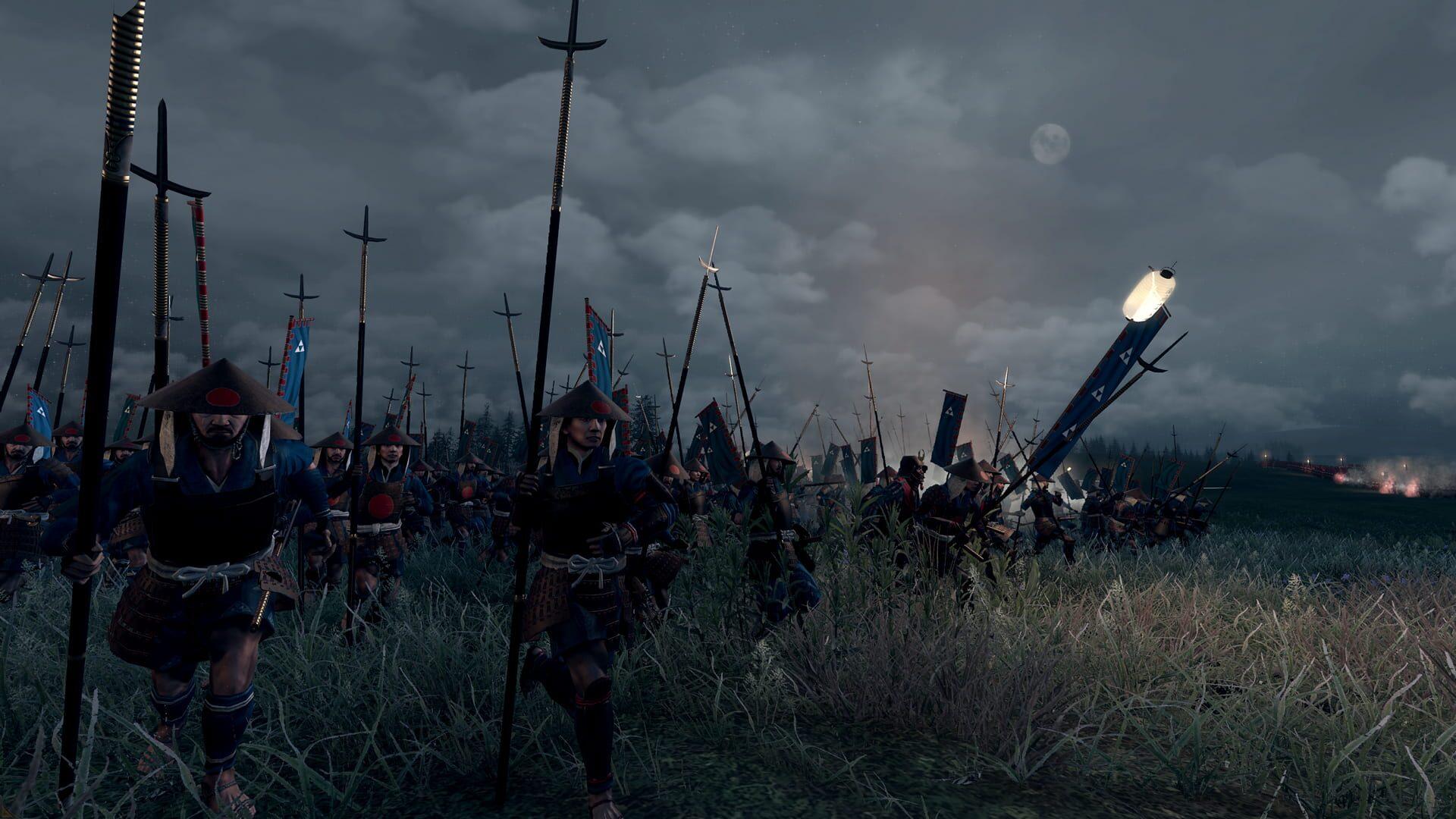
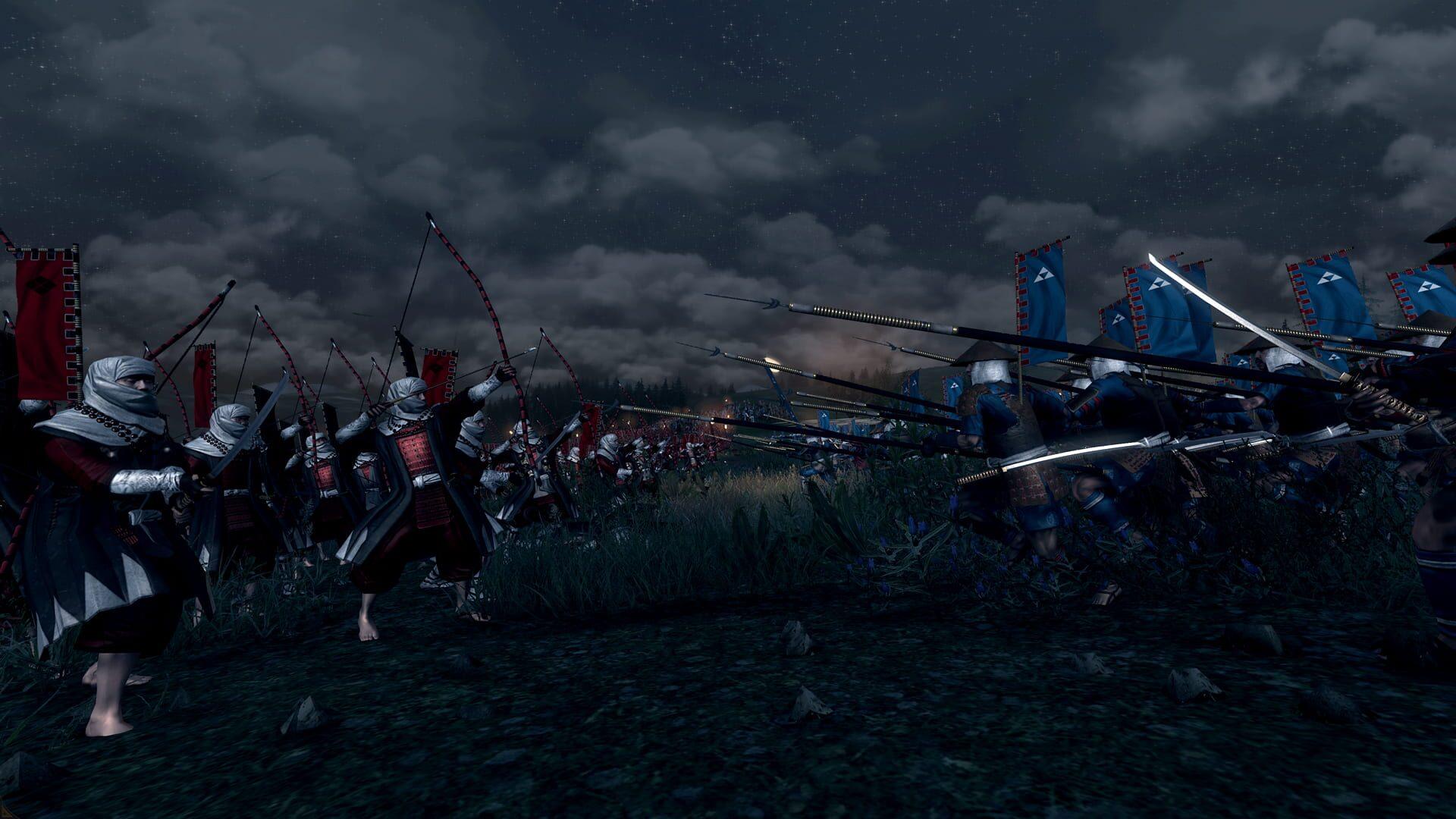
Battles play out in real time on fully rendered 3D terrain. Samurai infantry, cavalry, and ranged units each have hard counters, and terrain elevation, flanking, and unit morale all factor into outcomes. Sieges in particular received a significant overhaul, turning what was once a straightforward assault into a multi-phase fight across castle walls and inner courtyards.
What makes Shogun 2 stand out from other Total War games?
Shogun 2 is the most focused game in the series. Where later entries like Total War: Warhammer III lean into fantasy spectacle, and Rome II spread itself across a massive map, Shogun 2 keeps everything tight. The setting is one island nation, the unit rosters are historically grounded, and every system points toward the same goal: become shogun.
The rotating 3D campaign map was new for the series at launch and remains one of the cleaner interfaces Creative Assembly has produced. Clan selection carries genuine strategic weight, and the honor system adds a soft moral layer to decisions that might otherwise feel purely mechanical. Dishonorable acts, like using assassins or breaking treaties, carry reputation costs that ripple through your diplomatic relationships.
Multiplayer and replayability
Shogun 2 supports a two-player cooperative campaign mode, letting two players divide control of a clan across the same campaign map. Online battles support up to 8 players, and the game includes a persistent online avatar system where your general earns experience and unlocks across multiple sessions.
Nine base clans, each with different starting conditions and unit bonuses, give the single-player campaign strong replay value on their own. The Ikko-Ikki DLC adds a tenth option built around a monk-led uprising, shifting the tone considerably from the standard daimyo experience. Two major expansions, Fall of the Samurai and Rise of the Samurai, extend the timeline in both directions, adding gunpowder-era warfare and earlier clan conflicts respectively.
Impact and legacy
Shogun 2 holds a reputation as the high point of the historical Total War series among a significant portion of the franchise's long-term playerbase. It sits consistently in the top tier of Steam user ratings across the entire catalog, and its AI, campaign balance, and thematic cohesion are still cited as benchmarks when newer entries fall short. For players looking for a turn-based strategy game with real-time tactical depth, feudal Japan atmosphere, and a campaign that rewards both aggressive conquest and careful diplomacy, Shogun 2 remains the clearest recommendation in the series.