Overview
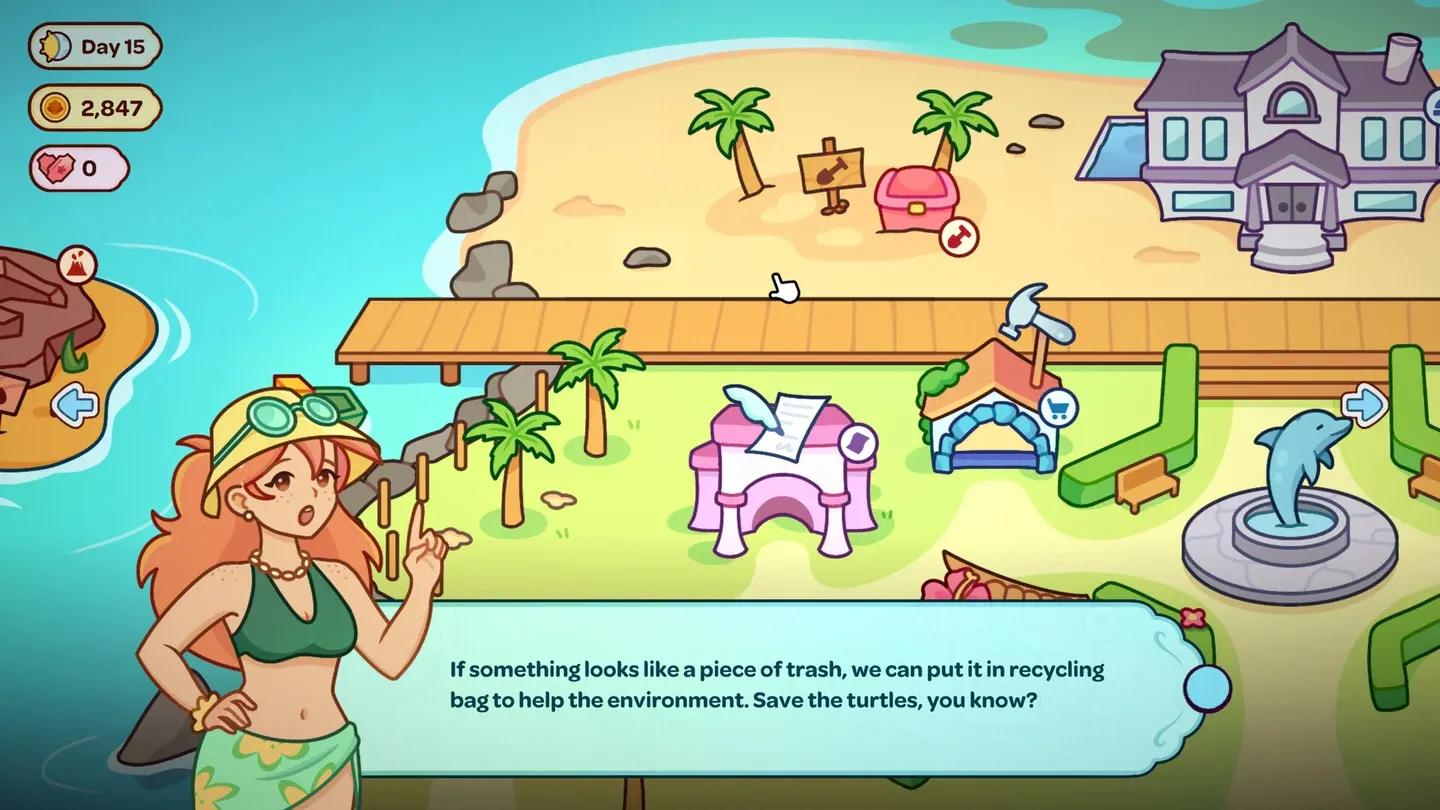
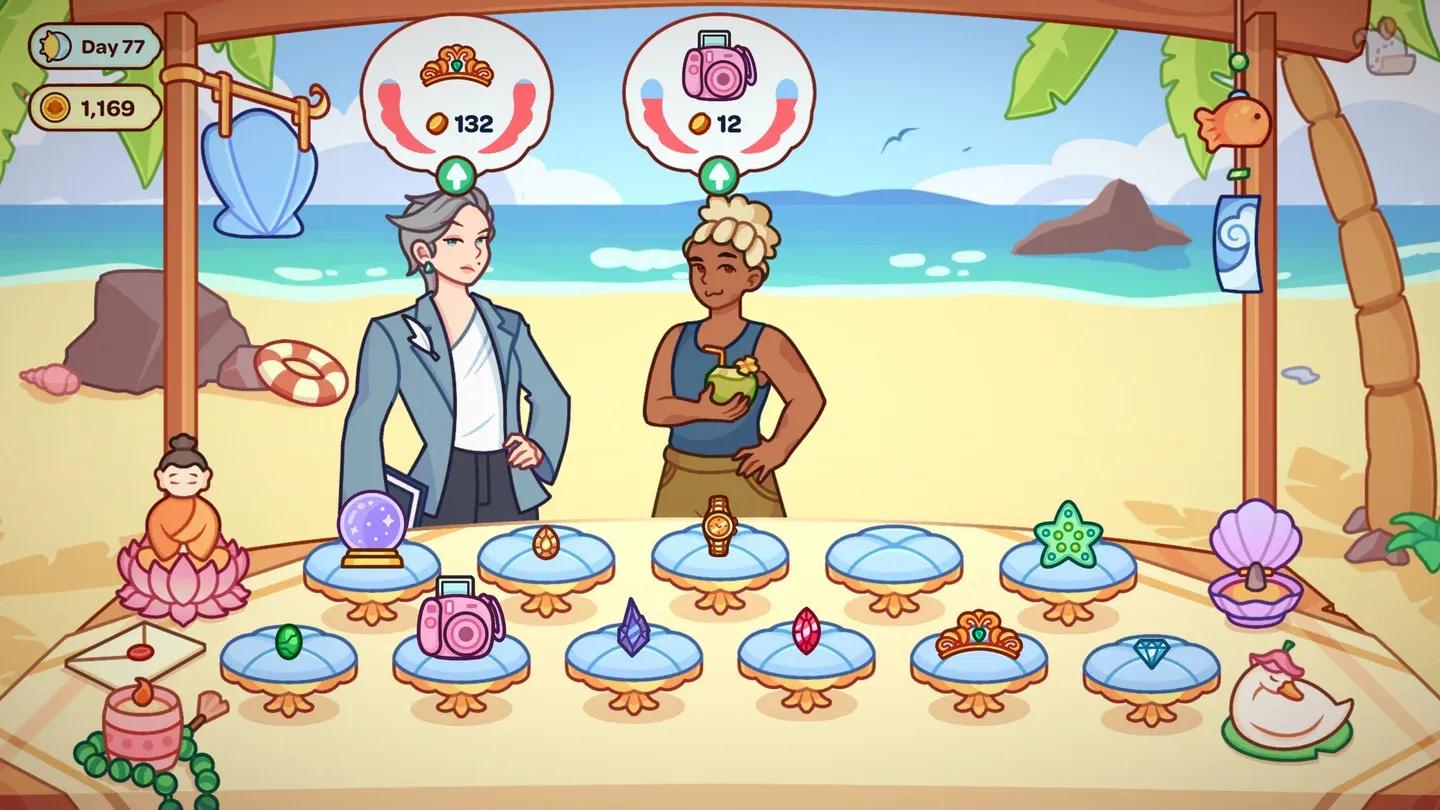
Treasure Beach is a cozy simulation game developed and published by Rogue Duck Interactive, released on June 20, 2026 for Windows and macOS via Steam. The core premise is simple but surprisingly compelling: scavenge a beach for buried items, separate the genuine treasures from the outright trash, repair and clean what you find, then sell it all from your seaside trinket shop. The overarching goal is to earn enough money to buy back parcels of beach from a greedy hotel developer, which gives the whole loop a satisfying sense of purpose.
The game sits at the crossroads of idle management and hands-on crafting, borrowing familiar rhythms from shop-keeper sims while grounding them in a breezy coastal setting. Rogue Duck Interactive keeps the tone light throughout, making Treasure Beach a natural fit for players who want a relaxing experience that still rewards smart decision-making. Progression feels measured rather than punishing, and the upgrade path for your workshop tools keeps things moving at a comfortable pace.
Gameplay and mechanics
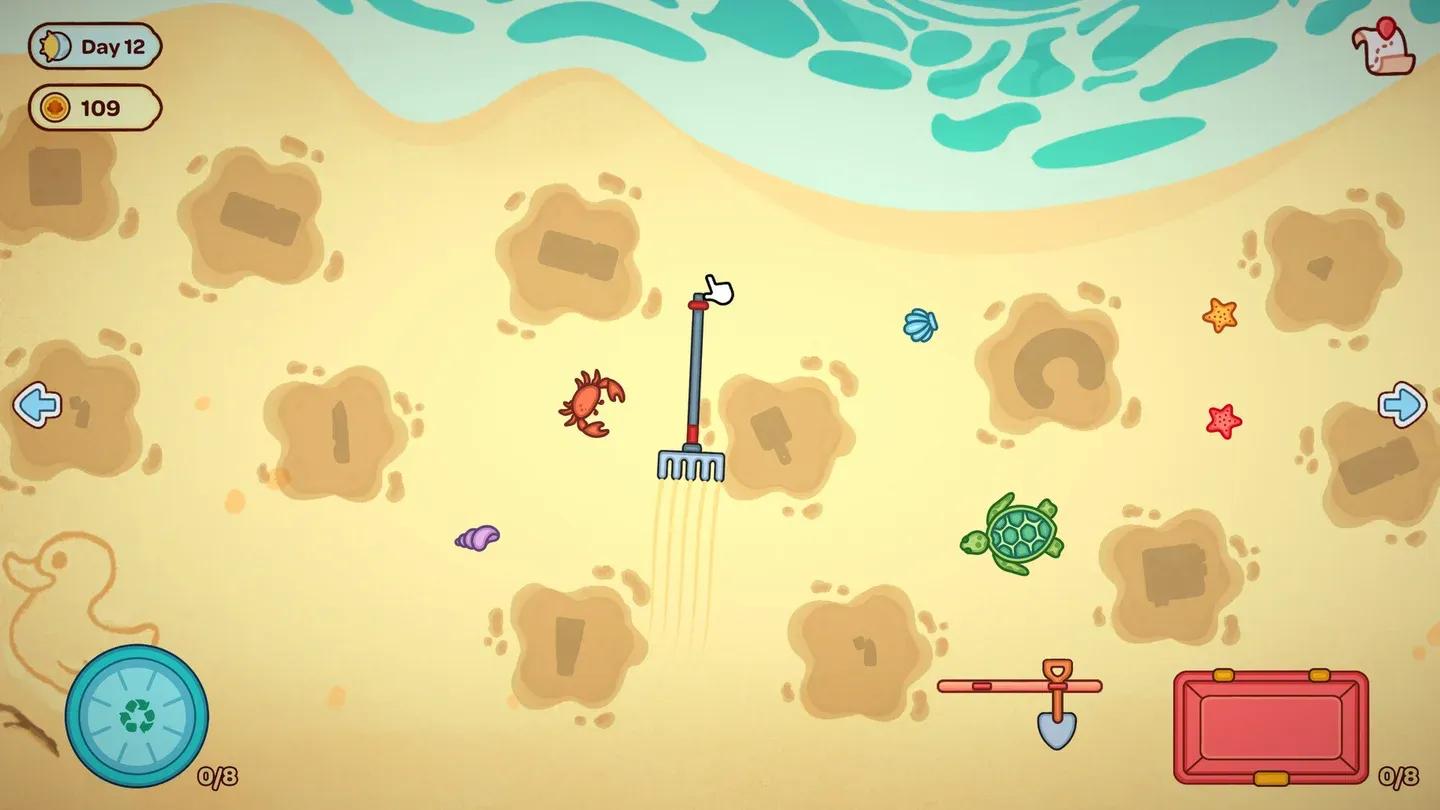
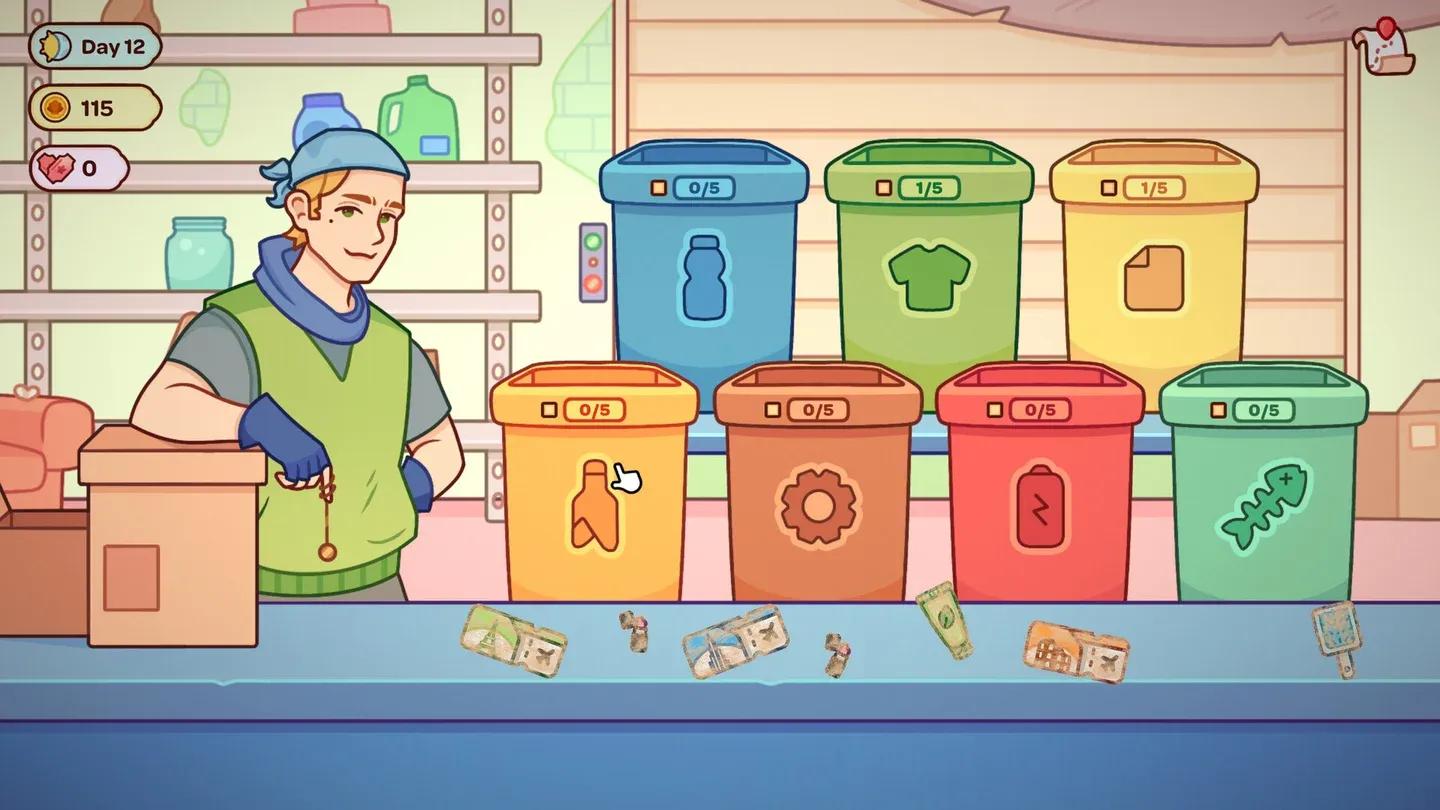
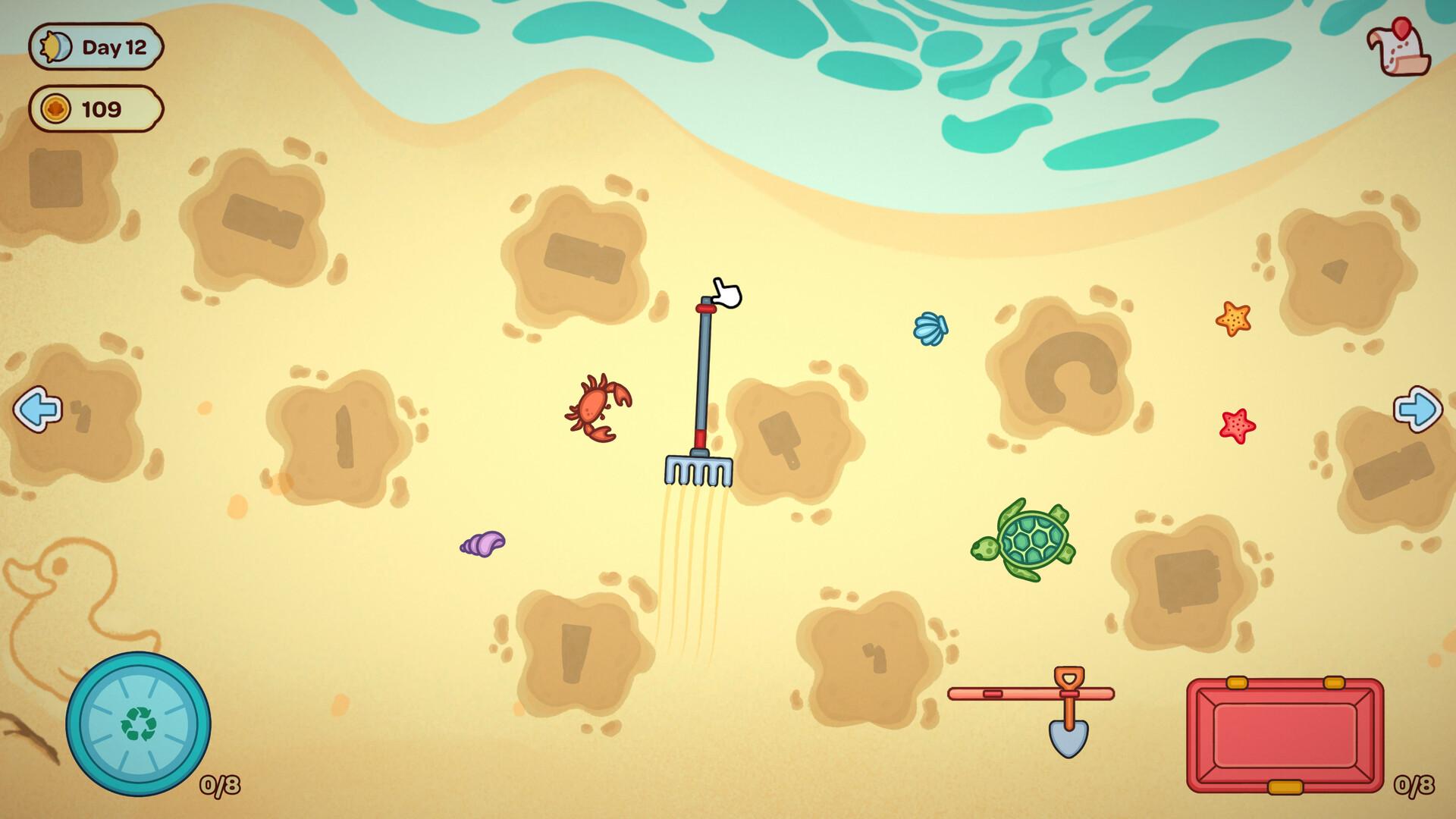
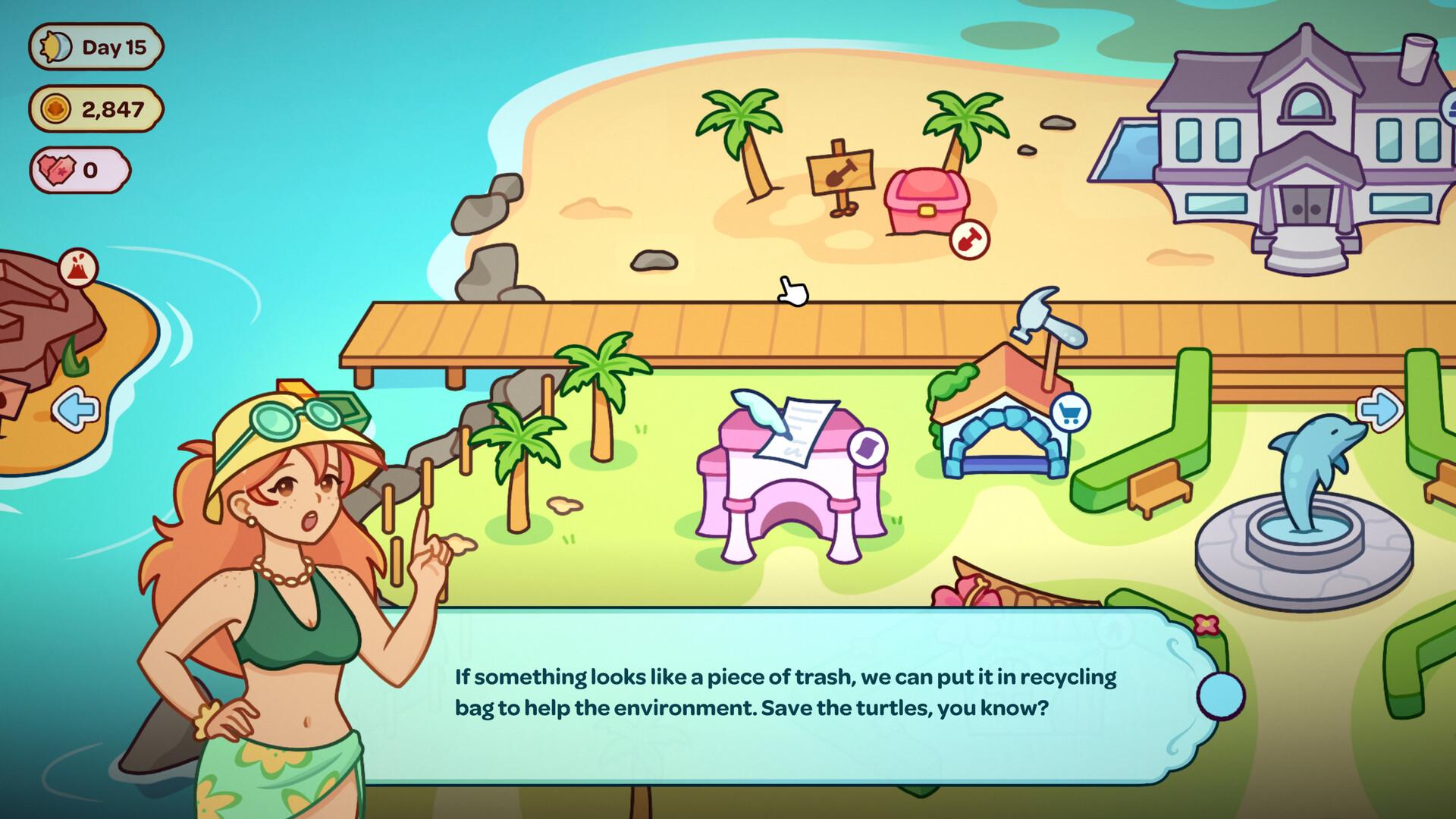
The gameplay loop in Treasure Beach revolves around three connected stages: digging, restoring, and selling. Each pass across the beach turns up a mix of worthwhile finds and genuine rubbish, and learning to tell the difference quickly becomes part of the skill.
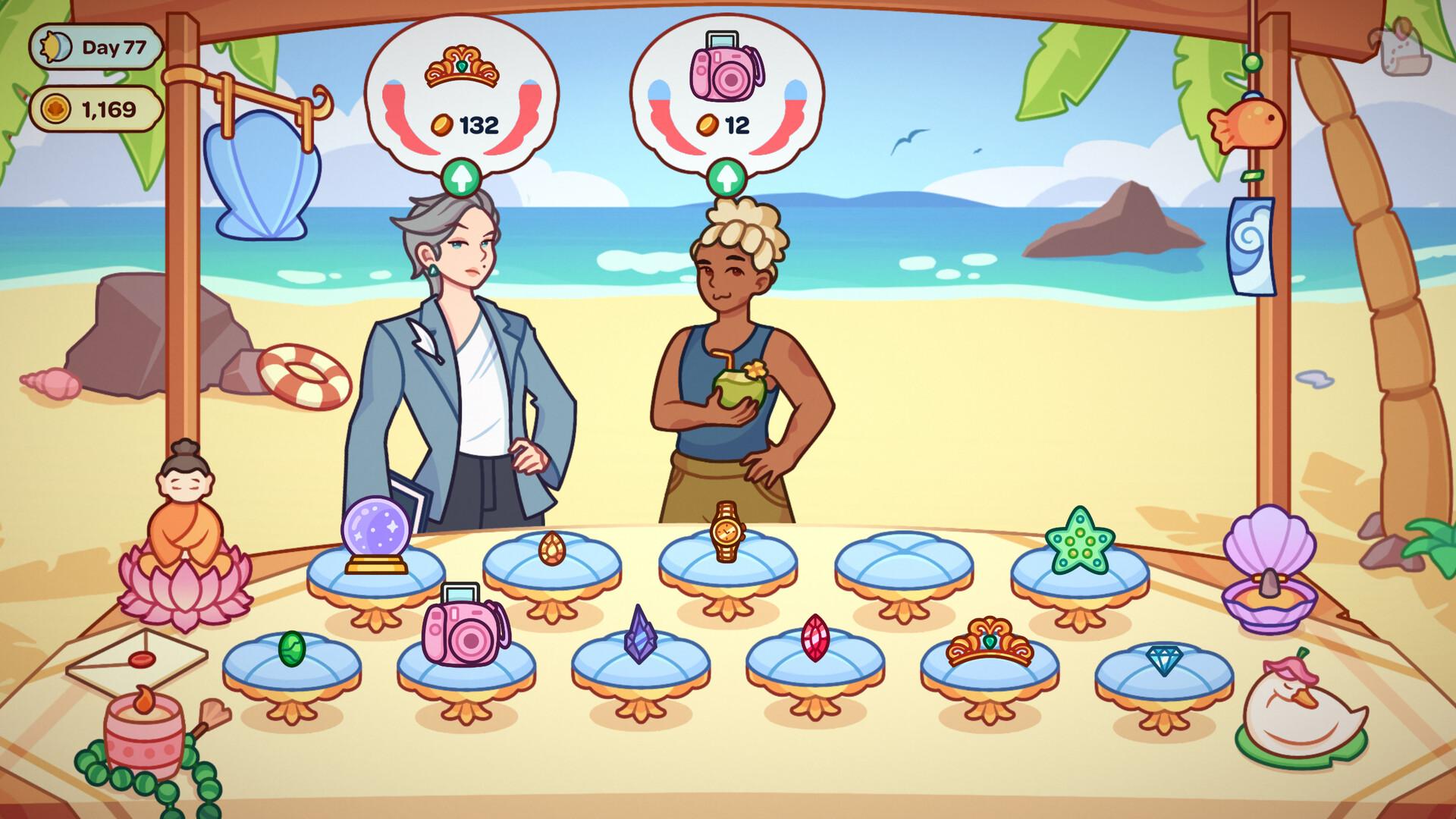
Key mechanics include:
- Digging for buried items across the beach
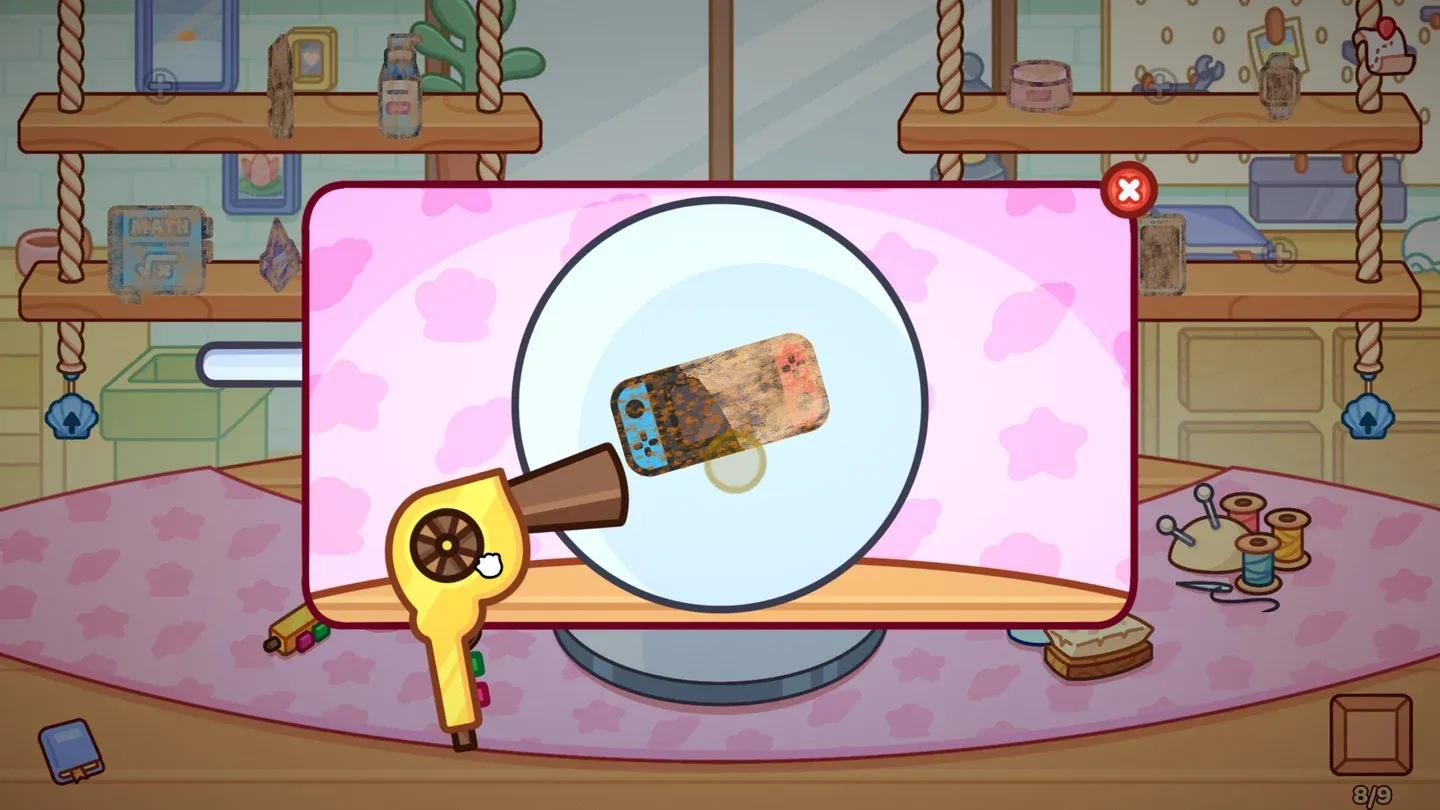
- Cleaning and repairing damaged finds
- Pricing and displaying goods in your shop
- Upgrading tools to dig deeper and faster
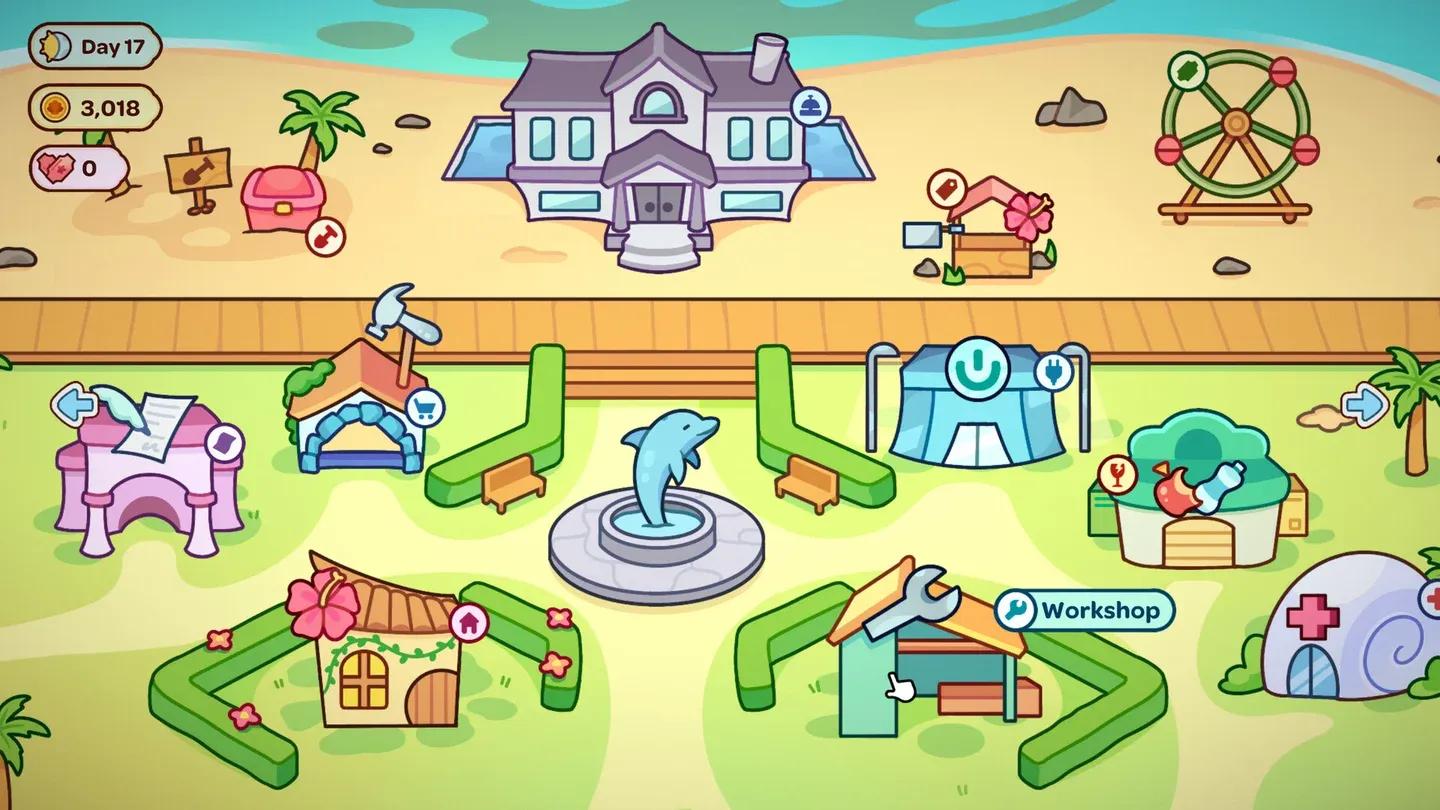
- Purchasing beach sections from the hotel
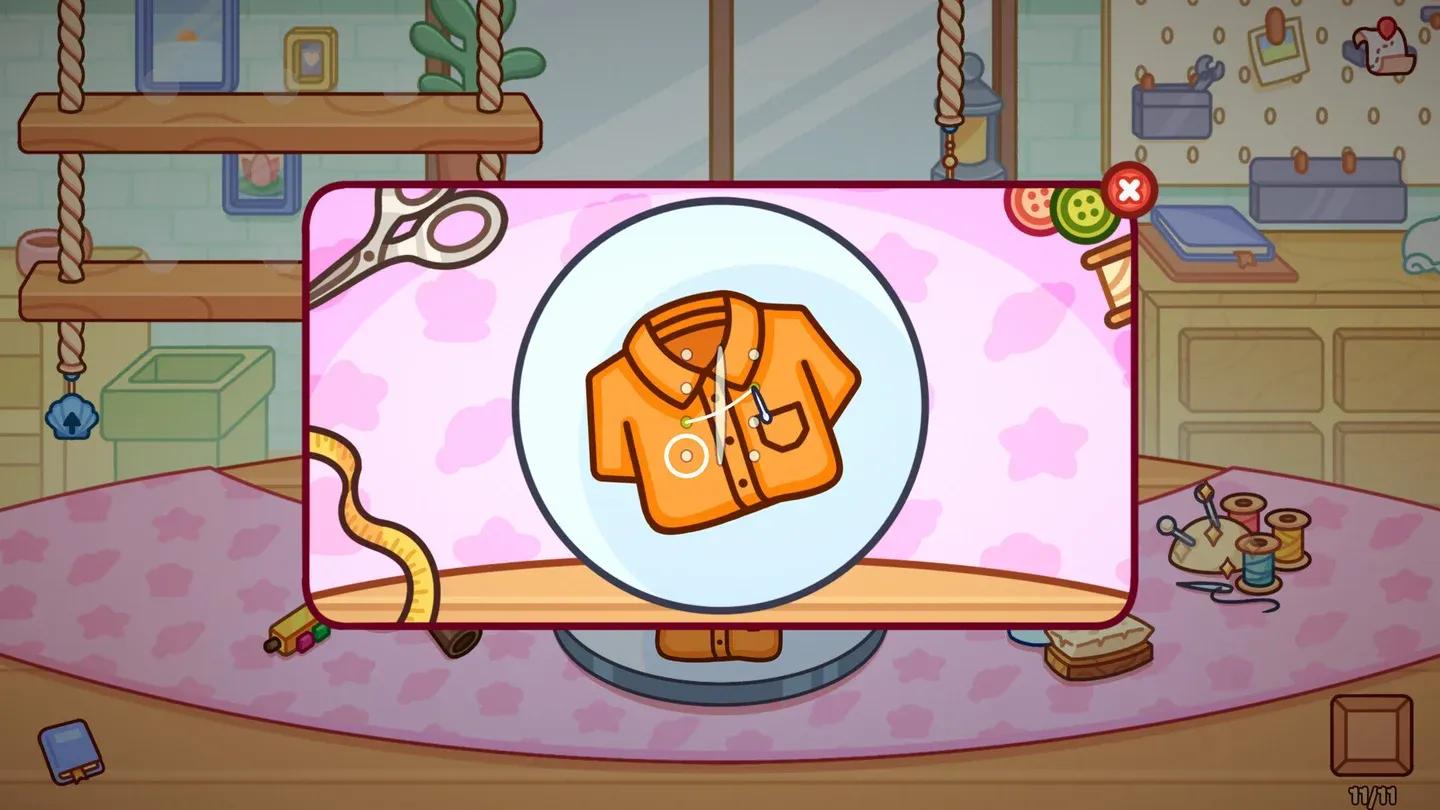
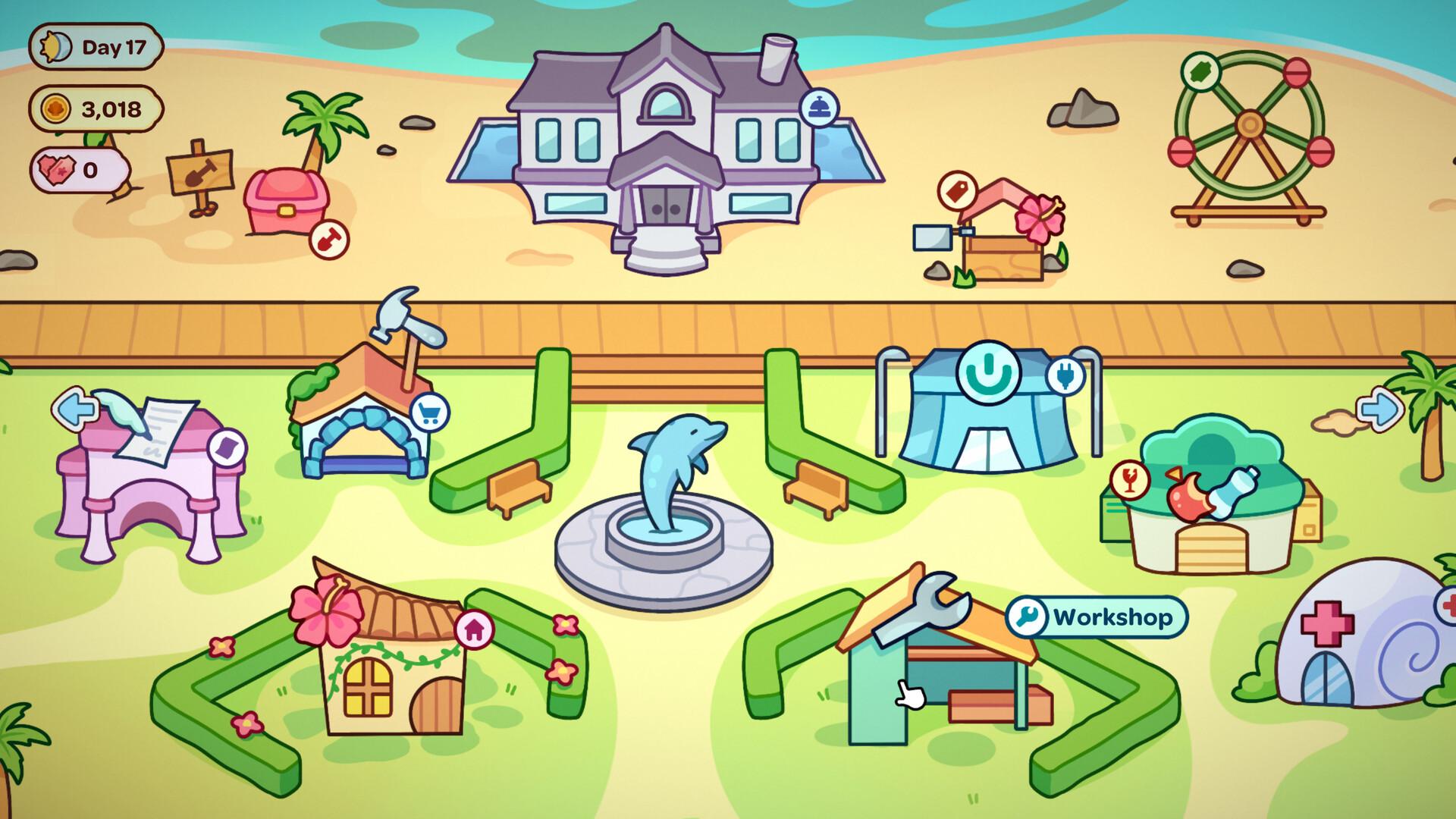
The workshop sits at the heart of the restoration side. Upgrading your cleaning and repair equipment directly affects which items you can restore and how quickly you can process them, so investing in the right tools at the right time matters. The shop management layer is light but present, asking you to set prices and arrange stock rather than just dumping everything on a shelf and waiting.
What makes Treasure Beach stand out?
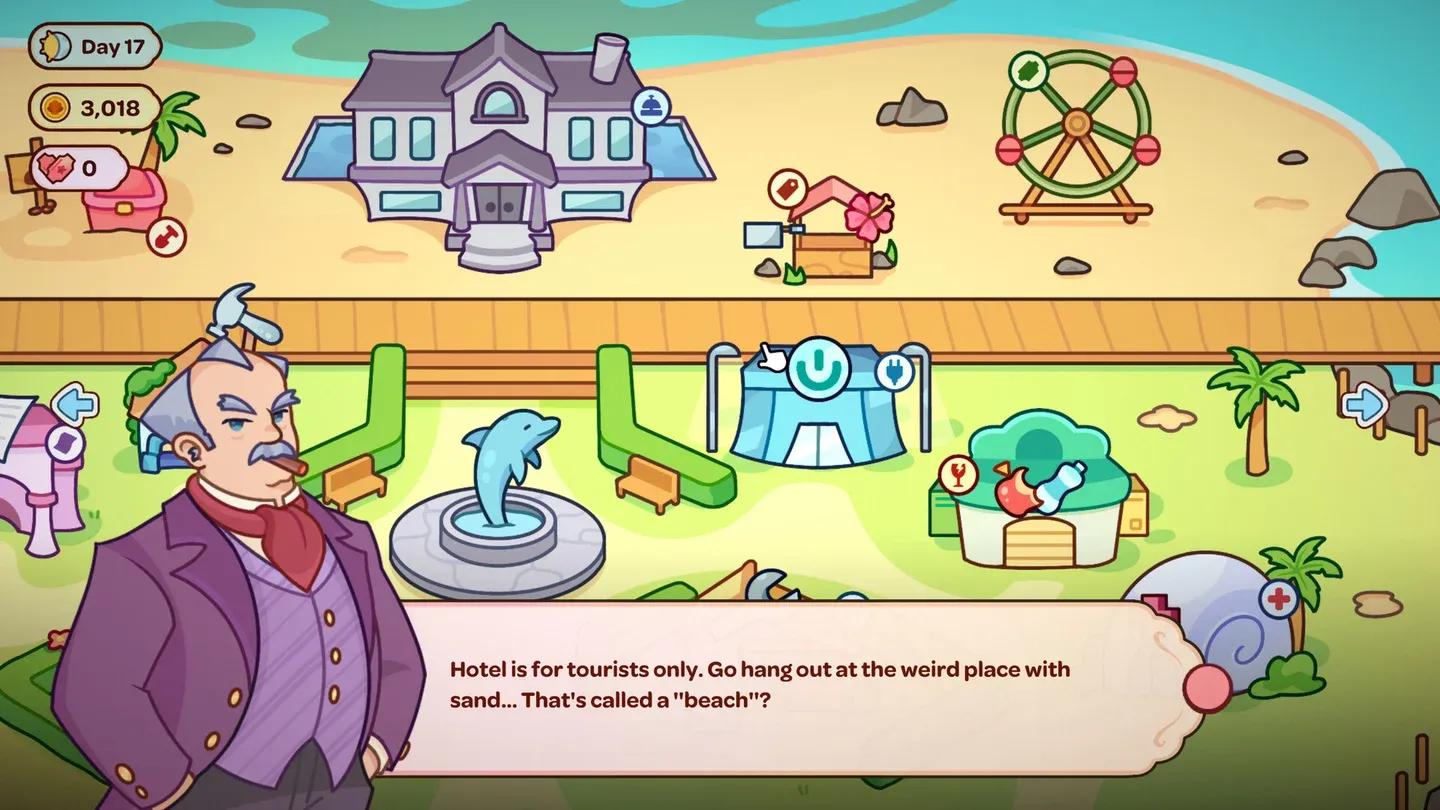
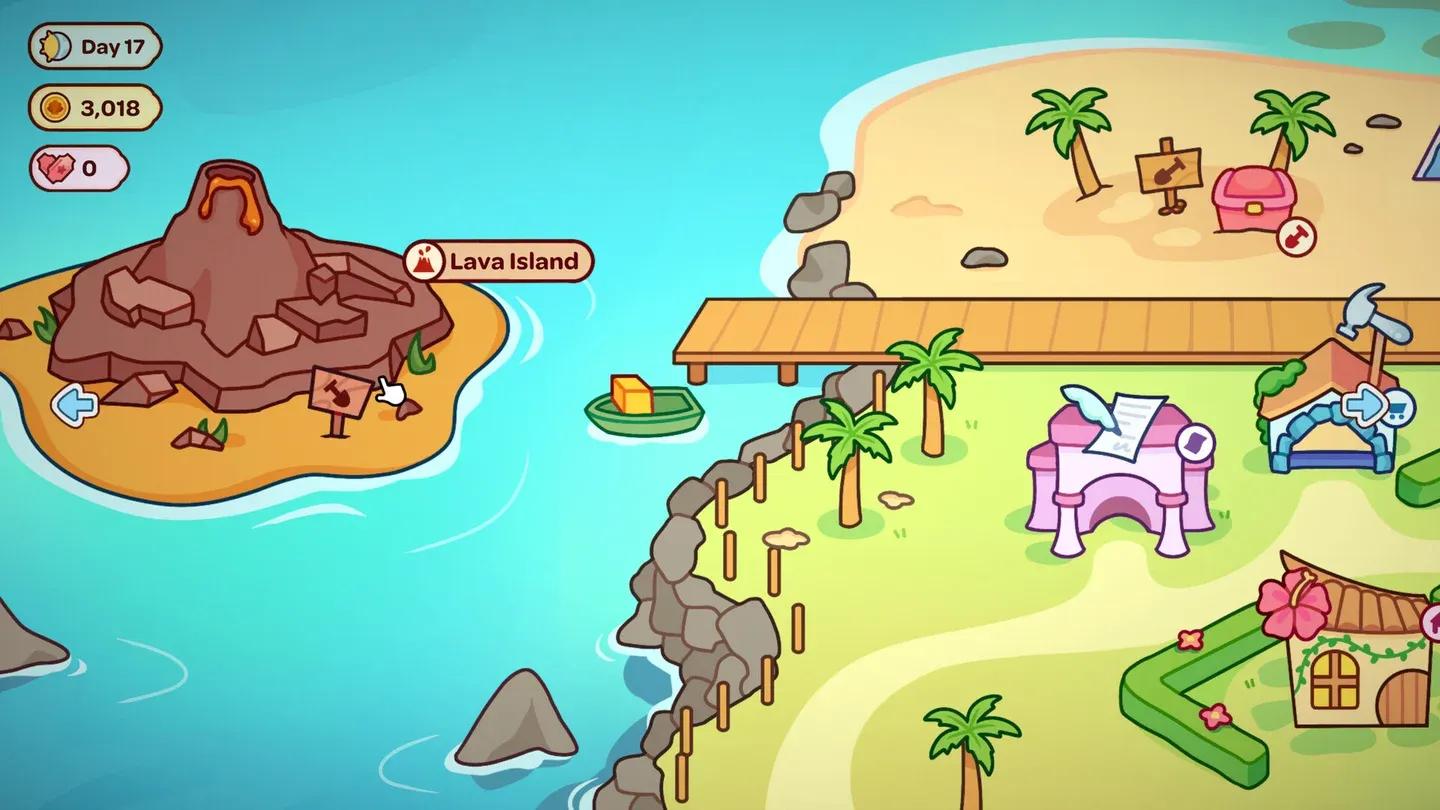
The clearest answer is the narrative framing around the hotel buyback mechanic. Most shop-keeper sims give you a vague goal of "earn more money," but Treasure Beach ties your financial progress to a tangible, map-visible objective: reclaiming beach territory. Each purchase shrinks the hotel's footprint and expands your scavenging area, which in turn opens up new items and deeper digging spots. The loop feeds itself in a way that feels genuinely rewarding rather than arbitrary.
The cozy aesthetic does real work here too. The seaside setting gives the game a distinct visual personality that separates it from the usual fantasy or medieval shop-sim template. There is something specifically satisfying about finding a battered old compass in the sand, cleaning it up, and watching a customer snap it up for a tidy profit.
World and setting
The beach itself functions as both your workplace and the story's central stake. The hotel looming over part of the shore is a constant visual reminder of what you're working toward, and watching it gradually retreat as you buy back sections gives the world a sense of change that many cozy games lack. The seaside atmosphere, salt-worn aesthetic, and mix of maritime junk and genuine antiques all contribute to a setting that feels lived-in rather than generically cheerful.
Content and replayability
Treasure Beach is built around a progression loop that scales with your investment in workshop upgrades. Digging faster and reaching deeper layers unlocks rarer items, which command higher prices and accelerate the hotel buyback timeline. The variety in what washes up on the beach, spanning broken trinkets, maritime relics, and genuine antiques, keeps the scavenging side from feeling repetitive. For players who enjoy the cozy sim genre and want a game with a clear endpoint that still rewards unhurried play, Treasure Beach delivers a focused, well-paced experience.
| Requirement | Minimum |
|---|---|
| Processor | Intel Pentium CPU G860 |
| Memory | 1 GB RAM |
| Graphics | NVIDIA GeForce 840M |
| Storage | 1 GB available space |