

"درستگی کی سطح کا انحصار بڑی حد تک ان Steam صارفین پر ہوگا جنہوں نے کارکردگی کا ڈیٹا فراہم کرنے کے لیے آپٹ ان (opt-in) کیا ہے۔" Resetera کی ایک پوسٹ میں چھپی یہ لائن، جو Steam بیٹا کی دریافت کے بارے میں ہے، آپ کو بتاتی ہے کہ یہ آئیڈیا درحقیقت کتنا اسمارٹ ہے۔
ایسا لگتا ہے کہ Valve براہ راست Steam میں ایک Framerate Estimator بنا رہا ہے، اور اگر یہ اسی طرح کام کرتا ہے جیسا کہ بیٹا کوڈ سے ظاہر ہوتا ہے، تو یہ پلیٹ فارم کا اب تک کا سب سے عملی فیچر ثابت ہو سکتا ہے۔

کوڈ ختم ہونے سے پہلے، چیک آؤٹ پر TRYHARD33 کوڈ استعمال کریں اور اس پیشکش سے فائدہ اٹھائیں۔
GAMES+ سبسکرپشن پر 33% کی بچت کریں
Valve کا Framerate Estimator درحقیقت کیسے کام کرتا ہے
دو ماہ قبل، Valve نے Steam بیٹا میں ایک آپٹ ان آپشن شامل کیا تھا جس سے صارفین گمنام (anonymized) فریم ریٹ ڈیٹا جمع کروا سکتے تھے۔ اس وقت اس کا مقصد SteamOS ڈیوائسز پر مطابقت (compatibility) کو بہتر بنانا تھا۔ لیکن Resetera پر ایک تیز نظر رکھنے والے صارف نے تازہ ترین بیٹا بلڈ میں کچھ بڑی چیز چھپی ہوئی دیکھی: ایسے اسٹرنگز اور لاجک جو ایک مکمل Framerate Estimator فیچر کی نشاندہی کرتے ہیں۔
یہ سسٹم اس طرح کام کرتا ہے۔ آپ ہارڈویئر کنفیگریشن درج کرتے ہیں — CPU، GPU، اور سسٹم RAM۔ اگر آپ اپنے کمپیوٹر پر Steam کلائنٹ استعمال کر رہے ہیں، تو یہ خود بخود آپ کے اسپیکس (specs) پڑھ لیتا ہے۔ ایک گیم منتخب کریں، اور Steam اس گیم کے دیگر صارفین کے سسٹمز پر اسی طرح کے ہارڈویئر کے ساتھ چلنے کی بنیاد پر فریم ریٹ کا تخمینہ فراہم کرتا ہے۔
یہاں اہم بات یہ ہے کہ یہ کوئی مصنوعی بینچ مارک (synthetic benchmark) یا ڈویلپر کی فراہم کردہ اسپیک شیٹ نہیں ہے۔ یہ کروڑوں حقیقی کھلاڑیوں سے حاصل کردہ، حقیقی دنیا کی کارکردگی کا ڈیٹا ہے۔
Steam پر خریداری کرنے والے PC گیمرز کے لیے اس کا کیا مطلب ہے
یہ جانے بغیر کہ آیا آپ کا سسٹم اسے صحیح طریقے سے چلا سکتا ہے، PC گیم خریدنا ایک ایسا مسئلہ ہے جو PC گیمنگ کے آغاز سے ہی موجود ہے۔ کم از کم (minimum) اور تجویز کردہ (recommended) اسپیکس اکثر مبہم اور پرامید ہوتے ہیں۔ ریویوز لانچ کے وقت کارکردگی کے مسائل کو پکڑ لیتے ہیں، لیکن ایک گیم جو خراب حالت میں ریلیز ہوئی اور چھ ماہ بعد پیچ (patch) کی گئی، اسے شاذ و نادر ہی دوبارہ دیکھا جاتا ہے۔
آپ کے مخصوص ہارڈویئر کنفیگریشن سے منسلک ایک قابل اعتماد FPS تخمینہ اس حساب کتاب کو مکمل طور پر بدل دیتا ہے۔ کسی ٹائٹل پر $60 خرچ کرنے سے پہلے، آپ کو معلوم ہوگا کہ آیا آپ کا RTX 3070 اور Ryzen 5 5600X اسے 60fps پر چلائے گا یا 35fps پر جدوجہد کرے گا۔
Valve کو ڈیٹا اکٹھا کرنے کے عمل کو SteamOS صارفین سے آگے بڑھانا ہوگا تاکہ ڈیٹا بیس اتنا وسیع ہو سکے کہ وہ PC ہارڈویئر کی تمام کنفیگریشنز کے لیے واقعی مفید ثابت ہو۔
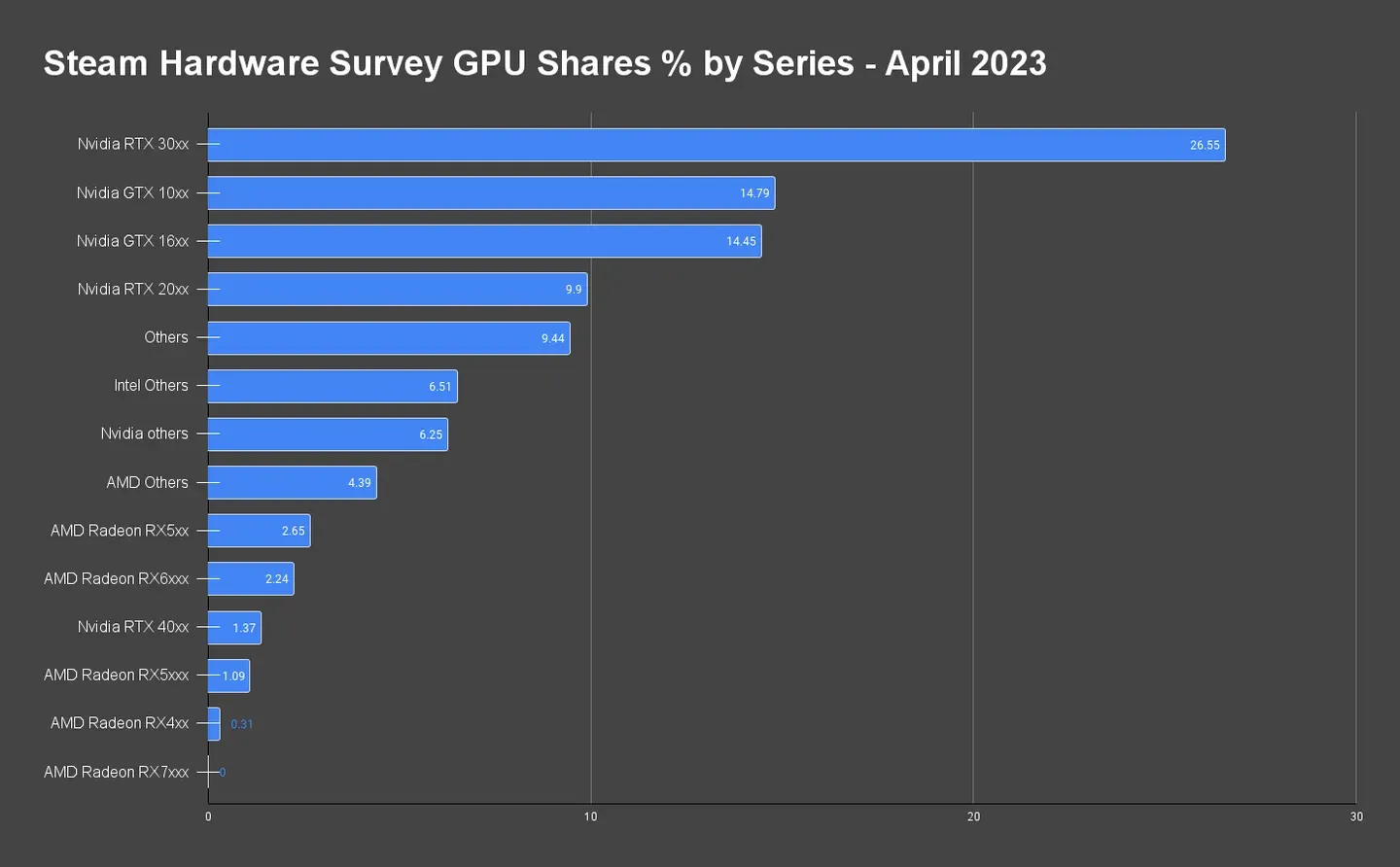
Steam hardware survey data
ایک ایسا تصور جسے پہلے آزمایا گیا، اب حقیقی پیمانے کے ساتھ
یہ آئیڈیا مکمل طور پر نیا نہیں ہے۔ Futuremark نے برسوں پہلے اپنی YouGamers سائٹ کے ذریعے Game-o-meter نامی ایک چیز چلائی تھی، جو 3DMark ڈیٹا کا استعمال کرتے ہوئے آپ کے PC کو اسکین کرتی تھی اور گیمز کے لیے کارکردگی کا تخمینہ تیار کرتی تھی۔ یہ سسٹم کافی حد تک ٹھیک کام کرتا تھا، لیکن یہ حقیقی ان-گیم فریم ریٹ ڈیٹا کے بجائے بینچ مارک اسکورز پر انحصار کرتا تھا، جس سے یہ براہ راست پیمائش کے بجائے ایک اندازہ زیادہ تھا۔
3DMark آج بھی کچھ ایسا ہی کرتا ہے، بینچ مارک چلانے کے بعد منتخب گیمز میں متوقع FPS دکھاتا ہے، حالانکہ مکمل تفصیلات کے لیے سافٹ ویئر کا پیڈ ورژن درکار ہوتا ہے۔
Valve کا طریقہ کار دونوں حدود کو ختم کرتا ہے۔ تخمینہ جات مفت ہوں گے، اور وہ حقیقی ہارڈویئر پر چلنے والی حقیقی گیمز کے حقیقی گیم پلے ڈیٹا پر مبنی ہوں گے، نہ کہ کسی مصنوعی ورک لوڈ سے اخذ کردہ۔ یہ ایک نمایاں طور پر مختلف اور زیادہ درست بنیاد ہے۔
ڈیٹا کا مسئلہ جسے Valve کو ابھی حل کرنا ہے
فی الحال سب سے بڑا سوال ریزولوشن اور کوالٹی سیٹنگز کا ہے۔ Resetera کی پوسٹ یہ واضح نہیں کرتی کہ آیا Framerate Estimator اس بات کا حساب رکھے گا کہ آیا کوئی 1080p پر میڈیم سیٹنگز میں کھیل رہا تھا یا 4K پر الٹرا میں۔ اس سیاق و سباق کے بغیر، FPS تخمینے کی واضح حدود ہیں۔
Valve کو نئی ریلیز کے لیے کولڈ-اسٹارٹ (cold-start) کے مسئلے کو بھی حل کرنے کی ضرورت ہے۔ ایک گیم جو ابھی لانچ ہوئی ہے اس کے پیچھے مہینوں کا کراؤڈ سورسڈ کارکردگی کا ڈیٹا نہیں ہوگا، لہذا ابتدائی خریداروں کو اب بھی کچھ حد تک اندھیرے میں رہنا پڑے گا۔
تاہم، طویل مدت میں گیمرز کے لیے اس کا مطلب ایک ایسا پلیٹ فارم ہے جو جتنا زیادہ استعمال ہوتا ہے اتنا ہی اسمارٹ ہوتا جاتا ہے۔ Valve کی Steam Year in Review 2025 ظاہر کرتی ہے کہ پلیٹ فارم اپنے فعال صارفین کی تعداد میں اضافہ کر رہا ہے، جس کا مطلب ہے کہ اس طرح کے فیچر کے لیے ممکنہ ڈیٹا پول بہت بڑا ہے۔
کب توقع کی جائے اور کن چیزوں پر نظر رکھیں
کسی سرکاری لانچ کی تاریخ کا اعلان نہیں کیا گیا ہے۔ یہ فیچر ابھی بیٹا کوڈ میں ہے، اور Valve کی تاریخ رہی ہے کہ وہ چیزوں کو سب کے لیے جاری کرنے سے پہلے طویل عرصے تک خاموشی سے ٹیسٹ کرتا ہے۔ دو ماہ قبل شروع ہونے والی آپٹ-ان فریم ریٹ ڈیٹا کلیکشن سے پتہ چلتا ہے کہ اب اس کی بنیاد رکھی جا رہی ہے۔
پرو ٹپ: اگر آپ Steam بیٹا کلائنٹ پر ہیں، تو ڈیٹا شیئرنگ سے متعلق سیٹنگز پر نظر رکھیں۔ جلد آپٹ-ان کرنے کا مطلب ہے کہ آپ کا کارکردگی کا ڈیٹا اس پول میں شامل ہوتا ہے جو تخمینوں کو سب کے لیے زیادہ درست بناتا ہے۔ جتنی زیادہ ہارڈویئر کنفیگریشنز شامل ہوں گی، یہ فیچر اتنا ہی زیادہ مفید ہوتا جائے گا۔ PC گیمنگ پلیٹ فارمز پر نئی چیزوں کے بارے میں مزید جاننے کے لیے، درج ذیل کو ضرور دیکھیں: