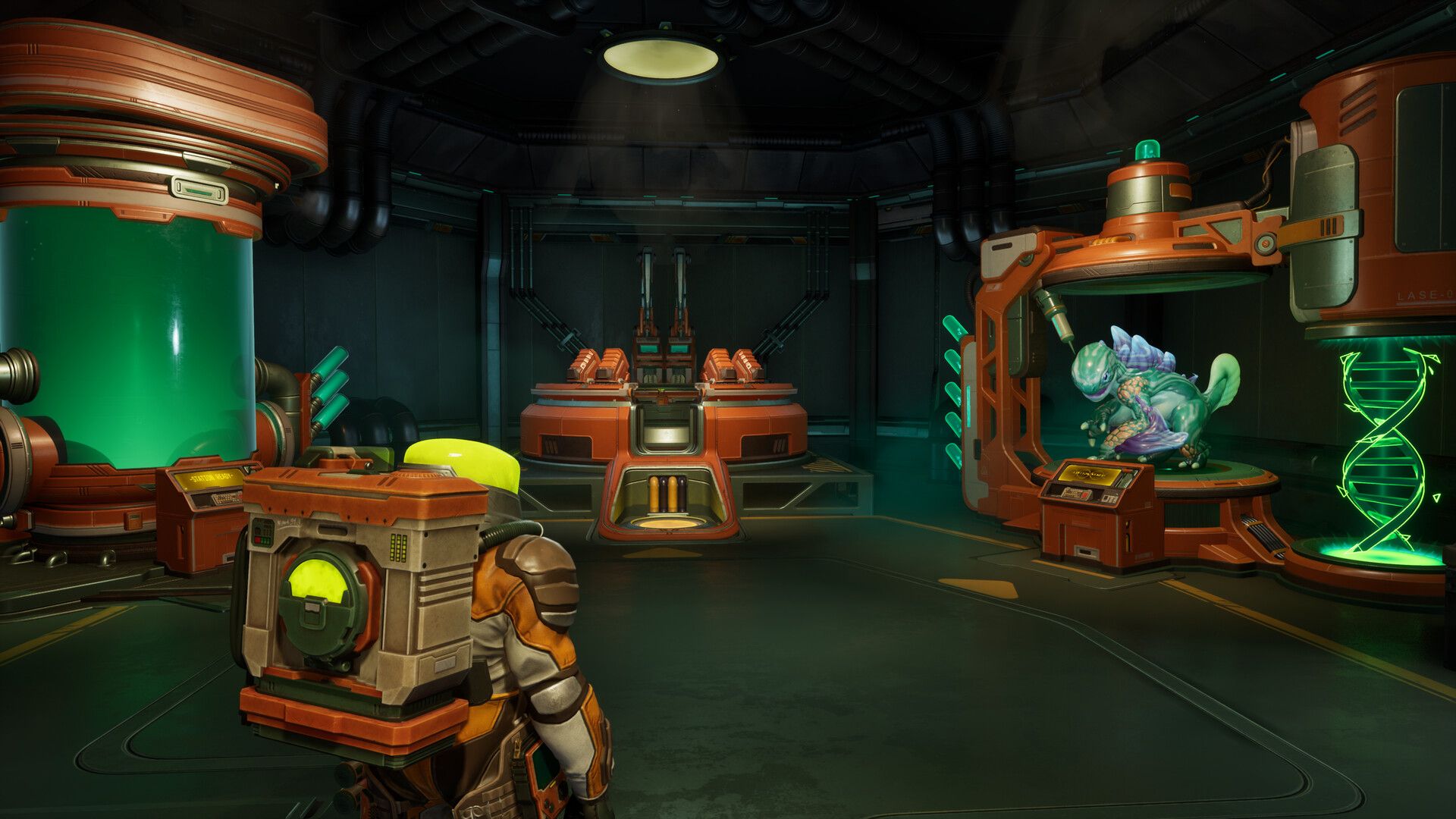

Voidling Bound drops you into a sci-fi action RPG where you play as a Space Wrangler cleaning corrupted planets by directly controlling alien creatures called Voidlings. Developed by Hatchery Games, a studio with roots in the Skylanders franchise, the game leans hard into build crafting and real-time combat rather than the turn-based formula most creature collectors follow. With 9 base species that branch into 62 evolution forms and over 775 possible progression configurations, there is a lot to process when you first load in.
What makes Voidling Bound different from other creature collectors?
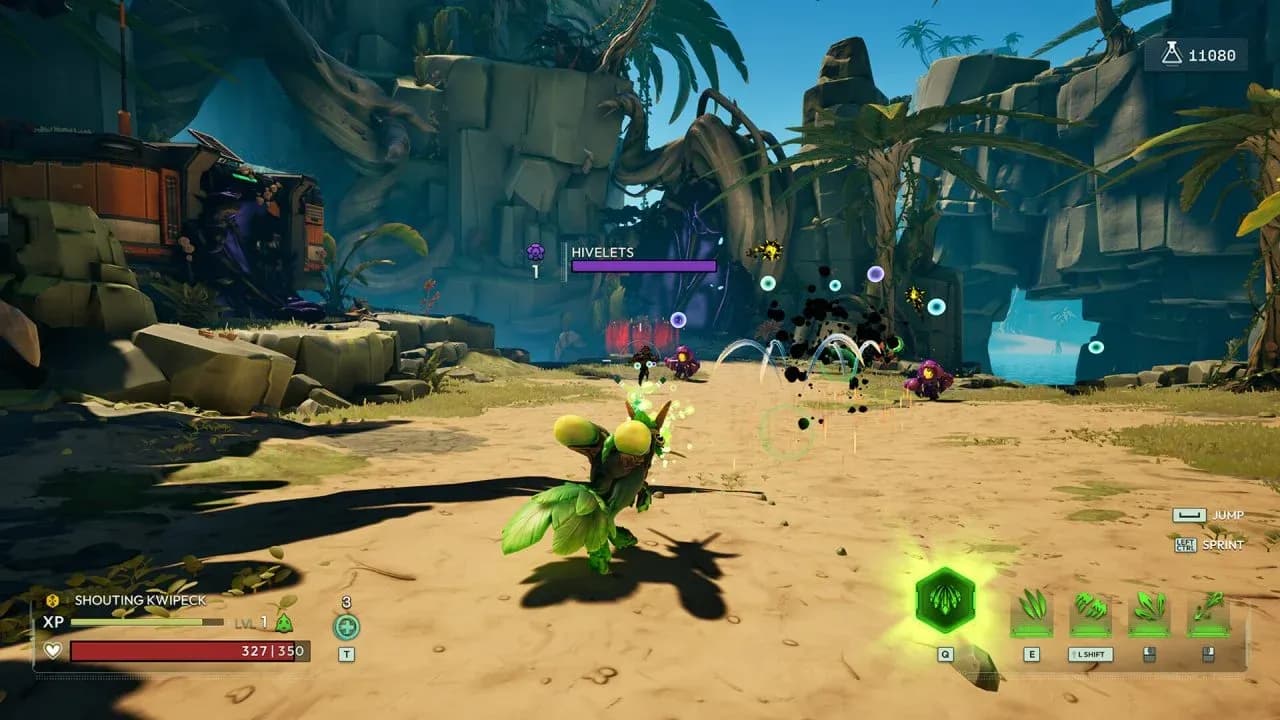
Most creature collectors keep you at arm's length from the action. You pick moves, watch the fight play out, and swap creatures when things go sideways. Voidling Bound throws that formula out. You are in the fight, controlling your Voidling directly in third-person, dodging attacks, timing parries, and managing ability cooldowns in real time.
This shifts the experience closer to an action RPG. Your stats matter, but raw numbers will not carry you through difficult missions if your positioning is sloppy or your cooldown management falls apart. Combat rewards players who learn each Voidling's moveset and understand when to press forward versus when to back off.
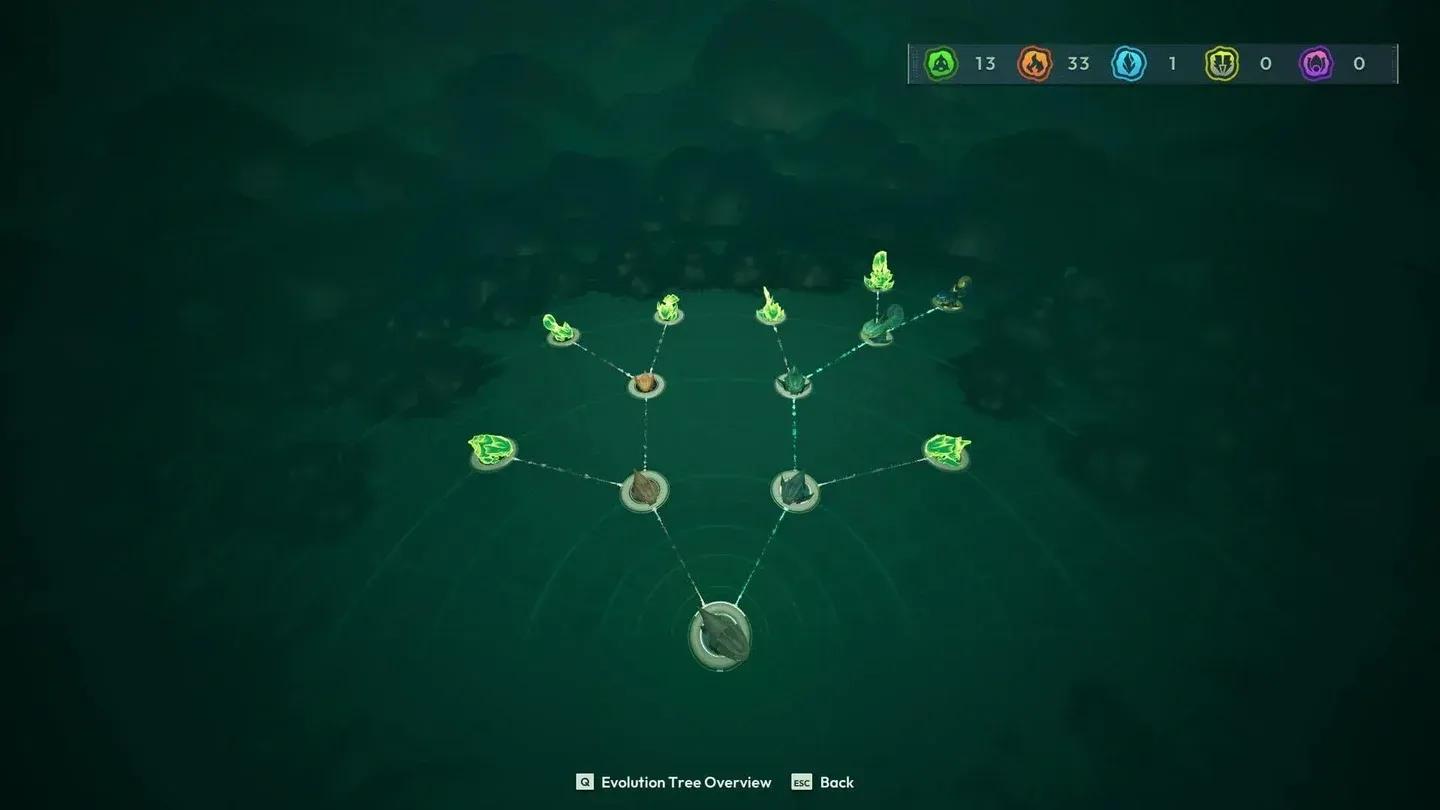
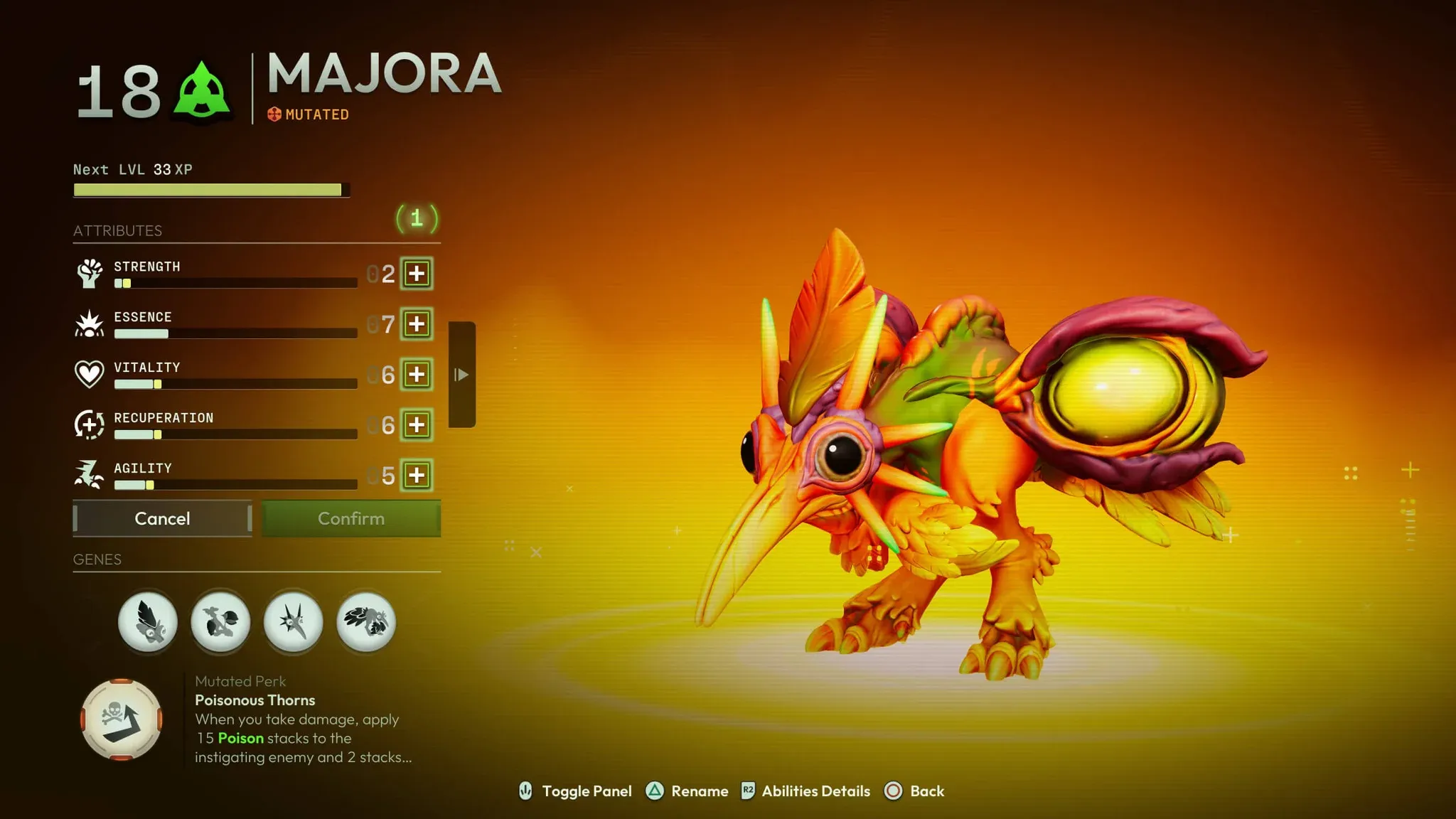
Evolution path selection
The other major difference is the depth of the progression systems. Genes, Breeding, Mutations, and Catalysts all layer on top of the base evolution choices, meaning two players can raise the same base species and end up with completely different combat roles. That flexibility is the game's strongest selling point.

How does the core gameplay loop work?
Each session follows a clear structure. You launch from your base, travel to a planet, complete missions, fight enemies, gather resources, collect eggs, and earn Research Points. When the expedition ends, you return to base and spend those resources on upgrades, evolutions, and breeding projects.
Here is the full loop broken down:
- Explore biomes across multiple alien planets
- Complete missions and defeat enemies for Research Points
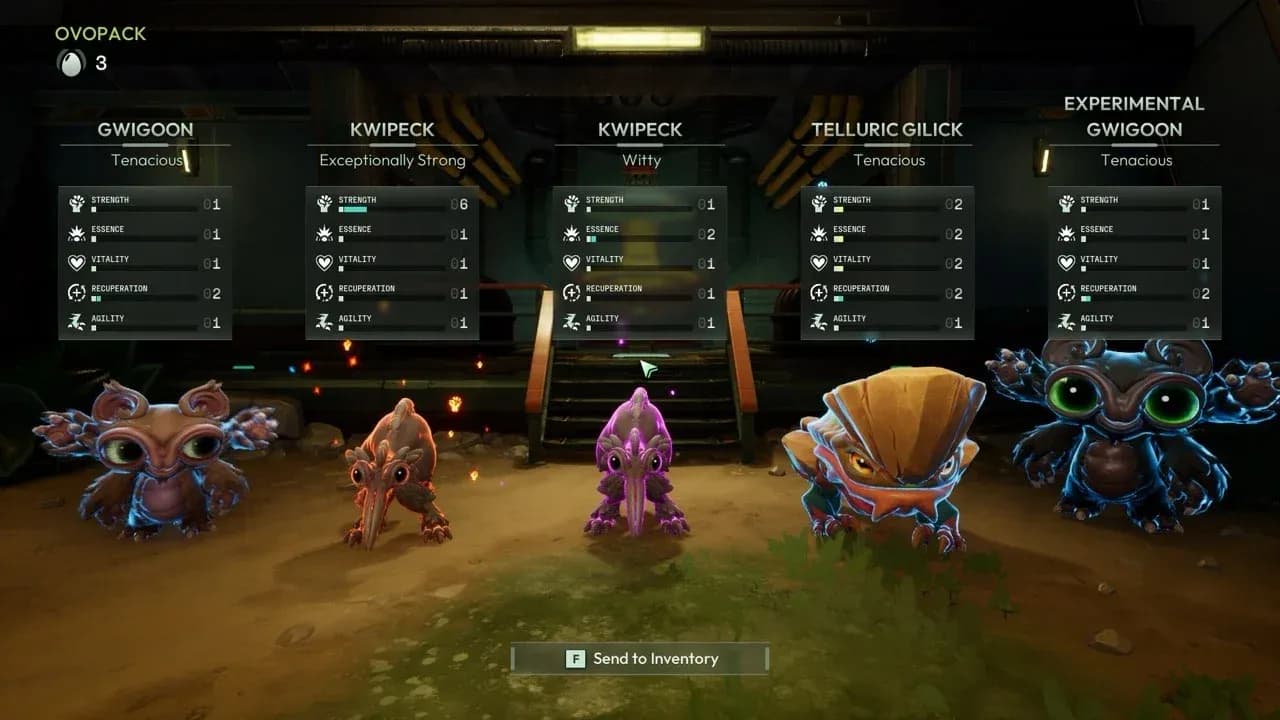
- Collect eggs to expand your Voidling roster
- Upgrade and evolve creatures using earned resources
- Breed Voidlings to pass down strong traits to the next generation
- Build teams suited to specific mission types and challenges
The loop feels tight because every expedition feeds directly into your long-term progression. You are never grinding just to grind. Resources collected in the field have specific uses back at base, and the decisions you make between missions shape how your next expedition plays out.
Breeding and gene customization
Understanding the evolution system
How many evolution forms are there?
The game launches with 9 base Voidling species. Each species has its own Evolution Tree, and across all 9 species those trees branch out into 62 distinct evolved forms. Every form comes with its own set of abilities, an elemental affinity, a defined combat role, and a unique Ultimate Ability.
| Base Species Count | Total Evolved Forms | Progression Configurations |
|---|---|---|
| 9 | 62 | 775+ |
The 775 figure comes from combining evolution choices with Genes, Mutations, Breeding outcomes, and Catalysts. That number represents unique progression paths rather than cosmetic variations, so the replayability here is genuine.
What combat roles are available?
Evolution paths cover four broad combat roles:
- Close-range brawlers built for high damage up front
- Ranged attackers that deal damage from a safe distance
- Support-focused builds that buff allies or debuff enemies
- Defensive builds designed to absorb punishment and control space
No single role dominates every situation, which makes team composition an actual decision rather than a formality.
How do Genes, Breeding, and Catalysts work?
Beyond the Evolution Tree, three additional systems push customization further.
Genes are inherited traits that modify how a Voidling performs in combat. They influence stats, ability behavior, and sometimes open up playstyle options that the base evolution does not offer on its own.
Breeding lets you combine two Voidlings to produce an egg with traits drawn from both parents. Stronger parent Voidlings pass down better Genes, which means investing in your current roster pays off even when you plan to replace those creatures later.
Catalysts are rare upgrades earned in Abyss Mode, the endgame content. They introduce powerful trade-offs, giving a Voidling a significant boost in one area while creating a meaningful weakness somewhere else. Catalysts are not straight upgrades. They are build-defining choices that push you toward specific playstyles rather than letting you maximize everything at once.
Catalyst trade-off selection
What is Abyss Mode and why does it matter?
Abyss Mode is the endgame activity that opens up after you complete the main story. It presents increasingly difficult challenge floors, and clearing floors rewards you with the rare Catalysts mentioned above.
The mode is not just a difficulty spike for its own sake. Each floor pushes your build knowledge further because the enemies scale in ways that punish underprepared or one-dimensional teams. Players who spent the campaign experimenting with different Voidlings will find Abyss Mode manageable. Players who coasted on a single overpowered creature will hit a wall fairly quickly.
The Catalyst rewards make returning to Abyss Mode worthwhile even after you have cleared the early floors. New Catalysts open new build possibilities, and the experimentation cycle that defines Voidling Bound's best moments continues well past the credits.
Combat fundamentals you need to know
Third-person action combat in Voidling Bound is skill-driven. Here is what actually matters in a fight:
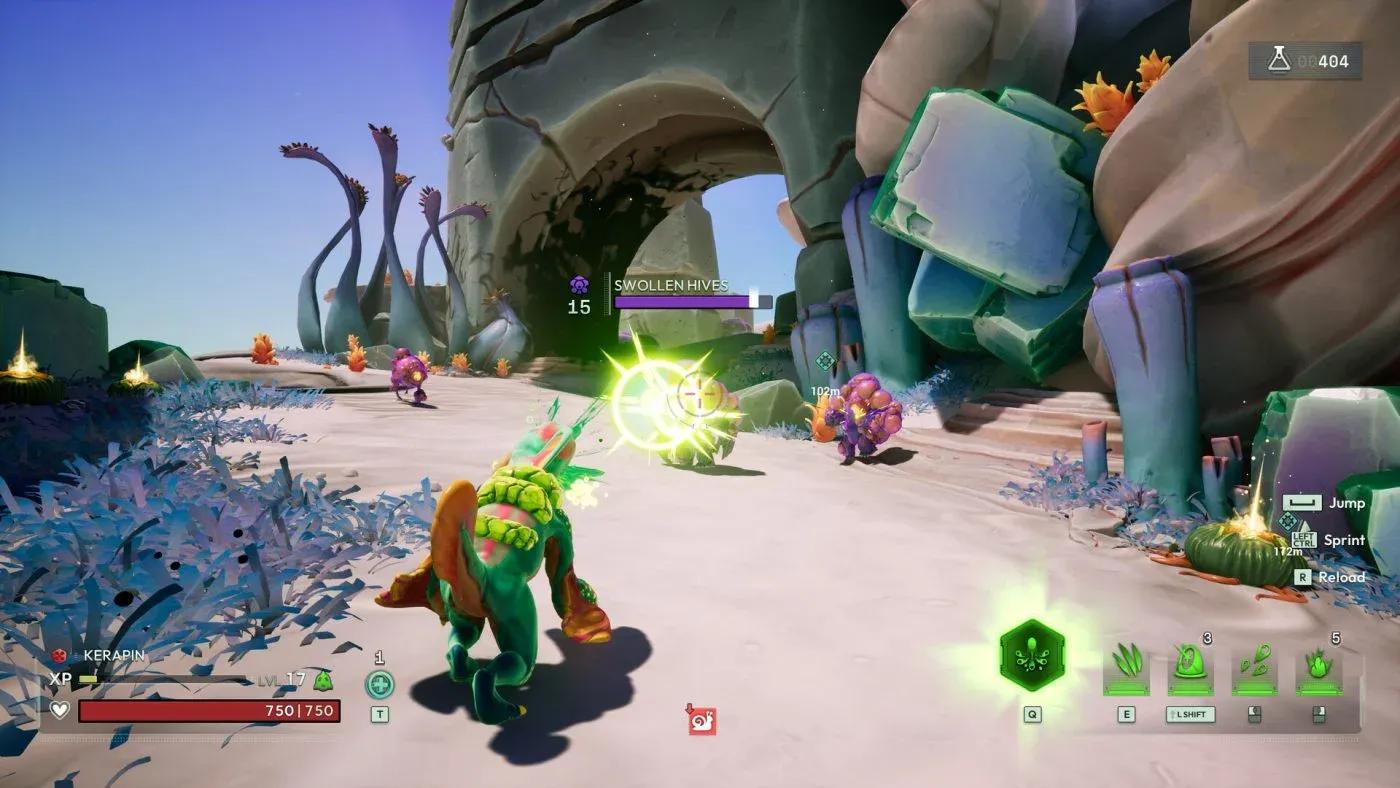
- Cooldown management: Each Voidling has multiple abilities on cooldown timers. Burning everything at once leaves you with basic attacks when a dangerous enemy phase starts.
- Positioning: Many abilities have directional requirements or range thresholds. Fighting at the wrong distance reduces your damage output significantly.
- Dodging: Incoming attacks have readable telegraphs. Learning the timing for each enemy type is more valuable than stacking defensive stats.
- Parry timing: A well-executed parry opens attack windows that are not available through normal play. Mastering parry timing for the Voidlings you use most often will accelerate your clear times.
Ability cooldown tracking
Building your first team
For new players, the most effective approach is to pick one Voidling you enjoy controlling and invest heavily in its evolution before spreading resources across the whole roster. Breeding and Genes become more impactful once you have at least one fully evolved creature to use as a strong parent.
Once you have a primary Voidling you are comfortable with, build the rest of your team around covering its weaknesses. If your main is a close-range brawler with no defensive options, pair it with a support or defensive build that can create breathing room when enemies swarm.
Team composition matters more in Abyss Mode than in the main campaign, but building good habits early saves you from having to rebuild your entire roster at endgame.
For more strategies and system breakdowns, the full Voidling Bound guides collection covers everything from early progression to advanced build theory. Voidling Bound sits in a growing space among adventure games that blend creature collection with action RPG depth, and the systems here reward players who commit to learning them.