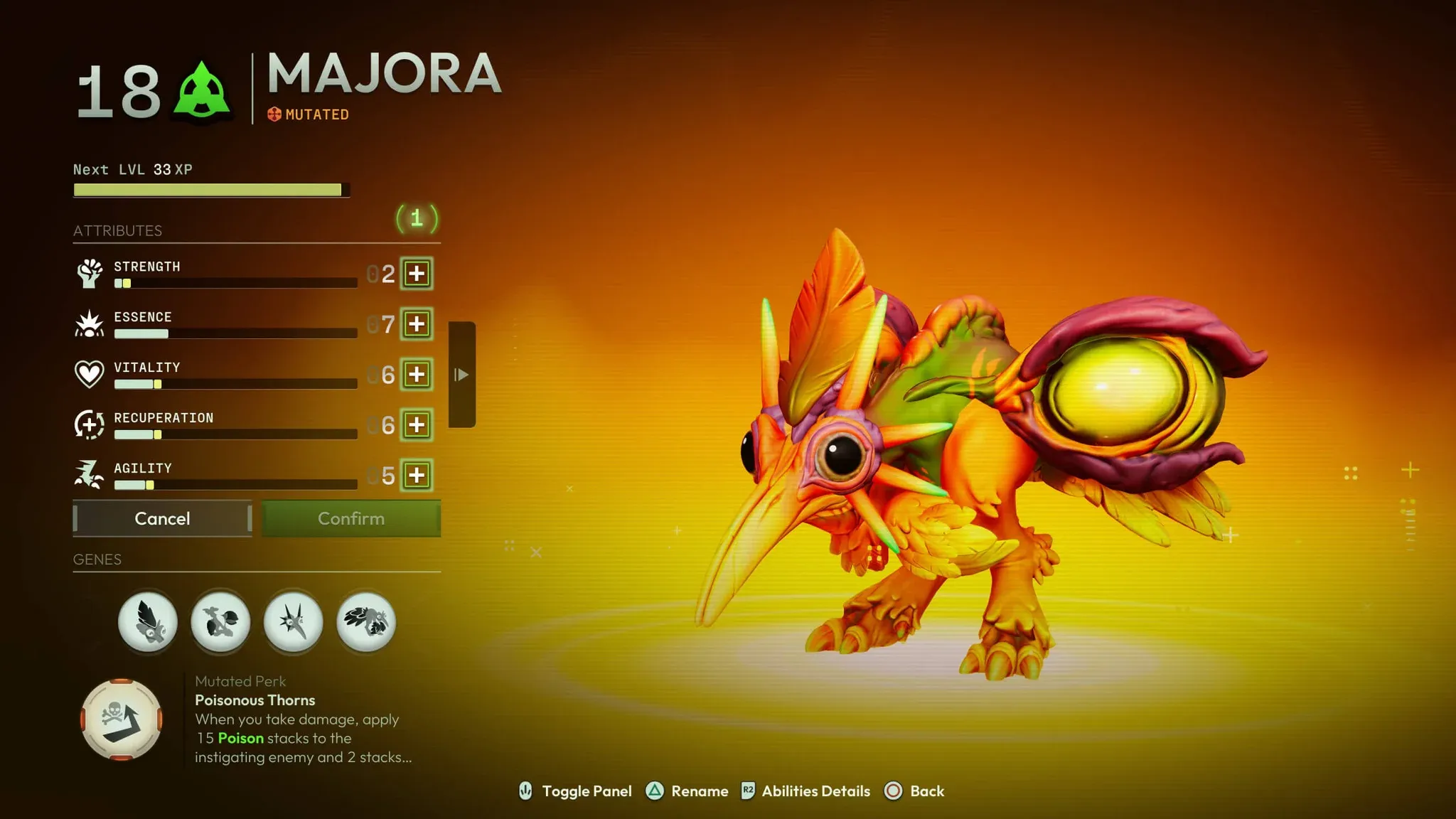

Voidling Bound is a sci-fi third-person shooter where you hatch, evolve, and upgrade space creatures called Voidlings to fight through corrupted planets. The gene editing system is one of the most powerful tools in the game, and also one of the easiest to misuse. Most players open the menu, see a wall of options, and start picking whatever looks impressive. The result is a creature that can sort of do everything and reliably do nothing. This guide breaks down how to edit genes the right way: one role, one direction, one cleaner build.
What is gene editing in Voidling Bound?
Gene editing lets you modify your Voidling's stats and abilities across five broad categories: offense, defense, movement, utility, and a flex slot for experimental picks. Each category contains genes that shift how the creature performs in combat. The problem is that the menu makes every option look equally valid, which tempts players into spreading edits across categories instead of committing to one.
The core principle is simple: genes should reinforce what the Voidling already does well, not patch every weakness simultaneously. A Fire Kwipeck built around burn pressure does not need defensive side edits just because the route feels uncomfortable. It needs the offense and movement genes that let the burn plan land faster and more often.

Gene editing category tabs

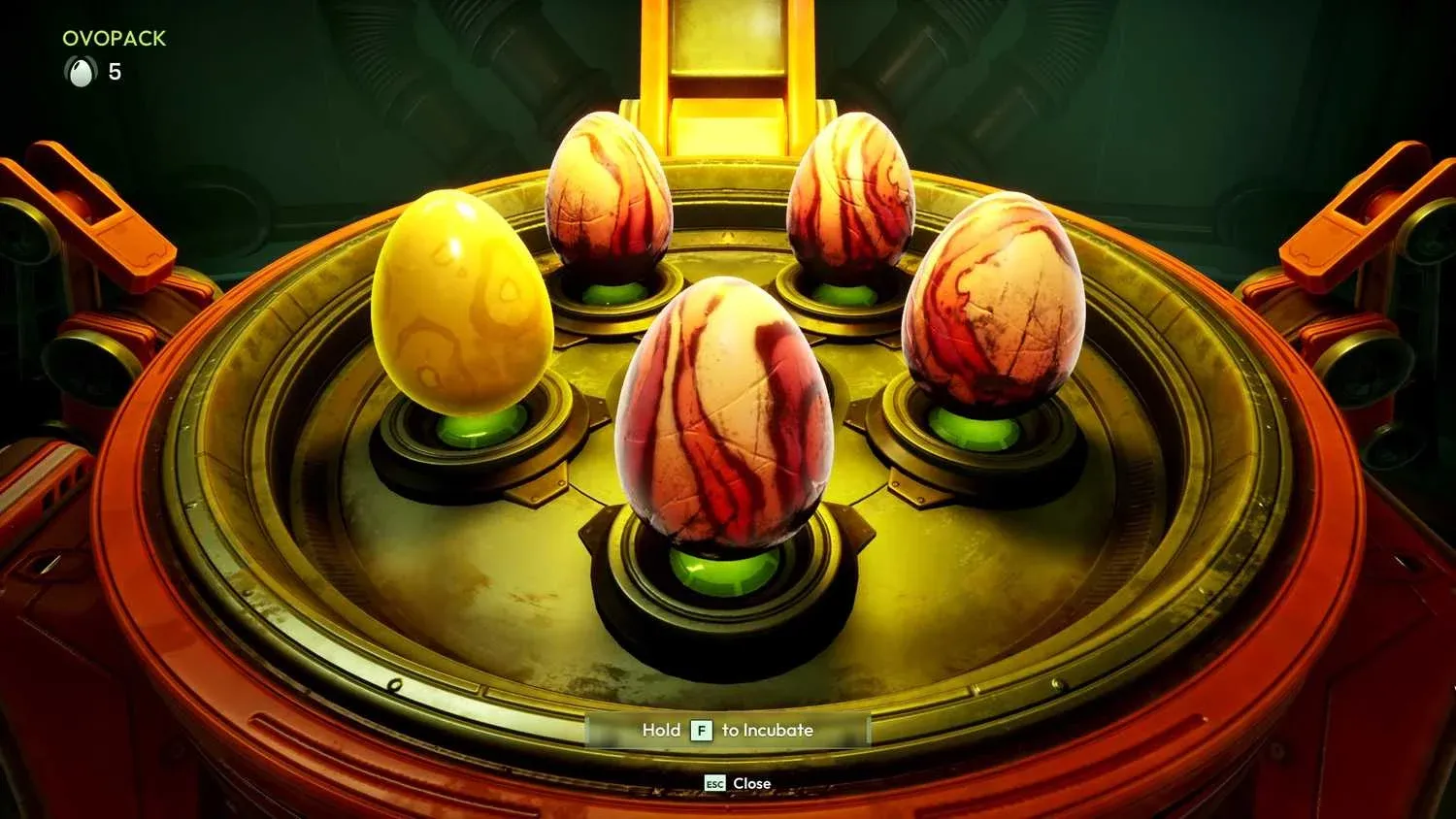
How do the five gene categories work?
Each gene category serves a distinct purpose in combat. Understanding what each one actually fixes is the difference between a focused build and a diluted one.
| Gene category | What it does | What to avoid |
|---|---|---|
| Offense | Makes the Voidling's chosen attack finish fights faster | Small damage gains that do not change how the build plays |
| Defense | Keeps the Voidling alive long enough for the plan to execute | Defense edits that only help after the run is already stable |
| Movement | Improves positioning and survival during active combat | Static power that sounds strong but does not help fight flow |
| Utility | Improves control, consistency, and mission comfort | Utility that only matters in edge cases the current route never hits |
| Flex | Experimental slot for a genuinely helpful addition | Trying to make one creature cover every combat role at once |
The flex slot is the most abused. It is not a free pass to add a second identity to your Voidling. Use it only when the creature already has a clear role and the new gene is genuinely additive, not compensatory.
Which gene direction fits each combat route?
The creature route you pick from the Creature Route Matrix determines which genes are actually useful. Editing against your route is one of the most common ways to wreck a build that was already working.
Fire pressure routes (Fire Kwipeck and similar) want offense genes, ability uptime, and enough movement to keep pressure active. The temptation is to add defensive edits when the route feels risky. Resist it. Fire builds want tempo. If the creature is surviving, make the burn plan sharper. If it is dying before pressure matters, fix movement first.
Poison and attrition routes (poison Kerapin and similar) need survival, control, and consistency genes that buy time for damage-over-time to stack. Adding burst damage genes here accidentally abandons the entire attrition identity. Poison routes are patient, not passive. The right gene keeps the Voidling safe while pressure builds, not louder on the stat panel.
Melee bruiser routes (Morfang, Gilick) require recovery, defense, and close-range uptime genes, plus movement tools that let the creature enter and exit cleanly. Pure offense edits are the trap here. A melee Voidling that cannot survive contact is not a bruiser; it is a one-shot highlight waiting to fail on the next mission.
Mobile skirmisher routes (Anami and similar) need movement, reload comfort, ability rhythm, and focused damage to finish fights after repositioning. Over-editing movement until the creature can dodge forever but never close out a fight is a real failure mode. Every skirmisher build needs a punchline, meaning a specific attack that wins after all the repositioning.
Summon and setup control routes (Gwigoon, Nimiod, Ur-Sek) reward utility, uptime, and field control genes that keep minions, turrets, or forms manageable when the screen gets crowded. Treating these creatures like simple damage picks wastes their entire kit.
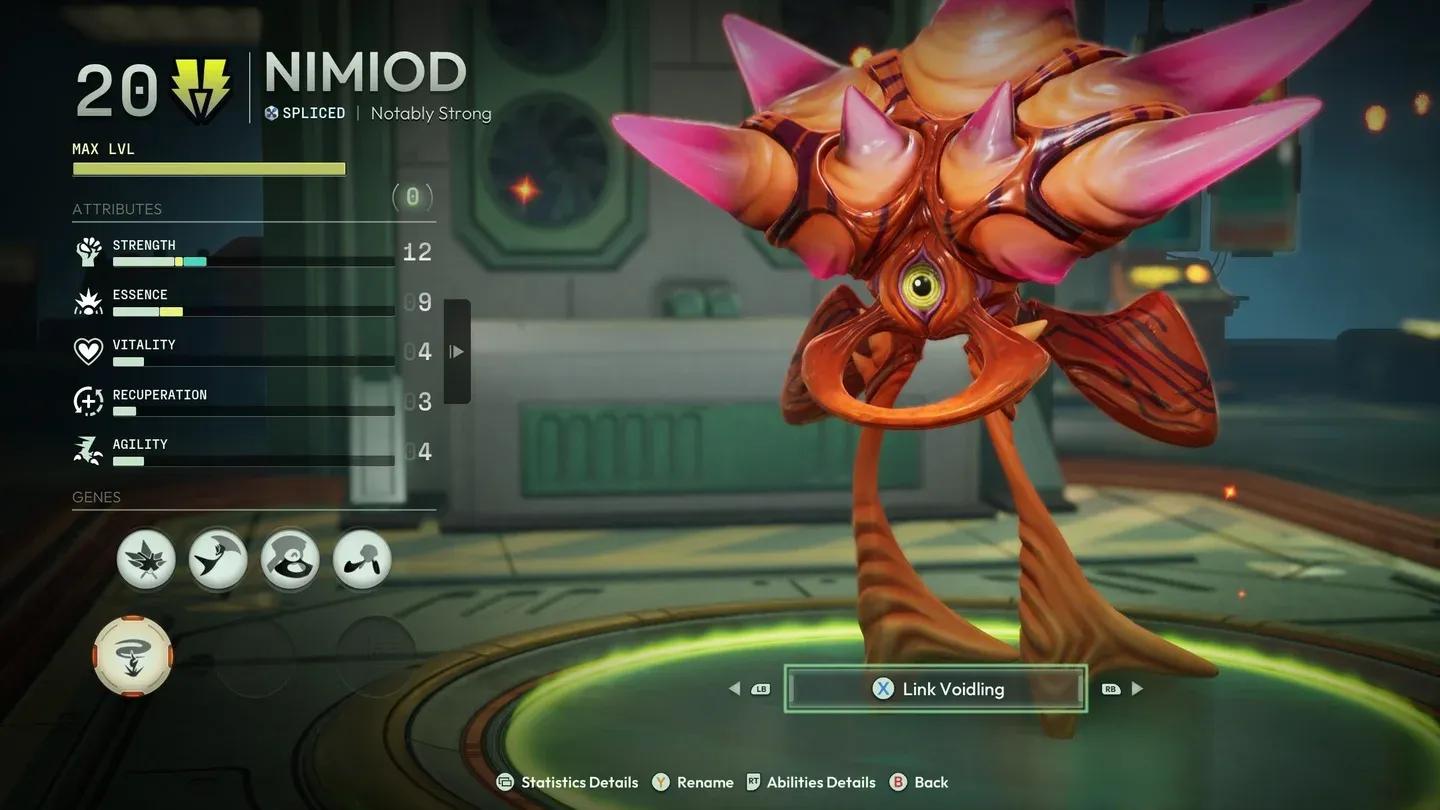
Creature route selection screen
How to decide which gene to pick first
The last mission you played is the best diagnostic tool available. What went wrong tells you exactly which gene layer to target next.
- You died before your main attack mattered: prioritize survival or movement genes first
- You survived but fights dragged on too long: add offense that supports the chosen attack style
- You kept missing ability windows or getting boxed in: look at utility, uptime, or control genes
- The build felt playable but forgettable: pick one sharper role edit rather than smoothing everything out
After editing, run one controlled mission and watch for the same failure that triggered the change. A good gene edit should make that failure arrive later, feel smaller, or become easier to recover from. If the next mission fails the same way, the gene was interesting but did not solve the route problem.
What does a failed gene plan look like?
Three failure patterns show up repeatedly across all routes.
First, the genes look optimized but the build still feels weak. This usually means the edits matched the stat panel rather than the combat role. Re-center on the single layer that matters most: survival, damage, or movement.
Second, the creature feels balanced but not dangerous. This is the dilution problem. A Voidling that is merely okay at everything loses to harder content that requires a genuine strength. Specialize the gene plan instead of smoothing every number upward.
Third, the Voidling becomes hard to read in active combat. Too many side effects stacked together create a creature that is technically capable but practically confusing. Strip the plan back to the genes that support one clear job.

Over-edited build in combat
The retest loop: how to confirm a gene edit worked
One edit, one mission, one repeated failure. That is the only reliable way to know whether a gene change helped.
| Last repeated failure | Edit direction to test | Success should feel like |
|---|---|---|
| Fights end too slowly despite clean play | Offense or ability-uptime gene supporting the main attack | Enemies reach dangerous pressure less often before dying |
| Voidling dies before the route matters | Survival, recovery, or movement comfort | The same room gives more time to aim, reset, or finish the plan |
| Ability windows missed, rhythm lost under pressure | Utility, uptime, control, or a simpler play pattern | The route becomes easier to repeat without extra decisions |
| Build looks stronger but still feels scattered | Undo the sidegrade and reinforce one role only | The Voidling's job can be explained in one sentence again |
Stop making edits until a new mission surfaces one clear weakness. Chasing clever gene lines because they sound like future value is how runs collapse in the harder content.
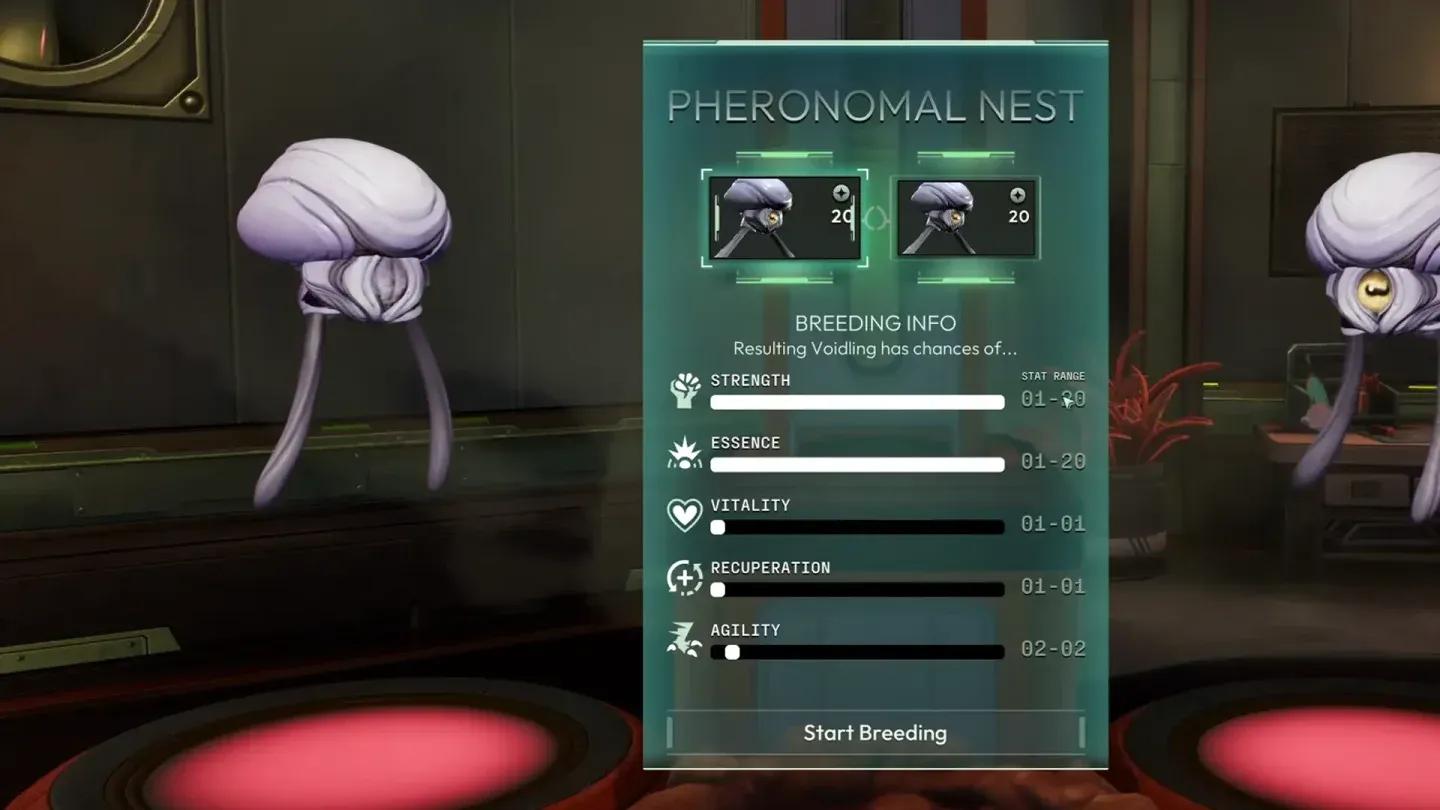
Post-mission gene retest results
Build the creature that finishes fights, not the one that survives menus
Gene editing in Voidling Bound rewards players who commit to a direction and stay honest about what the last mission actually exposed. The strongest builds are not the ones with the most edited genes; they are the ones where every gene on the list is doing a job you can name. Pick a role, support it, test it, and adjust only what the fight tells you to adjust.
For more strategies across every system in the game, the full Voidling Bound strategy guides collection covers breeding, evolution paths, route priority, and common mistakes. If you enjoy this style of creature-crafting combat, there is plenty more waiting in the broader adventure games catalog as well.