

Advertisement

Overview
What Remains of Edith Finch puts you inside the crumbling, sprawling Finch family home on the coast of Washington State. Playing as Edith, you move through sealed rooms and hidden passages, each one a time capsule belonging to a family member who died before their time. The central question driving everything forward is deceptively simple: why is Edith the last Finch left alive?
Developed by Giant Sparrow and published by Annapurna Interactive, the game released on April 24, 2017, and has since appeared on Windows, macOS, PlayStation, Xbox, Nintendo Switch, iOS, Steam, and the Epic Games Store. Its reach across platforms reflects how broadly it resonated. The ESRB rates it Teen for blood, drug references, violence, and language, though the tone leans far more toward melancholy than shock.
What makes each story feel different?
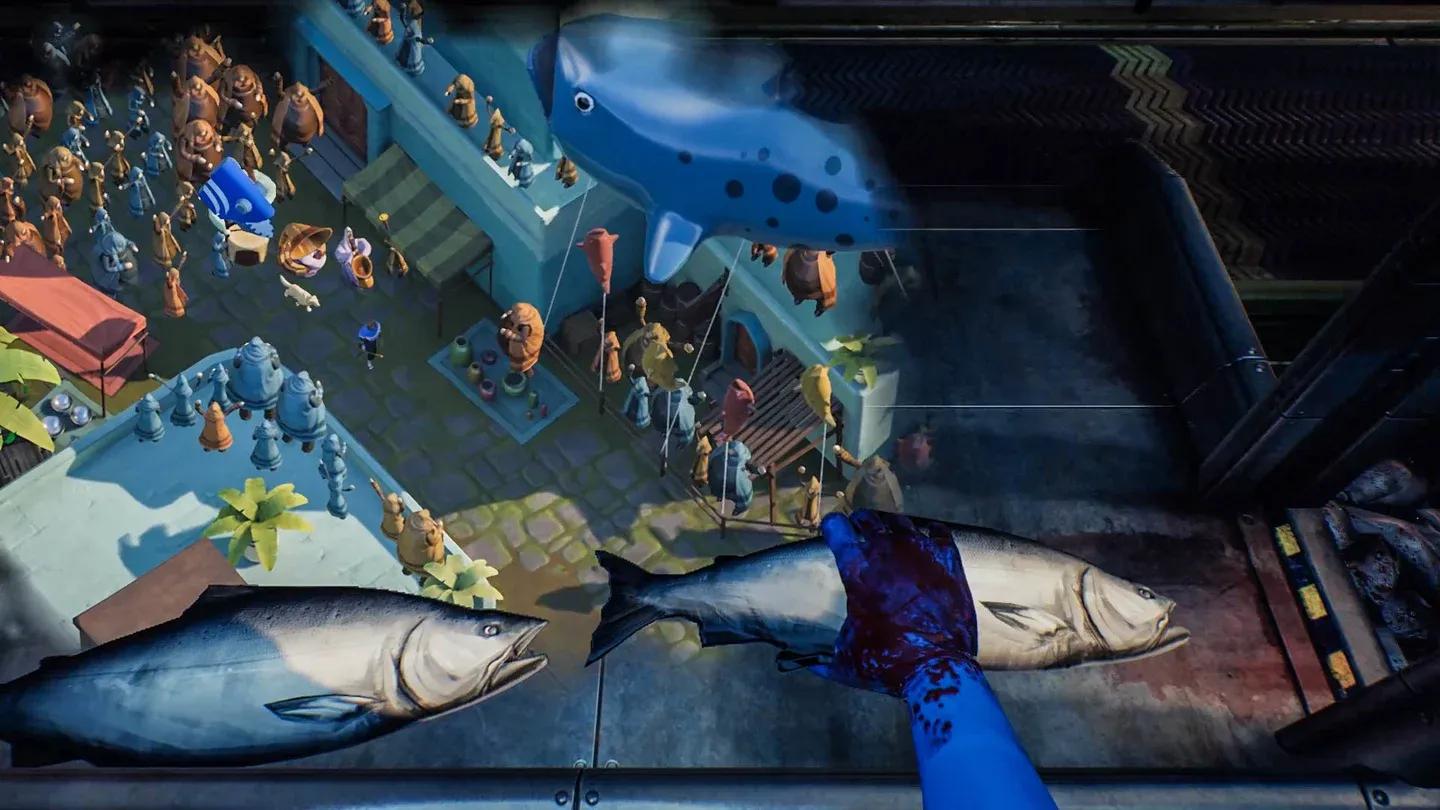
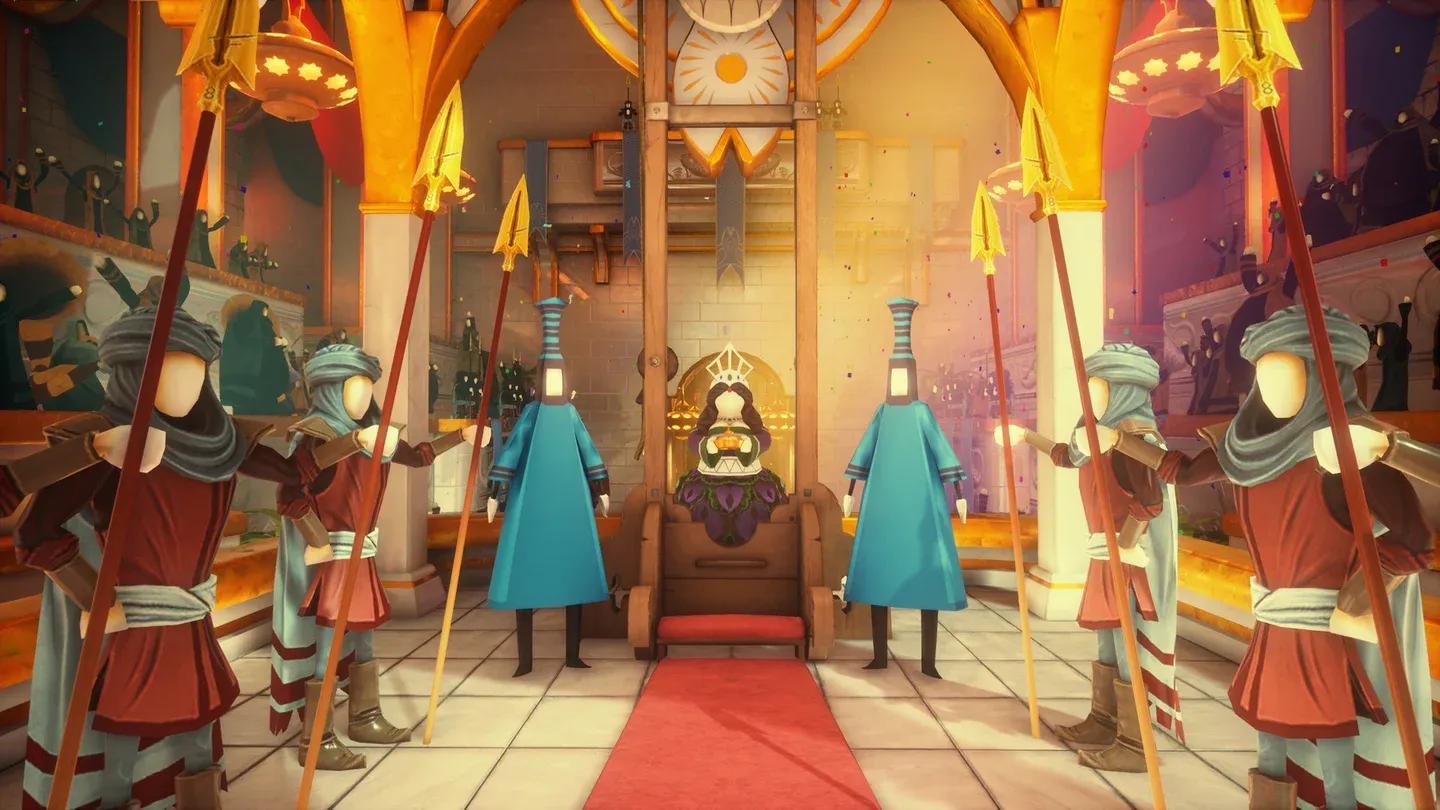
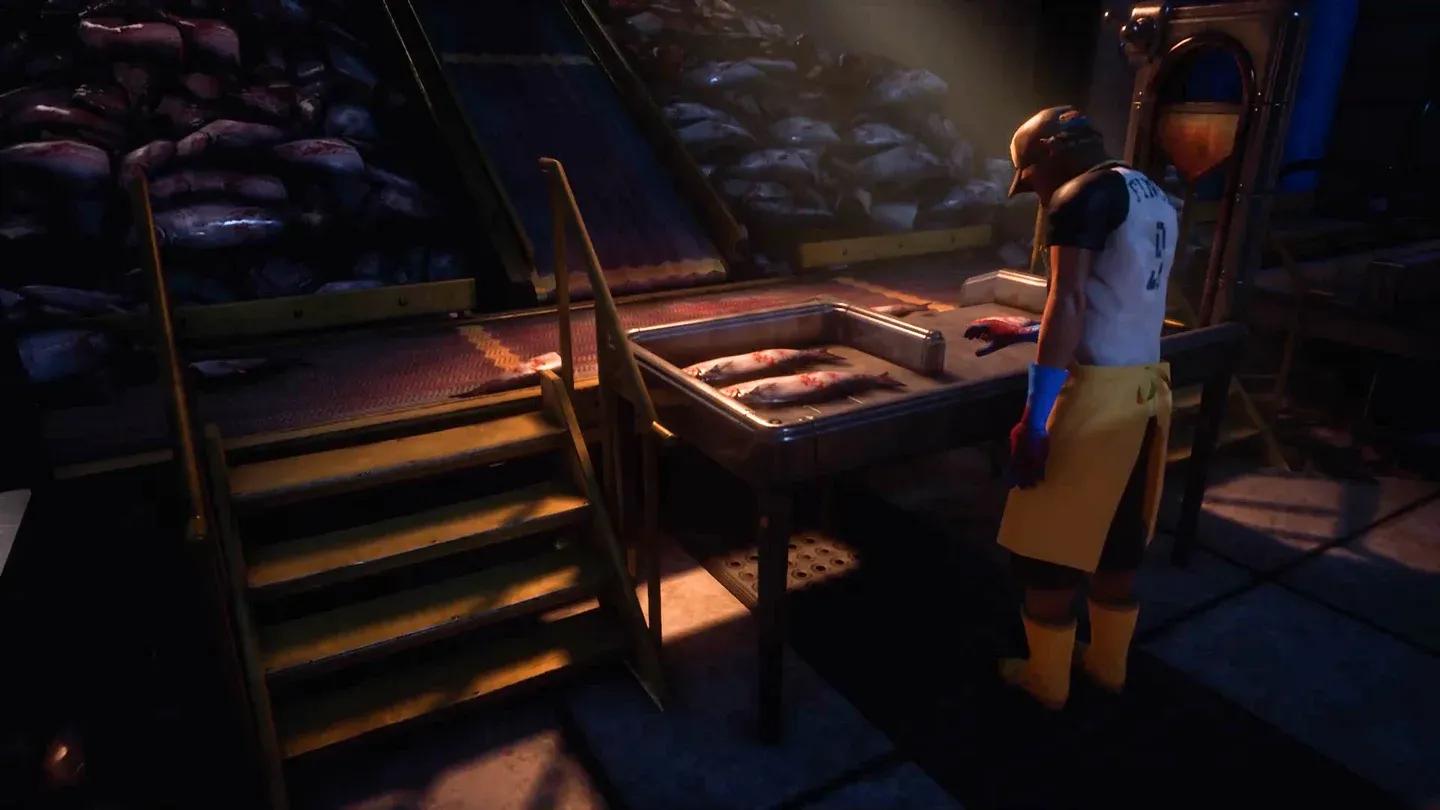
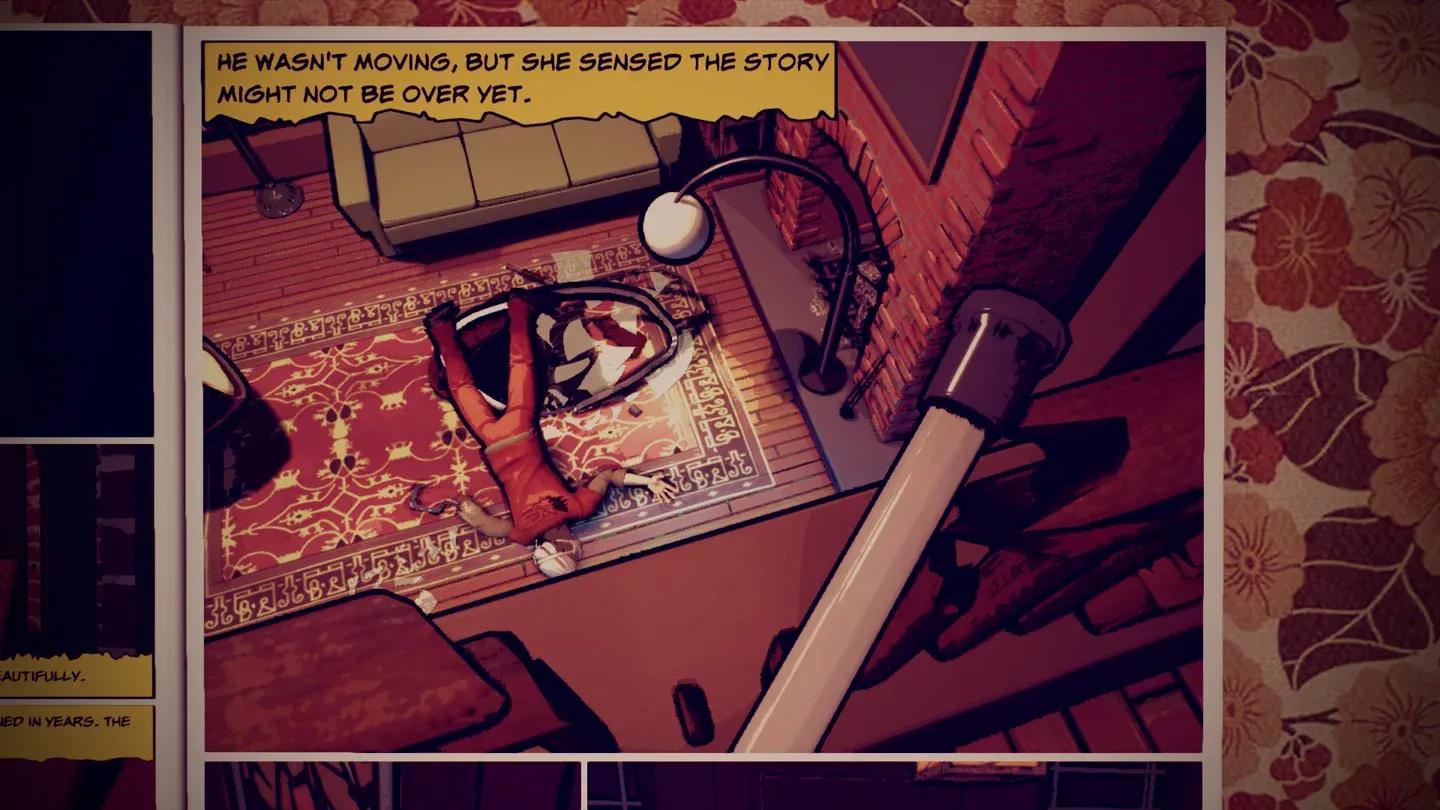
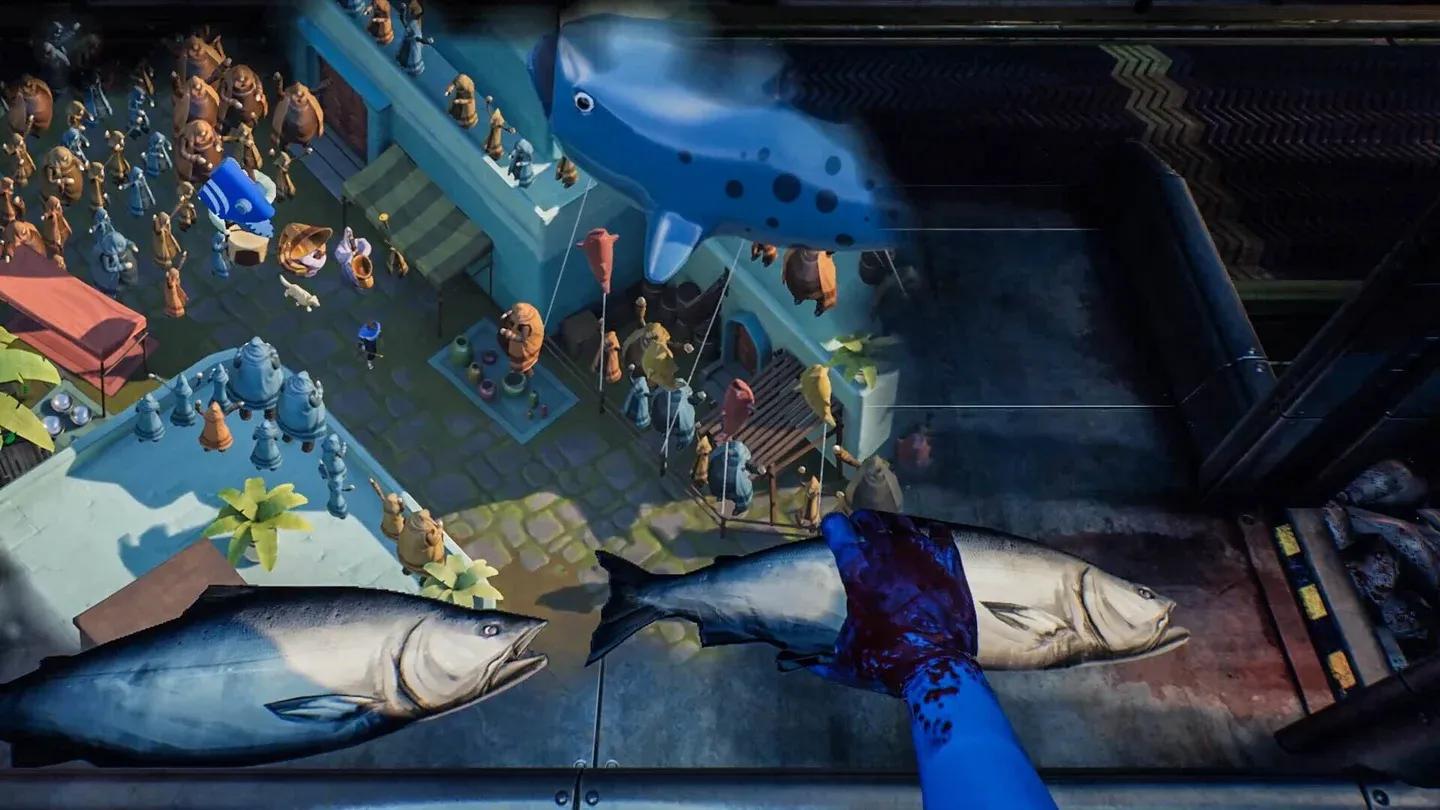
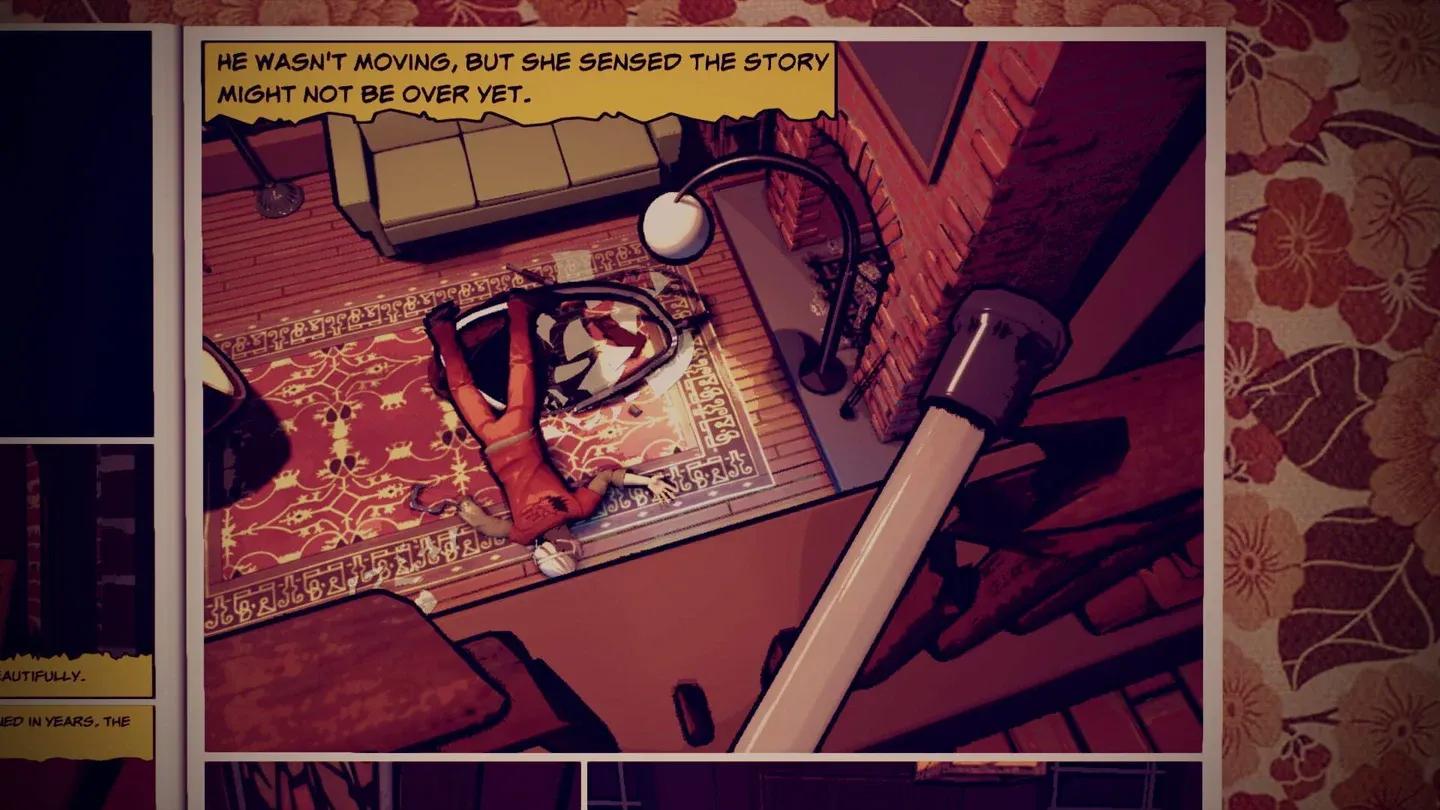
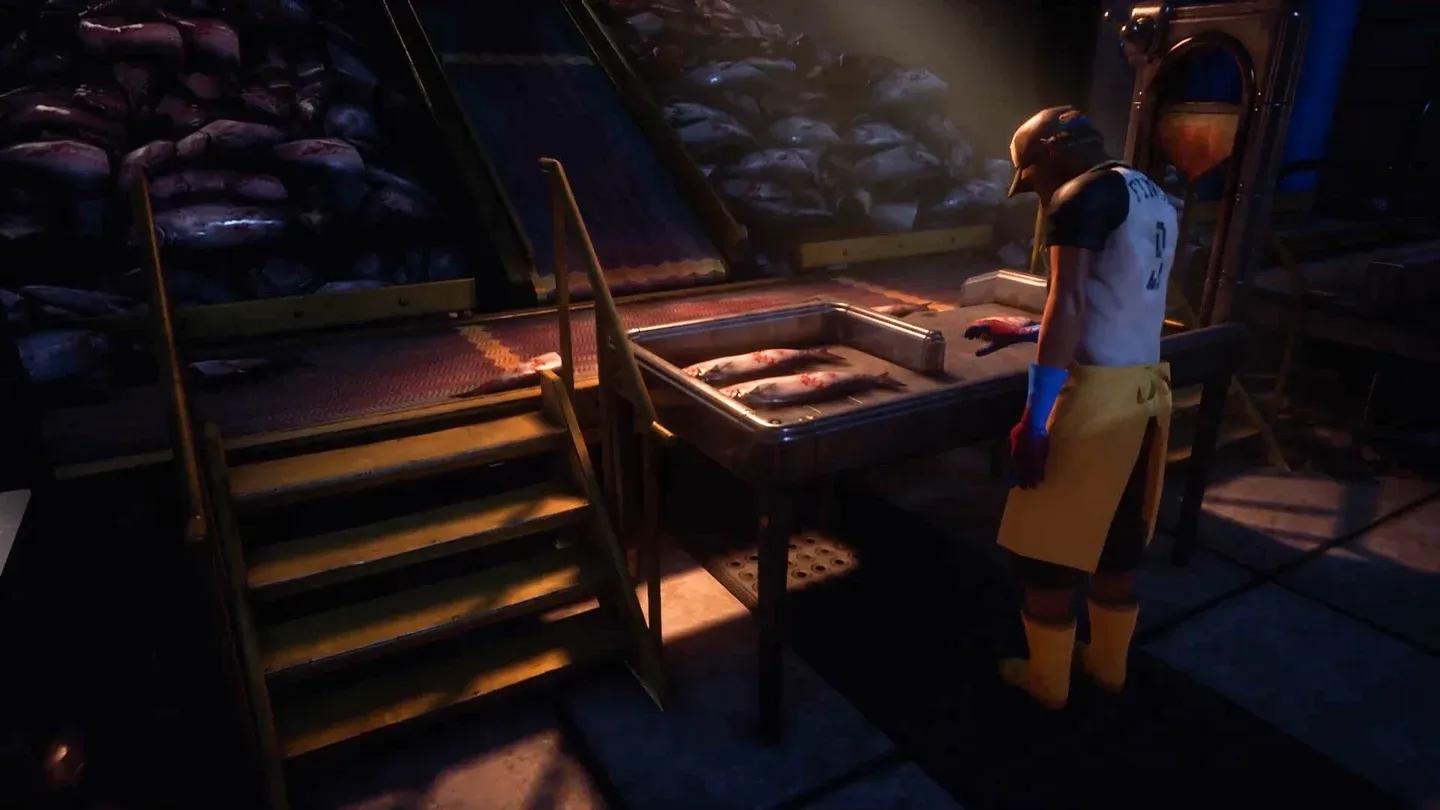
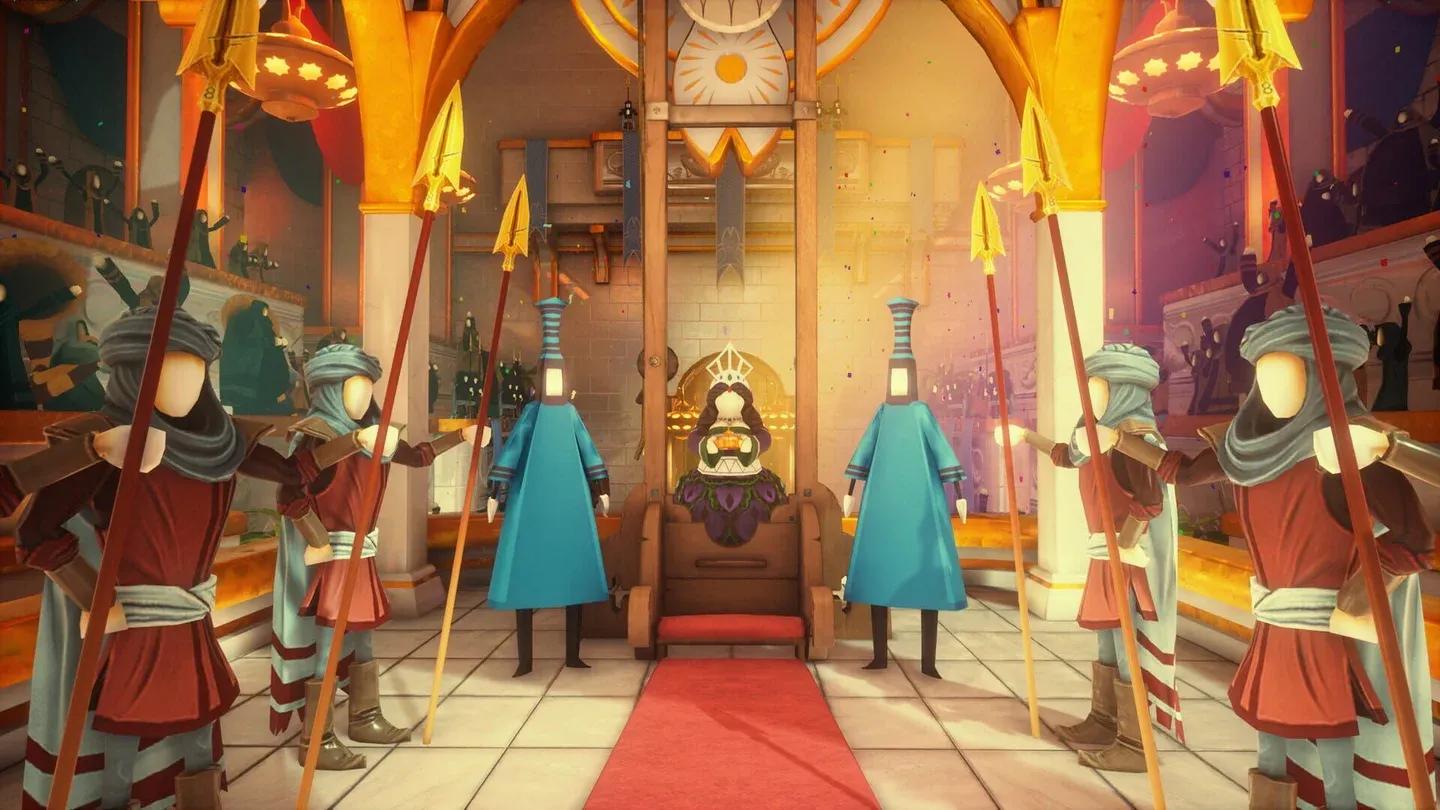
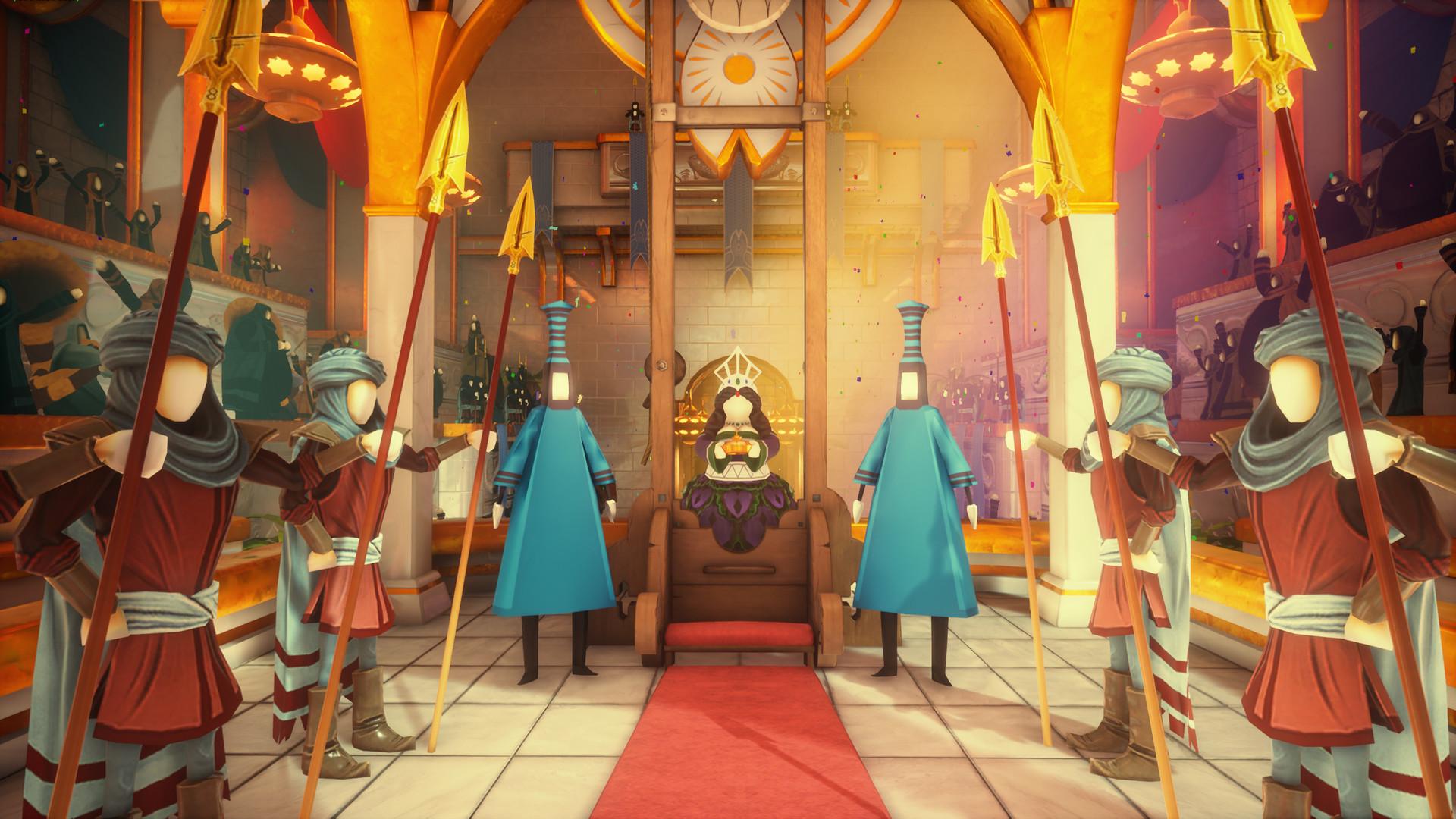
The defining feature of What Remains of Edith Finch is that no two vignettes play the same way. Each short story is built around a specific family member and uses a distinct gameplay mechanic to convey how that person saw the world. One sequence turns a mundane cannery job into a dissociative daydream. Another lets you control a child's imagination as it overtakes reality. The variety never feels arbitrary; every mechanic is chosen to express something about the character's inner life.
Key features across the vignettes include:
- First-person perspective throughout all stories
- Unique control scheme per family member
- Stories spanning the early 1900s to the present day
- Each vignette ends with that character's death
- Tone shifts freely between tragedy, wonder, and dark humor
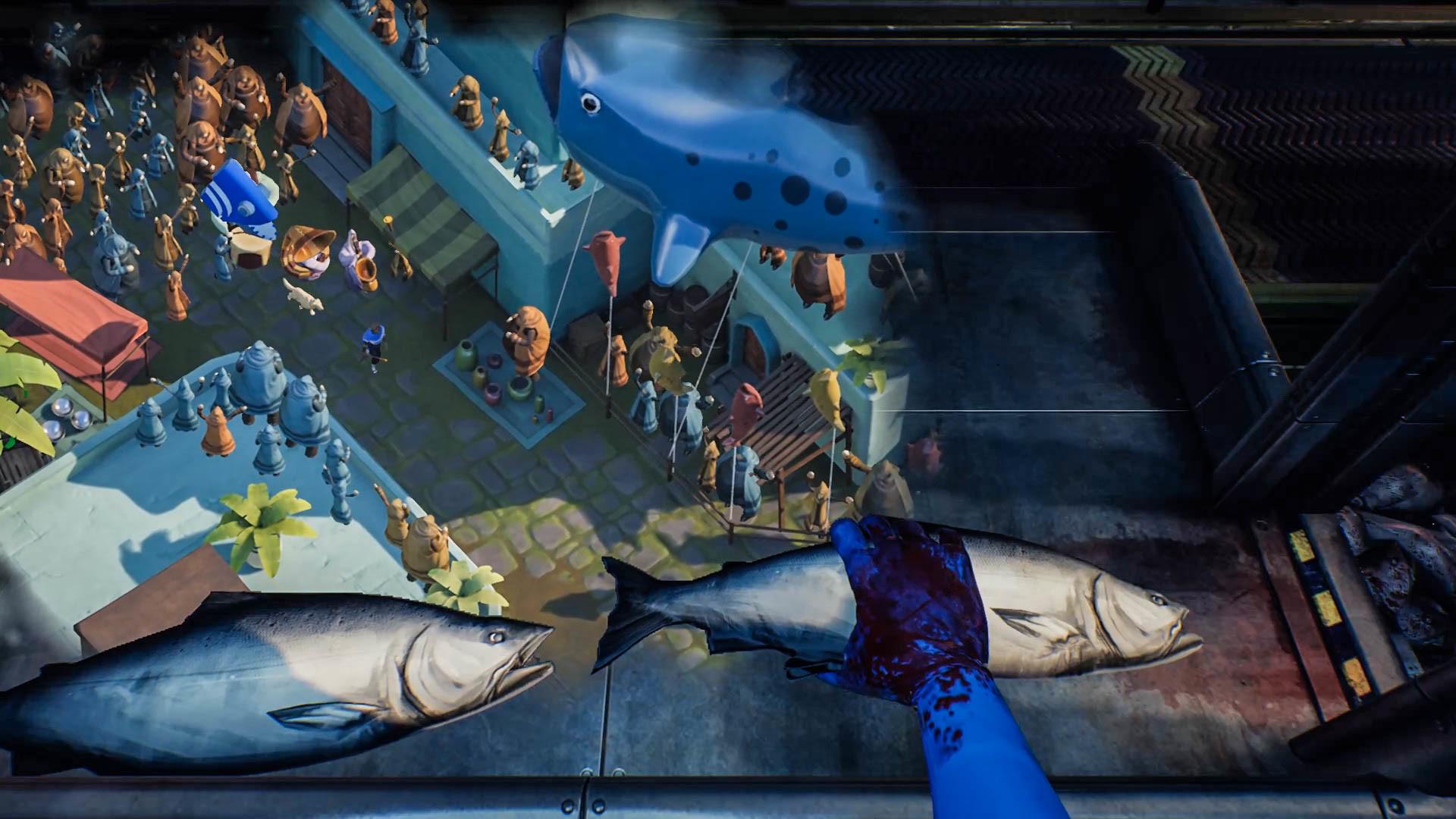
This approach gives the game an anthology structure that keeps the pacing tight. No single story overstays its welcome, and the transitions between them, handled through Edith's physical movement through the house, give the experience a coherent spine.
World and setting
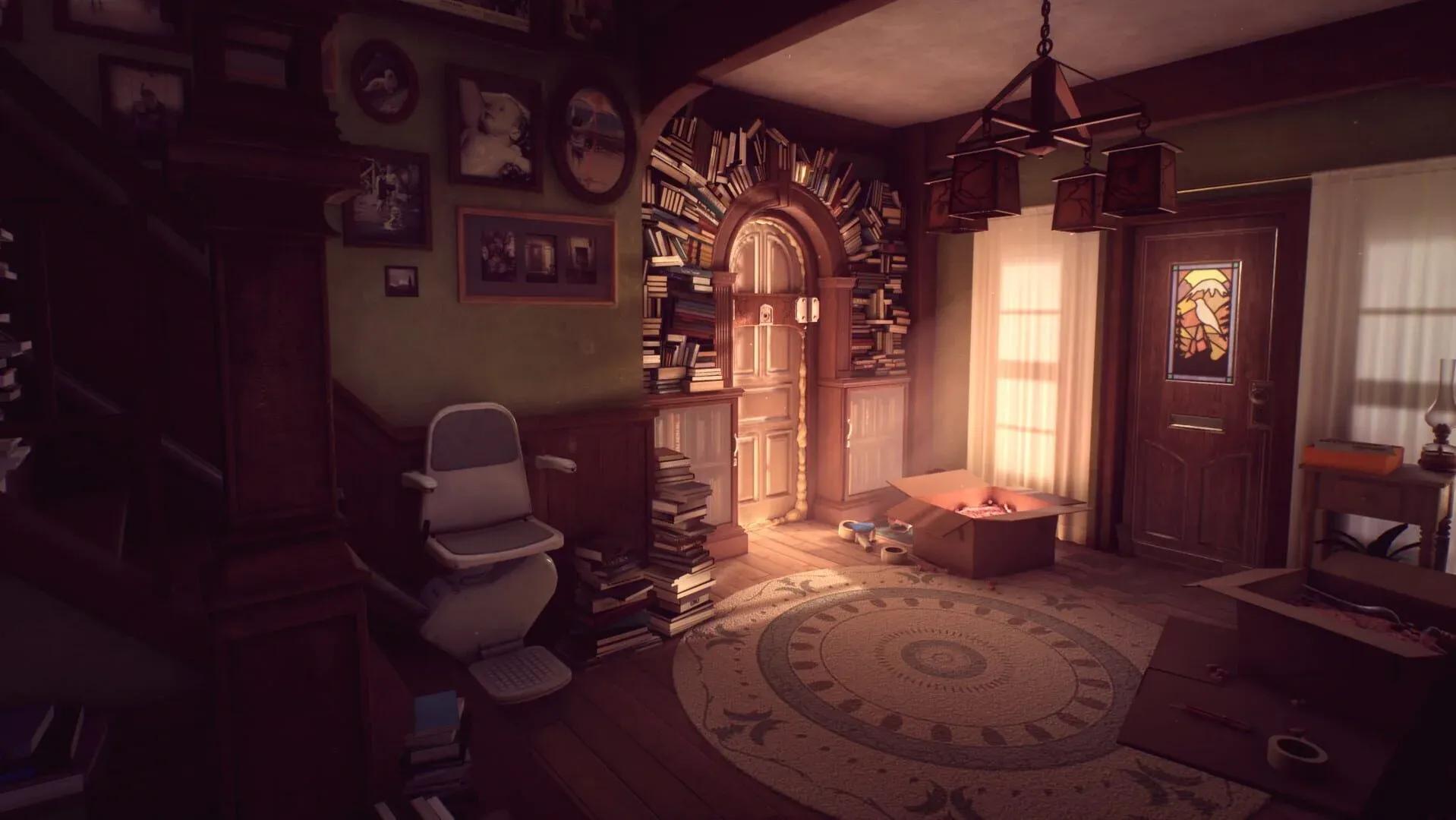
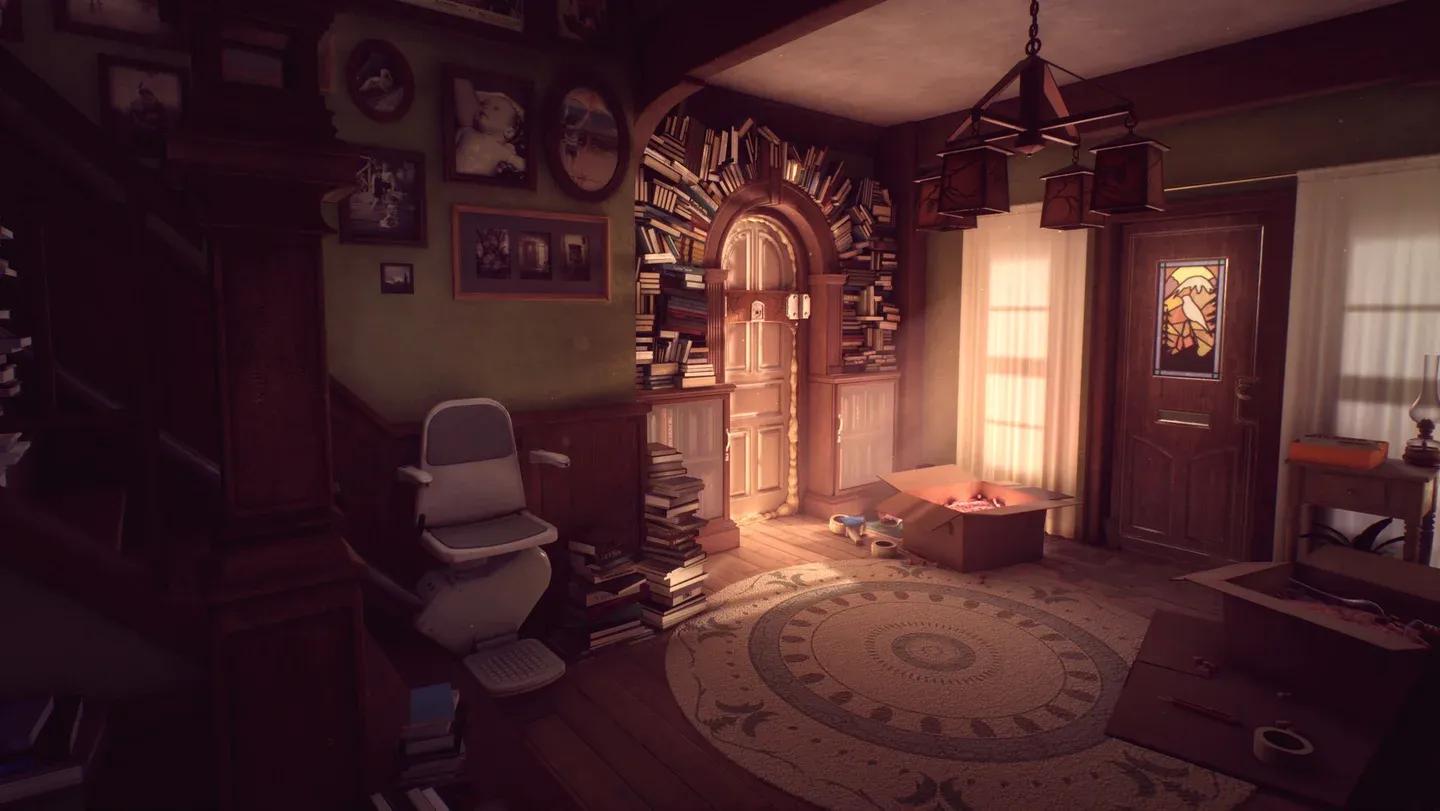
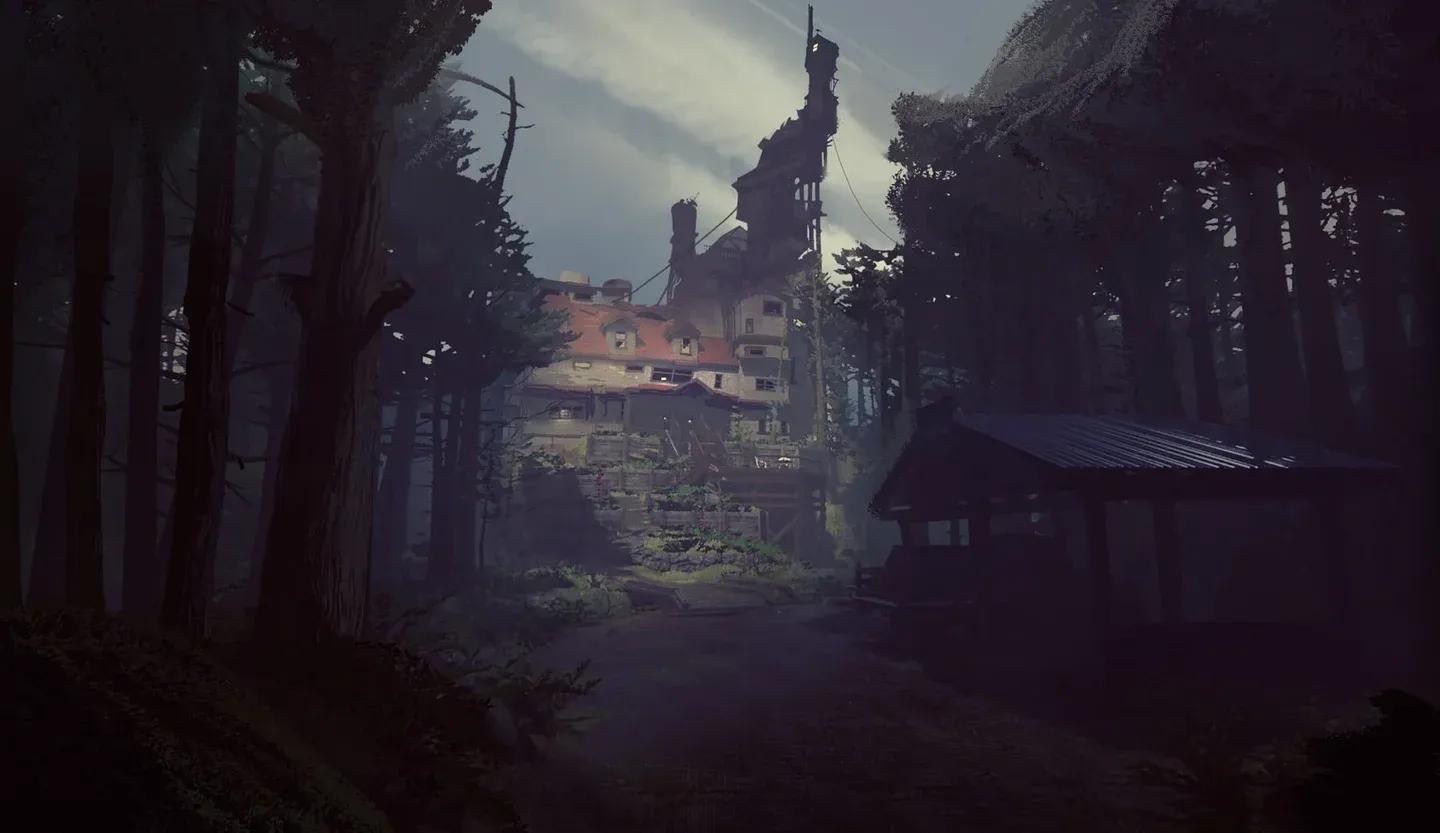
The Finch house is the game's most quietly impressive achievement. Rooms are stacked on top of each other at improbable angles, with additions bolted onto the original structure across generations. Every corner holds personal objects, faded photographs, and architectural oddities that tell stories before any narration kicks in. The house feels genuinely inhabited rather than designed, which is harder to pull off than it sounds.
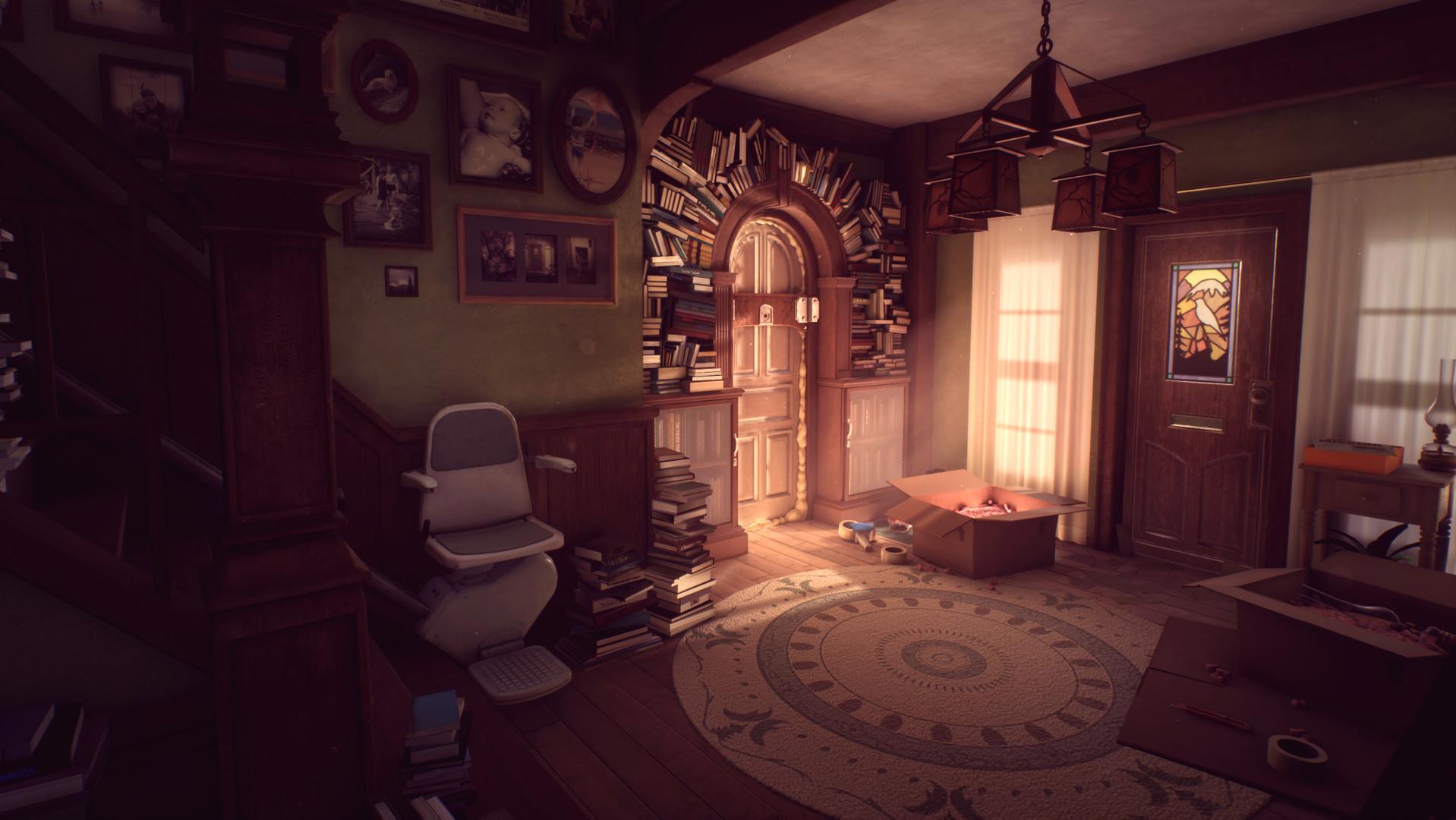
Washington State's overcast light and dense forest surroundings reinforce the sense of isolation that runs through the Finch family mythology. The setting never tips into gothic excess; it stays grounded enough that the stranger elements land harder when they arrive.
Impact and legacy
What Remains of Edith Finch won the BAFTA Games Award for Best Game in 2018, alongside awards for narrative and game design. That recognition reflects the way the game pushed against assumptions about what interactive storytelling could do. The cannery sequence alone generated years of discussion about how games can convey psychological states that prose or film would struggle to capture.
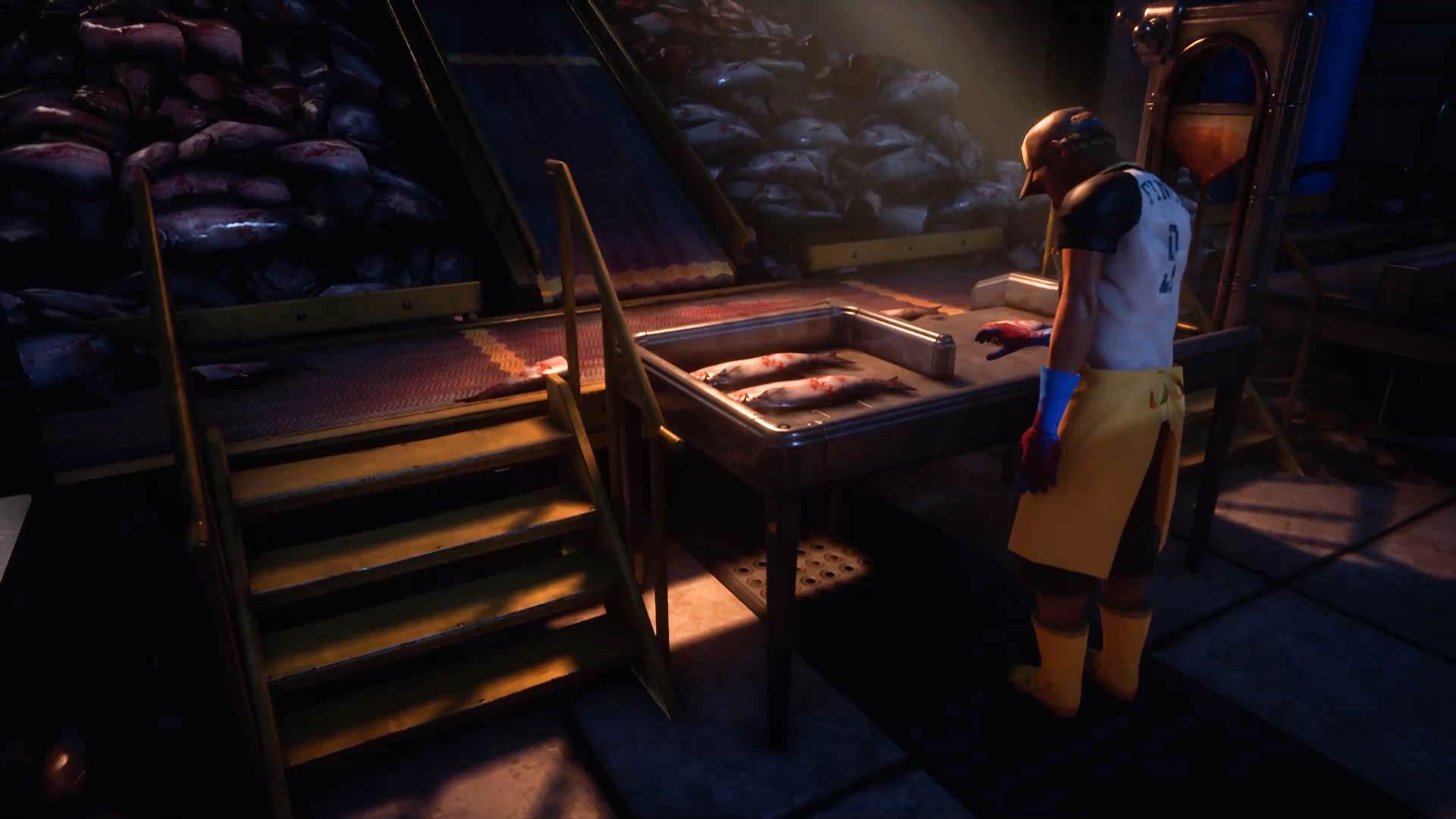
For players drawn to narrative-driven games and walking simulators with genuine mechanical ambition, What Remains of Edith Finch remains a clear benchmark. The full playthrough runs roughly two hours, which sounds brief until you realize very few games of any length leave as distinct an impression. Every story in the Finch house is short. None of them feel small.
| Requirement | Minimum |
|---|---|
| OS | Windows 10 |
| Processor | Intel i3 2125 3.30 GHz or later |
| Memory | 2 GB RAM |
| Graphics | GeForce GTX 750/AMD Radeon 7790 or later |