Overview
World War Z: Aftermath is the expanded edition of Saber Interactive's co-op zombie shooter, released on March 27, 2023. Built on the foundation of the original World War Z, it adds new story episodes, new locations, and a melee combat system that changes how you approach the relentless undead hordes. The game supports up to four players online with full cross-play across PC, PlayStation, Xbox, and Nintendo Switch, and AI teammates fill any empty slots so the experience stays consistent whether your squad is full or not.
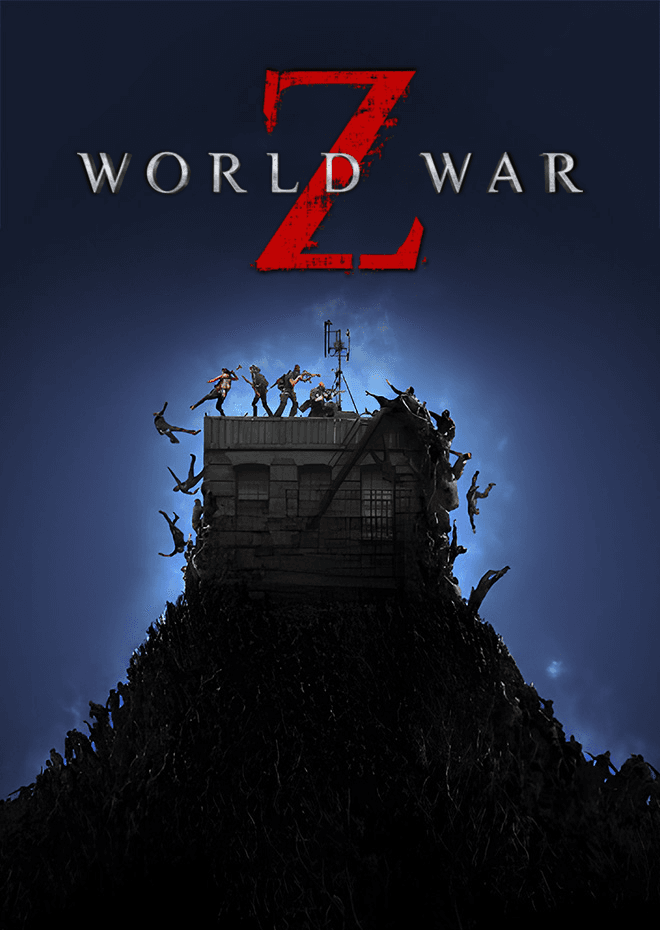
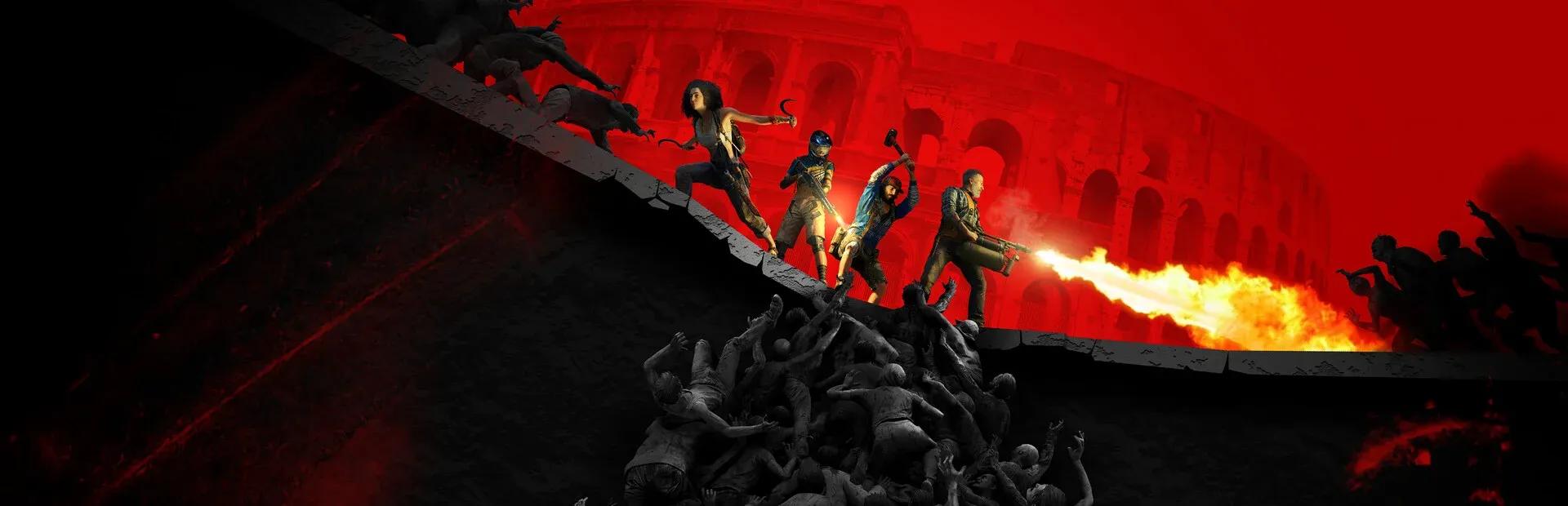
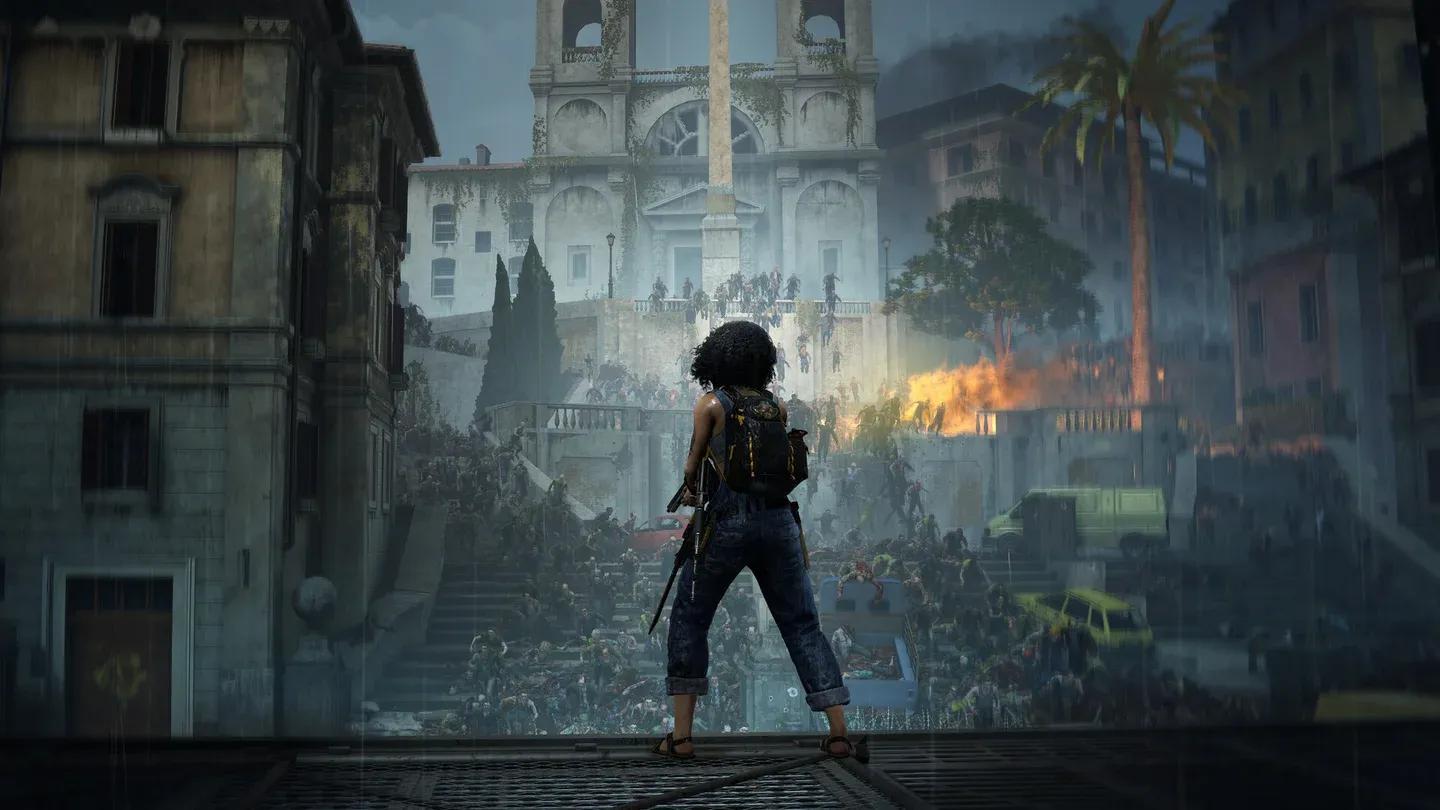
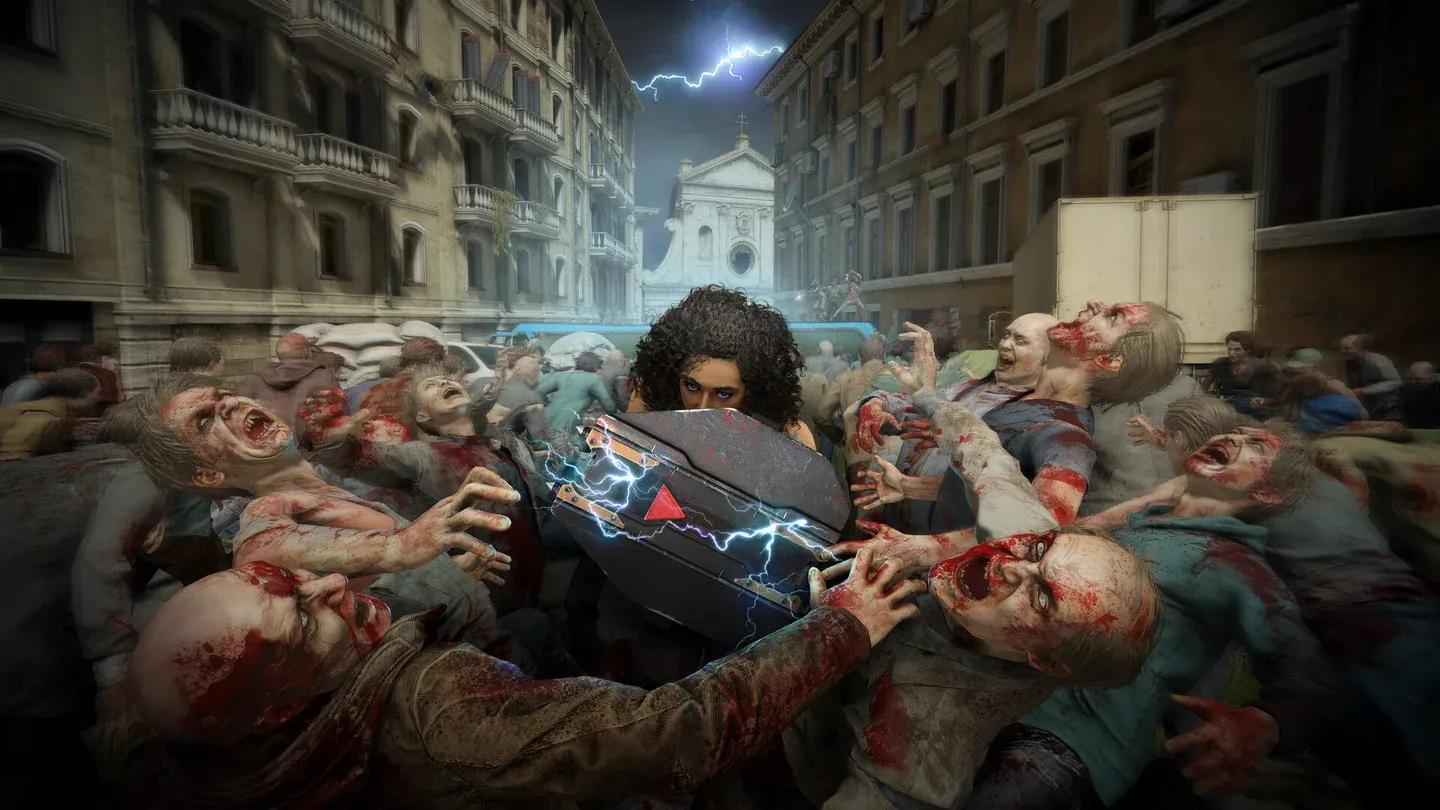
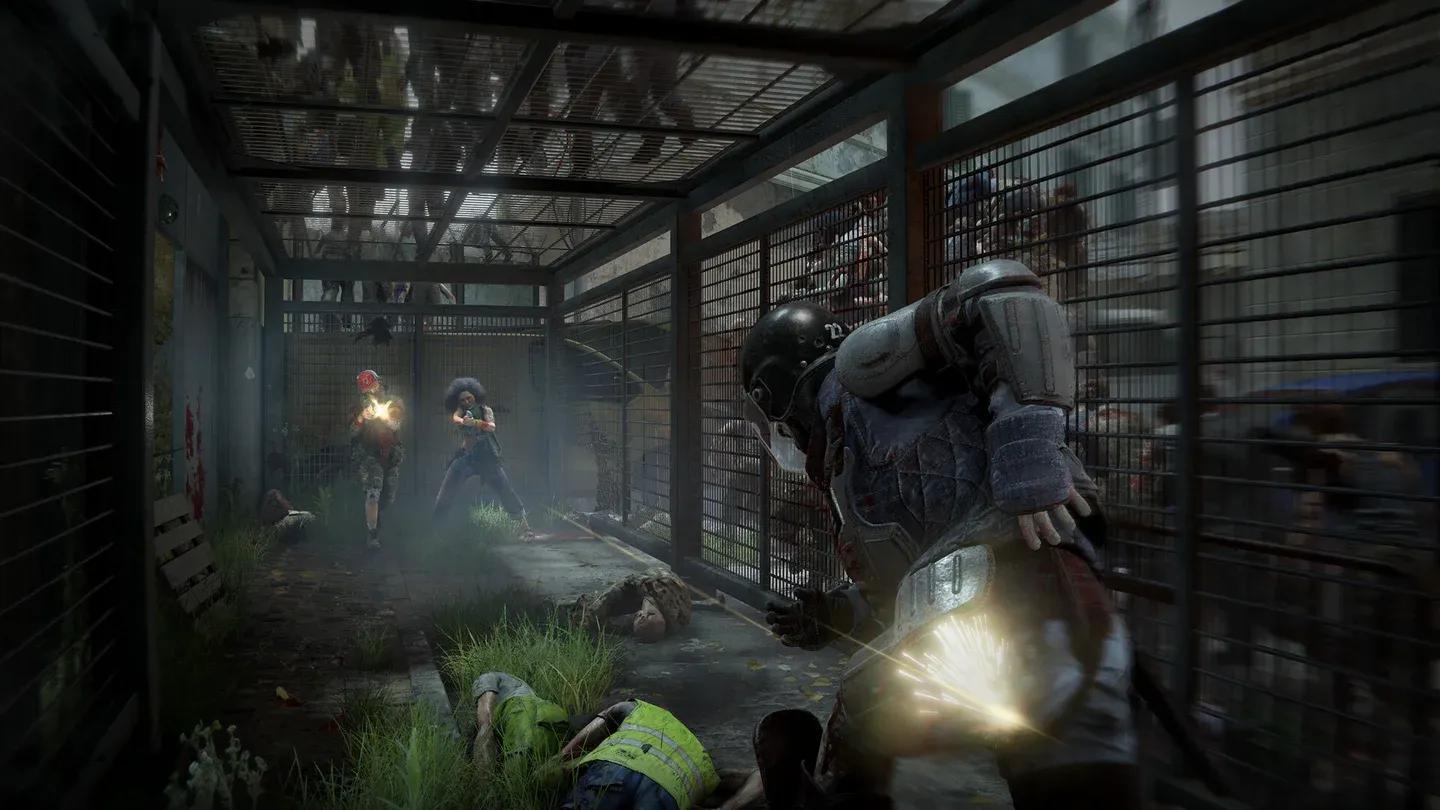
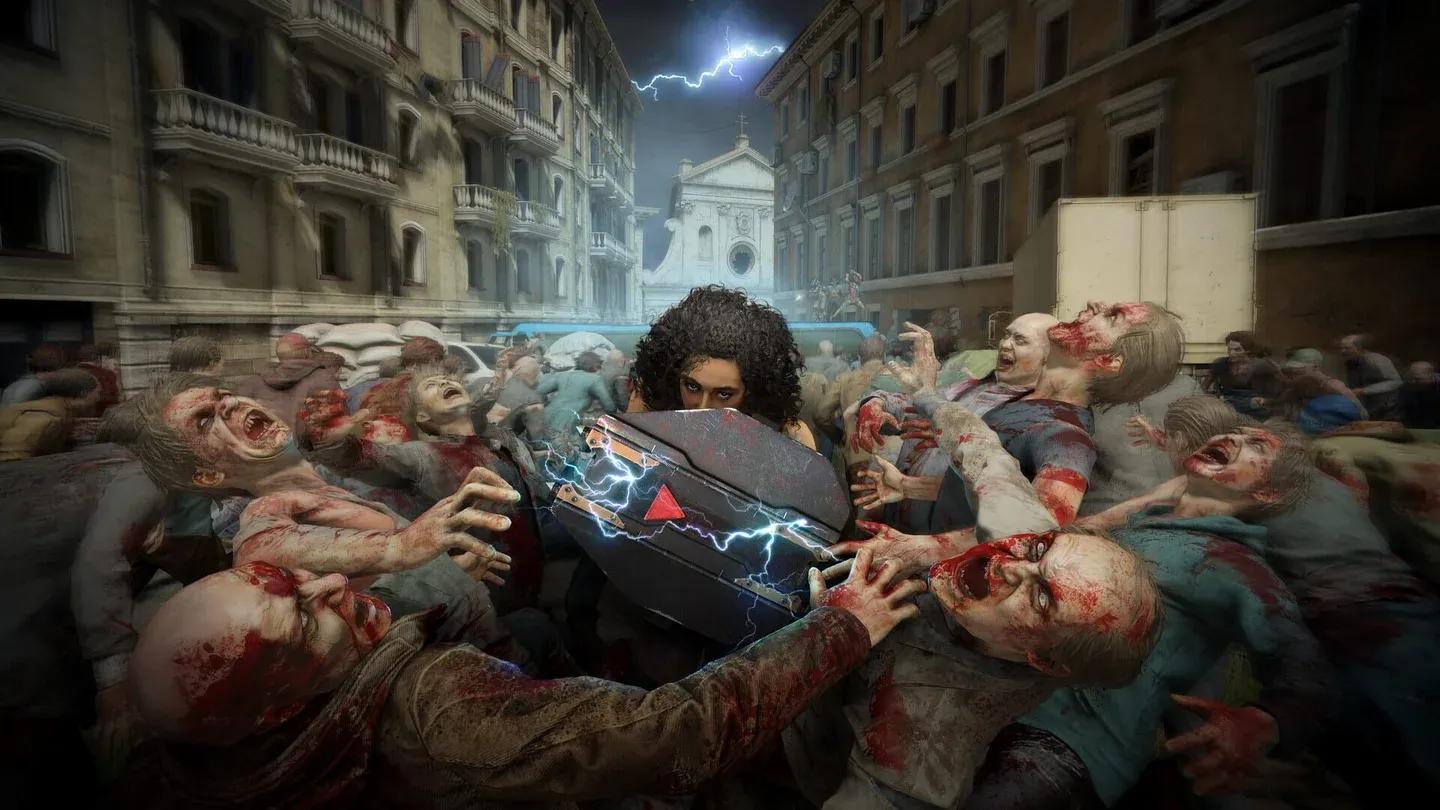
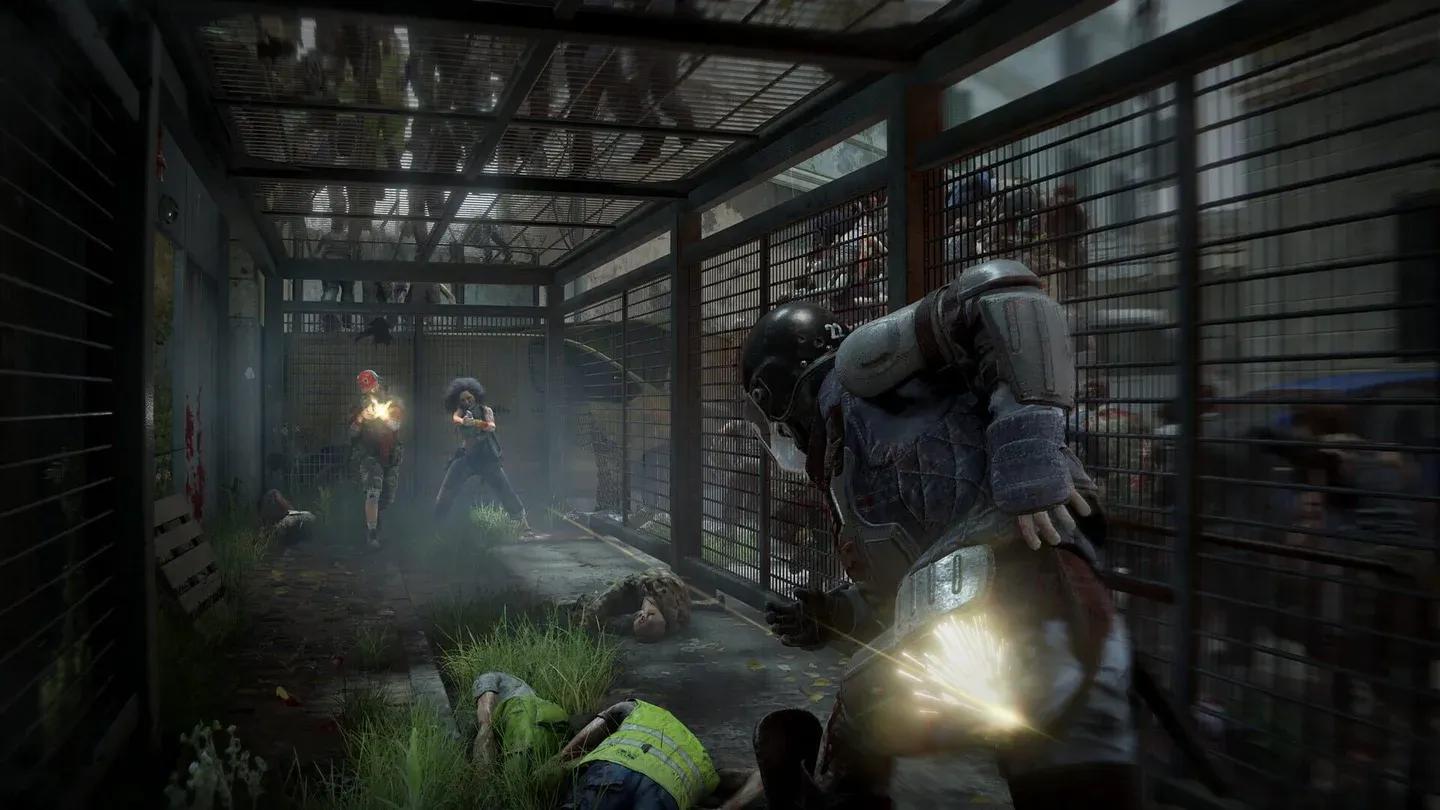
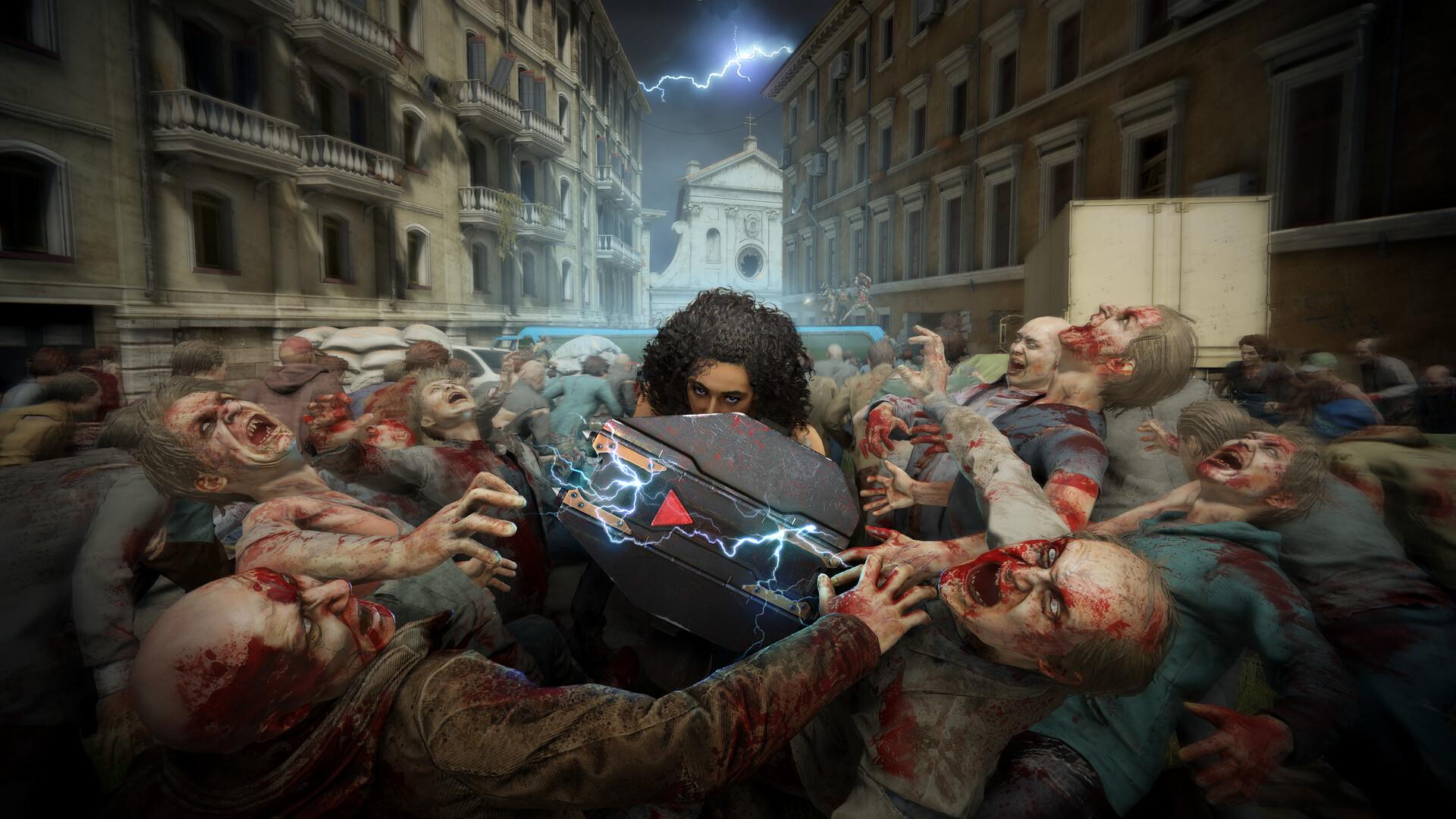
The core hook remains the zombie hordes themselves. Saber built a crowd simulation that treats hundreds of enemies as a single flowing mass, stacking against walls, funneling through corridors, and climbing over each other to reach players on higher ground. At lower difficulties, this is spectacular to watch. At higher ones, it becomes a genuine threat that demands coordination and smart positioning from every player on the team.
Gameplay and mechanics
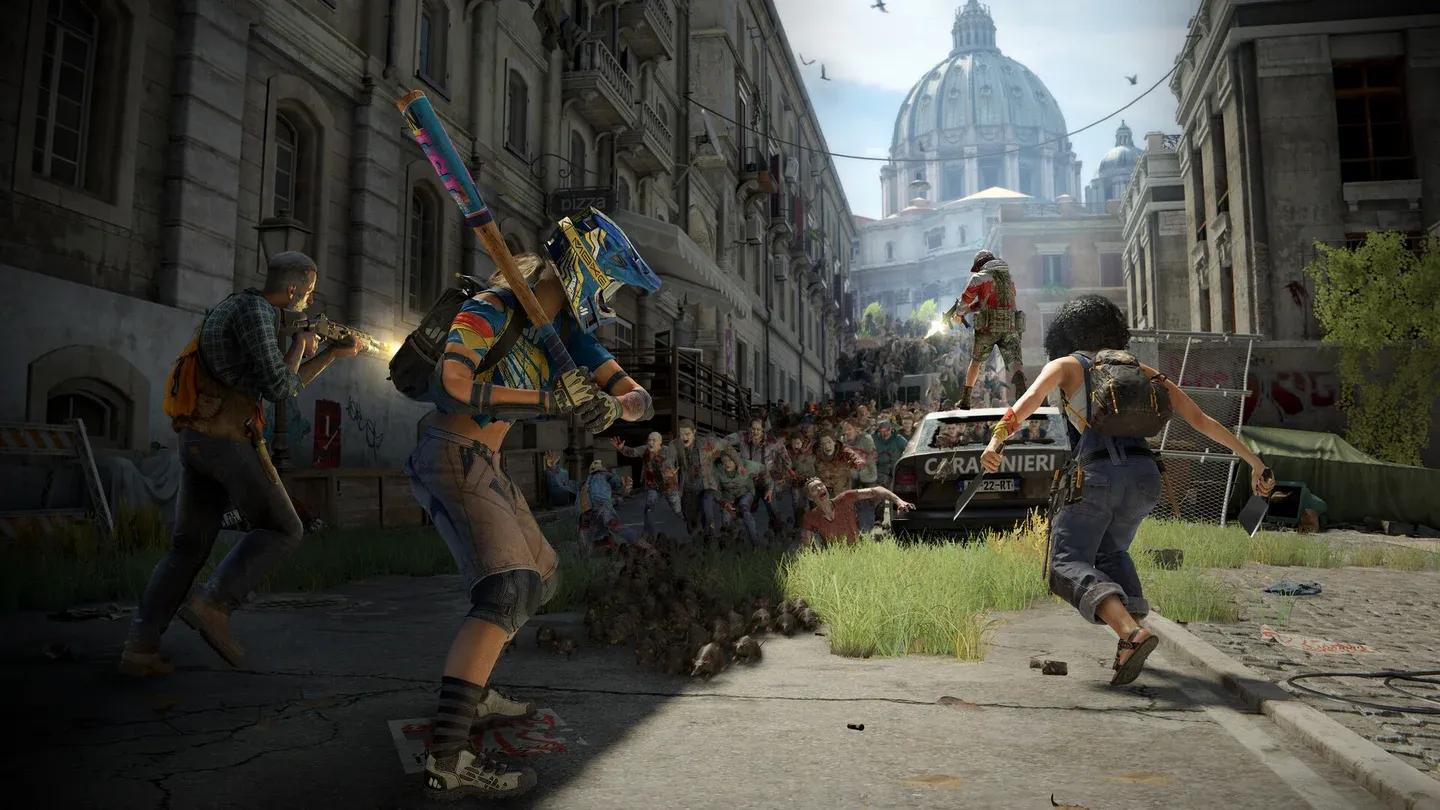
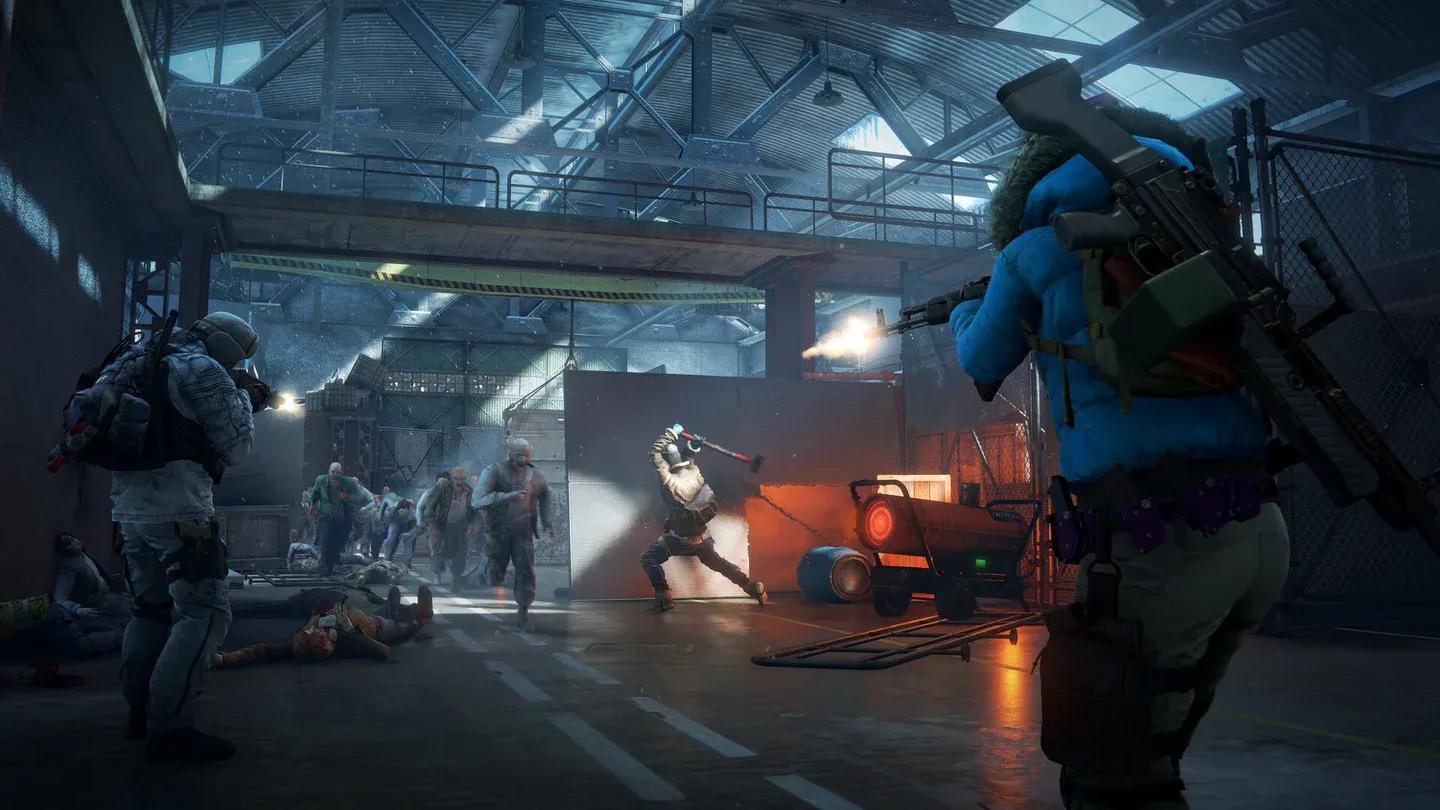
Aftermath's melee overhaul is the most significant change from the original game. Players can now equip dual-wield weapon combinations like a sickle paired with a cleaver, and each character class carries unique melee perks that feed into the broader progression system. The key features shaping the combat loop include:
- Seven playable character classes
- Dual-wield melee with class-specific perks
- Dozens of firearms with upgrade paths
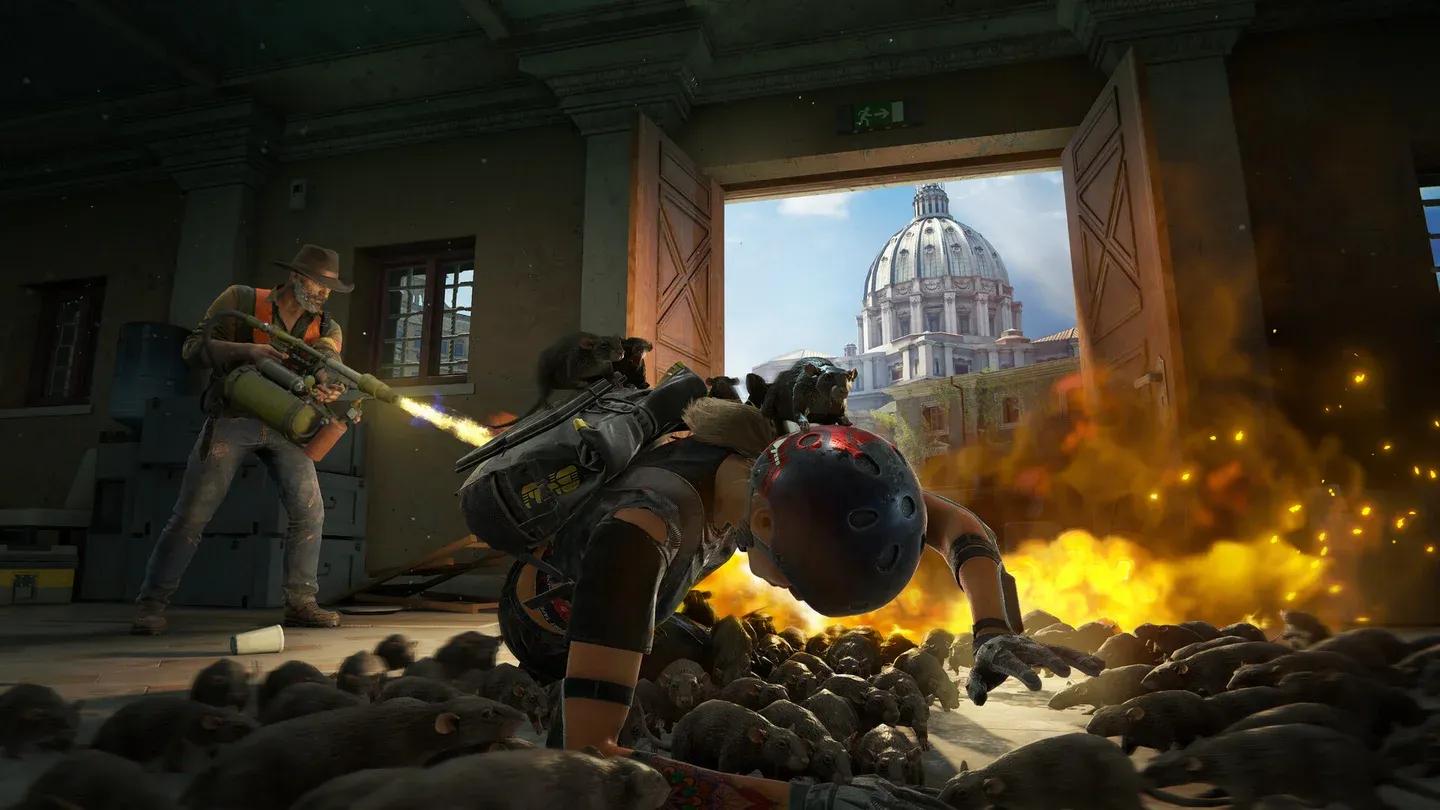
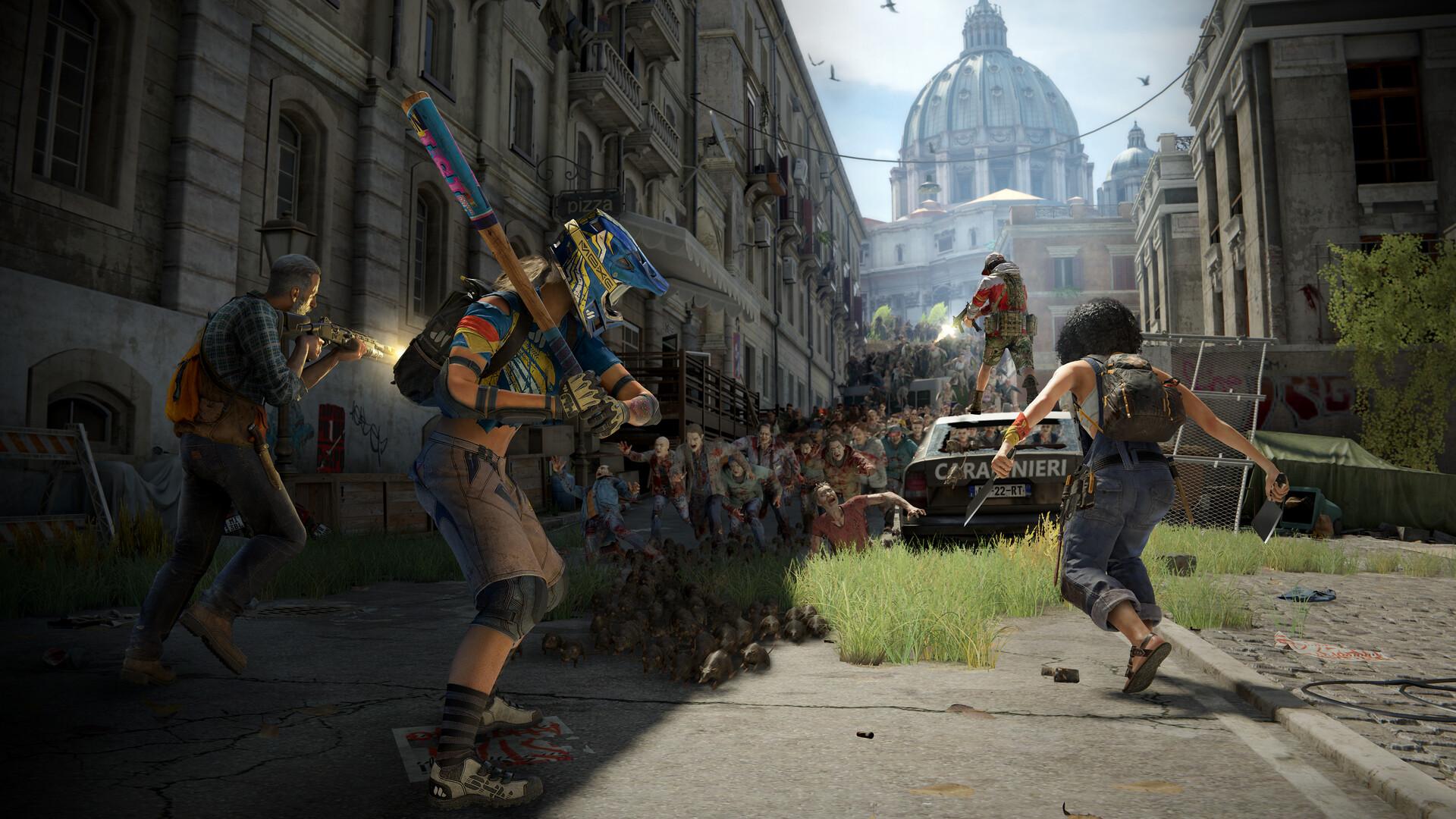
- New enemy type: flesh-hungry rat swarms
- Four-player co-op with AI fill
The rat swarms deserve special mention. They function differently from the standard zombie hordes, breaking up the rhythm of a run and forcing teams to split attention between ground-level threats and the larger undead pressing from every direction. It's a smart addition that stops the game from feeling like one long repetitive wave defense.
Where does Aftermath take you?
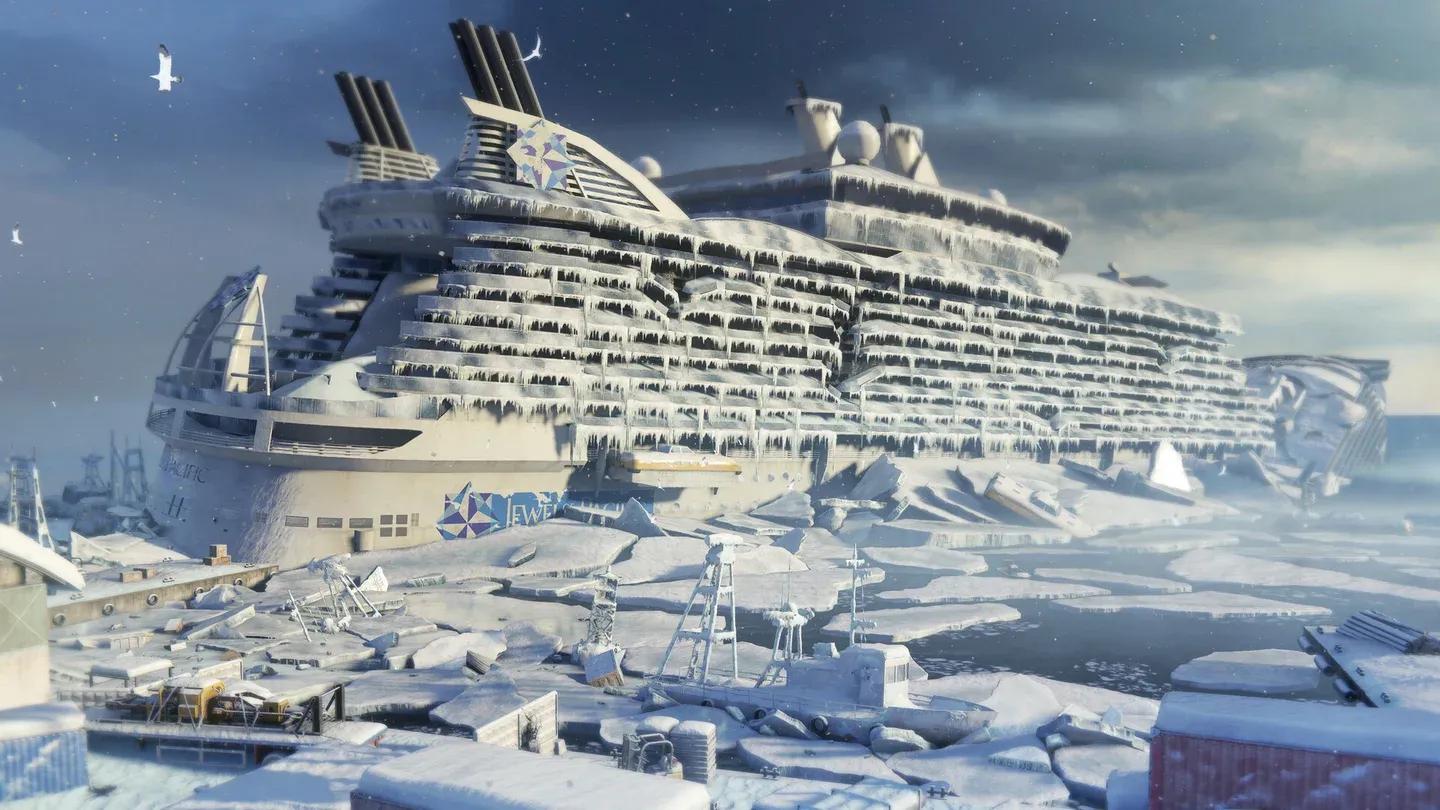
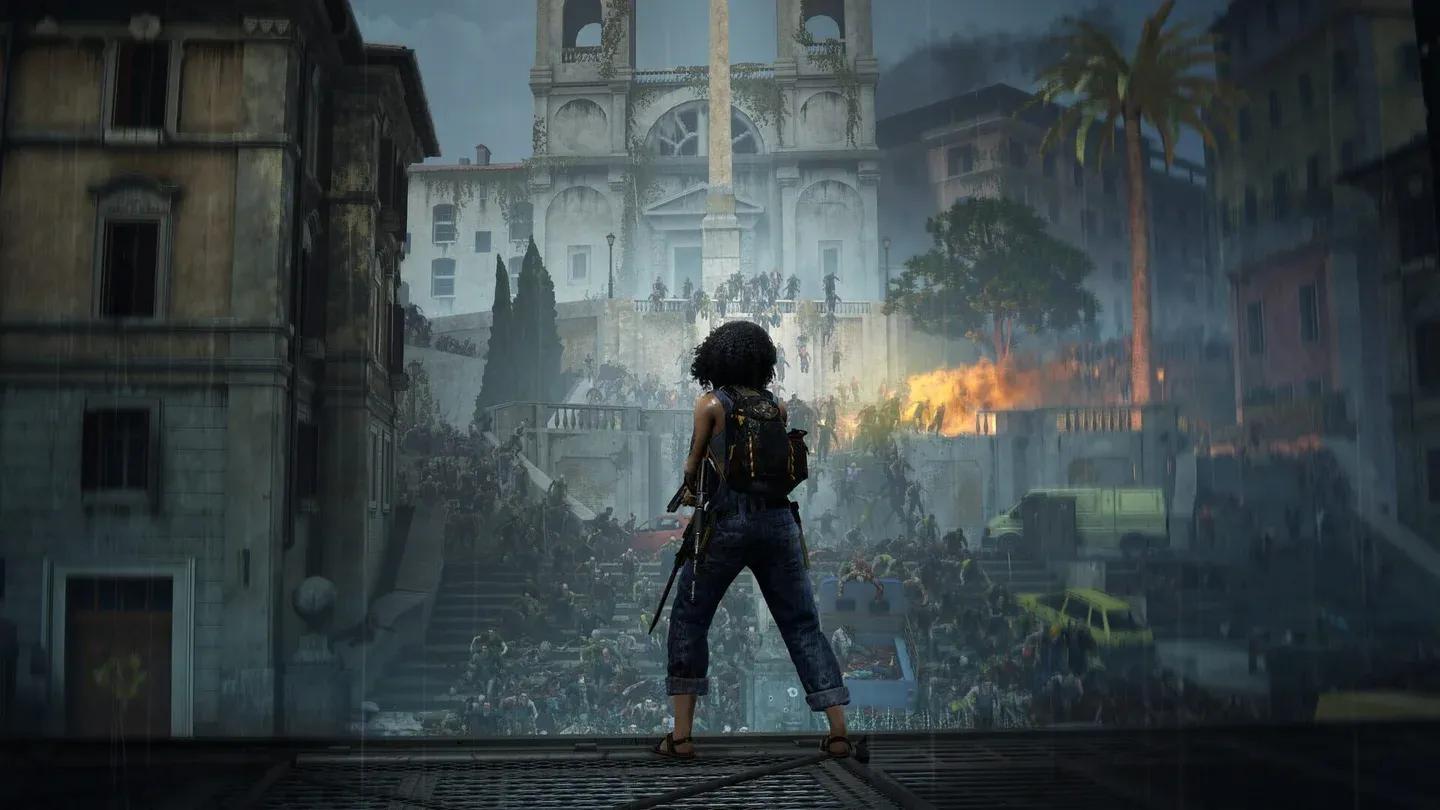
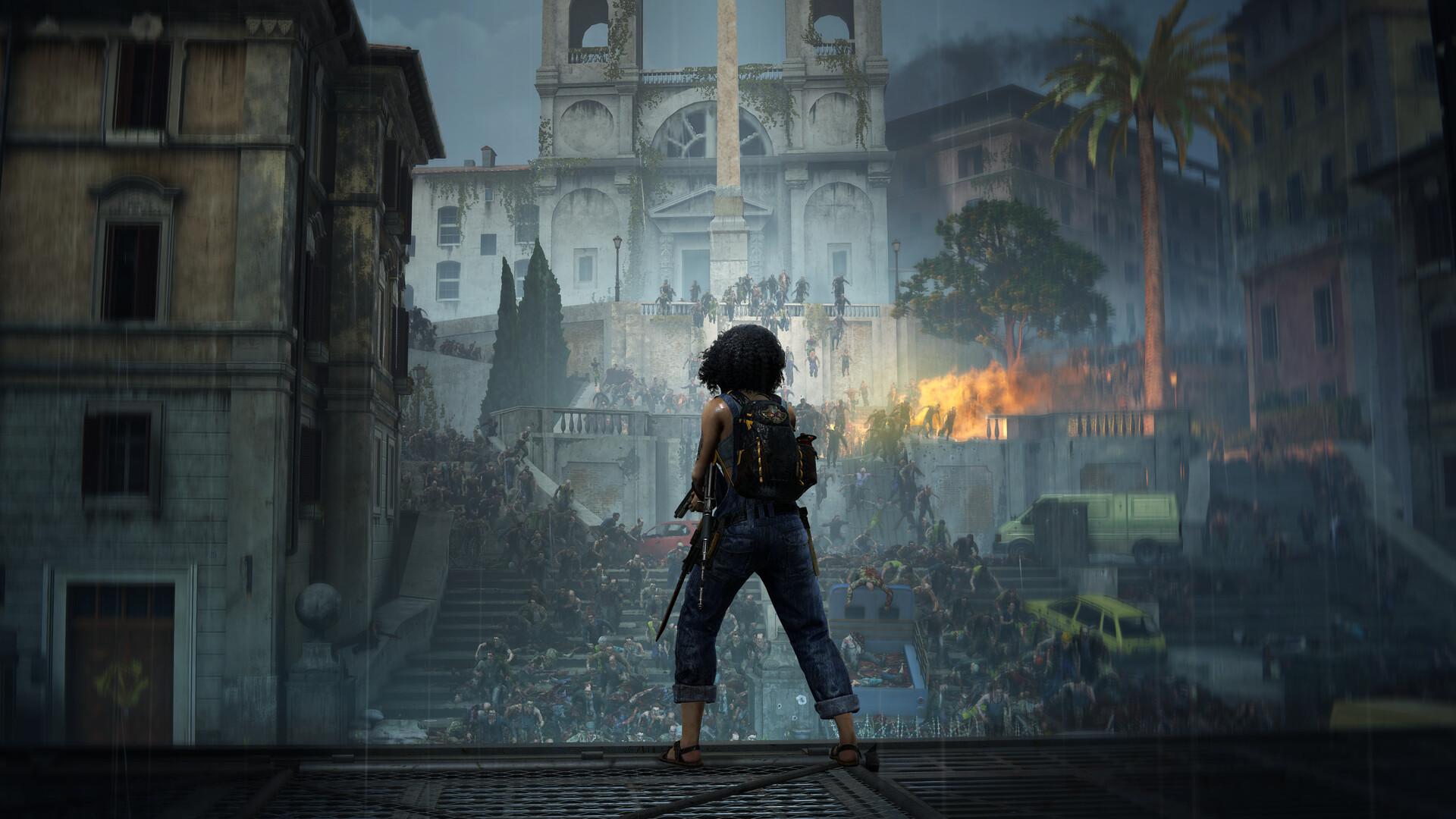
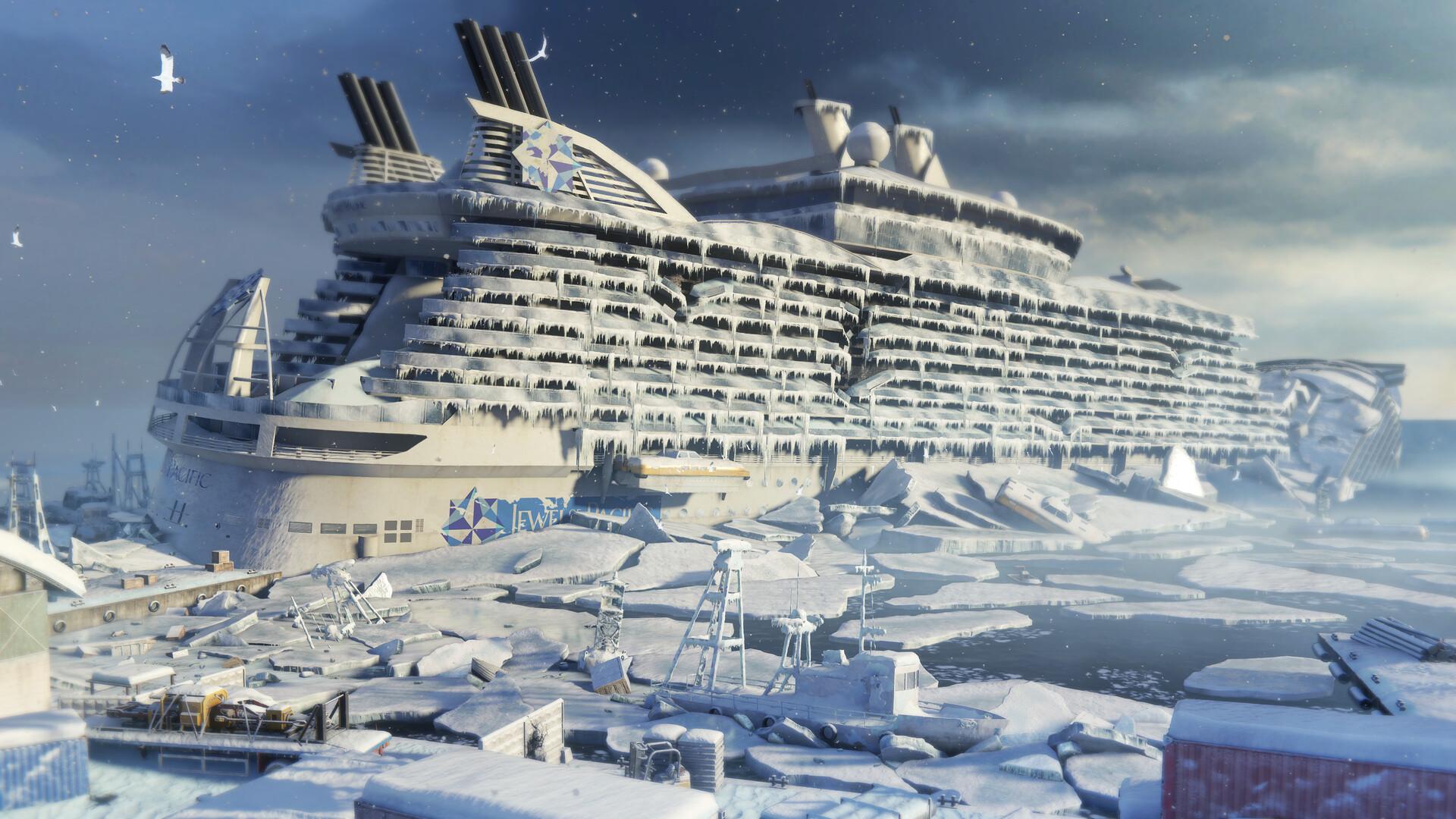
The new locations are the strongest argument for the upgrade. Rome and Vatican City give level designers iconic architecture to work with, and the resulting missions use narrow alleyways, open plazas, and multi-level interiors in ways that constantly test how well a team can control space. The Russian far east at Kamchatka brings a bleaker, more isolated tone, with industrial environments and tight corridors that make the horde simulation feel even more oppressive.
Returning locations from the original game (New York, Moscow, Jerusalem, Tokyo, Marseille) remain available, so the full package represents a substantial amount of mission content across six cities and three new areas.
Multiplayer and replayability
Cross-play support across all platforms is genuinely useful here given how the player base is spread. Finding a match is faster than it would be on a single platform, and the shared progression system means character builds and unlocks carry across sessions regardless of who you're playing with.
Difficulty scaling gives the game meaningful replayability. The zombie hordes grow more aggressive and coordinated at higher tiers, eventually behaving less like individual enemies and more like a single entity that adapts to where players are positioned. Completionists working through every class to its maximum level will spend considerable time in the same missions without the experience feeling identical each run.
Content and value
Aftermath functions as both a standalone purchase and an upgrade path for owners of the original World War Z. The co-op zombie shooter genre has plenty of competition, but Aftermath's horde simulation still holds up as one of the more technically convincing executions of large-scale crowd combat. The melee system adds enough tactical depth to complement the gunplay without overcomplicating it, and cross-play keeps the multiplayer side healthy across every supported platform.
| Requirement | Minimum | Recommended |
|---|---|---|
| OS | - | Windows 10 |
| Processor | AMD A10-5700 / Intel Core i3-3220 | AMD Ryzen 5 2400G / Intel core i7-3970 |
| Memory | 8 GB RAM | 16 GB RAM |
| Graphics | AMD R7-240 / GForce 650Ti / Intel 630 | AMD Radeon R9 280 / Nvidia GeForce GTX 960 |
| DirectX | Version 11 | Version 11 |
| Network | Broadband Internet connection | Broadband Internet connection |
| Storage | 50 GB available space | 50 GB available space |