
Overview
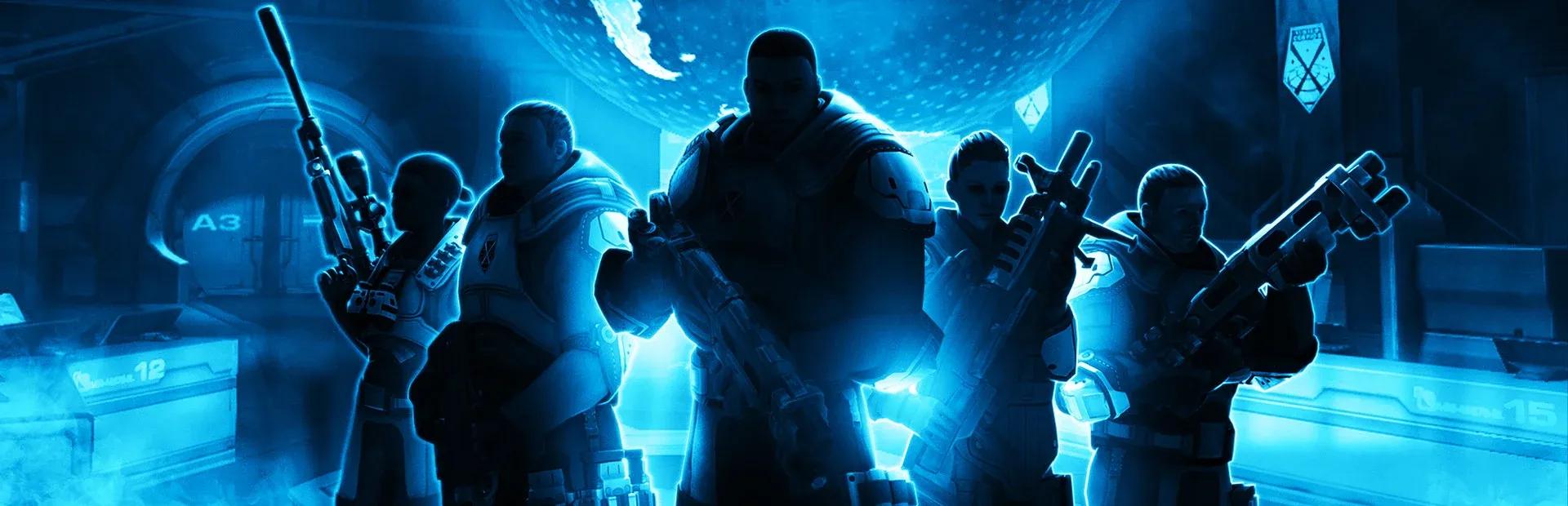
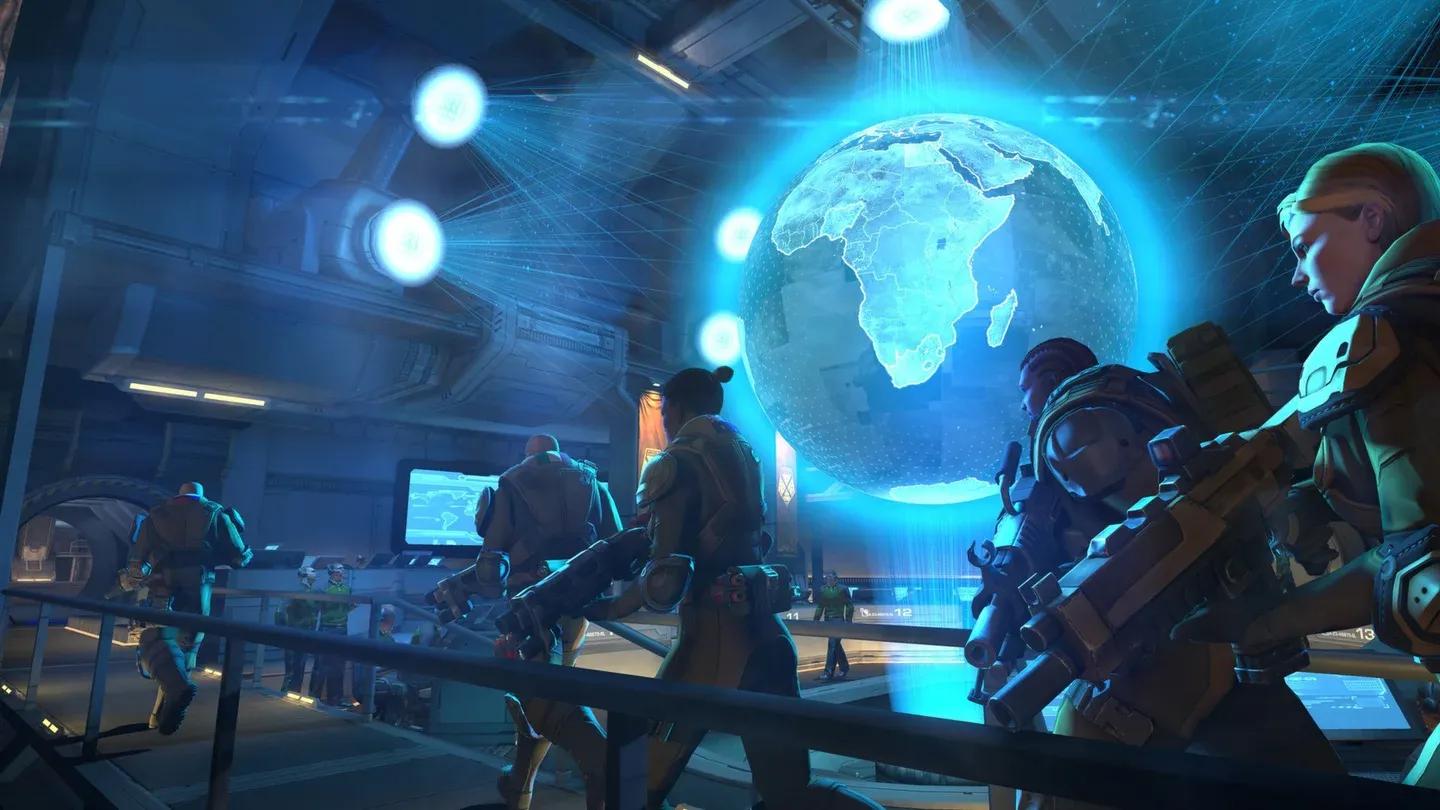
XCOM: Enemy Unknown puts players in command of a clandestine paramilitary organization tasked with one job: stop an alien invasion before the world's governments lose faith and pull their funding. Developed by Firaxis Games and published by 2K, the game launched in October 2012 as a reimagining of the 1994 original, stripping back some complexity while sharpening the tension that made the source material legendary.
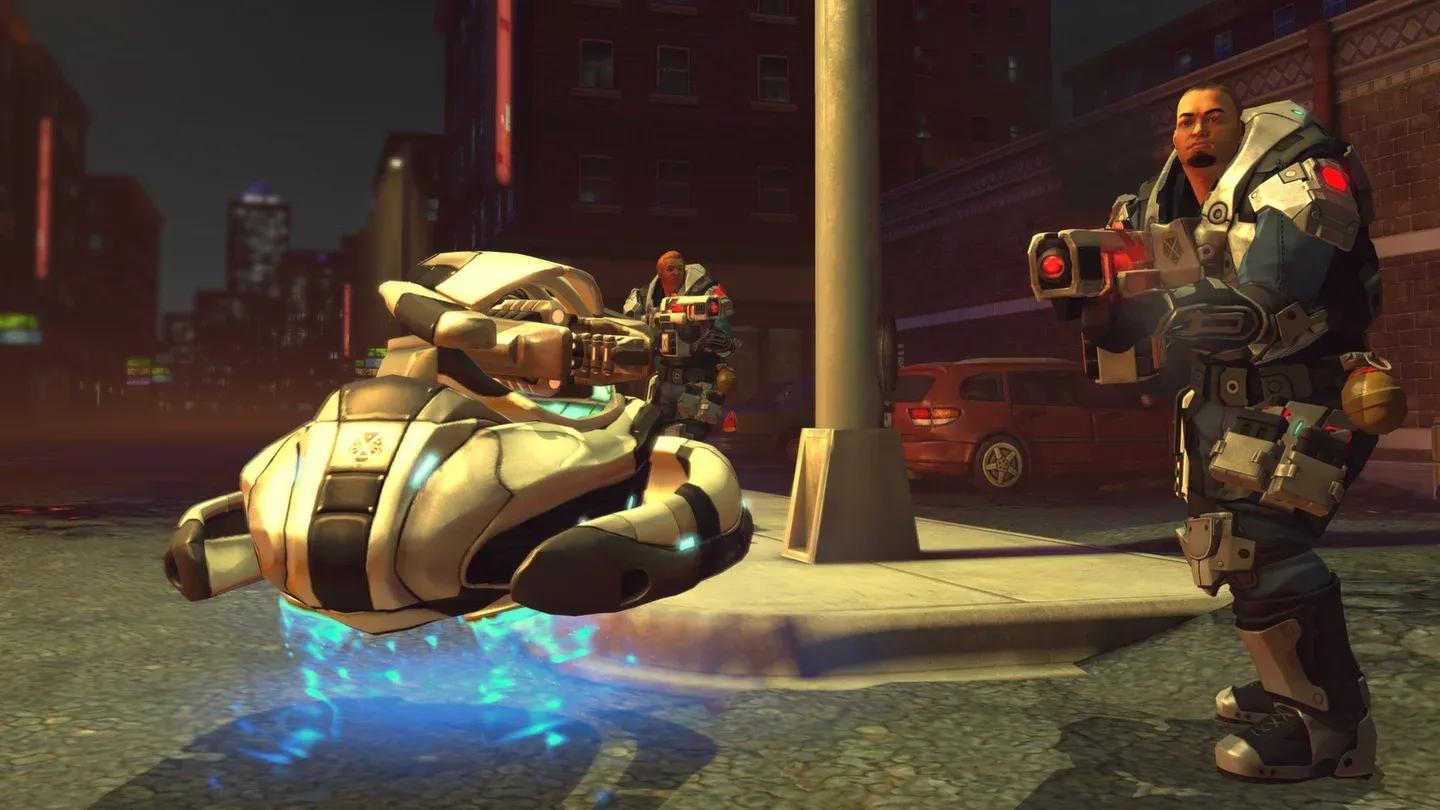
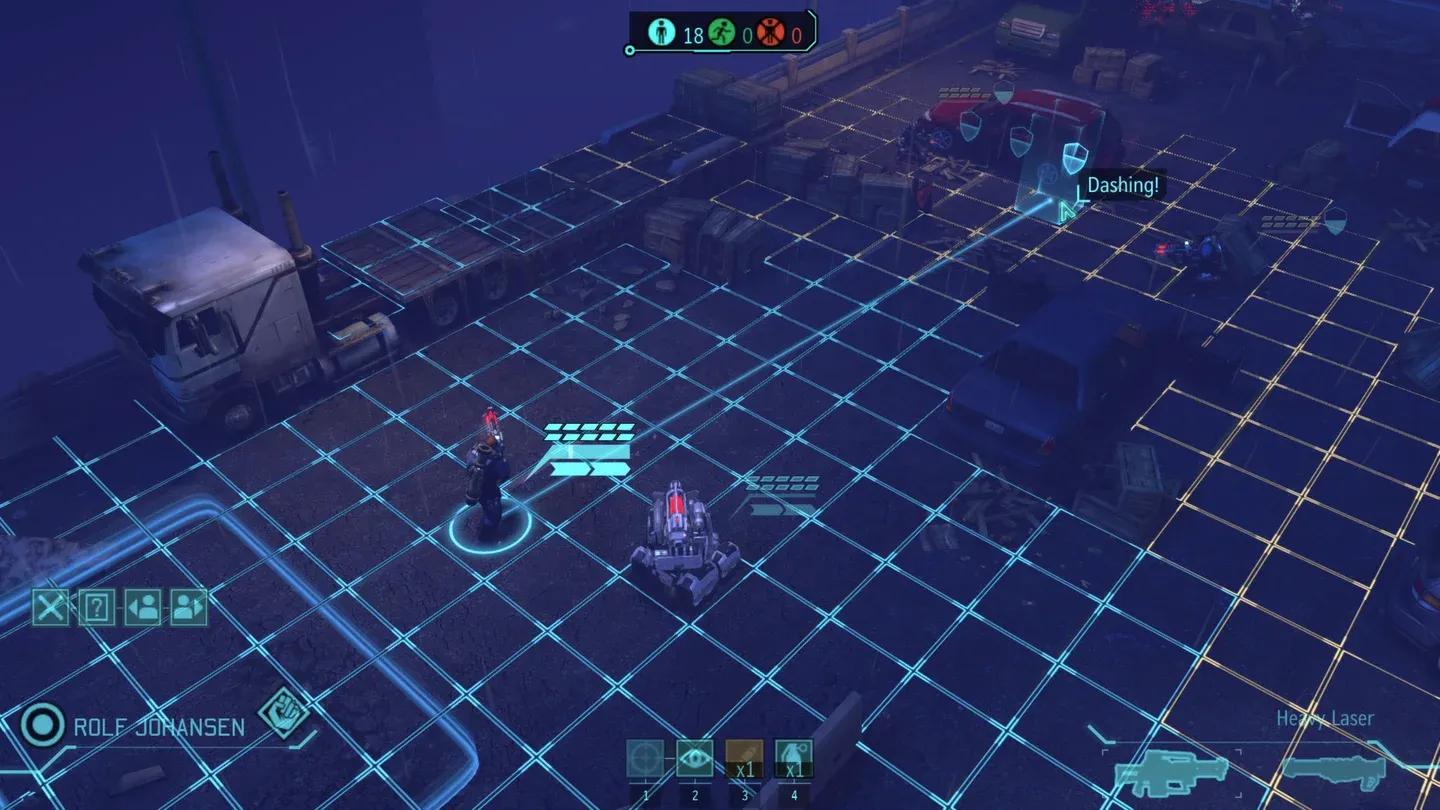
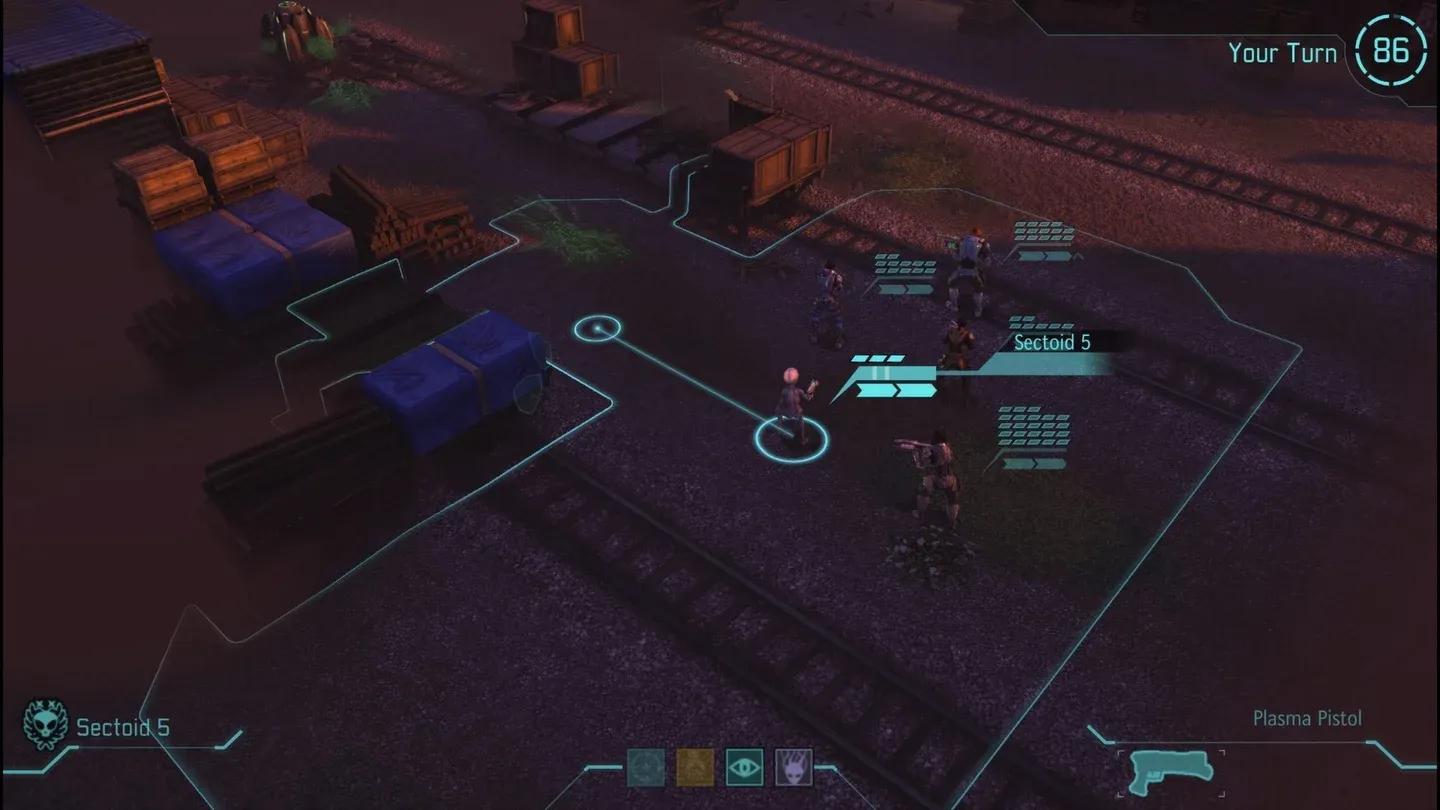
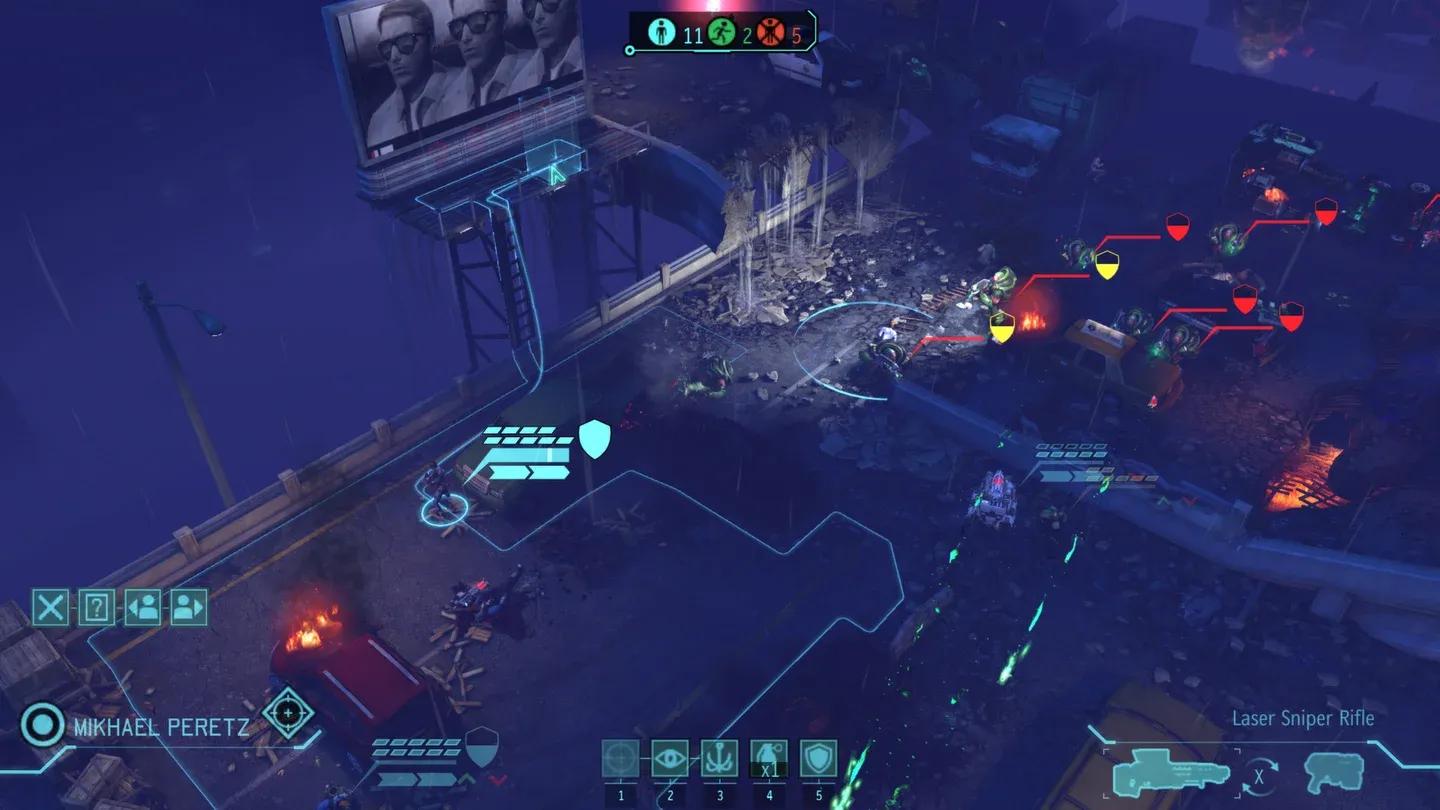
The core loop runs on two layers. At the strategic level, players manage the XCOM base, research alien technology, build facilities, recruit soldiers, and decide which countries to protect from alien activity. On the ground, squads of up to six soldiers move through turn-based tactical missions where cover, line of sight, and action economy determine who lives and who comes home in a bag. The two layers feed each other constantly, and losing soldiers on the ground makes the strategic picture worse, which makes the ground missions harder.
Gameplay and mechanics
Turn-based combat in XCOM operates on a two-action system per soldier, giving players enough flexibility to move and shoot, dash across the map, or set up overwatch to punish alien movement on the enemy turn. The system is approachable but unforgiving.
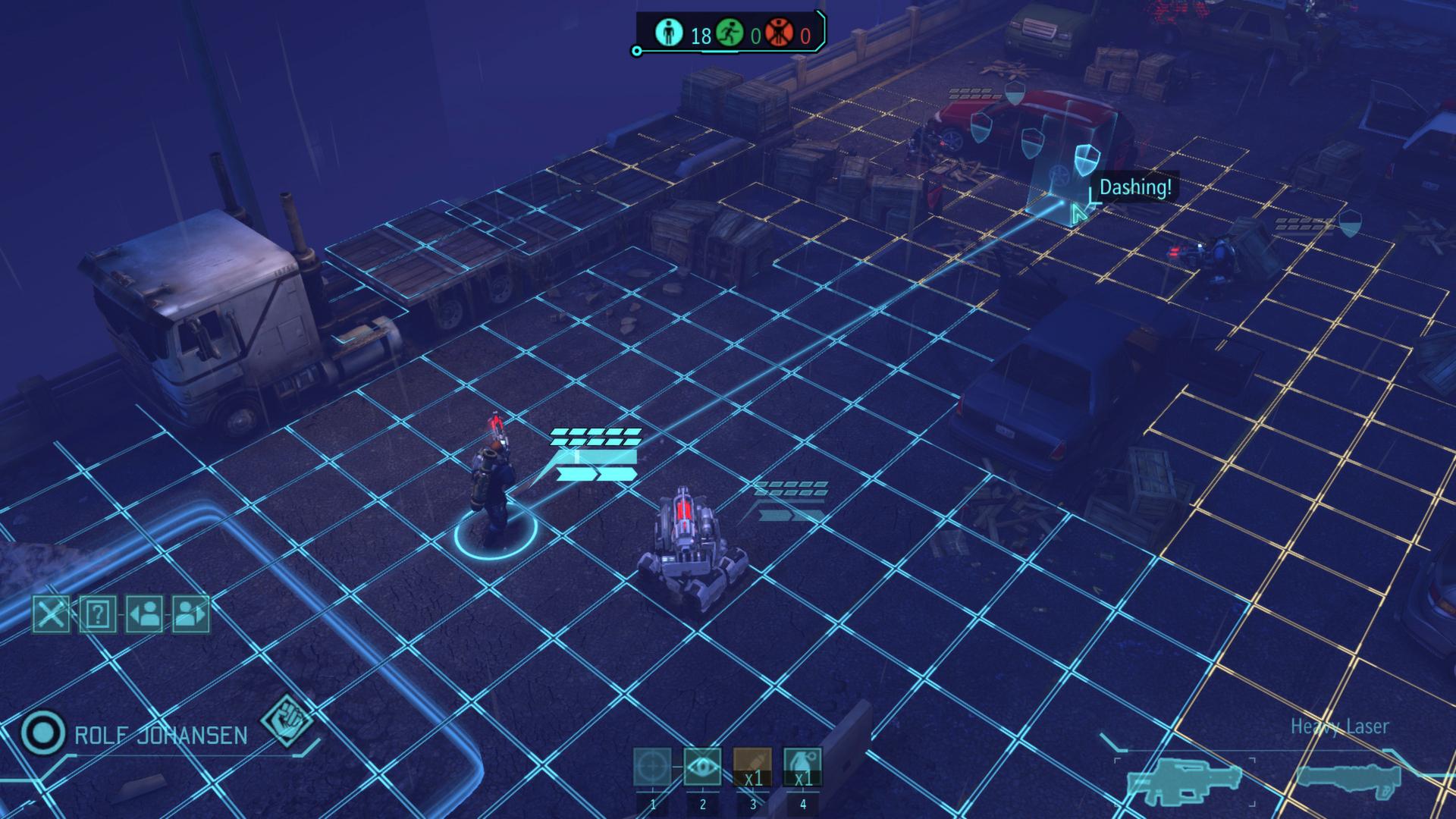
Key mechanics that define the experience:
- Permadeath for all soldiers
- Class-based progression (Assault, Sniper, Heavy, Support)
- Cover system with partial and full cover states
- Panic mechanic tied to soldier morale
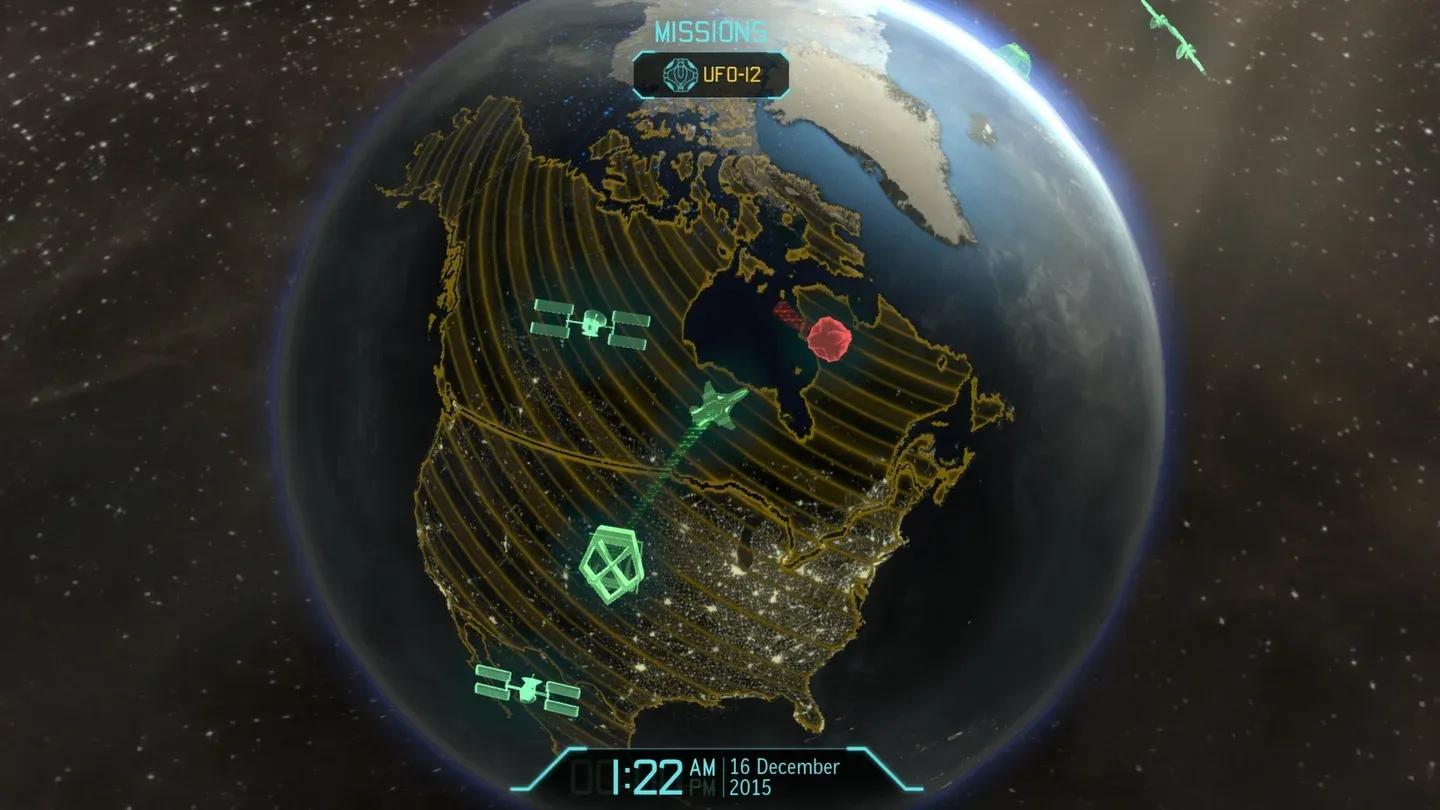
- Satellite network managing global alien threat
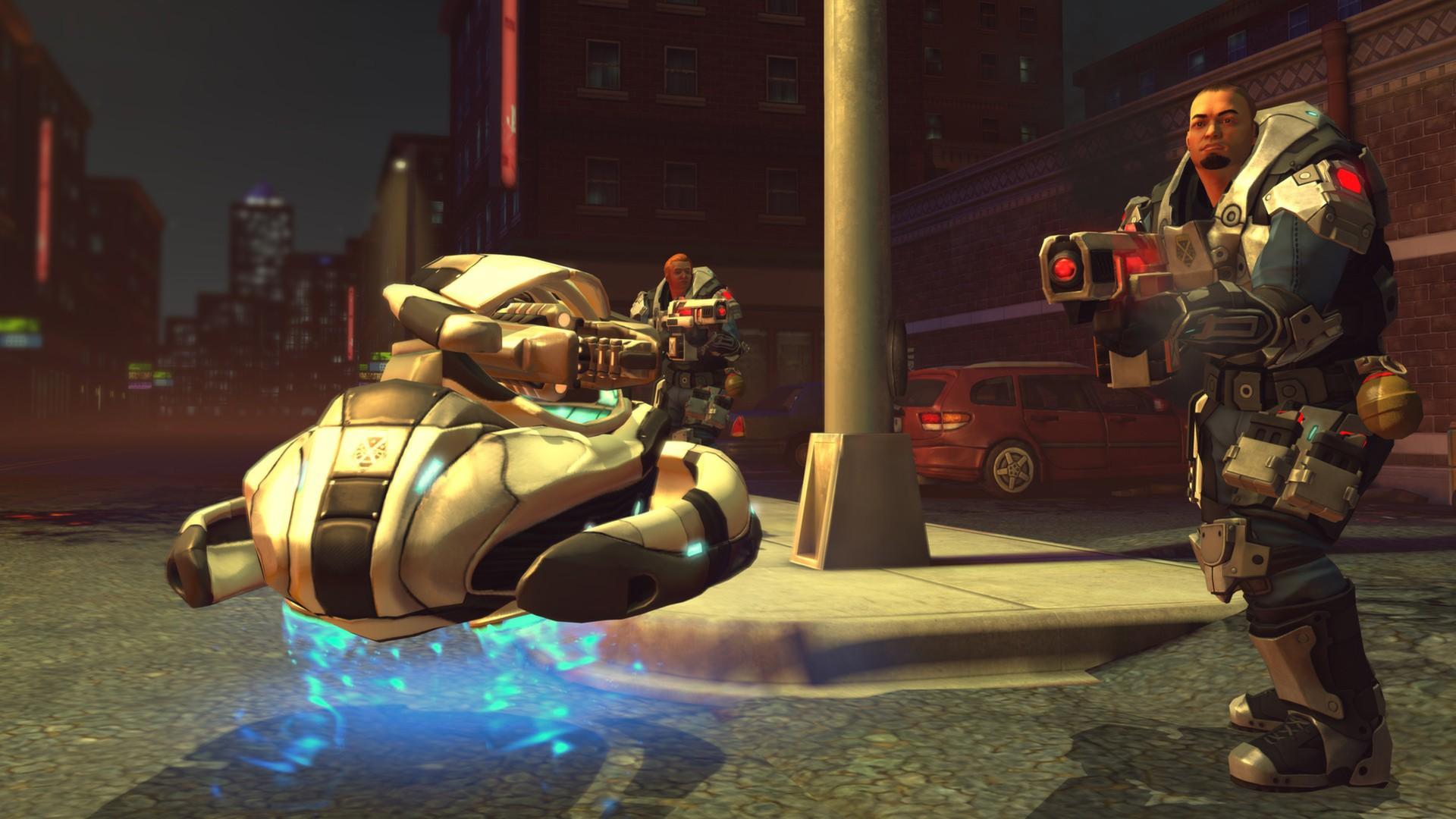
The permadeath system is where the game earns its reputation. A rookie who survives enough missions becomes a named, customized veteran with specific abilities. Losing that soldier to a bad dice roll or a misjudged move genuinely hurts. That emotional investment is deliberate design, not a side effect.
Strategic base management
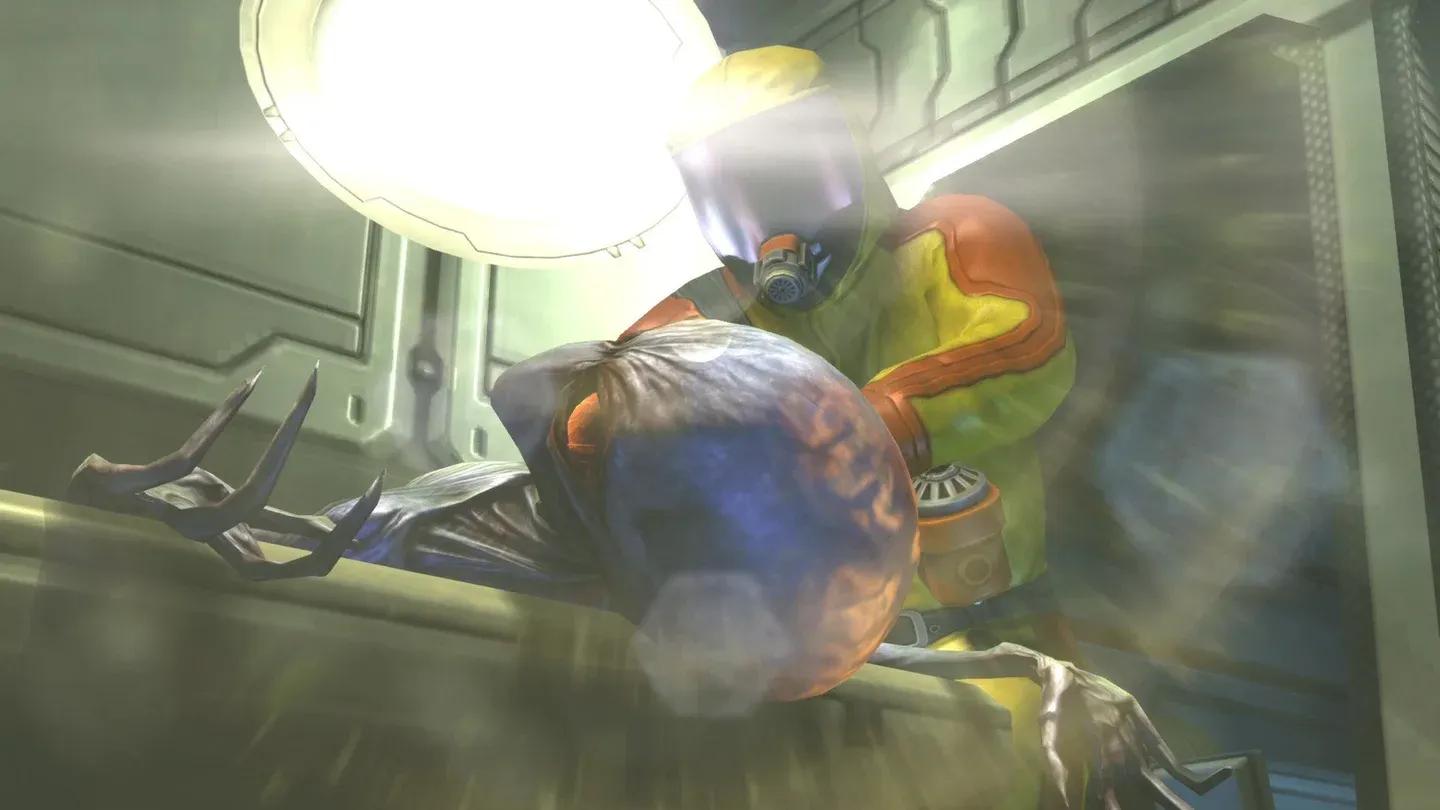
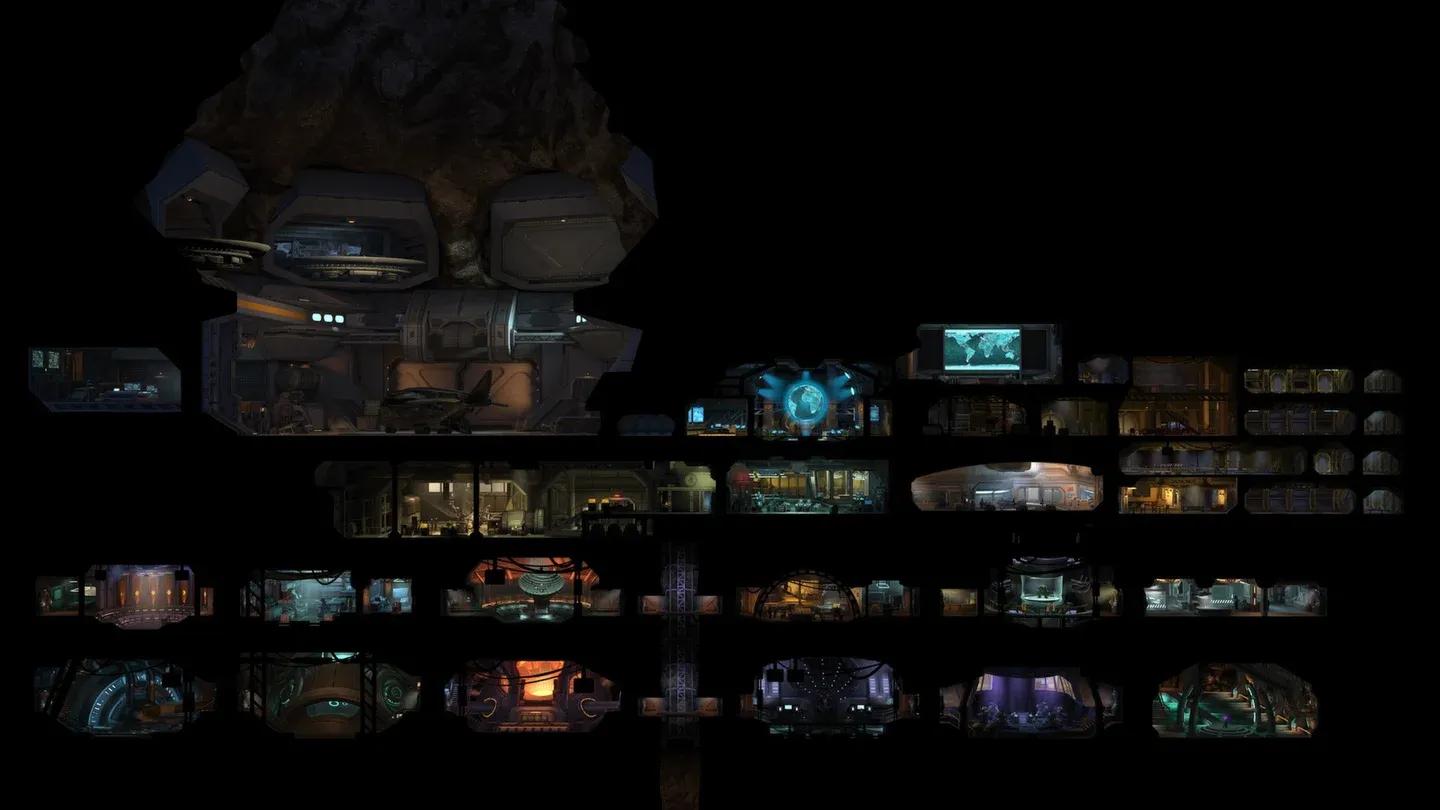
Between missions, the XCOM headquarters operates as a living puzzle. Research unlocks new weapons and armor. Engineering builds equipment and base facilities. The Situation Room tracks each funding nation's panic level, and if panic gets too high in a country, that government withdraws support and funding drops. Satellites are the primary tool for keeping panic down globally, which means building uplinks and interceptors competes directly with funding soldier gear.
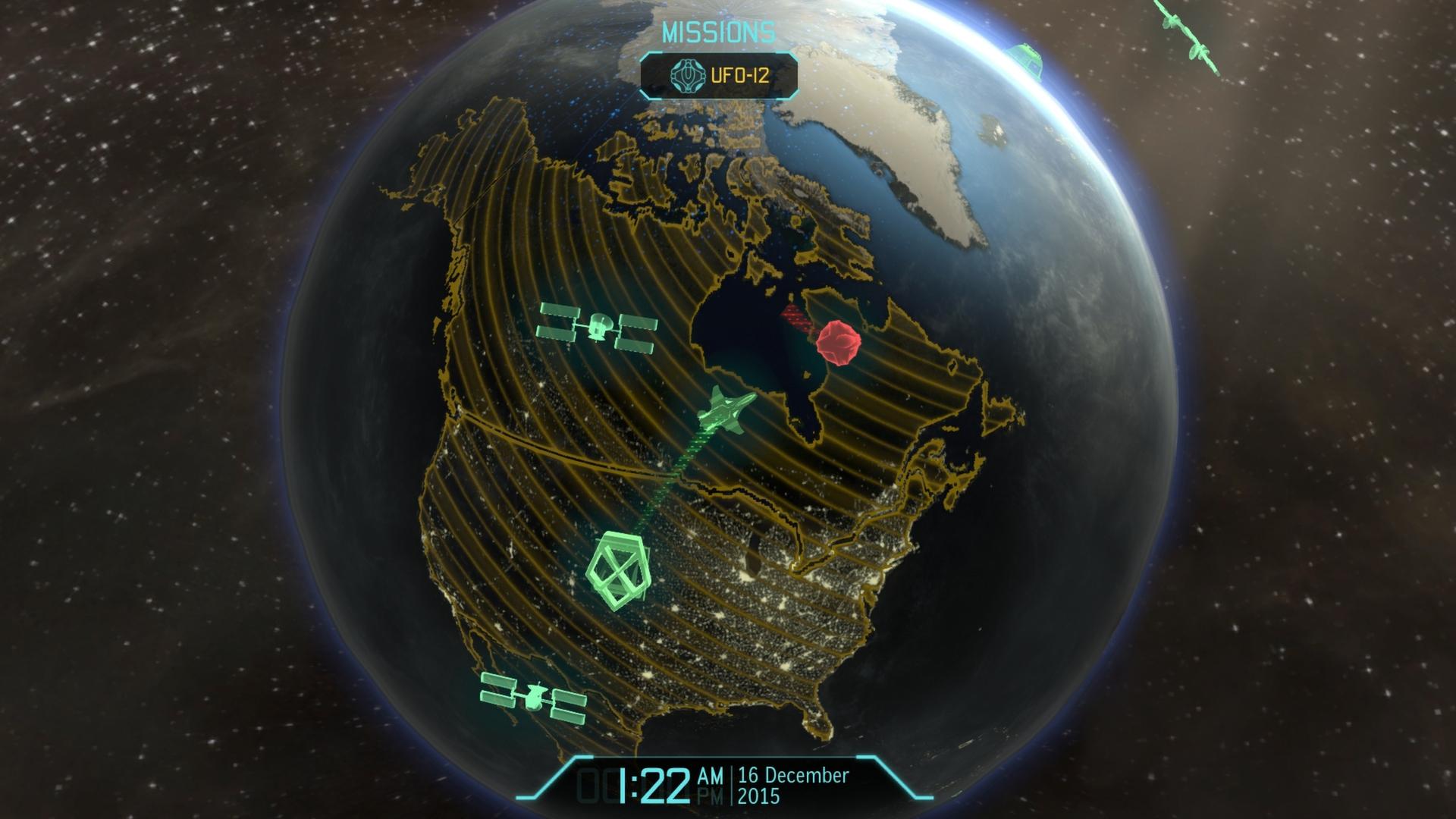
This resource competition creates genuine strategic dilemmas. Spending early resources on satellite coverage keeps funding stable but leaves soldiers under-equipped. Prioritizing weapons research wins ground battles but risks losing countries before the mid-game. There is no universally correct answer, and that tension is what keeps playthroughs feeling distinct.
Does difficulty matter in XCOM: Enemy Unknown?
Yes, significantly. The game ships with four difficulty settings, and Classic difficulty removes several assists the game provides on Normal, including reduced alien AI aggression and more forgiving sight lines. Ironman mode, available on any difficulty, disables manual saving and forces players to live with every decision. On Ironman Classic, a single bad mission can cascade into a campaign-ending spiral within a few hours.
Impact and legacy
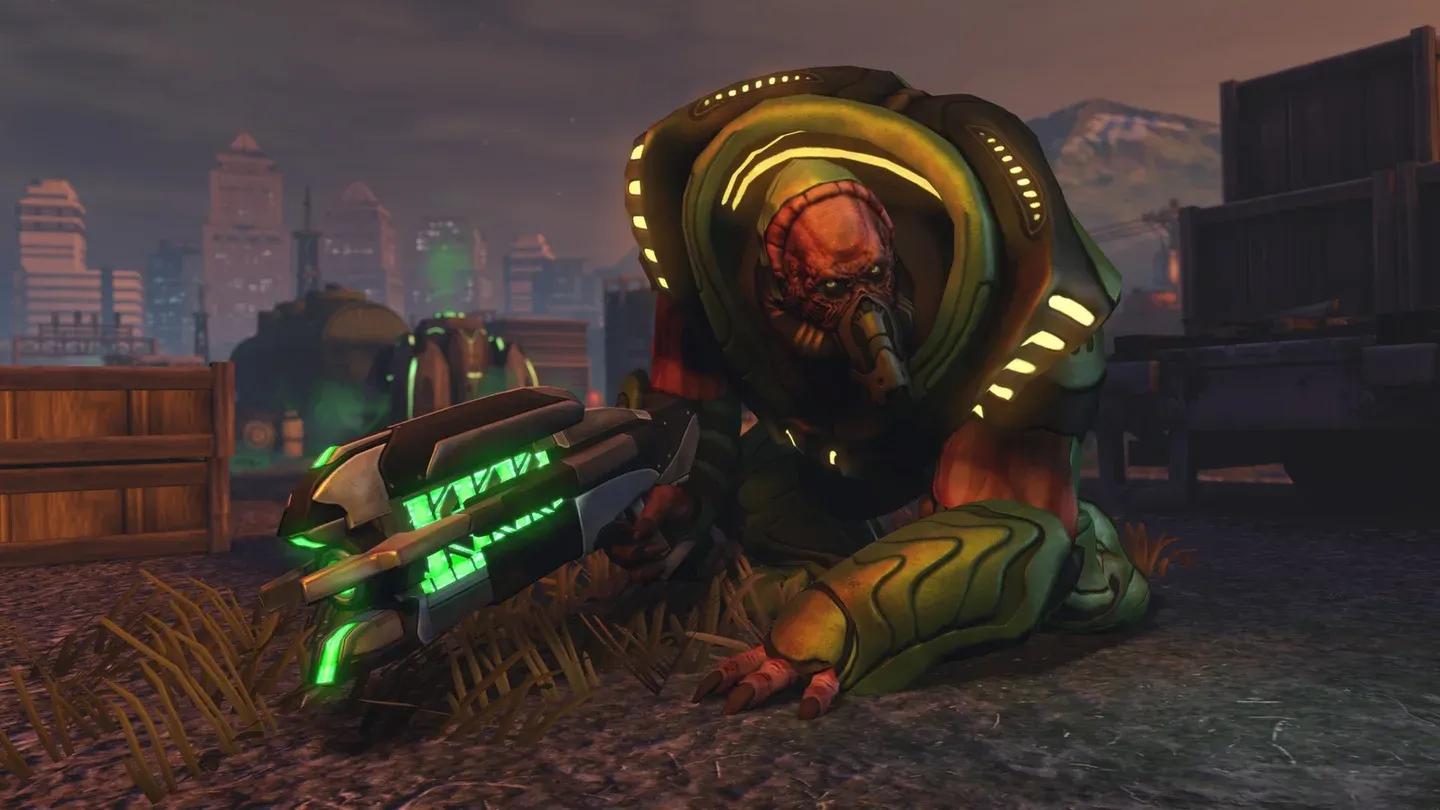
XCOM: Enemy Unknown arrived at a moment when turn-based strategy games had largely retreated from mainstream attention, and its commercial success helped bring the genre back into wider conversation. The game shipped with over 70 missions across a campaign that scales in alien aggression as research progresses. An expansion, Enemy Within, added new soldier abilities through the Meld resource system, new enemy types, and a secondary faction threat that runs parallel to the alien invasion.

The game runs on PC via Steam and Epic Games Store, PlayStation, Xbox, macOS, Android, and iOS, making it one of the more broadly available entries in the strategy genre. The mobile ports are functional and retain the full campaign. For players who want a turn-based tactics game with genuine strategic depth and consequences that carry weight, XCOM: Enemy Unknown remains a benchmark.